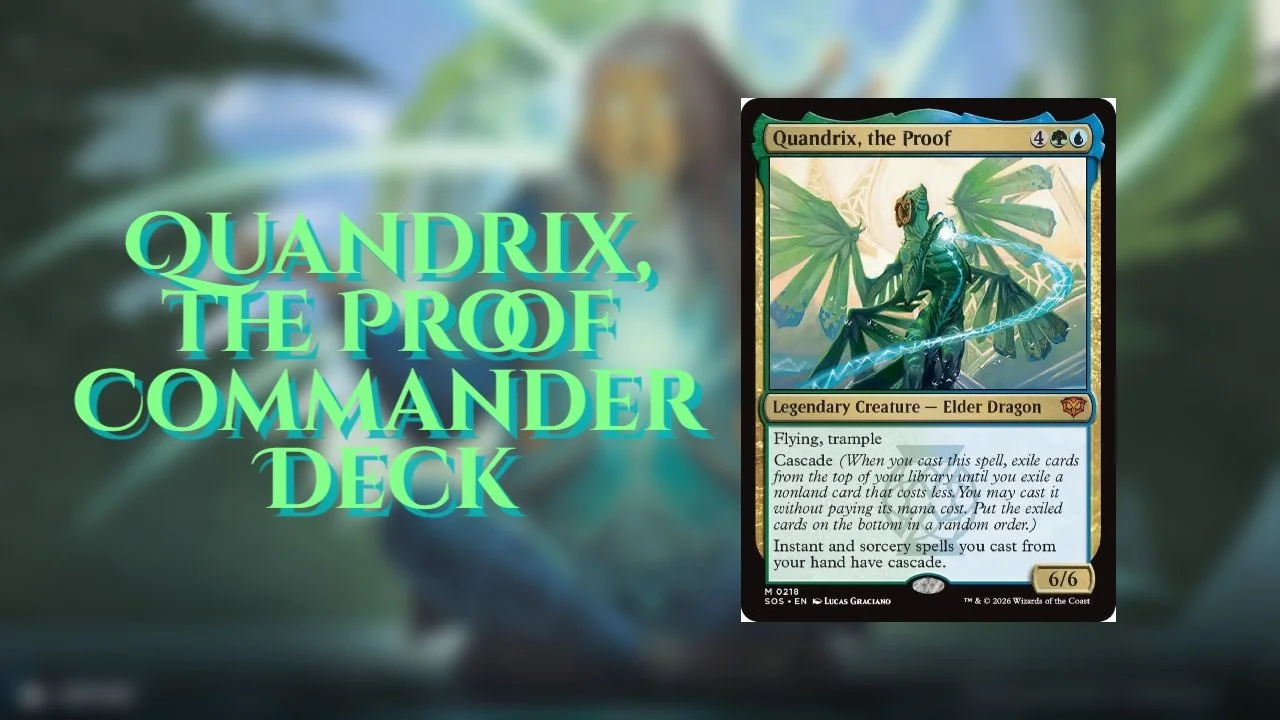
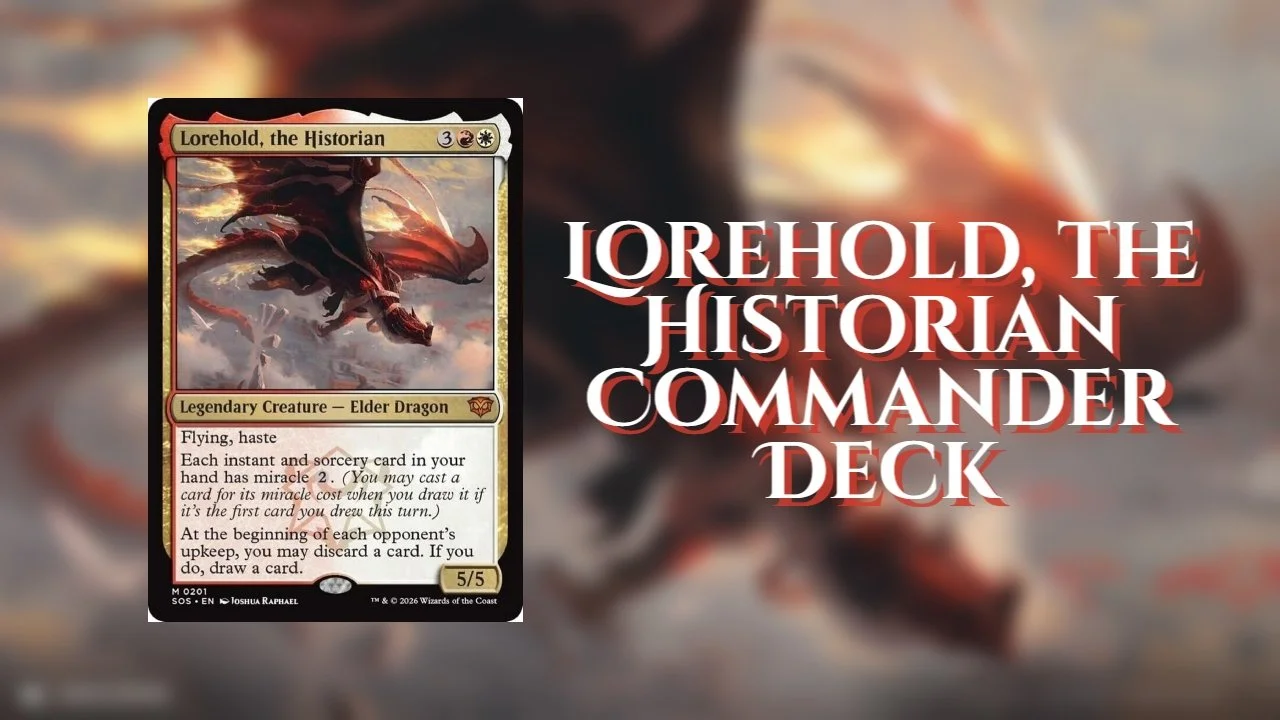
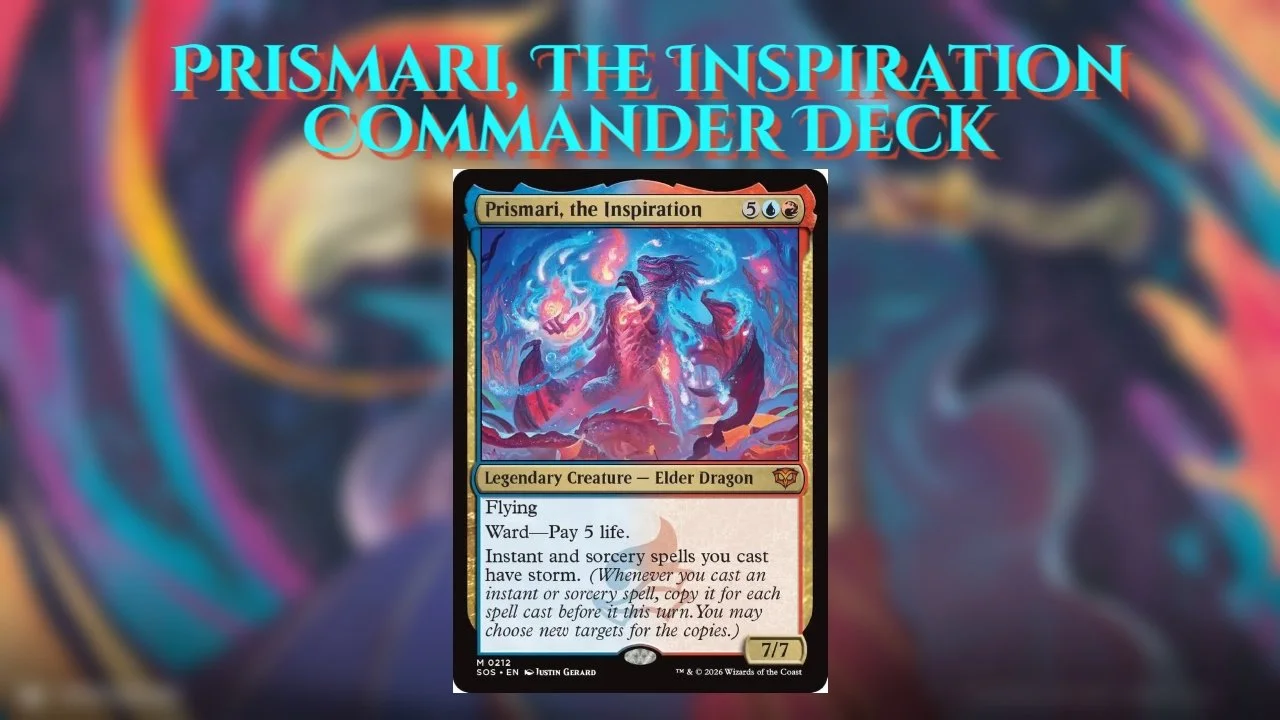
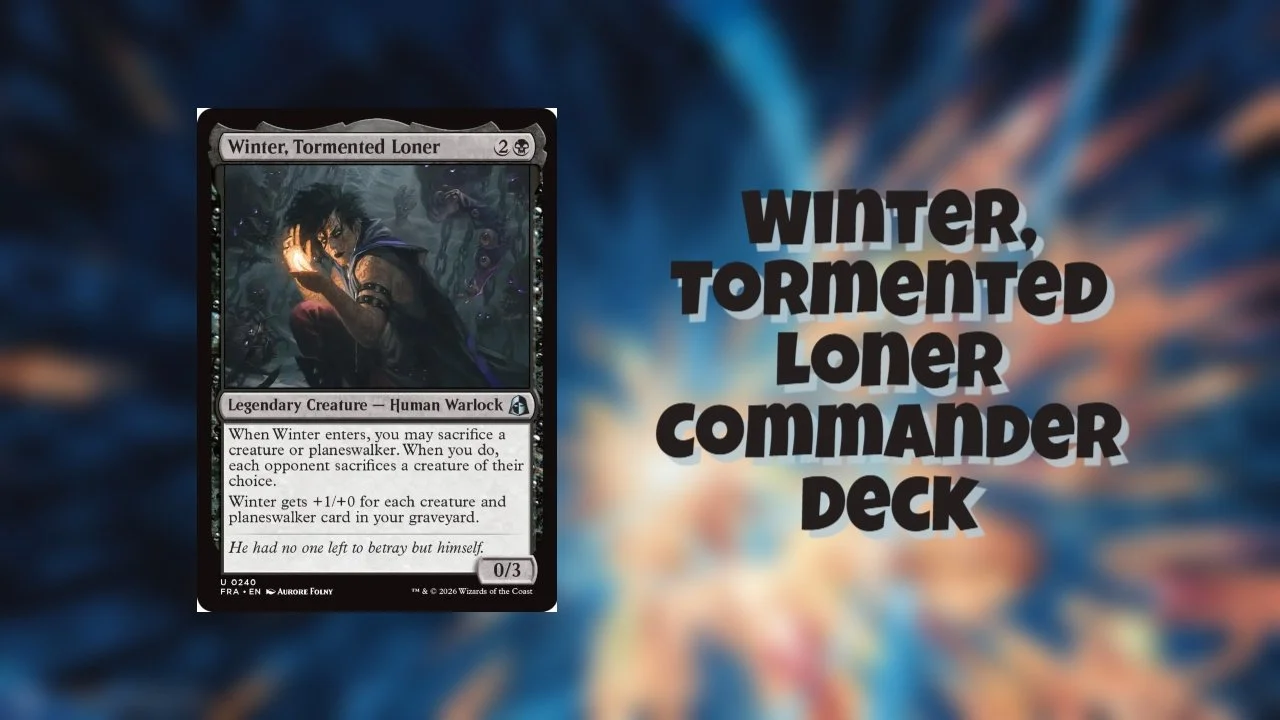
Casting spells for free is already a pretty good starting point for a Commander deck. Getting to do it again by casting a cheaper copy of your commander is where things start getting interesting. Uldaros Theorix gives us a Dimir deck that turns the graveyard into a collection of spells to work through, then rewards us for finding more ways to use that ability.
For my version, I wanted to fill the graveyard, cast Uldaros, and use creatures that enter as copies to get another round of free spells. Instead of paying six mana for the commander every time, you can often cast a smaller clone and have it enter as another Uldaros. Those copies help you keep building resources until opponents cannot keep up with the advantage.
There are a few important rules behind how this works, but once those are clear, the plan is a lot of fun. Mill your own cards, choose a useful combination of spells, and make another Sphinx when you are ready to do it again.
Commander Overview
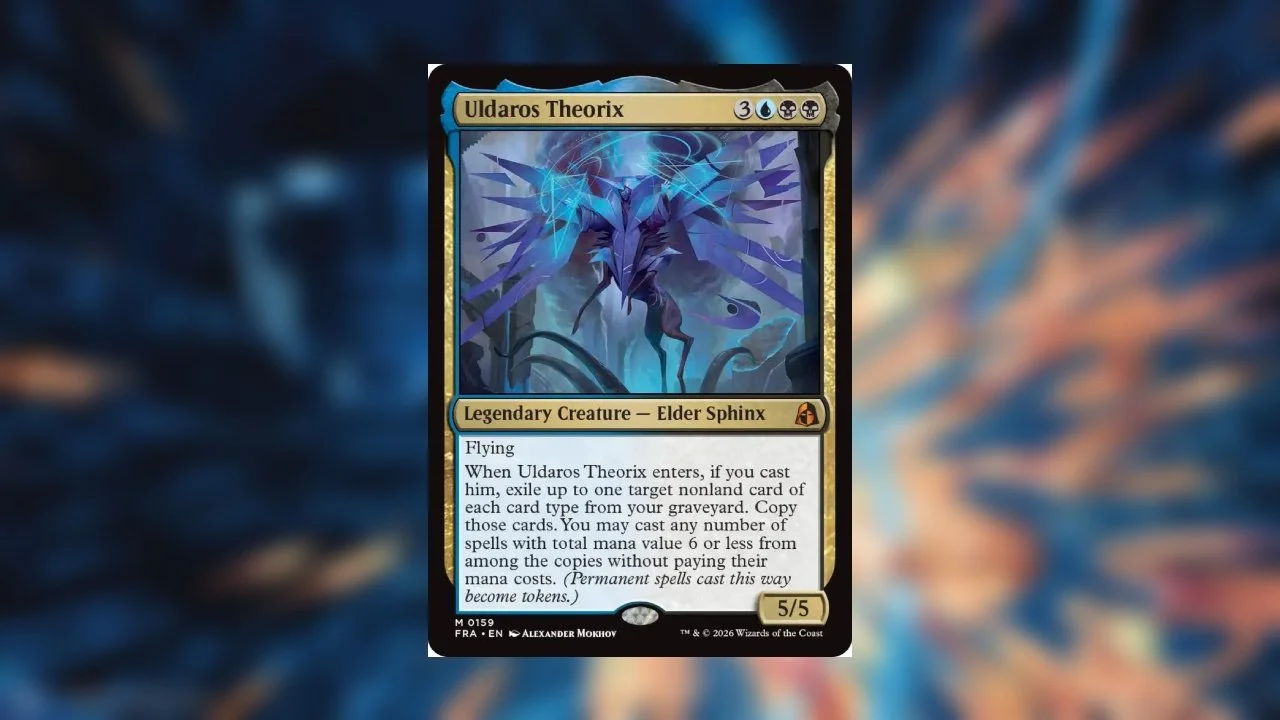
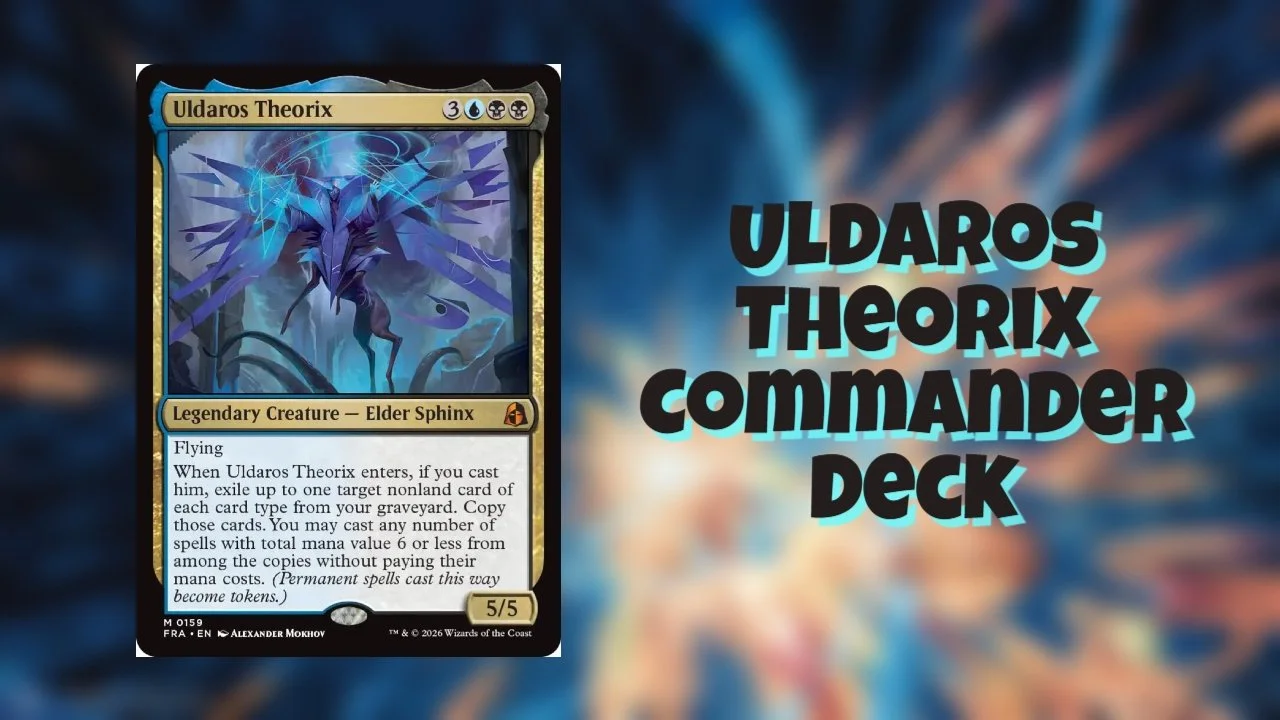
Uldaros Theorix is a six-mana 5/5 Elder Sphinx with flying. When he enters, if you cast him, you can exile up to one target nonland card of each card type from your graveyard, copy those cards, and cast spells from those copies without paying their mana costs. The spells you choose to cast must have a combined mana value of six or less.
That last restriction matters. You do not get six mana worth of spells for each card type. You have one total allowance of six for that resolution, so choosing several efficient cards can be more useful than choosing one expensive spell.
Uldaros technically has an enter-the-battlefield trigger with a casting requirement, rather than an ability that triggers when you cast him. That means a Clone you cast can enter as Uldaros and trigger the ability. It also means blinking him or putting an uncast copy directly onto the battlefield does not give you another set of free spells.
The original cards are exiled from your graveyard, and you cast copies of them. Permanent spells cast this way become tokens. You are spending graveyard resources each time, so the deck needs to keep supplying new cards rather than assuming the same spell will always be available again. You can choose fewer targets, which helps avoid exiling useful cards whose copies you do not intend to cast.
Main Deck Strategy
The deck is built around three connected priorities: fill the graveyard with a useful mix of card types, establish Uldaros, and cast copies that let you repeat his ability. Mana development matters throughout because the first commander cast still costs six.
Fill Your Graveyard With Useful Options
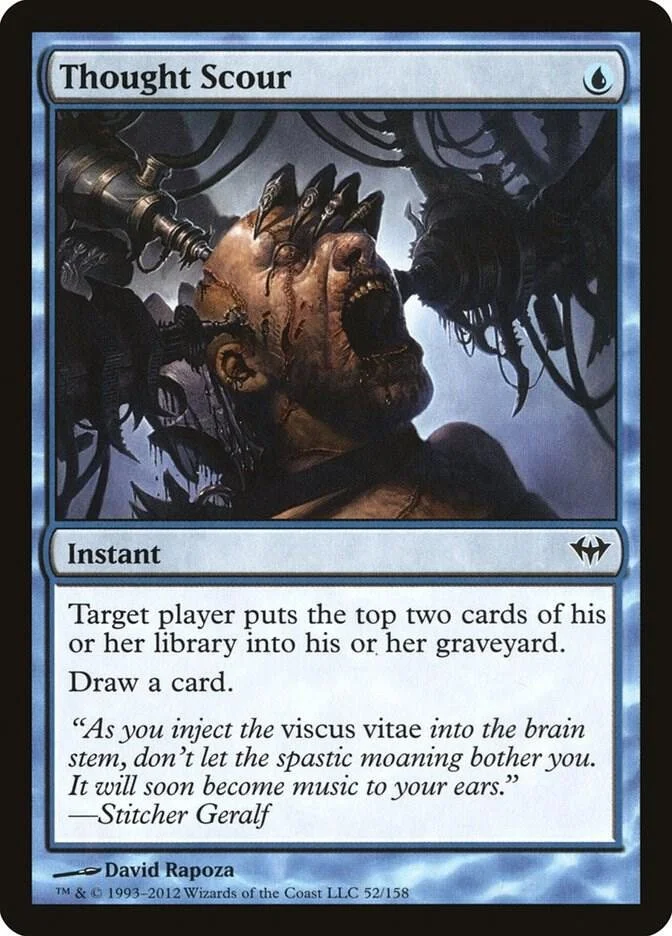
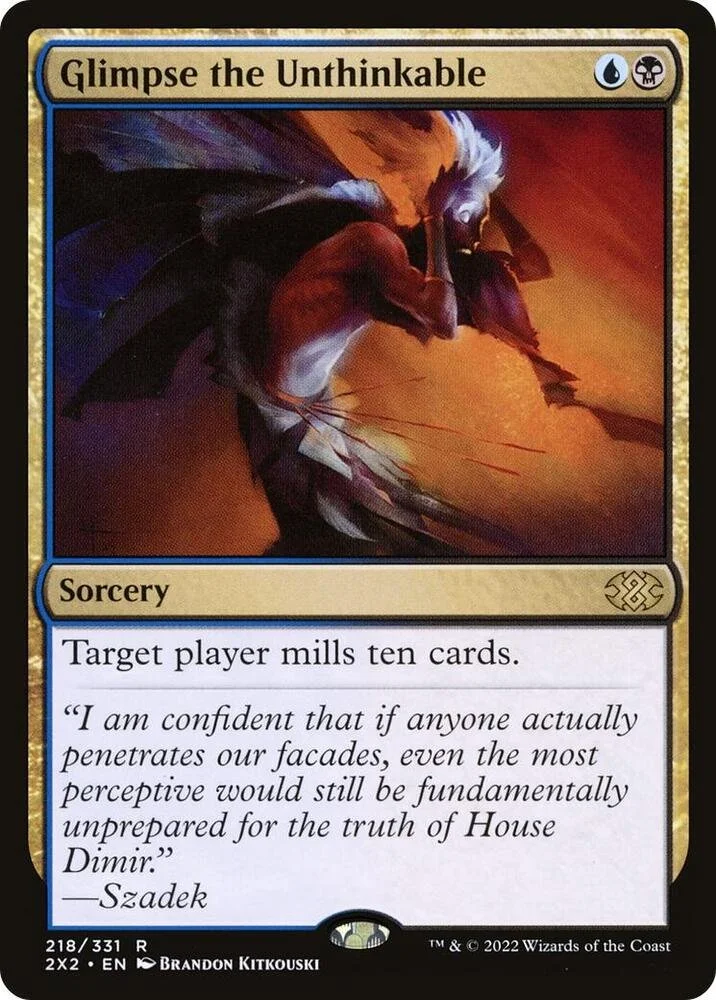
Self-mill gives Uldaros something to work with. Stitcher's Supplier, Thought Scour, Glimpse the Unthinkable, and your larger mill effects can move cards from the library into the graveyard, where they become possible targets for the commander.
You want variety as well as quantity. A graveyard full of creatures gives you plenty of choices for the creature slot, but it does not let one Uldaros trigger select five separate creature cards. Instants, sorceries, artifacts, enchantments, and planeswalkers provide different options when you are assembling a package.
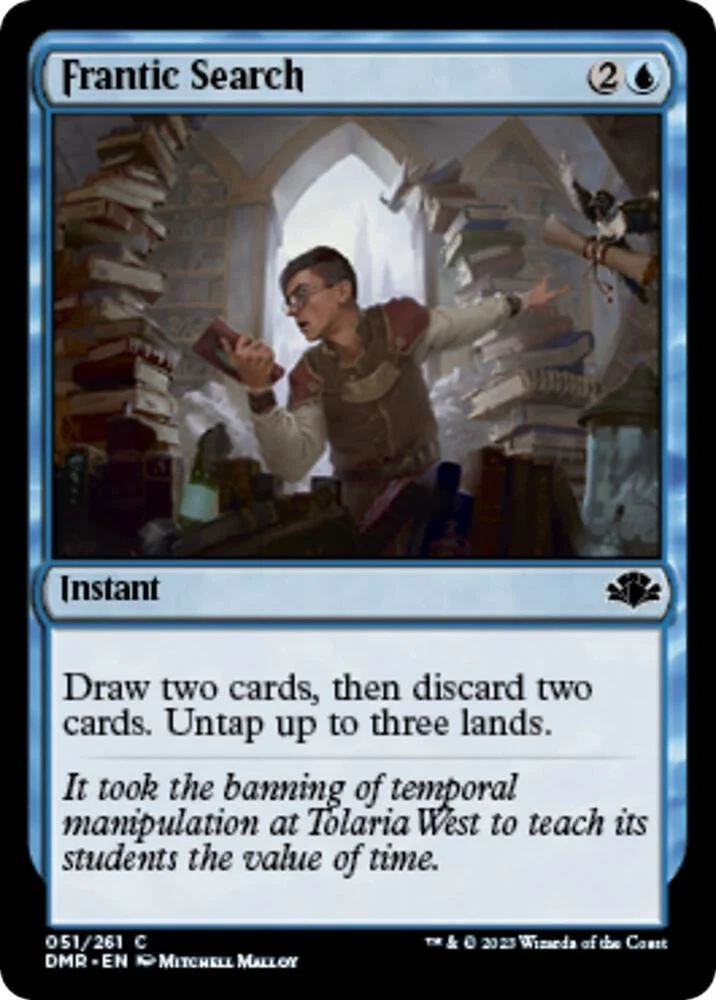
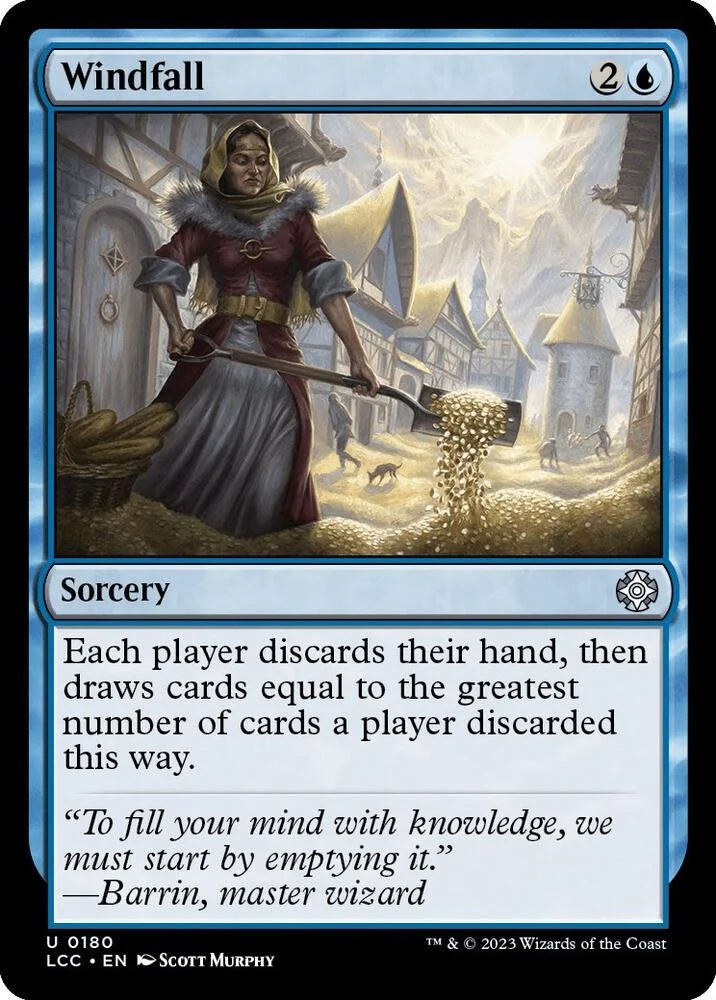
Frantic Search and Windfall also help put cards from your hand into the graveyard while finding new resources. Sometimes a card is more useful as something Uldaros can copy later than as an expensive spell waiting in your hand.
Do not treat milling half your library as a requirement before the commander can do anything. A smaller graveyard with a mana rock, a useful instant, and a good creature can already support a productive resolution. The goal is access to good plays, not simply making the graveyard as large as possible.
Cast Creatures That Enter As Uldaros
Clone, Phantasmal Image, Mirror Image, and your other copy creatures let you repeat the commander's ability without recasting the actual commander every time. The copy creature must be cast and must enter with Uldaros's ability for that plan to work.
The legend rule does not stop the enter trigger. If you control two legendary permanents named Uldaros Theorix, you normally choose one to keep and put the other into the graveyard. The new copy's triggered ability can still resolve afterward, even if you chose to put that copy into the graveyard.
Mirror Box lets you keep multiple legendary copies instead, which gives you a larger flying board and more copy targets. It is useful support, but it is not required just to get the extra enter trigger.
Bounce is another route. Snap can return the actual commander to your hand so you can cast him again from there. Recasting from your hand does not add commander tax, although it still costs mana and gives opponents another opportunity to interact.
Turn Free Spells Into Another Round Of Resources
Your strongest resolutions should help make the next one possible. A mana rock develops your resources, a self-mill spell provides fresh targets, and a clone can become another Uldaros once it resolves.
For example, a creature copy of Phantasmal Image cast through Uldaros's ability can enter as Uldaros. Because you actually cast that spell, the resulting token permanent can satisfy the casting requirement and produce another trigger. This is different from an effect that simply creates a token copy on the battlefield.
That does not make the deck automatically infinite. The original graveyard cards are being exiled, each resolution has its own mana-value limit, and you still need legal targets and a creature worth copying. The engine keeps going when its next set of plays supplies enough material to continue.
You also need to respect the stack. Spells cast during Uldaros's ability wait to resolve until that ability finishes. A mill spell you cast from one resolution cannot supply new targets for that same resolving ability, although it can help prepare a later trigger.
Best Cards For An Uldaros Theorix Commander Deck
The best cards for this deck fall into three main categories: graveyard setup, castable creature copies, and support that makes each Uldaros trigger more productive. You want a steady supply of cards to copy, efficient ways to repeat the ability, and enough mana and payoffs to turn those extra spells into a win.
Best Graveyard Setup
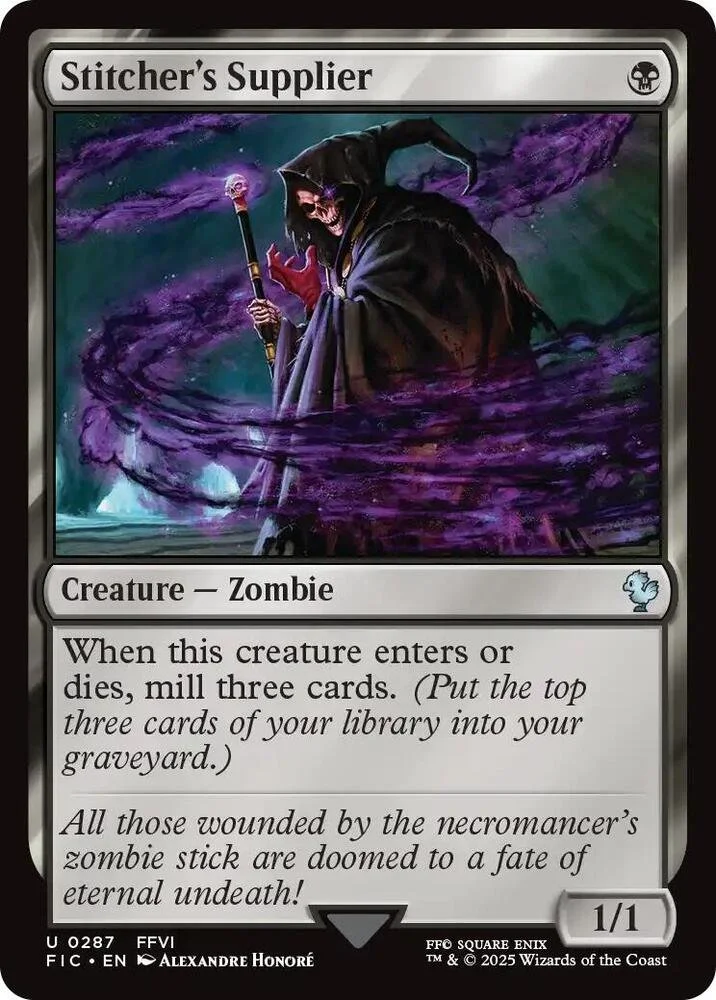
Stitcher's Supplier: Mills three cards when it enters and another three when it dies. It gives you inexpensive setup attached to a creature, and its death trigger helps make it useful even when it does not stay on the battlefield for long.
Thought Scour: Can target you to mill two cards and draw a card for one blue mana. It is a small amount of setup, but it helps keep your hand moving while adding possible graveyard targets.
Glimpse the Unthinkable: Mills ten cards from a target player's library for two mana. In this deck, targeting yourself is often the point. It can establish a much broader selection of card types before your first commander cast.
Frantic Search: Draws two cards, discards two, and untaps up to three lands. That gives you a way to put specific cards into the graveyard while finding new options, often recovering the land mana spent to cast it. It is particularly useful when your hand contains a card you would rather access through Uldaros.
Windfall: Discards everyone's hands and draws cards based on the largest number discarded this way. It can refill your hand and supply your graveyard at once, but it also gives opponents fresh cards. Think about who benefits before casting it into a table that has been running low on resources.
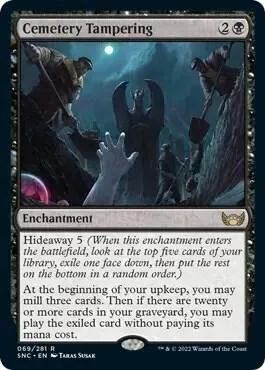
Cemetery Tampering: Provides repeatable self-mill during your upkeep. That ongoing supply matters because Uldaros consumes his original targets rather than returning them to the graveyard. Its hideaway ability can provide an additional payoff once your graveyard is large enough.
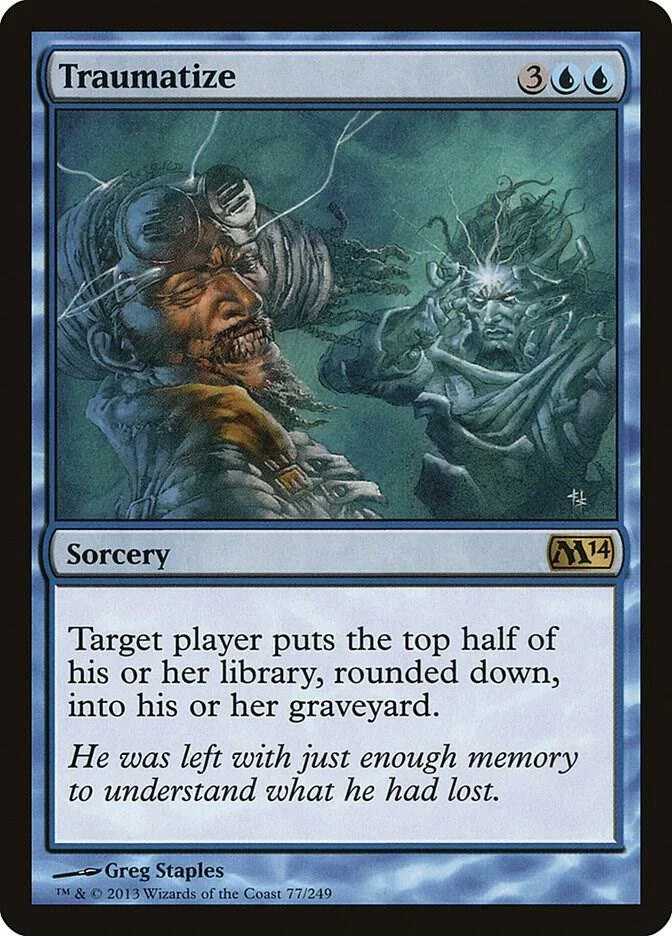
Traumatize: Mills half a target player's library, rounded down. Targeting yourself can produce a large set of choices, but five mana is a significant investment and a large mill can leave your library vulnerable. Use it when the additional material will support a strong follow-up.
Best Creature Copies
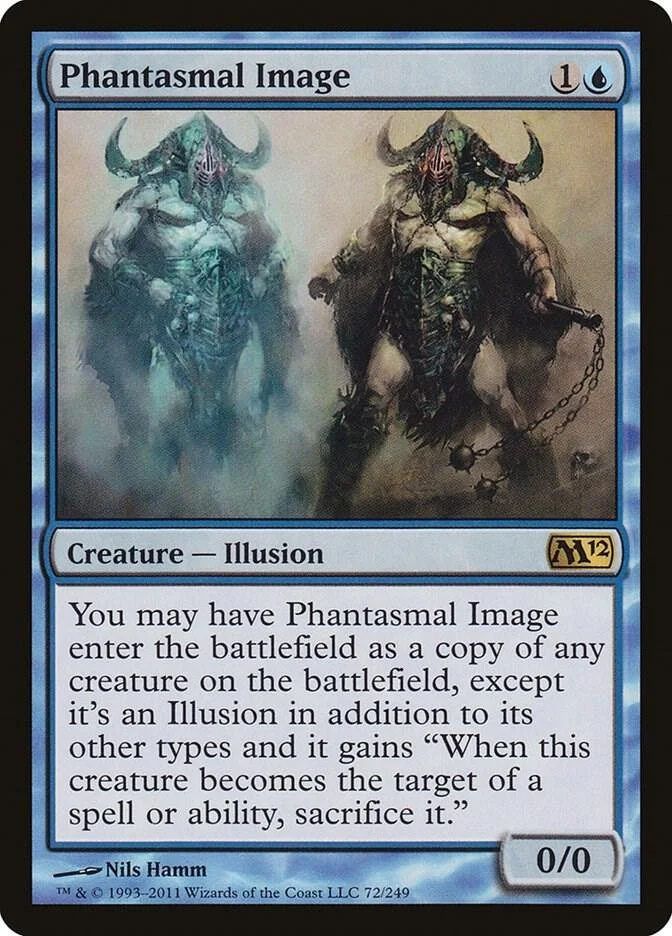
Phantasmal Image: Gives you a two-mana creature that can enter as Uldaros. That is an efficient way to repeat a six-mana commander's ability, whether you cast it from your hand or cast a copy through Uldaros. Its sacrifice drawback when targeted still matters, but the enter trigger does not depend on the creature surviving afterward.
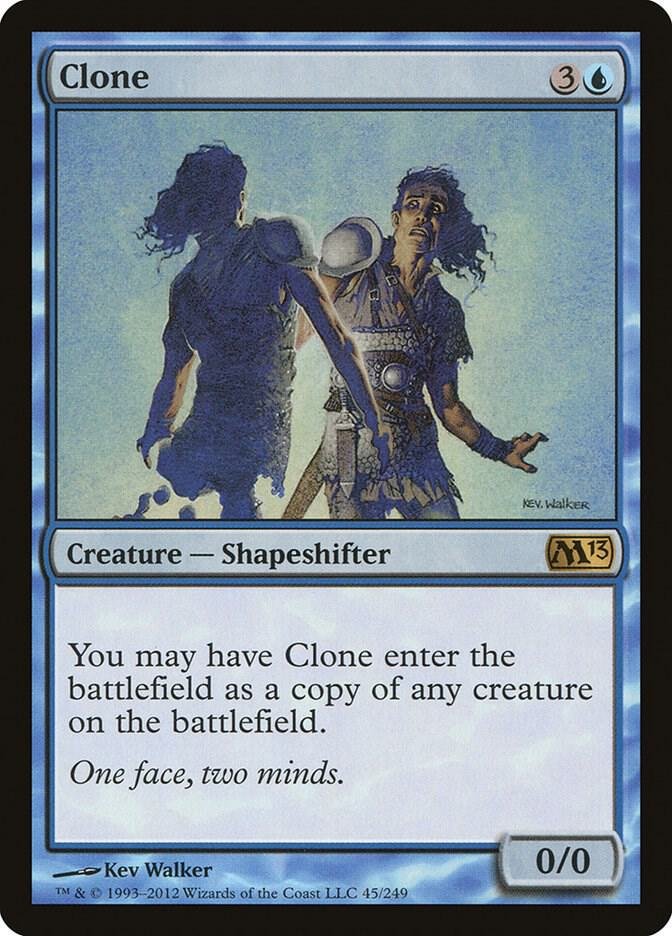
Clone: Provides a straightforward copy effect without special restrictions on which battlefield creature it can copy. Uldaros is your preferred engine target, but copying another useful creature can be the right play when your commander is unavailable.
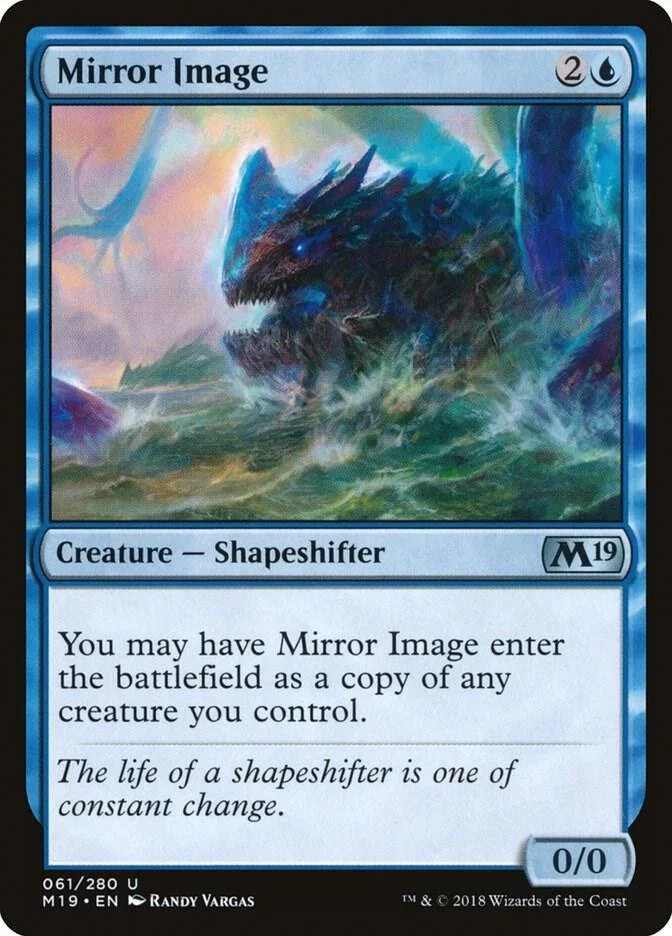
Mirror Image: Copies a creature you control for three mana. The restriction fits your main plan because you normally want to copy your own Uldaros, and the lower cost leaves more room for other plays.
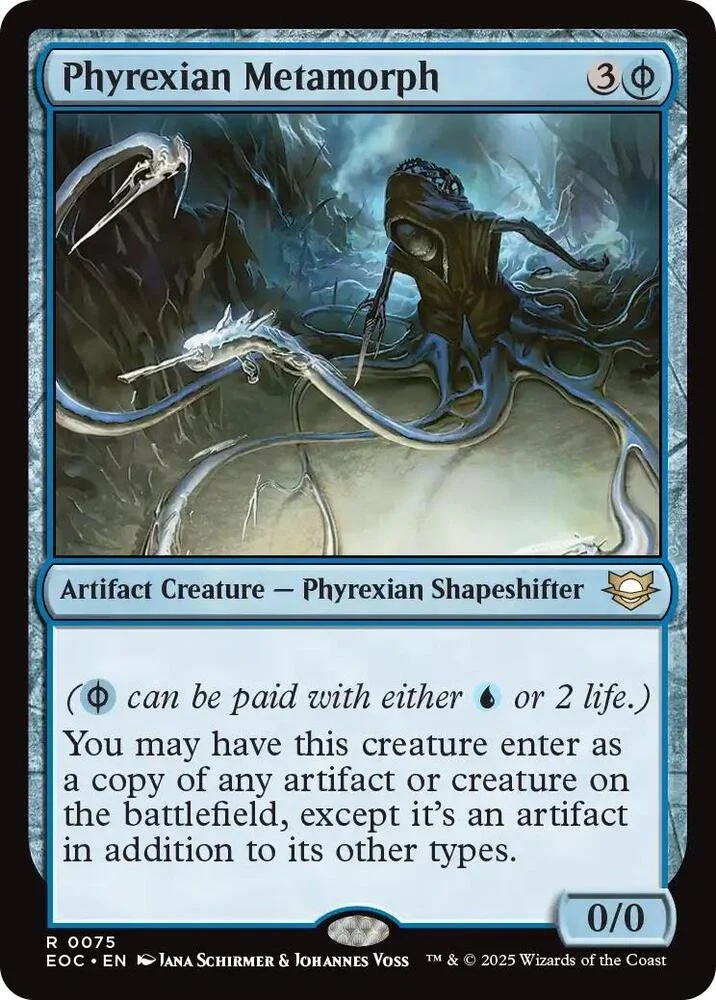
Phyrexian Metamorph: Can copy an artifact or creature, with a flexible Phyrexian-mana payment. It can become Uldaros when you want another trigger or a useful artifact when you need resources. Paying life to cast it more cheaply does not reduce its mana value for Uldaros's six-mana allowance.
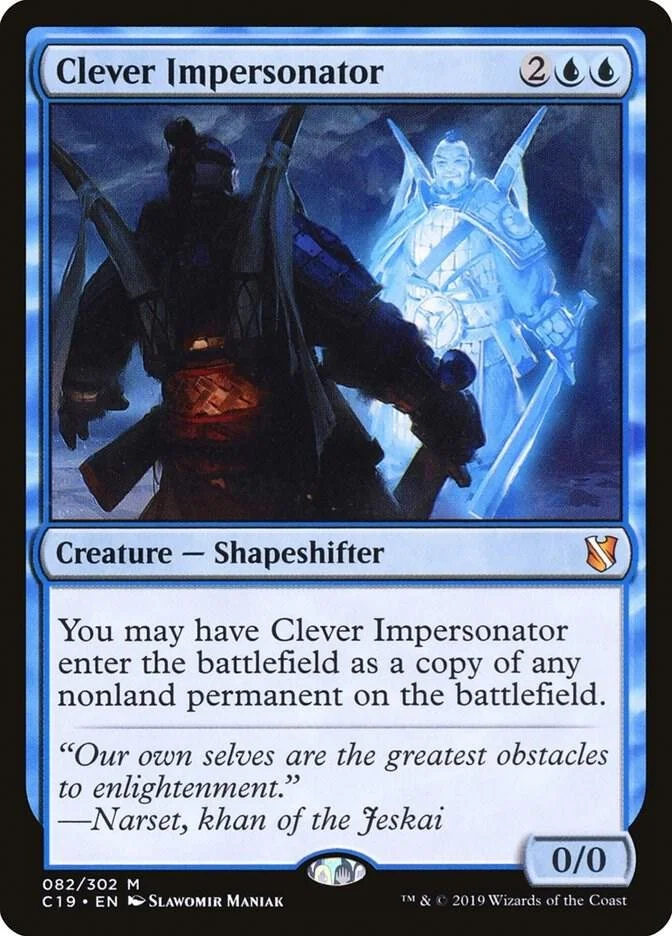
Clever Impersonator: Can copy any nonland permanent on the battlefield. That gives it useful flexibility beyond the commander plan, including the option to copy an important enchantment, artifact, or planeswalker. When you want the Uldaros trigger, cast it and choose the commander as it enters.
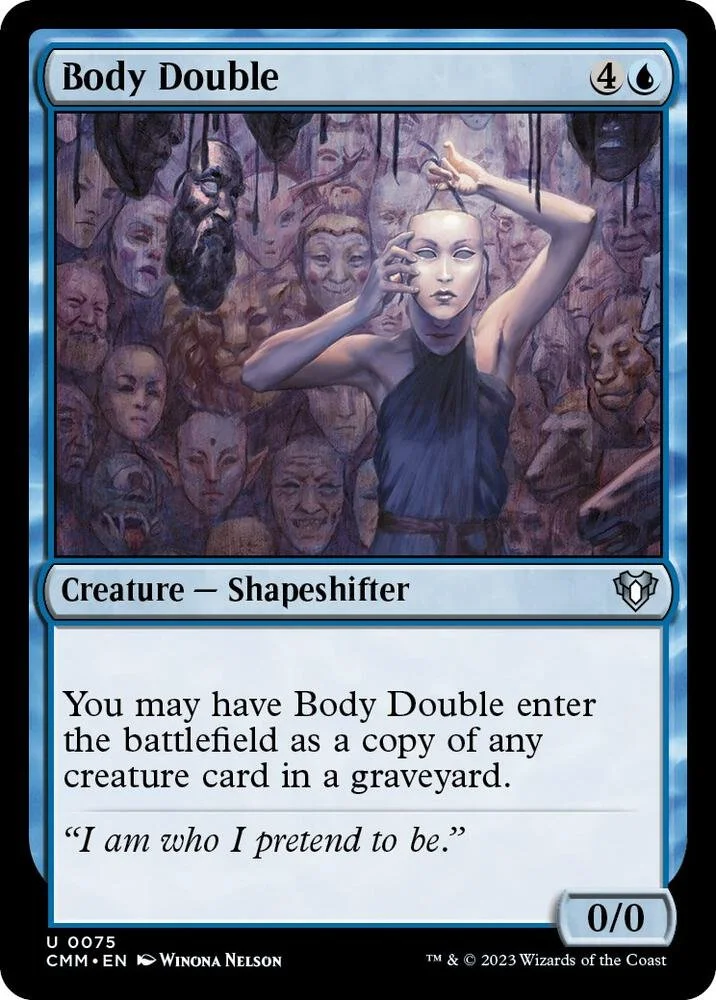
Body Double: Copies a creature card in a graveyard rather than a creature on the battlefield. If Uldaros is actually in a graveyard, Body Double can enter as him and trigger the ability when cast. It does not copy Uldaros from the command zone, so treat it as a different tool from the ordinary battlefield clones.
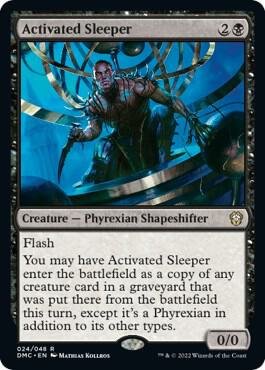
Activated Sleeper: Can enter as a creature that was put into a graveyard from the battlefield that turn. That makes it a useful response to a creature dying, including Uldaros, but it needs the appropriate death to have happened. It is not an unrestricted copy of a creature that is still on the battlefield.
Best Engine Support And Payoffs
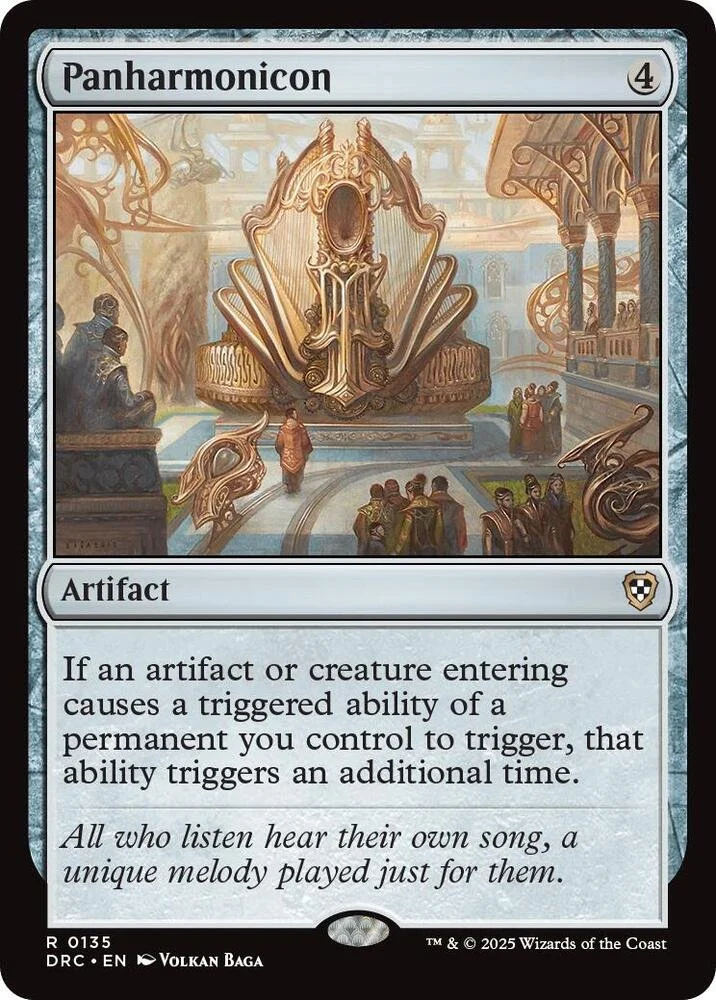
Panharmonicon: Makes qualifying enter-triggered abilities trigger an additional time when an artifact or creature enters. A cast Uldaros entering can therefore produce two triggers. You need enough graveyard material for both, and targeting the same cards with both triggers can leave the later one without those targets after the first resolution exiles them.
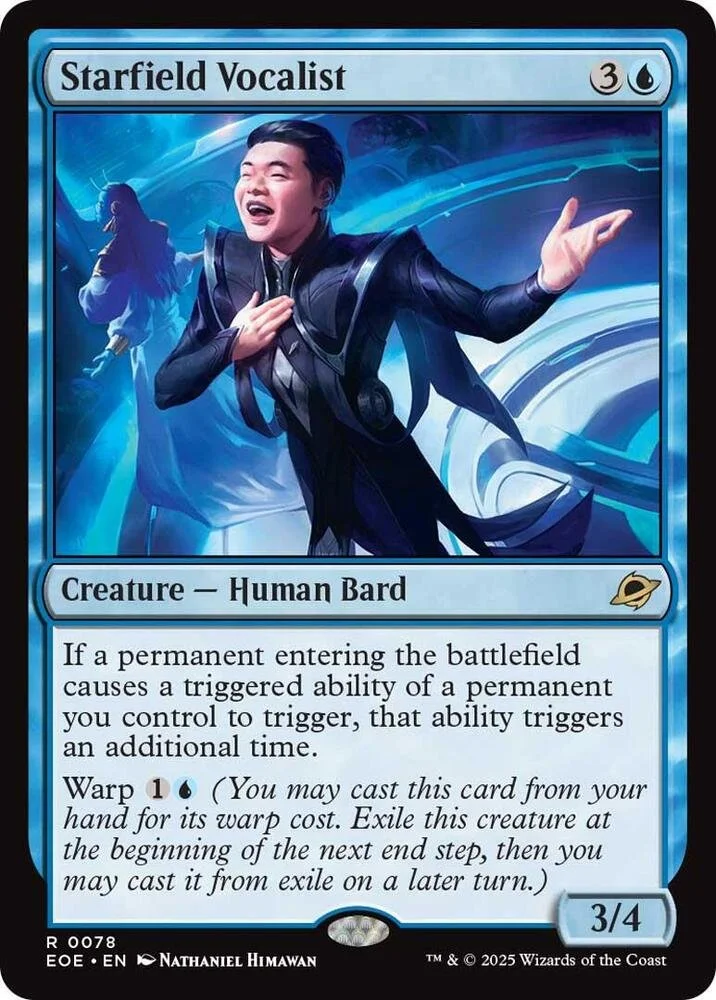
Starfield Vocalist: Gives you another way to increase triggered abilities caused by permanents entering. It supports the same central plan as Panharmonicon while also being a creature you can copy when that is more useful than another Sphinx.
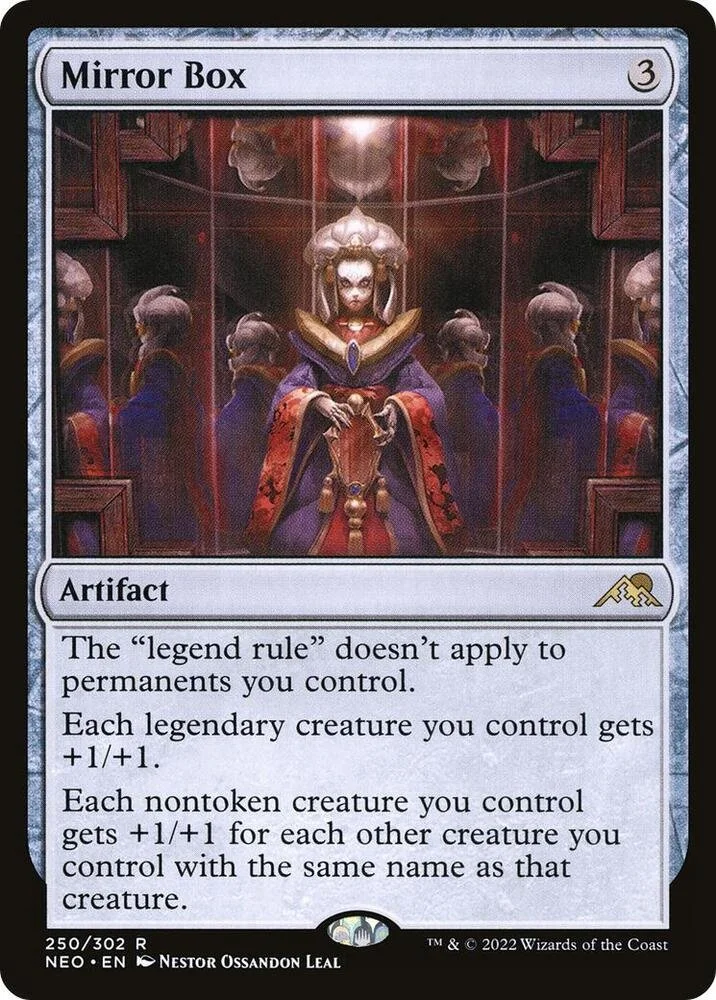
Mirror Box: Turns off the legend rule for permanents you control, letting several Uldaros copies remain together. That helps convert your clone package into an actual board of flying threats. Without it, you can still get the triggers; with it, you can keep more of the bodies too.
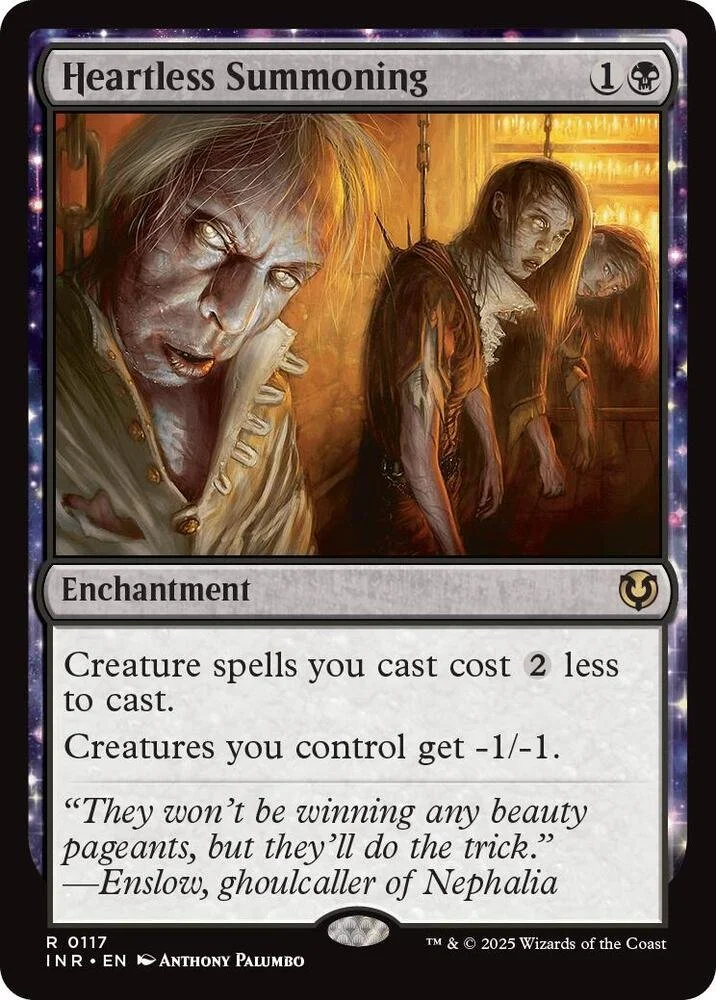
Heartless Summoning: Reduces the generic cost of your creature spells by two, helping cast both Uldaros and many of your clones. Its -1/-1 effect on your creatures is a real cost, especially for small utility creatures. It also does not reduce a spell's mana value when you are choosing what fits under Uldaros's limit.
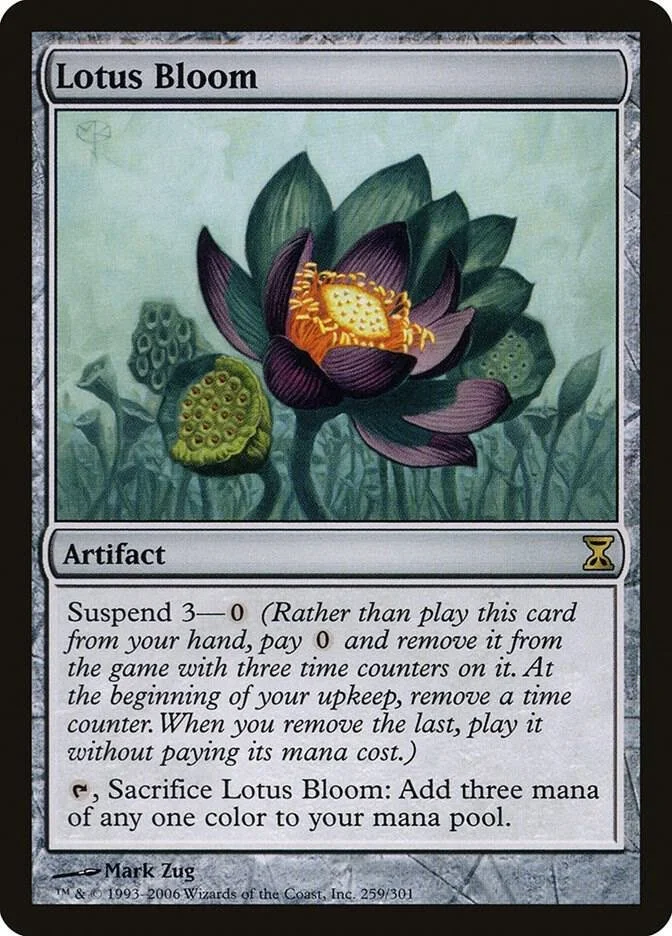
Lotus Bloom: Has mana value zero, making a copied spell an efficient addition to an Uldaros resolution. His permission to cast without paying the mana cost lets you cast the copy despite its missing mana cost. Once it resolves, the token artifact can be sacrificed for three mana of one color.
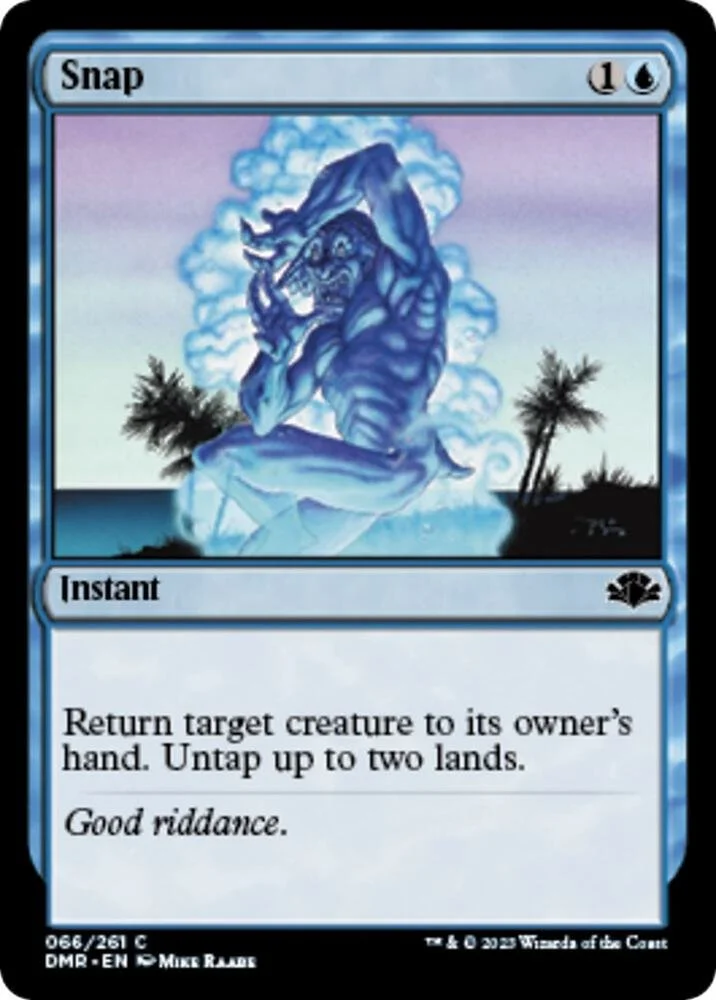
Snap: Returns a creature to its owner's hand and untaps up to two lands. It can delay an opposing threat or return the actual commander for another cast. Bouncing a token does not give you a reusable card in hand, so distinguish your original cards from the token permanents Uldaros creates.
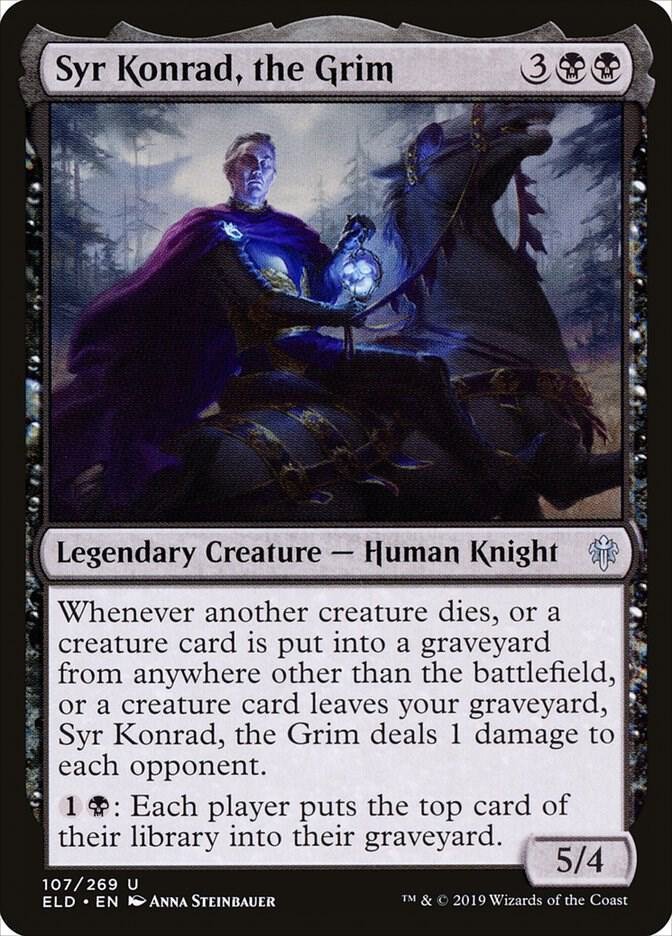
Syr Konrad, the Grim: Damages each opponent when relevant creature cards enter graveyards, when creature cards leave your graveyard, and when other creatures die. Your self-mill, Uldaros's exile effect, and legendary copies dying can all contribute. This gives the deck a damage payoff alongside the value engine.
Budget Options For An Uldaros Theorix Commander Deck
The most important pieces are dependable mana development, self-mill, and enough castable clones to repeat the commander. You can build those foundations before spending on premium versions of the same jobs.
Clone, Mirror Image, Body Double, Thought Scour, and Stitcher's Supplier give you useful places to start. Arcane Signet, Sol Ring, and your other mana rocks help reach the first Uldaros cast while also providing artifact targets later. Check current prices and available printings when choosing between similar effects.
Keep a range of inexpensive mana values in the deck. A three-mana creature and a two-mana sorcery leave room for a one-mana instant in a single resolution. A graveyard full of seven- and eight-mana cards will not become castable simply because Uldaros says you can cast spells for free.
You can also use basic Islands and Swamps in place of premium lands, provided you maintain enough access to both colors. Uldaros needs two black mana, while many clones require blue. Your lands need to support both halves of the plan.
I would prioritize a functional setup and repeatable engine over an expensive finisher. Getting the commander online with useful targets matters more than owning a powerful card that cannot fit under his limit.
Higher Power/Budget Options For An Uldaros Theorix Commander Deck
The four sideboard cards are optional upgrades to swap into the 99. Commander does not normally use a traditional sideboard, so choose the ones that improve the version you want to play.
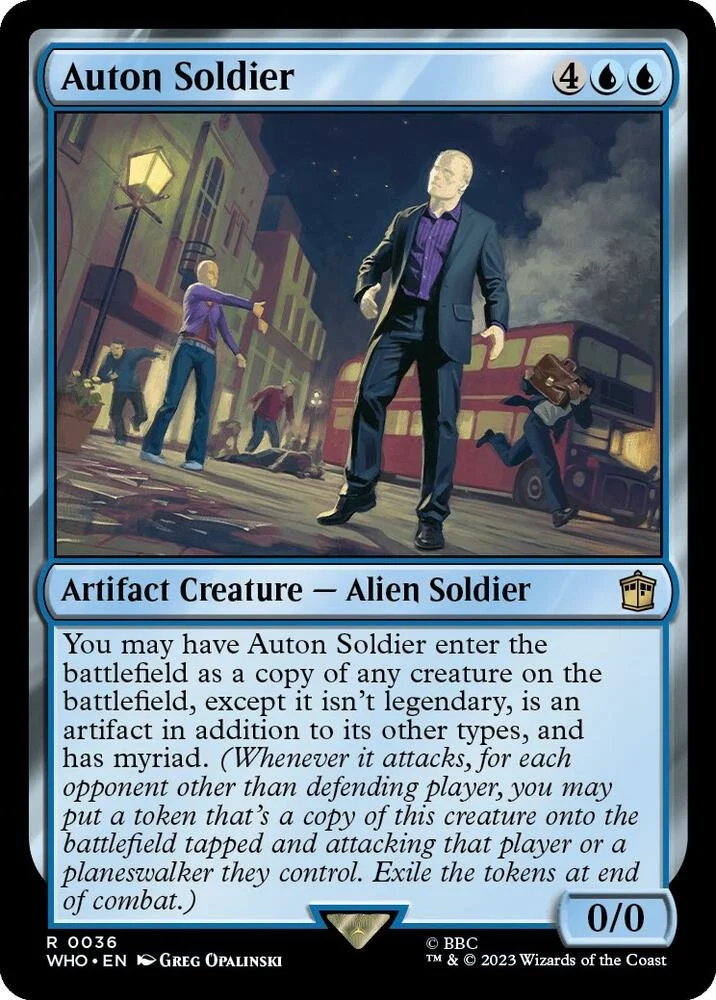
Auton Soldier: Can enter as a nonlegendary copy of Uldaros when cast, letting it stay alongside the original without Mirror Box. It also gains myriad, which can create additional attacking copies. Those myriad tokens were not cast, so they do not trigger Uldaros's free-spell ability; their value is additional combat pressure.
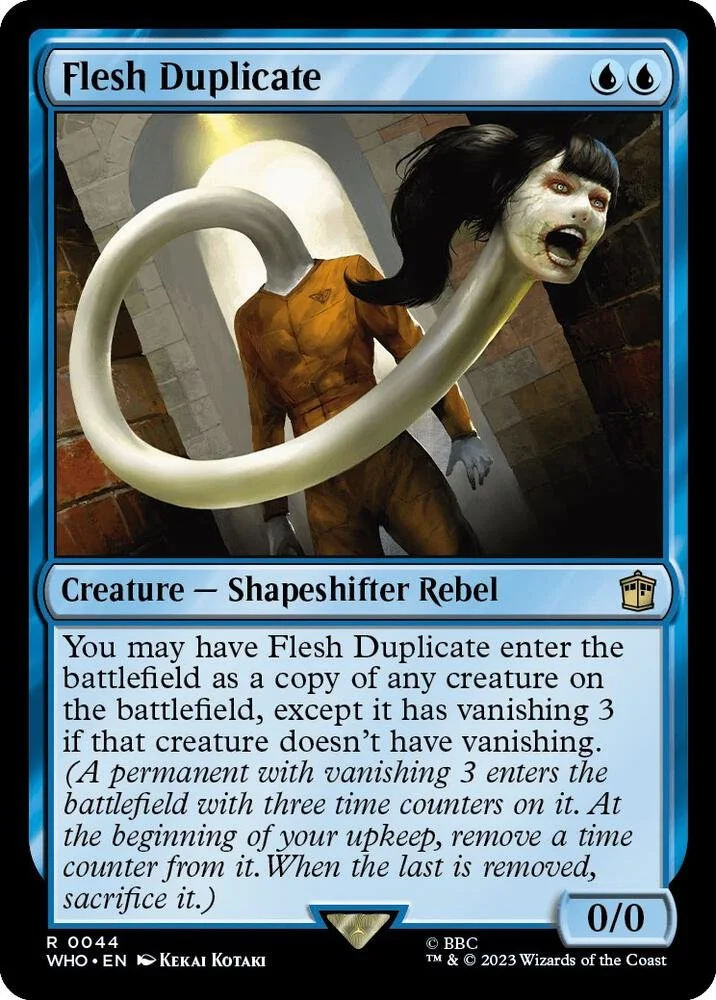
Flesh Duplicate: Provides another two-mana copy creature. Vanishing limits how long it remains on the battlefield, but you get the enter trigger immediately when it is cast and enters as Uldaros. That makes its low cost particularly attractive for this plan.
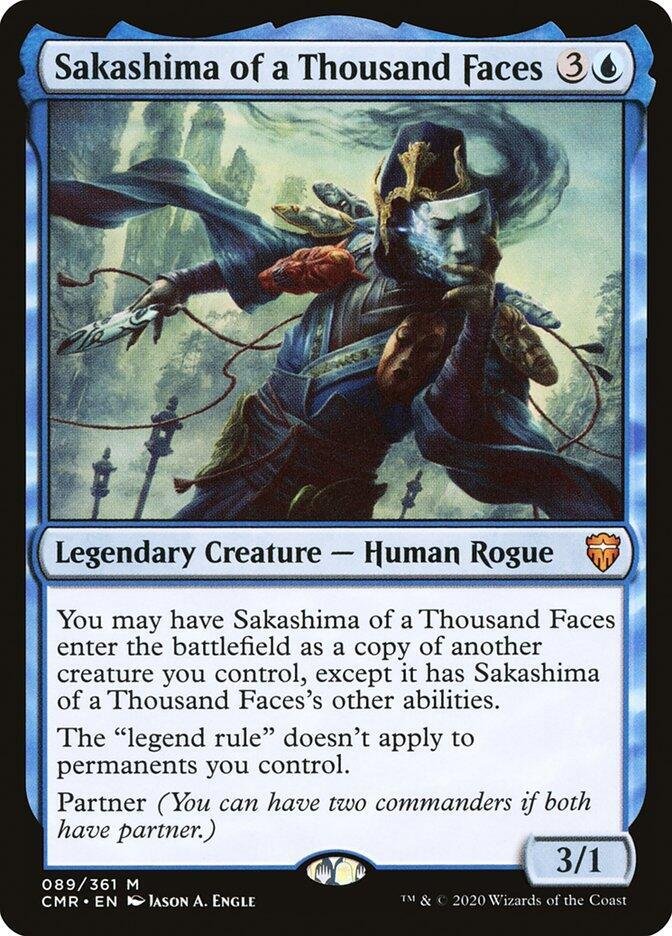
Sakashima of a Thousand Faces: It can enter as a copy of another creature you control while retaining its other abilities, including turning off your legend rule. That combines another castable Uldaros copy with support for keeping multiple legendary copies alive.
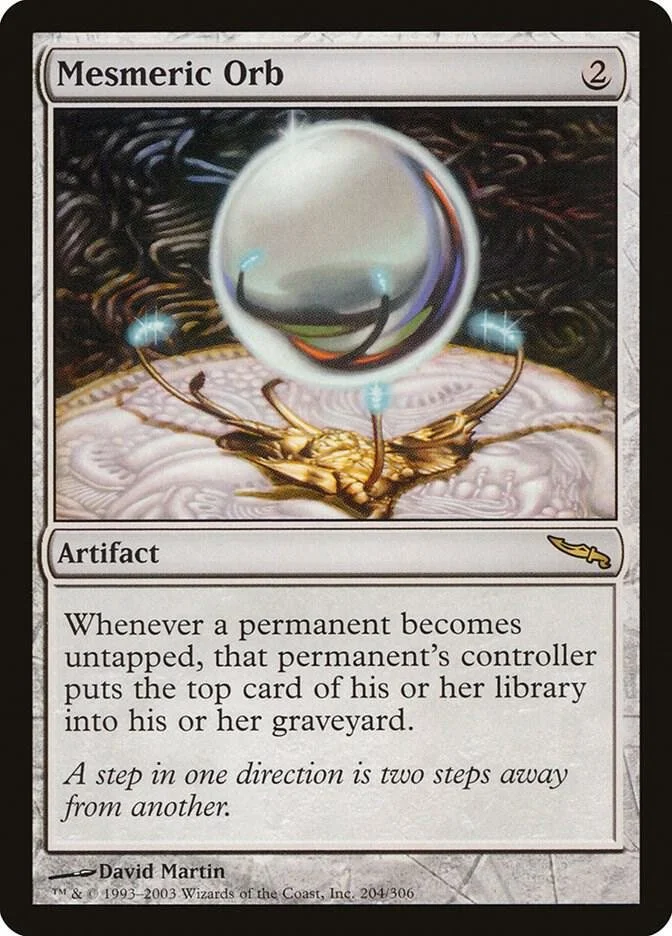
Mesmeric Orb: Mills a card for the controller of a permanent whenever that permanent becomes untapped. It can supply a steady stream of graveyard material while the table develops. It affects opponents too, so consider whether you are helping another graveyard deck as much as yourself, and keep track of your remaining library.
Cards To Avoid When Building An Uldaros Theorix Commander Deck
Avoid filling the deck with blink effects just because the commander has an enter ability. Returning Uldaros to the battlefield without casting him does not satisfy the requirement. The same problem applies to ordinary reanimation and uncast token copies when the goal is repeating his free-spell ability.
Also be careful with creatures that become copies only after entering. They do not retroactively trigger an ability that would have needed to exist when they entered. Your core copy package wants effects that let creatures enter as the appropriate copy.
Do not choose expensive spells solely because you expect to cheat their costs. Six is the combined mana-value limit for each Uldaros resolution, and cost reduction does not change that number. Spells with X in their mana costs normally require X to be zero when cast this way.
You also need more than creatures and sorceries in the graveyard. A wide range of types makes it easier to assemble useful combinations. Card types are things like artifact and enchantment; Wizard and Sphinx are creature subtypes and do not provide extra selections.
Finally, do not overfill the deck with mill while cutting interaction and mana. Milling yourself is setup, not a win by itself. You still need to survive long enough to use those cards, and graveyard exile can disrupt your plan even when you have a huge selection waiting.
How This Deck Wins
This deck wins by turning repeated Uldaros entries into more resources than opponents can comfortably answer. You cast free mana development, self-mill, useful permanents, and more copies, building a battlefield and hand position that keep the engine moving.
Combat is a real finish. Uldaros is a 5/5 flyer, and Mirror Box or the right copy effects can leave you with several Sphinxes. The actual commander can also accumulate 21 combat damage against one player, although damage dealt by ordinary clones does not count as damage from your commander.
Syr Konrad provides another way to close the game. Milling creature cards and exiling them from your graveyard can damage every opponent, allowing engine turns to pressure life totals without requiring an attack. Token creatures can trigger his creature-dies condition, but a token disappearing from a graveyard is not a creature card leaving it.
Brain Freeze can provide additional self-mill or attack an opponent's library after a turn with several spells. Spells cast through Uldaros count toward storm, while storm copies themselves are not cast. Milling one opponent out is not automatically a table-wide win, so choose the target based on what the current turn can actually accomplish.
The goal is to make each round of spells lead somewhere. More mana should enable more plays, more mill should supply better choices, and more clones should turn that setup into another productive trigger. When those pieces connect, the deck can build a commanding position without needing every spell in its hand.
Decklist
This is my main list, with the optional higher-budget cards listed separately in the sideboard.
Example decklist available here: Uldaros Theorix Graveyard Casting
Final Thoughts
Uldaros Theorix gives clone decks a different kind of payoff. You are copying a creature because each cast copy can unlock another group of free spells, and those spells can help set up the next round. It rewards knowing your graveyard, planning your spell order, and finding useful combinations within the six-mana limit.
What I like about this version is how the setup becomes part of the payoff. Your mill fills the graveyard, your clones repeat the commander, and your free spells help turn that cycle into a board opponents have to answer. If that sounds like your kind of Dimir deck, check out my best Reality Fracture commanders guide for more ideas from this set. If you need a casual way to test this deck out, check out my Reality Fracture Horde mode guide!
If you need some clean new accessories to go with your new commander deck, check out Gamegenic’s Reality Fracture line up!