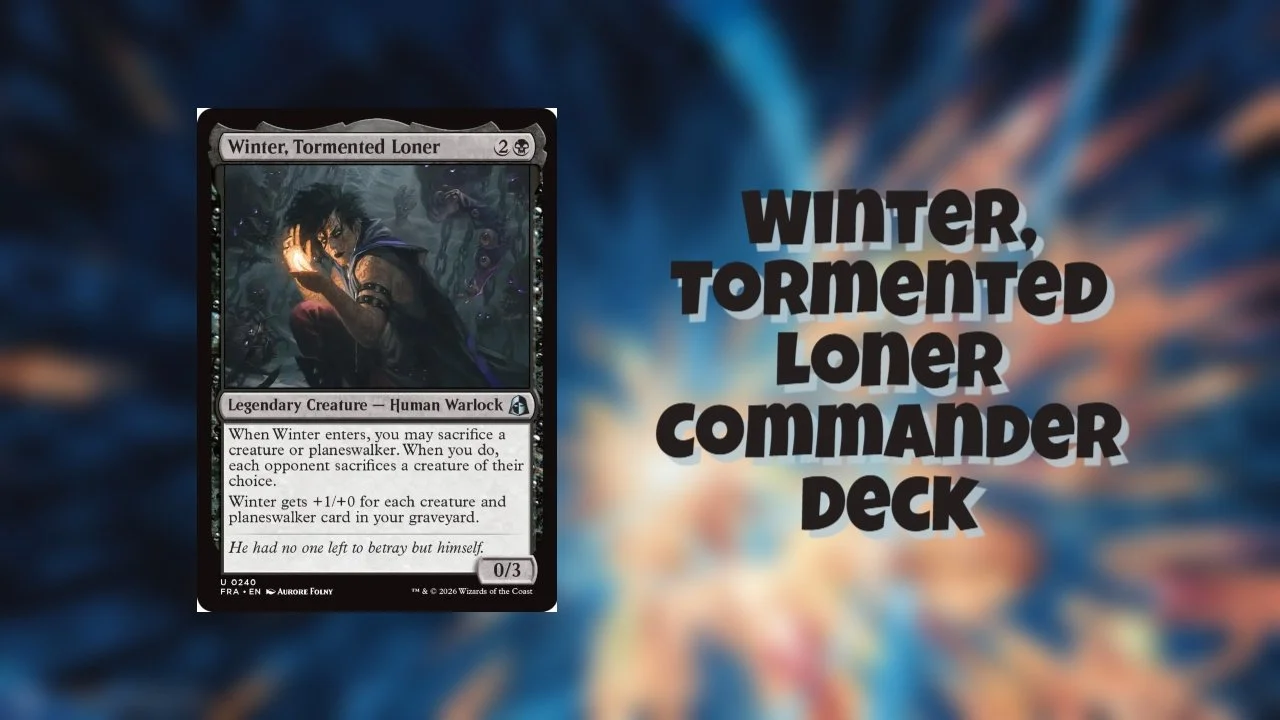
Reality Fracture has given us plenty of commanders that take familiar characters in interesting directions, but Winter, Tormented Loner does not need to change colors to give us something worth building. This is a mono-black commander that rewards filling your graveyard and sacrificing your own creatures, two things black is already very good at.
For my version, I wanted to build a deck that keeps putting opponents in uncomfortable positions. You have creatures that force sacrifices, cards that punish things dying, and enough recursion to make dealing with your board feel like a temporary solution. Meanwhile, Winter keeps getting stronger as your graveyard fills up. Eventually, the commander that helped you control the board can become the creature that takes someone out in one attack.
Commander Overview
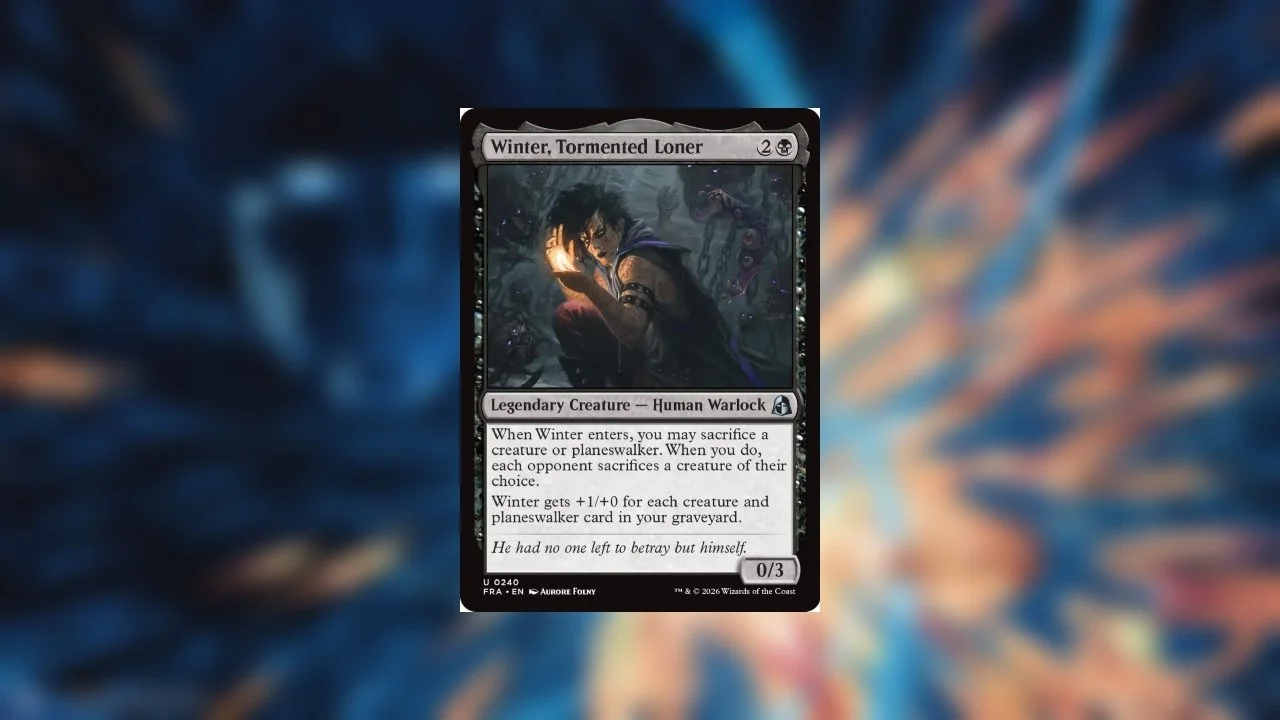
Winter, Tormented Loner is a three-mana 0/3 Human Warlock. When he enters, you may sacrifice a creature or planeswalker. Doing so makes each opponent sacrifice a creature of their choice. He also gets +1/+0 for each creature and planeswalker card in your graveyard.
Winter does not require Threshold himself. Seven cards matters for supporting effects in this deck, while his power depends on the relevant card types in your graveyard.
I like having a commander that contributes to the setup and threatens a finish. You can play a longer game with him, then take advantage of an opening when the table has spent its resources elsewhere.
Main Deck Strategy
This deck is built around three connected priorities: fill your graveyard, make your creatures worth sacrificing, and put pressure on opponents through removal and death payoffs. Winter adds another threat that they have to keep track of while all of that is happening.
You want to establish an engine early rather than simply cast the biggest creature in your hand. A mill effect, a recurring creature, or a death payoff can make your later plays much more productive.
Fill Your Graveyard And Reach Threshold
The graveyard is a resource for this deck. Creatures there can be recovered, larger threats can be reanimated, and the growing collection of cards gives several of your effects more to work with.
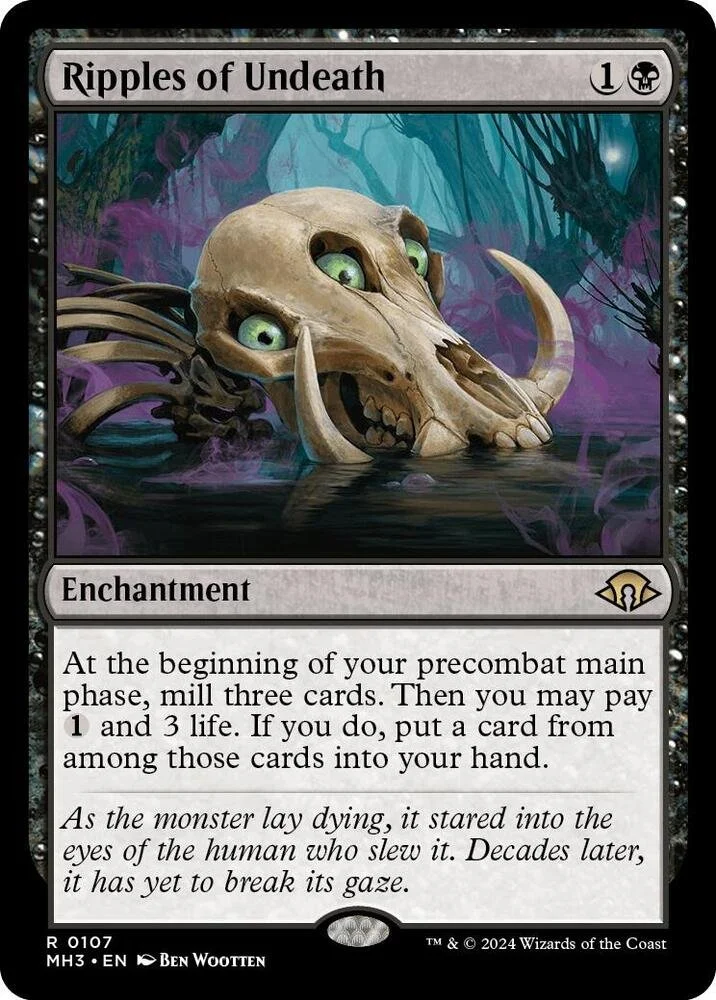
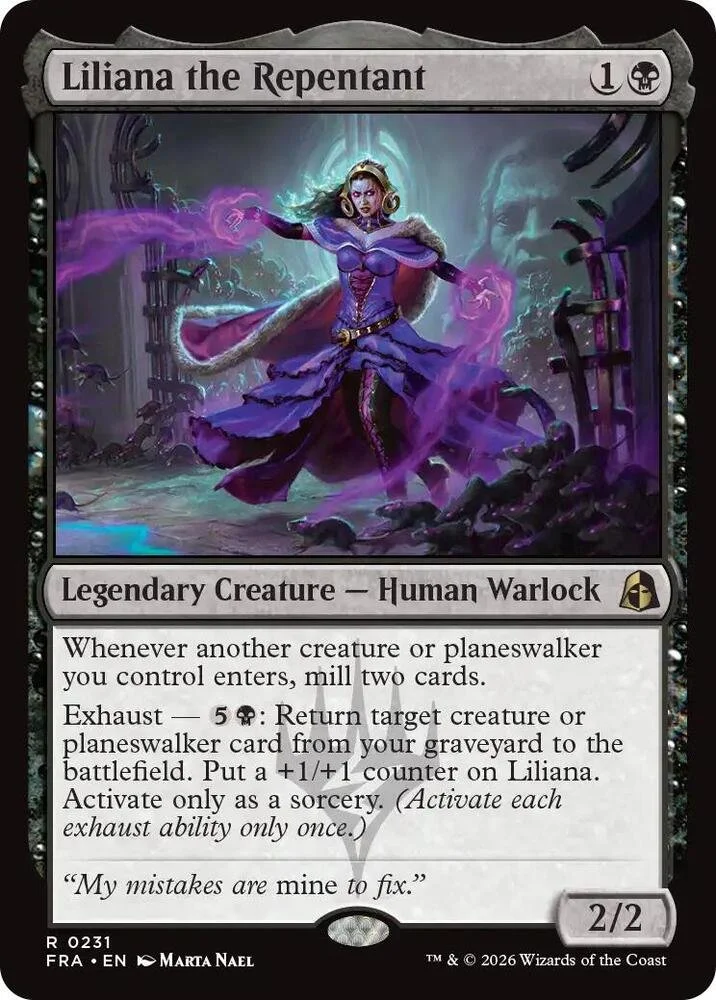
Cemetery Tampering and Ripples of Undeath help you build that resource over multiple turns. Liliana the Repentant mills as your other creatures and planeswalkers enter, rewarding you for developing your battlefield. Angel of Suffering can fill the graveyard much faster by turning damage you would take into mill.
Threshold means having at least seven cards in your graveyard, not seven creatures. Lands and spells help reach that count too. However, creature density still matters because several of your main payoffs specifically care about creature cards.
Do not assume every card you mill is gone for good. Your recovery effects make it possible to use creatures from the graveyard, which is a big part of why the deck can afford to keep milling itself.
Sacrifice Your Creatures For Value
Sacrificing a creature should ideally accomplish more than simply putting it into your graveyard. Deadly Dispute gives you cards and Treasure, Yahenni, Undying Partisan can use another creature to gain indestructible, and your death payoffs make those sacrifices hurt opponents.
Bloodghast is particularly useful because land drops can bring it back. A recurring creature gives you something to sacrifice without continually spending new cards from your hand.
The protection package also helps here. Feign Death, Undying Malice, and Supernatural Stamina can let a creature die and return, giving you another use of its enters ability. Cast the protection spell before sacrificing the creature; once you have sacrificed it as a cost, it is too late to target it on the battlefield.
These effects do not answer every kind of removal. Exile and bounce can still break up your plan, so pay attention to what an opponent is actually trying to do.
Force Hard Choices And Set Up Winter
Braids, Arisen Nightmare is the clearest example of the choice-based side of this deck. Opponents can give up a matching permanent, or keep it and let you draw while they lose life. You want to create situations where neither option feels particularly good.
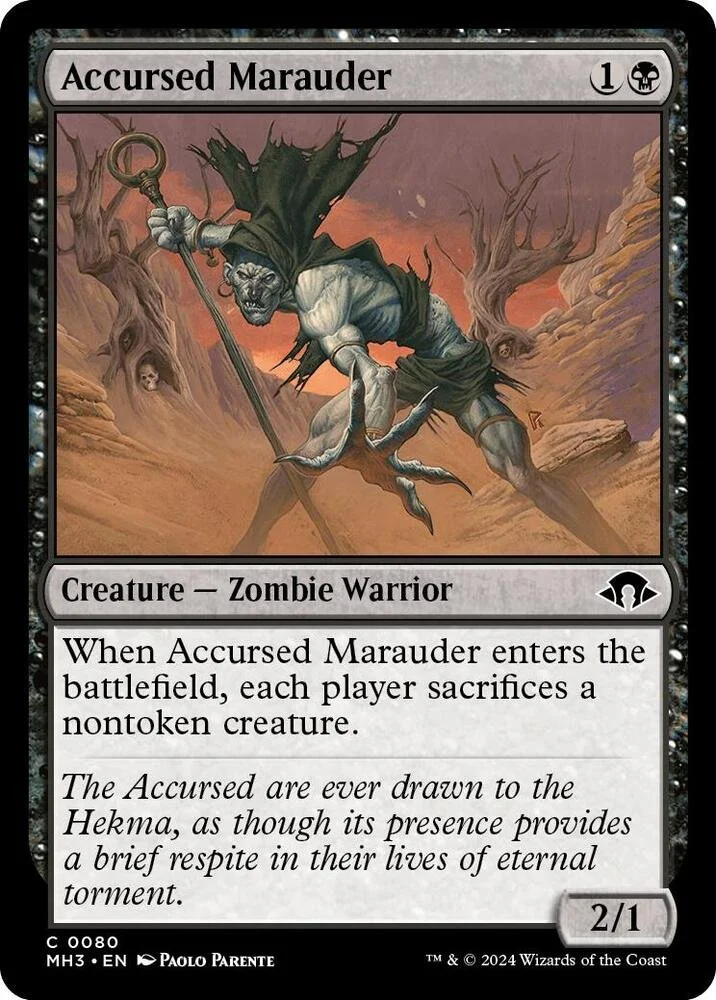
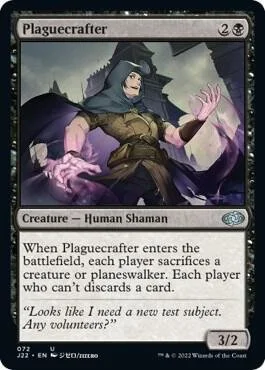
Fleshbag Marauder, Accursed Marauder, and Plaguecrafter approach the problem differently. They force sacrifices rather than offering the same choice as Braids. As opposing boards get smaller, those effects become more likely to take something important.
Your drain creatures make those exchanges more punishing. Even when opponents remove a creature, you may get value from the death or bring the creature back later.
That pressure helps create the opening for a commander-damage attack. Keep track of available blockers and removal instead of focusing only on making Winter look as large as possible. A smaller threat that gets through can accomplish more than an enormous one that never connects.
Best Cards For A Winter, Tormented Loner Commander Deck
The strongest cards here support more than one part of the plan. Self-mill should help you find resources, sacrifice should generate value, and your finishers should benefit from the work the rest of the deck is already doing.
Best Self-Mill And Graveyard Setup
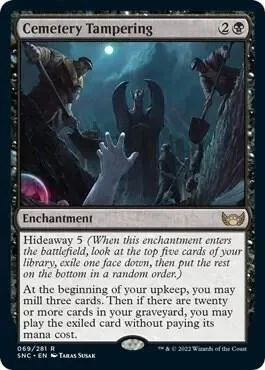
Cemetery Tampering: Provides repeatable upkeep mill and a hideaway payoff once your graveyard is large enough. It is a setup card that can eventually help you cast something substantial.
Ripples of Undeath: Mills three cards during your first main phase and gives you the option to spend mana and life to recover one of the milled cards. It helps build the graveyard while still giving you access to a useful card.
Liliana the Repentant: Turns your other creatures and planeswalkers entering into mill, then offers an exhaust ability to recover a creature or planeswalker. She rewards the deck for continuing to develop and reuse permanents.
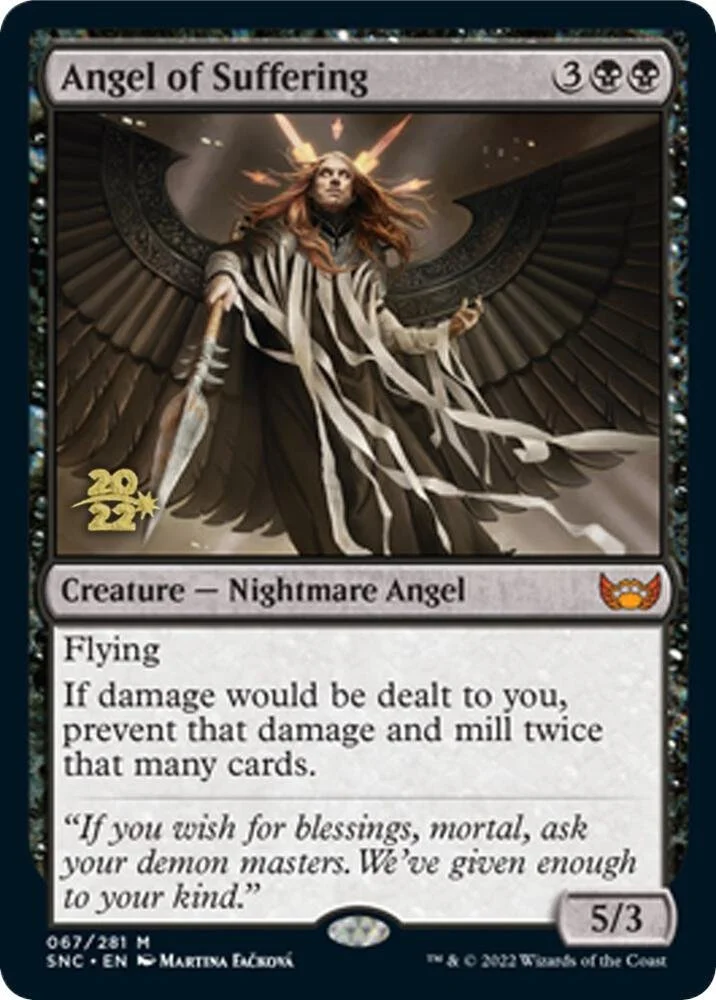
Angel of Suffering: Prevents damage to you and mills twice that many cards instead. It can buy time and rapidly build your graveyard, but it does not prevent ordinary life loss. You also need to watch your remaining library before the next draw becomes a problem.
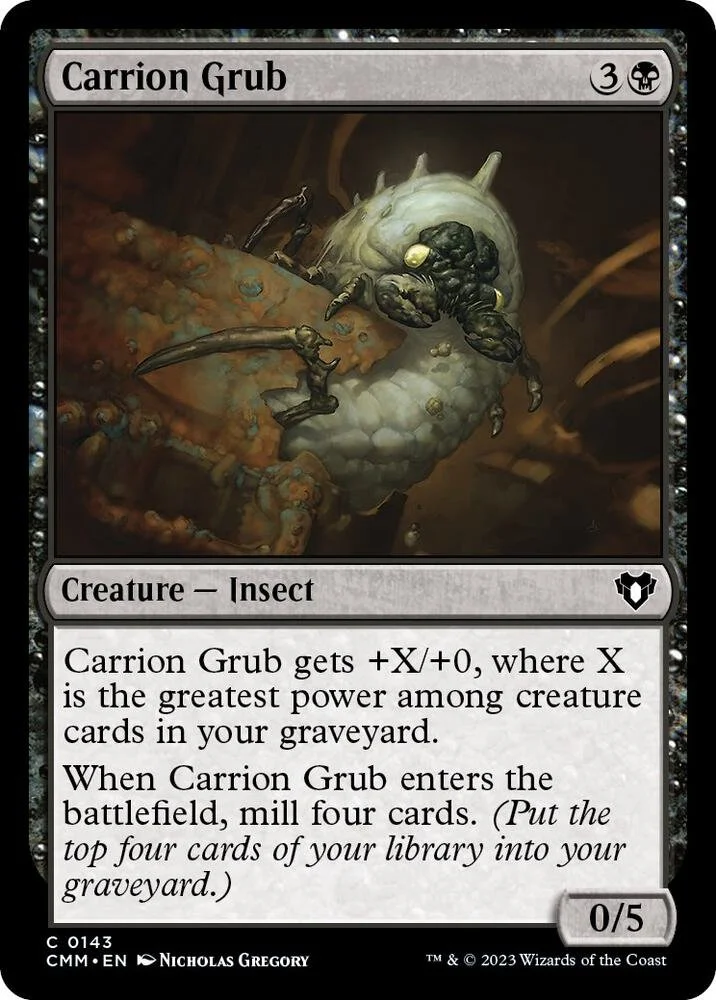
Carrion Grub: Mills when it enters and gains power based on the largest creature power in your graveyard. It supplies another body while contributing to your setup.
Best Sacrifice And Punisher Cards
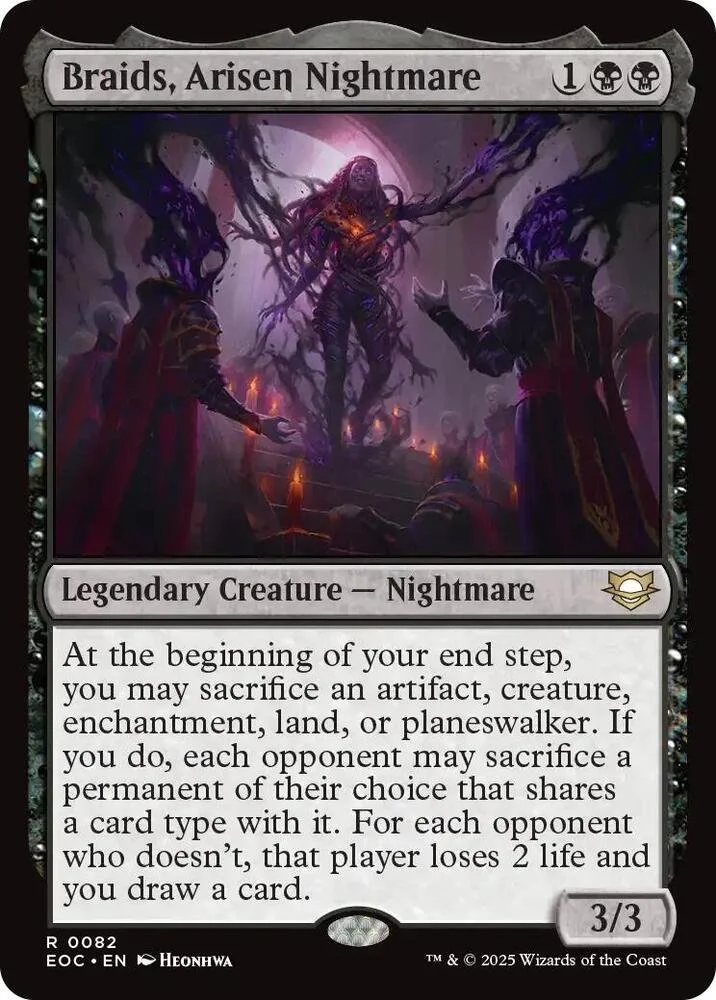
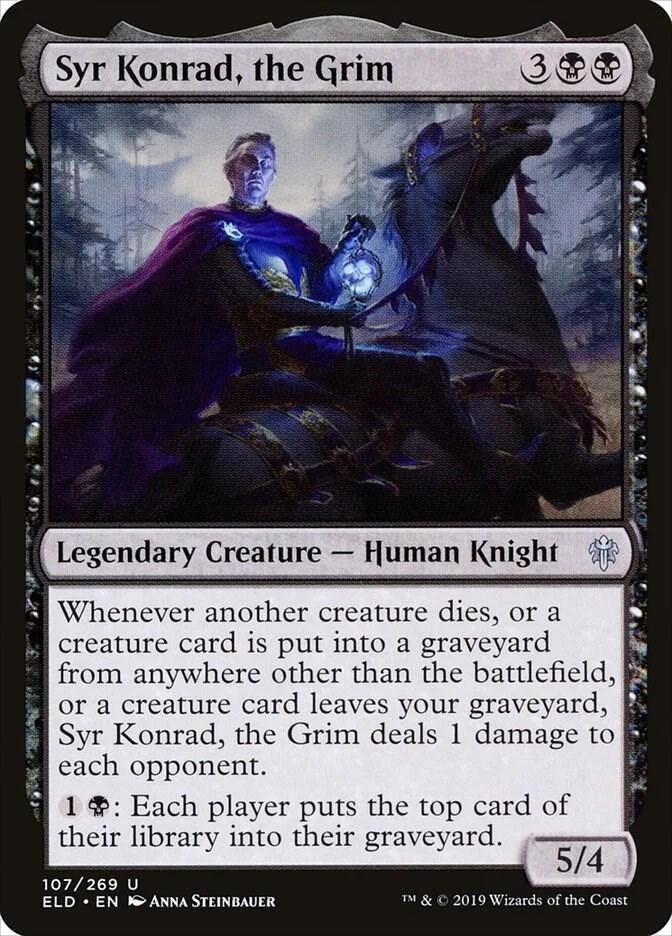
Braids, Arisen Nightmare: A repeatable sacrifice engine that asks opponents whether they want to surrender a matching permanent or let you draw a card while they lose 2 life. Sacrificing something expendable can make that exchange much better for you than for them.
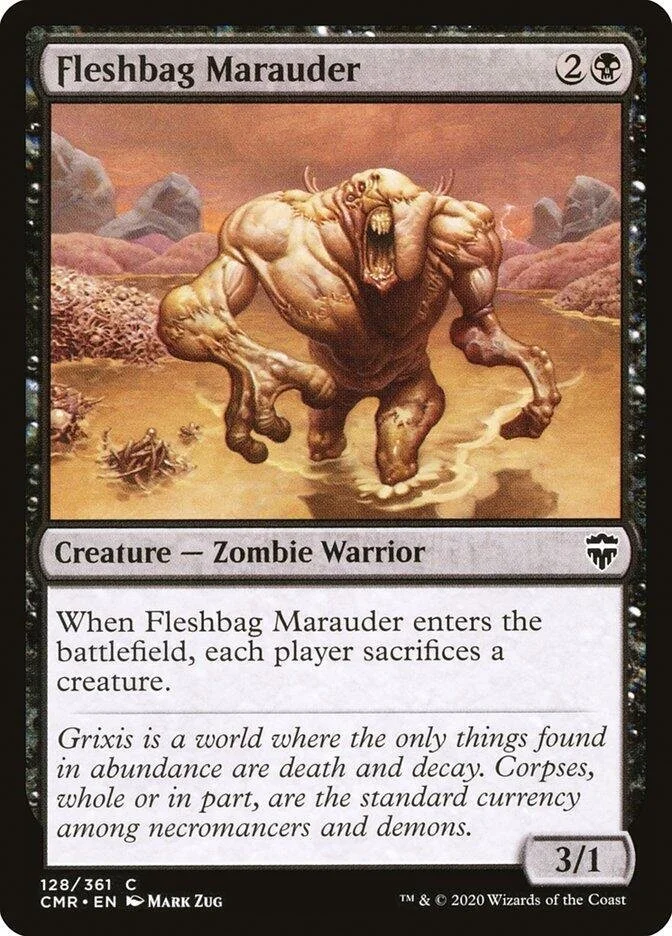
Fleshbag Marauder: Makes each player sacrifice a creature when it enters. You can sacrifice the Marauder itself, then recover it later for another round of removal.
Accursed Marauder: Makes each player sacrifice a nontoken creature. That restriction is useful against opponents hoping to protect their important creatures behind disposable tokens.
Plaguecrafter: Can force a creature or planeswalker sacrifice, with a discard for players who cannot sacrifice either. It keeps contributing even when an opponent's battlefield is already empty.
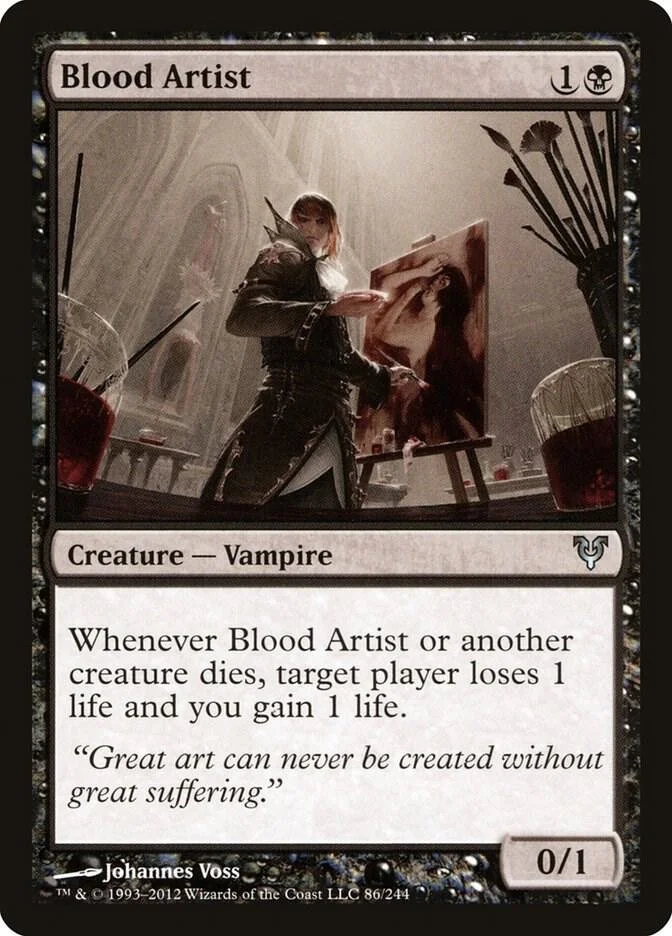
Blood Artist: Rewards creatures dying on either side of the battlefield, letting you drain a targeted player. It helps the deck turn a series of small exchanges into meaningful pressure.
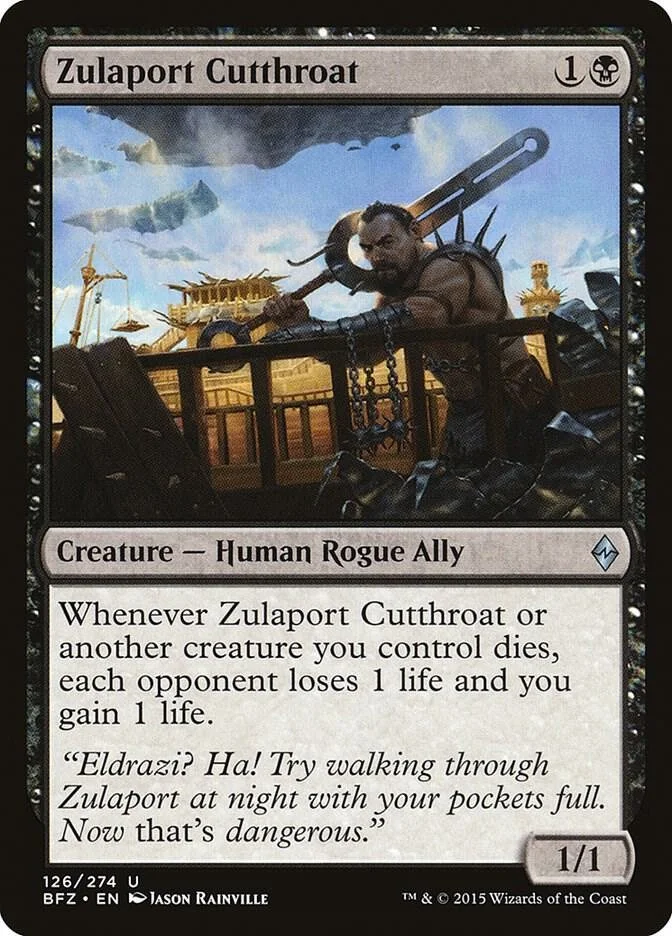
Zulaport Cutthroat And Bastion of Remembrance: Reward your own creatures dying by draining each opponent. They make sacrificing your board productive even when you cannot attack safely.
Syr Konrad, the Grim: Punishes several kinds of creature movement, including other creatures dying, creature cards being milled, and creature cards leaving your graveyard. That makes him a strong bridge between self-mill, sacrifice, and recursion. Count each event carefully rather than treating every graveyard interaction as the same trigger.
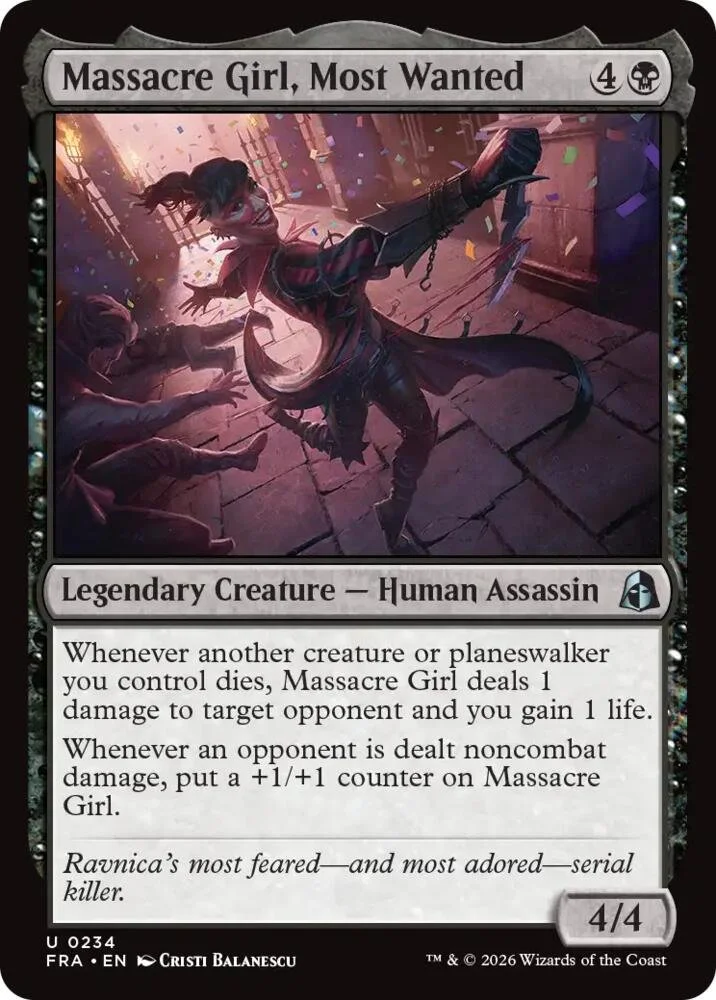
Massacre Girl, Most Wanted: Rewards your other creatures and planeswalkers dying, then grows as opponents take noncombat damage. She adds another threat to a battlefield that already wants to generate those events.
Best Recursion And Commander Support
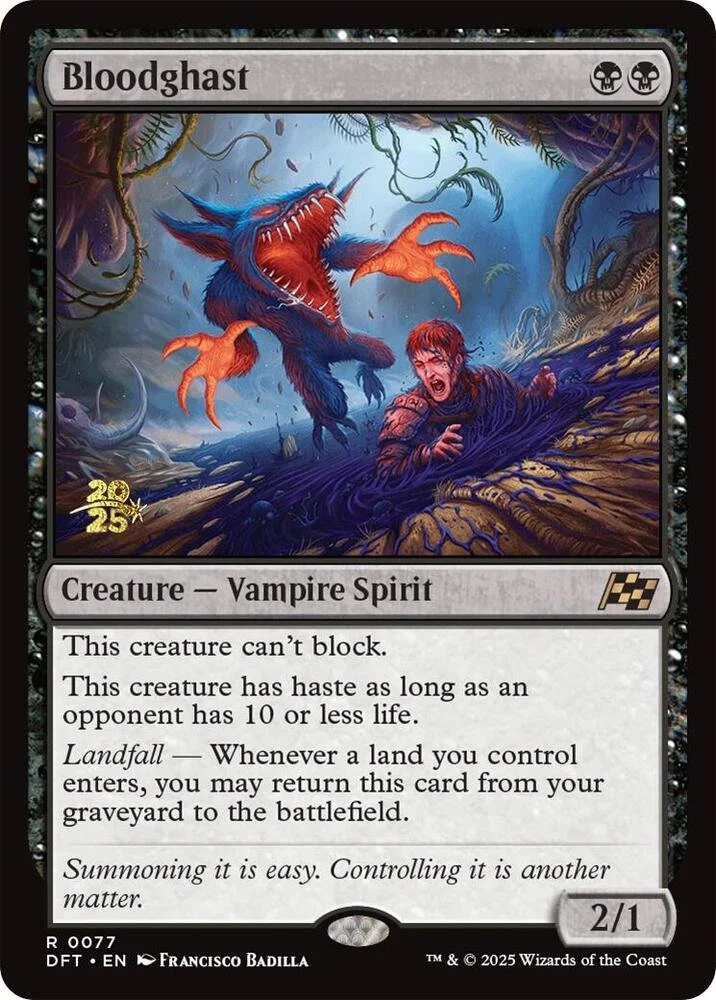
Bloodghast: A recurring sacrifice body that comes back through landfall. It helps you keep feeding your engines without relying entirely on the next creature you draw.
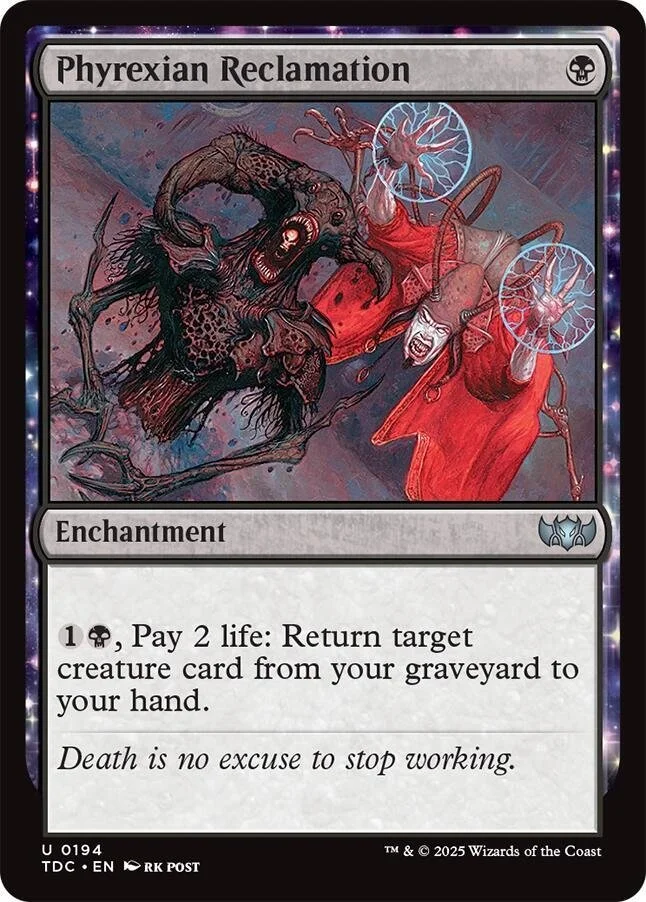
Phyrexian Reclamation” A repeatable way to return creature cards to your hand. Recasting a useful enters creature can be more valuable than recovering the biggest body in the graveyard.
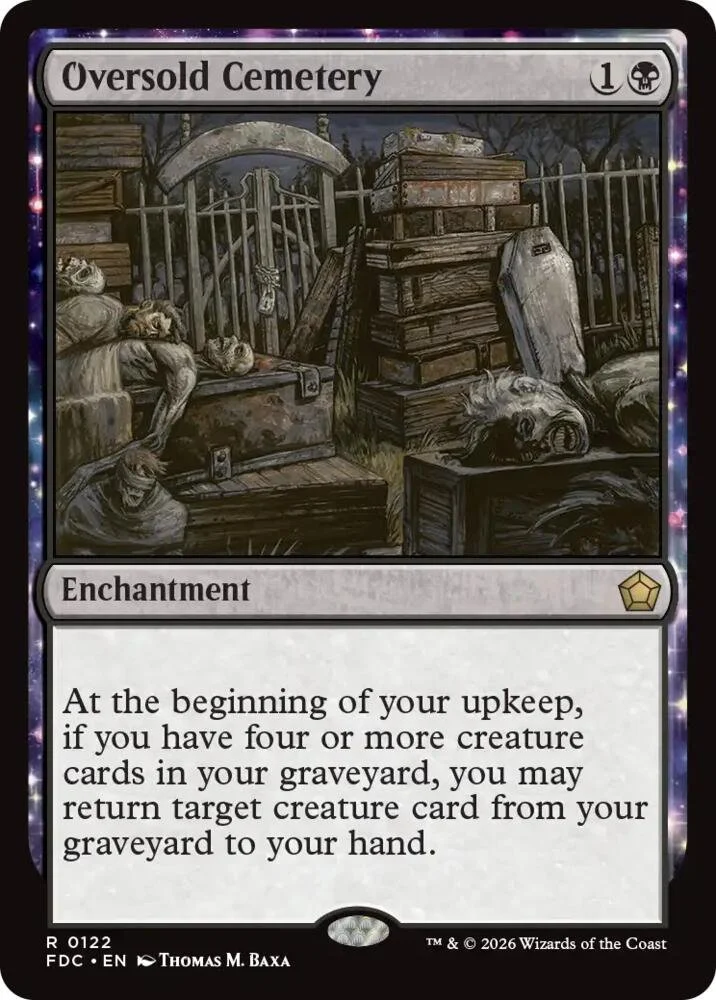
Oversold Cemetery” Returns a creature card to your hand during your upkeep when you meet its graveyard requirement. It supports a longer game where you keep reusing the same useful creatures.
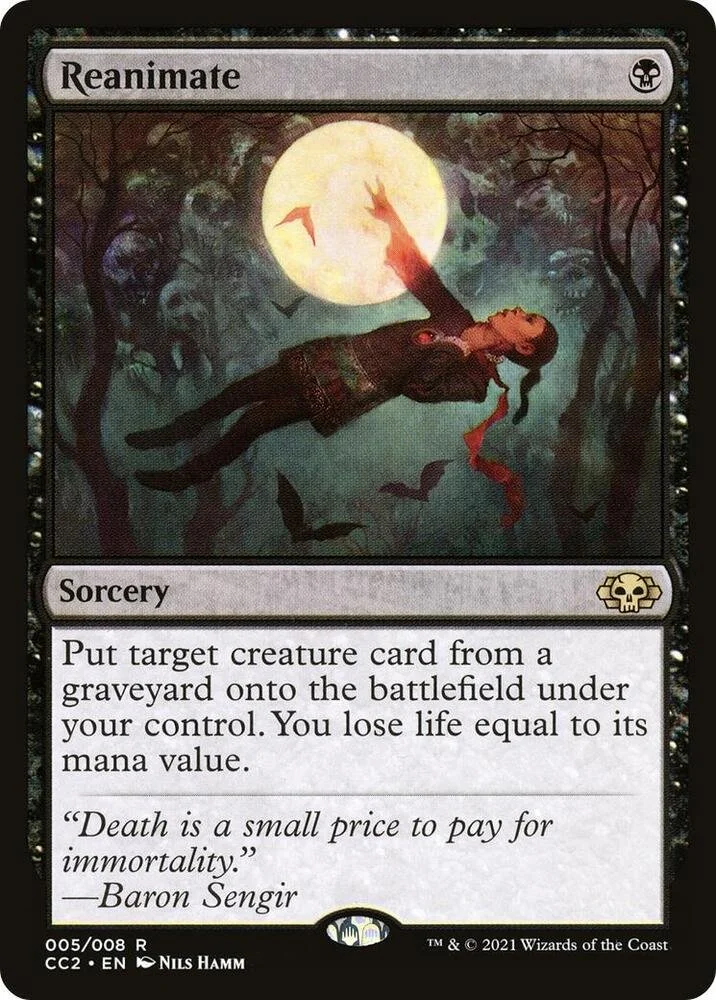
Reanimate: Efficiently brings back a creature from a graveyard, at a life cost based on its mana value. Choose targets with that cost in mind, especially if you have already spent life drawing or recovering cards.
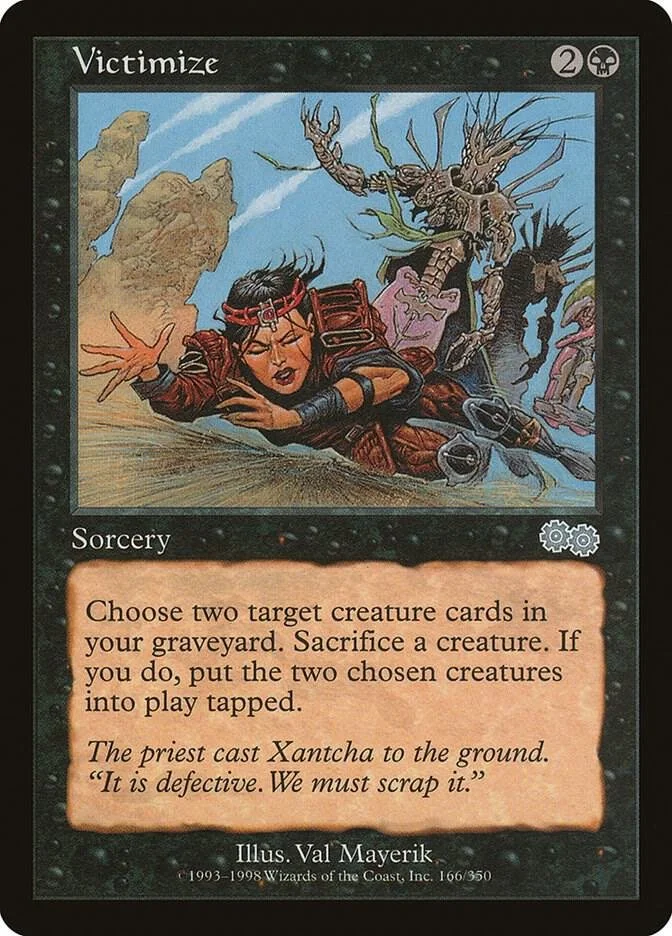
Victimize: Trades a creature on the battlefield for two creatures from your graveyard, which return tapped. It is a strong way to rebuild an engine rather than simply bring back one threat.
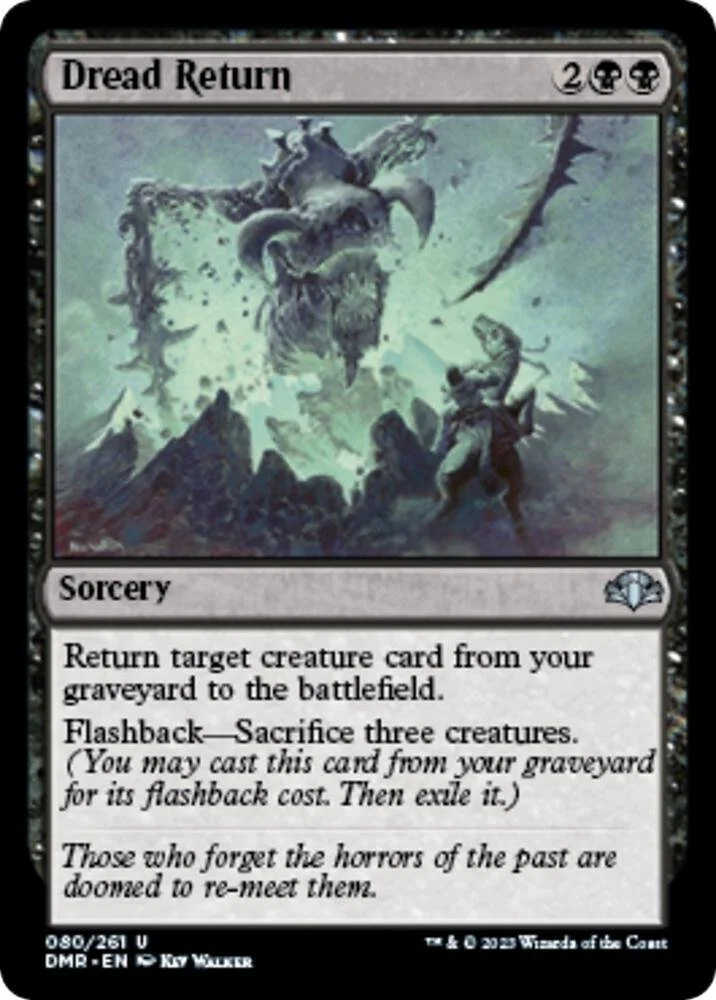
Dread Return: A reanimation spell you can use from your hand or flash back by sacrificing three creatures. The flashback option is especially useful when self-mill puts it into your graveyard.
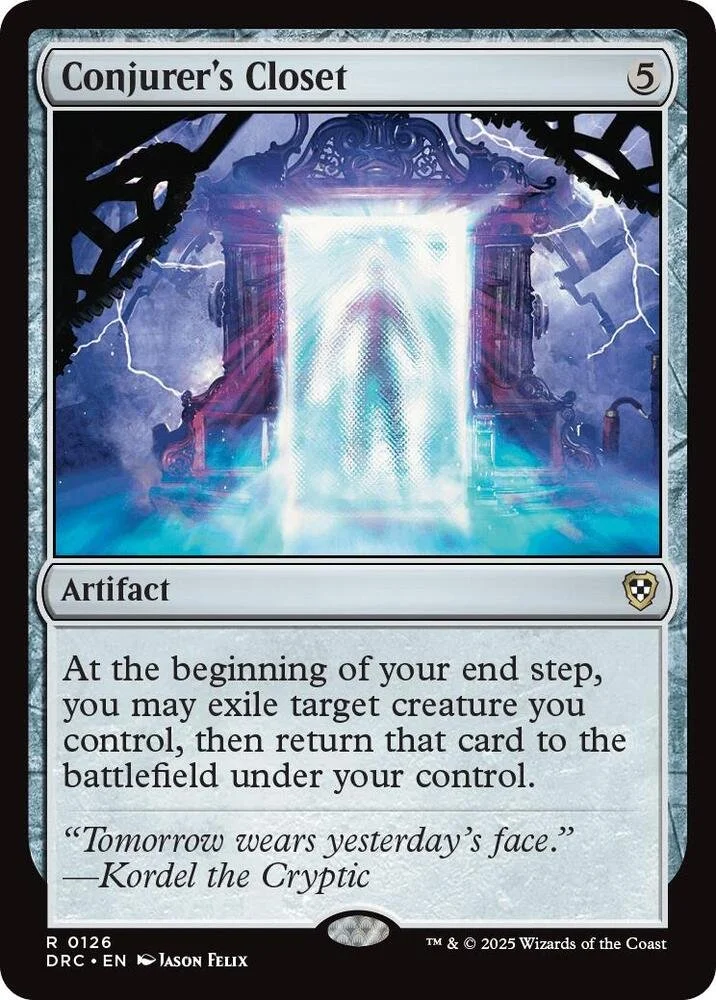
Conjurer's Closet: Blinks a creature during your end step, giving you another use of its enters ability. Gray Merchant of Asphodel is an excellent target when you want another drain effect. Blinking is not dying, so it does not produce death triggers by itself.
Winter is another useful Closet target if you have something to sacrifice when he returns. You can repeat his removal effect without paying commander tax, though blinking also removes counters and drops attached Auras. Use a different target when you want to preserve a prepared attacker.
Criminal Past: Gives your commander menace and more power based on creature cards in your graveyard. It belongs in the main deck as a Background enchantment; Winter does not need to have choose a Background for you to use it there.
Key Synergies And Finishers
This deck has several useful combinations, but I would think of them as ways to get more from your cards rather than assume every interaction is an infinite combo.
Reuse Your Sacrifice Creatures
Recovering Fleshbag Marauder or Plaguecrafter lets you keep challenging opposing boards. Add a drain payoff and the same play can remove a creature, fill your graveyard, and reduce life totals.
Cheap death-and-return spells can help you repeat an enters effect without waiting for another turn. Make sure the creature actually dies and that the return effect is already in place.
Convert Deaths Into Mana
Pitiless Plunderer makes Treasure when your other creatures die. That mana helps you recast creatures, recover resources, or work toward a larger spell. It is particularly useful when the deck is doing several small things in one turn.
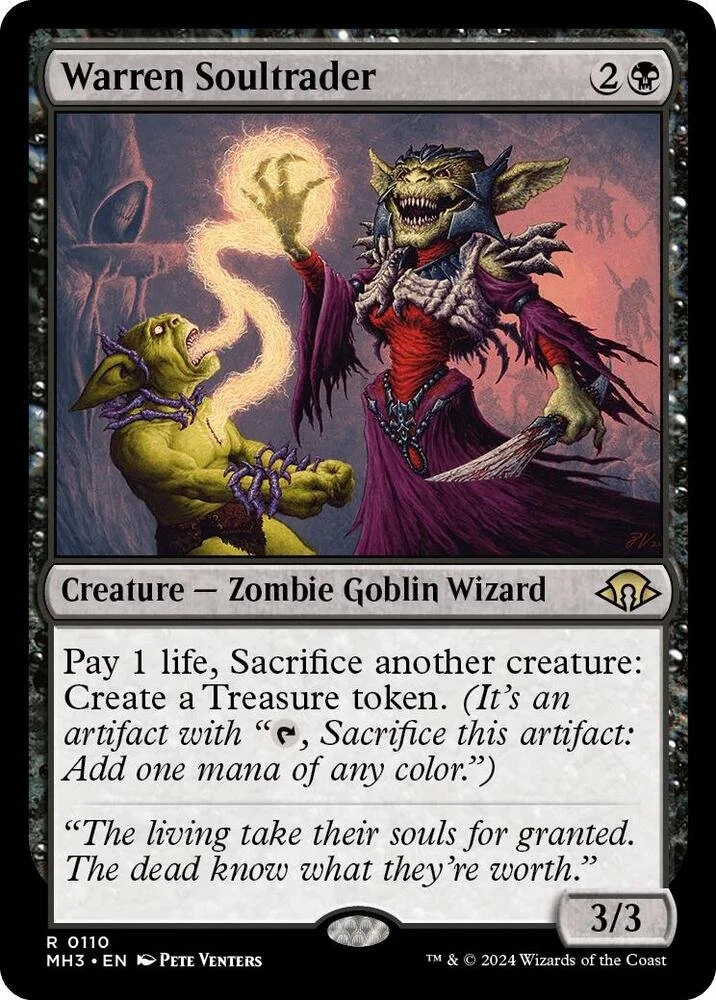
The sideboard's Warren Soultrader adds another way to turn creatures into Treasure. These cards improve the engine, but you still need a way to keep supplying creatures before calling a sequence a loop.
Turn Your Graveyard Into A Win
Mortal Combat gives the deck an alternate finish if you have at least twenty creature cards in your graveyard during your upkeep. Plan for that requirement before the upkeep starts and preserve the count through the trigger's resolution.
Planeswalkers and other card types do not count toward Mortal Combat's twenty creatures. It gives you a reason to leave some creatures in the graveyard instead of recovering everything immediately.
Budget Options For A Winter, Tormented Loner Commander Deck
A budget Winter build can keep the same core identity: useful creatures, sacrifice effects, self-mill, and recursion. You do not need every premium reanimation spell or utility land to make those pieces work together.
Fleshbag Marauder, Accursed Marauder, and Plaguecrafter are good starting points to price out. They provide interaction while remaining creatures you can sacrifice and recover. Compare printings when shopping rather than assuming every version costs the same.
For additional sacrifice bodies, consider Reassembling Skeleton, Persistent Specimen, or Cult Conscript. These are options outside my current list that can help supply your engines. Their return costs still matter, so make sure you have enough mana to use them consistently.
Feign Death, Undying Malice, and Supernatural Stamina are already in this build and offer useful ways to reuse creatures. Unearth and Victimize also help establish a recovery package without making every slot an expensive reanimation spell.
If the utility lands push the price too high, start with more Swamps and upgrade later. I would prioritize a functioning engine and enough mana over a collection of specialized lands that do not help your opening turns.
Higher Power/Budget Options For A Winter, Tormented Loner Commander Deck
The five cards in my sideboard are optional upgrades and swaps. They support the existing plan rather than asking you to rebuild the deck around something completely different.
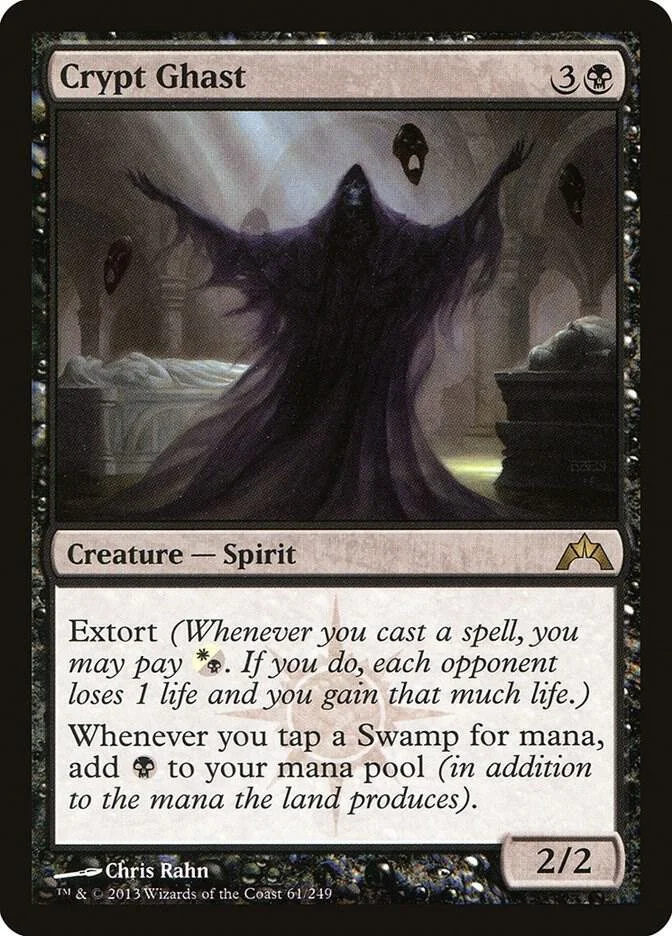
Crypt Ghast: Makes your Swamps produce an additional black mana when tapped for mana. With this many Swamps, it can help you cast larger spells or do more recovering and recasting in one turn. Its extort reminder text does not give it white color identity, so it is legal in mono-black.
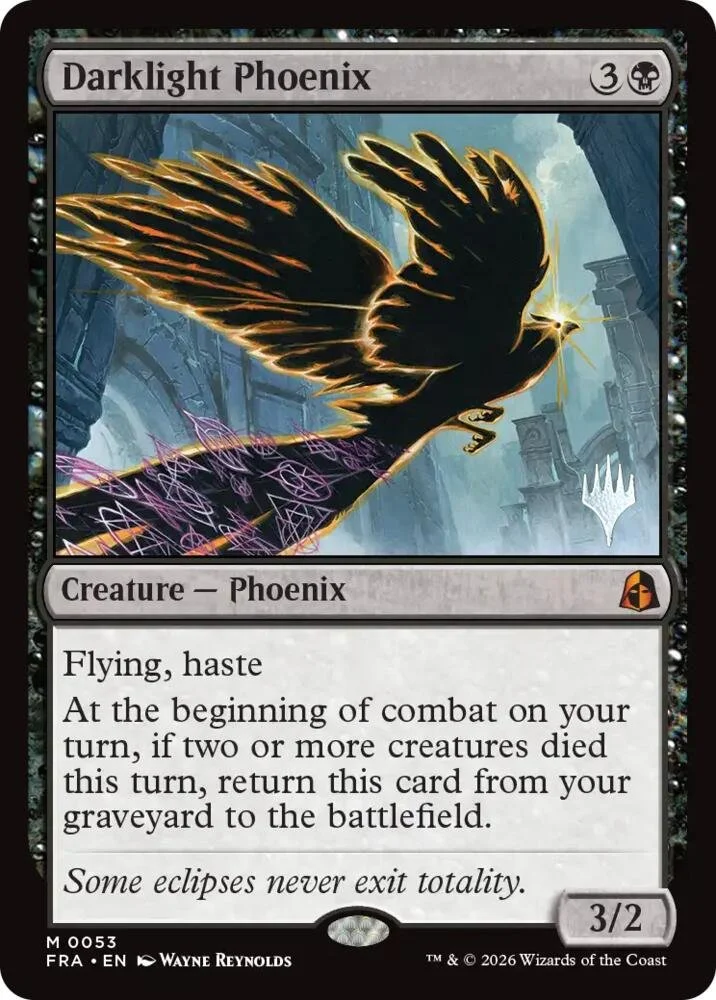
Darklight Phoenix: A flying, hasty threat that can return from the graveyard at the beginning of combat on your turn if at least two creatures died that turn. Set up those deaths before combat begins. Sacrificing it later in combat does not bring it back through a trigger that has already passed.
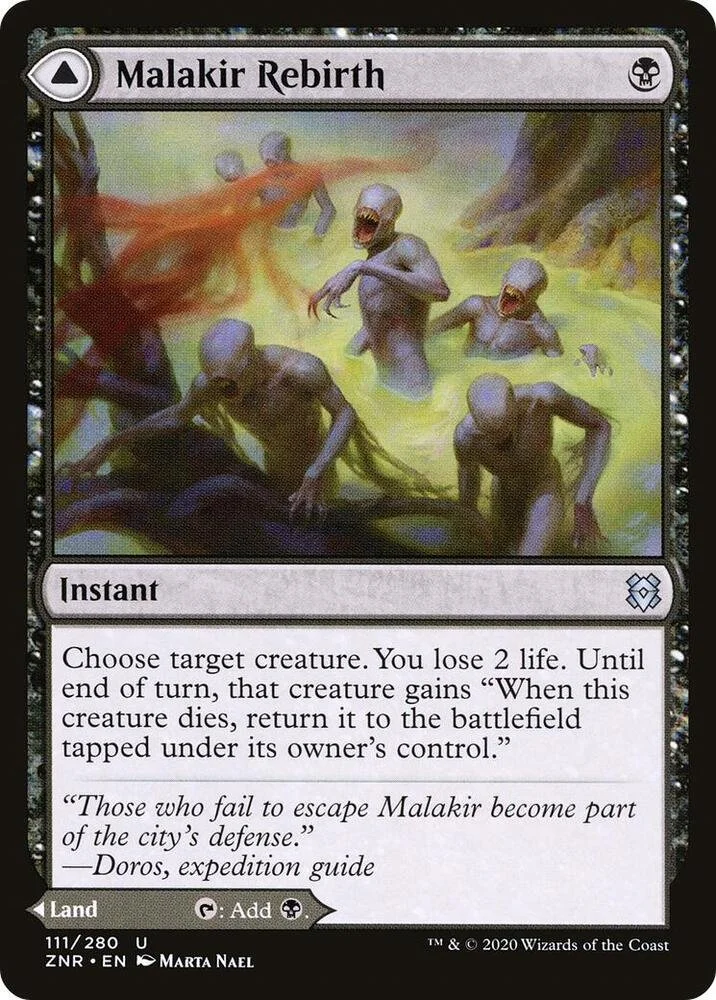
Malakir Rebirth: A death-and-return protection spell with a land on its other face. That flexibility helps when you need either another mana source or a way to reuse an important creature. Cast the spell before the creature dies.
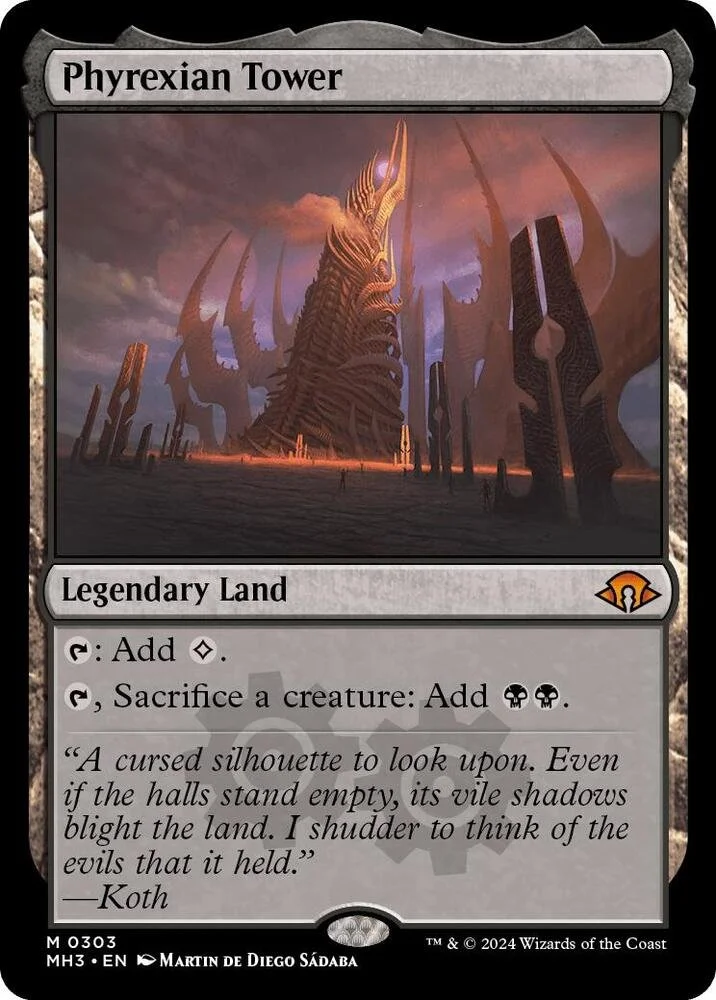
Phyrexian Tower: A land that can sacrifice a creature to produce two black mana. It combines a sacrifice outlet with acceleration, making it useful when you want to turn an expendable body into the mana for your next play.
Warren Soultrader: Lets you pay 1 life and sacrifice another creature to create Treasure. It gives you more control over when creatures die while helping pay for subsequent plays. Life-gain death payoffs can help offset the cost, but the creature supply still needs to be there.
I would choose upgrades based on what keeps slowing your games down. If you have creatures and payoffs but cannot afford enough activations, improve your mana. If you keep losing key pieces, flexible recovery and protection may matter more than another large threat.
Cards To Avoid When Building A Winter, Tormented Loner Commander Deck
Winter rewards a full graveyard, but that does not mean every graveyard card belongs here. You need the mill, recovery, sacrifice bodies, and payoffs to support one another.
Too Much Graveyard Setup Without A Payoff
Milling yourself can be productive, but you still need to affect the game. A hand that only sets up the graveyard can leave opponents free to establish threats you cannot answer.
Balance setup with creatures that interact, draw, or threaten a finish.
Creatures That Are Only Large
A big creature should justify its cost through an immediate effect, useful abilities, or a strong fit with your engine. A smaller creature that forces a sacrifice may contribute more than an expensive attacker with nothing else to offer.
Graveyard Effects That Fight Your Plan
Be careful with cards that repeatedly exile your own graveyard or shuffle it back into your library. They can remove the resources you were planning to recover or delay a graveyard-based finish.
Even useful reanimation has a tradeoff. Returning creatures to the battlefield reduces the number left in your graveyard. Decide whether you need those creatures in play now or whether you are preserving them for another payoff.
Assuming Sacrifice Removal Always Gets The Best Creature
Opponents usually choose what to sacrifice. A large board of tokens can make some of your effects much less effective, which is why Accursed Marauder's nontoken restriction is useful.
Look at the likely outcome before spending a recovery spell on another sacrifice creature. Sometimes a different target will do more for the game you are actually playing.
Forgetting Abyssal Persecutor's Drawback
Abyssal Persecutor is an efficient flying, trampling threat, but it prevents you from winning and your opponents from losing. That includes your alternate-win plan and commander-damage finishes.
Keep a way to remove it under your control. Your sacrifice outlets make the card much more manageable, but do not leave the finish dependent on an opponent deciding to kill it for you.
Ignoring Garruk's Tradeoff
Garruk, Veiled Butcher exiles opposing creatures that would die. That can deny opponents graveyard resources, but those creatures do not produce death triggers or enter their graveyards for you to steal later.
He still supports the disruptive plan. Just account for the interaction when evaluating Blood Artist, Syr Konrad, or a future Rise of the Dark Realms.
How This Deck Wins
This deck can grind opponents down through repeated sacrifice effects and death payoffs, with Blood Artist, Zulaport Cutthroat, Bastion of Remembrance, and Syr Konrad doing a lot of the work. Gray Merchant of Asphodel adds a substantial drain effect that gets better when you can use it again.
You can also take a more direct route through commander damage. Criminal Past helps turn a creature-heavy graveyard into a serious combat threat and makes blocking harder. For example, twelve creature cards in the graveyard give Winter 24 power with Criminal Past, before considering any planeswalker cards or other modifiers. Getting that damage through is still part of the job; menace does not make him unblockable.
Mortal Combat offers the alternate finish, while Rise of the Dark Realms can turn stocked graveyards into an overwhelming battlefield. Those plans pull your resources in different directions, so choose the one that fits the current game rather than trying to prepare every finish at once.
The pressure from the rest of the deck is what makes Winter interesting to me. Opponents are already managing sacrifice effects, drain creatures, and recurring threats. If they spend their answers on those pieces, you may find an opening to finish someone with your commander. If they keep holding answers for Winter, your other engines still have work to do.
Decklist
This is my main list, with the optional higher-budget cards listed in the sideboard.
Example decklist available here: Winter Threshold & Punishment
Final Thoughts
Winter, Tormented Loner is the kind of commander that looks straightforward until you start putting the supporting pieces together. For this build, I like making opponents work through sacrifice effects and death payoffs while my graveyard keeps supplying more resources. The commander-damage threat gives that longer game a much sharper edge, and Mortal Combat offers another finish when enough creatures have piled up. Keep your engines balanced, know when to recover a creature and when to leave it where it is, and make your sacrifices accomplish something. If you are looking for more commanders to build from this set, check out my best Reality Fracture commanders guide for more deck ideas. If you’re looking for the perfect way to Goldfish this deck, check out my Reality Fracture Horde mode deck where you’ll take on waves of Jace Planeswalkers in casual automated co-op game mode!