Virtual Reality used to sound like science fiction, but today, it’s a part of real life. While many people think of VR as something for gamers, the truth is that it is already changing how we learn and how we create.
In this post, let’s look at how VR helps in education and art and why this technology is more than just a trend.
What Is VR?
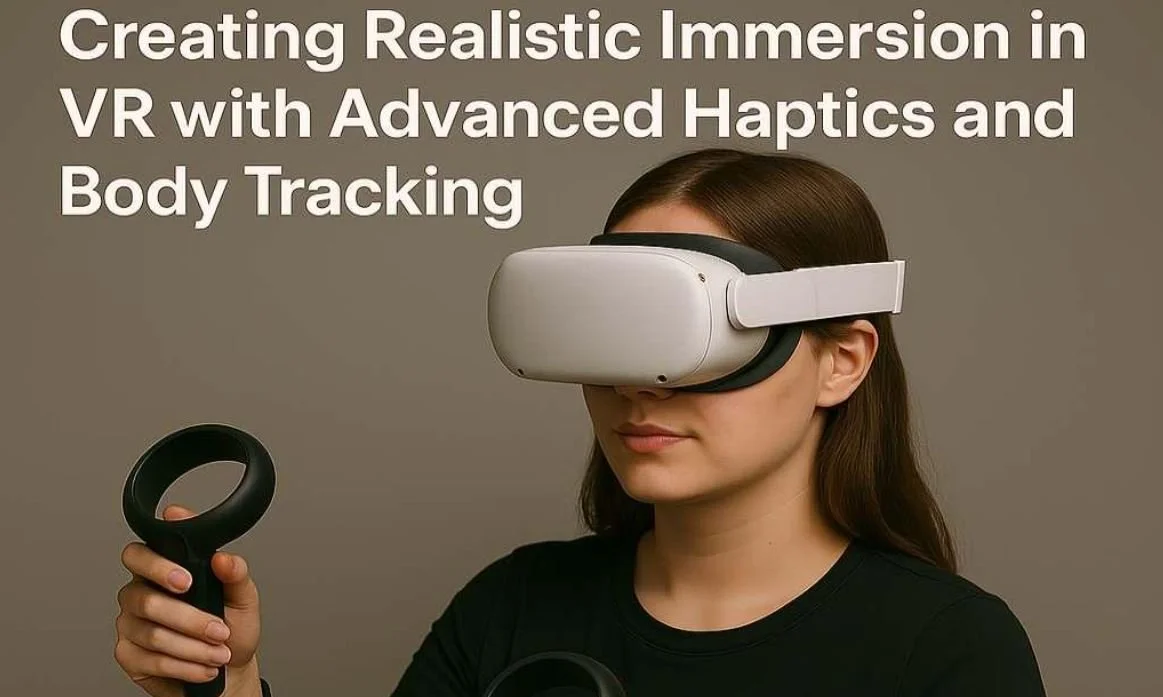
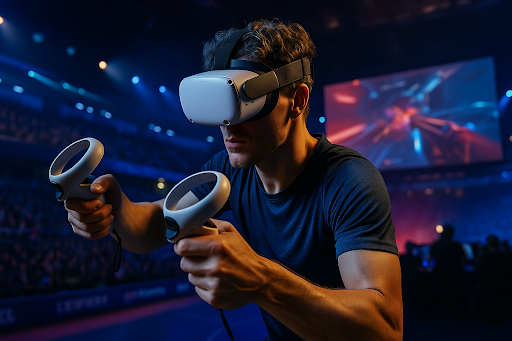
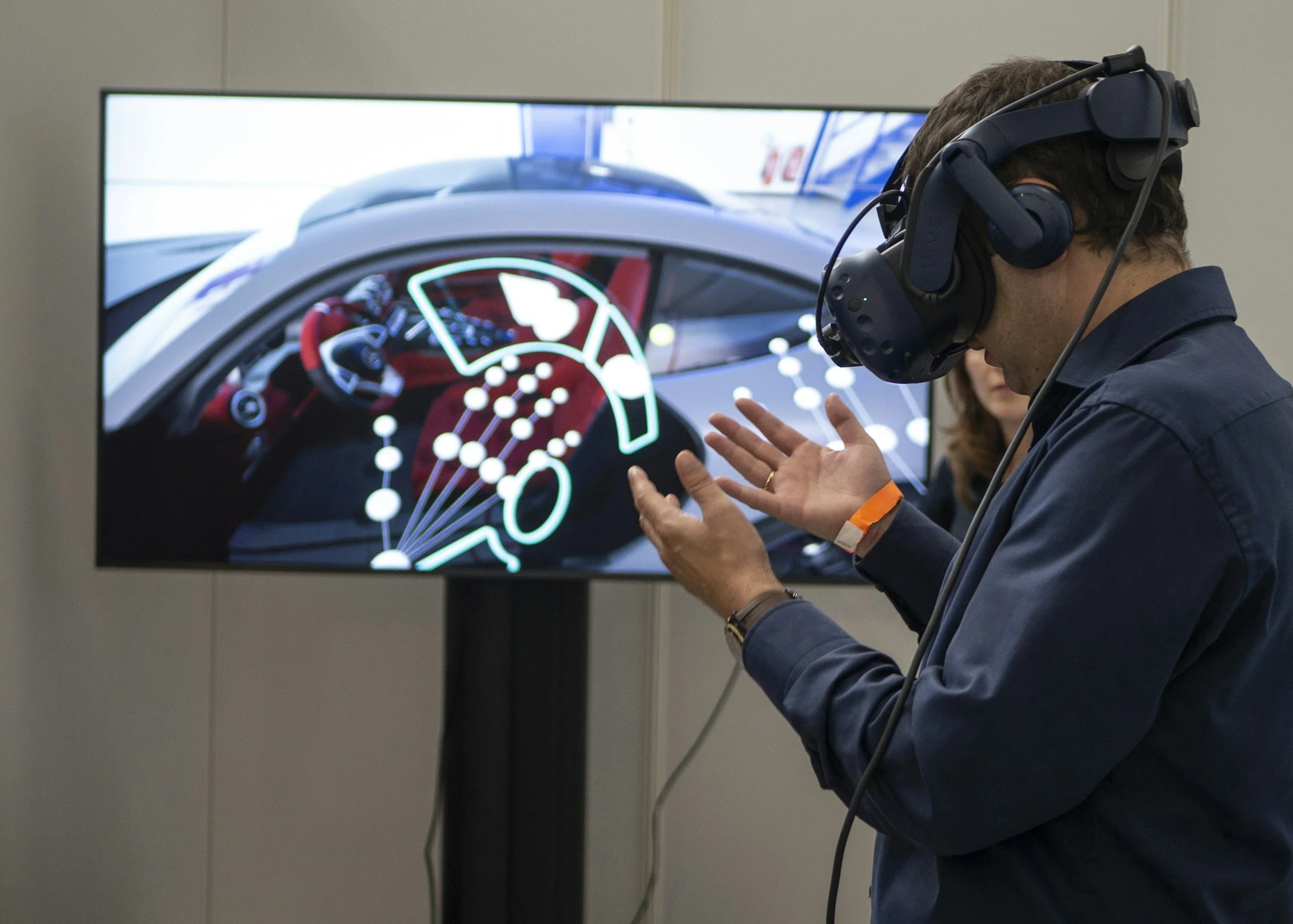
VR is a type of technology that places the user in a fully digital world. To experience VR, the user wears a special headset that covers their eyes and sometimes includes hand controllers. Once the headset is on, the user sees and hears a computer-generated environment as if they were actually inside it. They can move around and interact with the digital space in ways that feel very real.
The human brain falls immediately for the illusion created even by lower-quality VR. Therefore, to reach the necessary effect, you can really go for the simplest tools. However, even those simplest tools can do the task.
VR in Education: Learning by Doing
One of the biggest advantages of VR in education is that it allows students to learn by imitating the “doing”, not just by reading or listening. Instead of watching a video or reading a chapter in a book, a student can put on a headset and walk through a place, hold a digital object, or even perform a task inside a virtual world.
For example, in biology, students can explore the human body from the inside. In chemistry, they can do virtual experiments that would be too dangerous in a real classroom.
This hands-on experience helps students understand better and remember more. It also allows for trial and error in a safe space, where mistakes are part of learning and not something to fear. Plus, doing something is always more fun, more challenging, and more memory-triggering than just listening about it.
VR in Art: A New Way to Create
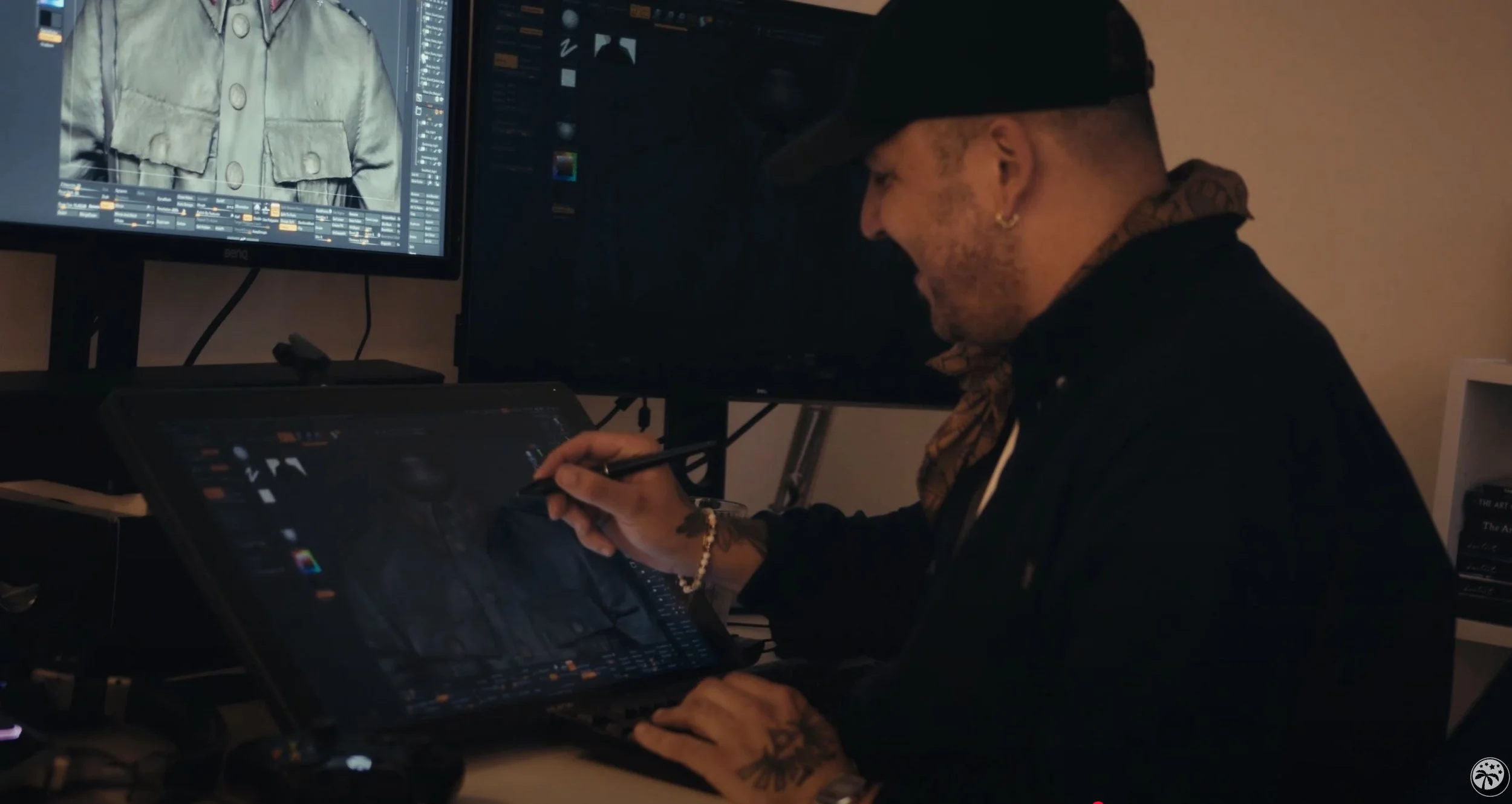
Just like in education, VR is opening new doors in the world of art. Artists can now create entire paintings or sculptures inside a virtual space. Using a VR headset and special tools, they can draw, paint, and mold in 3D - something that is not possible on paper or canvas.
One popular example is the app Tilt Brush, which lets artists paint in the air around them. They can create glowing lines, swirling shapes, and entire worlds that people can walk through. Another tool, Masterpiece Studio, is made for sculpting 3D figures and animations in real time. These and similar tools open a completely new field for art, creativity, artistic expression, and unusual experience.
Of course, these tools don’t replace traditional art, but they can add to it. Artists can try new things and work in ways that were never possible before. It’s not about choosing between old and new methods; it’s about expanding what’s possible.
Art Galleries and Exhibits in VR
VR is also changing how we see and share art. Some museums and galleries now offer virtual tours. Anyone with a VR headset can "walk" through famous places like the Louvre in Paris or the Museum of Modern Art in New York. People who live far away or cannot travel can still enjoy and learn from the exhibits. Eventually, entertainment does work that way because in VR, you can visit and even play online a $1 deposit casino from CasinosHunter reviews! There are VR cinemas and VR team games with shared space.
Artists can also build entire VR exhibitions of their own work. Instead of renting a gallery space in the real world, they can upload their art to a virtual one and invite people from around the globe to attend. This helps make art more accessible and gives more artists a chance to show their work, even if they don’t have a lot of money or connections.
Non-art exhibitions like historical museums can also use these technologies to provide fuller information and give a better idea about their objects or certain processes to a non-scientist who wants to know more.
What Are the Downsides?
Like any technology, VR has its limits. The very first limit is that not everyone can afford the hardware. Good VR headsets are still expensive, and not every school or art program will be able to get them.
Also, not all content is created equal. A badly designed VR app might be more confusing than helpful. And not all students or artists will enjoy working in a digital space. Some people simply prefer real paper, real paint, or being in a real classroom; eventually, for some people, visual experience is more important, and for other people, other tools work better.
Finally, there are questions about screen time. Too much time in front of any screen, including a VR headset, can cause eye strain, headaches, or just mental fatigue. VR can be confusing to certain people due to how they perceive the world through the “eyes” of the technology. Fun once, it can become tiring as a regular thing.