Disclosure: This is a paid guest post. The author or an affiliated third party paid for its publication, and the article may contain promotional links. The views and opinions expressed are those of the author and do not necessarily reflect those of GameTyrant or its editorial staff.
Disclaimer: The following content contains references to gambling, casinos, and related topics.
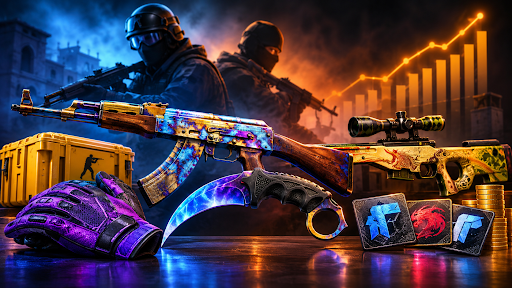
A single AK-47 skin in Counter-Strike 2 (CS2) reportedly sold for more than $1 million, while the owner of an exceptionally rare Karambit once rejected an offer approaching $1.5 million. These are not fictional valuations or prices attached to luxury weapons in a video game storyline. They reflect the extraordinary economics of a digital collectibles market where virtual weapon finishes have become symbols of wealth, exclusivity, and status.
What started as a cosmetic customization feature has evolved into a sophisticated trading ecosystem. Collectors, professional traders, streamers, and investors compete for limited-supply items, with some private transactions reaching values traditionally associated with luxury cars, real estate, and high-end collectibles.
From Cosmetic Upgrades to High-Value Digital Assets
The foundations of the CS2 skin economy were established in 2013, when Valve Corporation introduced weapon finishes through the Arms Deal Update for Counter-Strike: Global Offensive (CS). Players could acquire different appearances through cases, keys, and trading, creating an entirely new economy around in-game customization.
The arrival of Counter-Strike 2 in 2023 brought another development. Built on the Source 2 engine, the game introduced improved lighting and visual effects that changed how many weapon finishes appeared. Designs such as Doppler, Fade, and Case Hardened became particularly striking under the updated rendering system.
Today, the rarest CS2 items function as more than decorative equipment. Their appeal comes from a combination of limited supply, visual uniqueness, ownership history, and recognition within the global gaming community.
When Virtual Collectibles Meet High-Stakes Online Trading
The financial scale of the CS2 economy becomes particularly interesting when viewed alongside other forms of digital entertainment. In the upper levels of PC gaming, ultra-rare knives and factory-new souvenirs trade hands for sums comparable to the bankrolls circulating through online VIP ecosystems and high roller casinos.
The connection extends beyond the size of individual transactions. Both environments operate within competitive online ecosystems where exclusivity, substantial financial commitments, and premium experiences attract high-value participants.
However, CS2 skin trading is fundamentally different from casino gambling. Collectible prices are influenced by rarity, condition, historical significance, and buyer demand rather than the outcome of a game of chance. Some of the biggest transactions take place through private negotiations involving established collectors, specialist brokers, and cryptocurrency settlements.
The Rare Skins That Define the Market
Certain CS2 items have achieved legendary status because their combinations of rarity and visual appeal are almost impossible to replicate.
The AK-47 | Case Hardened (Pattern #661), commonly known as the Blue Gem, is among the most famous examples. Its distinctive blue-dominant appearance makes it exceptionally desirable. A StatTrak™ Factory New example reportedly sold for more than $1 million in 2024, making it one of the most valuable rifle skins ever recorded.
The Karambit | Case Hardened (Pattern #387) is another collector favourite. Its exceptional blue coverage has attracted enormous attention, with its owner reportedly rejecting an offer of approximately $1.5 million. The figure illustrates the extraordinary valuations attached to unique patterns, even when no completed sale takes place.
Other notable collectibles include:
AWP | Dragon Lore: Particularly valuable in Souvenir Factory New condition, with tournament-associated examples attracting significant collector interest.
M4A4 | Howl: The game's only Contraband-grade skin. Following a copyright dispute in 2014, Valve removed it from the regular supply, making existing examples especially scarce.
Katowice 2014 Stickers: Titan (Holo) and iBUYPOWER (Holo) stickers are highly sought after because of their limited availability and connection to Counter-Strike esports history.
Butterfly Knife | Doppler: Ruby, Sapphire, and Emerald variants are prized for their distinctive finishes.
Sport Gloves | Pandora's Box: Their recognizable purple appearance and limited supply make them desirable additions to high-tier inventories.
What Makes One Skin Worth More Than Another?
CS2 skin valuations depend on several technical characteristics that casual players may overlook.
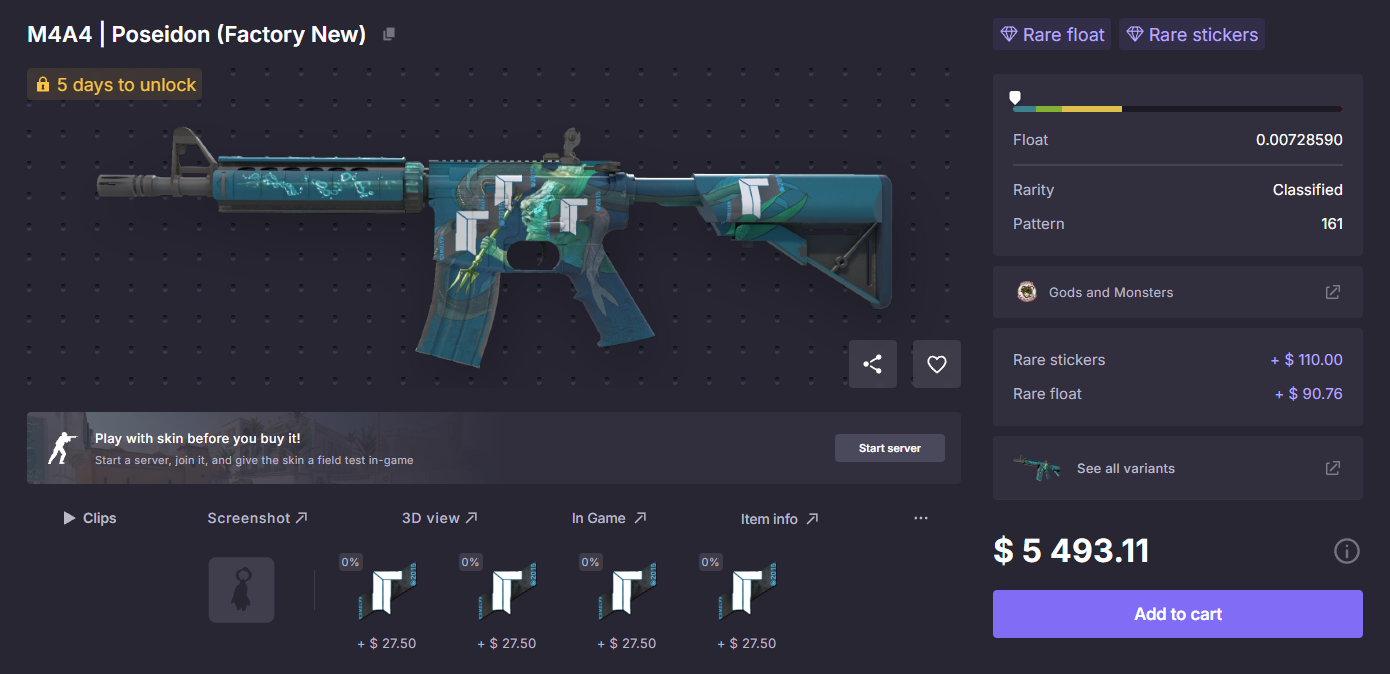
Float value determines a skin's wear condition. The five categories are Factory New, Minimal Wear, Field-Tested, Well-Worn, and Battle-Scarred. Even within the same category, a lower float value can make an item more desirable, particularly when collectors are searching for exceptionally clean examples.
The Pattern Index, also called the paint seed, is equally important for certain finishes. Two Case Hardened weapons can look dramatically different despite sharing the same skin name. A pattern featuring extensive blue coverage can command a substantial premium over an ordinary variation.
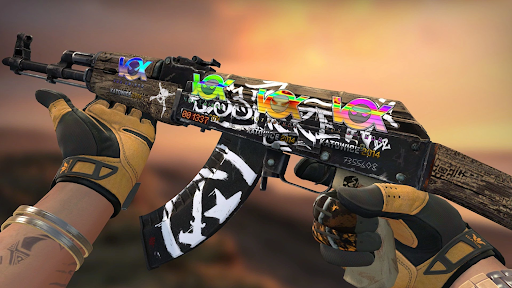
Other factors include StatTrak™, which records eliminations, and Souvenir status, which connects certain items to esports tournaments. Collectors also create skin crafts by applying valuable stickers to individual weapons. Four Katowice 2014 holographic stickers on a single rifle, for example, can contribute considerable collectible value.
Trade-Up Contracts provide another route to obtaining higher-grade items by exchanging eligible skins, although their outcomes depend on the contract's underlying mechanics.
Where the Biggest Skin Transactions Take Place
The Steam Community Market remains an important starting point for everyday CS2 trading. However, its wallet and listing limitations make it less suitable for exceptionally expensive transactions.
Specialist marketplaces have consequently become important parts of the ecosystem. Platforms such as BUFF163, CSFloat, Skinport, DMarket, and SkinBaron offer different approaches to buying, selling, and comparing weapon skins. Services such as Pricempire and SteamAnalyst help collectors track prices and market activity across multiple platforms.
Private transactions also play a significant role in the high-end market. Established collectors, brokers, and recognizable community figures such as ohnePixel, Zipel, and TDM_Heyzeus have helped bring rare skin trading into mainstream gaming discussions through their analysis and coverage of major transactions.
Security remains an important consideration. Valve's Steam Trade Protection system introduces a seven-day protection period for eligible CS2 item trades, during which received items cannot be transferred or modified. Third-party marketplaces also require users to consider account security, transaction fees, and counterparty risks.
Digital Luxury and the Psychology of Status
The CS2 skin economy offers an interesting example of conspicuous consumption. In economics, Veblen goods are products whose perceived desirability can increase alongside their price and exclusivity. Rare digital skins can demonstrate similar characteristics.
A player carrying an ordinary weapon finish can perform exactly the same in-game actions as someone using a million-dollar collectible. Yet the latter may attract considerably more attention because other players recognize its rarity and prestige.
For collectors, owning a rare Blue Gem or an exceptional Dragon Lore is therefore about more than gameplay. It represents access to an item that very few people can possess. Its value comes partly from the recognition it receives within the community.
What Comes Next for the CS2 Skin Economy?
The future of the CS2 skin market will depend on player interest, Valve's decisions, marketplace infrastructure, and the availability of desirable items. Changes to drop systems, trading rules, or acquisition mechanics can influence supply and reshape valuations.
There are also genuine financial risks. Prices are not guaranteed to rise, private transactions may lack transparent documentation, and third-party platforms introduce counterparty and security concerns. A reported million-dollar transaction does not automatically establish the market value of every similar skin.
Nevertheless, Counter-Strike has created one of gaming's most remarkable digital collectibles ecosystems. Its rarest items combine gaming history, visual identity, scarcity, and social recognition in a market where virtual ownership can carry extraordinary financial and cultural significance.