The latest Jurassic World Evolution 3 DLC is here, and the Rebirth DLC brings a new batch of prehistoric creatures, skins, and scenery pieces inspired by Jurassic World Rebirth.
This pack is a pretty fun addition overall, especially if you’re looking for new dinosaurs and a few more natural build options. Some of the animals are easier to work into a standard park than others, but when this DLC hits, it really hits. The Mutadon, open-air aviaries, and the absolutely adorable Aquilops are easily some of the biggest highlights here.
What Comes In The Jurassic World Evolution 3: Rebirth DLC?
The Jurassic World Evolution 3: Rebirth DLC includes:
D-Rex
Mutadon
Titanosaurus
Aquilops
New dinosaur skins
New scenery pieces, including temple-themed decorations
It’s a solid lineup, especially for players who like building more natural sites, research facilities, or parks that feel a little less like a traditional theme park and a little more like a real prehistoric reserve.
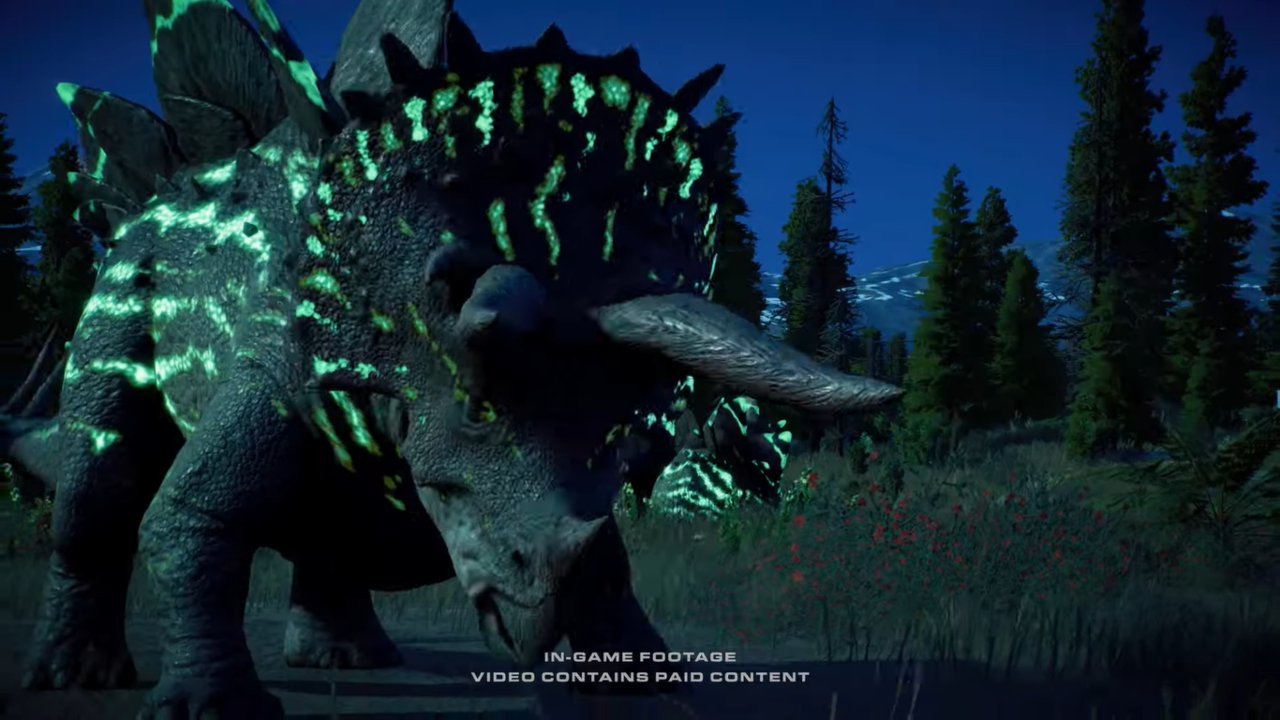
D-Rex

The D-Rex is obviously one of the biggest draws of this DLC, and I really like the way it interacts with swamp-style environments.
There’s something about placing the D-Rex in a murky, wet, overgrown habitat that just feels right. It gives the creature a stronger sense of presence, and it works really well if you’re building a darker, more dangerous section of your park. Instead of just dropping it into a standard enclosure, the D-Rex feels like the kind of dinosaur you want to build an entire themed area around.
For players who like making more cinematic exhibits, the D-Rex is probably going to be one of the most fun additions in this pack. It fits best when the enclosure has a lot of atmosphere, especially if you lean into water, foliage, and swampy terrain.
Mutadon And Open-Air Aviaries

The Mutadon may be the best part of the entire Rebirth DLC.
Not only is the creature itself exciting, but the open-air aviaries are such a strong addition. Aviaries have always been one of the coolest parts of Jurassic World Evolution, but having more open-feeling options makes them even better. It gives the park more scale and makes flying creatures feel a little less contained in the best way possible.
The Mutadon works incredibly well in this kind of setup. It feels like a creature that deserves space, movement, and a habitat that lets it stand out. If you enjoy building natural sites or large research zones, this is probably where the DLC shines the most.
For me, the Mutadon and open-air aviaries are the clear highlight. They bring something that feels fresh to the park-building side of the game, and I can see myself using them often in future builds.
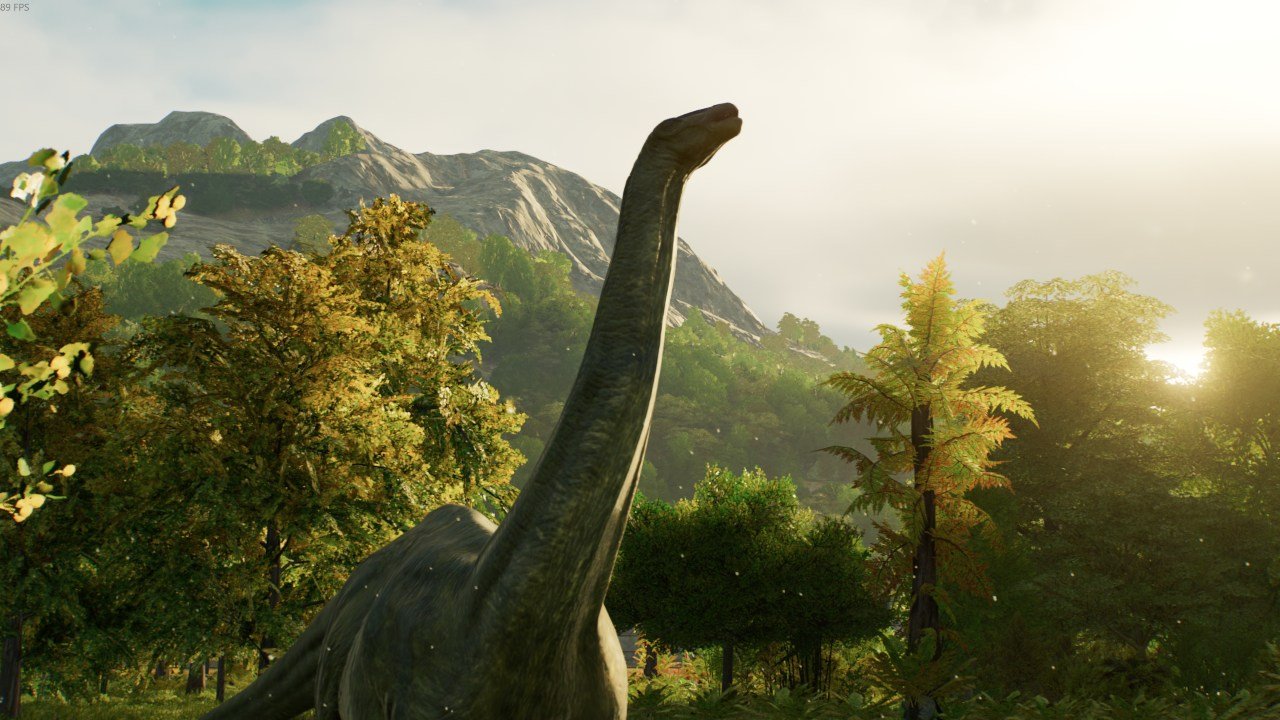
Titanosaurus

The Titanosaurus is a great addition, but it’s also one of the harder dinosaurs to actually use in a regular park.
That’s not really a bad thing, though. It’s just the reality of adding a dinosaur this massive. If you’re trying to build a clean, efficient guest-focused park, the Titanosaurus can be a little awkward to fit in. It needs space, and it can easily overwhelm a more traditional enclosure layout.
However, if you’re building a natural site, the Titanosaurus is fantastic. This is the kind of dinosaur that looks best when it has a huge open habitat, lots of room to roam, and a setting that feels more like a wildlife preserve than a zoo exhibit.
It may not be the easiest creature to work with, but when you build around it properly, it can become one of the most impressive animals in the park.
Aquilops

The Aquilops are SO FREAKING CUTE.
They’re tiny, adorable, and easily one of the most charming additions in the DLC. The only downside is that because they’re so small, they can be a little difficult to show off in a standard exhibit. If you just drop them into a normal enclosure, they may get completely lost depending on the size and layout.
Because of that, the Aquilops feel best suited for dinosaur encounters or smaller, more intimate viewing areas. That’s where they really get to shine. They’re the kind of dinosaur guests should be able to get close to, because their appeal is all in the details.
I don’t know that they’ll be the centerpiece of most parks, but they are absolutely the kind of creature that makes a build feel more complete and full of personality.
New Dinosaur Skins
The new dinosaur skins in the Rebirth DLC are really nice.
Even if you don’t end up using every creature in this pack all the time, the skins help add more value to the DLC. They give returning dinosaurs a fresh look and can help make existing exhibits feel new again without having to completely rebuild them.
My personal favorite is the Dilophosaurus skin. It looks great, and it gives one of the franchise’s most iconic dinosaurs another strong visual option. The Dilo has always been one of those dinosaurs that feels instantly recognizable, so giving it a new look that still feels fitting is a big win.
For players who care about the visual variety of their parks, the skins are a really nice bonus.
Scenery Pieces
The new scenery pieces may not find their way into every single one of my builds, but I do really like the temple pieces.
They have a very specific feel, so they probably won’t be as universally useful as some other scenery sets. That being said, if you’re building a jungle research site, a more abandoned facility, or a hidden prehistoric sanctuary, these pieces can add a lot of atmosphere.
The temple pieces especially give players more tools to create areas that feel ancient, mysterious, and overgrown. I can definitely see them being useful for more themed sandbox builds, even if they may not become everyday pieces for every park.
Feedback
Overall, the Jurassic World Evolution 3: Rebirth DLC is a fun pack with some really strong highlights.
The Mutadon and open-air aviaries are easily the best additions for me, because they add something that feels exciting from both a creature and building perspective. The D-Rex is also a great inclusion, especially when placed into a swampy, atmospheric habitat. The Titanosaurus is harder to use in a standard park, but it works beautifully in natural site builds.
The Aquilops are adorable, though they are so tiny that you really need to think about how to display them properly. They feel much better suited for dinosaur encounters than large open enclosures.
My only real issue is that some of the content feels very specific. The Titanosaurus and temple scenery pieces are great, but they won’t fit every build. This DLC feels strongest when you’re making natural environments, cinematic habitats, or themed research-style parks rather than a more traditional dinosaur theme park.
Final Thoughts
Jurassic World Evolution 3: Rebirth is a strong DLC pack for players who enjoy building more natural, atmospheric parks. The D-Rex feels great in swamp environments, the Mutadon and open-air aviaries are easily the standout additions, and the Aquilops may be one of the cutest dinosaurs in the game.
The Titanosaurus is a little harder to fit into a regular park, but it’s a fantastic addition for large natural reserves. The new skins are also really nice, with the Dilophosaurus being my personal favorite, and the temple scenery pieces give sandbox builders a few fun new tools to play with.
Not every piece of this DLC will work in every park, but when used in the right build, the Rebirth DLC adds a lot of personality and atmosphere to Jurassic World Evolution 3.
For more coverage on the latest games, DLC, previews, reviews, and tech releases, be sure to check out our June 2026 Video Game and Tech Release Calendar, where we’re tracking all of our biggest coverage throughout the month.