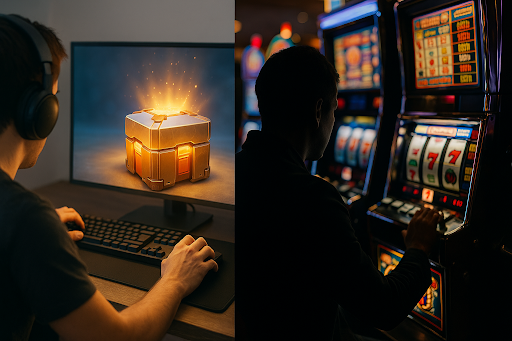
Video games now borrow heavily from slot machines. Developers design reward systems to trigger the same dopamine responses found in casino games. Players spend real money on randomized digital items, often chasing rare rewards with low probability. This raises a pressing question for many gamers: is Win Spirit casino legit? Understanding how these mechanics work helps players make informed choices about their spending habits. The gaming industry continues to blur the line between entertainment and gambling.
Key Facts About Gaming and Gambling Convergence
Researchers and analysts have tracked the rise of loot box mechanics across major gaming franchises. The following statistics reveal how deeply casino-style systems have penetrated modern video games.
1. A 2023 study from the University of Plymouth found that 40% of children who play video games have opened a loot box, with 5% spending over $100 monthly.
2. The global loot box market generated $15 billion in revenue in 2022, according to Statista, with projections reaching $20 billion by 2026.
3. Belgium declared loot boxes illegal gambling in 2018, forcing companies like EA to remove paid loot boxes from FIFA games in that country.
4. Research published in the journal Nature Human Behaviour in 2022 showed that gamers who purchase loot boxes are twice as likely to develop problem gambling behaviors.
5. The UK government commissioned a study in 2024 that recommended classifying loot boxes as gambling under existing legislation.
6. Over 60% of the top-grossing mobile games now incorporate gacha mechanics or loot boxes, according to a 2025 industry report from Sensor Tower.
How Slot Mechanics Reshaped Game Design
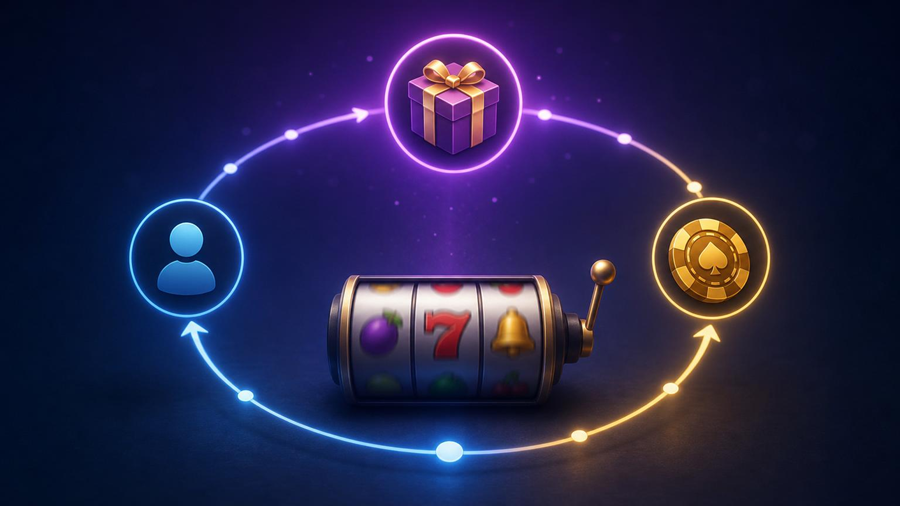
Game developers now structure progression systems around variable ratio reinforcement. This psychological principle keeps players engaged through unpredictable rewards. Modern triple-A titles often feature daily login bonuses, seasonal battle passes, and timed events that mimic casino bonuses. Players receive small rewards frequently, building anticipation for larger payouts. This pattern mirrors how slot machines keep gamblers pulling the lever.
The free-to-play model accelerated this trend dramatically. Games like Genshin Impact and FIFA Ultimate Team generate billions through randomized item packs. Players spend money on virtual currency, then gamble that currency on chances to obtain desired characters or cards. The thrill of a big win feels identical to hitting a jackpot at a slot machine. GameTyrant.com covers these developments extensively, analyzing how major studios implement these systems and their impact on player communities.
The Psychology Behind Random Rewards
Neuroscience explains why loot boxes prove so addictive. The brain releases dopamine during anticipation, not just when receiving a reward. This creates a powerful loop where the act of opening a box becomes pleasurable regardless of the contents. Game designers exploit this by adding visual and audio cues that heighten excitement during the reveal sequence. Bright lights, dramatic sounds, and slow animations all build tension.
Players often fall into the sunk cost fallacy, continuing to spend after initial investments. Someone who spent $50 on packs feels compelled to spend another $50 to justify the first purchase. This mirrors casino behavior where gamblers chase losses. The best defense involves setting strict spending limits and recognizing these psychological traps. Many gamers now track their microtransaction spending using budgeting apps to maintain control.
Industry Response and Player Protection
Major gaming platforms have started implementing disclosure requirements. Apple and Google now require apps with loot boxes to display drop rates. This gives players clear information about their odds before spending money. Some developers also introduced pity timers that guarantee rare items after a certain number of purchases. These systems provide a safety net against extreme spending without eliminating the gambling element entirely.
Regulatory pressure continues to mount across multiple jurisdictions. Australia launched a parliamentary inquiry into loot boxes in 2024. The European Union proposed legislation requiring age verification for games with paid random rewards. These measures aim to protect vulnerable players, particularly minors who may not understand the risks. Parents should enable spending restrictions on gaming devices and discuss these mechanics with their children.
The gaming community plays a crucial role in promoting responsible behavior. Streamers and content creators often showcase their pack openings, normalizing high spending. More creators now disclose their total spending and discuss the risks involved. This transparency helps viewers make realistic assessments about their own potential spending. Understanding that these systems are designed to maximize profit rather than player enjoyment represents the first step toward healthier gaming habits.