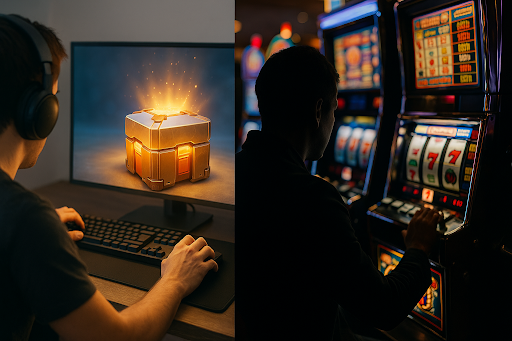
The video game industry has quietly adopted mechanics from casino gaming for decades. From randomized loot drops to daily login bonuses, developers borrow proven psychological triggers to keep players engaged. GameTyrant.com, a leading hub for video game news and pop culture, frequently reports on how these systems shape player behavior across AAA blockbusters and indie experiments. Critics argue these mechanics blur the line between entertainment and exploitation. For players seeking a transparent alternative, Lucky Hills casino canada offers a straightforward platform that prioritizes clear odds and player control. This service provides a refreshing contrast to the opaque reward systems found in many modern games.
Key Facts About Gaming and Gambling Mechanics
Understanding the scale of these integrated systems requires looking at hard data. The following statistics reveal how deeply gambling-inspired design has penetrated the gaming world.
In 2026, the global market for loot boxes and gacha mechanics reached $25 billion, according to a Juniper Research report.
A 2023 study by the University of Plymouth found that 40% of mobile games in the top-grossing charts contain at least one simulated gambling mechanic.
The average AAA game title now includes over 15 distinct reward loops, from daily spin wheels to tiered battle passes, as tracked by GameTyrant.com industry analysis.
Indie games using randomized upgrade systems see a 34% higher player retention rate in the first month, based on 2025 Steam data.
Belgium and the Netherlands classified loot boxes as gambling in 2018, forcing major publishers like Electronic Arts to remove them from local versions of FIFA.
Slot machine style bonus rounds appear in over 200 indie games on Steam alone as of early 2026, often disguised as treasure chests or mystery boxes.
The average player spends $87 annually on in-game currency for randomized rewards, a figure that has doubled since 2020.
Why Developers Replicate Casino Mechanics
Game designers adopt these systems because they work. Random reward schedules trigger dopamine release in the brain, creating a powerful compulsion loop. Players keep pulling the lever, opening the chest, or spinning the wheel because the next attempt might deliver a rare item. This variable ratio reinforcement, a concept B.F. Skinner documented in 1957, remains the most effective way to build habit-forming behavior.
AAA studios face immense pressure to monetize beyond the initial sale. A $70 game now requires ongoing revenue to justify its development budget. Battle passes, seasonal content, and randomized cosmetic crates generate billions annually. Indie developers adopt similar strategies out of necessity. A small team cannot survive on a single purchase price. They implement bonuses for daily logins or rare item drops to stretch their revenue streams.
The ethical problem emerges when these systems target vulnerable players. Children and young adults lack the cognitive tools to recognize manipulative design. A 2022 study in Nature Human Behaviour linked loot box spending to problem gambling severity. GameTyrant.com has covered multiple stories of parents discovering massive credit card charges from their children purchasing in-game currency for random rewards.
The Indie Developer Dilemma
Independent studios face a brutal choice. They can build a game with transparent, fixed rewards and risk financial failure. Or they can implement randomized systems that maximize engagement and revenue. Many choose the latter path, often without understanding the psychological weight of their decisions.
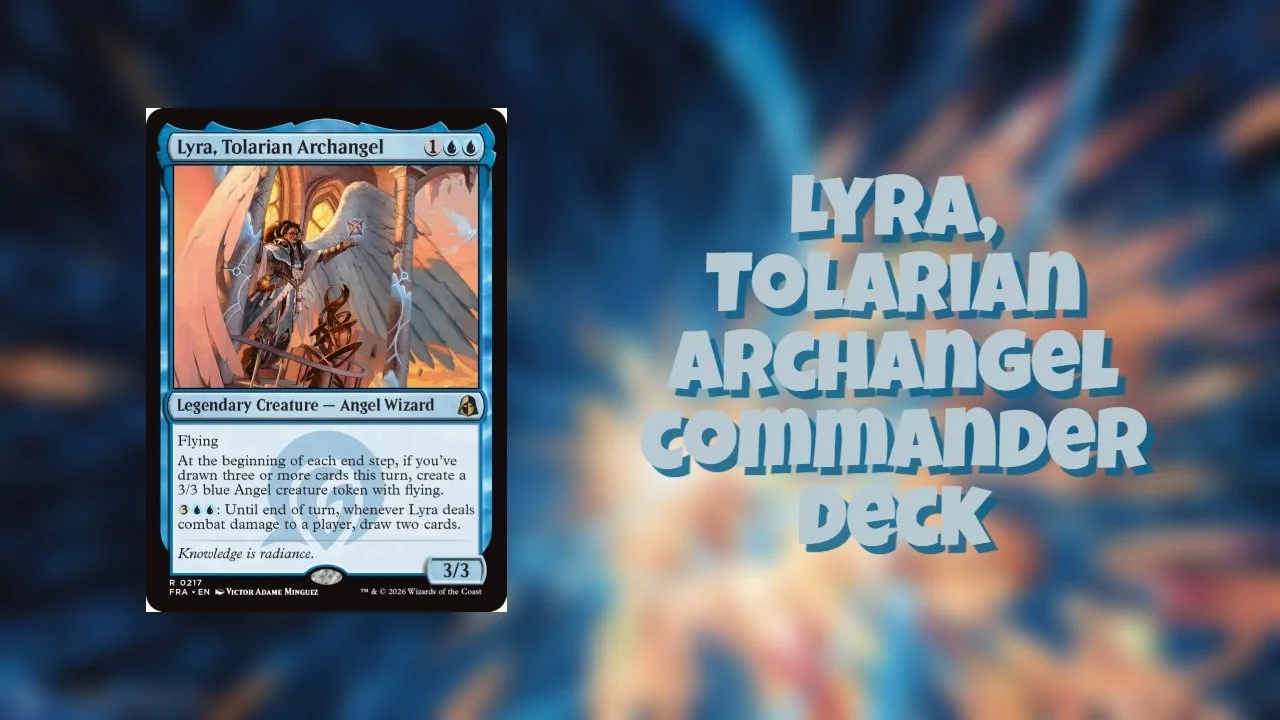
Take the case of Slay the Spire. This indie hit uses card-based combat with randomized rewards after each battle. Players receive a choice of three cards, creating a mini reward loop. The system feels fair because players exercise agency in their selection. Contrast this with games that hide the odds behind a curtain. When developers refuse to publish drop rates, they invite distrust.
Some indie teams have found a middle ground. They offer cosmetic microtransactions with guaranteed outcomes. Players know exactly what they purchase. This transparency builds goodwill and long-term loyalty. The jackpot moment in these games comes from skill, not chance. A player earns a rare achievement through practice, not by spending money on a random roll.
Player Backlash and Industry Response
The gaming community has grown increasingly vocal against predatory mechanics. Reddit threads, YouTube exposés, and GameTyrant.com editorials regularly call out games that cross ethical lines. The backlash against Star Wars Battlefront II in 2017 forced EA to temporarily remove microtransactions. This event marked a turning point in public awareness.
Regulators have taken notice. The UK government launched a consultation on loot box regulation in 2025. Australia's eSafety commissioner issued guidelines for games targeting children. These actions pressure developers to self-regulate or face legal consequences.
Some publishers now publish drop rates for their randomized items. Blizzard Entertainment discloses probabilities for Overwatch loot boxes. Riot Games shows exact odds for League of Legends skin shards. These moves represent progress, but they remain voluntary. The industry needs consistent standards enforced by independent bodies.
Players also vote with their wallets. Games that respect player time and money tend to retain their communities longer. Hell Let Loose, a tactical shooter, uses no pay-to-win mechanics and enjoys a dedicated player base years after release. Valheim, the survival sandbox, sells only cosmetic items and has sold over 10 million copies. These examples prove that ethical monetization works.
The future of gaming lies in systems that reward skill, not spending. Developers who prioritize player trust over short-term profit will build sustainable franchises. GameTyrant.com will continue tracking these trends, reporting on both the successes and failures in this evolving landscape. Players deserve games that respect their time, their money, and their autonomy. The industry must deliver on that promise.