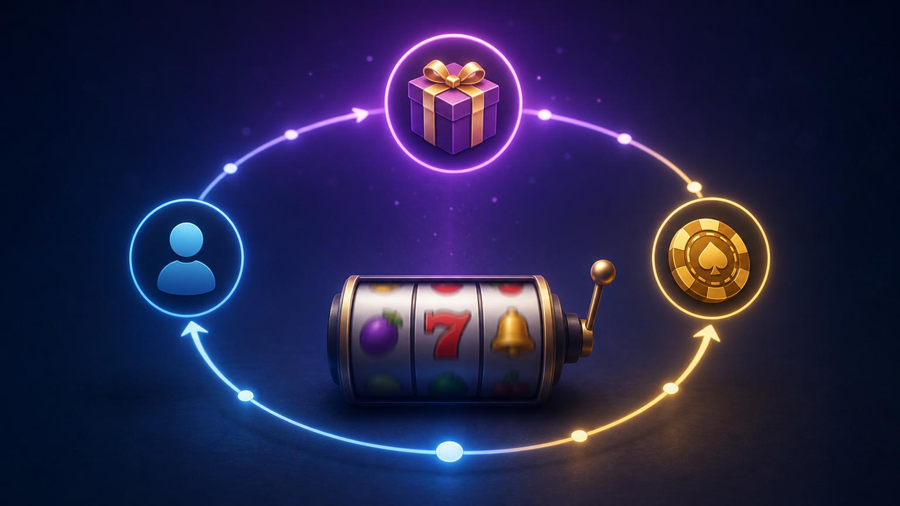
Modern video games borrow heavily from casino psychology. Developers design progression systems to keep players engaged, often using the same variable reward schedules found in slot machines. These mechanics trigger dopamine releases, creating habits that feel satisfying yet sometimes concerning. For players seeking a different kind of thrill, Charmius Canada offers an alternative platform where entertainment meets chance in a transparent environment. Understanding these parallels helps gamers make informed choices about their playtime and spending.
Key Facts About Gaming and Gambling Design
The connection between video game reward systems and casino mechanics is backed by concrete data. Here are five surprising statistics that reveal how deep this relationship runs:
A 2024 study by the University of York found that 78% of top-grossing mobile games use variable ratio reinforcement schedules, the same psychological principle powering slot machines.
The global video game market is projected to reach $321 billion by 2026, with loot box revenue alone accounting for over $15 billion annually.
Research from the National Center for Biotechnology Information shows that players who engage with loot boxes spend an average of 4.7 times more than those who avoid them.
A 2023 survey by Statista reported that 42% of gamers aged 18-24 have purchased a loot box in the past month, mirroring patterns seen in casino bonuses usage.
The World Health Organization officially recognized gaming disorder in 2018, citing reward loop mechanics as a primary driver of addictive behavior.
The Science Behind Variable Rewards
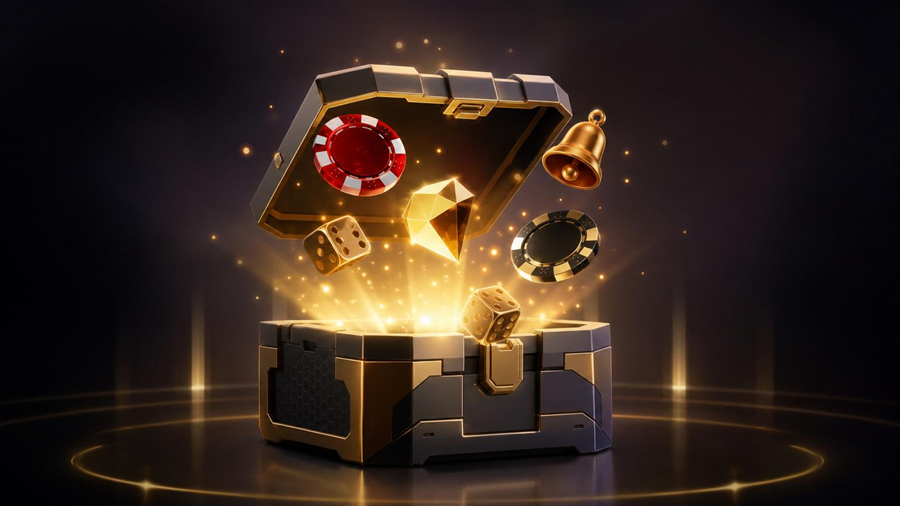
Casinos mastered variable rewards decades ago. Slot machines pay out at random intervals, keeping players hooked on the possibility of a big win. Video games replicate this with randomized loot drops, mystery crates, and progression gates. When a player opens a chest in an RPG and receives a rare weapon, their brain fires the same neural pathways as hitting a jackpot on a slot machine. This design choice transforms gameplay into a cycle of anticipation and reward. Developers intentionally obscure drop rates to maximize engagement, just as casinos hide payout percentages. The result is a system where players chase the next hit, often spending real money for virtual prizes.
Loot Boxes as Digital Slot Machines
Loot boxes represent the most direct crossover between gaming and casino mechanics. These virtual containers offer randomized items, from cosmetic skins to gameplay advantages. Players purchase them with real currency, hoping for rare drops. The psychological hook relies on near-misses and intermittent reinforcement. When a player almost gets a legendary item, they feel compelled to try again. This mirrors the slot machine experience where each spin feels like the next big win. Game publishers defend loot boxes as harmless fun, but regulators in Belgium and the Netherlands classify them as gambling products. The European Parliament has called for stricter regulations by 2026, acknowledging the harm these mechanics cause to young audiences.
Building Healthy Gaming Habits
Recognizing casino mechanics in video games empowers players to take control. Set strict spending limits before opening any loot box or purchasing in-game currency. Treat every virtual purchase as an entertainment expense, not an investment. Track your playtime and spending with apps or journal entries. If a game feels like a chore rather than fun, step away for a few days. The gaming industry will continue refining these reward loops, but awareness remains your strongest defense. Remember that developers design these systems to maximize profit, not your enjoyment. Play games that respect your time and money, and avoid titles that pressure you into constant spending.
The lines between gaming and gambling grow thinner each year. Reward loops, variable schedules, and randomized prizes make modern games feel like slot machines in disguise. By understanding these mechanics, you can enjoy the thrill without falling into harmful patterns. Stay informed, set boundaries, and choose games that prioritize fun over exploitation. Your wallet and your mental health will thank you.