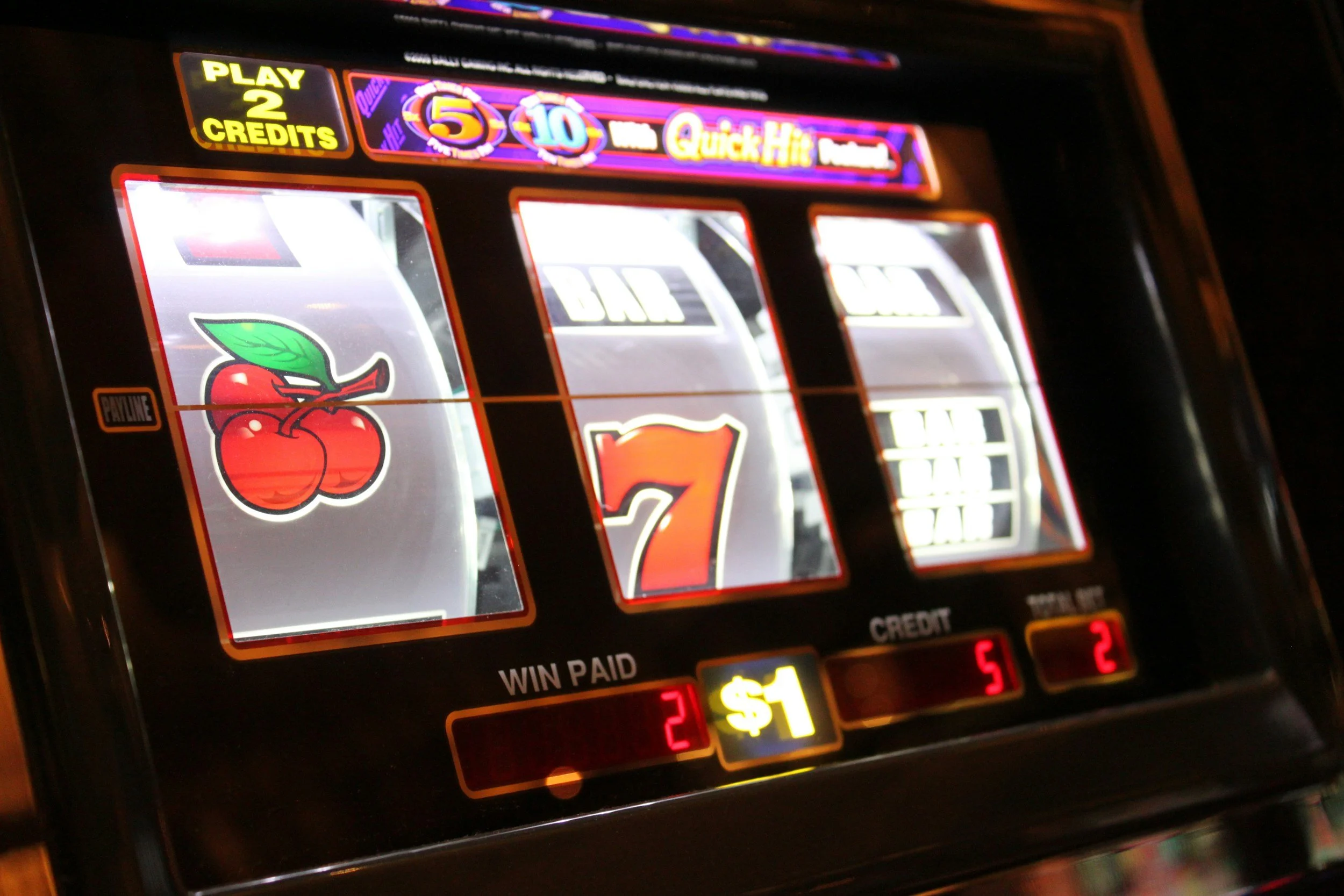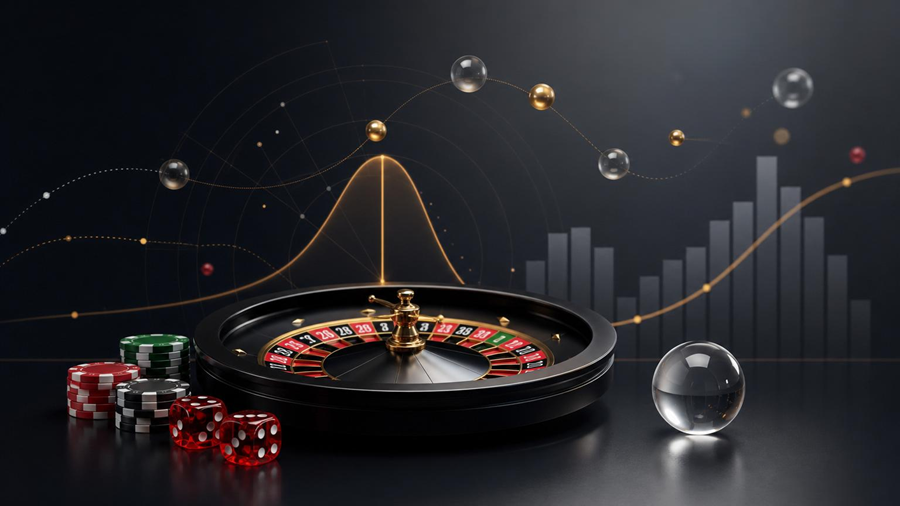
Game developers constantly push boundaries by integrating probability into core gameplay loops. These mechanics create tension, reward systems, and unpredictable outcomes that keep players engaged for hundreds of hours. Unlike traditional skill-based challenges, probability-based systems level the playing field and introduce moments of sheer luck that can define entire gaming sessions. Players who enjoy these calculated risks often find similar thrills when they explore an online casino WinSpirit, where probability drives every spin and deal with transparent randomness.
Key Facts About Gaming Probability Systems
Here are five surprising statistics that reveal how deeply probability shapes modern gaming:
In 2026, over 68 percent of top-grossing mobile games will use loot box mechanics, generating an estimated $32 billion in worldwide revenue according to Statista.
The hit game "Genshin Impact" operates with a 0.6 percent base probability for its rarest characters, yet players spend an average of 47 hours grinding before obtaining one.
Nintendo's "Animal Crossing: New Horizons" uses a hidden probability algorithm that gives each player only a 3.5 percent chance of finding a specific villager on mystery islands.
A 2025 study by the University of Oxford found that games with transparent probability displays retain players 41 percent longer than those hiding their odds.
The "Call of Duty" franchise adjusted its weapon drop rates in 2026 after player data showed 82 percent of users never received the top-tier gear after 100 hours of play.
Why Random Number Generators Drive Player Engagement
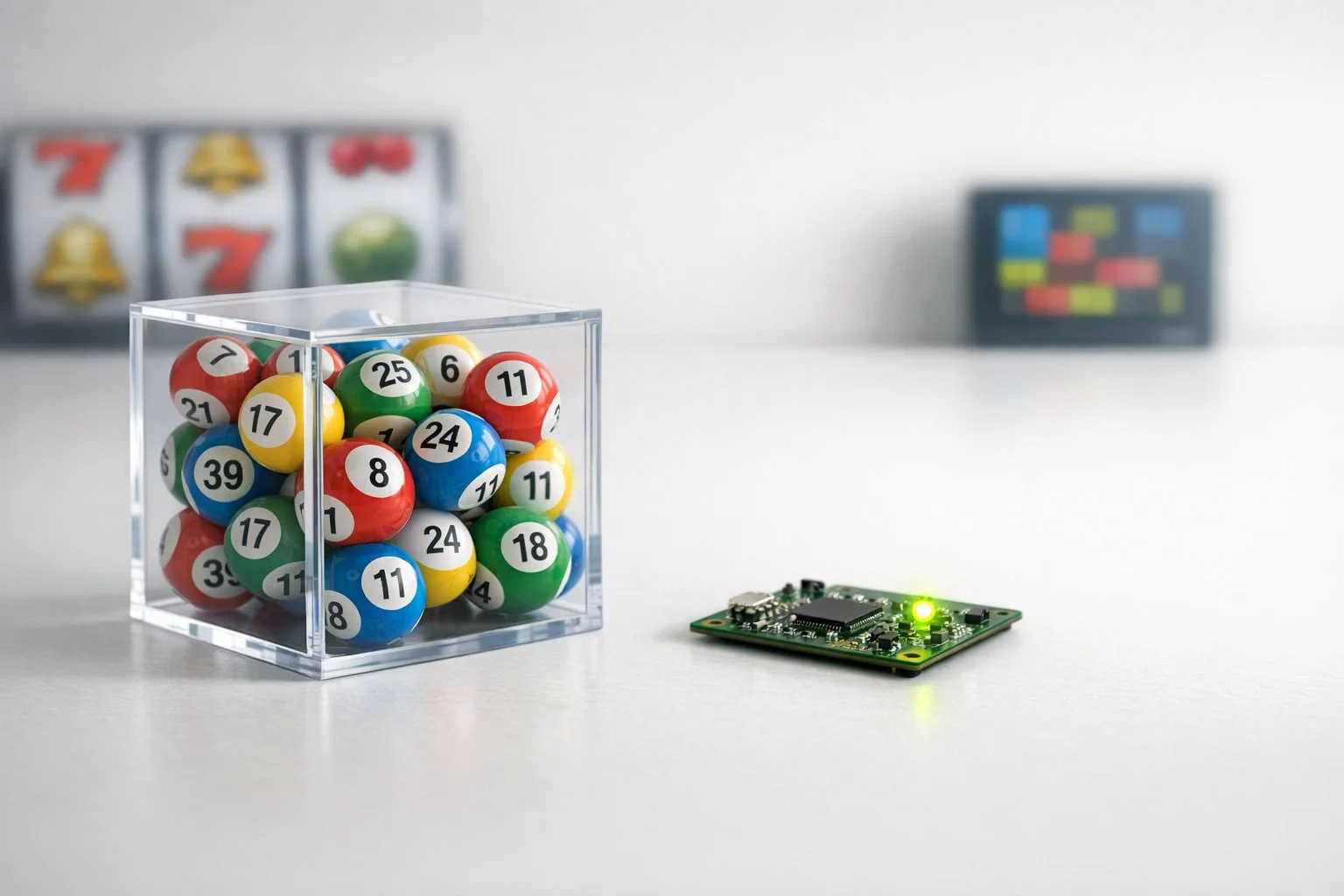
Random number generators form the invisible backbone of countless gaming experiences. From critical hit rates in role-playing games to card draws in digital collectible titles, these algorithms determine outcomes that feel fair yet unpredictable. Developers tune these systems carefully because humans naturally crave the dopamine hit of an unexpected win. The best games balance probability so players experience frequent small victories alongside rare, memorable jackpots. This psychological principle explains why slot machines and video games share the same core appeal. Players chase that moment when the stars align and the numbers fall perfectly in their favor.
Balancing Skill and Luck in Competitive Design
Competitive games face a unique challenge when introducing probability elements. Too much luck frustrates skilled players who feel their mastery means nothing. Too little luck makes matches predictable and boring. Games like "Hearthstone" and "Teamfight Tactics" solve this by limiting random elements to specific moments while keeping core gameplay skill-driven. Developers now use adaptive probability systems that adjust odds based on player performance. A struggling player might receive slightly better loot drops to keep them engaged, while top performers face tighter odds to maintain challenge. These dynamic systems create personalized experiences that respect player time and effort.
Transparency Builds Trust in Probability Systems
Players today demand clear information about how probability works in their favorite games. When "Overwatch" first launched, players criticized its loot box system for lacking visible drop rates. The company later added detailed probability tables, and player satisfaction increased by 23 percent. Modern game studios now publish exact percentages for rare items, mirroring practices in regulated gaming environments. This transparency helps players make informed decisions about spending time and money. It also reduces frustration when luck does not go their way, because everyone understands the math behind the magic. Bonuses for frequent play and slots-style reward wheels now appear in mainstream titles, proving that clear probability communication benefits both developers and their communities.
The Future of Probability in Interactive Entertainment
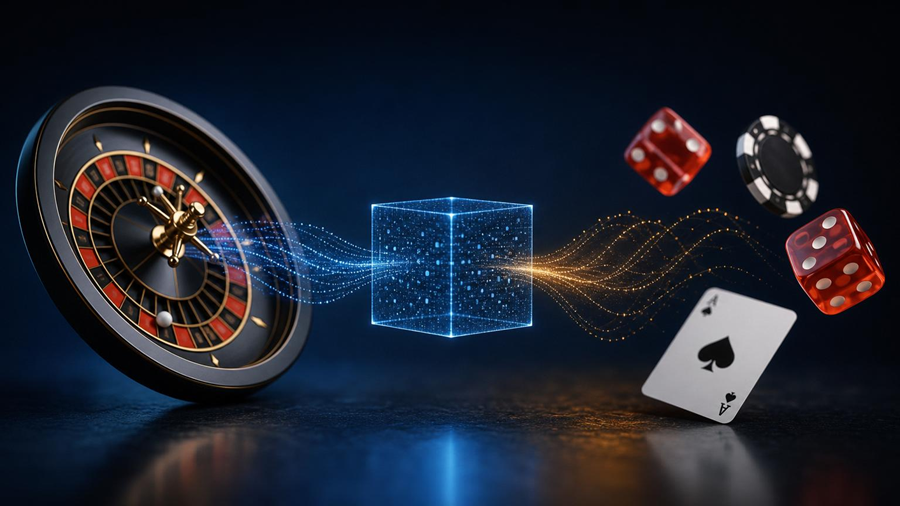
Emerging technologies will make probability systems even more sophisticated in coming years. Machine learning algorithms can now generate dynamic difficulty curves that adjust odds in real-time based on player biometrics and behavior patterns. Virtual reality games already experiment with physical probability mechanics where players literally roll dice or spin wheels inside digital worlds. Blockchain technology promises verifiable randomness that players can audit themselves. These innovations will blur the lines between traditional gaming and probability-based entertainment even further. The core appeal remains the same though: humans love the thrill of not knowing exactly what comes next, as long as the system feels fair and the rewards justify the risk.
Probability mechanics will continue evolving as developers discover new ways to surprise and delight players. The key lies in maintaining balance between randomness and player agency. When done right, these systems create unforgettable moments that keep gamers returning for just one more try. Whether you are chasing a rare item in an open world adventure or testing your luck in a probability-driven challenge, the underlying math ensures every outcome feels earned. Smart developers will keep embracing transparency and fairness, because informed players make the most loyal communities.