Disclosure: This is a paid guest post. The author or an affiliated third party paid for its publication, and the article may contain promotional links. The views and opinions expressed are those of the author and do not necessarily reflect those of GameTyrant or its editorial staff.
Disclaimer: The following content contains references to gambling, casinos, and related topics.
Three kinds of randomised reward, three very different rulebooks. Only one of them lets a stranger check the maths.
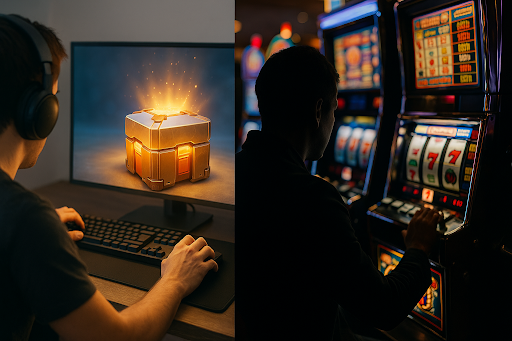
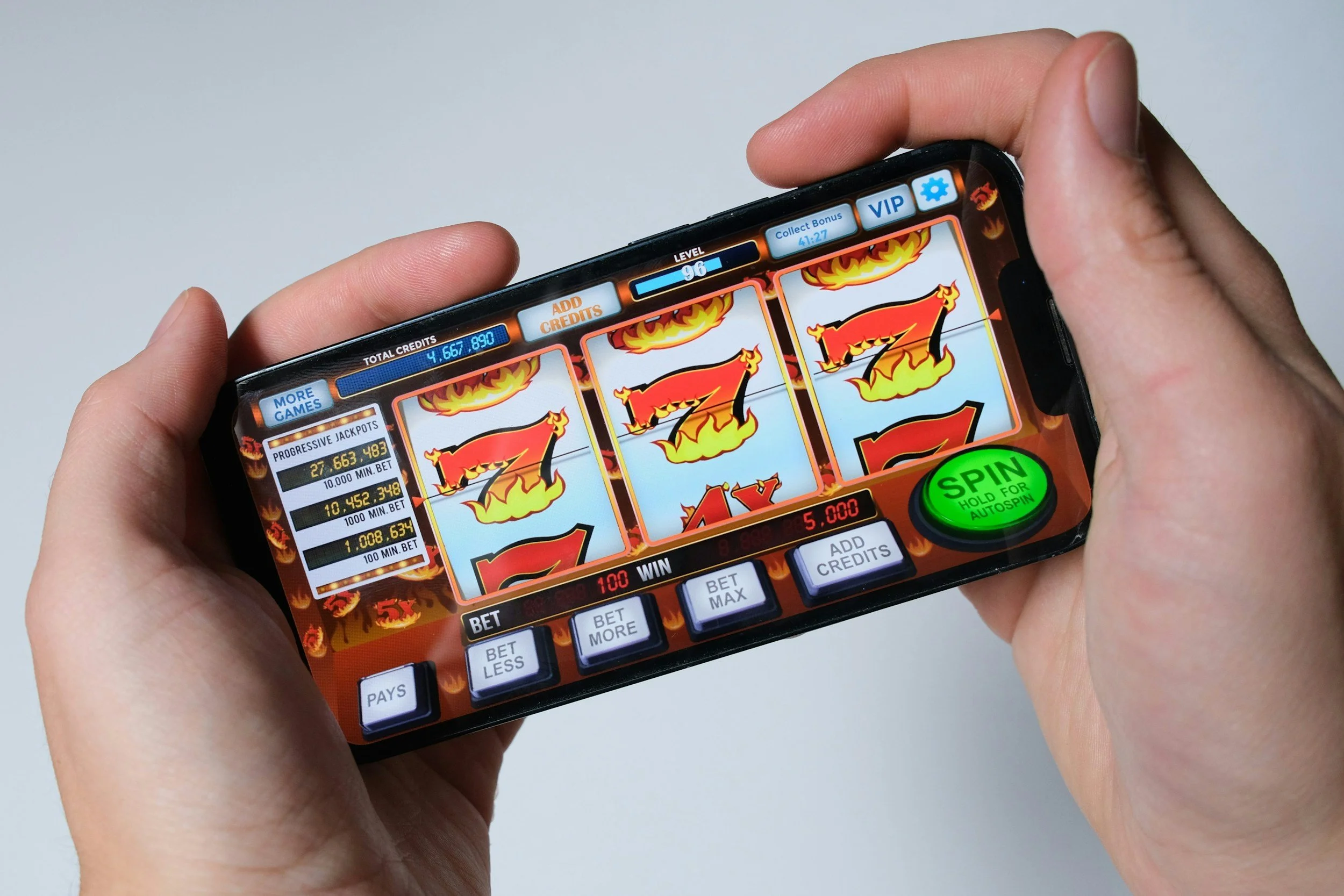
Open a case in a shooter, buy a ten-pull in a gacha game, or press spin on a casino slot, and the same thing happens underneath: a random number decides what you get. What differs is who is obliged to tell you the probabilities, and whether anyone outside the company can verify that the published figure is the real one. The gap between those two things is larger than most players assume.
Where the odds must be shown by rule
On mobile, odds disclosure is a storefront condition that applies wherever the store operates. Apple's App Store Review Guidelines put it in one sentence: apps offering "loot boxes or other mechanisms that provide randomized virtual items for purchase must disclose the odds of receiving each type of item to customers prior to purchase." Google Play's payments policy says the same thing with a timing clause, requiring that odds be disclosed "in advance of, and in close and timely proximity to, that purchase." Rating boards add a label rather than a rule: the ESRB marks a game with In-Game Purchases (Includes Random Items) when it sells goods "for which the player doesn't know prior to purchase the specific digital goods or premiums they will be receiving."
Two things are worth noticing about those rules:
They bind the store, not the game. A title that sells the identical loot box on PC through its own launcher or a PC storefront is under no equivalent obligation, which is why a case-opening screen on PC can show you the items without a single percentage attached.
They require publication, not verification. The developer states the odds. Nobody audits the drop table, and the player has no way to reproduce a specific roll. You are trusting a number on a screen.
The cash-out line
Whether a loot box counts as gambling depends on where you are, and the answers range from "not regulated at all" to "banned unless the odds are published" to "treated as a game of chance outright". But across those different regimes, the question regulators keep coming back to is the same one: can the reward be legitimately turned back into money? A prize that stays inside the game, with no sanctioned route to cash, is generally treated as a purchase of entertainment. A prize with a real exit value starts to look like a wager, whatever the game calls it.
That is why skin marketplaces matter so much to this debate. A case whose contents can be sold for money on a third-party site has, in practice, acquired the one feature that separates a loot box from a bet, and it has done so without the game itself changing at all.
What the casino side has to do instead
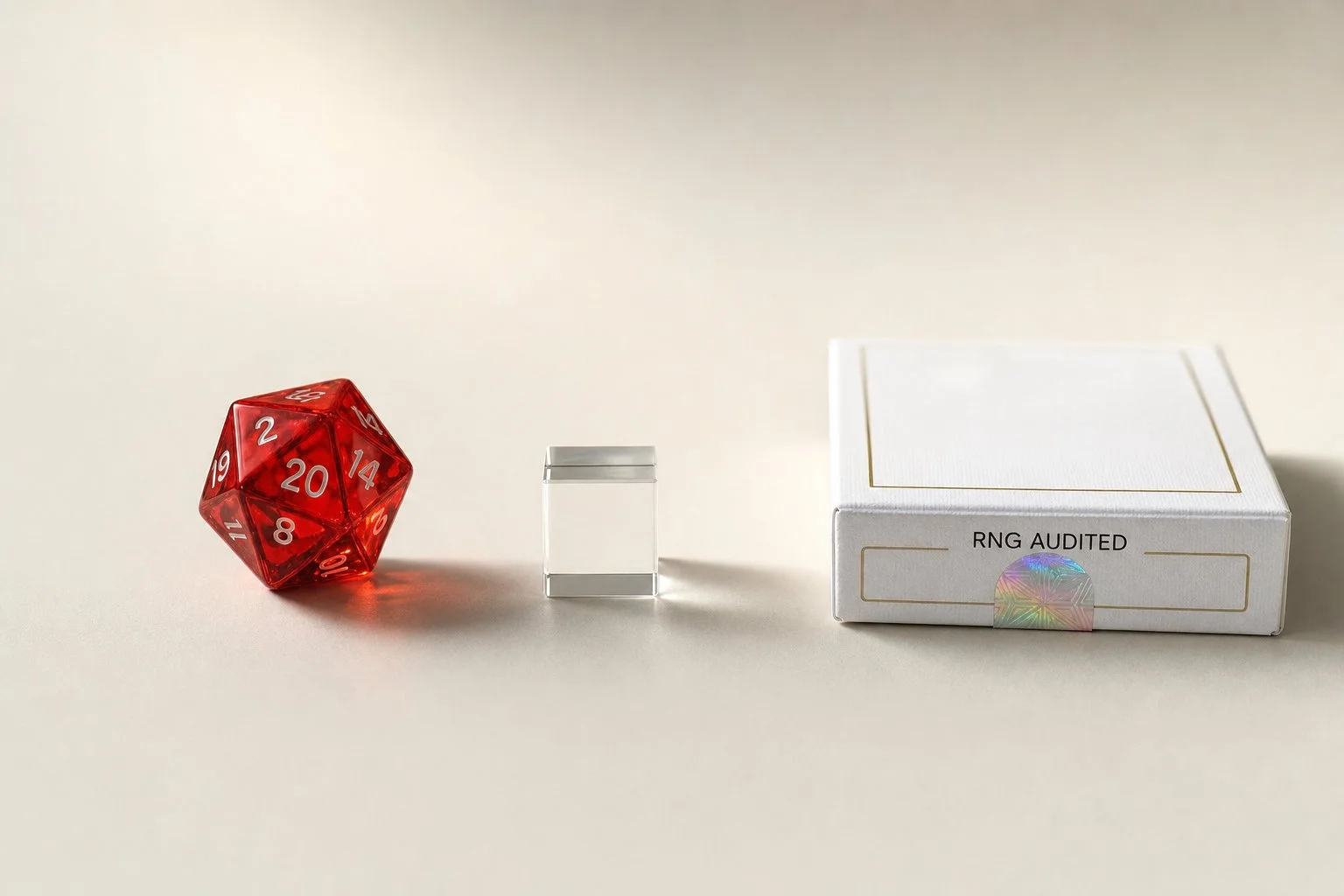
Licensed casino games sit on the far side of that line, and the obligations are of a different kind. In regulated markets the random number generator is tested and certified by an independent lab before the game goes live, the return to player is a published figure, and the technical standards typically prohibit a game from changing its probabilities during play. The player still cannot see inside the generator, but someone independent has.
Crypto casinos operating outside those regimes have adopted a third approach, usually called provably fair. The operator commits to a secret seed before the round, the result is derived from that seed plus an input the operator does not control, and after the round the player can recompute the outcome from the published pieces. It is the only one of the three models where an individual player, rather than a lab or a storefront, can check a specific result.
The models side by side:
| Model | Odds published? | Independently tested? | Player can verify a single result? |
|---|---|---|---|
| Mobile loot box (store rules) | Yes, before purchase | No | No |
| PC case or gacha (no store rule) | Not required | No | No |
| Licensed casino game | Yes, as RTP | Yes, certified RNG | No |
| Provably fair casino game | Usually, as RTP | Varies by operator | Yes, from published seeds |
Verifiable is not the same as fair
Provably fair has a limit that is easy to miss. Reproducing a round proves the outcome followed the published procedure. It says nothing about whether the paytable sitting on top of that procedure returns 90% or 100% of stakes. A game can be cryptographically honest and still carry any house edge its designer chose. Checking the return, as opposed to the randomness, is a separate piece of work: counting the outcomes, multiplying each by its payout, and placing a real bet to see what is actually paid.
That second kind of check is rare enough that a small number of sites now specialise in it. One of them, 100rtp.games, audits games marketed at 100% RTP or zero house edge by reproducing provably fair rounds and testing payouts with live bets, and is careful to label which claims are formula-verified and which remain operator-stated. Its own summary of the distinction is the clearest one-line version of this whole article: provably fair verifies outcome generation; RTP requires payout math.
What this means at the case-opening screen
For a player, the practical takeaways are short:
A published percentage is a claim, not a measurement. On mobile it is a required claim; on PC it may be absent altogether. In neither case has anyone outside the developer checked it.
The cash-out route changes the category. Third-party marketplaces that turn skins into money are exactly what moves a case from "entertainment purchase" toward "game of chance", whatever the game's own terms say.
Verification exists, but only in one corner of the market. If being able to check a result matters to you, provably fair systems are the only place it is possible, and even there the paytable needs checking separately.
The random number is the same everywhere. The accountability around it is not, and knowing which rulebook applies tells you how much of what you see on screen you are being asked to take on trust.