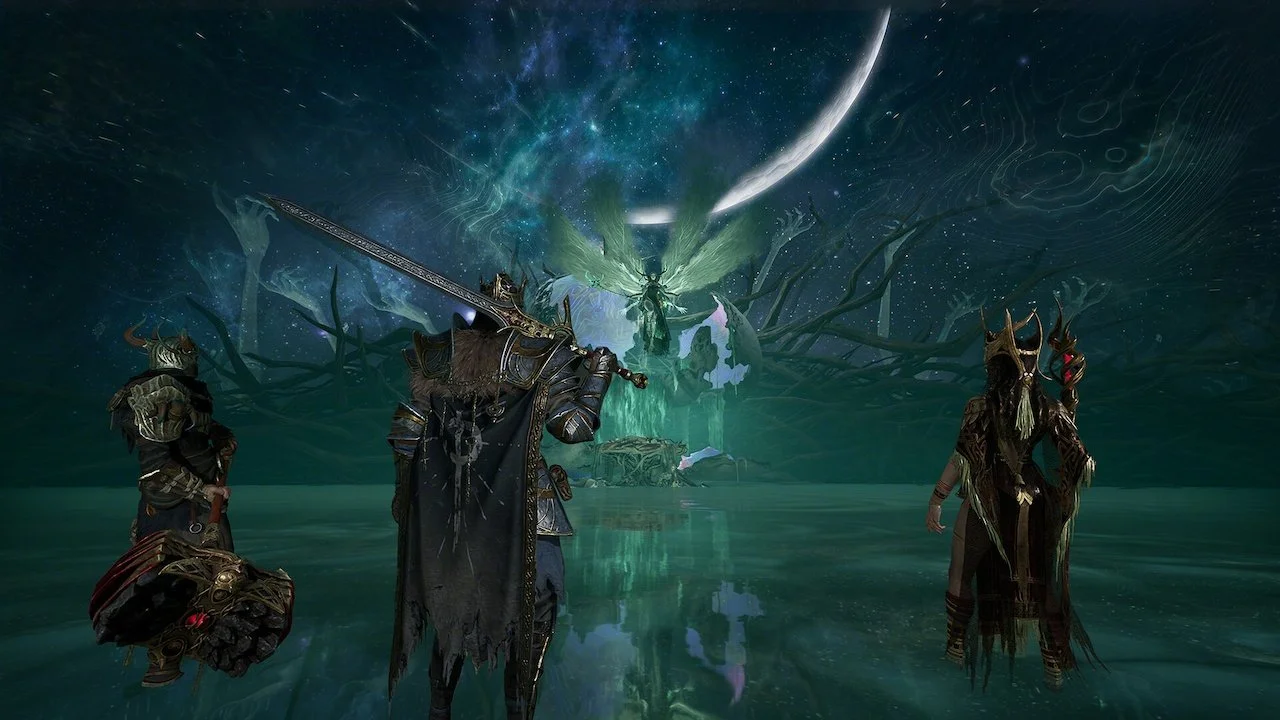
Soul Harvest is the in-game event of season 1 in Mistfall Hunter, which has turned the intense extraction shooter into a more tense situation. On top of the game’s standard looting, fighting, and extracting, Soul Harvest asks players to hunt Soul Cocoons, hold a Fate Altar against every team that is looking for an opportunity, and fight their way through the new dangerous elite enemy called the Soulgnawer. Along with all these things, players will come across Mistfall Hunter Gyldenblod, which is a major part of Season 1 that directly influences the event and the reward track.
This guide will explain how the event starts, how Soul Cocoons and the Fate Alter work together, what our team needs for the fight with Soulgnawer, and how we can come out with our loot in a single piece.

How Soul Harvest Starts
Soul Harvest is not a separate game mode, but it is a ritual mixed into the normal extraction matches on the maps of Mistfall Hunter. Triggering the event is heavily luck-based, and that chance improves with a map setting called Gyldening Intensity. It states that the higher the intensity, the greater the odds that Soul Harvest activates during our match. This means players trying to do Soul Harvest should go for greater difficulty matches, as the event shows up more frequently in modes like Chaos and Cataclysm than in easier ones.
The theme of the event is a purification prayer meant to change the Web of Fate, with the Velgr faction trying to raise a False God using creatures mutated by the Soul Cocoons. Once all the conditions are satisfied, an NPC named Dew starts the operation.
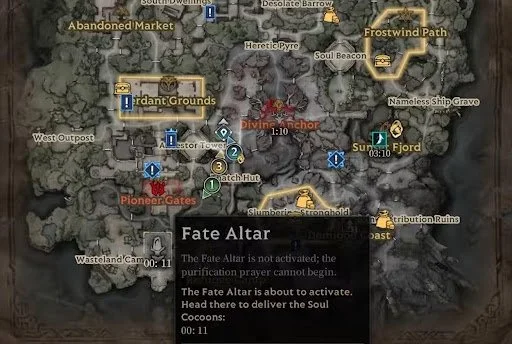
When Soul Harvest is triggered, two things come on the map: the Soul Incubator enemies carrying the Soul Cocoons, and a Fate Altar that displays an activation countdown on our map. From that point, the match becomes a race to control both objectives before another team tries to do the same.

Collecting Soul Cocoons
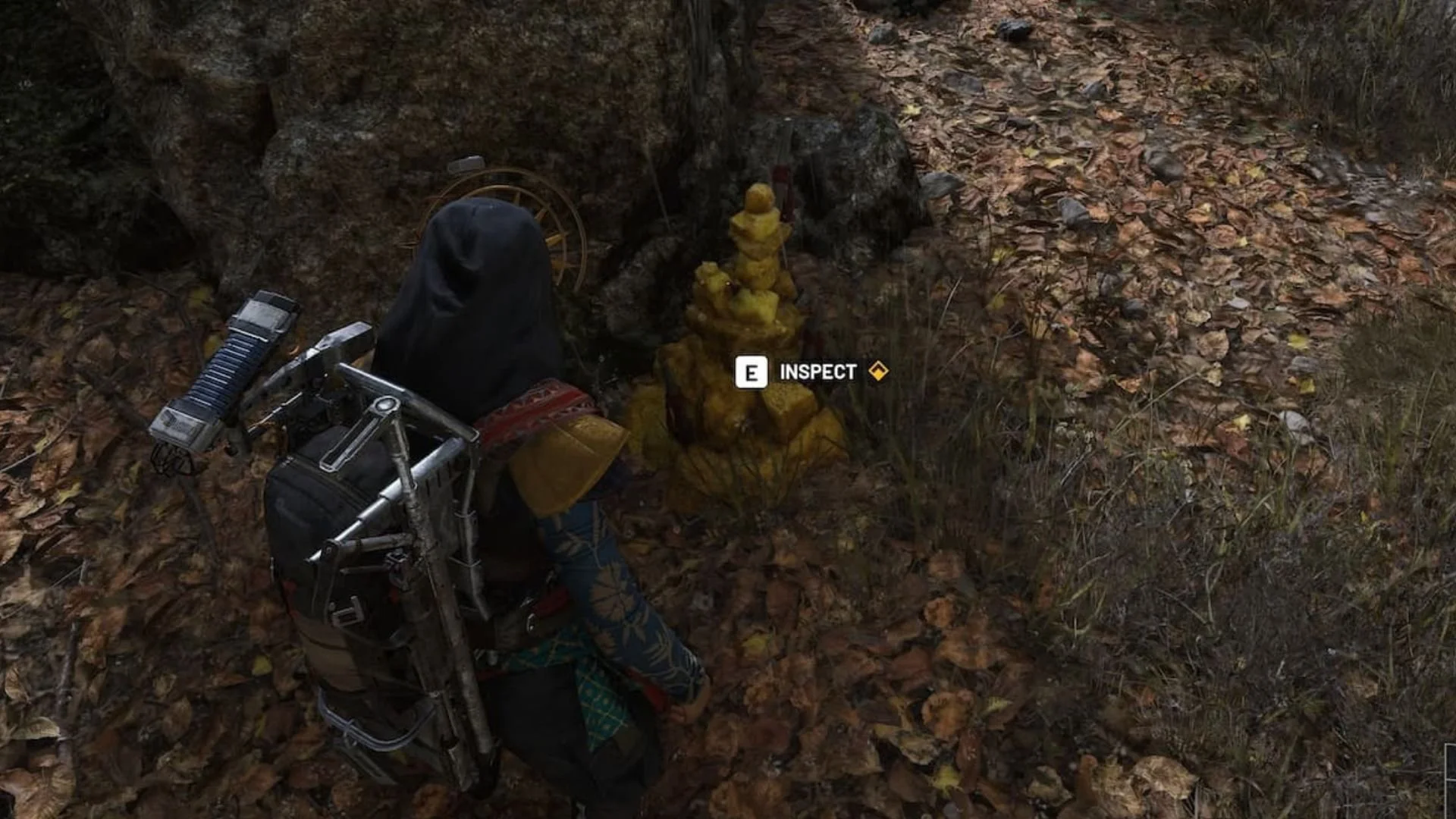
We won’t find Soul Cocoon randomly lying on the ground; instead, we have to hunt the Soul Incubator Enemies and defeat them to get a Cocoon from the drop. Once we get one Cocoon, a mechanism called resonance activates; now any gyldhunter having a Cocoon can sense the location of every other Cocoon on the map. This looks like an advantage but also backfires, as our own position gets known to every other Cocoon holder at the same time. This makes Cocoon collection strange, as the moment we pick up a Cocoon, we effectively tell every rival squad having a Cocoon where we are, and they tell us the same.
Skilled players use this intentionally to avoid early picking until they are ready to fight for the Altar, or to use a Cocoon as bait to lure the rivals into a fight. To activate the Fate Altar’s full ritual, we need two Cocoons. If our team manages to get one, there’s an alternate way with lower risk, which is handing it to Richie, an in-match merchant, who exchanges it for a reward for the whole squad. This is a safer alternative when a second Cocoon isn’t obtainable.
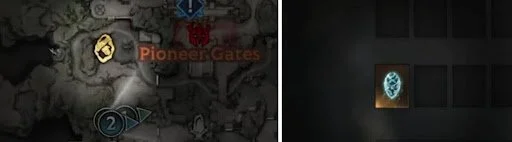
Activating the Fate Altar
Once our team has two Soul Cocoons and enough time has passed in the match, we can go to the Fate Altar and submit both Cocoons to start the Purification Ritual. This immediately spawns the Soulgnawer, a new elite monster exclusive to this event, near the altar. We can not skip this fight because the ritual won’t move ahead until the Soulgnawer is dead. Knowing the importance of this step, many players buy Mistfall Hunter Gyldenblod in advance so that they can stay prepared for the event and the fight.
Beating the Soulgnawer
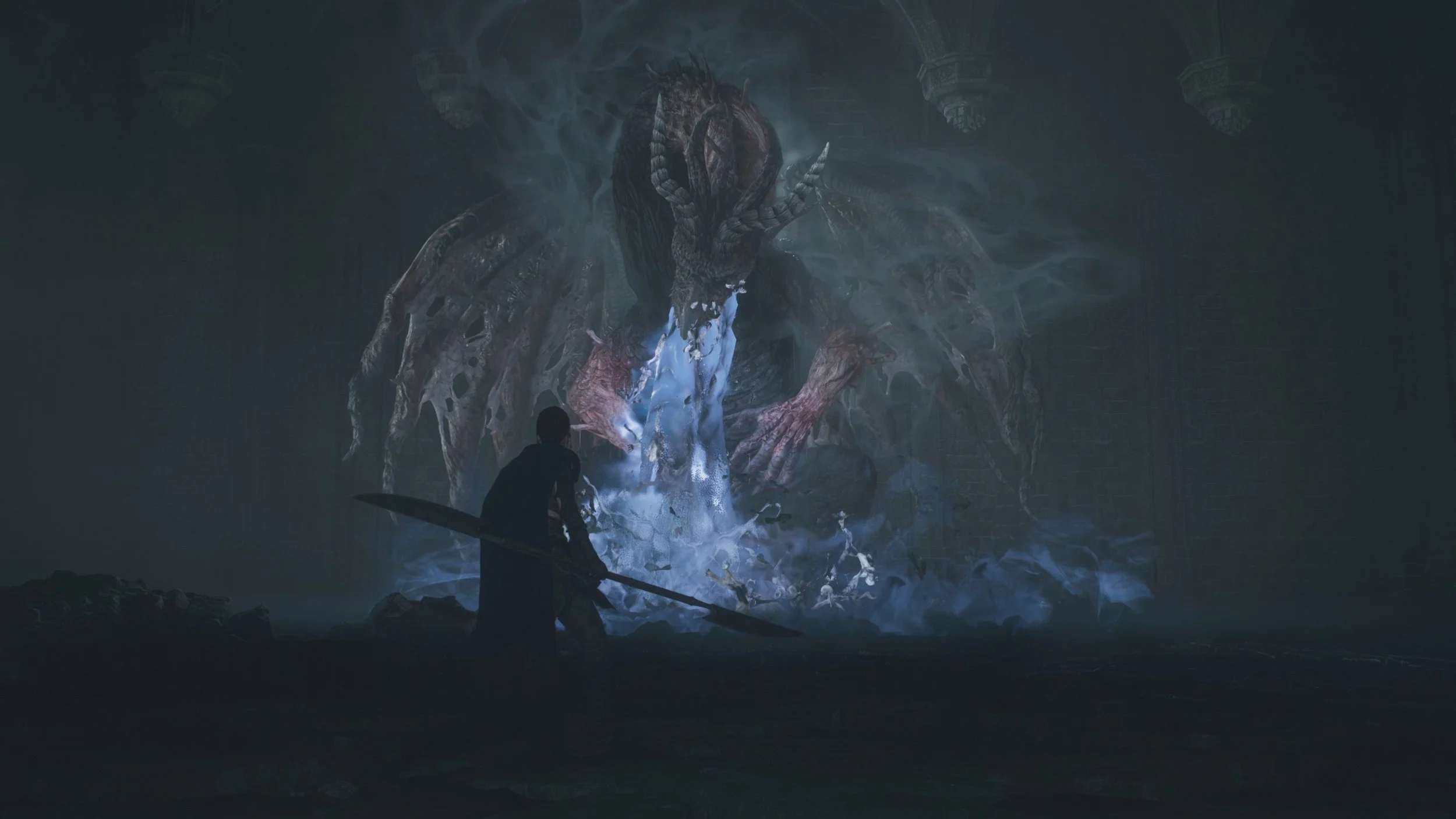
The Soulgnawer is the main enemy featured in the Soul Harvest event. Dashing forward and slashing its blades in a wide area around itself is its attack pattern. This makes positioning the real danger instead of any hard attack. The best way to deal with it is to divide roles among the squad. One player should draw and hold Soulgnawer’s attention; the best option is the Mercenary class with Sword and Shield. The other two teammates should be responsible for dealing damage to it and bringing its health down as fast as possible. After it is defeated, loot the body. The Soulgnawer has a chance to drop high-tier gear, making the fight even more important, keeping aside the ritual reward.
Defending the Altar
Defeating the Soulgnawer is not the end of it. The most dangerous phase starts from here. After the boss is defeated, the Fate Altar starts a five-minute countdown to complete the ritual. During this time, extra Soul Incubator enemies spawn near the Altar; defeating each one reduces 20 seconds from the remaining time, giving the team a way to speed things up instead of waiting for the timer to complete. The main threat is other squads. The Fate Altar is a visible objective on the map; any team that manages to control the altar during the ritual can deny our rewards completely. Playing alone makes it even more difficult. A solo Gyldhunter can’t fight Soul Incubators, watch the enemies, and defend the Altar all together; that is why a built and coordinated squad wins the runs.

Claiming Rewards and the Mistchaser Shop
Completing the ritual rewards the team with high-tier loot and special Soul Cocoon tokens along with the Soulgnawer drops. These tokens and other in-game currencies are used in the Mistchaser Shop, where we can trade them for gear and progression rewards related to the season 1 content. Since the shop uses every currency, doing Soul Harvest multiple times is more reliable for building spending, instead of waiting for a single luck ritual run.
Conclusion
Soul Harvest in Mistfall Hunter is rewarding for those players who treat every stage of the ritual as a different problem instead of seeing it as a single objective. Following each step with a coordinated team, using trade-in, and utilizing the defense phase is the real part that decides whether we win or lose the run.