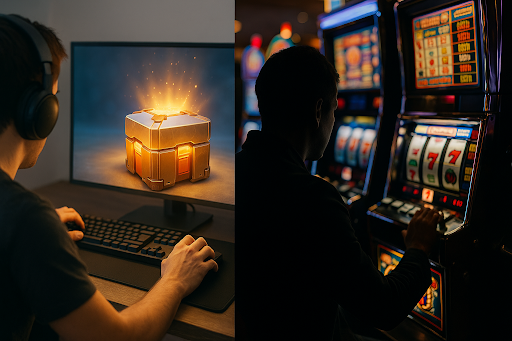
You probably do not think of yourself as a gambler. But if you have cracked open a CS2 case, torn through a stack of Ultimate Team packs, or ground out the last tier of a battle pass at 11pm on the day it expired, you have already met the psychology that runs a casino floor. The mechanics that keep slot players in their seats did not stay in Vegas; they migrated into some of the biggest games on Steam, often without the label.
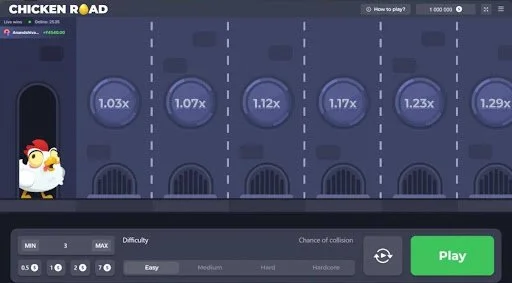
The easiest way to recognise them is to look at the honest version first. A real-money crash game like Chicken Road wears its nature on its sleeve: you place a bet, a multiplier climbs, and you cash out before it crashes. It is gambling, it says so, and it is rated for adults. The uncomfortable part is how much of that same DNA turns up in games sold to everyone.
Loot boxes: the slot machine in the cosmetics shop
A loot box is a paid, randomised reward, and structurally it is a slot pull. You spend, a wheel of possibilities resolves, and most of the time you get something ordinary with the rare thrill of something great. Counter-Strike cases, which need a paid key to open, EA Sports FC (formerly FIFA) Ultimate Team packs and countless mobile gacha games all run on the same variable-ratio reward schedule that makes slot machines so sticky, complete with near-misses and glittering rare-drop animations.
Regulators have noticed. Belgium and the Netherlands have both treated certain paid loot boxes as gambling, and in the UK the practice drew a government review. EA once told Parliament its packs were not loot boxes but “surprise mechanics,” a phrase that launched a thousand memes. The ESRB now stamps games that contain random paid items with a dedicated label, and academic studies have repeatedly found a correlation between loot-box spending and problem gambling, especially among younger players.
Battle passes: FOMO on a timer
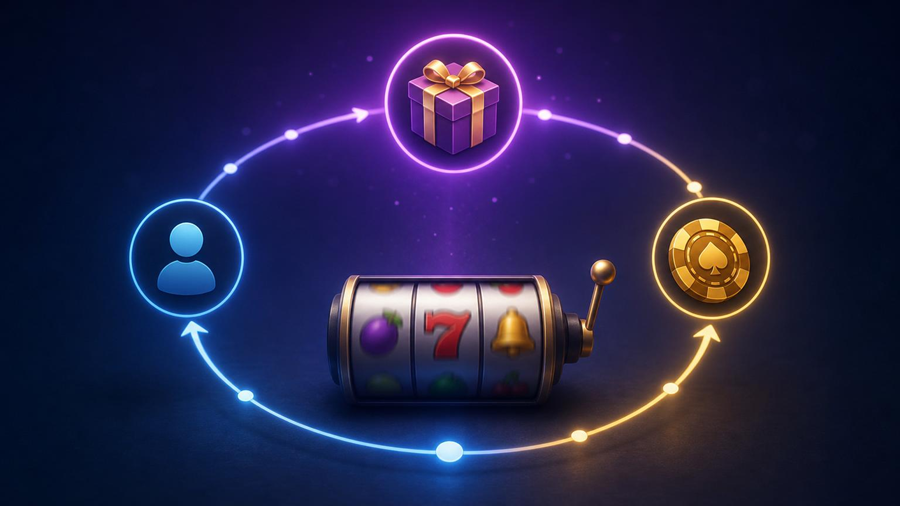
Battle passes look tamer because the rewards are not random, and technically they are not gambling. What they borrow from the casino is everything around the payout. A battle pass, popularised in its modern form by Fortnite, hides a seasonal track of unlocks behind a paywall and a countdown; miss the deadline and the exclusive skins are gone for good. That mix of sunk cost, daily engagement loops and fear of missing out is engineered to keep you logging in, and it works on the same reward circuitry a slot machine exploits, just with the randomness swapped for a clock.
Crash games: the mechanic with the mask off
Set those against an actual crash game and the contrast is almost refreshing. There is no cosmetic wrapper and no pretence that you are buying content. You can open Chicken Road in the browser with no download, place a stake and watch the multiplier rise, and the game is upfront that it is real-money gambling with a stated RTP and an 18+ requirement. The core loop is identical to the loot box's, variable reward, escalating tension, the pull to go one more, but nobody is pretending it is anything else. In a strange way, the casino game is the more honest product.

So who is actually gambling?
None of this means your favourite game is a scam, or that every battle pass is predatory. But it is worth seeing the machinery for what it is. The same psychological levers, variable-ratio rewards, near-misses, sunk cost and FOMO, power both the crash game that calls itself gambling and the AAA hit that does not. The difference is mostly labelling and regulation, not design. Knowing which buttons are being pushed is the best defence, whether you are opening a case for fun or deciding, for the tenth time tonight, whether to risk one more step. Real-money games of chance are for adults only, 18 and over; the rest is just good sense.