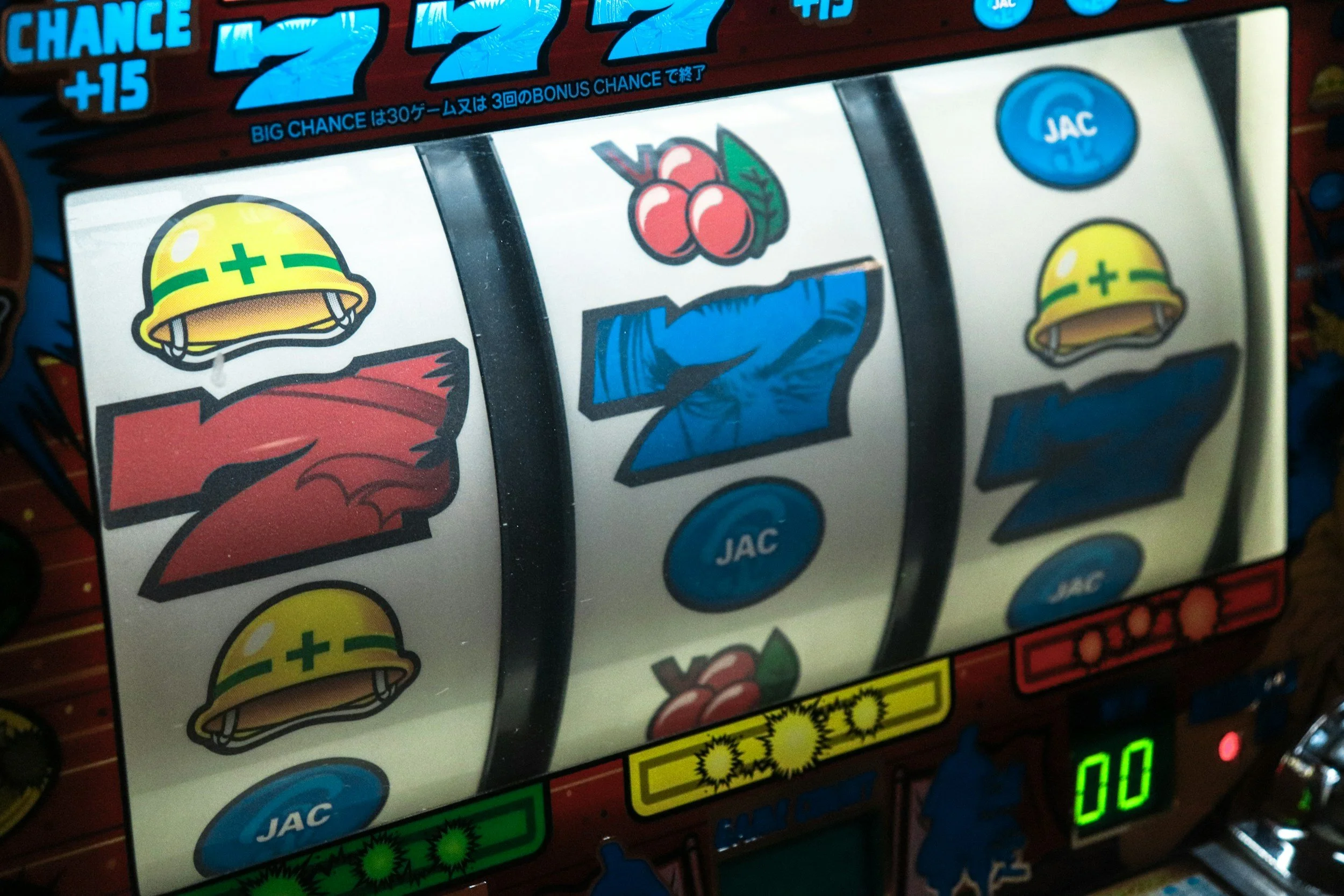
How to Avoid Tilt in Any Casino Game: Mental Strategies for Long-term Success
Tilt—a term originally from poker that has spread to all casino gaming—remains one of the most costly psychological states for gamblers in 2025. According to the Global Gambling Behavior Report (2025), approximately 67% of regular casino players experience tilt at least once per month, with the average financial loss during tilt episodes estimated at 2.3 times higher than during normal play.
In today’s high-stimulus casino environments, both physical and digital, tilt management has become even more challenging. The latest statistics reveal that modern casinos now incorporate an average of 37 psychological triggers designed to provoke emotional reactions, up from 24 in 2020. Moreover, online platforms have implemented sophisticated algorithms that can detect player frustration and strategically offer recovery opportunities that often lead to deeper losses.
What Exactly Is Tilt?
Tilt refers to a state of emotional frustration that negatively affects your decision-making abilities during gameplay. It typically occurs after experiencing a series of losses, a particularly disappointing outcome, or even following an unexpected win at Casino SkyCrown that creates unrealistic expectations. In 2025, neuroscientists have identified that tilt activates the amygdala—the brain’s emotional center—while simultaneously reducing activity in the prefrontal cortex responsible for rational thinking.
Physical Signs of Tilt
Recognizing tilt before it fully takes hold is crucial. Watch for these physical indicators:
Increased heart rate (typically 15-20 beats per minute above your baseline)
Shallow breathing patterns
Tension in your shoulders and jaw
Fidgeting or restless movements
Perspiration on palms or forehead
According to recent biometric studies conducted in Las Vegas casinos, players experiencing tilt showed an average 37% increase in cortisol levels—the body’s primary stress hormone—compared to their pre-gaming baseline.
Financial Cost of Tilt in Modern Gaming
The financial implications of tilt have never been clearer. The 2025 Responsible Gambling Coalition report indicated that of the $137 billion lost in American casinos last year, approximately $42 billion occurred during identifiable tilt episodes. For the average player, this translates to losing an additional $870 annually specifically due to tilt-influenced decisions.
In addition, the data shows concerning trends across different game categories:
| Game Type | Average Loss During Normal Play (per hour) | Average Loss During Tilt (per hour) | Percentage Increase | Recovery Time (avg.) |
|---|---|---|---|---|
| Slots | $78.50 | $212.30 | 170.4% | 47 minutes |
| Blackjack | $45.20 | $127.80 | 182.7% | 35 minutes |
| Poker | $32.40 | $103.70 | 220.1% | 68 minutes |
| Roulette | $67.90 | $159.20 | 134.5% | 41 minutes |
Preventative Strategies for Casino Tilt Management
The most effective tilt prevention strategy begins before you ever place a bet. In a 2025 study of 5,000 recreational gamblers, those who established and adhered to predetermined limits experienced 76% fewer tilt episodes than those who played without boundaries.
Time limits: Decide exactly how long you’ll play (2-3 hour sessions maximum)
Loss limits: Determine a specific amount you’re willing to lose
Win goals: Establish a target win amount after which you’ll stop playing
Session bankroll: Only bring the exact amount you’re prepared to lose
Implement the 10-Minute Rule
When you feel frustration building, the 10-minute rule can be transformative. According to cognitive psychologists, a 10-minute break resets the brain’s emotional processing centers in 87% of cases. This simple approach reduced impulsive betting by 63% in a recent University of Nevada study.
The rule works like this:
At the first sign of emotional response to losses, immediately step away
Leave the gaming area completely
Spend 10 full minutes in a different environment
Use relaxation techniques like deep breathing (4 seconds in, 6 seconds out)
Return only when your emotional state has normalized
Game-Specific Tilt Management Techniques
There are some important rules.
For Poker Players
Poker remains the game most associated with tilt, partly because of its competitive nature and skill component. The 2025 World Series of Poker survey found that 91% of professional players use structured mental routines to combat tilt.
Consider these poker-specific approaches:
Hand analysis instead of result focus: Professional players focus on whether decisions were correct, not whether they won or lost
The 3-hand rule: After losing three significant hands in a row, take a mandatory break
Bankroll segregation: Divide your poker bankroll into session amounts to prevent chasing losses
For Slot Players
Slot machines are engineered to create near-miss experiences that trigger dopamine releases similar to actual wins. These near-misses are now 43% more frequent in modern machines than they were five years ago.
Try these slot-specific strategies:
Time-based sessions: Play for exactly 30 minutes, then take a 15-minute break
Win celebration pauses: After any significant win, step away for 5 minutes
Machine rotation: Change machines after losing 15 consecutive spins
Advanced Psychological Techniques
Tilt management represents perhaps the single most important skill for maintaining both enjoyment and financial responsibility in casino gaming. By understanding the psychological mechanisms behind tilt, recognizing its early warning signs, and implementing these evidence-based strategies, you can significantly reduce its impact on your play.
Remember that the most successful gamblers aren’t necessarily those who know the games best, but those who best know themselves and can maintain emotional equilibrium regardless of outcomes. In 2025’s increasingly stimulating casino environments, this skill has never been more valuable.
Cognitive Reframing
Professional gamblers use cognitive reframing techniques to maintain emotional control. The process involves consciously changing your interpretation of gaming outcomes. For example, rather than seeing a loss as a personal failure, reframe it as purchasing entertainment or as a learning opportunity.
In 2025, guided cognitive reframing apps specifically designed for gamblers have shown a 42% reduction in tilt frequency when used before casino sessions.
Mindfulness and Present-Moment Awareness
The Casino Mental Health Initiative’s 2025 research demonstrated that players trained in basic mindfulness techniques experienced 58% fewer tilt episodes than the control group. Practicing mindfulness involves:
Focusing on your breathing and physical sensations
Noticing thoughts and emotions without judgment
Bringing awareness to the present moment
Accepting outcomes without emotional attachment