For the past few years, it’s felt like you can’t go more than a few weeks without hearing that yet another game developer has been acquired by a large parent company. Big publishers and platform holders have spent billions to gobble up smaller studios, all with the intention of winning market share and coming out victorious at the end of the console generation. It’s a trend that has become a defining characteristic of the modern gaming industry.
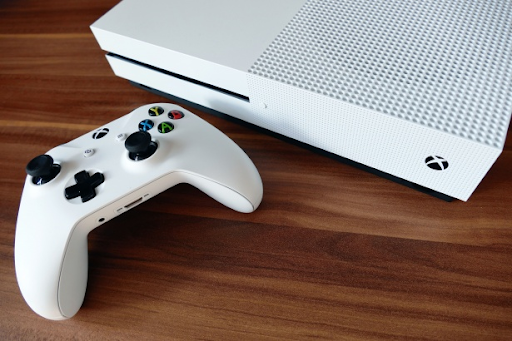
When you think about gaming acquisitions, the first massive corporation that likely jumps to mind is Microsoft.
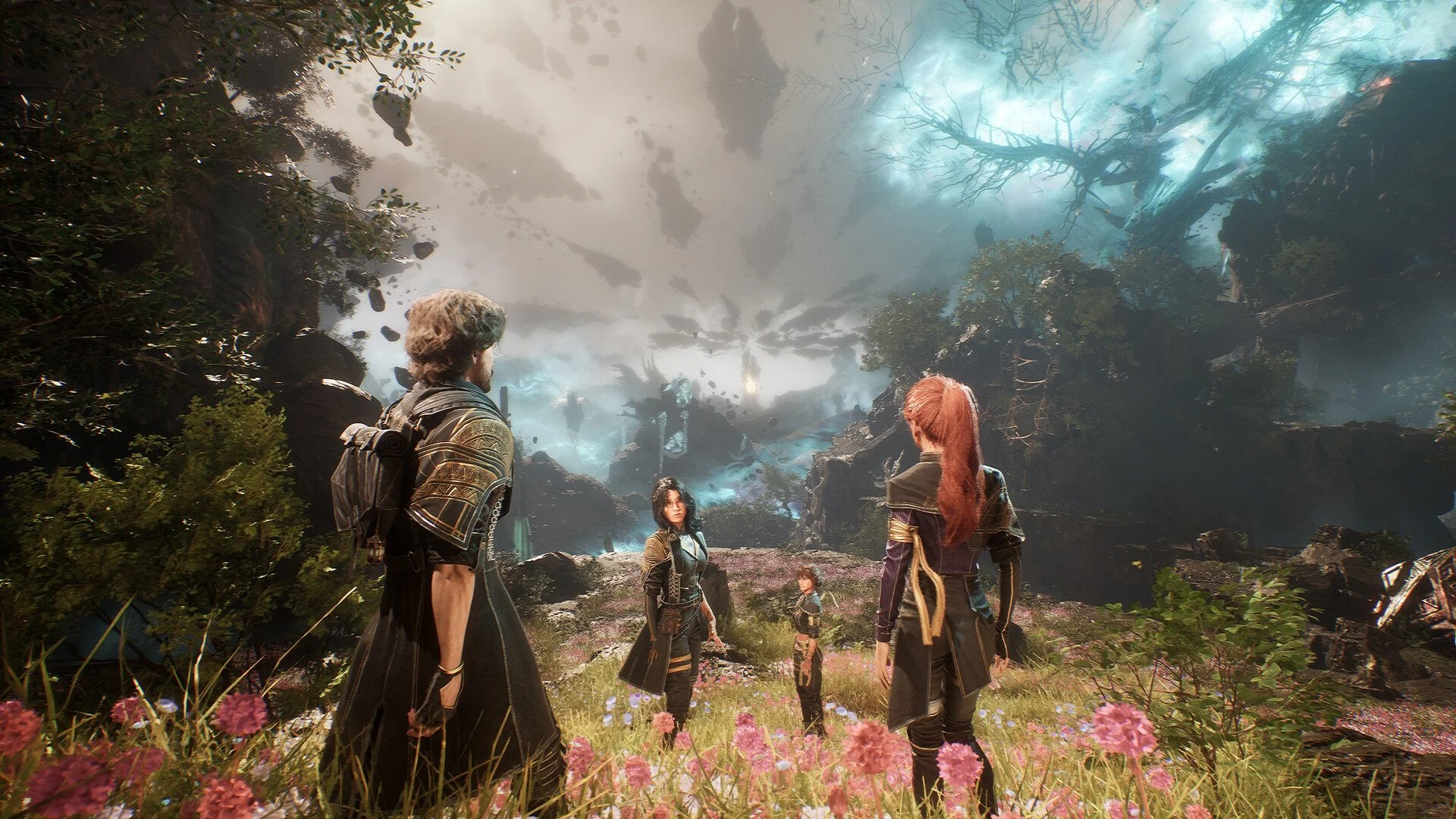
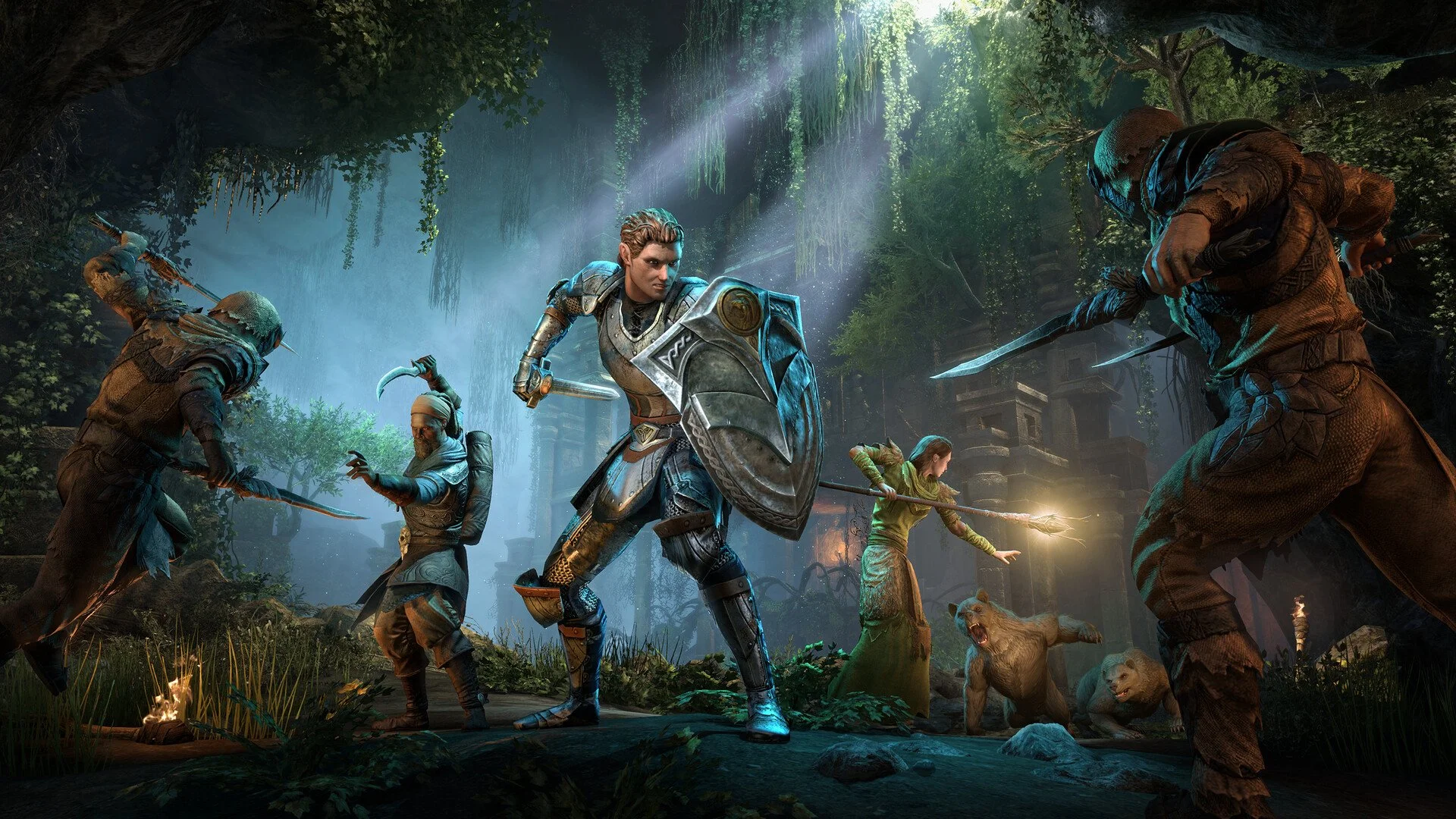
When Microsoft bought ZeniMax Media — the parent company of Bethesda Softworks — in 2020 for $7.5 billion, it was the biggest gaming acquisition in history at the time. Just a few years later, Microsoft smashed its own record when it announced its $68.7 billion acquisition of Activision Blizzard in 2022, with the deal being officially completed in 2023.
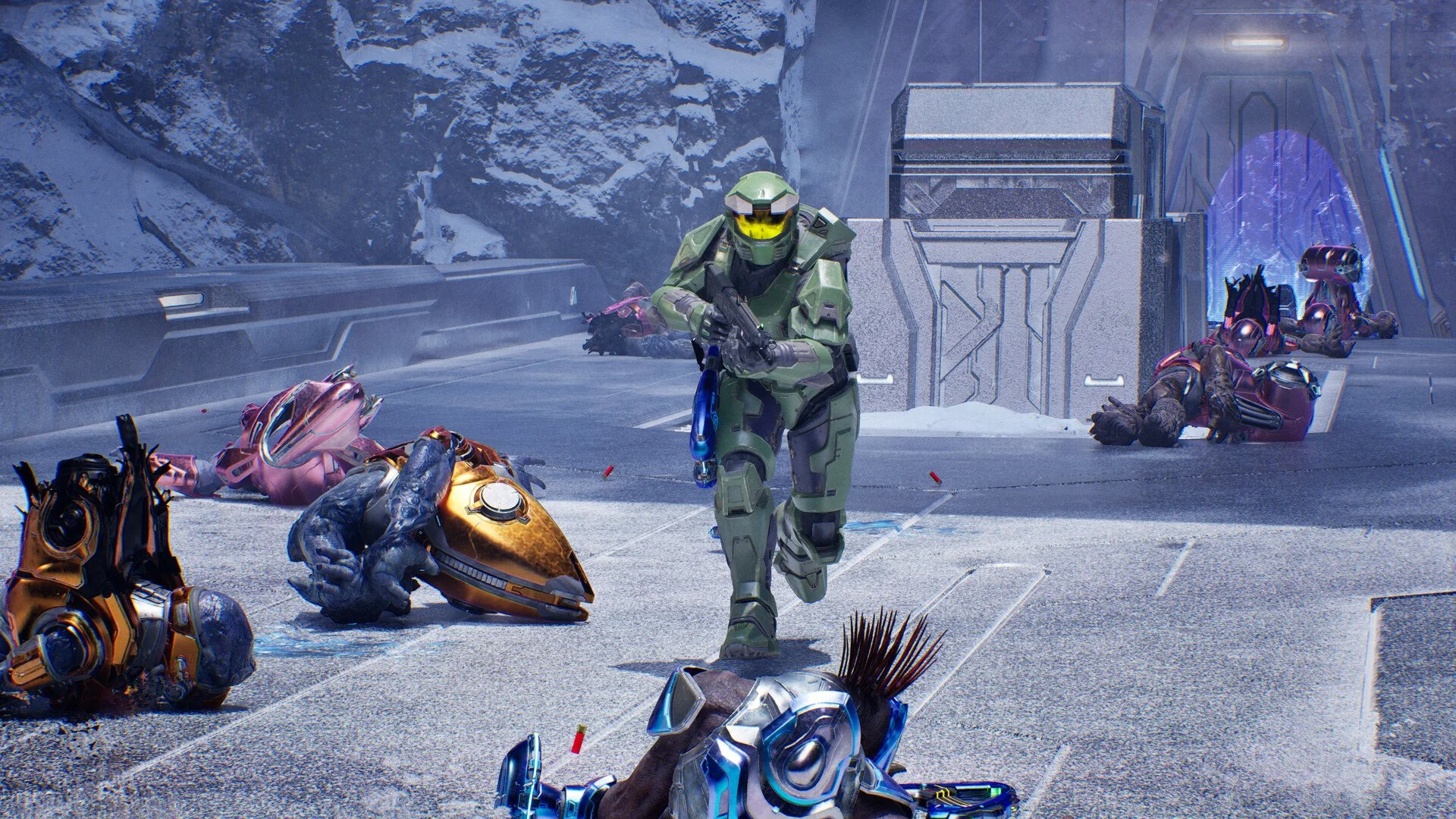
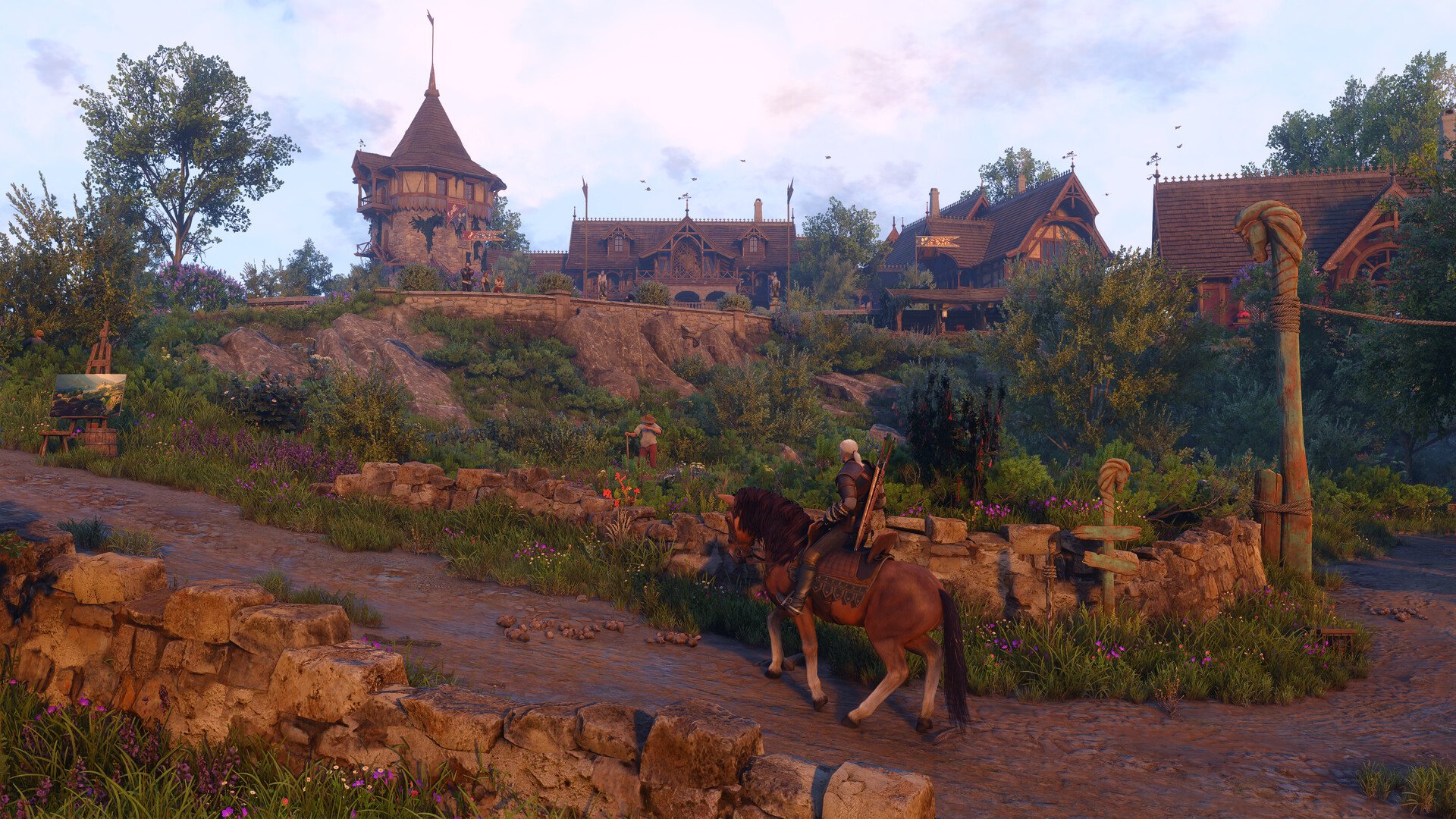
This brought IP like The Elder Scrolls, Fallout, Doom, Starfield, Call of Duty, Warcraft, Diablo, and Candy Crush to an already enormous portfolio. On paper, Xbox had assembled one of the most powerful collections of gaming IP ever seen. From the outside, Microsoft appeared almost too big to fail. How could Xbox possibly lose the console generation when it now had ownership of so many major IP?
Yet in the years since then, the world has watched as Microsoft repeatedly fumbled the ball in front of an open goal. Instead of leaning on the acquired IP to entice gamers to buy an Xbox console, Microsoft’s marketing decided to stray away from the idea of a dedicated machine, confusing mainstream audiences by claiming that any device can be an Xbox. Subsequently, Microsoft has restructured its gaming division, announcing significant job losses and the closure/downsizing of several of the studios it previously took control of.
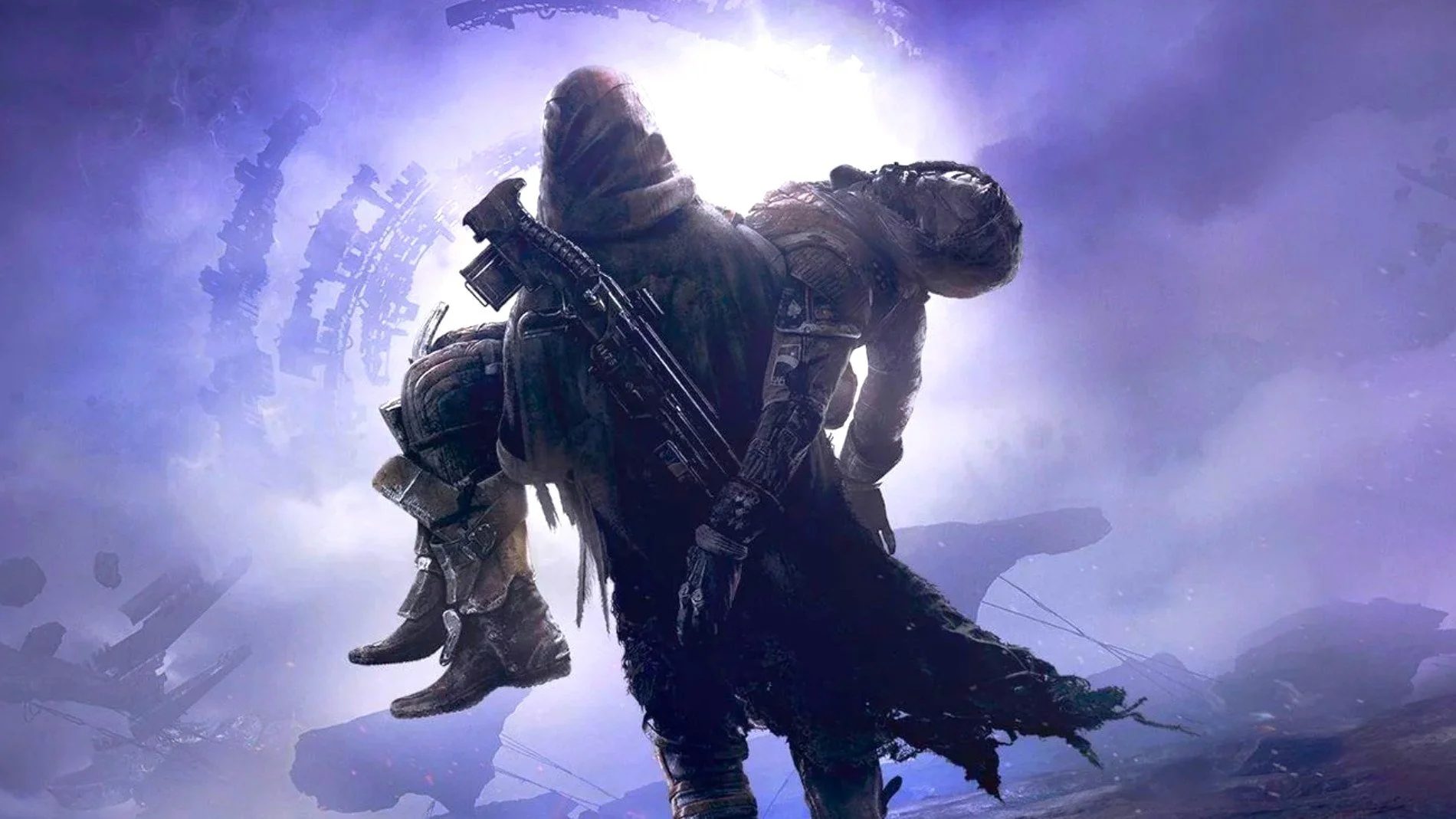
Sony doesn’t get away scot-free either. When the Japanese platform holder acquired Bungie for $3.6 billion in 2022, PlayStation claimed its ambition was to strengthen its first-party live-service ambitions and utilise the iconic studio’s expertise to help expand a developing portfolio of multiplayer projects. Instead, Sony has essentially gutted Bungie.
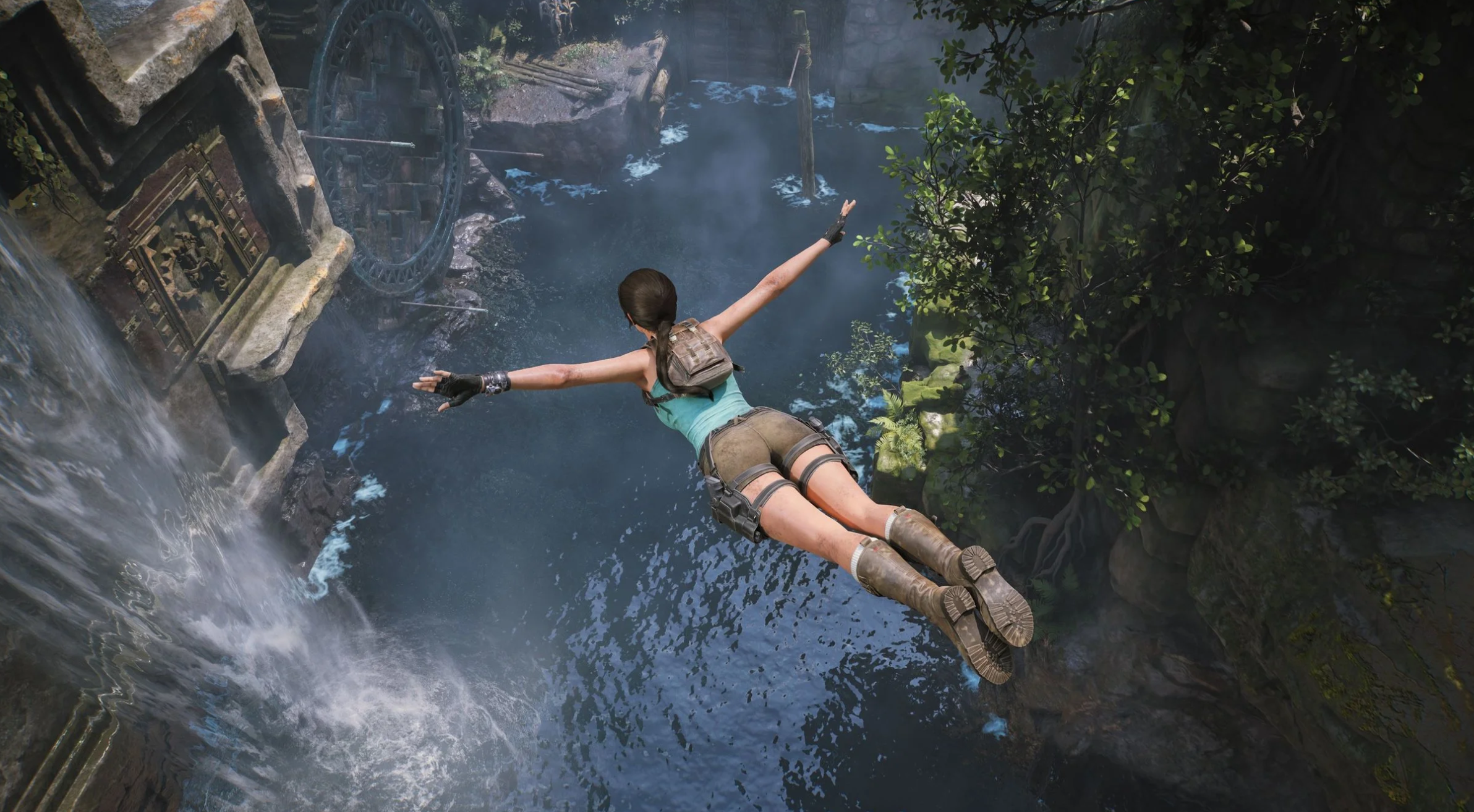
However, no corporation has demonstrated gross negligence when taking over highly regarded independent studios quite as much as Embracer Group. The conglomerate spent years aggressively acquiring studios and IP, seemingly intent on hoarding industry talent in a stifling corporate structure in the name of profit. At least that was the plan up until a proposed $2 billion investment deal collapsed and the entire thing unravelled, leading to studio closures and tons of developers losing their jobs. Various properties were then sold off as Embracer systematically dismantled the empire it had spent years constructing.
So, who actually won the acquisition war? It certainly wasn’t the gamer.
Consumers gained access to enormous libraries of games, while corporations secured valuable intellectual property and development talent. But for what? Consolidation has contributed to an industry where thousands of developers have lost their jobs and studios that once operated independently have disappeared, been sold, or been forced to restructure — and there doesn’t seem to be any obvious benefit for anyone.
Those at the top of the gaming industry spent years accumulating studios as though ownership itself was a strategy. Now, as those same companies begin restructuring and dismantling parts of those acquisitions, it’s becoming increasingly clear that managing creative teams is considerably harder than buying them.