Disclosure: This is a paid guest post. The author or an affiliated third party paid for its publication, and the article may contain promotional links. The views and opinions expressed are those of the author and do not necessarily reflect those of GameTyrant or its editorial staff.
Disclaimer: The following content contains references to gambling, casinos, and related topics.
Counter-Strike is no longer just a shooter about bombs and hostages. In recent years, esports has become a discipline akin to traditional professional sports, with statistical analysis and meticulous match reviews, which often inform esports odds, now commonplace.
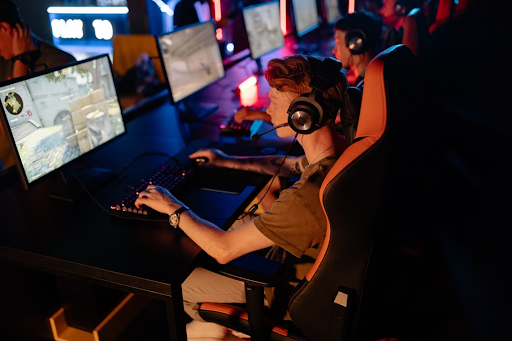
Teams now prepare for tournaments with the same seriousness football clubs prepare for a season. Fans, however, follow the numbers just as closely as the gameplay.
From Intuition to Data
In the good old days, coaches relied on experience and instinct. No analysis required. Players learned from their mistakes through trial and error. Things have changed today. Clubs now have analysts who study match demos frame by frame, noting positioning, round economics, and patterns in opponents’ behavior.
The Statista resource reports that the prize pool for Counter-Strike 2 tournaments in 2025 was roughly $18.97 million, compared to $15.11 million for Counter-Strike: Global Offensive in 2023. This growth reflects not only commercial interest in the discipline but also the fact that team preparation has become significantly more rigorous.
What Exactly Has Changed in Team Preparation
Modern organizations invest in a comprehensive infrastructure surrounding the game. It is no longer just five people with microphones, but a full-fledged staff of specialists across various disciplines. Key areas where analytics play a decisive role include:
analyzing opponents' demo recordings;
mapping player movement patterns;
analyzing economic decisions during rounds;
preparing players for specific roles;
working on psychological resilience;
predicting map-specific tactics;
gathering data on "meta" trends.
It is simply impossible to process that much information without specialized tools and people who know how to use them. This is why big teams now have their own data analysts and sometimes even departments dedicated to data and video analysis. And it’s nearly impossible to stay at the top of the rankings without it today.
Impact on Viewers and the Betting Industry
Analytics has changed how teams approach the game as much as it has changed how fans follow it. Now broadcasts are filled with real-time statistics: win percentages on certain maps, weapon efficacy, player ratings for individual rounds. The culture of watching is changing, and viewers are now more aware of the game than they were ten years ago.
It's happening on betting sites too. For example, MyBookie uses a similar approach, providing users with betting lines and odds based on current team stats and recent match results. This information can help users make more informed betting decisions.
Why This Matters for the Future of the Discipline
Analytics are making Counter-Strike more predictable — and that's a good thing. There's less randomness and more data-driven, strategic decision-making.
At the same time, the spectacle remains intact. Instead, viewers better understand why a team won or lost a specific round. This makes the discipline more attractive to new sponsors, media outlets, and tournament organizers.
Counter-Strike has come a long way from amateur servers to a discipline backed by robust analytics. Today, data guides tactics, player preparation, and even the way fans experience broadcasts. It has made the game more transparent and professional across the board. Esports analytics is likely to become even more important as prize pools grow and competition intensifies.