Disclosure: This is a paid guest post. The author or an affiliated third party paid for its publication, and the article may contain promotional links. The views and opinions expressed are those of the author and do not necessarily reflect those of GameTyrant or its editorial staff.
Disclaimer: The following content contains references to gambling, casinos, and related topics.
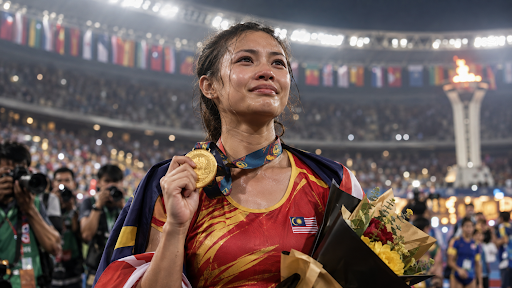
For many Malaysian athletes, the SEA Games serve as a trial run for the pressures of a major competition. Rivals in the region understand one another; expectations among spectators run high for medals; and success means a new career path. The competition allows some athletes to gain confidence before stepping onto the global arena. Malaysia boasts many successful cases in squash, diving, gymnastics, and weightlifting.
Where Regional Success Starts to Matter
The SEA Games is part of a much wider sports culture in Malaysia. Interest often builds well before an event begins, especially when local athletes have a real medal chance. Malaysia online betting can become part of that attention, with odds reflecting how fans and bookmakers view the chances of different competitors. Once the action starts, focus quickly shifts back to the performance itself. Strong results at the regional level also help Malaysian athletes become better known at home and prepare them for the pressure of tougher international events.
| Athlete | Sport | Regional foundation | Bigger stage reached |
|---|---|---|---|
| Nicol David | Squash | SEA Games champion | World champion and long-time world No. 1 |
| Cheong Jun Hoong | Diving | Multiple SEA Games medal winner | Olympic medallist and world champion |
| Nur Dhabitah Sabri | Diving | SEA Games champion | Olympic finalist |
| Farah Ann Abdul Hadi | Gymnastics | A multiple SEA Games champion | Olympic competitor |
| Mohamad Aniq Kasdan | Weightlifting | SEA Games medallist | Commonwealth champion and Olympic contender |
What the Regional Stage Teaches
A nearby contest can still be challenging. The participants will have the Malaysian flag, face their well-known competitors, and also come with great expectations. These elements create good habits that can be applied in a broader context.
Control nerves when attention rises.
Recover between rounds and events.
Adjust to different styles within Southeast Asia.
Use national support as extra motivation.
From Familiar Crowds to Global Attention
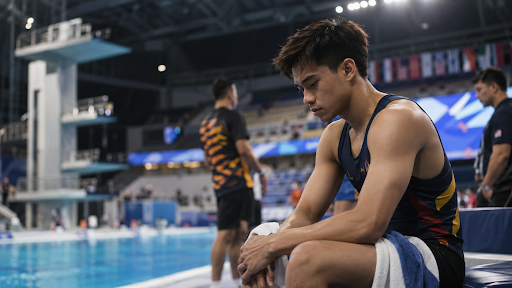
Interest in sports now lasts much longer, even after the sport ends. The Malaysians watch highlights, read about the athletes, make comparisons, and enjoy digital entertainment like online slots. Such digital interest keeps the biggest names in the world of sports prominent even outside of the competitions. For athletes, things become difficult when the pressure of being known regionally shifts to the international stage.
Nicol David Set the Standard Early
Nicol David proved how a regional hero could become a global star. She had won titles at the SEA Games while young and went on to dominate women’s squash for many years. Nicol David had eight World Open titles to her name, besides her tenure at number one in the rankings. She continually improved her physical fitness, agility, and gameplay until she reached a standard others could not match.
On the other hand, Cheong Jun Hoong followed an alternate path by taking up diving. She had won medals through multiple editions of the SEA Games before clinching an Olympic medal alongside Pandelela Rinong in Rio. One year later, she won Malaysia’s first-ever world title in diving, the women’s 10m platform event.
A Newer Generation Keeps Moving
In Nur Dhabitah Sabri’s case, she participated in the SEA Games when she was still a teenager, after which she went on to win diving gold and took part in her Olympic debut at Rio. In subsequent years, she competed at Tokyo 2020 in the women’s 3m springboard category and joined the Paris 2024 Olympic Games.
Another athlete whose success story is based on participation in multiple SEA Games events is Farah Ann Abdul Hadi. In total, she won seven gold medals across four SEA Games and established herself as Malaysia's top artistic gymnast. In the end, she even reached Tokyo 2020, where she competed in the women’s individual all-around event.
Several qualities appear again across these careers:
Coaching that changes as competition becomes harder.
Patience with technical work over several seasons.
Experience in high-pressure regional finals.
Confidence to compete outside familiar venues.
Finally, Mohamad Aniq Kasdan is a weightlifter who also progressed from participating in the SEA Games to competing at the highest level. Initially, he won a SEA Games medal, then competed at the Paris 2024 Olympics, where he finished fourth overall.
When a Regional Medal Opens a Bigger Door
Success at the SEA Games can influence an athlete’s perception of possibility. Nicol David became a leading figure in squash. Cheong Jun Hoong achieved success at the Olympics and on the international scene. Nur Dhabitah, Farah Ann, and Aniq had previous experience in the region, but now compete at the Olympic level.
Every discipline has its own route to success. Diving requires perfecting one’s routine, while gymnastics follows a completely different process. The lesson that the SEA Games have taught the Malaysian athletes is the same one: compete under pressure, reflect on the performance, and arrive prepared for the next step.