You know that feeling when you finally hit level 50 in an RPG? That rush of dopamine, the shiny badge, the sudden access to gear that was previously out of reach? Now compare that to scanning a loyalty QR code just to get a small discount.
One feels like a conquest. The other feels like... well, chores.
For years, brands thought "loyalty" meant giving you a punch card. Buy ten, get one free. But somewhere around late 2024, the script flipped. We stopped caring about points that might, maybe, eventually, turn into a $5 voucher. We started craving entertainment.
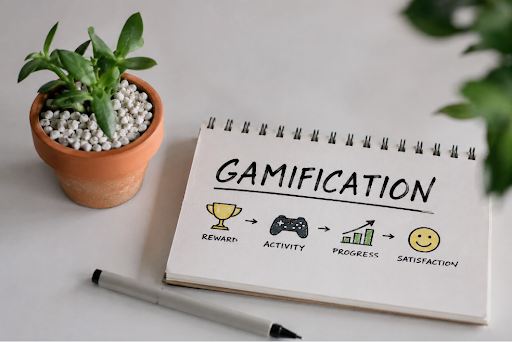
This is why gamified reward systems are absolutely crushing traditional engagement models right now. It’s not just about saving money anymore; it’s about the loop. The challenge. The immediate feedback that says, "Hey, you did a thing. Here’s a shiny noise".
The Death of the Slow Burn
Let’s be real for a second. Traditional loyalty programs are like those text-based adventure games from the 80s where you had to type "Go North" fifty times just to find a key. They ask for a lot of upfront effort with a payoff that sits way off in the hazy future.
Gamification works because it aligns with our brain’s desire for immediate progress. It’s the difference between working for a paycheck and finding a twenty-dollar bill on the sidewalk. Apps are moving toward "micro-challenges" (small, bite-sized tasks that reward you right now).
Think about it. Would you rather spend an amount of money over six months to reach "Gold Status", or would you rather spin a digital wheel every morning for a chance to win a free latte instantly? The math might say the Gold Status is worth more, but our brains prefer the wheel. The excitement makes it sticky.
The Instant Reward Loop, Lessons from Social Gaming
If you want to see who has mastered the art of the first impression, look at the social casino industry. They realized long ago that the biggest hurdle for a new user is the effort it takes to get started. If you make someone fill out five pages of forms, they’re gone.
They treat the entry point itself as part of the experience. Take the Big Pirate Registration flow as a prime example. It’s a masterclass in friction reduction. You don't feel like you're filling out a big form; you feel like you're already part of the action. They strip away the boring barriers, usually just a quick email or social link, and boom, you’re in.
But here’s the smart part: they immediately credit your account with "Gold Coins" or "Diamonds". By the time you’ve actually finished the sign-up, you aren't starting at zero. You’re starting with a bankroll. You feel successful before you’ve played a single hand. Traditional apps make you earn your way in; these systems give you a "starter pack" so you feel invested immediately. It’s a brilliant way to build value from second one.
It’s Not About the Prize, It’s About the Streak
Here is a weird truth about human nature: we will do things to keep a number from hitting zero.
Duolingo didn't teach us a language; it taught us to protect a streak. That little fire icon holds more power over our daily habits than the actual goal of learning French. Gamified apps leverage this consistency perfectly.
Traditional engagement is passive. You buy something, you get points. If you don't buy anything for a month, nothing happens. In a gamified system, inactivity has a distinct feel. Your streak might pause, or your leaderboard rank might shift. It turns engagement into an active, ongoing relationship rather than a transactional one.
The Generational Shift
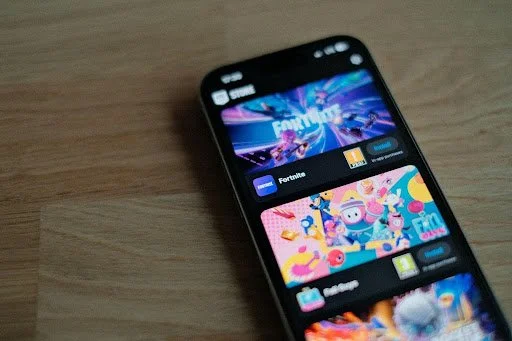
Younger adult users (especially those in their late twenties) grew up surrounded by digital ecosystems like League of Legends, Fortnite, and mobile games that reward progress visually and instantly. For this generation, digital collectibles, avatars, and badges feel natural. They’re familiar forms of expression, not gimmicks.
That’s why modern finance apps let users customize their card designs, fitness platforms introduce competitive challenges, and productivity tools celebrate completed tasks with visual flair.
So, What’s the Endgame?
We are moving toward a digital landscape where everything interacts like a game. The line between "productivity app" and "RPG" is getting blurrier by the day. And honestly? It’s about time. Life is full of tasks. If an app can make paying bills or buying things feel just a little bit like a victory, I say let them do it.
The apps that win in 2026 won't just be the ones with the best savings. They’ll be the ones that make us feel like players, not just customers.