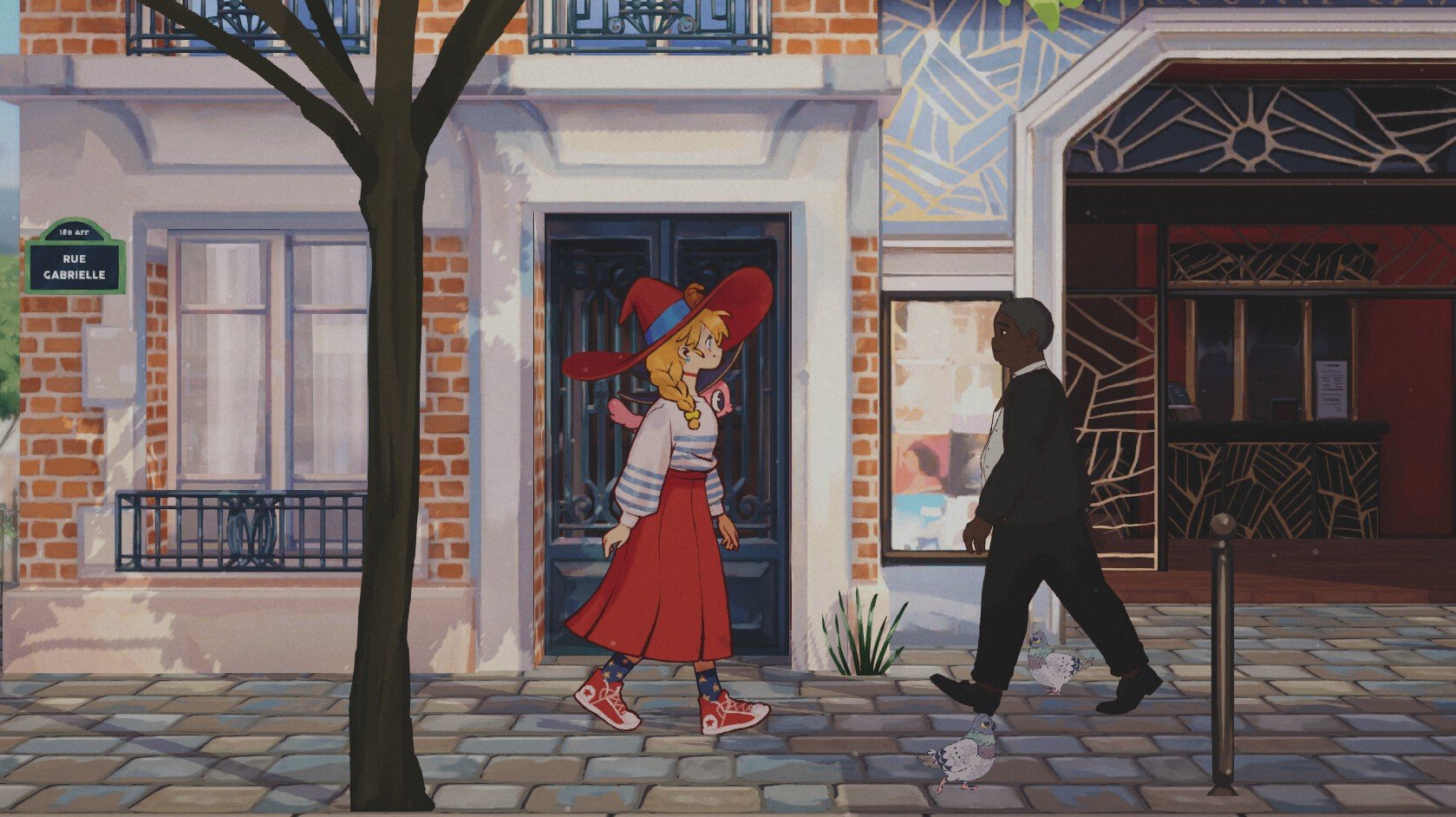
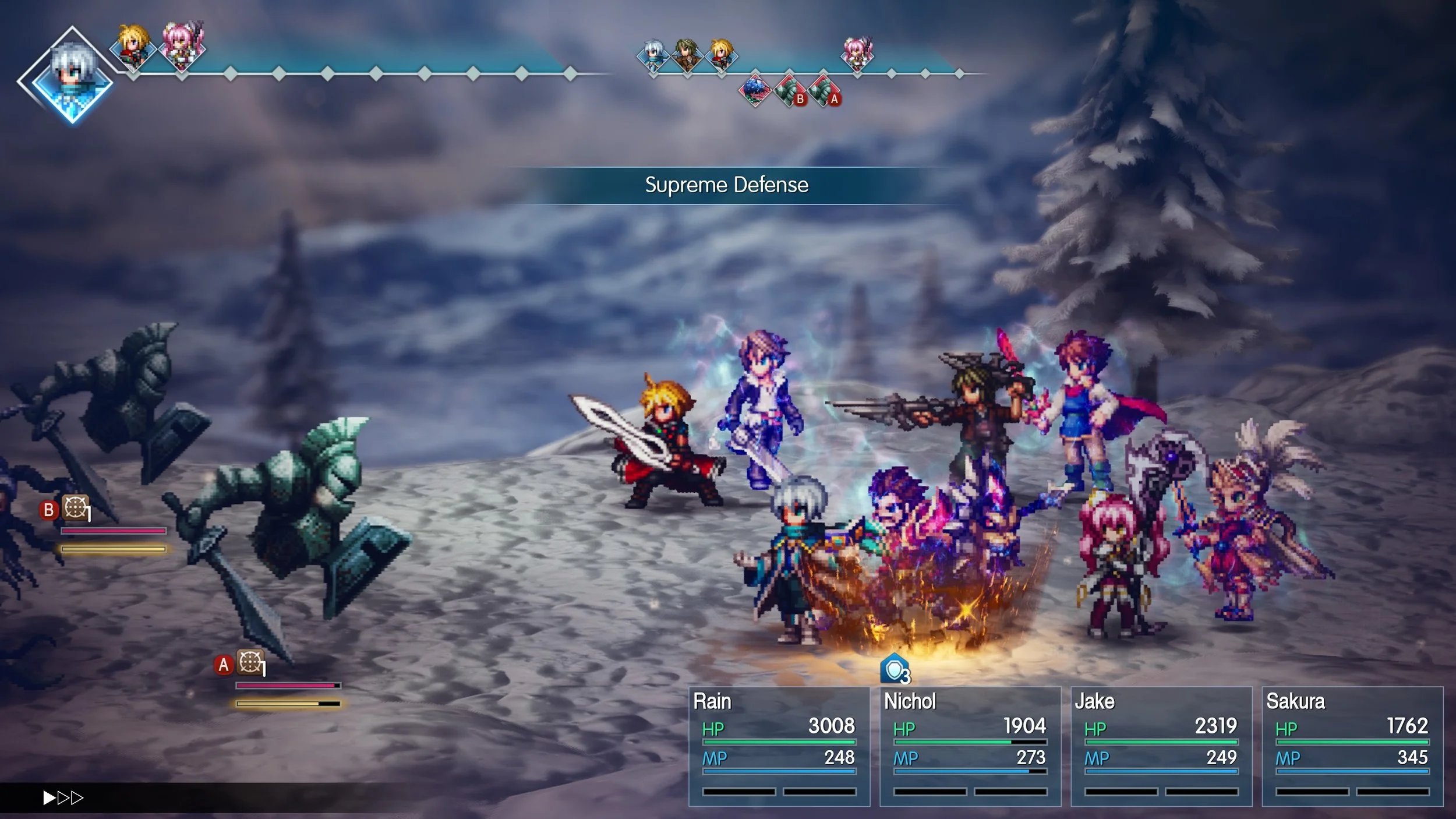
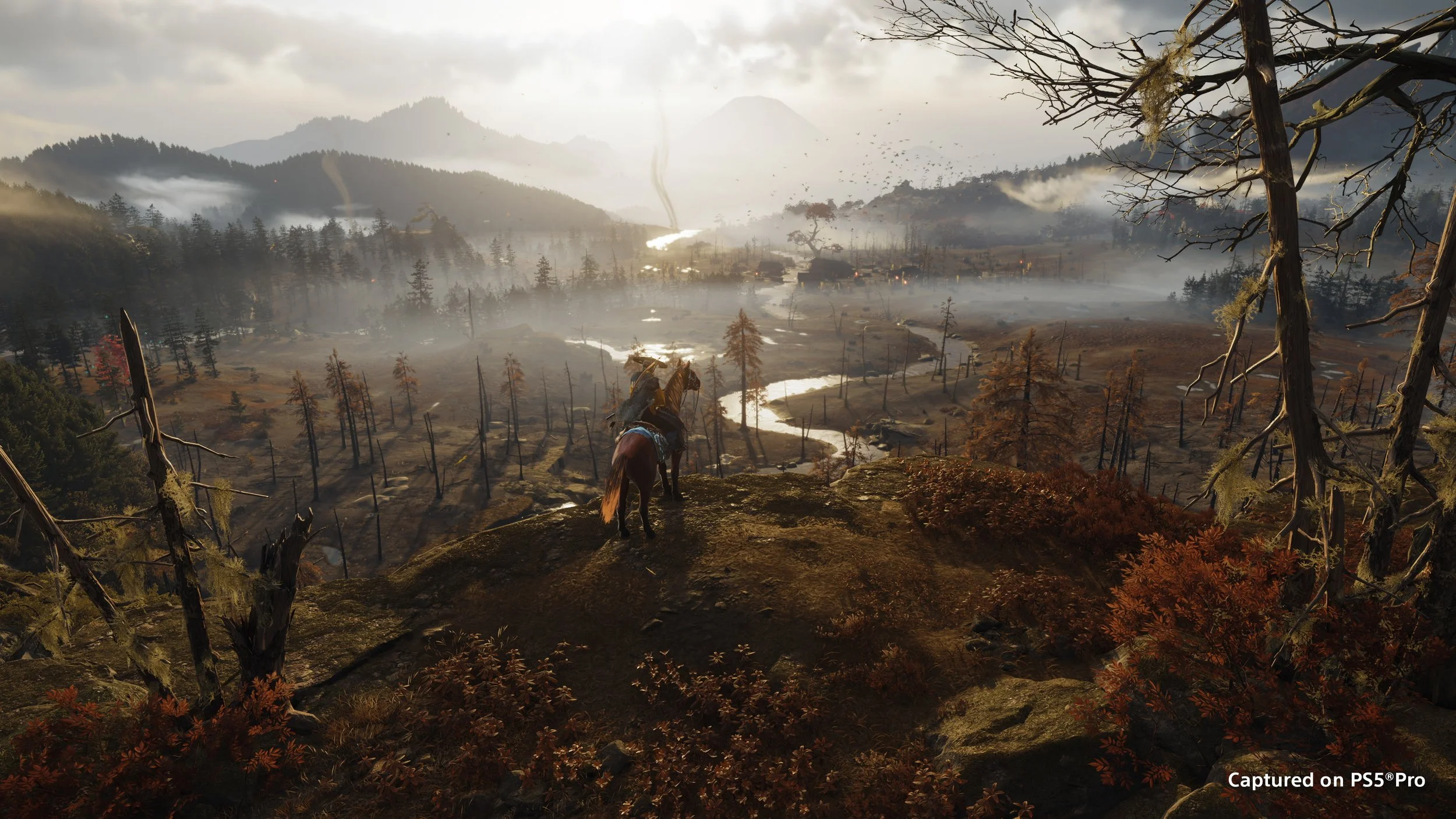
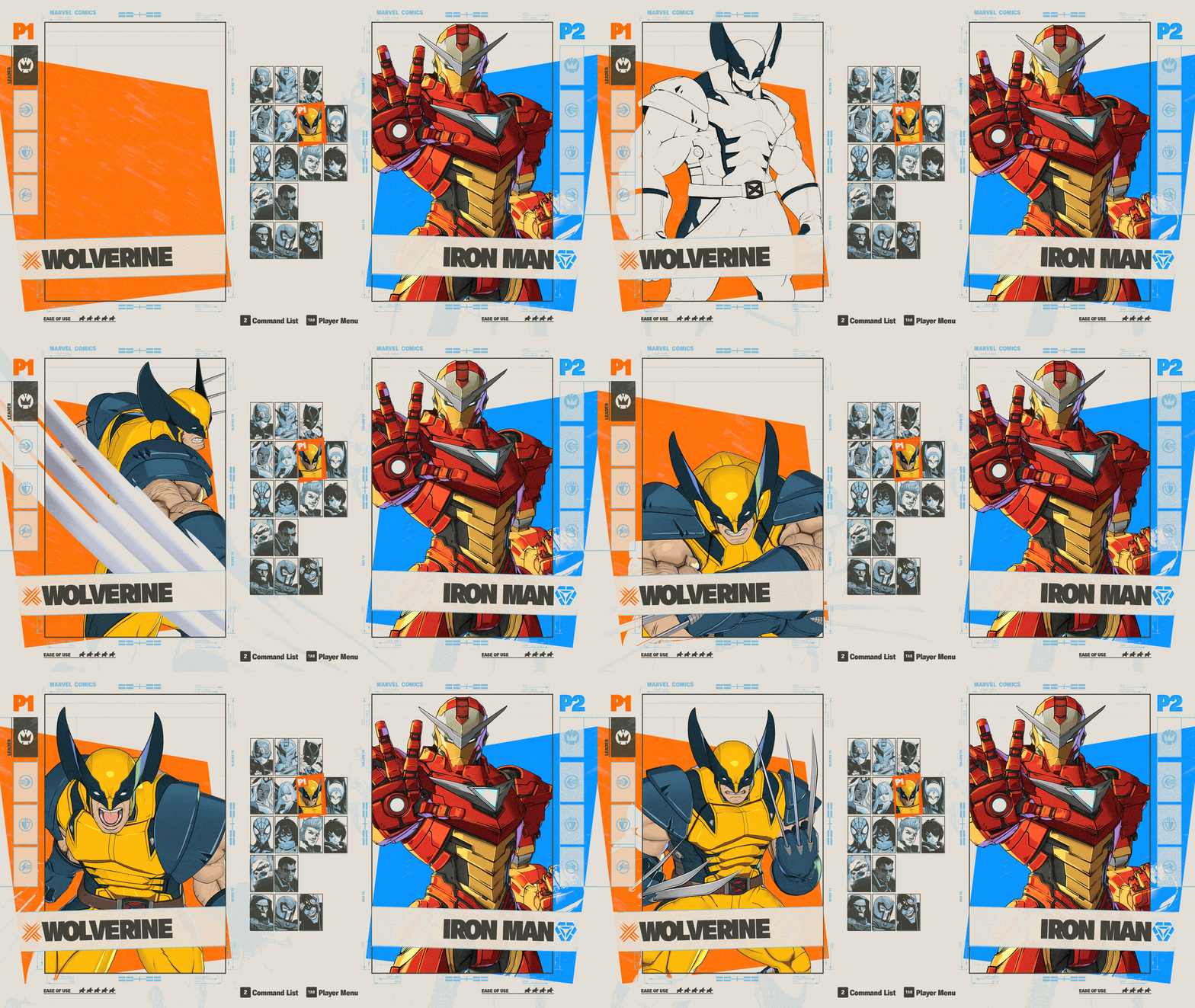
Steam Next Fest has become one of the most chaotic, joyful weeks on the gaming calendar. The library balloons with hundreds of free demos overnight, and players start treating their wishlists like a buffet line — grabbing a roguelike here, a cozy farming sim there, a tactical shooter prototype that nobody has heard of yet. The guiding idea behind all of it is simple but powerful: let people sample the fun before they spend a single cent. That "try it for free, decide later" model has quietly become the engine of modern gaming, and it stretches far beyond Valve's twice-yearly showcase.
That same free-first philosophy shows up in a corner of digital entertainment that gamers increasingly bump into: social and sweepstakes casinos. These sites run on a dual-currency setup, where Gold Coins are used for pure-fun play and Sweeps Coins open the door to real prizes, and that structure is exactly what lets them operate legally under US sweepstakes laws. For a player curious about how it all works, a 2026 guide is a useful starting point — the good ones break down no-deposit welcome offers, line up site reviews in side-by-side comparison tables, catalog 200-plus operating social and sweepstakes sites, and flag which states each one is actually available in. The appeal mirrors the demo mindset perfectly: no upfront cost, a chance to explore, and a clear sense of what you're getting into before committing anything.
The Demo as the Default
Not long ago, demos felt like a relic from the magazine-disc era. Then Steam Next Fest rebuilt the whole concept and made it central again. Now studios time their entire marketing push around getting a demo live during the festival, because a strong week can turn a tiny indie into a wishlist juggernaut. Look at breakout stories like Vampire Survivors clones or the surge of cozy hits that spiked after a well-placed demo — the free taste did the heavy lifting.
The guiding idea here is access without friction. A player loses nothing by clicking "Install Demo," and that low barrier is precisely why so many people try things they'd never have paid for blind. Social casino sites lean on the identical logic. The Gold Coin side lets anyone spin, deal, or roll for free, no wallet required, which lowers the stakes to roughly the same level as downloading a demo you might delete an hour later.
Free-to-Play Was Always the Bridge
The free demo flood didn't appear out of nowhere. It grew out of a decade of free-to-play gaming reshaping how people expect to start a game. Fortnite, Apex Legends, Genshin Impact, Warframe — these titles trained a generation to assume the front door should be free, with spending strictly optional and entirely on the player's terms.
That expectation is the connective tissue. Once "free to start" became the norm, every adjacent form of digital entertainment adopted it too. Researchers studying the design behind this shift, including work on monetizing impatience in mobile games, have mapped how free entry points pull players in and then offer optional ways to speed things up or unlock extras. Steam Next Fest demos and social casino Gold Coins are different flavors of that same recipe: the core experience costs nothing, and any spending is a choice layered on top rather than a toll at the gate.
Sampling Culture and Why It Sticks
Walk through any Next Fest and you'll notice a particular behavior. Players don't sit down to "beat" a demo. They sample it. Fifteen minutes in one game, a quick vibe check in another, then back to the list. The fun is in the browsing as much as the playing — that scroll-and-try rhythm that feels less like a commitment and more like flipping channels.
Social casino sites tap into the very same itch. The dual-currency design means a curious player can hop between a slots-style game and a blackjack table the way a festival-goer hops between demos, never anchored to one thing. Studies on player psychology, such as research into the motives of social casino gamers, point to relaxation, mild novelty-seeking, and casual entertainment as the main drivers — the same low-pressure curiosity that powers a Next Fest binge. Nobody's trying to win the festival. They're just enjoying the sampling.
The Optional-Spend Question
Here's where the guiding idea gets interesting. Free entry always raises the same follow-up: when, if ever, does the player spend? In Next Fest, the answer is the wishlist. A great demo earns a future purchase, and the festival is essentially a giant funnel converting free curiosity into eventual sales.
Social casino sites handle this through their Sweeps Coins layer, which is where the optional purchase or no-deposit bonus comes into play and where the real-prize element lives. The mechanics differ, but the philosophy is twins: hook people with free fun, then make any spending a clear, opt-in decision rather than a barrier. A smart consumer treats both the same way — sample widely, spend narrowly, and only on the stuff that genuinely clicks.
Where the Two Worlds Meet
Step back and the pattern is unmistakable. The thing that makes Steam Next Fest so addictive — endless free demos, zero commitment, the joy of trying before buying — is the exact mechanism reshaping social and sweepstakes entertainment. Both reward curiosity over cash up front. Both let the player set the pace.
For gamers who already think in terms of demos, wishlists, and free-to-play funnels, the leap to understanding dual-currency casino entertainment is shorter than it looks. It's the same guiding idea, dressed in a different outfit: in modern digital fun, the door is almost always free, and what happens after you walk through is entirely up to you.