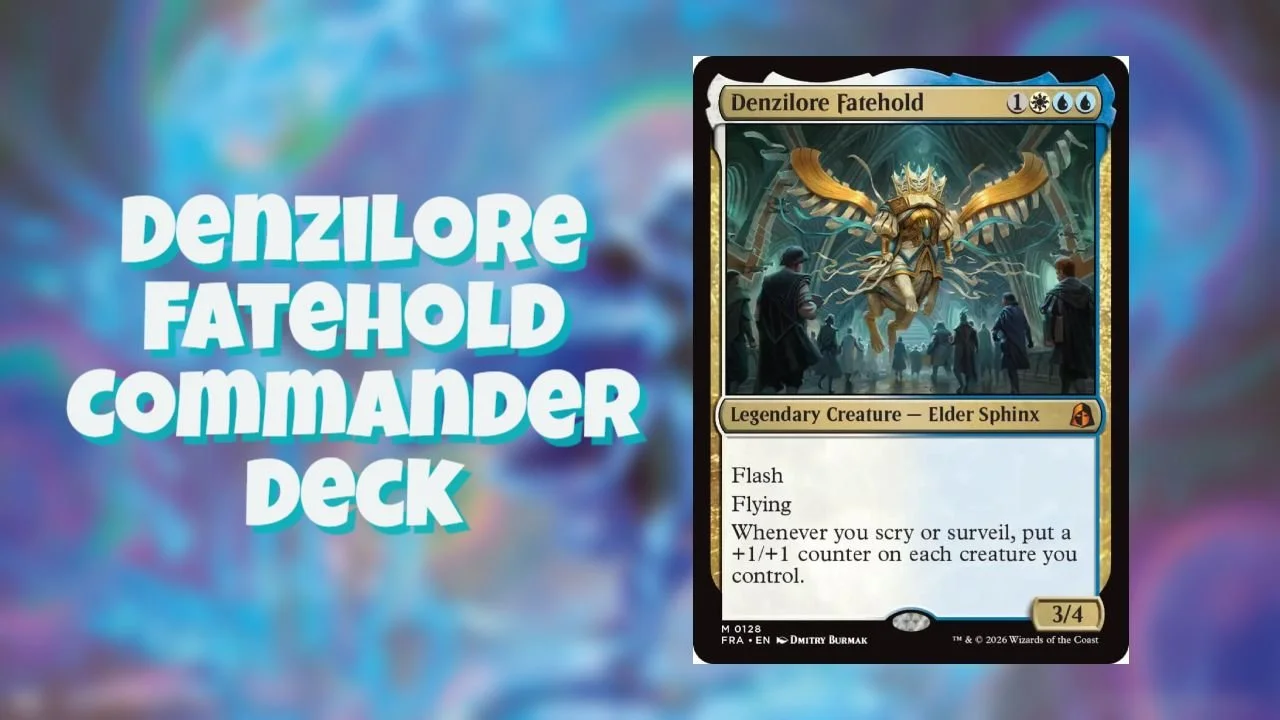
There's a single feeling that explains an awful lot about why grown adults still spend their weekends cracking open Magic: The Gathering booster packs. It's that half-second of suspense between peeling back the foil and fanning out the cards, when anything feels possible. A boring common? A clean rare? Or, every so often, a foil mythic that makes the whole night worth it. That little jolt of luck-and-reward is the engine driving the hobby, and it turns out the same engine quietly powers a huge swath of modern game design, from CS2 case openings to mobile gacha pulls.
Chase that feeling far enough and it shows up in a corner of gaming a lot of US players already brush against: social and sweepstakes-style play. For anyone curious about how that scene actually works, this 2026 sweepstakes casinos guide lays out the Gold Coins and Sweeps Coins model in plain terms, explaining how the free play loop works, how virtual currency converts into real prizes, and how to redeem them. It also ranks and compares the leading legal options for US adults, weighing names like SpinBlitz on game variety, sign-up offers, payouts, and fairness. The reason a card collector might care is simple: it's the same luck-and-reward hook they already love, dressed in a different format and aimed squarely at grown-up audiences who enjoy the thrill without the high-roller stakes.
Why the Pack-Crack Hits So Hard
The genius of a booster pack is that it sells anticipation, not just cardboard. Wizards of the Coast figured out decades ago that the moment of not knowing is the product. A set like Murders at Karlov Manor or a Universes Beyond crossover doesn't just offer powerful cards — it offers the dream of pulling the showcase variant everyone in the playgroup is hunting.
That dream is calibrated carefully. Most of what's inside a pack is filler, and every player knows it going in. But the rarity tiers — common, uncommon, rare, mythic, plus the foil and serialized chase cards layered on top — create a ladder of possible outcomes. The mind fixates on the top rung. It's the exact psychology that keeps someone buying "just one more" pack at the game store counter, and it's why a draft night feels electric even before a single spell is cast.
The Same Hook in a Different Costume
Once that pattern clicks, it's hard to unsee it everywhere in gaming. Forza Horizon's wheelspins, the case-opening culture around CS2, the gacha pulls in mobile staples — they all run on the same loop of small input, suspenseful pause, variable payoff. The whole History of Video Games is dotted with designers discovering and refining this exact mechanic, from arcade jackpots to loot-box menus to the slot-style reels baked into modern live-service titles.
Sweepstakes-style gaming sits comfortably in that lineage. Spinning a themed slot or watching a prize meter climb scratches the identical itch a Magic collector feels mid-pack. The currency is virtual, the entry is usually free, and the suspense is the headline attraction. For adults who grew up chasing holo pulls and now want that same rush on a quiet weeknight, the overlap is less of a leap than it looks.
Collectors Already Think in Odds and Outcomes
Anyone deep into Magic is already fluent in the language of chance. They talk about pull rates, set ratios, and how many packs it "should" take to land a specific card. They debate whether buying singles is smarter than gambling on sealed product. That mental math — weighing a known cost against an uncertain reward — is the same instinct that makes luck-based entertainment so absorbing.
It's also why this crowd tends to approach prize-driven play with clearer eyes than most. They understand that the fun lives in the variance, not in expecting a windfall. A seasoned collector knows a booster box won't always pay off, and they buy it anyway because the opening is the point. Swap the cardboard for a digital reel and the mindset travels intact: enjoy the suspense, treat any payout as a bonus, and keep the whole thing comfortably recreational.
Variety Is Half the Fun
Part of what keeps Magic fresh is sheer breadth. There's Commander for slow, social table politics; cutthroat Standard for the spike crowd; Limited for the pure pack-crack thrill of building from scratch. No two play styles feel the same, and that menu is a big reason the game has lasted as long as it has.
Modern luck-based entertainment leans on the same variety principle. Beyond the slot-style reels, there are live-dealer table games, casual prize draws, and even the quirky Fishing video game genre reimagined as arcade-style "fish games" where players target on-screen catches for prizes. That diversity matters to the same audience that bounces between Harvest Moon chill sessions and a tense Guild Wars 2 raid. People who like options gravitate toward experiences that offer a little of everything, and they switch gears based on mood.
A Shared Thread Worth Recognizing
None of this means a Magic night and a prize-spin session are the same hobby — they're not. One is a deep strategic card game with a thriving competitive scene; the other is lightweight luck-based fun. But they share a common heartbeat: that small, repeatable thrill of an uncertain outcome, designed for adults who play for the experience first.
Recognizing that shared thread makes both pastimes easier to enjoy responsibly. A collector who already knows how to savor the rip of a booster pack without expecting a mythic every time is well equipped to approach any luck-driven entertainment the same way — eyes open, expectations realistic, and the fun firmly in the foreground.