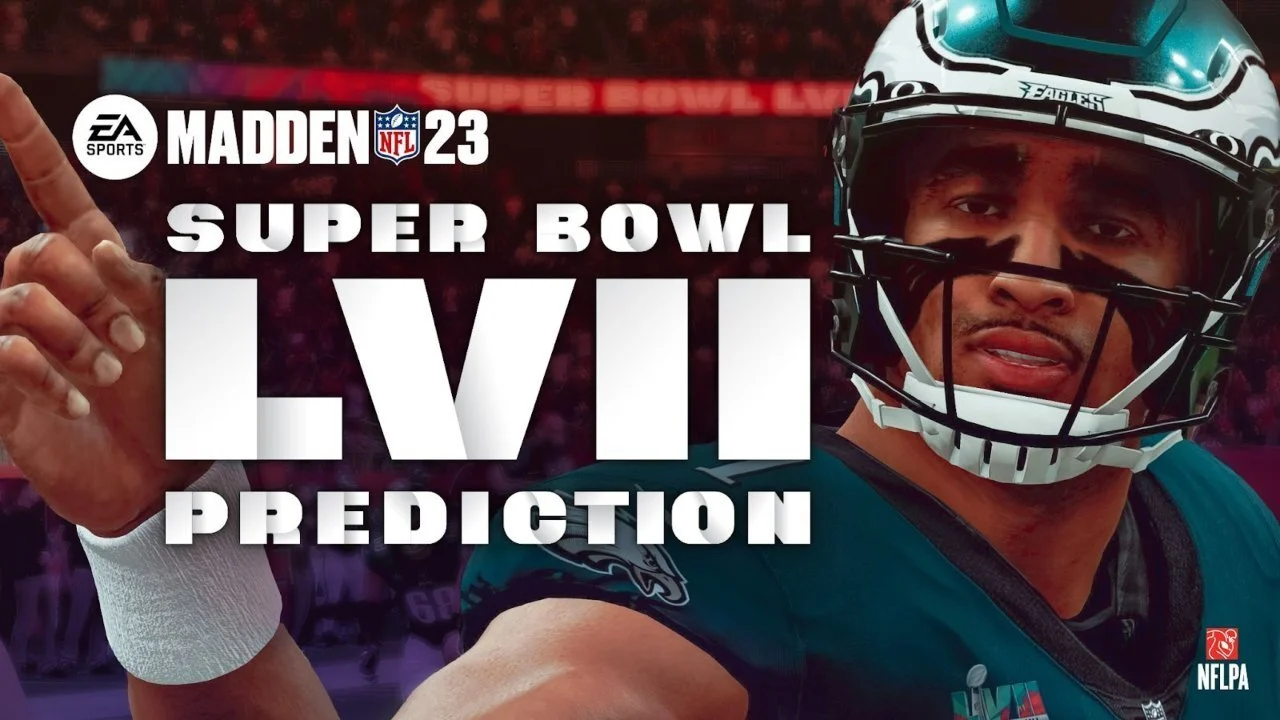
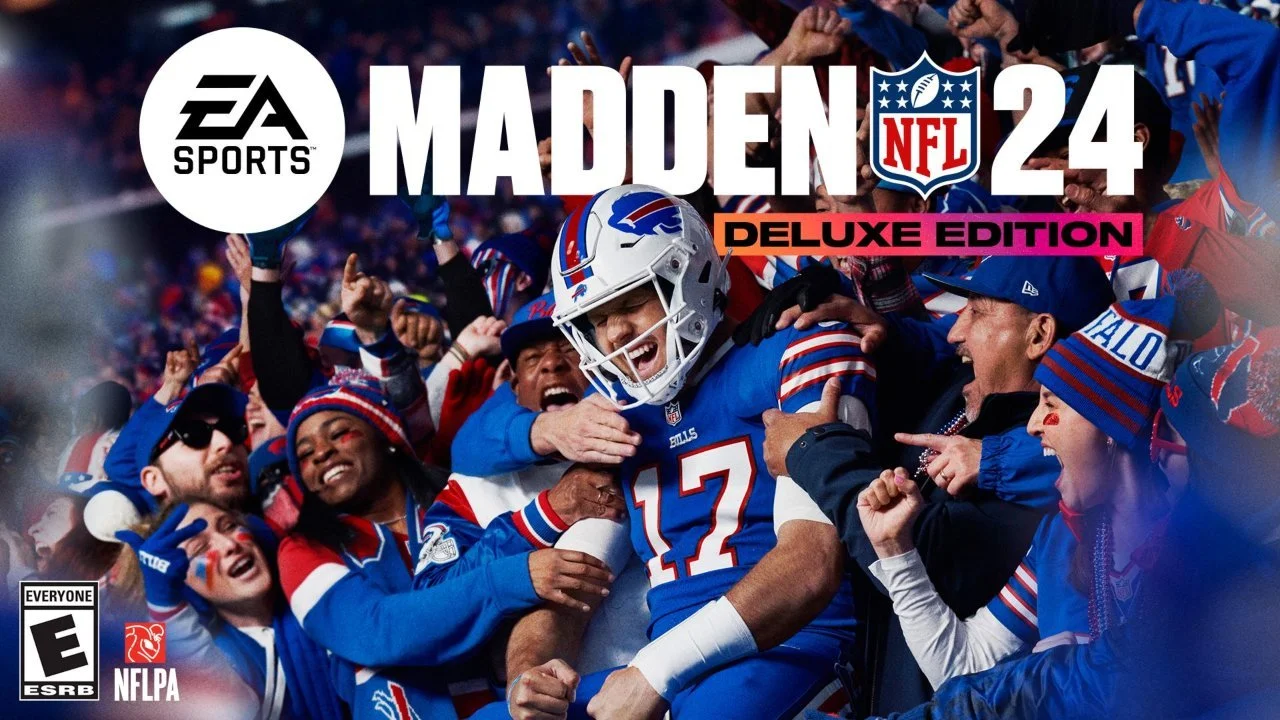
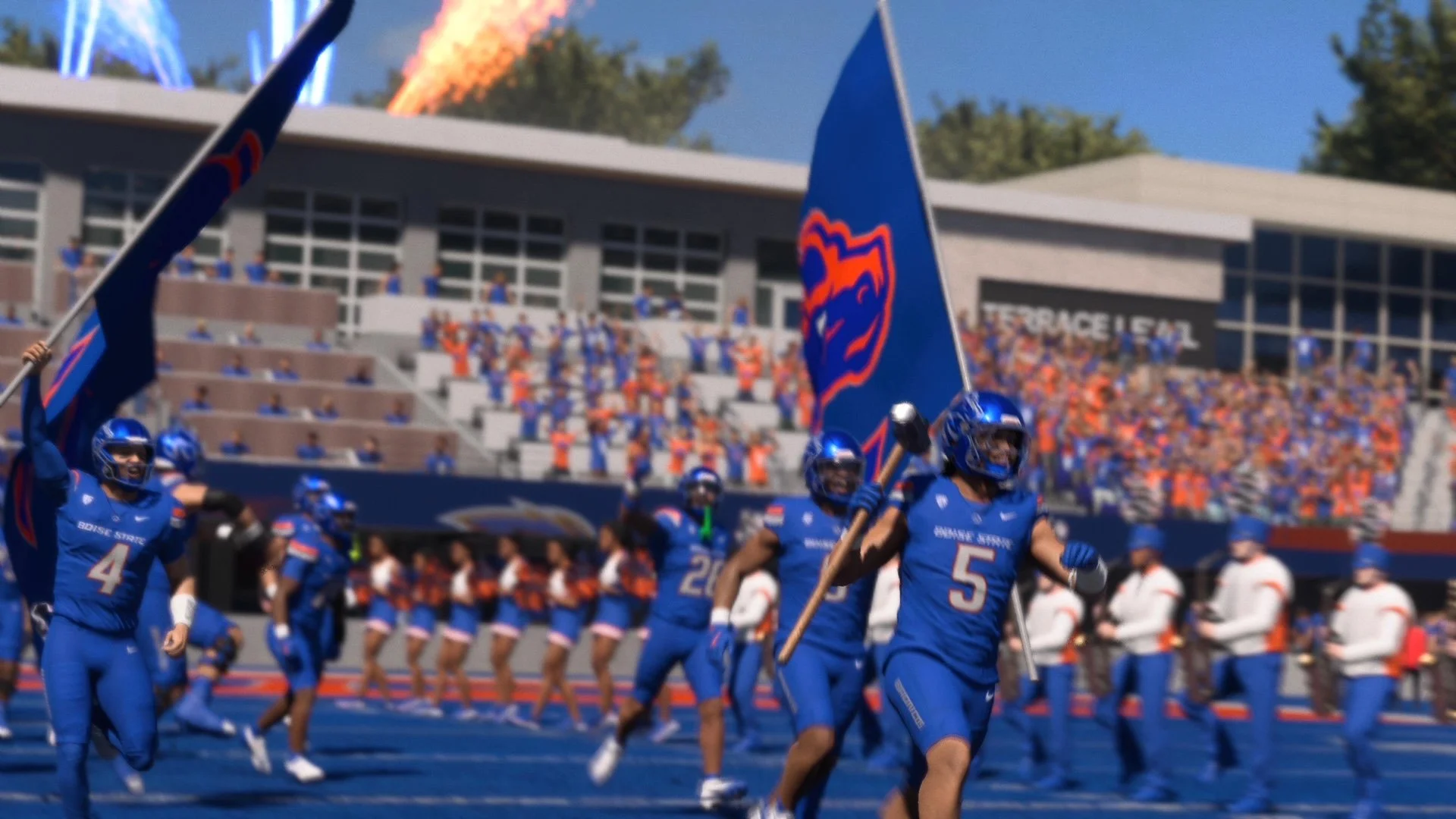
The ‘Madden Curse’ is a phenomenon that has intrigued players and fans of the popular Madden NFL video game series for decades. Since its inception in 1988, the franchise has seen many of its cover athletes face unexpected injuries or declines in their performance after gracing the iconic game cover.
This trend caused many people to ask the same question: Is the Madden Curse real or merely a coincidence? Let’s dive in to find out.
On this page, we will be exploring the origins of the curse, examining its validity as we approach the 2026 NFL season (which is scheduled to get underway in September 2026), and delving deeper into how sim-gaming can be used to make predictions about future games and seasons.
What is the ‘Madden Curse’?
The Madden Curse suggests that players who appear on the cover of the game are destined for misfortune. The most notable instances include players like Barry Sanders and Michael Vick, both of whom saw dramatic downturns in their careers following their cover appearances.
The curse has been attributed to various factors, including, but not limited to, bad luck, increased pressure, and the physical demands of professional football. As we prepare for the 2026 season, some might wonder whether the curse holds any weight.
Each year seems to present fresh examples, with players facing injuries or performance slumps after being featured on the cover. However, it’s essential to analyse statistics and narratives with a fine-tooth comb to determine if it’s truly a curse or simply a series of unfortunate events.
It’s impossible to account for half of what happens in a season within a simulator. This is also what makes sports betting odds interesting for casuals, pundits, and armchair head coaches. Offseason predictions are fun. Trying to chart the course of an 18-week regular season, let alone a playoff run, indulges everyone – even the ones who are against making those predictions without supporting data. Odds try to capture what a team is at that specific point in the season: the roster, the coach, the history, the landscape of the league. And it’s all that which gets boiled down into numbers by bookmakers, whose moneylines form an essential component of why punters look at bookmakers’ platforms as well as sports betting tips from Betting.net before signing up.
Ultimately, whether you view the Madden Curse as a genuine supernatural hex or simply the natural statistical regression of an athlete coming off a peak, cover-worthy year, it perfectly illustrates the inherent volatility of the sport. For both passionate fans and strategic punters, this unpredictability is exactly what makes the NFL so captivating. The curse adds just another compelling layer of narrative to a league where nothing is ever truly guaranteed—no matter what the oddsmakers, or the video game covers, might suggest.
Famous Examples of the Curse
Here are a few of the most famous examples of the curse for you to digest.
Garrison Hearst (Madden NFL 1999): The running back suffered a severe ankle injury shortly after his cover appearance, which sidelined him for two seasons
Michael Vick (Madden NFL 2004): Following his cover debut, Vick dealt with multiple injuries that hindered his performance and playing time
Peyton Hillis (Madden NFL 2012): After a breakout season, Hillis faced injuries and inconsistent play, leading to a quick decline in his career
Odell Beckham Jr. (Madden NFL 16): Despite being one of the most talented receivers in the game, he suffered significant injuries shortly after his cover moment
Patrick Mahomes (Madden NFL 20): Although Mahomes is an elite quarterback, he dealt with injuries that affected his season after landing on the cover
The examples above illustrate how the idea of the curse resonates with fans and players alike as they observe patterns of injury and decline.
The Role of Sim-Gaming in Prediction
Sim-gaming has become a crucial tool for sports fans and bettors alike. By utilising simulation technology, players can generate game outcomes based on team dynamics, player statistics, and match conditions.
As the 2026 NFL season approaches, fans can use this technology to predict outcomes and player performances more accurately.
Many online platforms allow for sim-gaming experiences, meaning players can set up simulations based on current roster changes, injuries, and off-season trades to forecast performances across various scenarios.
This approach can equip sports bettors with more insight into likely outcomes, allowing them to make better-informed wagers.
Final Thoughts
The discussion around the Madden Curse continues to provoke debate among football enthusiasts and has undoubtedly left its mark on the Madden franchise. Whether one believes in superstition or not, the connection between the cover athletes and their subsequent performances is difficult to ignore.
Meanwhile, sim-gaming provides an innovative way for fans to partake in predicting the outcome of the 2026 NFL season. Madden/NFL fans can engage more deeply with the sport while enhancing their betting strategies as they navigate the unfolding season simply by combining analysis of historical performances, trends, and simulation technology.