Back in the day, when you bought something in a video game - say, a shiny new sword or a purple dragon skin - it lived and died inside that game. No resale, no trades, no proof it was yours except for your username floating above it. It was like buying a designer jacket you could only wear inside your closet.
But things are shifting fast. These days, players don’t just want cool stuff - they want control, proof of ownership, and the option to do something with that digital loot outside the game. And that’s exactly where blockchain is starting to make waves in gaming.
From Cosmetics to Currency
Let’s take something we all know: CSGO skins.
Originally, these were just cosmetic add-ons - a way to flex a bit of style during a match. But over time, they became tradeable, valuable, and in some cases, ridiculously expensive. Some skins have sold for more than most used cars. We’re not talking about pay-to-win upgrades here - just pure digital swagger.
That booming secondary market exposed something interesting: players care about their digital assets. They want to own them, trade them, maybe even flip them for profit. And while platforms like Steam made that kind of marketplace possible, it’s still pretty centralized. If Valve ever decided to pull the plug, your inventory? Gone.
Enter Blockchain: The Promise of True Ownership
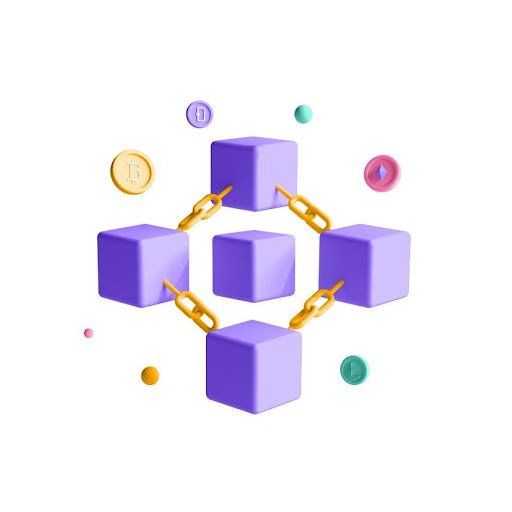
Blockchain technology, in simple terms, is a secure, decentralized way to prove ownership of digital stuff. Whether it's crypto, NFTs, or in this case, in-game assets, the idea is the same: you own it, and nobody - not even the game developer - can take it away from you.
Here’s what blockchain adds to the table:
Security: Every item is verifiable and fraud-proof.
Transparency: You can trace an asset’s history like it’s got a digital paper trail.
Freedom: You’re not stuck trading within one platform’s ecosystem.
Now imagine if your CSGO skins were blockchain-backed. You’d know exactly where they came from, how rare they are, and you’d have the freedom to sell or trade them across different games or marketplaces - not just through Steam. That’s a big deal.
Why This Isn’t Just a Nerdy Side Project
Look, I get it. Blockchain can be a buzzword magnet. But the appeal is real. In a world where we’re spending more time in virtual spaces - gaming, working, socializing - digital property matters more than ever.
Gamers already get it. They’ve been buying skins, battle passes, and loot boxes for years. What blockchain does is shift that from “renting with no rights” to “owning with receipts.”
And it's not just theoretical. As of May 2025, projects like Immutable and OpenSea are exploring ways to link NFTs and gaming assets. Ubisoft’s Quartz experiment may have fizzled, but the idea behind it - that digital items should belong to players - is sticking around. Other studios are experimenting more quietly, and indie games are leading the charge on interoperability, where your in-game items follow you across different titles.
But Wait, There Are Caveats
It’s not all pixel-perfect just yet. Blockchain games are still figuring things out. The tech isn’t as seamless as it needs to be, and the regulatory gray zone around digital assets and crypto doesn’t help.
Not to mention, most gamers are justifiably skeptical. After all, no one wants another “play-to-earn” scheme pretending to be fun.
That said, the foundation is there. And if game studios start putting players first - letting them actually own what they earn - the momentum will grow.
So, What’s Next?
We’re probably not that far off from a future where digital assets are no longer trapped inside single games. You’ll earn a skin in one game, trade it in a verified marketplace, then equip it in another. It’s like taking your Fortnite dance to Valorant - only this time, it’s on the blockchain, and no one can tell you it’s not yours.
And while CSGO skins aren’t on the blockchain (yet), they’re already proof that digital items can hold serious value when players believe they truly own them. That belief is what blockchain is trying to make real - across every game, for every player.
Because in the end, ownership isn’t just about pixels. It’s about power, and gamers are finally starting to claim it.