Making games has never been more exciting—or more complicated. The industry is constantly evolving, with new technologies, platforms, and player expectations pushing studios to deliver bigger and better experiences. But here's the thing: you don't have to do it all alone. More studios are discovering that partnering with experienced development teams can make the difference between a project that ships on time and one that struggles to reach the finish line.
Whether you're a small indie team with a brilliant concept or an established studio looking to scale up production, understanding how collaborative development works can open up new possibilities for your projects. Let's explore what it really means to work with an external partner and how the right collaboration can help bring your vision to life.
Why More Studios Are Choosing Co-Development Over Going Solo
The traditional model of game development—where one studio handles everything in-house—is becoming less common. There are good reasons for this shift. Games today are more complex than ever before. A single project might require expertise in multiple engines, various art styles, network programming, platform-specific optimization, and so much more. Very few studios have all of these skills sitting in their office.
Working with external partners lets you tap into specialized expertise exactly when you need it. Maybe your team is amazing at gameplay design but needs help with character modeling. Or perhaps you've got the technical chops but could use support with level art. Co-development fills those gaps without forcing you to hire full-time staff for skills you might only need temporarily.
There's also the resource flexibility angle. Game development is unpredictable. Some phases of production need more hands on deck than others. Bringing in external support during crunch periods means you can scale your team up or down based on actual needs rather than maintaining a large permanent staff year-round. This approach can be much more cost-effective, especially for smaller studios working with tight budgets.
Beyond the practical benefits, collaboration often leads to better creative outcomes. Fresh perspectives from outside your core team can spark new ideas and help solve problems in ways you might not have considered. When two groups of talented people work together toward a shared goal, the results can exceed what either could have achieved alone.
What Happens When You Partner With an External Development Team
So what does working with game development services actually look like in practice? It's not as simple as handing off a task and waiting for it to come back finished. Good collaboration requires clear communication, mutual understanding, and a genuine partnership approach.
The process typically starts with defining scope and expectations. What exactly do you need help with? Are you looking for someone to handle specific assets, take on an entire game system, or provide full co-development support throughout the project? Getting crystal clear on this from the beginning prevents misunderstandings later.
Once the scope is defined, the next step involves integrating the external team into your workflow. This means setting up communication channels, sharing relevant documentation, and making sure everyone understands the creative vision. The best partnerships feel less like outsourcing and more like extending your internal team. Regular check-ins, shared progress tracking, and open dialogue help keep everyone aligned.
Throughout development, you'll work together on iterations and refinements. The external team creates assets or implements features, you provide feedback, and adjustments are made until everything meets your standards. This collaborative process continues until the work is complete and successfully integrated into your project.
One key to successful collaboration is maintaining your creative control while trusting your partners to do what they do best. You should always have final say on creative decisions, but micromanaging every detail defeats the purpose of bringing in experienced help. Finding that balance takes communication and trust on both sides.
Unity and Unreal Engine: Picking the Right Foundation for Your Project
When you're starting a new game project, one of the biggest technical decisions you'll make is choosing your engine. Unity and Unreal Engine are the two most popular options, and each has its own strengths. Understanding these differences helps you pick the right foundation for your specific needs.
Unity has built a reputation for versatility and accessibility. It's particularly strong for mobile development, 2D games, and projects where you need to deploy across many different platforms. The engine uses C# for scripting, which many developers find approachable. Unity's asset store is massive, offering tons of pre-made tools and assets that can speed up development. If you're working on a stylized game, a mobile title, or something that needs to run on a wide variety of hardware, Unity often makes sense.
Unreal Engine, on the other hand, is known for pushing visual boundaries. It's the go-to choice for many AAA studios creating high-fidelity graphics experiences. Unreal's rendering capabilities are exceptional, and features like Nanite and Lumen have raised the bar for what's possible in real-time graphics. The Blueprint visual scripting system lets designers create complex gameplay without writing code, though you can also use C++ for more advanced work. If you're building a visually stunning console game or a VR experience that needs to impress, Unreal might be your best bet.
Here's a quick comparison of what each engine excels at:
The truth is, both engines are capable of producing amazing games. The choice often comes down to your team's existing expertise, your target platforms, and the visual style you're aiming for. Professional game development services typically have experience with both, which means they can adapt to whatever engine your project requires.
Managing Costs and Timelines Without Losing Creative Control
Budget and schedule concerns keep studio heads awake at night. When you're working with external partners, managing these aspects becomes even more important. The good news is that with the right approach, collaboration can actually help you stay on budget and on schedule rather than complicating things.
Start by setting realistic expectations from day one. Rushing a timeline or lowbailing a budget to make numbers work almost always backfires. Talk honestly with potential partners about what you can afford and when you need things done. Experienced teams can usually work within various constraints, but they need accurate information to plan properly.
Break your project into clear milestones with specific deliverables. This gives you natural checkpoints to assess progress and make sure everything is tracking correctly. If issues arise, you'll catch them early rather than discovering problems right before a major deadline. Milestone-based payment structures also help manage cash flow and give both parties clear targets to work toward.
Essential elements for successful project management:
Detailed scope documents that outline exactly what's being delivered
Regular progress updates and review sessions
Clear approval processes for completed work
Documented feedback loops and revision policies
Transparent communication about any changes or challenges
Flexibility to adjust plans when needed without derailing everything
One common mistake is treating your external partners like vendors who just take orders. The best results come from treating them as true collaborators. That means involving them in relevant planning discussions, considering their technical advice, and being open about challenges you're facing. When everyone feels invested in the project's success, people go the extra mile to make things work.
Managing costs effectively also means being smart about what you keep in-house versus what you delegate. Your core team should focus on the elements that define your game's unique identity—the gameplay mechanics, the overall creative direction, the things that make your project special. Tasks that are more technical or time-consuming but don't require your specific creative touch are often good candidates for external support.
Real Projects, Real Results: How Collaboration Brings Games to Life
Theory is one thing, but seeing how collaboration works in actual projects really brings the concept home. Across the industry, some of the most successful games have been built through partnerships between multiple studios, each contributing their particular strengths to the final product.
Take large-scale MMO projects, for example. These massive games require incredible amounts of content—characters, environments, items, animations, and more. No single studio wants to hire enough artists to create all that content internally, because they'd need to maintain that huge team even during slower production phases. Instead, they partner with external teams who specialize in high-volume asset creation, scaling support up and down as the project demands.
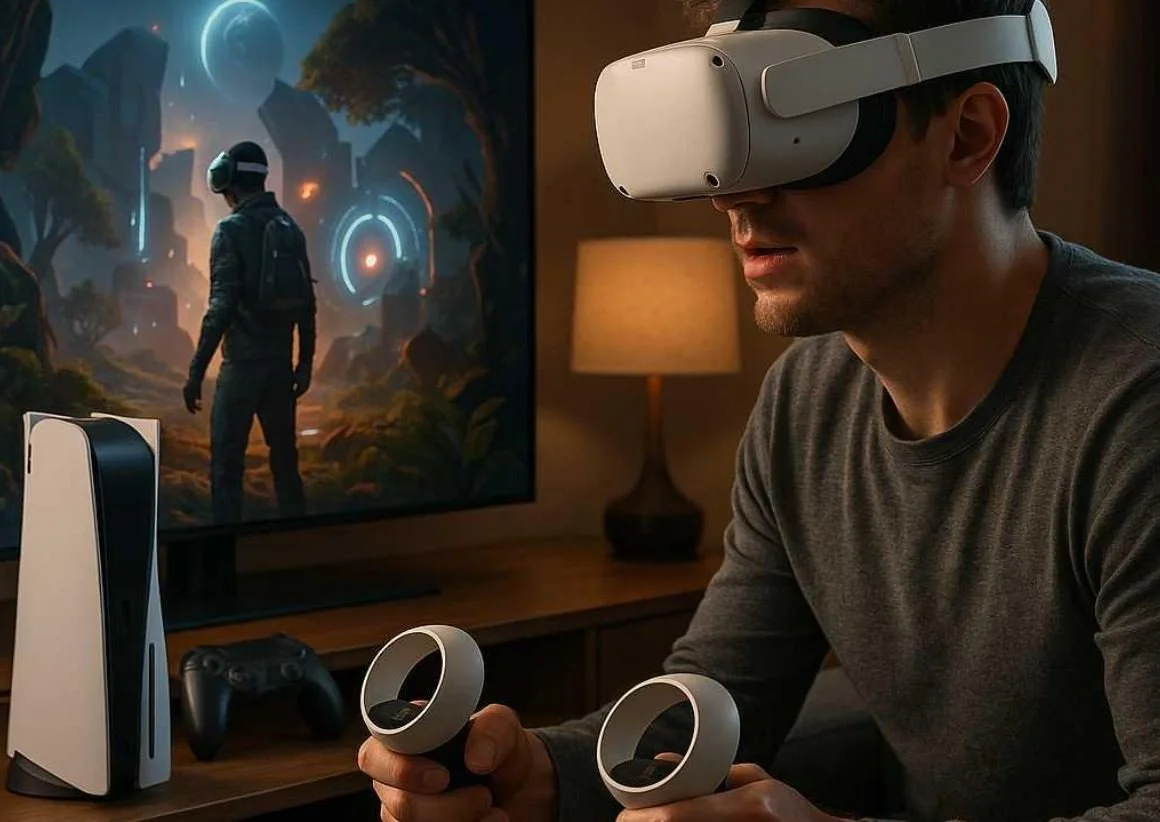
Or consider VR game development. Many traditional game studios want to experiment with VR but don't have deep expertise in the unique challenges of that medium. Working with partners who specialize in VR development—understanding comfort, controls, performance optimization, and platform-specific requirements—helps these studios enter the VR space successfully without years of trial and error.
Porting projects represent another area where collaboration shines. You've built an amazing game for one platform, and now you want to bring it to others. Rather than pulling your team away from their next project to handle the technical complexities of porting, you work with specialists who do this all the time. They handle the platform-specific optimization and certification requirements while your team keeps moving forward on new content.
Common scenarios where external development support makes the most sense:
Rapid prototyping phases where you need to test ideas quickly
Asset-heavy production periods requiring large volumes of content
Technical implementations outside your team's core expertise
Platform expansions and porting to reach new audiences
Crunch periods where temporary scaling is more practical than hiring
Specialized features like multiplayer infrastructure or advanced VFX
The pattern across all these examples is clear: collaboration works best when each party focuses on what they do well. Your studio brings the creative vision, the understanding of what makes your game special, and the direction. Your partners bring specialized skills, efficient execution, and the capacity to scale. Together, you create something neither could have achieved as efficiently alone.
Finding a Development Partner That Actually Gets Your Vision
Not all partnerships work out equally well. Finding the right match requires some homework and careful evaluation. The cheapest option isn't always the best, and the most impressive portfolio doesn't guarantee a good working relationship. You need to find a partner whose capabilities, communication style, and values align with your needs.
Start by looking at their previous work, but go beyond just being impressed by pretty screenshots. Try to understand what role they played in those projects. Did they handle specific assets, or were they more deeply involved in development? Do their past projects share similarities with what you're trying to build? Relevant experience matters more than a generically impressive resume.
Communication is absolutely critical in any partnership. During initial conversations, pay attention to how well potential partners listen and ask questions. Do they seem genuinely interested in understanding your vision, or are they just pitching their services? Can they explain technical concepts in ways you understand? Do they ask thoughtful questions about your project goals and constraints?
References from past clients can tell you a lot. Don't just ask if the work was good—ask about the experience of working together. Were there surprises or hidden costs? How did the team handle challenges or changes? Would they work with this partner again? Honest feedback from other studios who've been through the process gives you insights you won't get from marketing materials.
Consider the practical logistics too. Time zone differences can complicate collaboration if they're too extreme. Cultural and language considerations might affect communication. The size of the partner studio matters—smaller teams might give you more personal attention but have less capacity, while larger operations might have more resources but less flexibility.
Ultimately, you want a partner who sees themselves as invested in your project's success, not just completing tasks for payment. The best game development services approach each project as a genuine collaboration, bringing ideas and solutions to the table rather than just taking orders. When you find that kind of partner, development becomes smoother, results get better, and you might even enjoy the process.
The game industry will continue evolving, and the studios that thrive will be those who build strong collaborative networks. Going it alone might work for some, but most developers will find that the right partnerships unlock possibilities they couldn't reach on their own. Your game deserves the best possible team working on it—whether that team is all in one office or spans the globe.