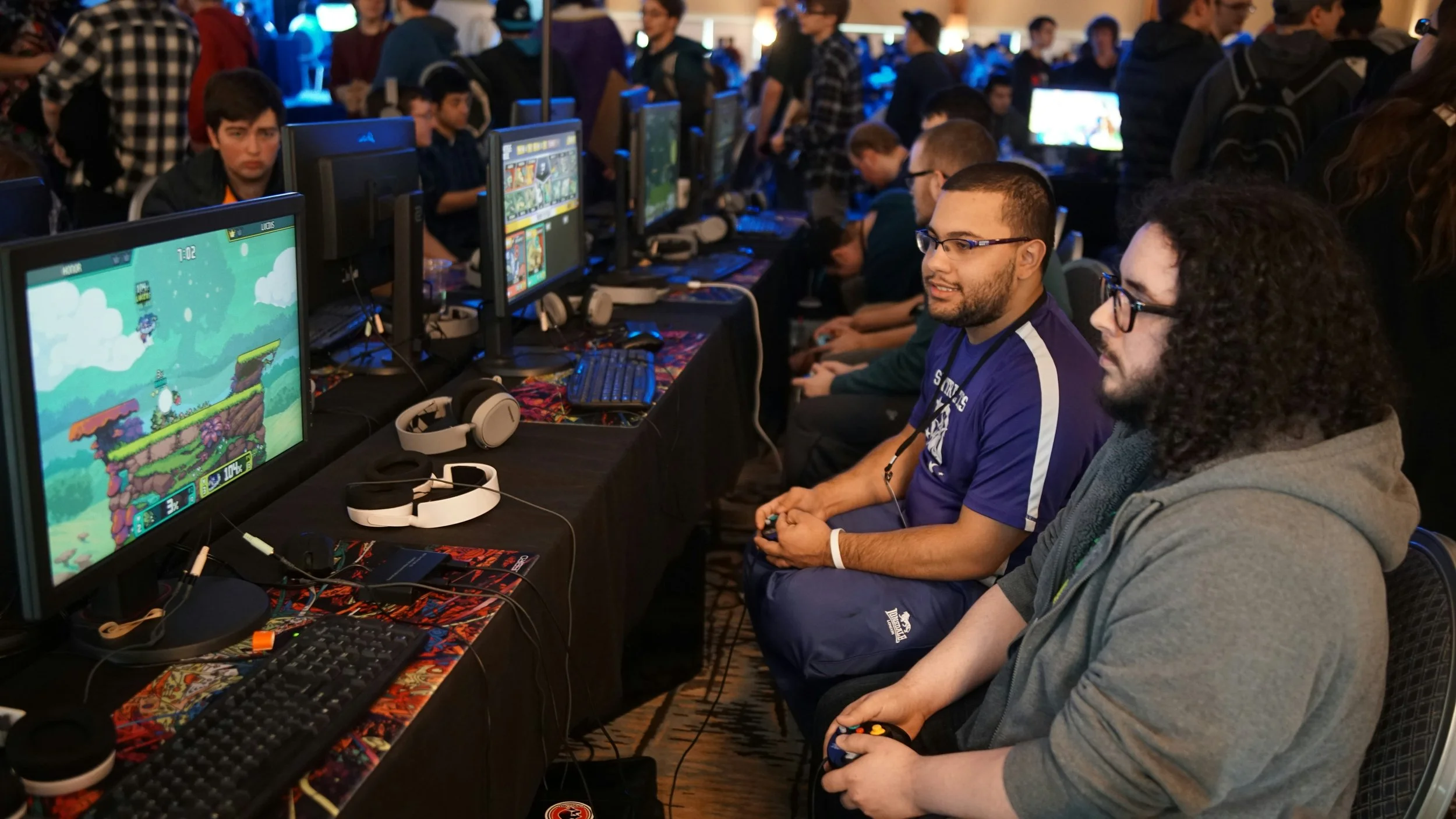
For years, competitive gaming focused on the players sitting behind the screens. Today, the spotlight extends far beyond the stage. Packed livestreams, sold-out events, creator communities, and round-the-clock coverage have created a new audience economy, and Canadian gaming fans are becoming a powerful force within it.
A funny thing has happened to gaming during the past decade. Plenty of people still spend their evenings playing, yet millions now spend just as much time watching somebody else do it. Twitch streams attract audiences that rival traditional sports broadcasts, major tournaments fill arenas, and gaming creators can command communities that stretch across entire countries. Canada has become part of that story, with local events, creators, and esports fans helping turn spectator gaming into a significant part of modern gaming culture.
Gaming Has Become a Spectator Sport
The idea that gaming is something you watch would have sounded strange twenty years ago. Today, it is completely normal. Major tournaments attract audiences measured in the millions, while livestreaming platforms have created a new form of entertainment built around games, personalities, and shared experiences.
The numbers help explain what is happening. Twitch averages roughly 2 million concurrent viewers and has recorded an all-time peak of more than 13.8 million viewers watching at once. Those figures place gaming broadcasts in the same bracket as many established entertainment formats. For plenty of fans, following a favourite streamer or esports team has become part of their daily routine, whether they are watching Counter-Strike highlights on a lunch break or tuning into a live tournament after work.
Canadian Audiences Are Already in Place
Canada is particularly well positioned to support this kind of audience growth because the country is already deeply connected. Fast internet access and widespread digital adoption have created an environment where livestreams, esports broadcasts, and online communities can thrive.
At the start of 2026, Canada had 38.2 million internet users, representing 95.1% of the population. Those numbers are difficult to ignore when discussing spectator gaming. A large connected population gives esports organisations, tournament organisers, and content creators access to an enormous potential audience.
Watching a live match, following a creator, or joining a community discussion is now just another part of everyday gaming culture for many Canadians.
Live Events Are Bringing Fans Together
Online viewing remains central to esports, but physical events continue to play an important role. Spectators enjoy gathering around shared experiences, particularly when major tournaments arrive in their own cities.
Valorant Masters Toronto 2025 provided one of the clearest recent examples. The tournament brought elite competition to Canadian audiences while generating significant international attention. Similar enthusiasm can be seen around major gaming showcases.
Summer Game Fest has become a fixture on the gaming calendar, drawing huge online audiences eager to watch reveals and announcements. The common thread is straightforward: people increasingly enjoy being part of gaming events even when they are sitting in the audience rather than competing themselves.
Watching the Game Has Become Part of the Game
Esports tournaments remain the biggest draw for many spectators, yet modern gaming audiences consume far more than competitive matches. Livestreams, reaction content, creator channels, poker broadcasts, and gambling streams all attract viewers who enjoy the entertainment value of watching somebody else make decisions in real time.
Canada has played a visible role in that trend. Drake's high-profile gambling livestreams introduced millions of followers to a style of content that blends entertainment, risk, and audience participation. Whether the focus is a Counter-Strike final, a poker tournament, or a major betting session, the appeal comes from the same place: people enjoy following the action as it unfolds.
The popularity of gambling streams has also made audiences more aware of the differences between platforms. Viewers who see creators playing at various online casinos often want to learn more before signing up themselves. That same appetite for information extends to gambling decisions, with many players researching bonuses, game selection, payment options, licensing standards and player reviews before choosing where to play. Casino.ca is designed for exactly that purpose, bringing the key information players care about into one place before they decide where to spend their time and money.
Communities Keep the Momentum Going
One reason spectator gaming continues growing is that the conversation never really stops. Matches end, tournaments conclude, and broadcasts sign off, yet communities continue discussing the latest developments long afterward.
Gaming festivals provide a good example. Steam Next Fest generates extensive creator coverage as players watch livestreams, discuss demos, and share recommendations with friends. Much of that activity happens before a game is even released. The audience is not gathering around a final score or championship trophy; it is gathering around discovery, discussion, and anticipation.
Those habits strengthen communities and give spectators plenty of reasons to stay engaged between major esports events.
Canada's Audience Is Still Growing
Canada's esports scene is benefiting from several trends arriving at the same time. A highly connected population provides the foundation, creators continue attracting loyal audiences, and major events give fans opportunities to engage both online and in person.
Spectator gaming is no longer a niche activity reserved for dedicated esports followers. Millions of viewers already participate through livestreams, creator content, tournament broadcasts, and gaming communities. That audience continues expanding, and its influence reaches far beyond the players holding the controllers. Increasingly, the story of Canadian esports is being written by the people watching from the sidelines as much as the competitors on stage.