Coming into the Fourth of July weekend, I’m sure everybody is gearing up for some excitement, so let’s kick that excitement off a little early.
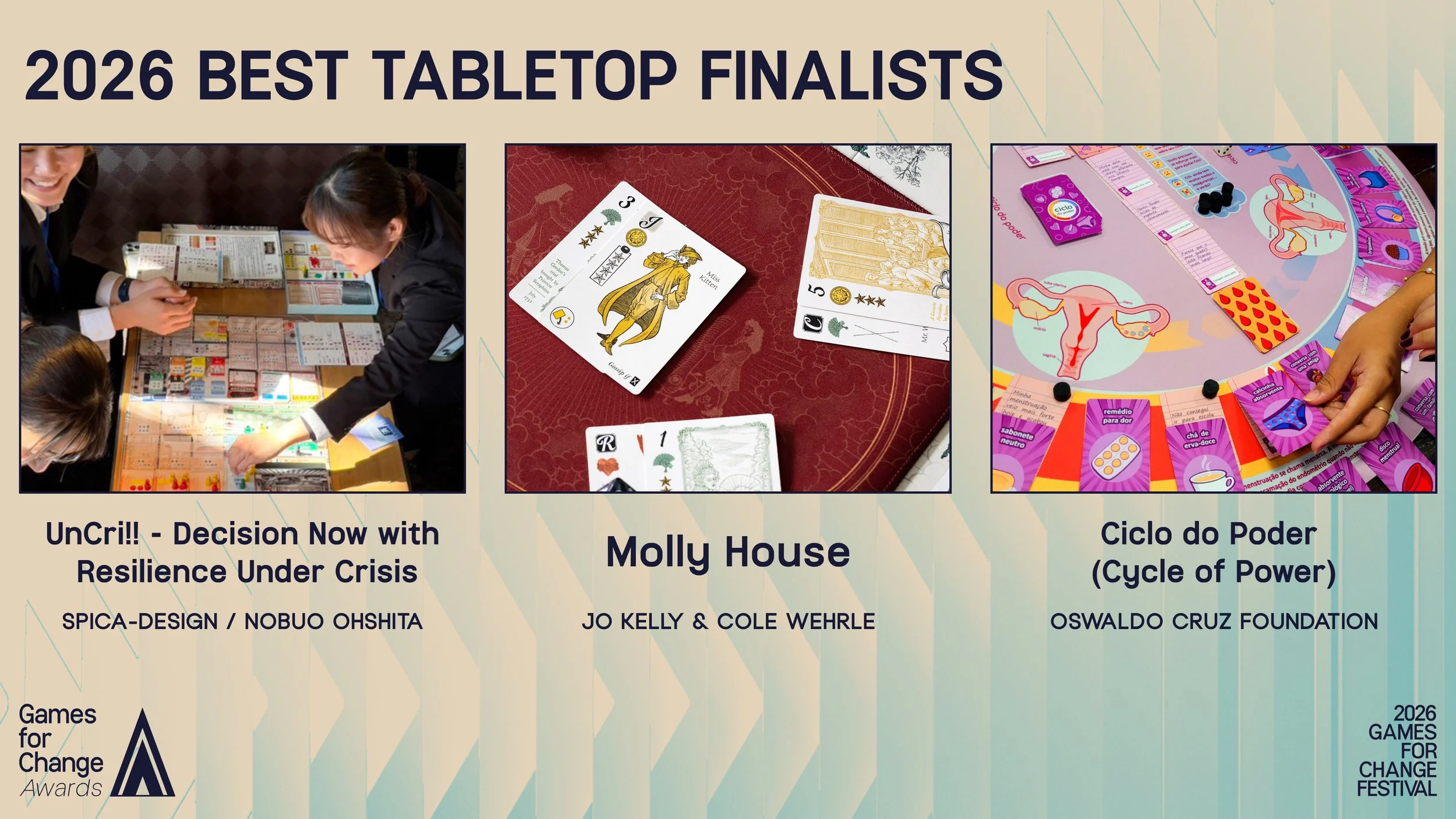
Here at GameTyrant, we’re honored to exclusively reveal the three finalists for the 2026 Games for Change Award for Best Tabletop Game for Impact. Games for Change has long championed creators using games and immersive media to drive real-world impact across education, health, social justice, civic engagement, and more. Each year, its awards recognize standout projects that show how play can inspire learning, empathy, and meaningful change.
I also had the wonderful opportunity to interview Games for Change President Susanna Pollack to talk about what makes the 2026 Games for Change Festival special, why tabletop games are such a powerful tool for impact, what this year’s finalists bring to the category, and what goes into choosing a winner.
The Games For Change Award 2026 Finalists For Best Tabletop Game For Impact
The Best Tabletop Game for Impact category honors physical games that use captivating gameplay, tactile mechanics, and face-to-face interaction to raise awareness, support educational goals, or address pressing social issues.
This year’s finalists will be recognized at the 23rd Annual Games for Change Awards Ceremony, hosted by actors Anjali Bhimani and Osric Chau, on July 21st, at The Glasshouse in New York City. The ceremony will also be livestreamed on the Games for Change Twitch channel, beginning at 6:30 p.m. ET.
So without further ado, here are the three finalists.
Ciclo do Poder (Cycle of Power)
The first finalist is Ciclo do Poder, or in English known as Cycle of Power, developed and published by the Oswaldo Cruz Foundation.
This 2-to-10-player cooperative board game focuses on feminine health and menstruation. In Ciclo do Poder, players work together to help Cris, a person experiencing their first menstrual cycle, face the questions, challenges, and emotions that come with that experience.

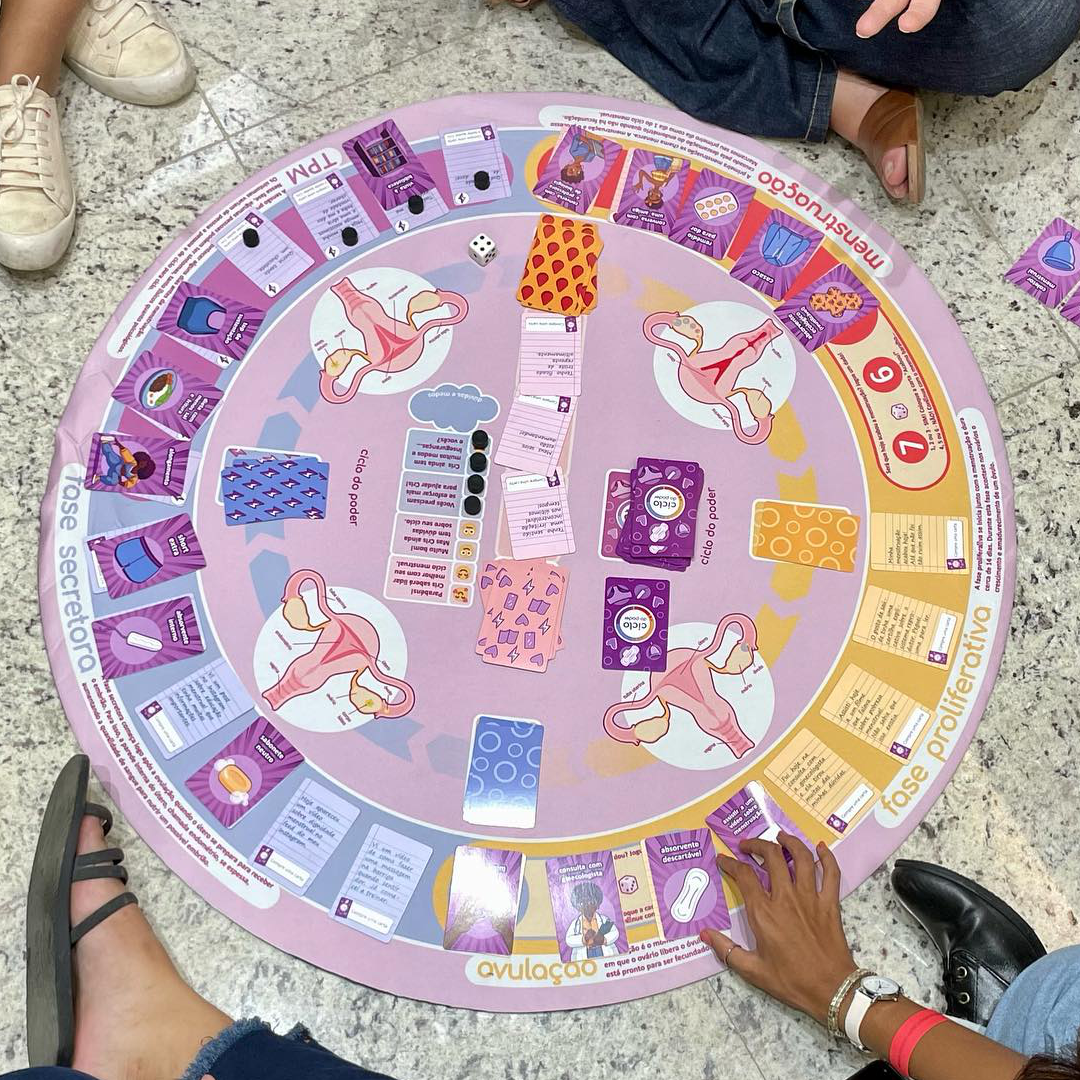
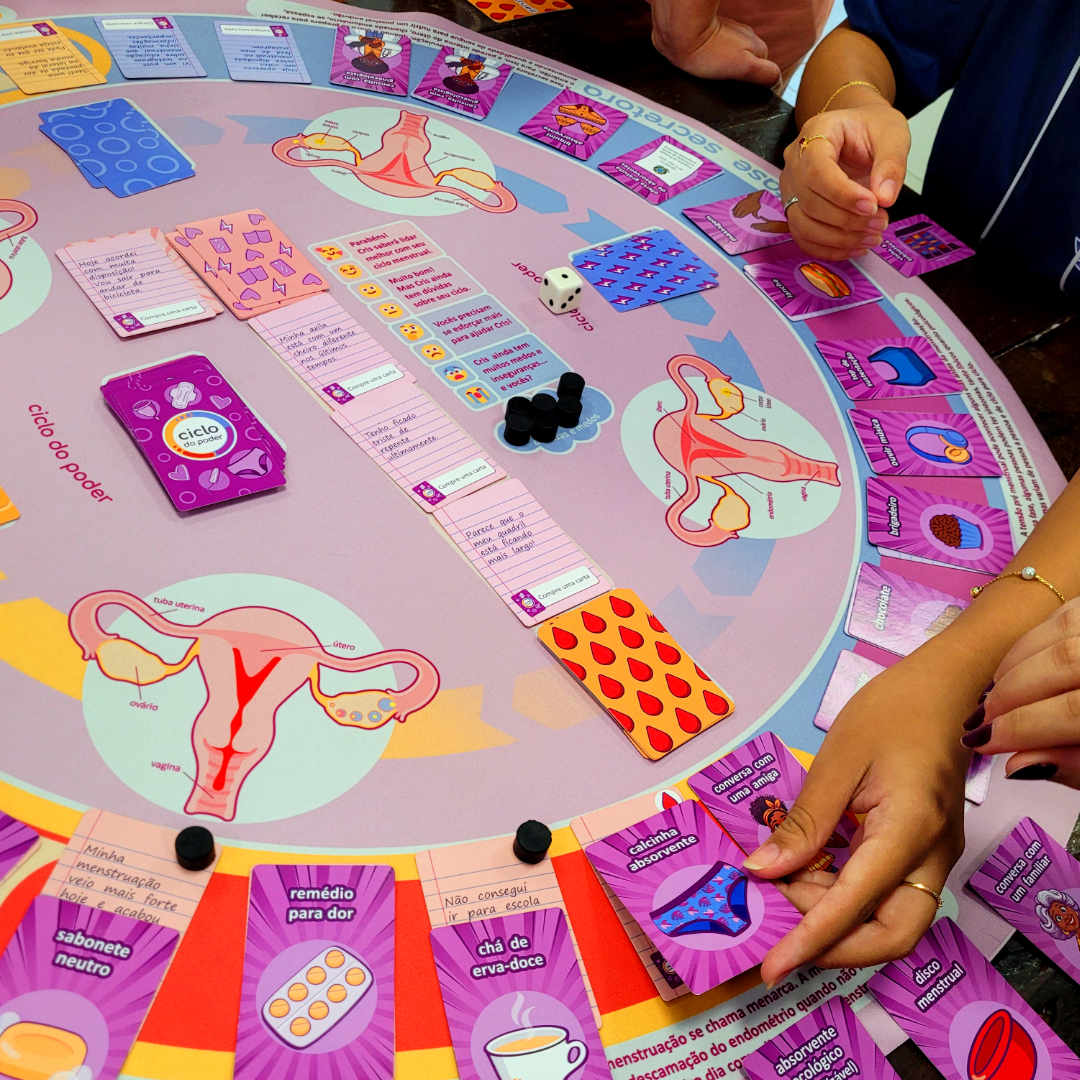
What makes this finalist stand out is how it turns a topic that is often treated as uncomfortable or taboo into something approachable, collaborative, and educational. A game like this can open the door for young people to better understand menstrual health, while also encouraging empathy, conversation, and shared care.
By bringing this subject into a tabletop space, Ciclo do Poder helps reduce stigma and gives players a way to talk about a real experience that affects so many people. It is a great example of how games can make learning feel more human, more open, and more connected.
Molly House
The second finalist is Molly House, developed by Jo Kelly and Cole Wehrle, and published by Wehrlegig Games.

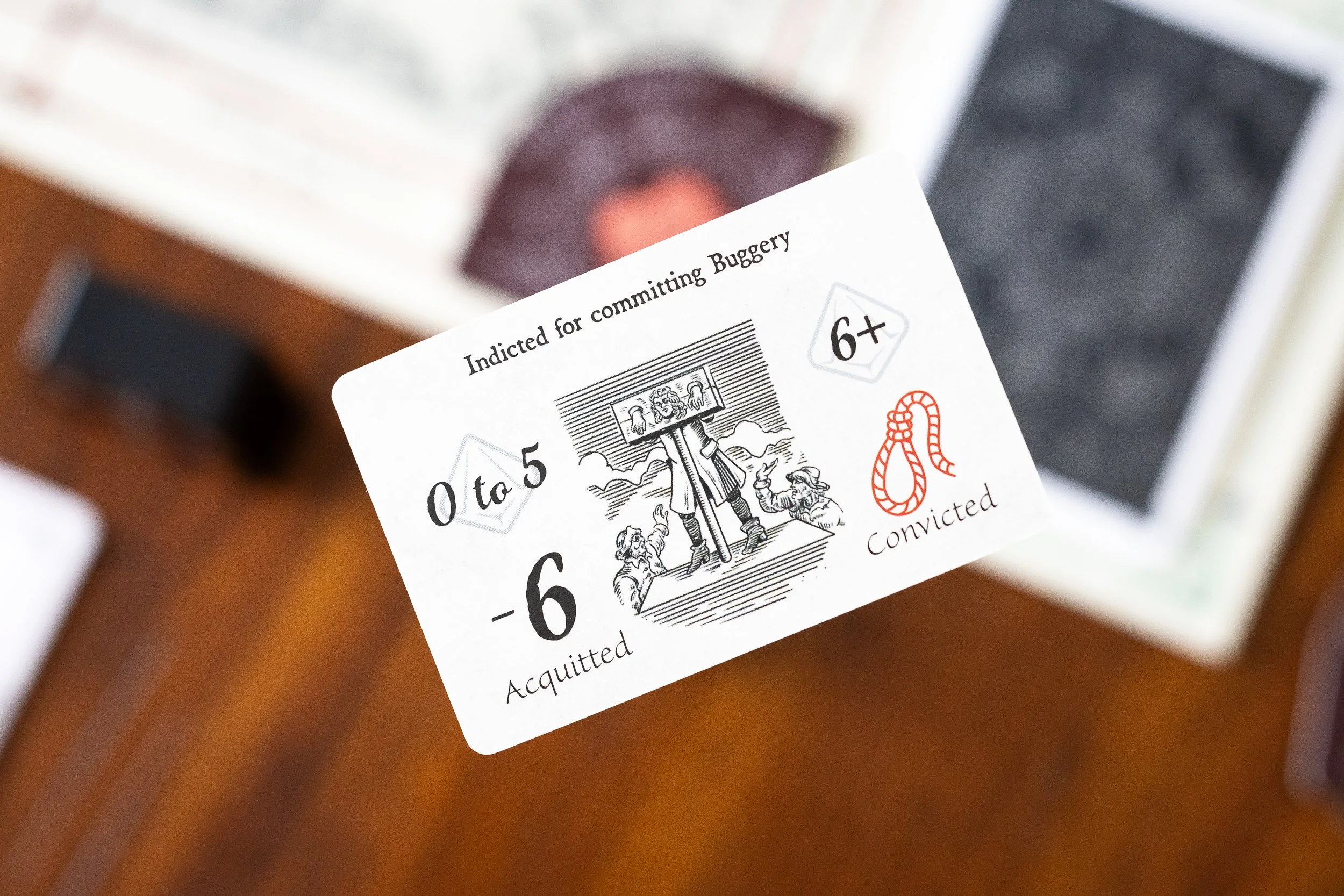
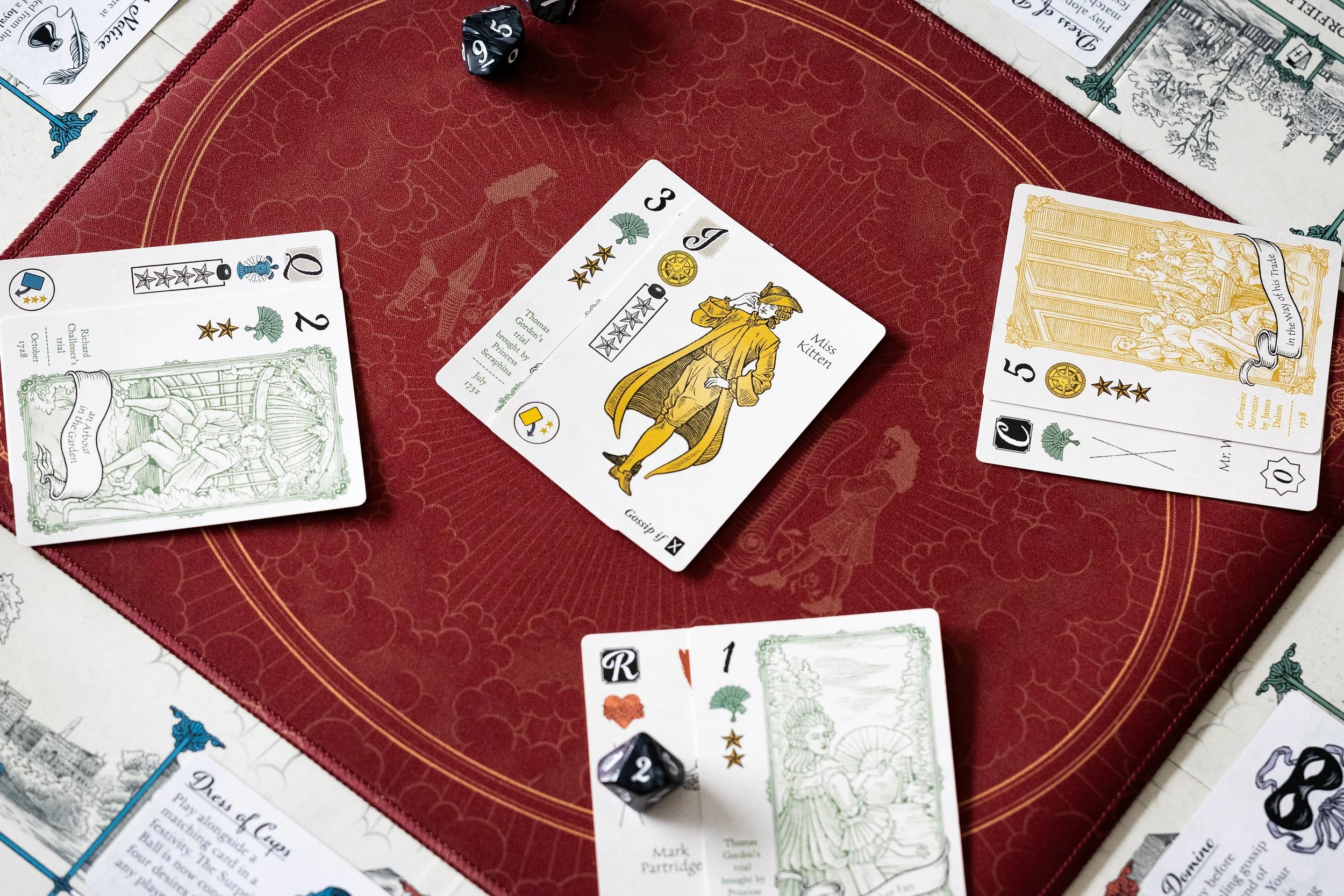
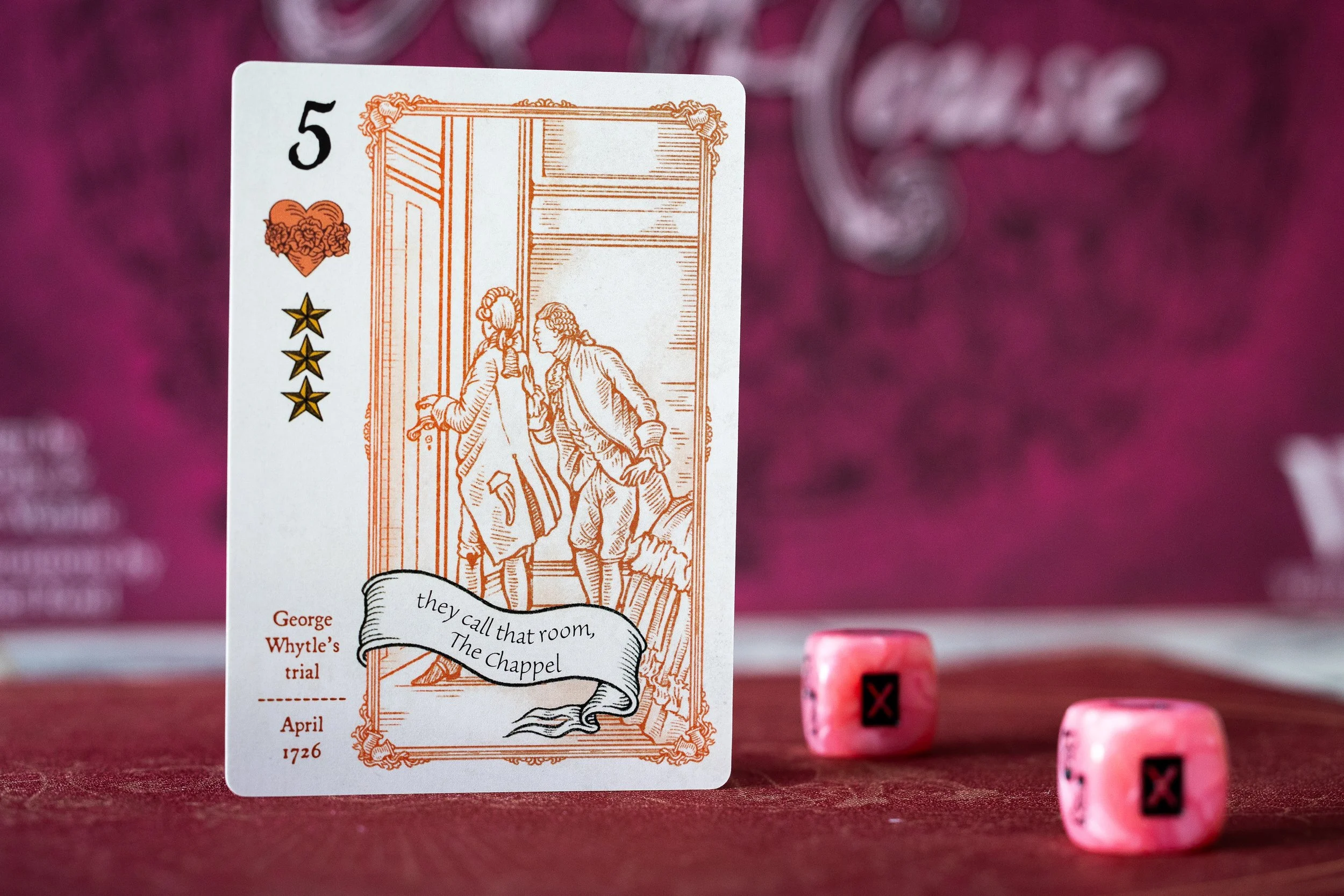
Molly House is a strategy board game set in 18th-century London, highlighting early queer communities during a time of heavy repression. Players take on the roles of gender-defying mollies seeking happiness, connection, and refuge while trying to avoid the pursuit of the Society for the Reformation of Manners.
Through historical storytelling and tense strategy, Molly House celebrates queer resilience, chosen community, and the strength it takes to find joy and safety in a world that is actively pushing against you.
Gamifying a topic like this feels especially important right now. At its heart, Molly House is not just about the past; it also creates space for players to think about identity, oppression, survival, and acceptance in a way that feels personal. For players who may be unfamiliar with this history, the game can open the door to deeper conversations about what queer communities have endured, how they have supported each other, and why those stories still matter today.
UnCri!! - Decision Now with Resilience Under Crisis
The third and final finalist is UnCri!! - Decision Now with Resilience Under Crisis, developed by Spica-Design and Nobuo Ohshita, and published by Bird’s View Co. Ltd.
This cooperative simulation board game puts players in the middle of a mass-casualty medical-care disaster. With limited resources, limited information, and very little time, players must make difficult decisions, coordinate under pressure, and work together to get the crisis under control.
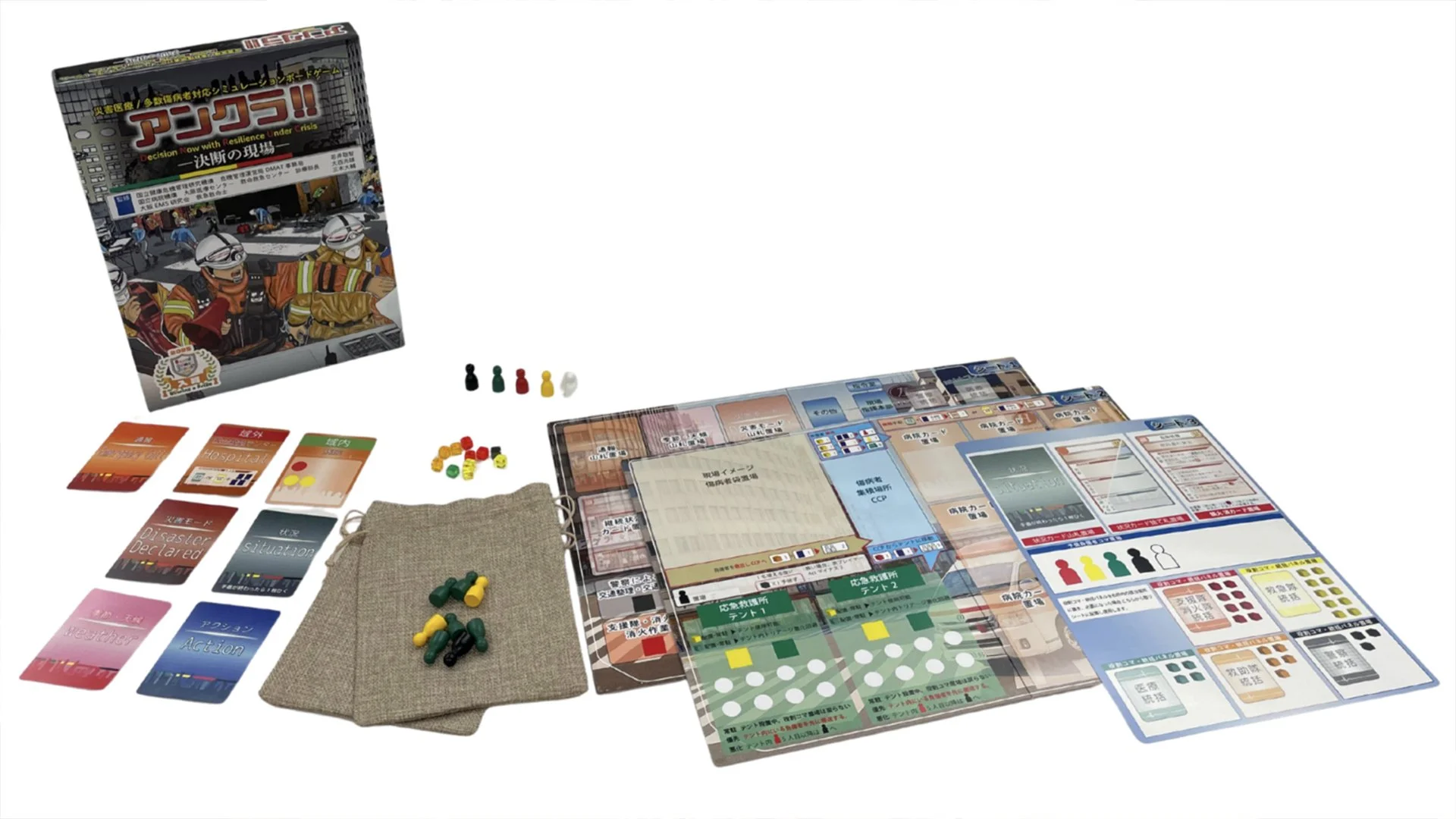
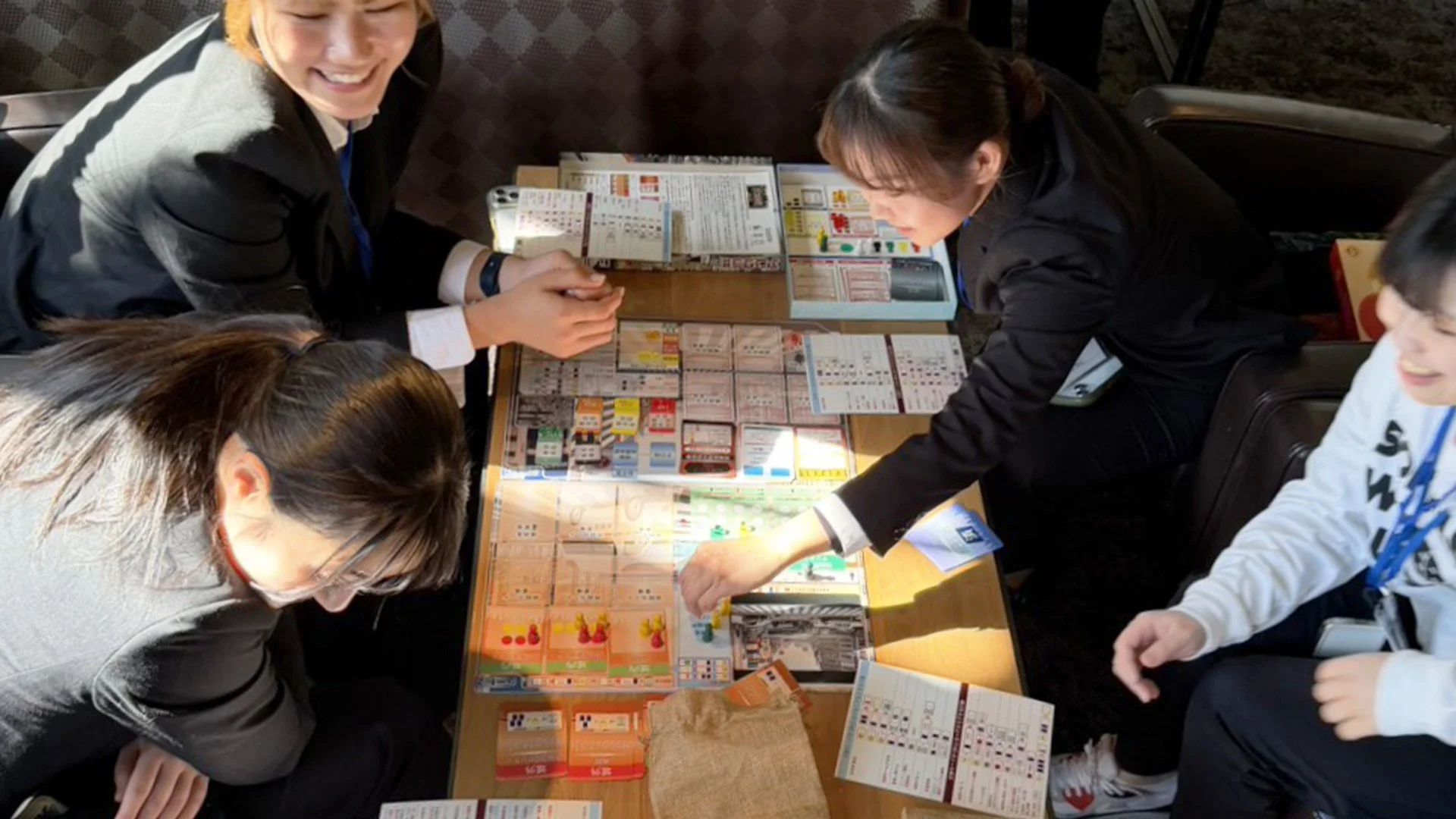

UnCri!! is designed for professional training and public disaster education, giving players a better understanding of the pressure emergency responders face during real-world crises. It also emphasizes the importance of communication, preparation, and teamwork when things go wrong.
I’m especially impressed by the scale of this game and the pressure it seems to put on players. In a world where so much can feel uncertain, a game that helps people better understand disaster response and emergency coordination feels incredibly valuable. It is a strong reminder that tabletop games can do more than entertain; they can prepare, educate, and give players a new perspective on high-stakes situations.
Why Tabletop Games Matter For Change
In talking with Susanna Pollack, one of the biggest takeaways was just how important tabletop games can be within the larger Games for Change mission.
Video games and immersive media often dominate the conversation around games with impact, but tabletop games bring something unique to the table. They are physical, social, and immediate. Players are sitting across from each other, making decisions together, reacting to one another, and often having conversations that continue long after the game ends.
That face-to-face element is a major part of what makes this category so interesting. Whether it is learning about menstrual health, exploring LGBTQ history, or simulating emergency-response decisions, these finalists all use play as a way to encourage empathy and understanding.
Each finalist approaches impact differently, but they all show how tabletop games can take important subjects and make them interactive. They do not just tell players about an issue; they ask players to participate, think, collaborate, and feel the weight of their choices.
Speaking With Games For Change President Susanna Pollack
To learn more about the Best Tabletop Game for Impact category, what makes this year’s finalists stand out, and what goes into recognizing games designed around real-world impact, we spoke with Games for Change President Susanna Pollack.
Final Thoughts
The 2026 Games for Change Award finalists for Best Tabletop Game for Impact show just how wide-reaching and meaningful tabletop games can be.
Ciclo do Poder uses cooperative play to support menstrual-health education and reduce stigma. Molly House uses history and strategy to highlight queer resilience and community. UnCri!! turns disaster response into a tense, educational simulation about coordination under pressure.
Together, these three finalists prove that tabletop games can be powerful tools for learning, empathy, and real-world conversation. They can make difficult topics easier to approach, give players new perspectives, and create moments of understanding that last beyond the table.
The winner will be recognized during the 23rd Annual Games for Change Awards Ceremony on July 21st, 2026, at The Glasshouse in New York City.
For more tabletop releases, award-season coverage, board game spotlights, and upcoming TCG sets, be sure to check out our 2026 TCG and Tabletop Release Calendar, where we’ll be tracking the biggest card game, board game, and tabletop releases throughout the year.