A new game is usually judged long before the first level is finished. Sometimes that happens in the first ten minutes. Sometimes in the first thirty seconds. A short delay in movement, a muddy dark scene, a loud fan, a loading screen that drags on too long, and the mood starts to slip. The game itself may be strong, but the setup around it decides how quickly that strength becomes visible.
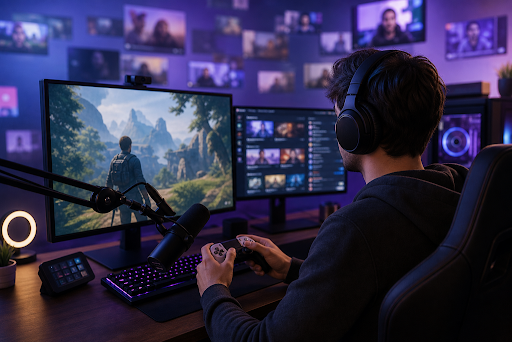
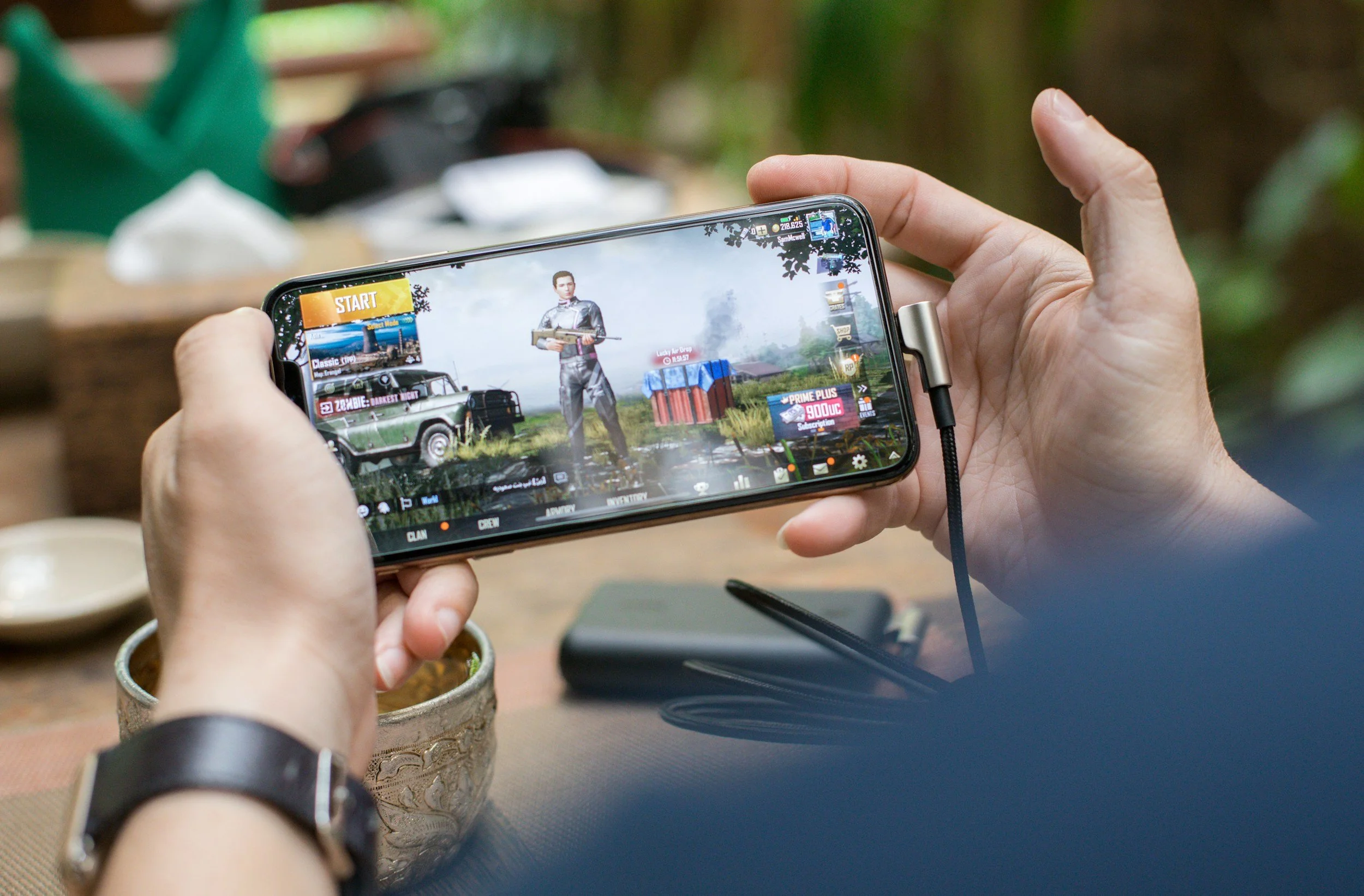
That is why hardware plays a bigger role than many people like to admit. New releases are sold on atmosphere, speed, detail, and immersion, but those qualities do not arrive untouched. They pass through the screen, storage, controller, headset, and overall system performance first. In a way, that relationship is easy to understand. Even a simple experience like Aviator depends on timing and direct response. Modern games ask for the same thing, just on a larger scale. When the hardware is slow, noisy, or inconsistent, the distance between the game and the player grows.
The First Hour Feels Different on Different Setups
This is where the difference becomes obvious.
One setup makes a new release feel smooth and inviting. Another makes the same title feel heavier than it should. A city may look alive on one machine and strangely lifeless on another. Fast movement may feel clean in one version and awkward in the next. Sometimes the gap is visual. Sometimes it is about control. Most often, it is both at once.
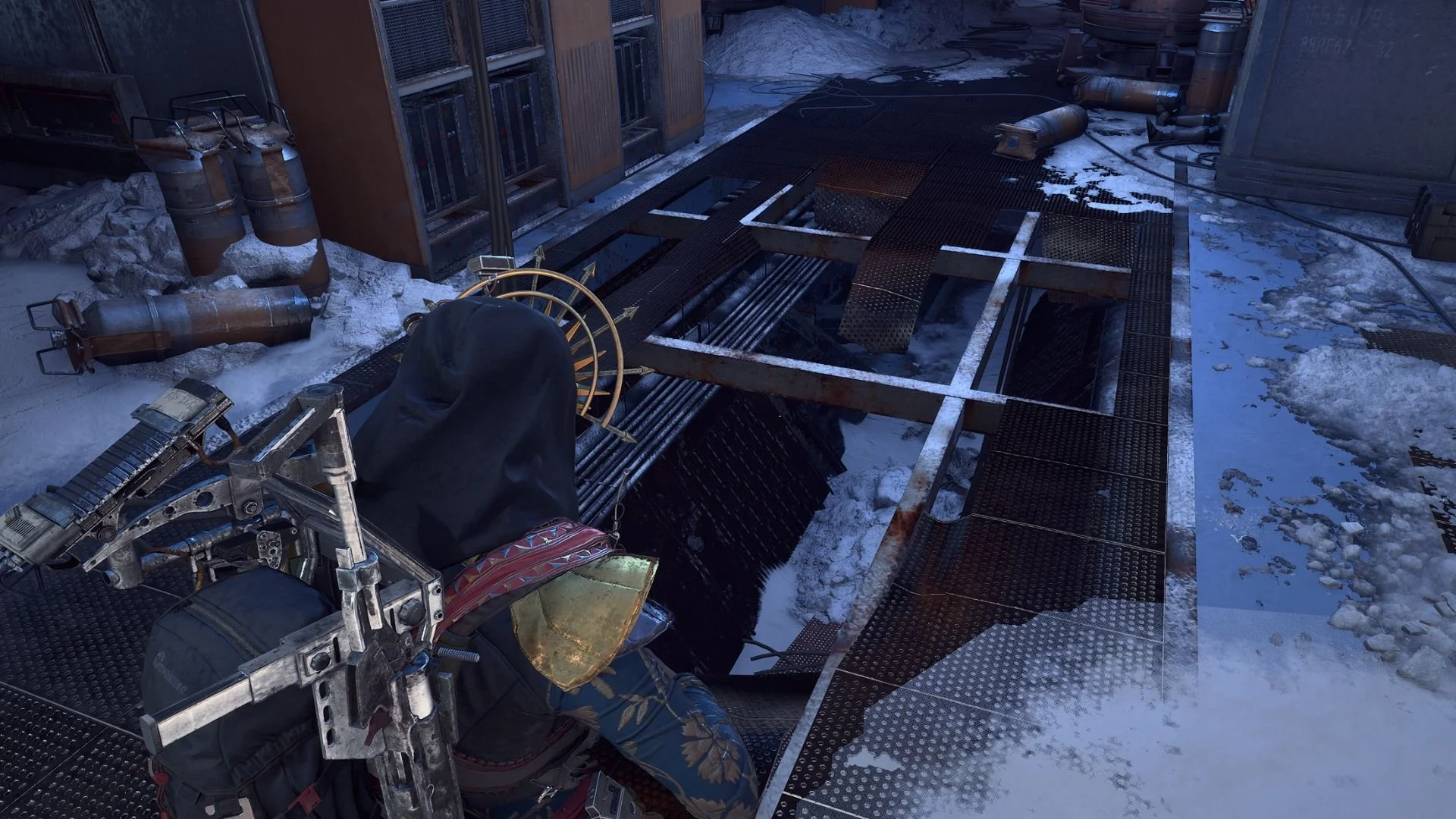
Frame rate is a good example because players notice it even without using technical language. A stable image feels trustworthy. Motion looks cleaner. Combat is easier to read. Racing lines are easier to follow. Camera movement stops fighting the eyes. None of this sounds dramatic on paper, but in practice it changes everything. A new release that runs well feels more confident. A release with stutter or uneven pacing feels less polished, even when the art direction and core mechanics are excellent.
Loading speed matters too. That used to be easier to ignore. Not anymore, not in gaming news. After years of faster storage and shorter transitions, long loading breaks the mood almost instantly. It interrupts curiosity. Instead of moving naturally from one part of the game to the next, the player gets pulled out of the experience and reminded that a machine is struggling in the background.
Good Visuals Need the Right Display to Land Properly
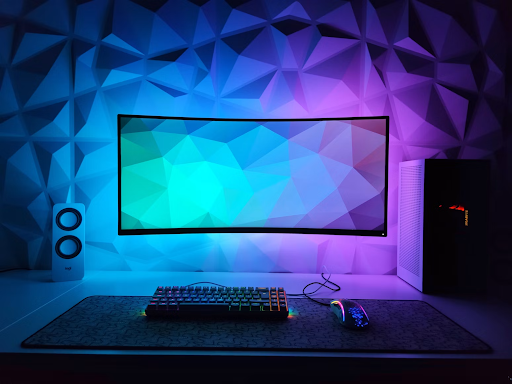
A lot gets said about graphics, sometimes too much, but displays do shape perception in a real way. A strong art team can build a beautiful world, yet the final impression still depends on how that world is shown.
A better screen does not only make things look prettier. It makes detail easier to notice. Lighting feels more deliberate. Colour contrast carries more emotion. Rain, fog, neon, reflections, distant mountains, indoor shadows, skin texture, all of that becomes more convincing when the display handles it properly. On a weaker screen, the same scene may still be technically impressive, but part of the atmosphere gets lost on arrival.
Early Details That Often Shape the Whole Impression
Short or long loading times
Smooth or uneven movement
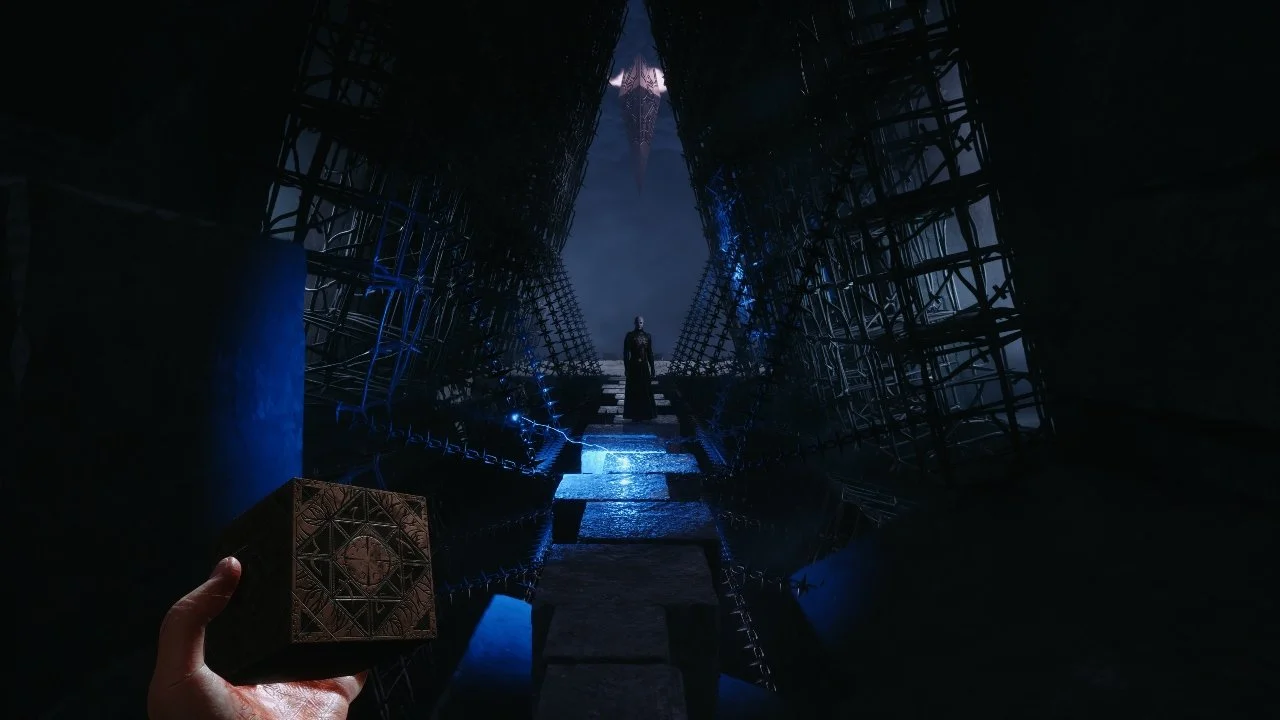
Clear shadows or muddy dark areas
Quiet operation or constant fan noise
Sharp controls or slight input delay
These seem like small things when listed one by one. Together, though, they decide whether a game feels polished or tiring.
Controls Are Not a Side Issue
Controls are where design becomes physical. That connection matters more than flashy specs.
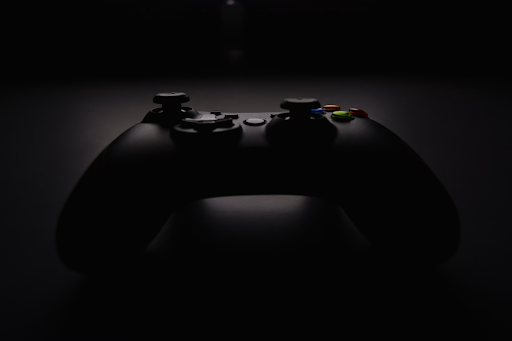
A comfortable controller, accurate mouse, responsive keyboard, or low-latency wireless setup can make a new release feel instantly better. Not easier, necessarily, but more natural. The game starts responding the way it should. Timing feels fair. Turning the camera no longer feels like pushing through syrup. Simple actions become reliable again.
That is especially true now because many new titles are built around movement. Dodging, aiming, parrying, drifting, switching tools quickly, navigating layered menus, scanning open worlds, all of it depends on hardware translating intention into action without getting in the way.
Comfort Quietly Decides How Long the Experience Stays Good
This part is less glamorous, but it matters. A setup can have impressive numbers and still be annoying to use.
If the hands get tired quickly, the room gets too warm, the chair becomes uncomfortable, or the system sounds like it is preparing for takeoff, the overall experience starts to wear down. That affects judgment. A player who feels physically irritated is less likely to stay patient with a new game. Small flaws become bigger. Long sessions stop being enjoyable. Even a strong release begins to feel like work.
Changes That Often Help More Than People Expect
Faster storage instead of an old hard drive
A more comfortable controller
A better headset
A display with lower input lag
Basic cleaning to reduce heat and noise
Not every useful upgrade is flashy. Often the smartest improvements are the least dramatic.
Hardware Does Not Replace Quality, but It Reveals It
A weak game will still be weak on expensive hardware. That part is simple. Better equipment cannot rescue bad writing, shallow systems, or repetitive design. Still, when a game is good, the right setup helps that quality come through with less friction.
That is the real point. Gaming hardware shapes how new releases are felt, not just how they are measured. It affects rhythm, comfort, mood, responsiveness, and immersion from the first moments onward. A title may be the same on paper, but in practice the experience can change a lot depending on what surrounds it.
The game may be the performance, but hardware is the stage, the lighting, and half the acoustics. Ignore that, and a lot of the picture stays incomplete.