There’s a lot more to consider than a nice trailer or a game that’s in a franchise when choosing a video game in 2026. Whether or not you’re able to play a game will depend almost entirely on how your computer can play it and how much time you’re willing to devote to it, as well as your skills as a gamer.
Players already have a lot of junk in their computer game folders - dll files, screenshots, cloud saves, mod files, patches, installation files like the 1xbet apk and launchers - that adding another game to that folder should be a conscious decision. Choosing a game for the reason that it is the most discounted on the store page would not be appropriate; it should be based on what type of game the player actually wants to play.
Start with the kind of session you want
A good PC game should fit real playing habits. Some players want one-hour sessions after work. Others want a world that can take over a weekend. That difference matters more than genre labels.
A large RPG may look impressive, but it can feel heavy if the player only has short evenings. A roguelike, racing game, strategy title, or co-op shooter may work better when time is limited. The best choice is not always the biggest game. It is the one that fits the way the player actually plays.
Before buying, check how the game is structured. Does it save often? Can a mission be finished in 20 minutes? Does it punish long breaks? Those details decide whether the game becomes a habit or another abandoned install.
Check the PC before the wishlist
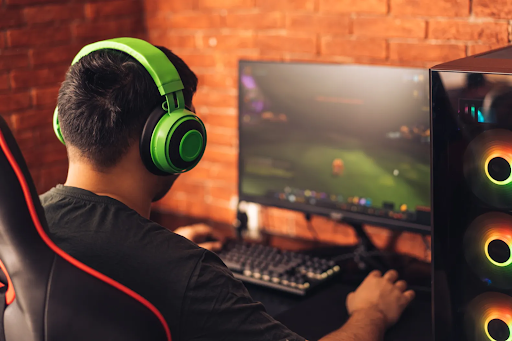
A beautiful game is not useful if it runs badly. Minimum requirements only show whether the game can start. Recommended requirements are more honest, but even they do not tell the whole story.
Look at the processor, graphics card, RAM, storage type, and target resolution. A game that runs well at 1080p may struggle at 1440p. A title with heavy ray tracing may need settings lowered even on a decent machine. Storage also matters. New PC games can take huge space, and slow drives can make loading feel painful.
The smart move is to read performance notes before buying. Steam reviews, tech channels, and user forums usually reveal problems faster than official pages.
Let the genre match your mood
Genre should not be chosen by trend. It should match the kind of attention the player wants to give.
Action games suit players who want quick response and movement. Strategy games need patience and planning. Survival games work best for people who enjoy slow progress and risk. Story games need focus. Competitive shooters demand regular practice, fast reactions, and tolerance for losing.
A player who is already tired may not enjoy a punishing game, even if the reviews are strong. A calm story title can be a better choice than a difficult open-world grind. Taste matters, but timing matters too.
Use reviews carefully
Reviews help, but they should be read with a filter. A score can hide the reasons behind it. One player may dislike a game because it is slow. Another may love it for the same reason.
Look for comments about pacing, controls, bugs, difficulty, story quality, and PC performance. Those details are more useful than a single rating. Also check the date of the review. A game that launched badly may improve after patches. Another title may get worse if updates add problems or remove balance.
User reviews are especially useful when they mention hardware. A player with a similar PC can offer a more practical warning than a polished review on high-end equipment.
Try before buying when possible
Demos, free weekends, trials, and refund windows are useful tools. They reduce guesswork. A game can look perfect in a trailer and still feel wrong after ten minutes with the controls.
Use the first session to test basics. Movement should feel comfortable. Menus should make sense. The game should explain itself without forcing the player to study outside guides immediately. If the first hour feels like work, the next ten may not fix it.
For expensive releases, waiting is often smarter. A few weeks can reveal patch quality, real performance, and whether the player base stays active.
Think about long-term value
A PC game does not need endless content to be worth buying. A short, sharp game can be better than a huge title padded with repetition. Value comes from satisfaction, not only playtime.
Mod support, strong replay value, co-op modes, difficulty options, and regular updates can extend a game’s life. Still, the core experience should already be good. Extra content cannot save a boring first impression.