A payment can cost more than it first appears. Many users notice the deposit amount but miss extra charges added during payment or withdrawal. Losing money to hidden fees is frustrating — especially when you never agreed to them. Knowing where these fees appear helps you keep more of your money and avoid expensive surprises.
Hidden Costs Start Before Your Deposit
Many users expect a €100 deposit to cost exactly €100. That does not always happen. Payment processors often add a currency conversion markup before the money reaches the casino. A €100 deposit can cost €102 or €103. The trusted international casino sites still credit only €100 because it never receives the extra amount.
Hence, the missing money stays with the payment provider instead of reaching your account. These costs may seem small — yet they grow over time. Deposit several times each month and those extra euros quickly become noticeable. Many users only discover the difference after checking their bank statement.
Currency Conversion Is Often the Biggest Cost
Visa and Mastercard usually use exchange rates close to the market rate. Your bank may then add a foreign exchange markup of 2% to 3%. Some payment processors also include their own fee. The final cost often reaches 3% or even 5%.
For example, you choose to deposit €100. Your card statement later shows €102.40. The casino balance still shows only €100. That extra €2.40 never becomes part of your account. You can avoid many of these charges when depositing to play games or browse online casinos with the Crab Bonus on SlotsUp if you choose the correct payment currency.
Watch Out for Dynamic Currency Conversion
The payment screen asks if you want to pay in your own currency instead of the casino currency. That option feels simple, yet it often costs much more. As Bankrate explains, dynamic currency conversion typically adds a 3-6% markup over the real exchange rate — even though it looks convenient at checkout. The extra charge stays hidden inside the final amount.
How do you avoid it? Choose the casino's native currency whenever possible. Let your card provider handle the exchange instead. Banks often offer a much better rate than DCC services.
Foreign Transaction Fees Can Still Apply
Matching currencies does not always remove every fee. Many banks charge foreign transaction fees of 2% to 3% because the merchant operates in another country. The payment currency may stay the same, yet the bank still adds the charge.
Premium travel credit cards often remove foreign transaction fees. Standard debit cards usually do not. Checking your card agreement before making an international payment only takes a few minutes.
E-Wallet Fees Can Cost Twice
Many users choose Skrill or Neteller because payments move quickly. An e-wallet may charge a withdrawal fee first. After that, it often applies its own currency conversion markup. Those two charges work together and reduce the amount you finally receive.
For example, you withdraw €500. The wallet deducts a withdrawal fee. Then it converts the remaining balance into another currency using its own exchange rate. You receive less than expected.
Crypto Can Reduce Exchange Costs
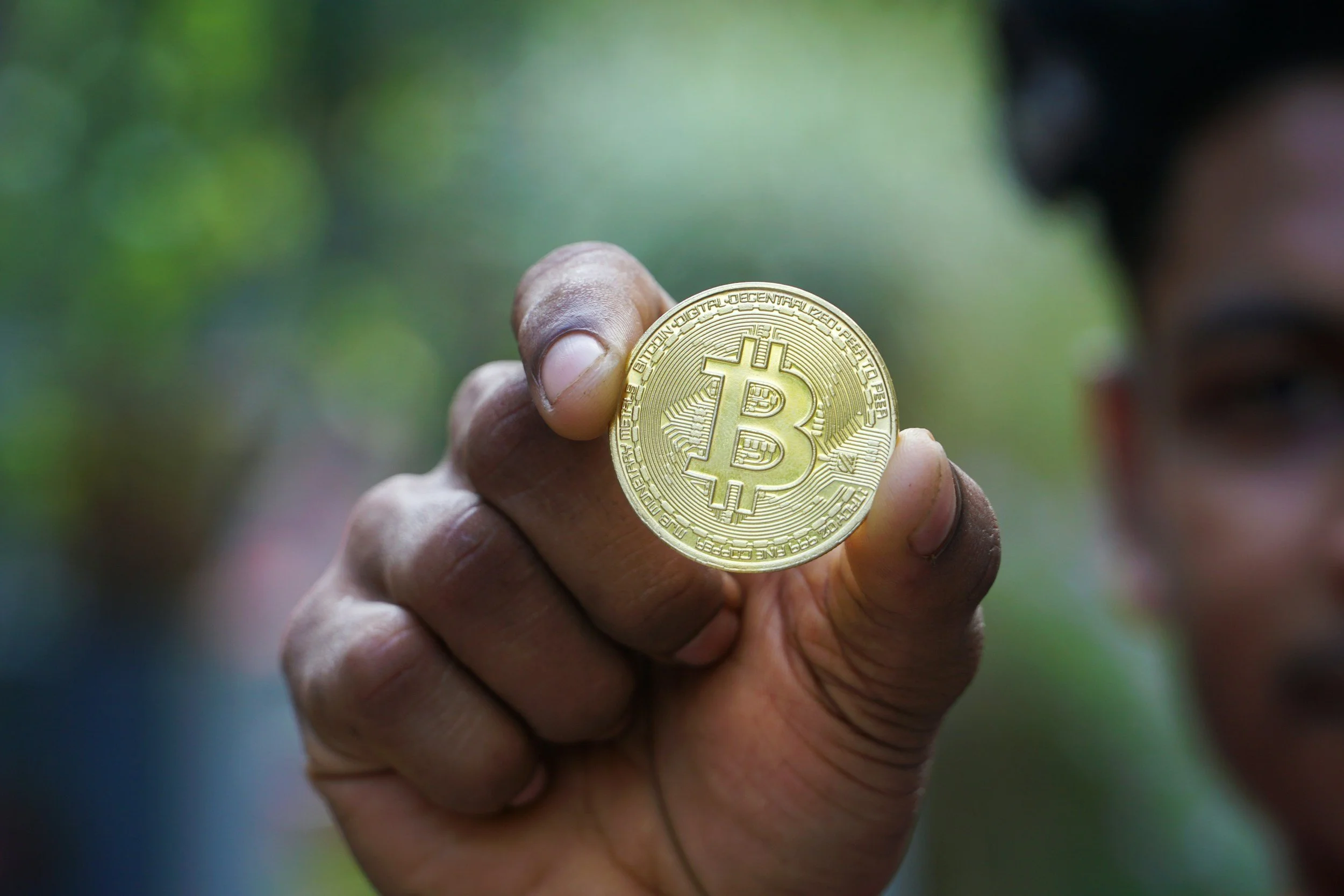
Some international online casinos accept cryptocurrencies such as Bitcoin, Litecoin, or USDT. Crypto payments avoid traditional foreign exchange markups because banks do not process the conversion.
Nevertheless, blockchain networks charge transaction fees. Those fees usually stay much lower than repeated currency conversion charges from banks or payment processors.
Simple Ways to Avoid Extra Charges
A few careful choices protect your balance better than most people expect. None of these steps take much time. Together they can save a surprising amount over a year. Don't forget to:
Read the payment fee section in the Terms and Conditions.
Check your bank's foreign transaction fees.
Choose the casino's native currency instead of your own.
Decline Dynamic Currency Conversion every time.
Compare payment methods before making a deposit.
Check your bank statement after each international payment.
Final Thoughts
Hidden fees rarely appear in large letters. They usually hide inside exchange rates, bank charges, payment processor markups, or e-wallet pricing. Hence, spending a few minutes checking payment costs makes good financial sense.
Before making a deposit, always check the fee schedule in the Terms and Conditions. Use the casino's native currency instead of your own to avoid unnecessary conversion markups. Decline Dynamic Currency Conversion whenever it appears. If you already understand digital wallets, consider using cryptocurrency to skip foreign exchange fees entirely.
These simple habits help you avoid losing 1% to 5% on every payment — and they keep more of your money where it belongs.