Spellslinger decks usually ask you to make room for a lot of instants and sorceries. Codie, Ravenous Codex takes a different approach. With preparation creatures, you can build a creature-heavy board while keeping a collection of spells available to draw cards, remove threats, and support your next play.
For my version, I wanted to bring together prepared creatures from across all five colors, then make their spells worth casting more than once. Codie copies those prepared spells and can prepare your creatures again, giving the deck a way to keep using the resources already on the battlefield.
It is a fun combination of creature development and spell sequencing. Your creatures can attack and block, but they also represent another spell waiting to be used. Once the mana and copying effects come together, a board that looked fairly ordinary can produce a very productive turn.
Commander Overview
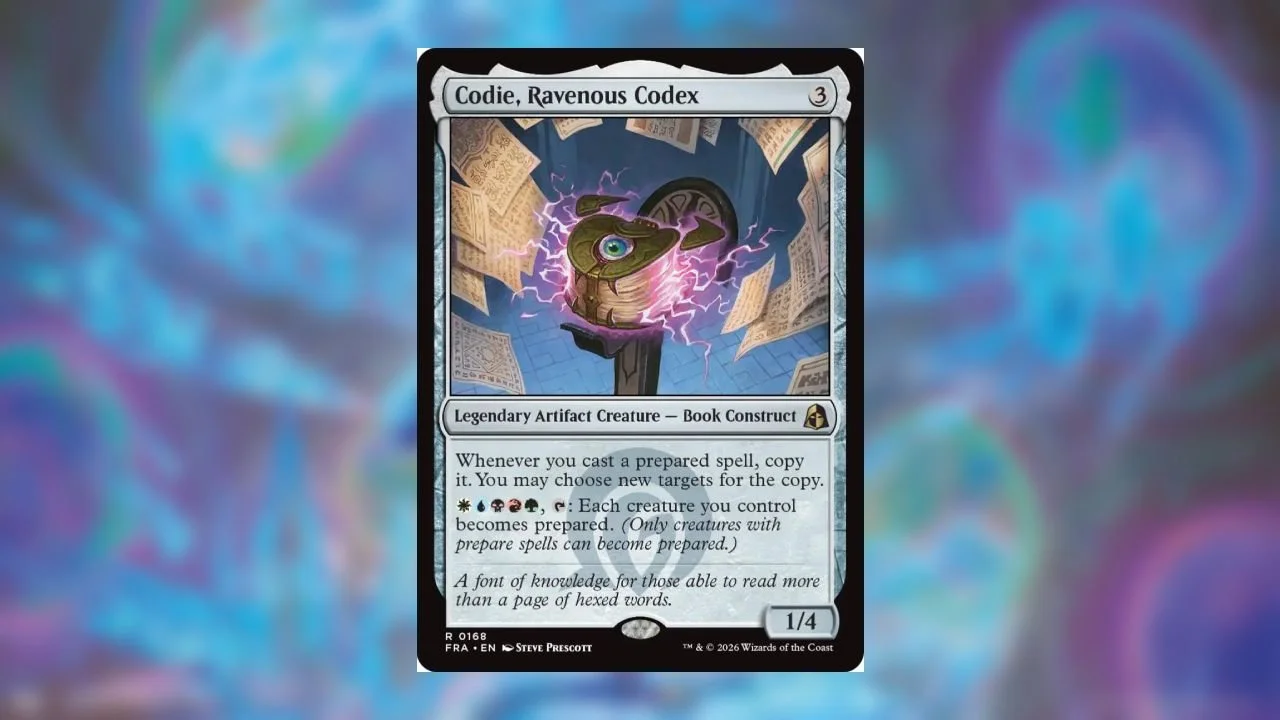
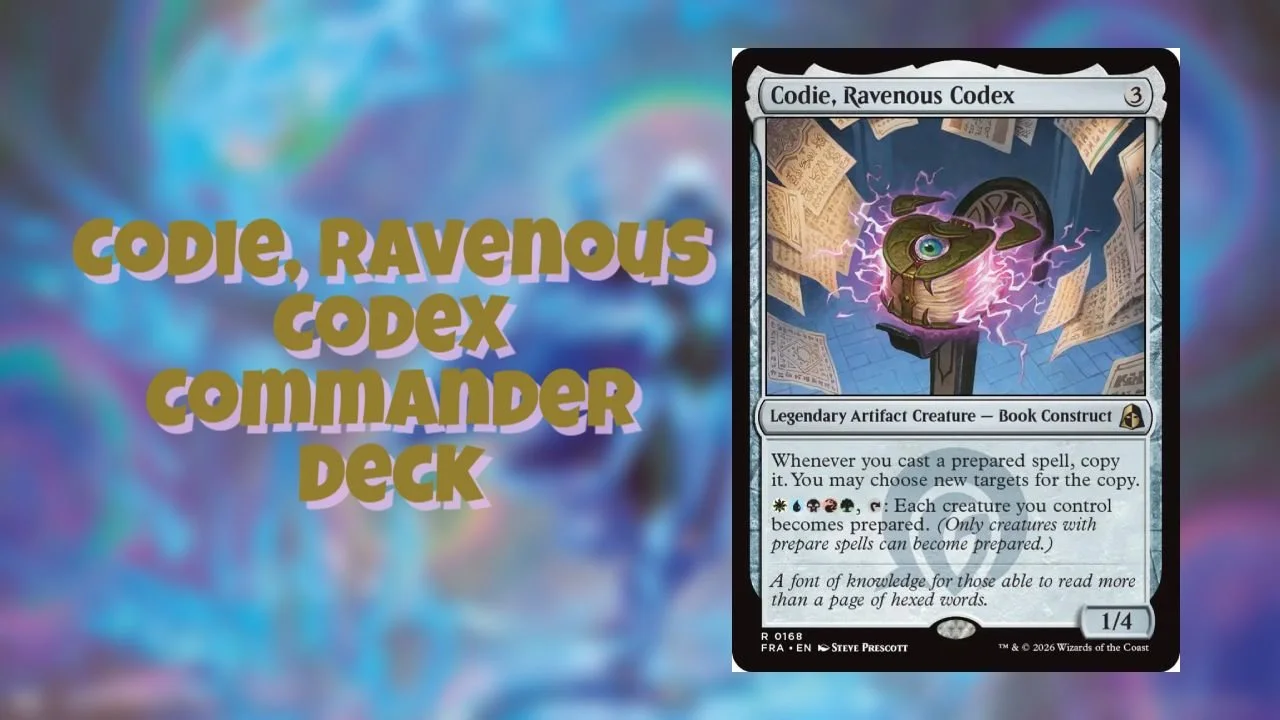
Codie, Ravenous Codex is a three-mana 1/4 legendary artifact creature. Whenever you cast a prepared spell, Codie copies it and lets you choose new targets for the copy. His activated ability costs one mana of each color and requires tapping him, then makes each creature you control become prepared.
Although Codie's casting cost is colorless, those five colored mana symbols give him a five-color identity. Casting the commander is relatively easy; activating him requires your mana base to do more work.
Preparation does not give an ordinary creature a spell it never had. A creature needs a prepare spell to become prepared, and a creature that is already prepared cannot store additional uses by being prepared again. You get the most from Codie's activation after several of your preparation creatures have used their spells.
You still pay to cast prepared spells and follow their normal timing restrictions. Casting one unprepares its creature without sacrificing it, leaving the body on the battlefield. Codie then adds a copy on the stack, giving you more effect from that one spell payment.
Main Deck Strategy
This deck connects three priorities: fix your mana, develop creatures with useful prepared spells, and multiply those spells while keeping the board available for later turns. Your strongest plays should improve more than one of those things at once.
Establish All Five Colors
Codie can copy a prepared spell without activating his ability first, so you do not need all five colors before the deck does anything. You do need them to start preparing the whole board again, and your creatures ask for a wide range of colors themselves.
Cultivate, Farseek, Arcane Signet, and Fellwar Stone help establish your early resources. Chromatic Lantern makes the lands you already control more flexible, while Jegantha, the Wellspring and Timeless Lotus can eventually supply all five colors from one permanent.
There is a difference between having enough total mana and having the right mana. Five Islands do not pay for Codie's activation. Try to develop access to missing colors rather than simply playing whichever land gives you the largest number of available sources.
You also need mana left after preparing the board. Paying five to prepare several creatures is useful, but you still need to pay for their spells afterward. Sometimes it is better to use a creature's own preparation condition and save the commander activation for a later turn.
Build Creatures With Spells You Want To Reuse
Prepared creatures let you develop the battlefield without giving up access to interaction or card advantage. Some enter prepared, while others need a particular event before their spell becomes available.
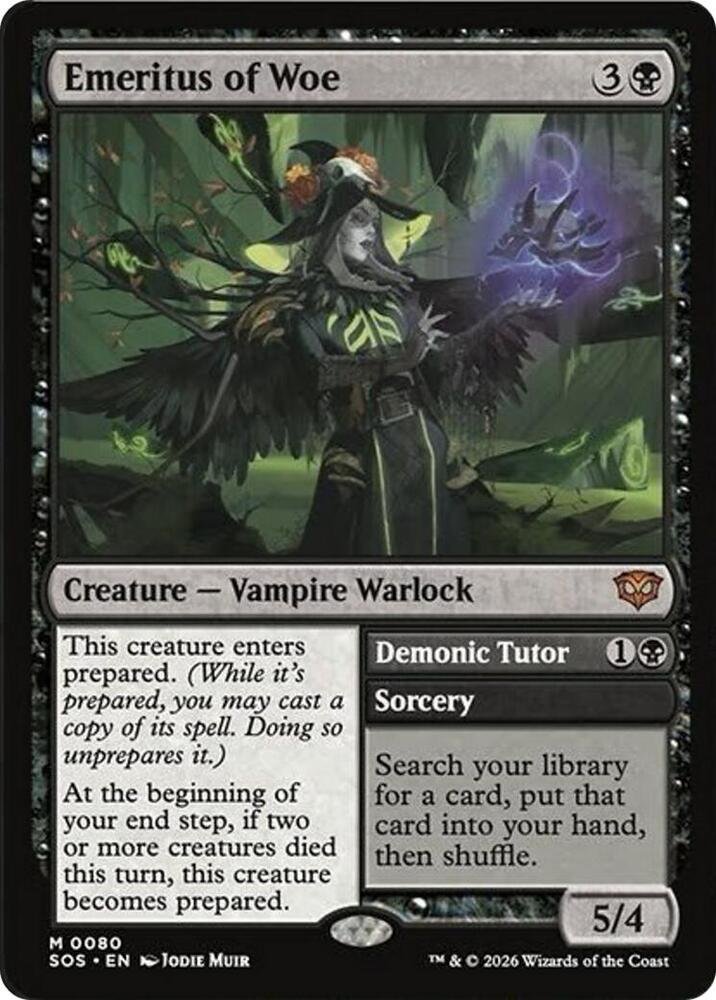
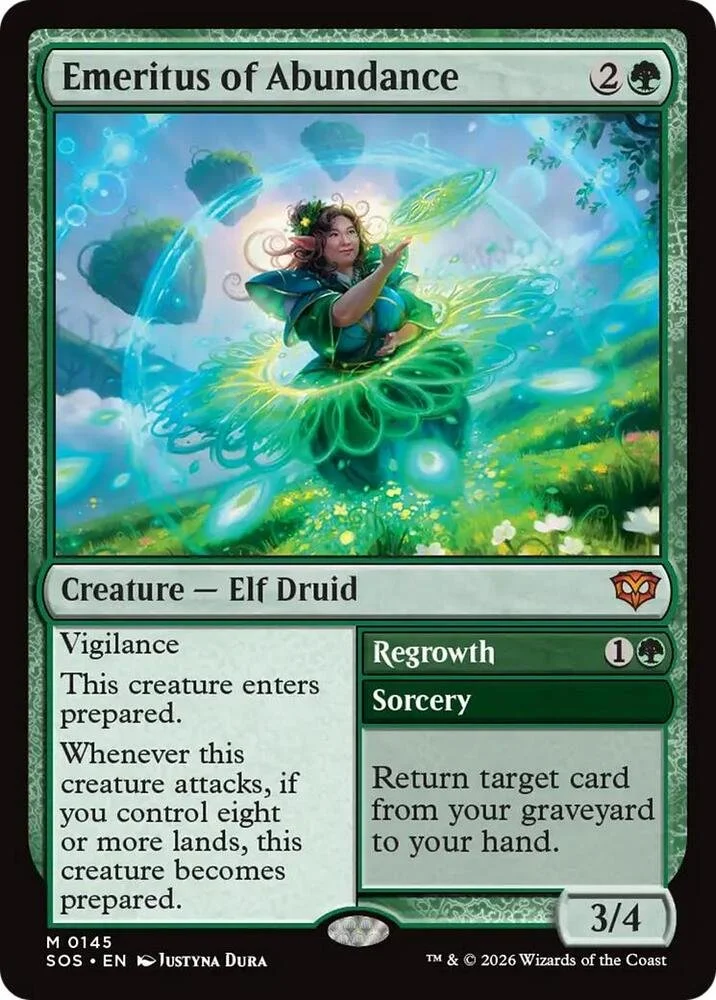
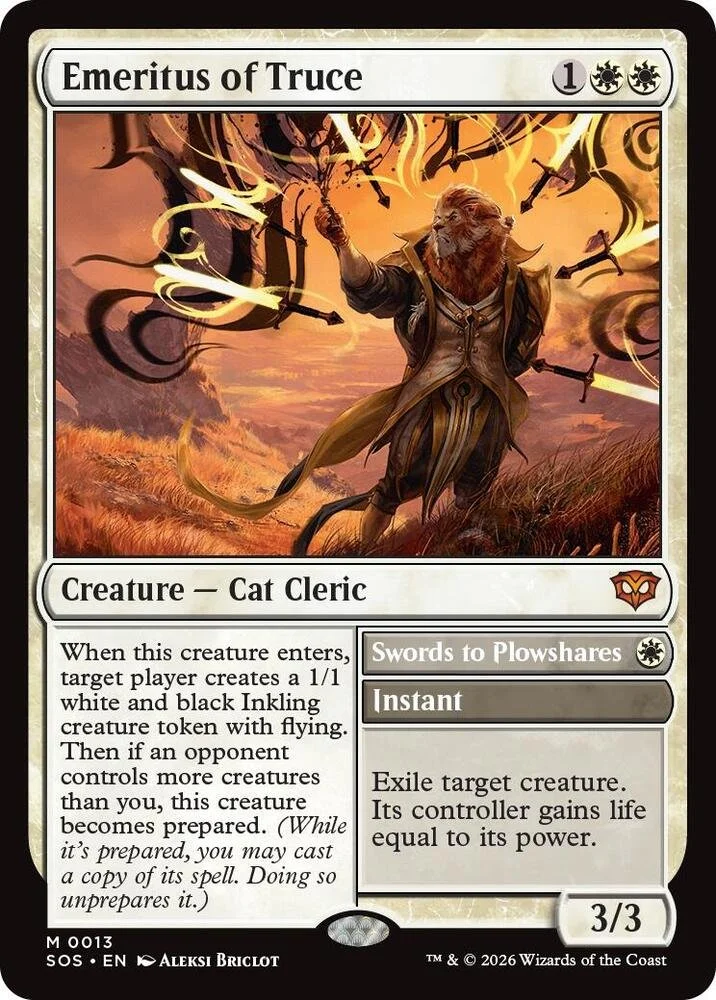
The Emeritus cycle provides some of the clearest payoffs. Emeritus of Ideation supplies Ancestral Recall, Emeritus of Woe supplies Demonic Tutor, and Emeritus of Abundance supplies Regrowth. Those are already useful effects before Codie adds a copy.
You also have lower-cost creatures that help get the engine moving. Goblin Glasswright provides a Treasure-producing spell, Diviner of Victory supplies interaction through Unwind History, and Konstrari Improviser gives you access to a Heartwood-producing spell. These smaller plays help you develop instead of waiting for one expensive turn.
Your creatures remain relevant after their spells are used. They can attack, block, or wait to become prepared again. That is the appeal of this build: the battlefield is both your army and a collection of potential future spells.
Copy Prepared Spells And Prepare Again
Codie's triggered ability is the first copying effect, and Twinning Staff and Thousand-Year Storm can increase the output further. The right copied spell can provide enough cards, mana, or removal to make the next play easier.
Once several creatures are unprepared, Codie's activation becomes a substantial refill. It can be more efficient than repeatedly paying to prepare one creature at a time. Hexhaven Dueling Arena provides another option when you only need one particular spell back.
Keep track of which creatures are prepared. A die or clear marker helps prevent accidentally casting a spell twice without preparing its creature again. It also makes it easier to see whether a full-board Codie activation is worth the mana.
You do not need to spend every prepared spell as soon as it becomes available. Keeping removal ready can matter more than adding one more spell to your turn. Use the copying engine to make useful plays stronger, rather than casting something without a worthwhile purpose simply to raise a count.
Best cards for a Codie, Ravenous Codex commander deck
The best cards for this deck fall into three main categories: prepared creatures, mana and preparation support, and payoffs for casting or copying spells. You want useful spells attached to bodies, enough resources to keep those spells available, and rewards that make each round of casting more productive.
Best Prepared Creatures
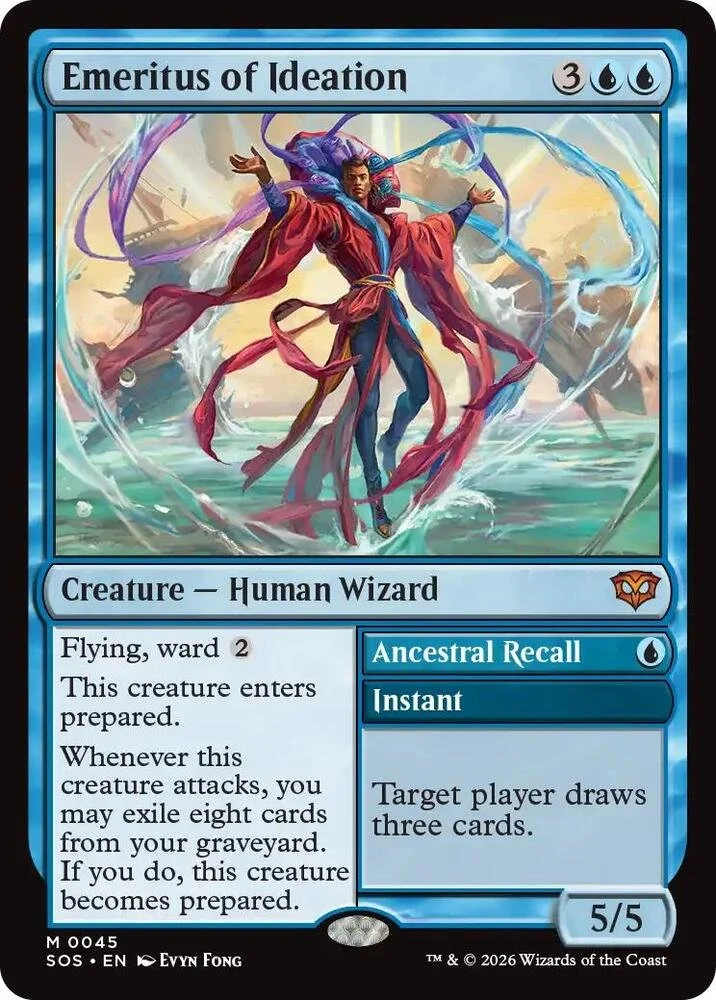

Emeritus of Ideation: Enters prepared with access to Ancestral Recall. With Codie available, one blue mana can produce the original draw-three spell and another copy, letting you draw six cards if both target you and resolve normally. Codie can prepare the creature again without requiring you to meet its attack-based graveyard-exile condition.
Emeritus of Woe: Enters prepared with Demonic Tutor, letting you search for the card your current position needs. Codie's copy can turn one cast into two searches. The creature also has its own preparation condition involving two creatures dying before your end step, providing another way to keep it useful.
Emeritus of Abundance: Combines a vigilance body with access to Regrowth. Copying the spell can recover two different cards from your graveyard, helping rebuild after removal or return an important support card. Choose different targets when you want both resolutions to return a card.
Emeritus of Truce: Gives a player an Inkling token when it enters and becomes prepared if an opponent then controls more creatures than you. Its prepared Swords to Plowshares is efficient removal, and Codie can prepare it later even if its original condition was not met. Copying Swords lets you answer separate creatures, with the normal life gain for their controllers.
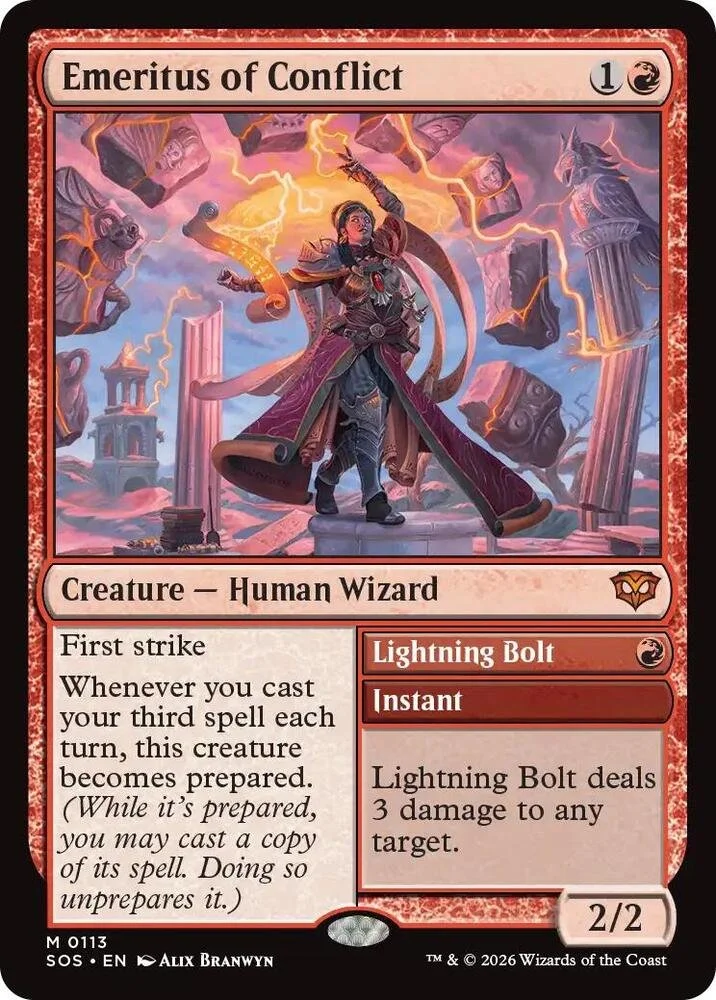
Emeritus of Conflict: Supplies Lightning Bolt as its prepared spell, but does not enter prepared by default. It prepares when you cast your third spell in a turn, or through an outside preparation effect such as Codie. Extra copies deal additional damage, but the copies are not additional casts toward its third-spell condition.
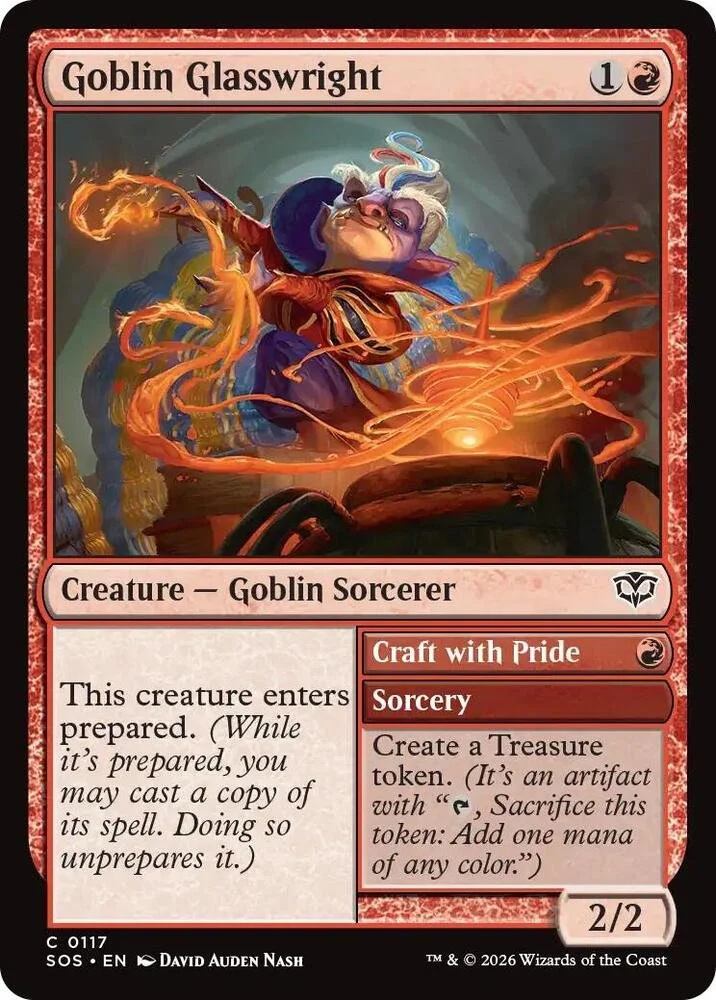
Goblin Glasswright: Enters prepared with Craft with Pride, a one-mana sorcery that creates a Treasure. Codie copying it gives you two Treasures from one cast, helping convert the creature package into resources for later plays.
Tam, Observant Sequencer: Becomes prepared when a land enters under your control. That gives you a way to refresh access to Deep Sight through normal land development. If Tam is already prepared, another land does not bank an extra spell, so consider casting the available sorcery before making the next land drop when appropriate.
Best Mana And Preparation Support
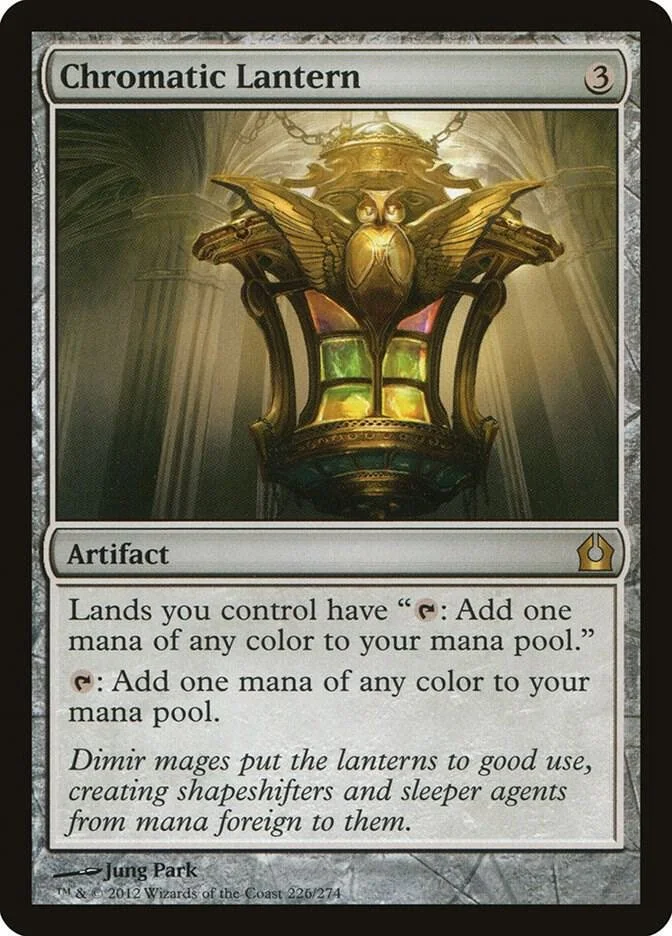
Chromatic Lantern: Provides mana itself and lets your lands tap for any color. That is valuable when the deck needs both the five-color commander activation and several different spell costs during the same turn.
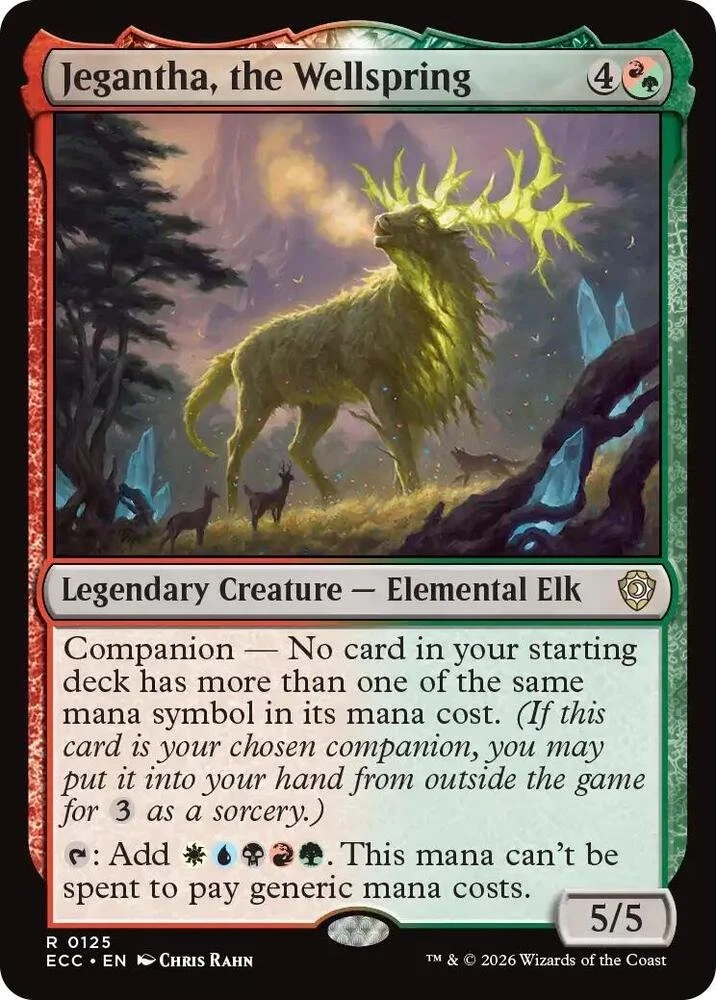
Jegantha, the Wellspring: Can tap for one mana of each color, enough to pay Codie's preparation activation. Its restriction on paying generic costs matters for other uses of the mana. Jegantha is in the 99 here, so its companion deck-building restriction does not apply to this list.
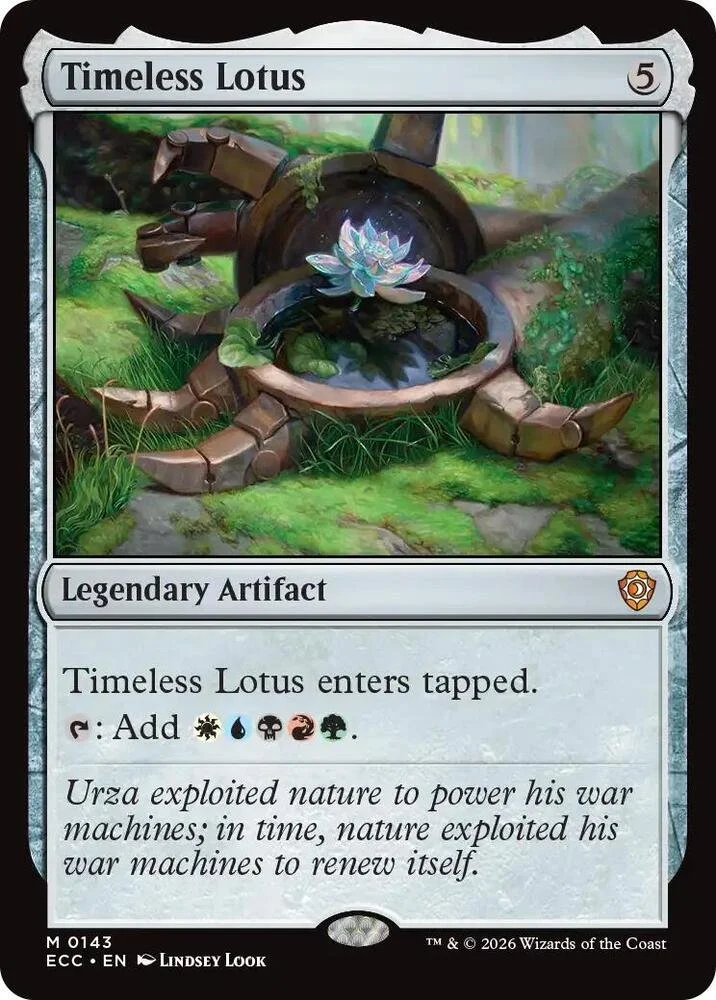
Timeless Lotus: Produces all five colors with one activation once it is untapped. Entering tapped makes it a slower investment, but it can fund Codie's activated ability or help cover several prepared spell costs on a later turn.
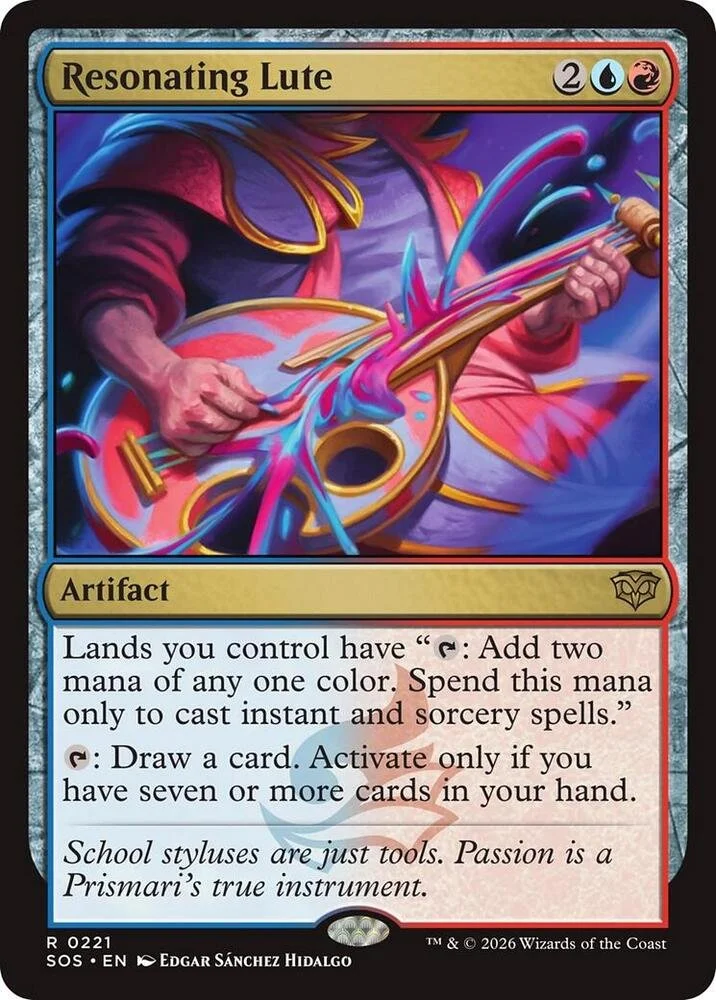
Resonating Lute: Gives your lands an ability that produces two mana of one color for casting instants and sorceries. That can help pay for prepared spells because they are instant or sorcery spells when cast. Mana produced by that granted ability cannot pay for your creatures or Codie's activated ability, so it supports the spell half of the turn rather than every expense.
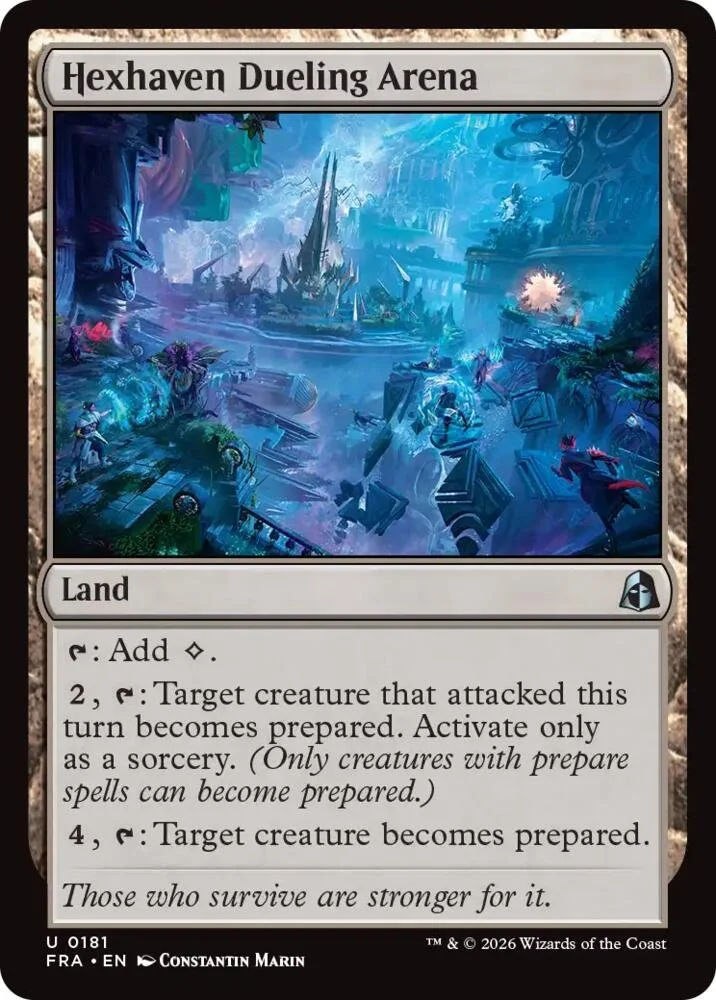
Hexhaven Dueling Arena: Can prepare a creature that attacked that turn through its cheaper, sorcery-speed ability, or prepare a creature through its more expensive ability. It gives you access to an important spell without needing to refresh the whole board. Creatures without prepare spells still cannot become prepared.
Best Spell Payoffs And Copy Support

Vega, the Watcher: Draws a card whenever you cast a spell from somewhere other than your hand. Prepared spells are cast from exile, so they trigger Vega. The additional copies Codie puts directly on the stack do not trigger it again.
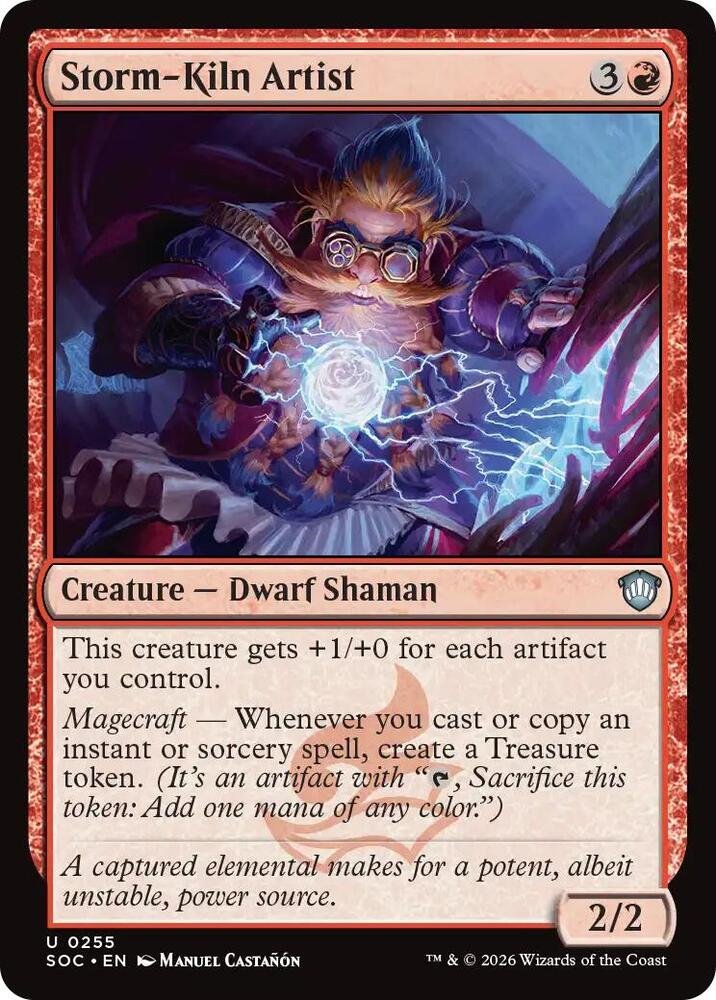
Storm-Kiln Artist: Creates a Treasure whenever you cast or copy an instant or sorcery. It rewards both the initial prepared cast and Codie's copied spell, helping fund the next play. With more copying effects available, it can produce substantially more mana resources during a spell sequence.
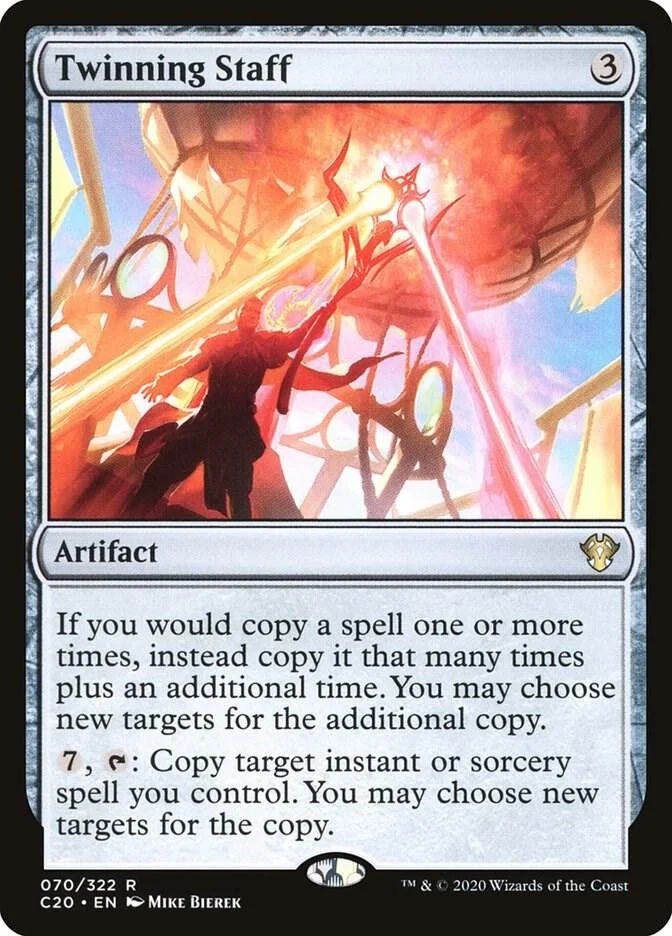
Twinning Staff: Adds another copy when an effect would copy a spell one or more times. With Codie, that normally means two extra copies alongside the prepared spell you cast. It also has an activated copying ability for turns when you have additional mana available.
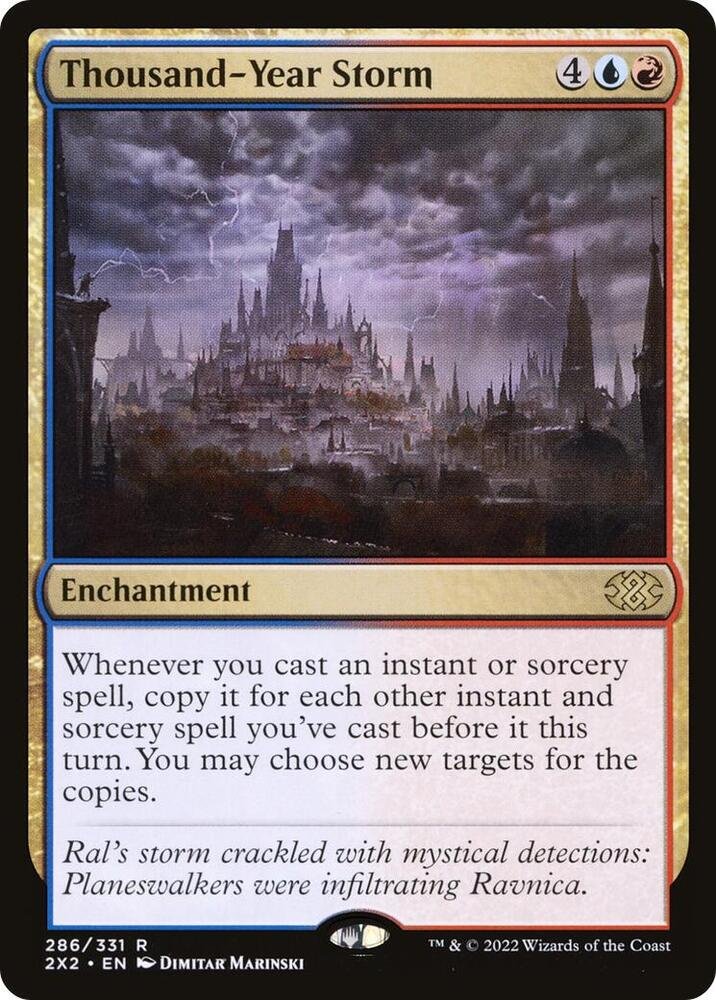
Thousand-Year Storm: Copies an instant or sorcery for each other instant or sorcery you cast earlier that turn. Prepared spell casts contribute to that count, while creature casts and uncast spell copies do not. It is a powerful later-game engine when you already have the mana and prepared creatures to cast several spells.
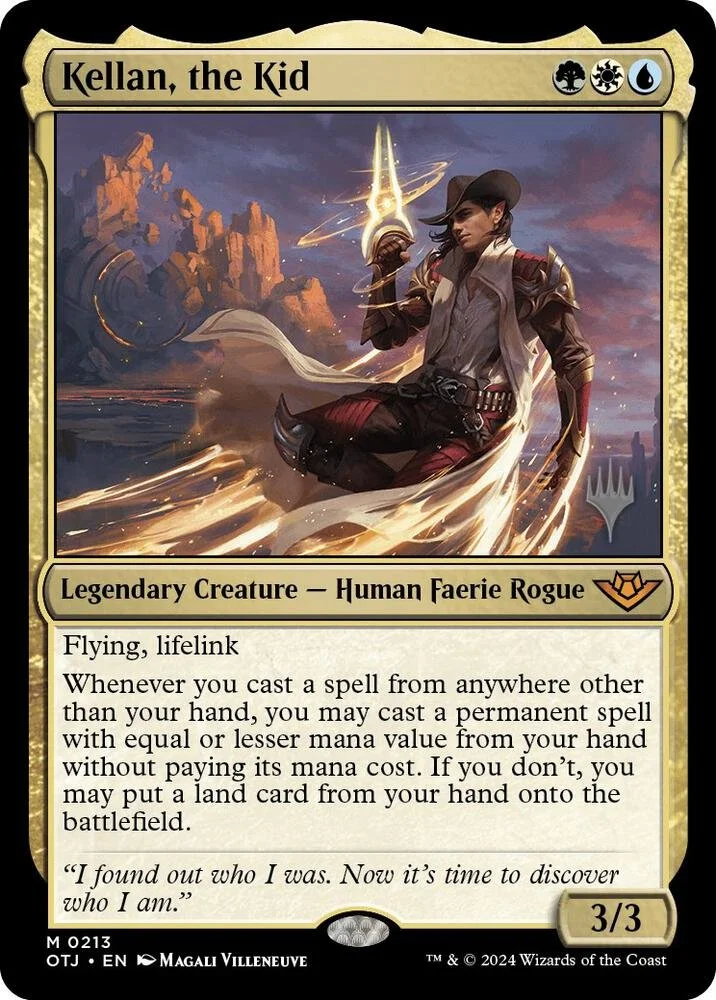
Kellan, the Kid: Rewards a spell cast outside your hand with the option to cast a permanent of equal or lesser mana value from your hand for free, or put a land from your hand onto the battlefield if you do not. Prepared spells can trigger it, but their own mana values set the limit. A one-mana prepared spell does not let you cast its five-mana creature card for free.
Budget options for a Codie, Ravenous Codex commander deck
Start with reliable mana and a range of inexpensive preparation creatures. The deck needs to function before it finds a premium Emeritus or a large copying engine, and the commander makes even modest prepared spells more useful.
Goblin Glasswright, Diviner of Victory, Konstrari Improviser, Pompous Battlemage, and your other smaller preparation creatures give you a foundation to build around. Some prepare spells create resources, some help with selection, and others provide interaction. Choose a useful mix rather than filling every slot with the same effect.
Arcane Signet, Fellwar Stone, Cultivate, and your basic lands help establish the five-color plan. When adjusting the mana base, keep enough green sources to cast your ramp and enough access to the other colors to use the spells you draw. A hand with several powerful cards can still struggle if all its lands supply the wrong colors.
The Emeritus cycle offers strong upgrades within the main list, but available printings and prices may affect which ones you prioritize. If you need to reduce the cost, retain enough actual card draw and removal among the replacement creatures instead of only choosing the cheapest available bodies.
Codie already copies prepared spells, so additional copying cards can come after the foundation. You will get more from a functional board and enough mana to cast its spells than from an expensive enchantment waiting beside creatures you cannot afford to prepare.
Higher Power/Budget options for a Codie, Ravenous Codex commander deck
The three cards in my sideboard are optional upgrades to swap into the 99. Commander does not normally use a traditional sideboard, so choose the additions that address the resource or finishing problems you actually encounter.
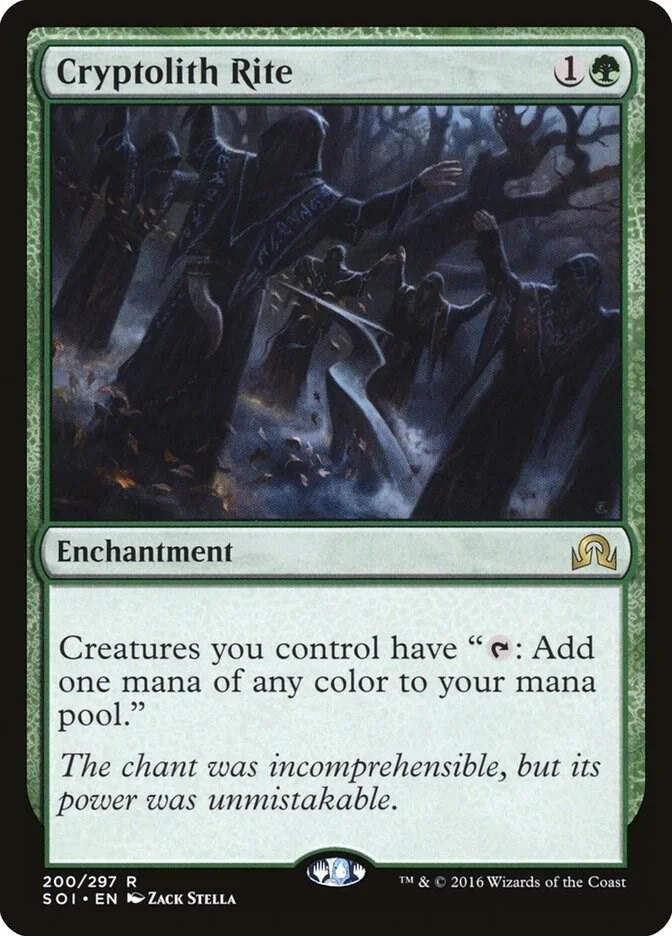
Cryptolith Rite: Gives all your creatures the ability to tap for one mana of any color. That lets a creature-heavy board help fund Codie's activation or pay for prepared spells. Newly controlled creatures need haste before using that tap ability, and tapping attackers for mana means they may not be available for combat.
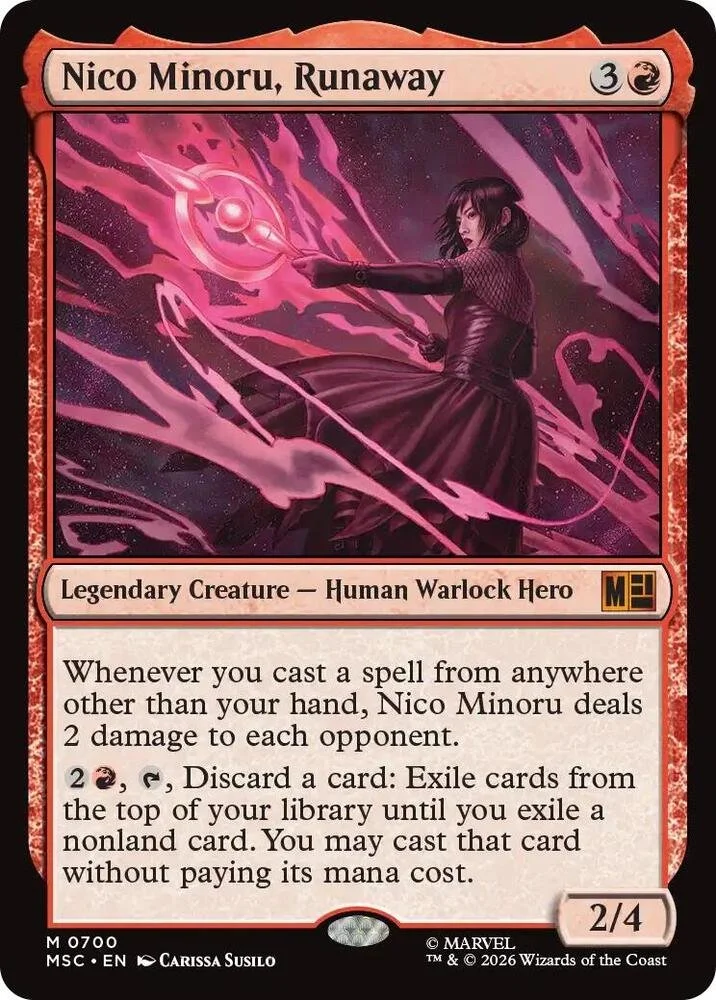
Nico Minoru, Runaway: Deals two damage to each opponent whenever you cast a spell outside your hand. Prepared spells naturally enable that trigger, giving the deck a way to turn repeated casts into table-wide damage. Codie's uncast copies do not trigger Nico again, but her own activated ability provides another way to cast a spell from exile.
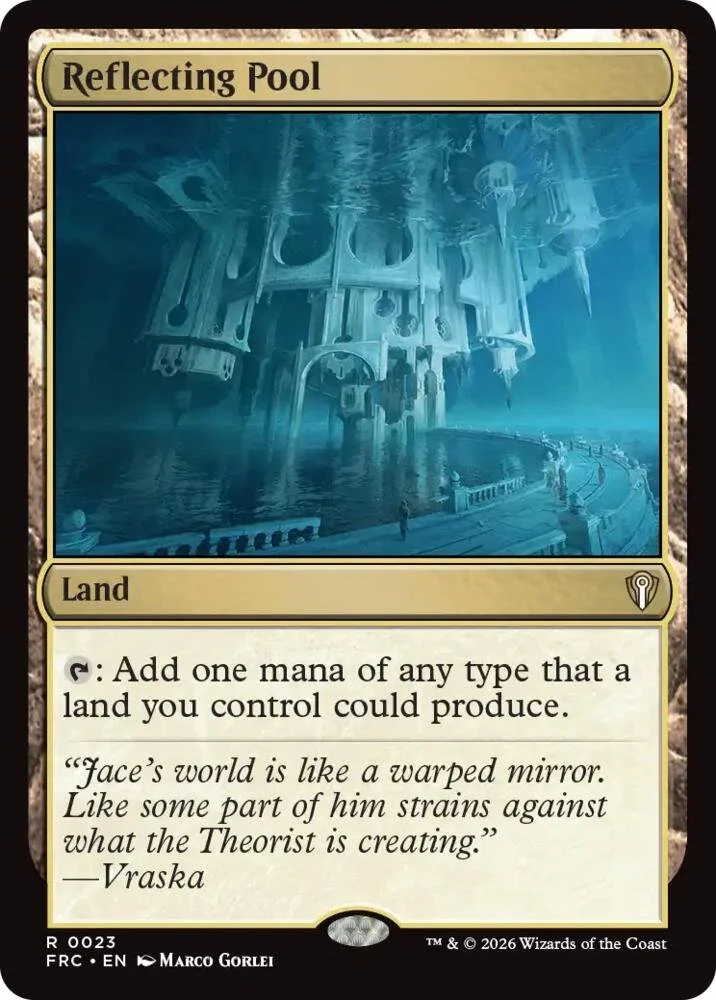
Reflecting Pool: Produces a type of mana that a land you control could produce. Alongside the right fixing lands, it helps access missing colors for a complicated turn. It still depends on your other lands rather than independently supplying all five colors in every opening hand.
Mistakes to avoid when building a Codie, Ravenous Codex commander deck
Avoid treating every creature as a preparation target. Codie cannot give an ordinary creature a spell, and creatures that are already prepared cannot accumulate extra uses. Your support creatures need to justify their places through mana, cards, or another meaningful payoff.
Be careful with effects that only find instant or sorcery cards in your library or graveyard. Preparation cards are creature cards in those zones. Sanar's Wild Idea and the older Codie's ability can access your actual spell cards, but they do not search through all the prepared spells represented by your creatures.
Tazri, Stalwart Survivor has a related limitation. Preparation itself is not an activated ability, and casting a prepared spell is not activating an ability of its creature. Tazri's restricted mana cannot pay for those spells, and many preparation creatures do not qualify for her other-activated-ability requirement or her creature-card recovery ability. She can support genuine creature abilities, including Codie's, but should not be evaluated as a second Cryptolith Rite.
Do not assume copying a spell also casts it. That distinction affects Vega, Nico, Kellan, Emeritus of Conflict, and Thousand-Year Storm's count. The prepared spell is cast; the additional copies created directly on the stack are not.
Finally, avoid committing your entire hand to the battlefield without keeping resources available. A creature sweeper can remove both your attackers and the prepared spells waiting on those creatures. If a prepared spell is already on the stack, removing its creature does not erase that spell, but losing the creature before you cast its waiting spell removes that access.
How This Deck Wins
This deck wins by turning its creatures into repeatable resources while still using them to pressure opponents. Copied removal clears the way, copied draw keeps your hand supplied, and repeated preparation lets the same developed board contribute across several turns.
Combat is the straightforward finish. You are building a creature-heavy battlefield, so use it. You do not need to wait until every engine is assembled before attacking an opponent who has left an opening. Your prepared spells can help remove blockers while the creatures remain available to deal damage.
Emeritus of Conflict provides another kind of reach. A copied Lightning Bolt can answer small creatures or finish a weakened player, and additional copying effects can increase that output on a developed turn. It still needs enough damage and enough casts to finish the game; one copied Bolt is not automatically a win against three opponents at 40 life.
With Nico Minoru added, each prepared spell cast also damages every opponent. That offers a more direct payoff for repeatedly preparing and casting from exile while your creatures continue to attack.
The most productive turns connect all of those actions. Draw cards to find your next play, use removal to protect the board or open an attack, generate mana from your support cards, and prepare again when the refill will be useful. Codie rewards building an engine, but the goal is to turn that advantage into a finish.
Decklist
This is my main list, with the optional higher-budget cards listed separately in the sideboard.
Example decklist available here: Codie Prepared Spells
Final Thoughts
Codie, Ravenous Codex makes a creature-heavy spellslinger deck feel like a natural combination. You get to develop an army while keeping useful spells available, and Codie makes those spells more productive while helping you prepare for another round.
What I like about this version is how much work your battlefield can do. A creature can help pressure an opponent, supply a removal spell or a refill, and then become prepared again for later. The five-color mana takes some planning, but the payoff is a board full of options. Check out my best Reality Fracture commanders guide for more deck-building ideas from this set.
If you need some clean new accessories to go with your new commander deck, check out Gamegenic’s Reality Fracture line up!