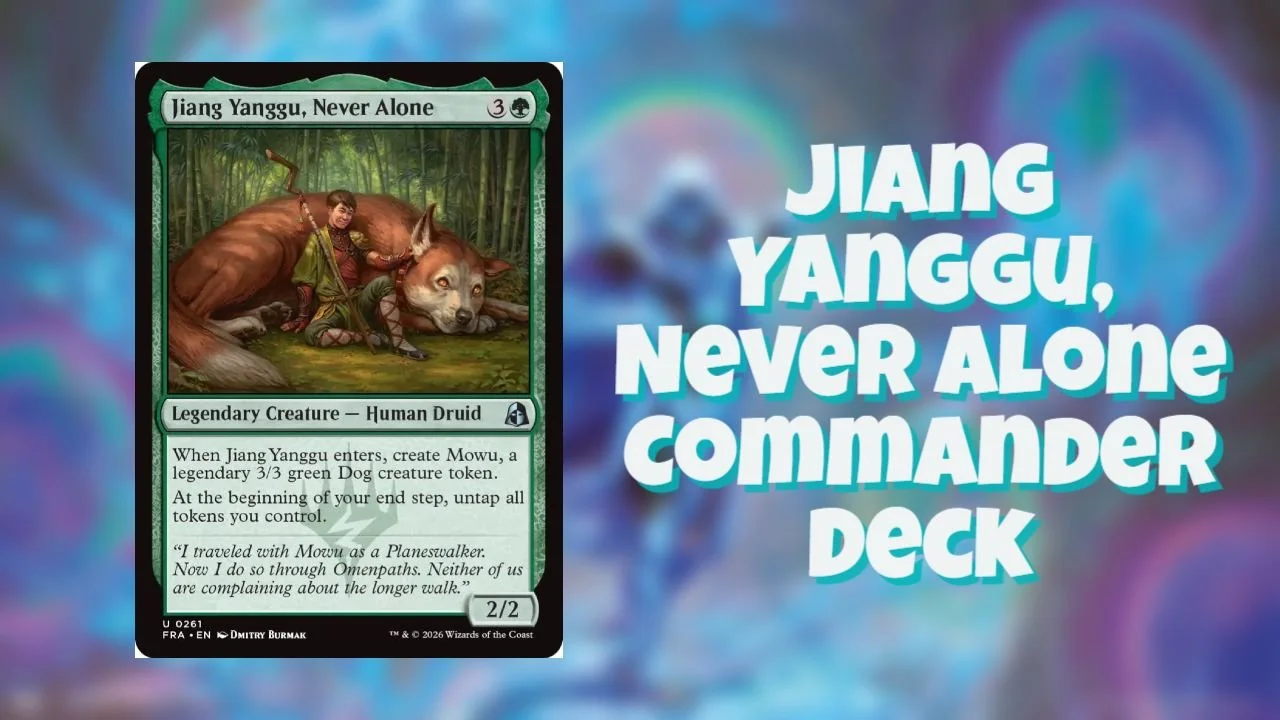
Green is already very good at putting a ridiculous amount of power onto the battlefield, but sometimes one giant creature just is not enough. Sometimes you want an entire army. Jiang Yanggu, Never Alone gives us a commander who makes that army a little easier to attack with, letting our tokens swing and then get ready to defend us before the next player's turn.
For my version, I wanted to ramp into powerful token generators, keep producing creatures turn after turn, and eventually turn that pile of bodies into a lethal attack. This is less creature heavy than a lot of my green decks because the focus is on tokens. Plenty of the creatures we actually attack with come from sorceries, enchantments, artifacts, and planeswalkers instead of creature cards in the deck.
The goal is simple: make a lot of tokens, make those tokens matter, and make opponents answer the board before it gets completely out of hand.
Commander Overview
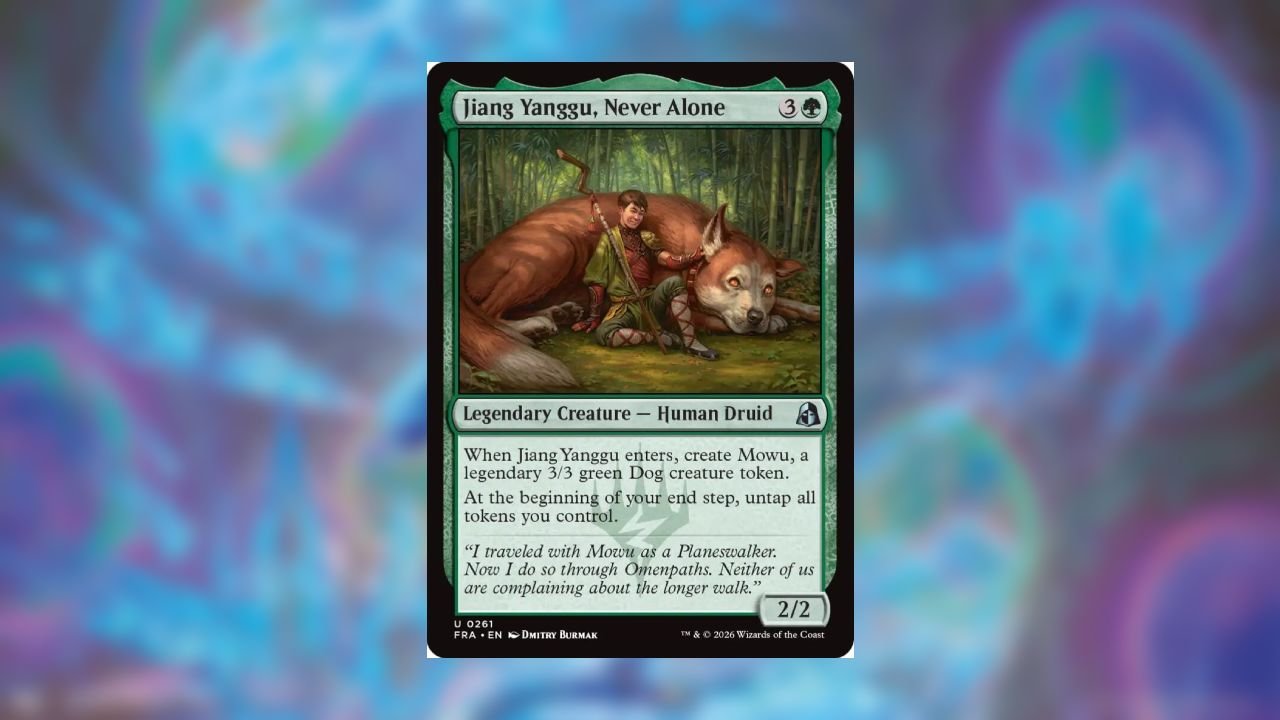
Jiang Yanggu, Never Alone is a four-mana 2/2 Human Druid. When he enters, you create Mowu, a legendary 3/3 green Dog creature token. At the beginning of your end step, Jiang untaps all tokens you control.
Getting a creature alongside your commander is a nice starting point, but the untap ability is what makes him worth building around. You can attack with your token creatures and have the survivors untapped before opponents take their turns. You can also tap tokens for other abilities and get them back at your end step.
His ability says all tokens, not just creature tokens. That gives him additional utility with tokens that have useful tap abilities, especially once Jaheira, Friend of the Forest is involved.
This is not quite the same as giving everything vigilance. Your attackers still tap during combat, and you have to reach your end step with Jiang's ability available before they untap. He also does not give tokens haste. Newly created creatures still need to wait before attacking unless another effect says otherwise.
Main Deck Strategy
This deck connects three things green already wants to do: generate mana, generate creatures, and make those creatures enormous. Jiang helps you get more use out of the tokens you build along the way.
Ramp Into Your Token Generators
Several of your strongest plays cost a lot of mana. Avenger of Zendikar, Hornet Queen, Ezuri's Predation, and a large Pest Infestation can all change the game, but you need enough resources to cast them before opponents get too far ahead.
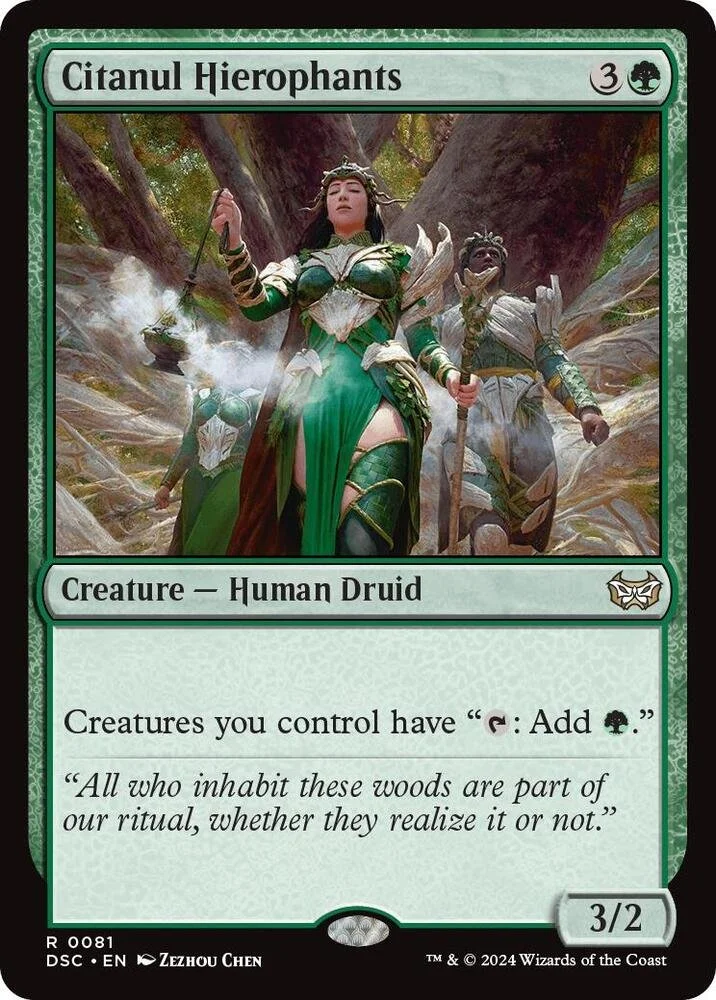
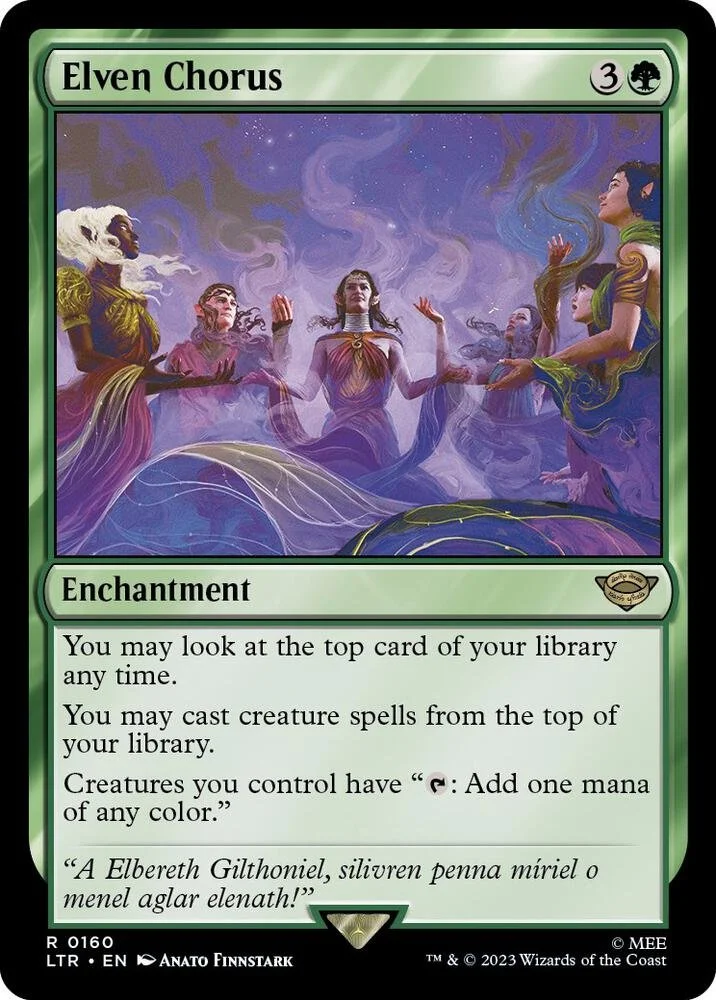
Cultivate and Sol Ring help get the first stage of development moving. Once you have tokens, Jaheira, Friend of the Forest, Citanul Hierophants, and Elven Chorus can turn your battlefield into another source of mana.
That is where the deck starts feeding itself. You make creatures, those creatures help cast something larger, and that larger spell produces even more creatures. The mana engine makes it possible to keep building instead of spending several turns casting one spell at a time.
Land-based ramp also supports your landfall generators. Avenger of Zendikar improves its Plants as lands enter, while Rampaging Baloths, Greensleeves, Maro-Sorcerer, and Scute Swarm give you more bodies from land drops. If you have the choice, think about whether establishing a landfall creature before casting your ramp spell will give you more value.
Keep Producing Tokens
One large batch of tokens is a good start. A generator that keeps working over several turns makes opponents deal with an ongoing problem.
Tendershoot Dryad creates a Saproling during every upkeep, not just yours. Arasta of the Endless Web rewards you when opponents cast instants and sorceries. Mycoloth can produce a huge number of Saprolings if you are willing to sacrifice creatures when it enters. Your planeswalkers give you more ways to add bodies without depending entirely on creature permanents.
You also have spells that produce an army all at once. Howl of the Night Pack rewards your Forest count, Scatter the Seeds can use convoke to help pay for itself, and Ezuri's Predation creates Beasts while fighting opposing creatures.
The lower creature-card count does not mean the deck wants a small battlefield. It means you are using more of your noncreature slots to create the battlefield. That matters when choosing support cards: an effect that cares about creatures you control works very differently here from one that only rewards casting creature spells.
Buff Your Board And Attack
Producing twenty small creatures is impressive, but those creatures still need a way through blockers. Board-wide buffs let a token deck convert its numbers into meaningful damage.
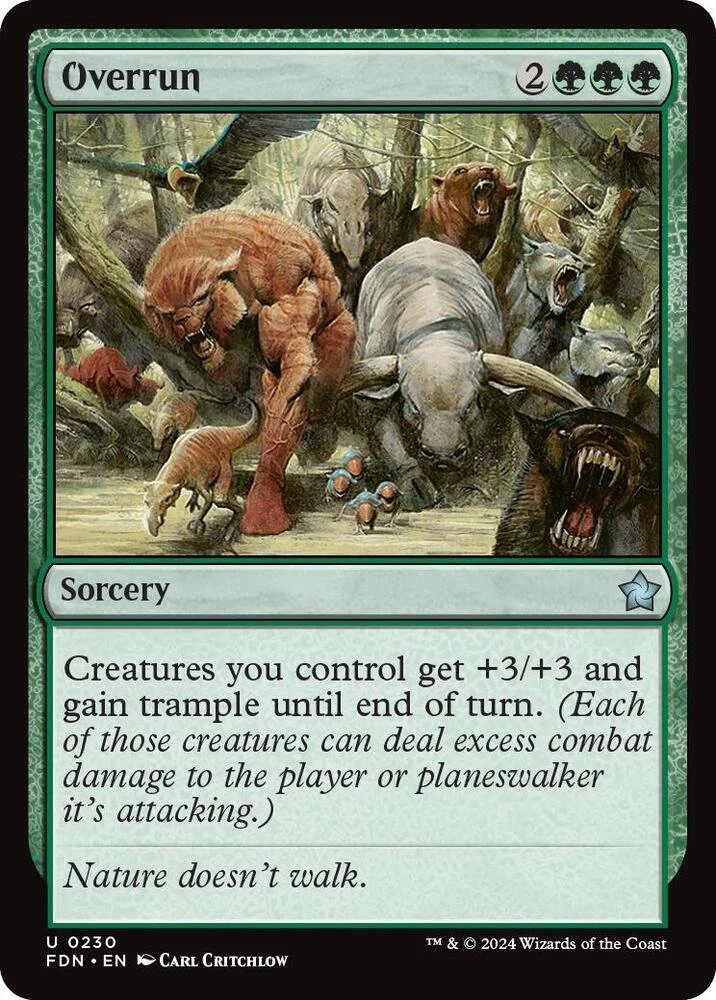
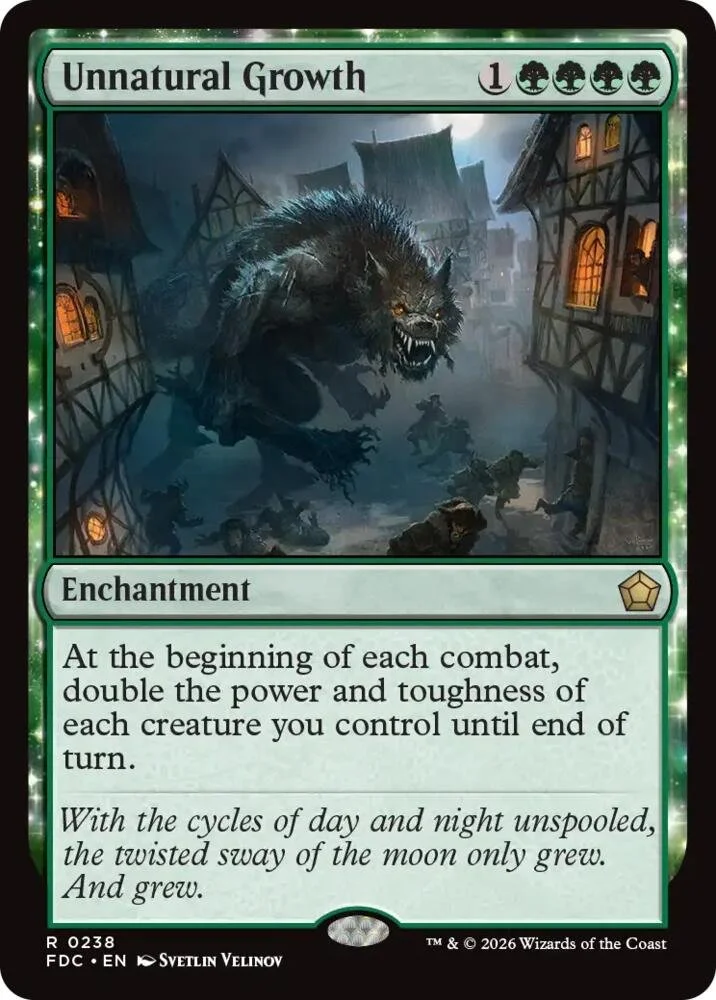
Beastmaster Ascension rewards attacking with a large group. Overrun gives your army a temporary power boost and trample. Unnatural Growth doubles your creatures' power and toughness at the beginning of each combat, making even an ordinary token threatening.
The trick is knowing when to move from building to finishing. If you already have enough creatures to threaten lethal with a buff, another token generator might accomplish less than spending that turn attacking.
Jiang makes those attacks easier to commit to because the surviving tokens untap at your end step. You can pressure an opponent without automatically leaving yourself open for an entire trip around the table. Just remember that untapping does not bring back tokens that died in combat.
The best cards for this deck fall into three main categories: ramp and token mana, token generators, and payoffs that turn your army into a threat. You want enough mana to build your board, reliable ways to keep producing tokens, and strong buffs to finish the game.
Best Ramp And Token Mana Cards
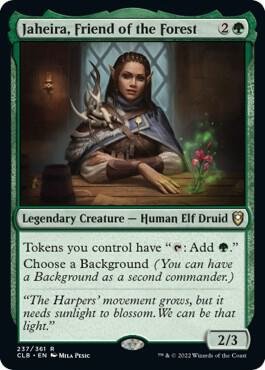
Jaheira, Friend of the Forest: One of the best connections to your commander. She gives your tokens the ability to tap for green mana, including noncreature tokens. Jiang can untap those tokens at your end step, leaving them available again afterward. Creature tokens still have to follow summoning-sickness rules when using that tap ability.
Citanul Hierophants: Gives all your creatures the ability to tap for green mana. Your tokens can help fund larger plays, although Jiang's ability only untaps the tokens rather than every creature. Keeping that distinction in mind helps you plan which bodies to use.
Elven Chorus: Turns your creatures into mana sources while also letting you cast creature spells from the top of your library. The mana ability is the main attraction for this particular build. Since this list has fewer creature cards, do not expect the top-of-library ability to chain creatures as consistently as it would in a creature-heavy deck.
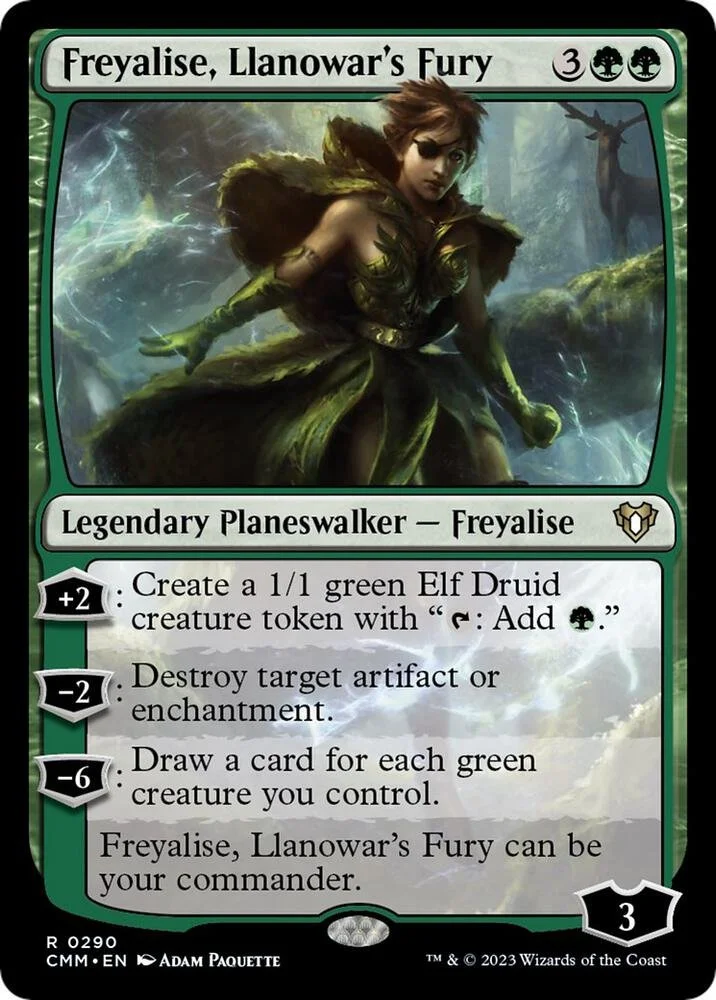
Freyalise, Llanowar's Fury: Provides Elf Druid tokens that tap for green mana, along with artifact and enchantment removal. A planeswalker that helps both develop your board and answer a problem permanent is useful in a deck that has plenty of token production already.
Best Token Generators
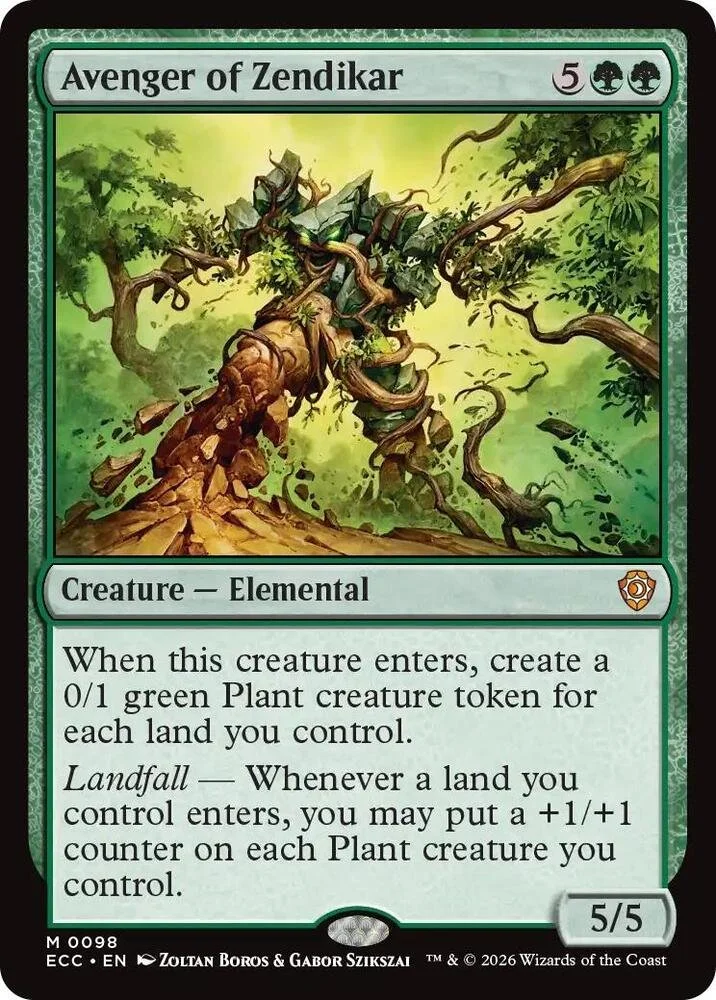
Avenger of Zendikar: Gives you a Plant for each land you control, then improves your Plants with later land drops. It is one of the clearest examples of why ramp belongs in a token deck: more lands mean a larger initial army and more opportunities to grow it.
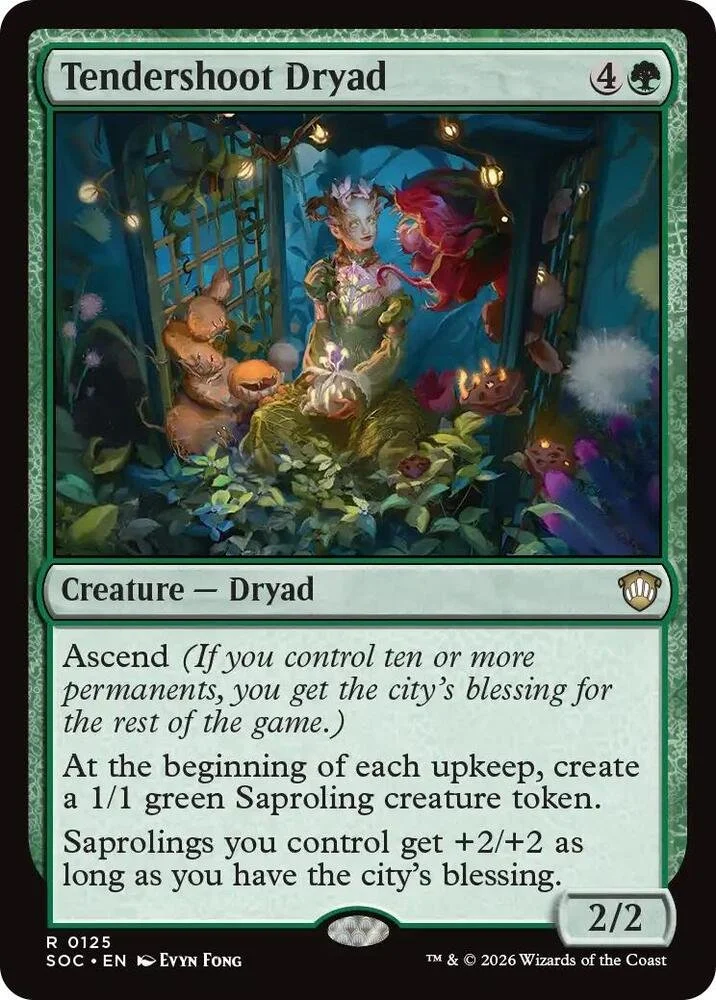
Tendershoot Dryad: Is an excellent repeatable generator because every player's upkeep contributes another Saproling. Once you have the city's blessing, the Saprolings also receive a substantial buff. In a multiplayer game, leaving this card unanswered can become a problem very quickly.
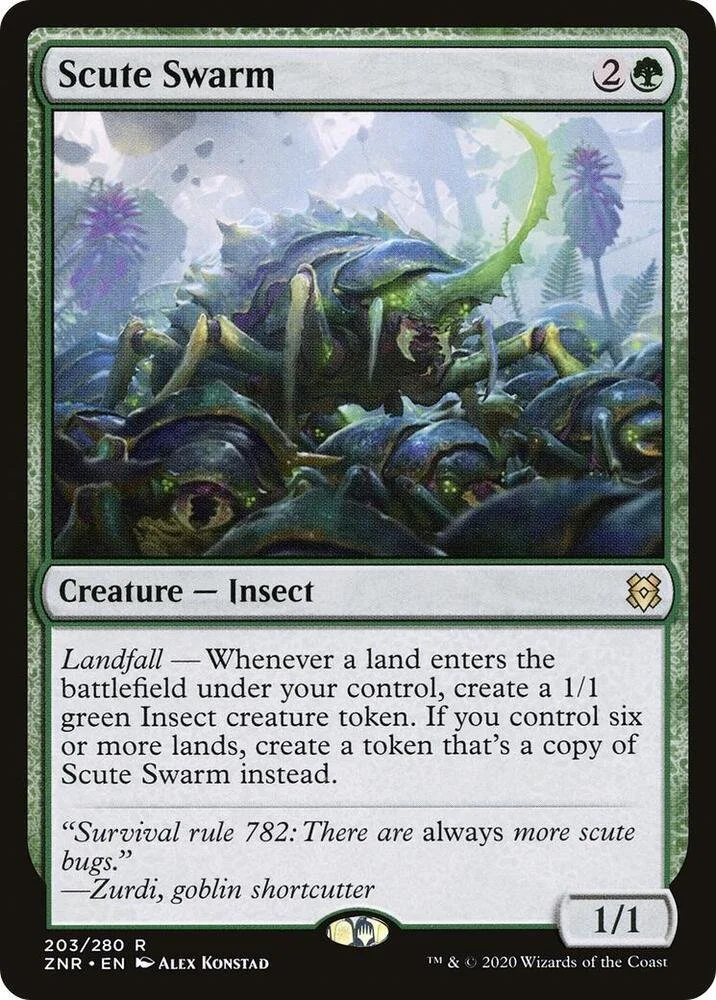
Scute Swarm: Starts with Insects from landfall, then creates token copies of itself once you control six or more lands. Those copies have their own landfall abilities, so later land drops can expand the board dramatically. Keep clear token counts when this gets going.
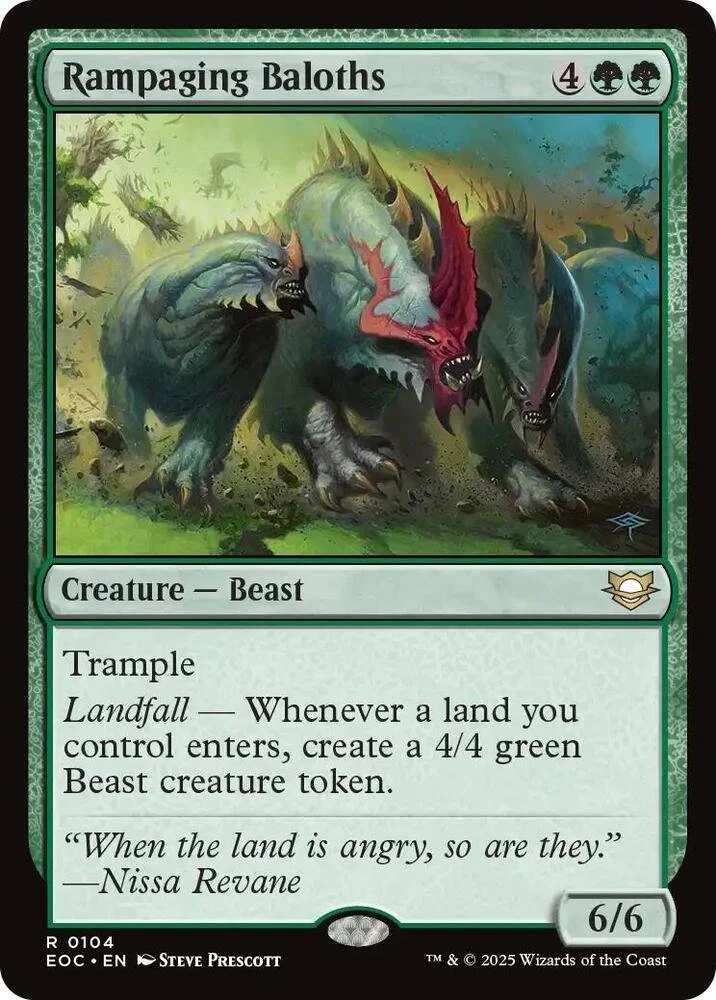
Rampaging Baloths: Makes 4/4 Beasts from landfall. Those tokens are already meaningful attackers and blockers, making Baloths a strong option when you want quality alongside quantity.
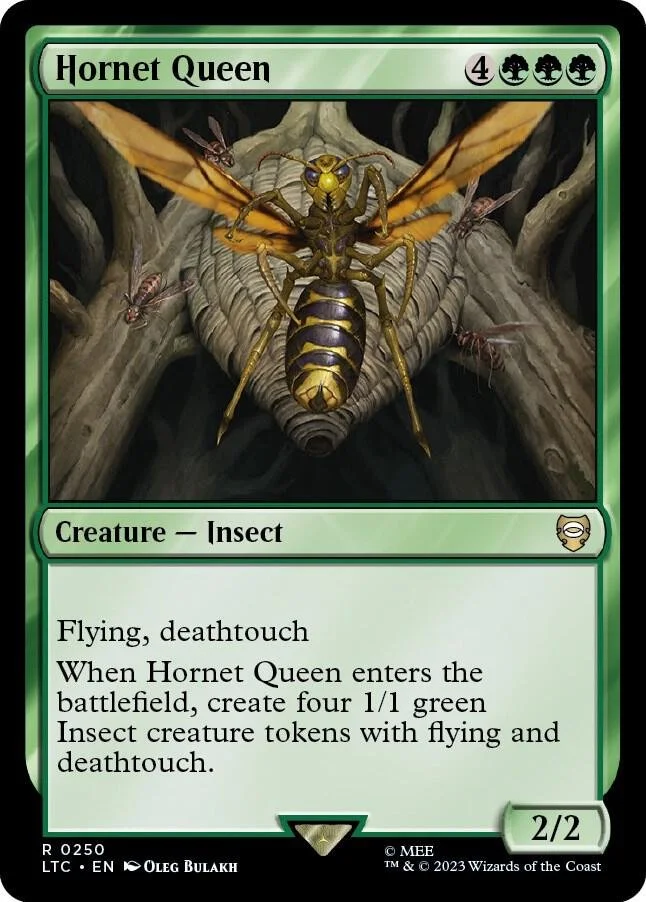
Hornet Queen: Gives you four flying Insect tokens with deathtouch. They help cover one of the weaknesses of a ground-based token army: opponents attacking over it. They are also useful bodies to copy or improve with a board-wide buff.
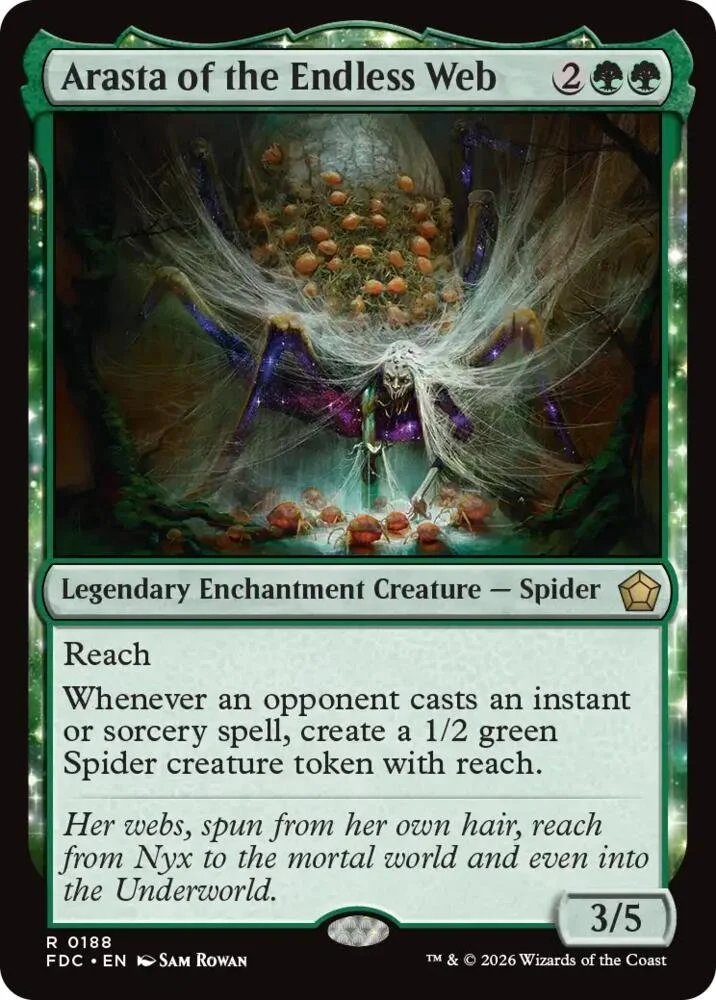
Arasta of the Endless Web: Produces reach Spiders when opponents cast instants or sorceries. You do not control how often that happens, but in a spell-heavy pod she can quietly assemble a useful defensive board.
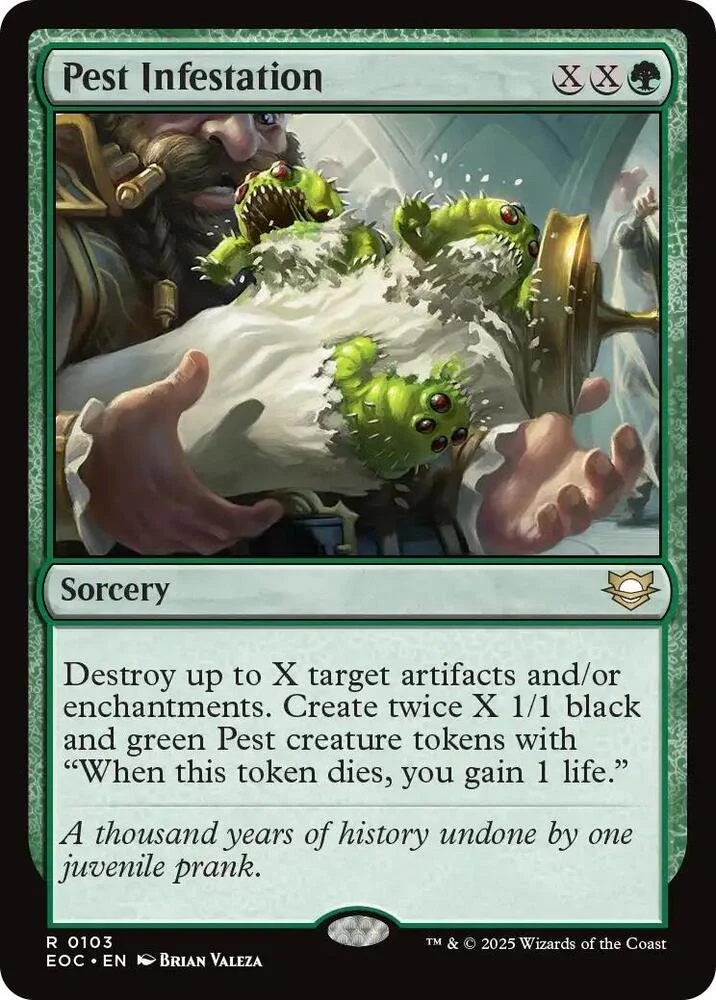
Pest Infestation: Combines removal with token production. It can destroy up to X artifacts and/or enchantments while creating twice X Pest tokens. Because the targets are optional, you do not need a matching number of opposing permanents to get a large batch of Pests.
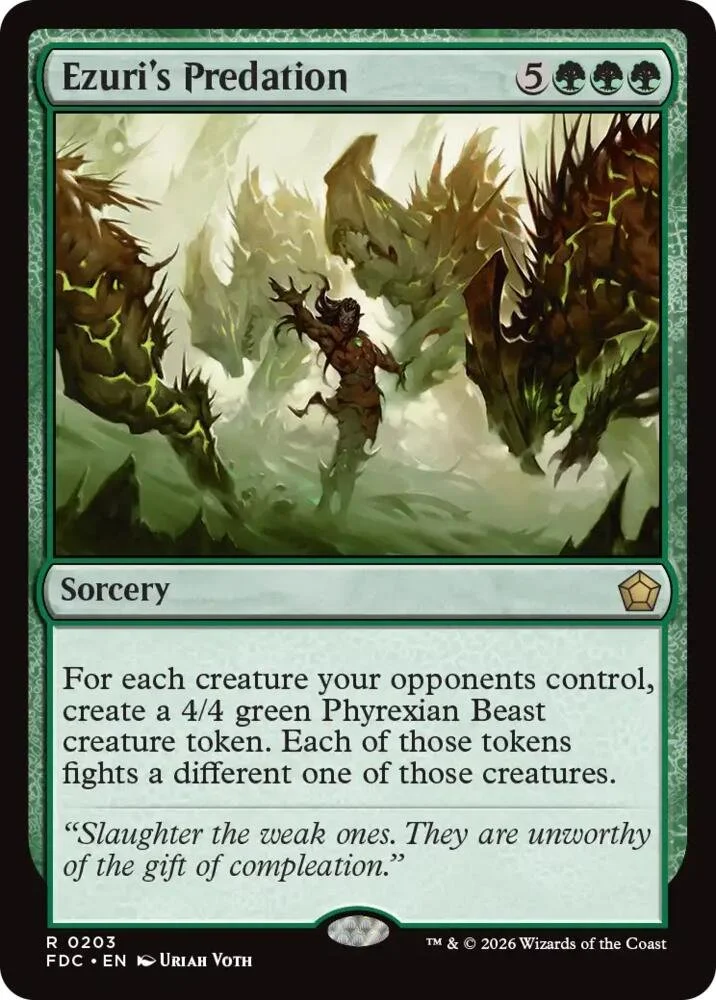
Ezuri's Predation: Creates a 4/4 Beast for each creature opponents control, then each Beast fights a different one of those creatures. It can produce a large army while clearing smaller opposing creatures, but your Beasts may die fighting larger threats. Think through the fights before assuming the full army will survive.
Best Token Payoffs And Finishers
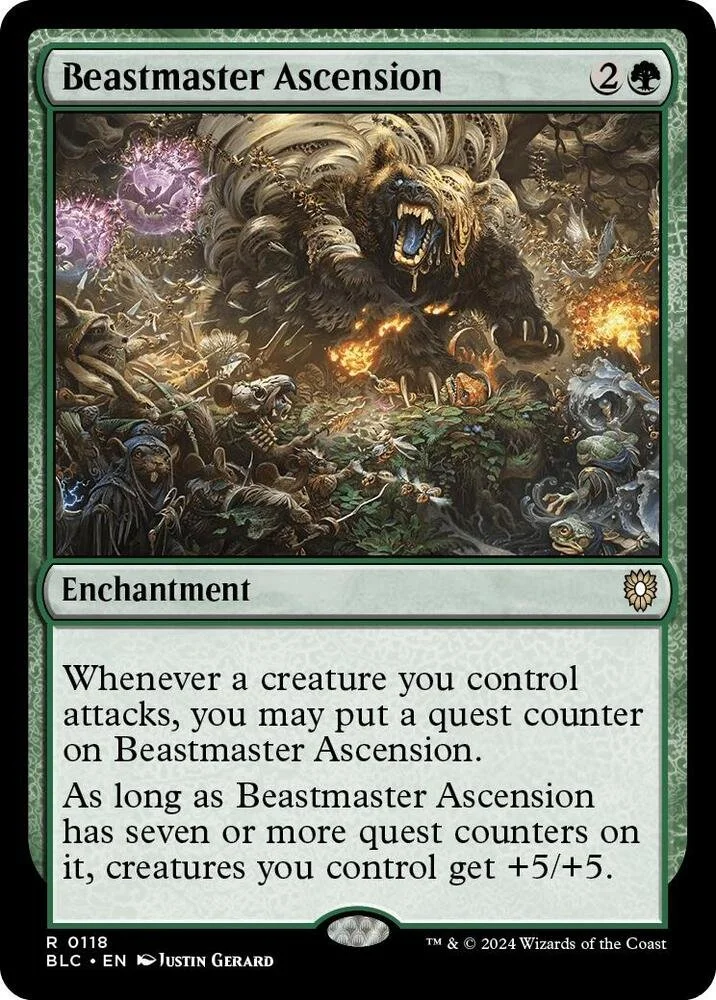
Beastmaster Ascension: Can turn a wide attack into a massive damage increase. Each attacking creature produces its own quest-counter trigger, so seven attackers can switch it on during one combat. Once it has seven counters, your creatures get +5/+5.
Overrun: Is the straightforward finisher. Giving your creatures +3/+3 and trample means small blockers cannot simply absorb all the damage from your largest attackers. It does not grant haste, so build the army before the turn you plan to swing.
Unnatural Growth: Makes your existing battlefield much more dangerous in every combat. The doubling is temporary, and it does not grant evasion, but it improves both attacks on your turn and blocks during opponents' turns.
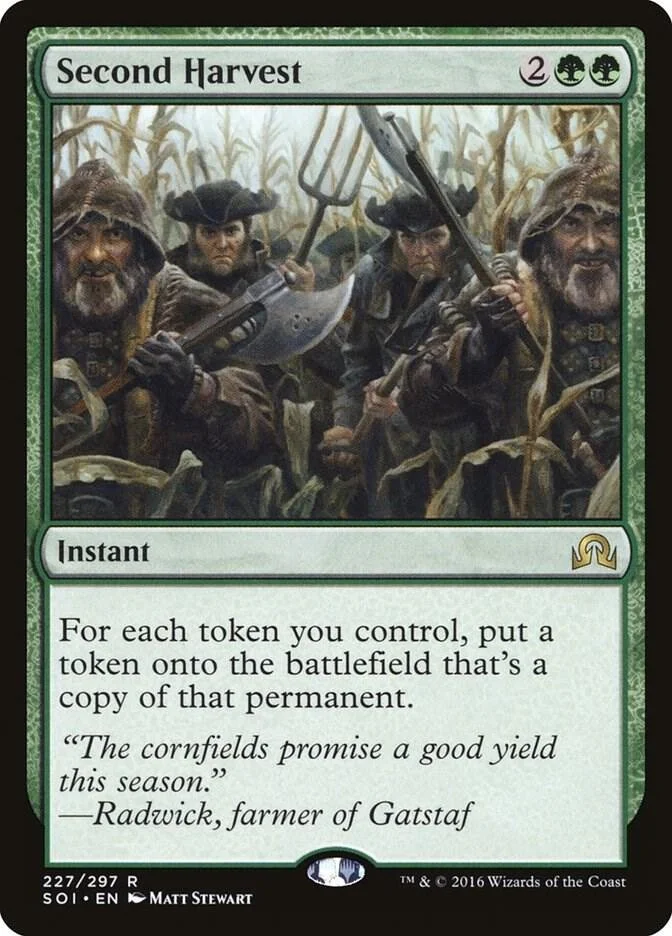
Second Harvest: Copies each token you control, letting you expand an established board at instant speed. The more useful tokens you already have, the more impressive it becomes. It can copy noncreature tokens too.
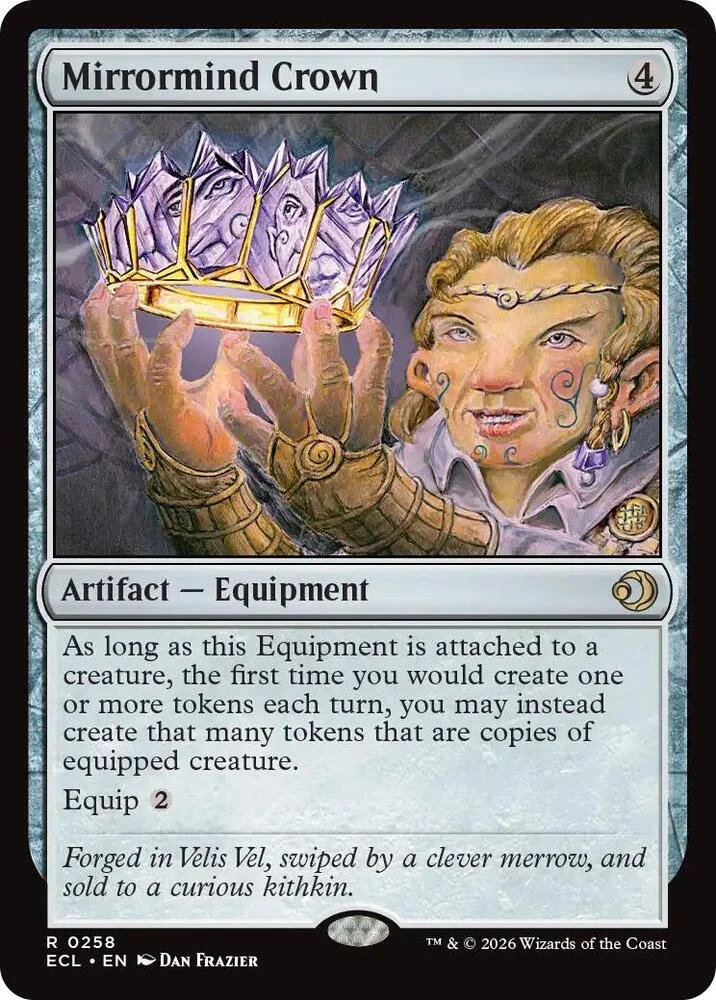
Mirrormind Crown: Lets you change the first batch of tokens you would create each turn into copies of the equipped creature instead. Equipping a nonlegendary token generator can turn an ordinary batch of small tokens into additional engines. This replaces the original tokens rather than creating both kinds, so consider what you are giving up before using it.
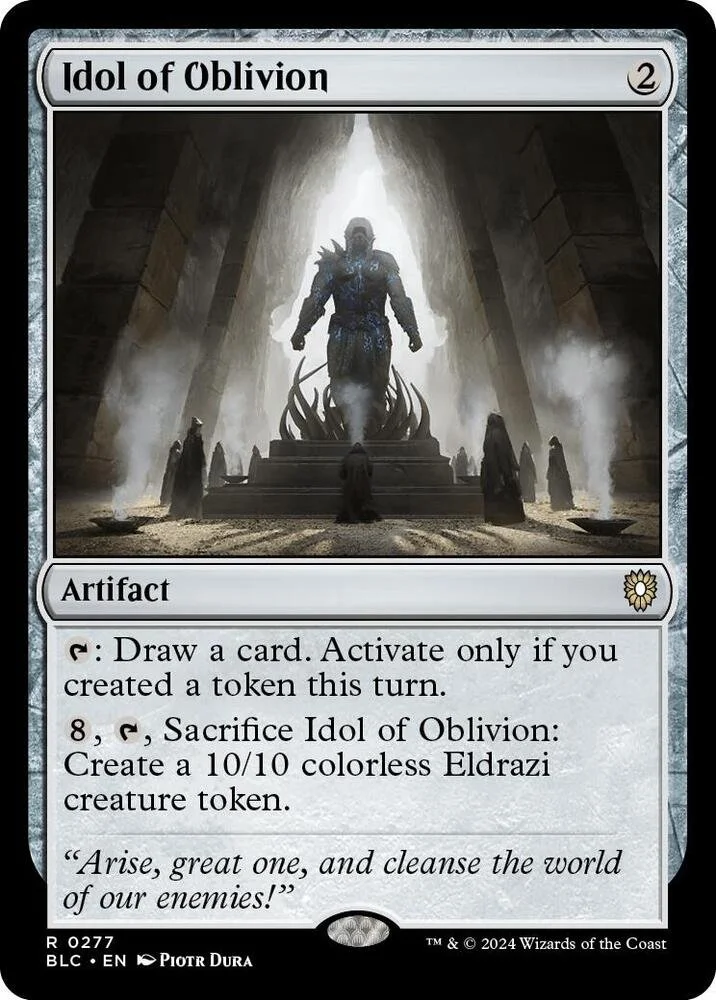
Idol of Oblivion: Provides repeatable card draw once you have created a token that turn. Your many generators make that condition easier to meet without needing to cast a creature spell. Jiang does not untap the Idol itself, because it is not a token.
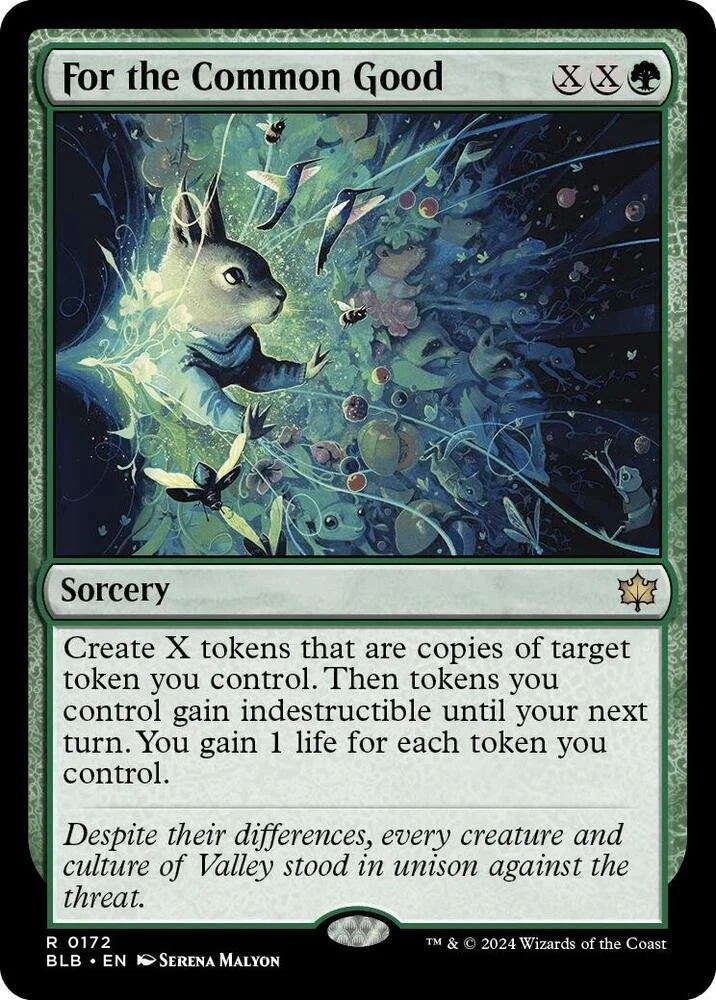
For the Common Good: Creates X copies of one token, gives your tokens indestructible until your next turn, and gains life based on your token count. Choosing a good token matters, and the protection can make your next attack much safer. It is a sorcery, so you need to use it proactively.
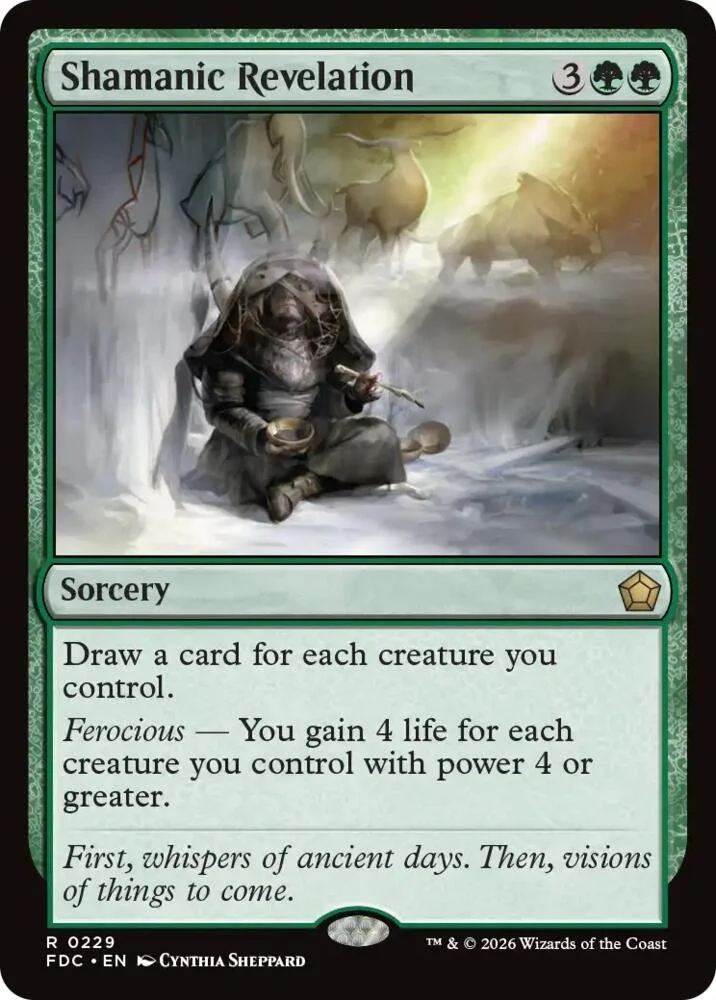
Shamanic Revelation: Turns a wide board into a large refill. Tokens count as creatures for its draw effect, so you do not need a hand full of creature cards to make it work. Its additional life gain depends on creatures with power four or greater.
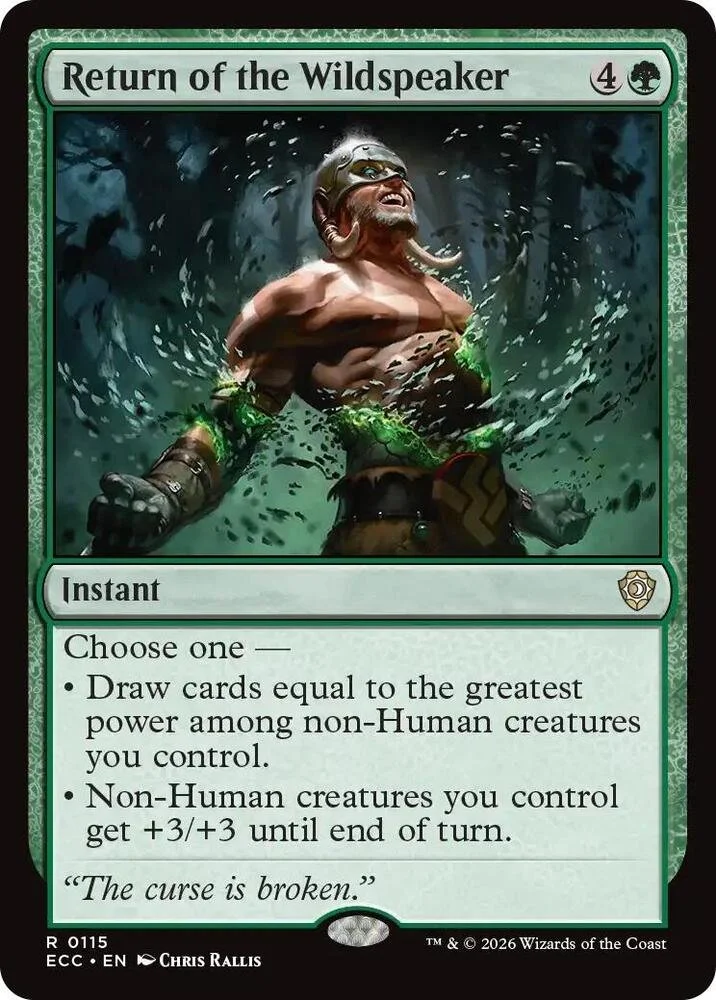
Return of the Wildspeaker: Can draw cards based on your greatest power among non-Human creatures or give your non-Human creatures +3/+3 until end of turn. It provides flexibility between finding more resources and making an attack stronger. Check creature types before assuming the buff applies to every body you control.
Budget Options For A Jiang Yanggu, Never Alone Commander Deck
Token decks have some very powerful premium upgrades, but the basic strategy does not require all of them. You can start with token production, dependable ramp, card draw that rewards a wide board, and an Overrun effect to finish the game.
Cards such as Scatter the Seeds, Howl of the Night Pack, Bestial Incursion, Cultivate, and Overrun give you clear jobs to build around. Check current printings and prices, then spend on the effects your version needs most. A token doubler is exciting, but it does very little if you cannot reliably produce tokens first.
If you want additional options beyond this supplied list, Rampant Growth, Kodama's Reach, and Saproling Migration are worth considering. They help establish mana or bodies without requiring the deck to become a pile of expensive creatures.
You can also keep the mana base simple. Basic Forests help cast your green spells and directly support Howl of the Night Pack. Utility lands are useful, but replacing too many Forests has a cost when some of your cards specifically care about that land type.
The place I would be careful about cutting is card draw. You can spend your entire hand developing a large board, then lose it to one sweeper. Having a refill available helps you recover instead of drawing one token generator at a time for the rest of the game.
Higher Power/Budget Options For A Jiang Yanggu, Never Alone Commander Deck
The cards in my sideboard are optional main-deck upgrades. Commander does not normally use a traditional sideboard, so these are cards to swap into the 99 rather than an extra package you use during the game.
Awaken the Woods: Creates X Forest Dryad land creature tokens. Those tokens support both your creature count and your mana development, while also triggering landfall abilities. They are still creatures and can die to creature removal. Their tap-for-mana abilities are also subject to summoning sickness unless they have haste.
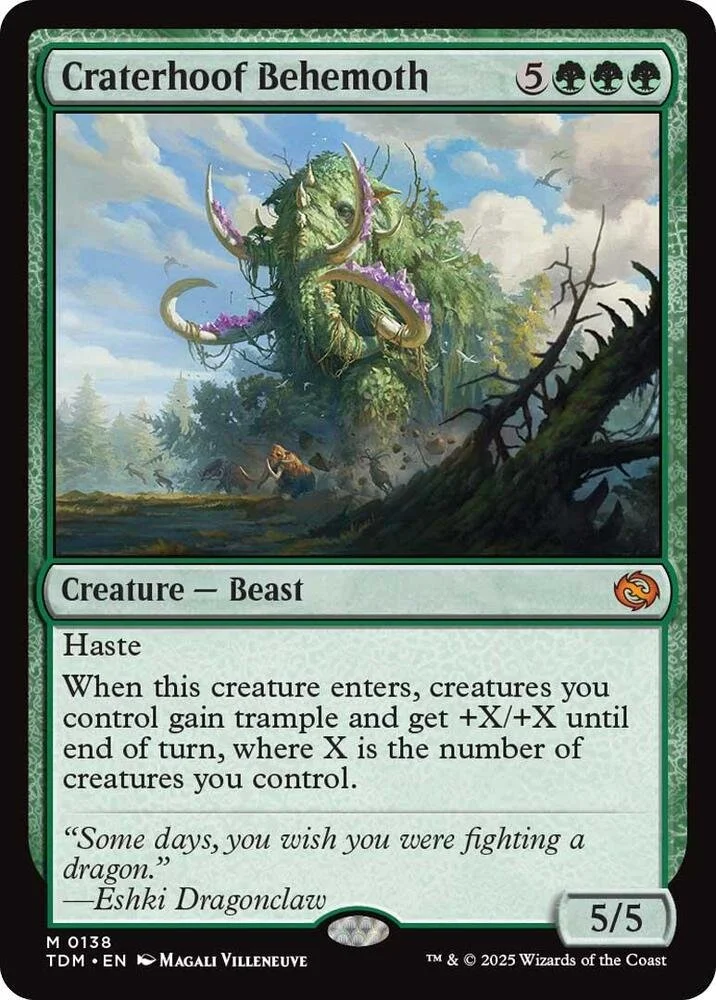
Craterhoof Behemoth: Is the premium combat finisher. Its enter trigger gives your creatures trample and +X/+X until end of turn, where X is the number of creatures you control when the trigger resolves. Craterhoof has haste itself, but it does not give haste to the rest of your army.
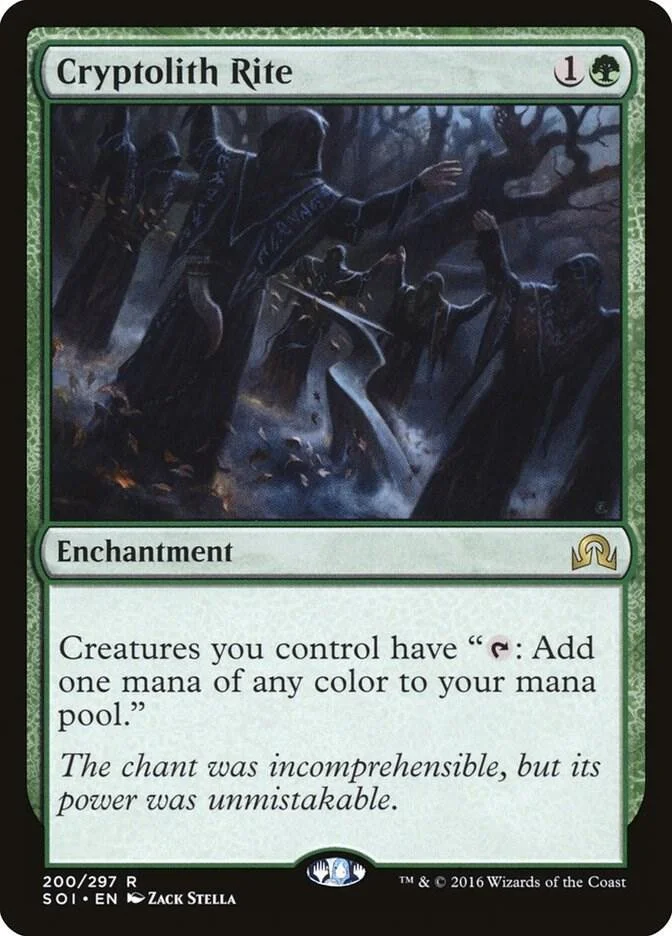
Cryptolith Rite: Gives all your creatures a tap ability that produces one mana of any color. In mono-green, the important part is turning your token army into mana sources. It gives you another way to establish the same resource plan supported by Jaheira and Elven Chorus.
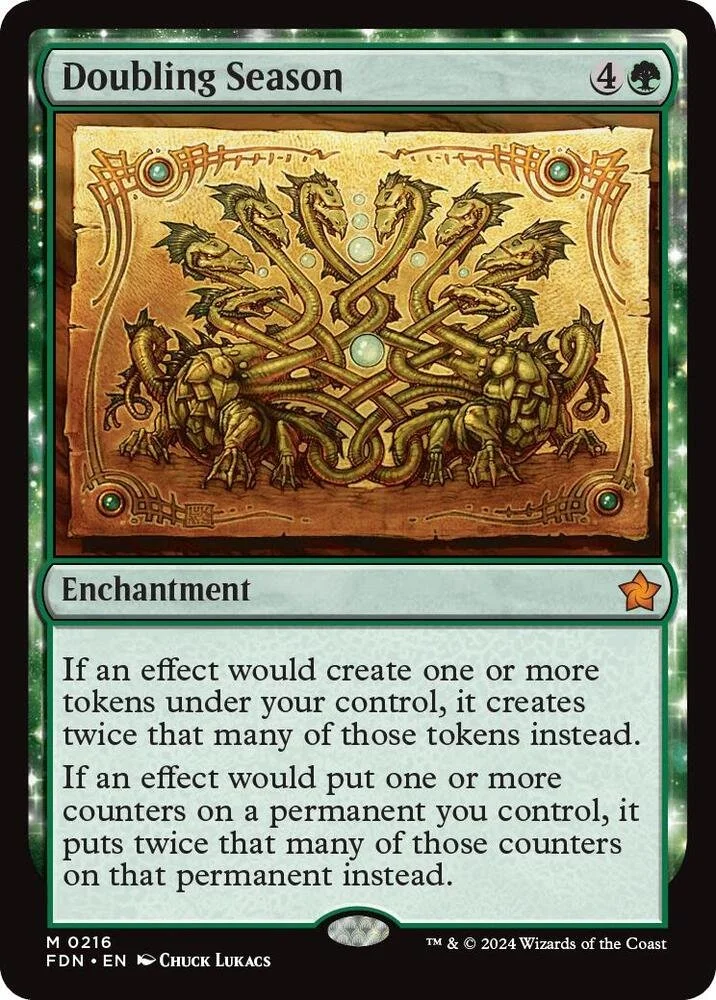
Doubling Season: Doubles qualifying token creation and counters placed on your permanents by effects. It can also improve the starting loyalty of planeswalkers entering under your control. It does not double counters added as the cost of activating a positive loyalty ability.
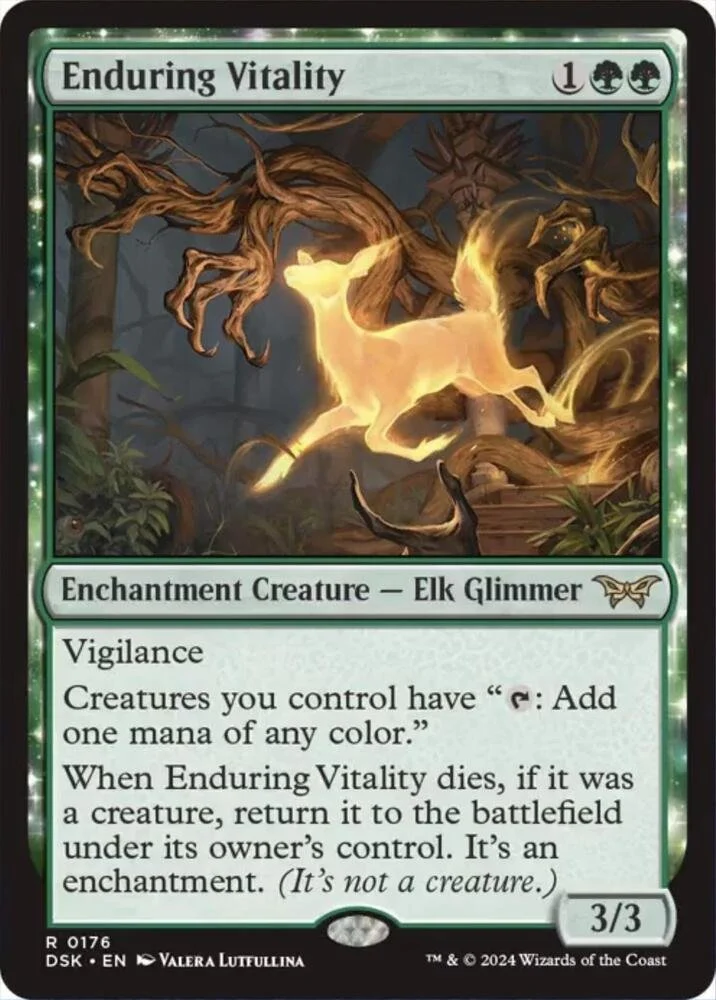
Enduring Vitality: Provides another creature-to-mana engine. When it dies as a creature, it returns as an enchantment, making ordinary creature destruction less likely to remove the mana ability permanently. Exile effects can still answer it.
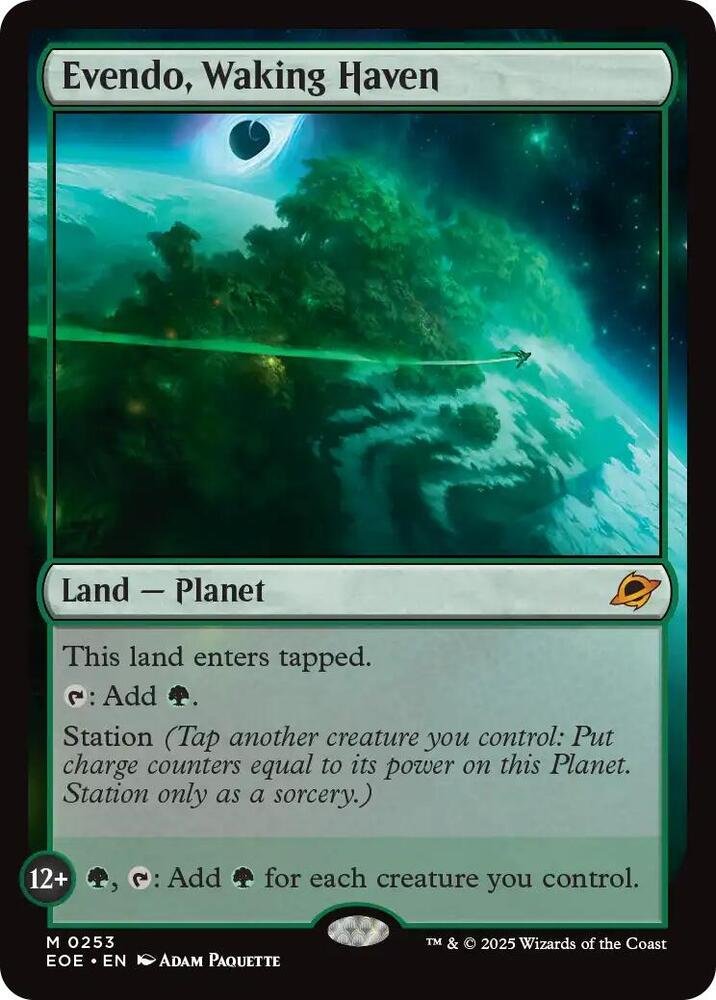
Evendo, Waking Haven: Becomes a powerful mana source after you station it to twelve charge counters. Your creatures can help reach that threshold, then its upgraded ability produces green mana based on your creature count. Station is a sorcery-speed action, and tapping a creature to station does not also activate that creature's mana ability. Jiang can untap the tokens you used at your end step; he does not untap Evendo itself.
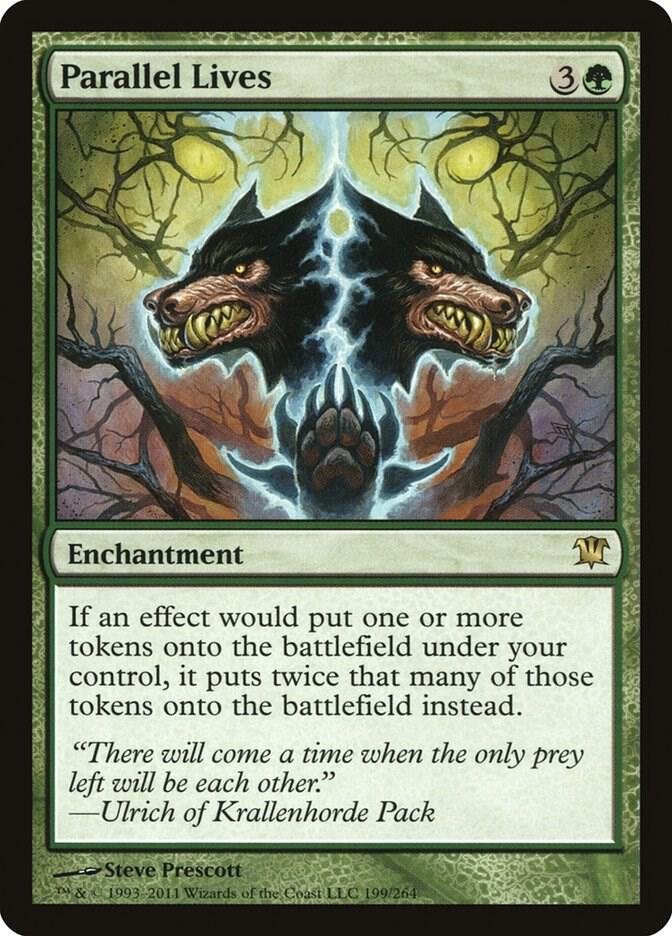
Parallel Lives: Doubles token creation under your control without also doubling opponents' tokens. It is a direct upgrade to the central plan when you want more output from each generator.
Cards To Avoid When Building A Jiang Yanggu, Never Alone Commander Deck
Avoid choosing creatures simply because they are big and green. A token generator, a mana engine, or a card that improves the entire board is usually doing more for this version than a large creature with no connection to the plan.
Also be careful with too many payoffs for casting creature spells. Your tokens generally enter without being cast, so those cards may trigger much less often than they would in a typical green creature deck. You want support that rewards creating tokens or controlling creatures, rather than assuming those are the same as casting creatures.
Single-creature buffs have a similar problem. Making one token enormous can be useful, but board-wide effects take advantage of the army you spent several turns building. A finisher that gives trample can also matter more than a larger power boost that still gets stopped by small blockers.
Primal Vigor deserves special attention even though it is included in this list. It doubles token creation and +1/+1 counters for everyone. Your deck can make excellent use of it, but another token or counter deck may benefit just as much. It is not a one-sided substitute for Parallel Lives or Doubling Season.
Finally, do not mistake Fog effects for complete protection. Fog, Arachnogenesis, and Galadhrim Ambush can help against combat, but they do not stop an ordinary destroy-all-creatures spell. For the Common Good offers a different kind of protection through indestructible, though exile and toughness-reduction effects can still get around it.
How This Deck Wins
This deck wins by building more creatures than opponents can comfortably block, then using a board-wide buff to make those creatures lethal. Ramp gets your generators online, the generators build your army, and cards like Overrun and Beastmaster Ascension turn that army into a finish.
Your ideal setup has a repeatable token source, a way to draw more cards, and enough mana to keep adding to the board. From there, you can choose whether to keep pressuring one player or hold back until a stronger attack can eliminate multiple opponents.
Trample is especially valuable when you are trying to close the game. Having thirty power does not accomplish much if it is spread across creatures that all trade with small blockers. Overrun helps force damage through, while the higher-budget Craterhoof upgrade can make that final attack much more decisive.
Jiang supports the plan by untapping the surviving tokens after your attack. That gives you a better defensive position if the game continues, but you still need to respect opponents' removal and combat tricks. If Jiang leaves before your end step begins, you will not get his trigger for that turn. If his trigger has already gone on the stack, removing him alone does not stop it.
There is no need to make this more complicated than it is. Produce an army, keep enough resources to rebuild when necessary, and find the right moment to make that army overwhelming.
Decklist
This is my main list, with the optional higher-budget cards listed separately in the sideboard.
Example decklist available here: Jiang Yanggu Creature Tokens
Final Thoughts
Jiang Yanggu, Never Alone gives token decks something they always appreciate: more opportunities to use the board they have built. Attacking with an army is fun. Attacking with that army and getting the survivors ready to block is even better.
What I like about this version is that the lower creature count still leads to an enormous battlefield. Your spells and other permanents do the work of producing the army, while green's ramp and board-wide buffs help you turn those tokens into a win. If making more creatures than the table knows what to do with sounds like your kind of game, Jiang and Mowu are ready to help. Check out my best Reality Fracture commanders guide for more deck-building ideas from this set. If you’re looking for a way to Goldfish your freshly built Jiang Yanggu commander deck, check out my Reality Fracture Horde Mode guide.