Trading card games are bigger than ever in 2025. With new titles like Riftbound: The League of Legends TCG making waves and Magic’s blockbuster Universes Beyond: Final Fantasy set flying off shelves, it feels like everyone wants in on the action. But unlike Pokémon—where many fans collect without ever shuffling a deck—Magic: The Gathering (MTG) is first and foremost a game. And while it can feel intimidating at first, once you dive in, you’ll quickly see why MTG has been the king of trading card games for over three decades.
Step 1: Learn The Basics
At its core, Magic is a strategy game where you summon creatures, cast spells, and battle your opponent, with each player starting at 20 life points. The goal is usually to bring your opponent’s life to zero before they do the same to you.
If you’re brand new, the free MTG Arena app (PC and mobile) is a fantastic way to learn the rules. Arena includes tutorials, guided matches, and starter decks to get you playing right away. That said, Arena isn’t the full Magic experience and it might actually turn you away after playing the tutorials (more on that later).
Step 2: Find What Excites You
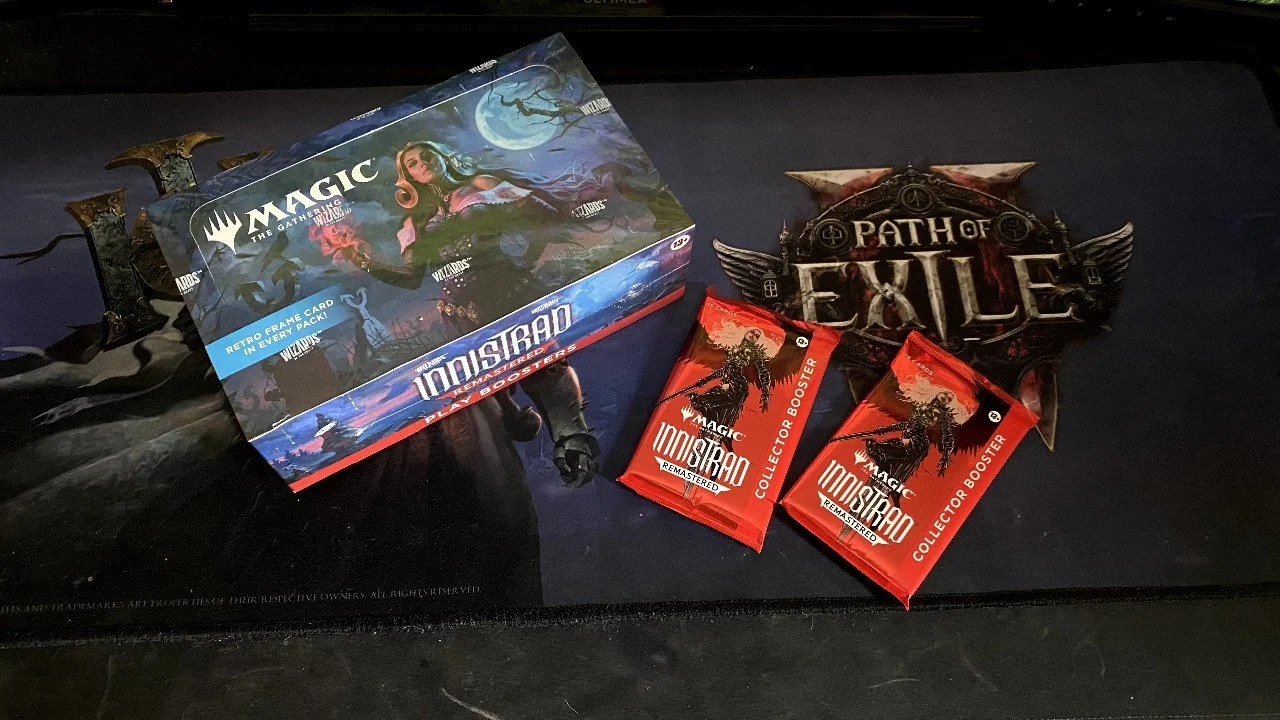
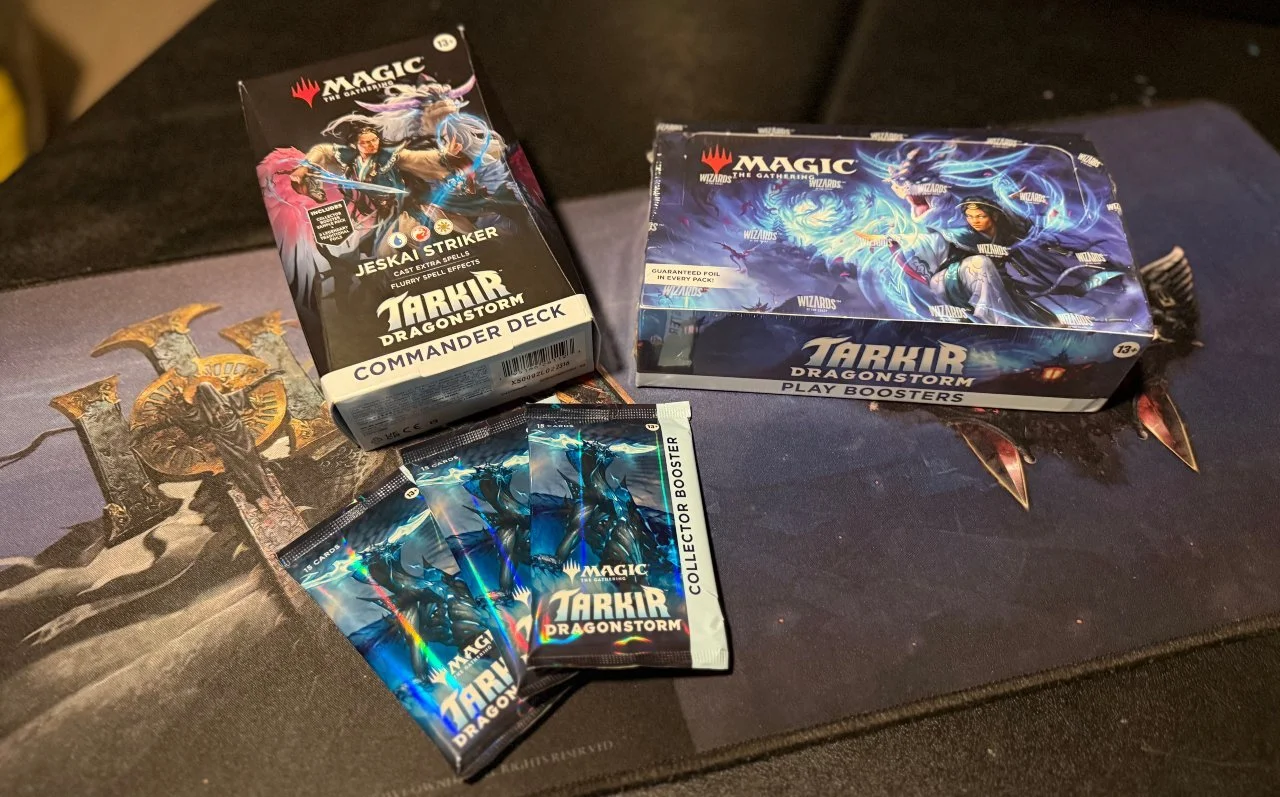
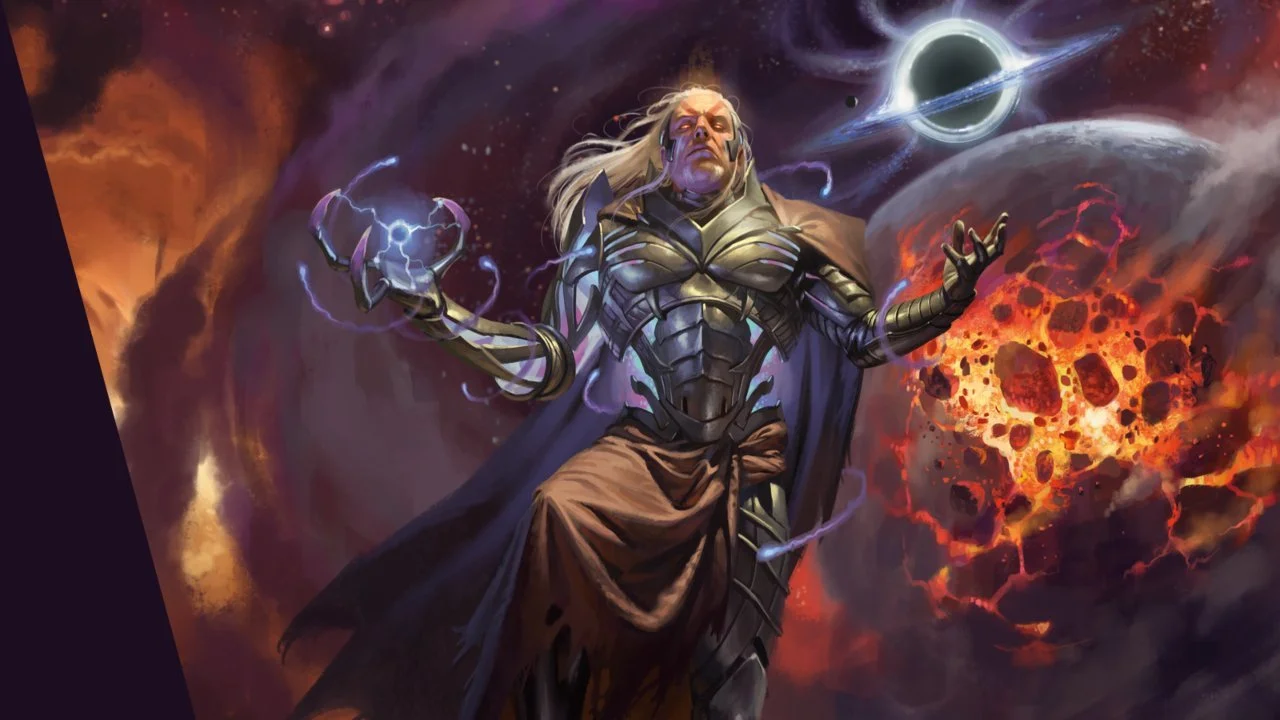
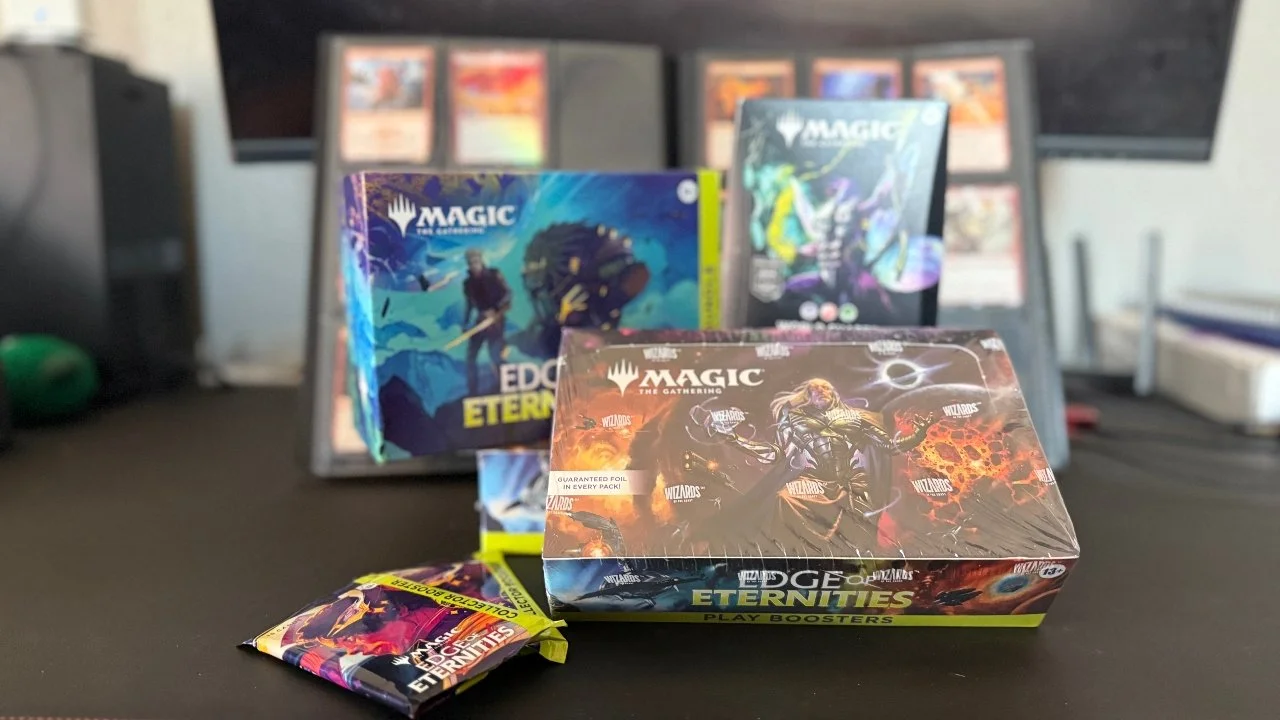
The best first step isn’t memorizing rules or formats—it’s figuring out what excites you most. Did a set like Final Fantasy catch your eye? Are you drawn to a theme, like the dragons of Tarkir: Dragonstorm or the gothic horror of Innistrad: Remastered? Maybe space-fantasy vibes from Edge of Eternities feel like your jam. No matter your interest, there’s a set for you.
If you’re unsure, you can also explore Magic’s five colors of mana, each with its own personality:
White – teamwork, balance, and armies of small creatures.
Blue – counterspells, card draw, and clever tricks.
Black – sacrifice, graveyards, and raw power at a cost.
Red – speed, aggression, and firepower.
Green – big creatures, ramping mana, and raw strength.
Experiment with colors and color combinations until one feels like “you.”
Step 3: Pick Up A Precon Deck
Magic has thousands of cards, but you don’t need to build a deck from scratch right away. In fact, the best entry points in 2025 are:
Commander Precons – Preconstructed Commander decks are stronger than ever, playable right out of the box, and easy to upgrade, sometimes for under $50. If you can grab a Final Fantasy precon near retail, it’s worth it. The Tarkir: Dragonstorm precons give you that classic “Magic” feel, while the Edge of Eternities decks are excellent if you’re ready for a little more complexity.
Starter Kits – The Final Fantasy Starter Kit comes with two balanced decks for quick, casual play. Great if you’re learning with a friend.
Starting here gives you cards you can use immediately while leaving room to grow your collection.
Step 4: Choose Your Format
You don’t need to learn all of Magic’s formats—just focus on one or two:
Commander – Magic’s most popular format, casual and social, with 100-card singleton decks.
Standard – Great for players who want to compete with the newest cards.
Draft/Sealed – Limited formats where you build decks on the fly from booster packs—perfect for sharpening your skills and discovering new cards.
Commander is the most popular and most casual so it might be the best place for most beginners, but don’t be afraid to experiment. Draft is probably going to lean into the more experienced but once you’ve played a few games I 100% recommend going to a prerelease event and playing some sealed.
Step 5: Play Some Magic With People (Physical First, Digital Later)
It might feel natural to start on MTG Arena before spending money on physical cards—but in reality, it works better the other way around. Arena is great for learning mechanics and testing decks, but it lacks Magic’s biggest strength: the social experience.
Formats like Commander thrive on table talk, politics, and shared laughs—things you’ll never get digitally. Starting with a precon at your local game store (LGS) is more welcoming, since players are usually happy to teach newcomers. Arena, by contrast, can be brutal, with opponents crushing you by turn three and no explanation why.
That said, once you’ve played a few in-person games, Arena becomes a great tool for deck-building reps. You can also use sites like Moxfield and Archidekt to practice building and refining your lists before buying that Cyclonic Rift.
Step 6: Expand at Your Own Pace
Don’t feel pressured to buy every booster or chase every new release. Start small, upgrade your deck piece by piece, and focus on sets that excite you. Edge of Eternities is my personal recommendation—it’s cohesive, flavorful, and packed with great Commander cards—but any set that sparks your interest is the right choice.
FAQs
What If I Don’t Have a Game Store Near Me?
First, double-check with the MTG Companion app—it shows stores and events near you, and you might be surprised at what’s closer than you think. When I started, I discovered a shop running weekly Commander nights just five miles away that I never knew existed.
If traveling to a shop isn’t possible, don’t worry—you can still play. If you and some friends are starting together, rotate who hosts. Otherwise, consider meeting up at a local café, brewery, or coffee shop. I’ve had baristas and staff strike up conversations about Magic the moment I pulled out my cards. Just be respectful of the space, and you’ll often find a welcoming spot.
What Set Should I Start With?
The short answer: whichever one excites you. Love Dragons? Tarkir: Dragonstorm has plenty of them. Want Vehicles that go Vroom Vroom? Aetherdrift will get you up to speed. Prefer gothic horror? Innistrad: Remastered has plenty of Vampires and Werewolves, including the most famous Magic Vampire, Edgar Markov.
If you want my personal pick, though, I recommend Edge of Eternities. Despite being a space-themed set, it feels surprisingly like “Magic” and has impressed players and content creators alike. I even did a full review and breakdown and created a list of its best Commander cards if you’re interested.
Final Thoughts
2025 is the perfect time to get into TCGs. From Yu-Gi-Oh! and One Piece to Lorcana and Magic, the options are endless. Personally, I’m juggling Magic and Lorcana, but I’m counting down the days until Riftbound launches. Whether you’re here for Commander nights with friends, competitive Standard battles, or just cracking packs of your favorite set, Magic is one of the most rewarding games you can play.