There is a specific kind of gaming memory that does not quite fit the nostalgia genre. Not the warm kind, where you fondly recall a classic. The other kind, where you remember booting something up, wanting it to be great, and watching it refuse to cooperate. For a lot of PS2-era players, Playboy: The Mansion sits firmly in that second category. That it survived as a gaming IP at all is actually the interesting story.
The 2005 Version: Ambitious, Clunky, and Deeply Limited
Playboy: The Mansion launched in January 2005, developed by Cyberlore Studios. The pitch was solid on paper: a management sim built around the Playboy brand, blending empire-building with social mechanics in the vein of The Sims.
The execution was something else. GameSpot called it "cold and mechanical," which is about the worst thing you can say about a game premised on glamour and lifestyle. The NPC interaction system was shallow enough that building relationships felt like filling out a form. The party mechanics, which were supposed to be the whole point, became a repetitive loop of invite, schmooze, photograph, repeat.
On PS2 and Xbox, the UI compounded the problem. Control schemes designed for mouse-based navigation never translated cleanly to a controller, and the frame rate had visible opinions about complex party scenes. Metacritic aggregated the PC version at a 59 out of 100, which is roughly the score of a game that works but never quite justifies its own existence. The simulation AI, by modern standards, was operating with one hand tied behind its back. The hardware constraints of the era meant NPC pathfinding got clunky in busy rooms, and the social graph driving character relationships was too thin to generate organic gameplay moments. What was sold as a living, breathing mansion often felt more like a flowchart.
Why the Brand Survived: Finding a Better Medium
Here is the part that does not get discussed enough. Playboy: The Mansion did not have a bad concept. It had a concept that needed a different container.
The brand's actual strengths, visual identity, the association with luxury and exclusivity, a recognisable aesthetic, were never going to thrive inside a mid-budget sim with the resource limitations of 2005 hardware. They needed a format that could lean into those strengths without depending on AI that could not deliver, or a UI that asked too much of a controller.
The digital casino space provided exactly that format. Microgaming secured the Playboy license in 2013 and began building a slot series that has been quietly expanding ever since. The strategic logic is clean in hindsight: slot development plays to everything the brand does well, and sidesteps everything the 2005 game struggled with.
2026 Tech Standards: What Microgaming Actually Built
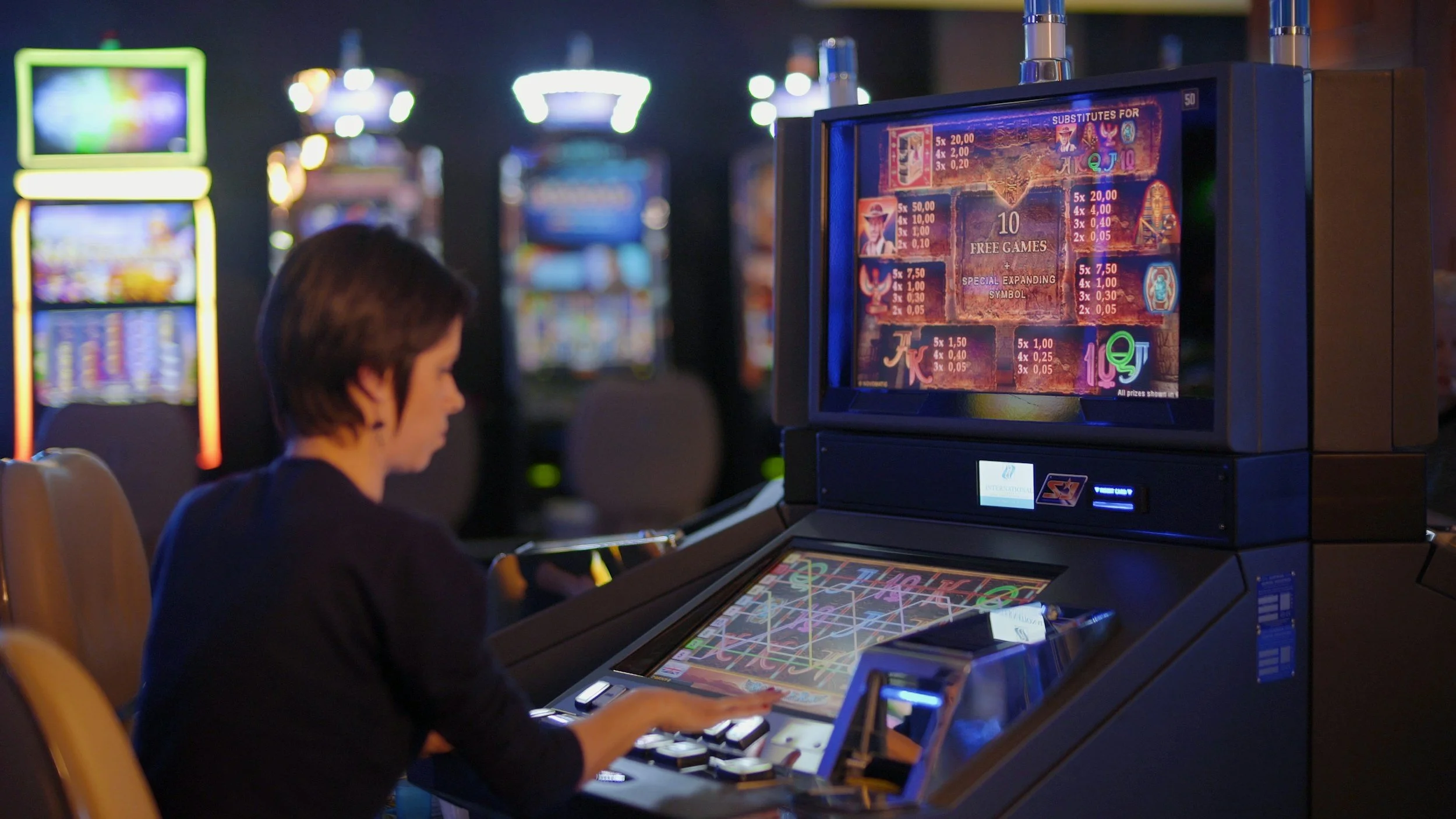
The gap between a PS2-era simulation and a modern Microgaming title is not just generational. It is architectural. Playboy Gold runs at 96.08% RTP across 100 paylines on a 6-reel grid, with a Wheel Bonus scatter mechanic that branches into free spins or a pick-card bonus round depending on how it lands. Playboy Fortunes, developed with Gameburger Studios, runs at 96.24% RTP, medium volatility, with a Free Spins Wheel that awards between 10 and 30 spins with up to a 3x multiplier. Playboy Fortunes King Millions layers progressive jackpot mechanics over the top, pulling total RTP to 90.50% when the jackpot contribution is factored in.
All of it runs on mobile-optimised HTML5 with no download required. The RNG architecture is independently certified. The UI scales cleanly across screen sizes in a way that would have been technically impossible on the PS2, and the bonus round triggers are designed to maintain engagement in a way that the 2005 game's repetitive party loop never managed to.
You can see the full current lineup, from the original Playboy slot through to the Fortunes series and beyond, on the official Microgaming Playboy page. The evolution from that first 2013 title to where the series sits now reflects significant iteration in mobile optimisation, feature depth, and RNG balancing.
iGaming platforms and traditional gaming are converging at the design level, and the Playboy slot series is a reasonable case study in how licensed IP finds sustainable formats when the initial execution does not land.
The Legacy
The 2005 Playboy: The Mansion was a product of its hardware, its budget, and the limitations of sim AI that simply was not sophisticated enough to realise the concept. It is not a bad game because someone made bad decisions. It is a limited game because the technology was not ready.
What Microgaming has built since 2013 is not a continuation of that simulation. It is a different answer to the same question: how do you translate a brand built on spectacle and luxury into interactive software that actually delivers?
The answer turned out to be tight RNG engineering, mobile-first UI design, and feature mechanics that reward the player without leaning on an AI that has to simulate a convincing party guest. Sometimes the right medium is just a better fit. The Playboy brand found one.