In the world of gaming, action and speed often dominate the spotlight. Players are used to rapid battles, constant movement, and instant rewards. Yet there is another style of gameplay that thrives on the opposite principle: patience. Ice fishing games have quietly built a loyal fanbase by transforming slow, deliberate moments into rewarding achievements. Many players even check Ice Fishing result today to see leaderboards, tournament outcomes, or rare catches achieved by others. What may look like a calm activity at first glance often hides deep strategy, skill progression, and a unique sense of accomplishment.
Unlike fast-paced games where victory depends on reflexes alone, ice fishing titles focus on observation, timing, and decision-making. Players step into snowy landscapes, drill through thick ice, and lower their lines into dark waters beneath the frozen surface. The challenge is not simply catching fish — it is mastering the rhythm of the environment. Each successful catch feels earned, turning patience into a powerful gameplay advantage.
The Quiet Challenge Beneath the Ice
Ice fishing games are built around a deceptively simple loop: prepare, cast, wait, and react. However, every step involves subtle decisions that influence success. Choosing the right fishing location, selecting bait, adjusting line depth, and reacting to fish movement all affect the outcome.
The environment itself becomes part of the challenge. Some fish prefer deeper water, while others swim closer to the ice. Temperature, time of day, and bait type can also impact catch rates. As players gain experience, they begin to recognize patterns in fish behavior.
This gradual learning process is where patience begins to transform into power. Instead of rushing through the experience, players who observe carefully gain an advantage.
Frozen Landscapes and Immersive Atmosphere
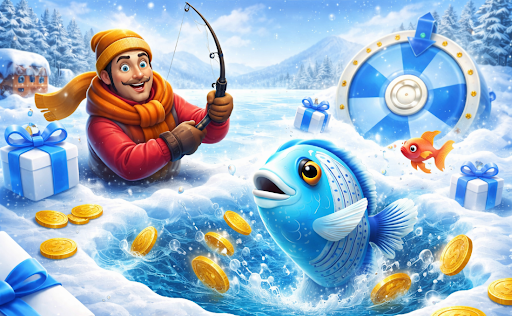
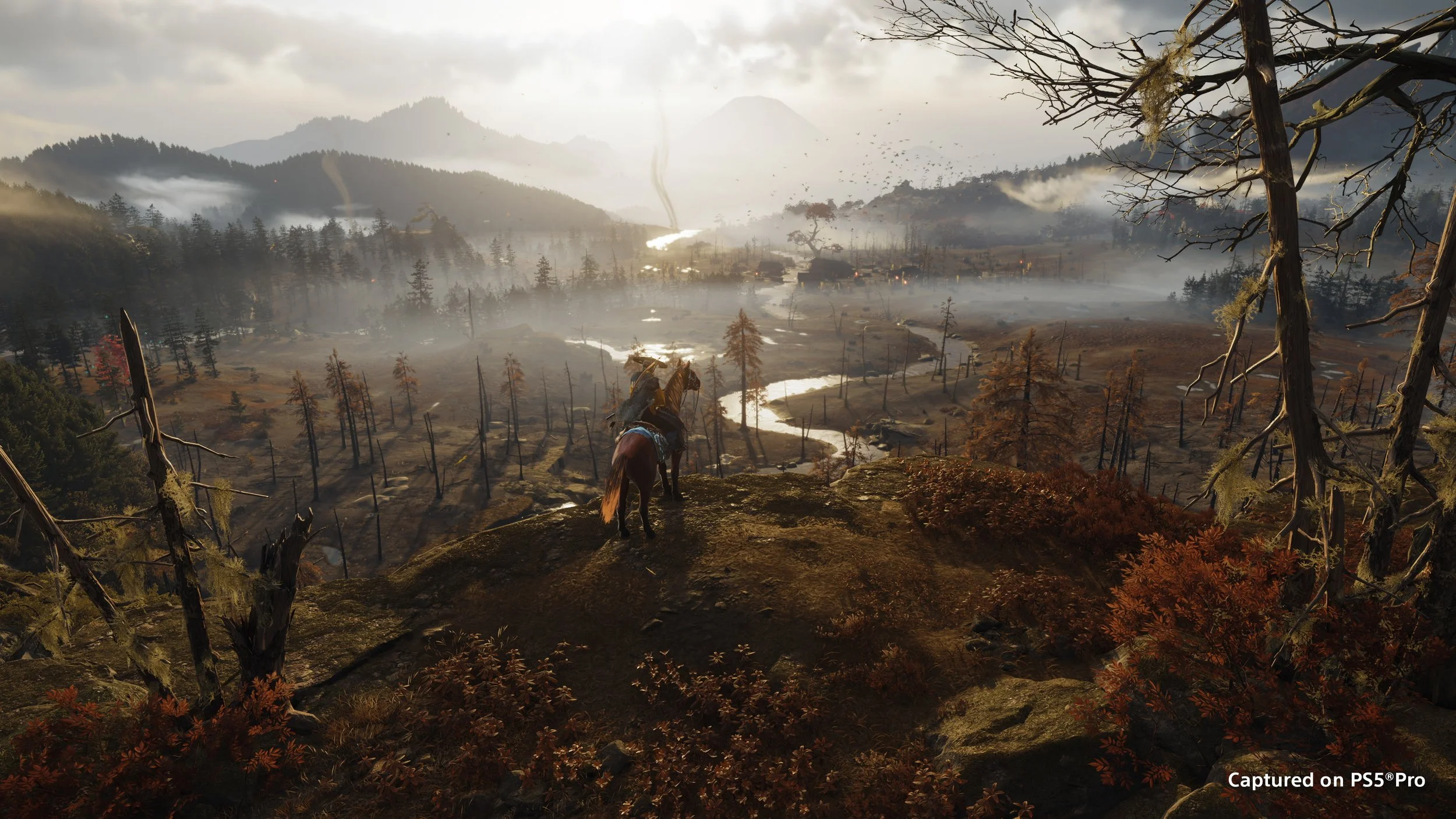
One of the defining features of ice fishing games is their atmosphere. Snow-covered lakes stretch into the distance, gentle wind sounds fill the air, and small fishing huts dot the icy landscape. The visual calm contrasts sharply with the tension that builds beneath the surface.
Players often describe these environments as relaxing. The slow pace allows them to enjoy the scenery and take breaks from the high intensity found in other genres. However, this peaceful setting does not mean the game lacks excitement.
The moment a fish bites the line, everything changes. What was once quiet anticipation suddenly becomes a test of timing and control.
From Small Catches to Legendary Fish</H2
Progression systems are a key reason ice fishing games remain engaging over long periods. Early in the game, players catch smaller fish that help them earn currency or experience points. These rewards unlock better equipment such as:
Stronger fishing rods
More durable lines
Advanced reels
Specialized bait
Portable shelters and tools
Each upgrade improves the player’s ability to pursue more challenging targets. Legendary fish — rare species with unique behaviors — often require precise strategies and upgraded gear to catch.
When players finally land one of these elusive catches, the reward feels significant. The process might involve multiple attempts, careful planning, and a bit of luck. The sense of achievement reinforces the idea that patience leads to success.
Strategy Beneath the Surface
While ice fishing games appear simple, experienced players know that strategy plays a major role. Successful anglers experiment with combinations of equipment, locations, and timing.
For example, some fish respond better to slow lure movement, while others are attracted to faster motions. Depth also matters. A few meters too high or too low can make the difference between a quiet line and a successful catch.
Competitive players often track these variables carefully. They test different methods and share tips with online communities. Over time, the frozen lake becomes less mysterious, and more like a puzzle waiting to be solved.
Quests and Missions
Many ice fishing games include quest systems that guide players through new challenges. These missions add direction to the experience and encourage exploration.
Typical quests might include:
Catching a specific species of fish
Landing a fish above a certain weight
Fishing at a new location
Completing a timed challenge
Using a specific type of bait or equipment
These tasks create small goals that keep gameplay fresh. Instead of fishing randomly, players have objectives that push them to try different strategies.
Completing quests often unlocks new areas or advanced equipment, expanding the game world and deepening the overall experience.
Competitive Elements
Although ice fishing games emphasize relaxation, competition still plays an important role. Many titles include tournaments, rankings, and global leaderboards.
In tournament mode, players compete to catch the biggest or rarest fish within a limited time. This adds a layer of excitement to the otherwise calm gameplay loop.
Players who master fishing techniques gain an advantage in these events. Understanding fish behavior, selecting the correct bait, and reacting quickly when a bite occurs can lead to victory.
Competition motivates players to improve their skills, turning the quiet fishing experience into a strategic contest.
The Psychology of Waiting
Patience is often overlooked in modern gaming, but ice fishing games highlight its value. Waiting for a fish to bite may sound simple, yet it creates a powerful emotional cycle.
First comes anticipation. Players watch the line carefully, wondering when the next bite will occur. Then comes action — the sudden tug that signals a fish has taken the bait. Finally comes the struggle to reel the catch to the surface.
Because the reward is delayed, it feels more meaningful when it arrives. This system taps into a psychological pattern known as delayed gratification. Players learn that careful attention and persistence produce better outcomes.
A Genre That Rewards Skill and Calm
One reason ice fishing games attract a wide audience is their balance between relaxation and challenge. Casual players enjoy the peaceful environment and straightforward mechanics. Competitive players, on the other hand, appreciate the depth of strategy hidden within the gameplay.
This balance creates a unique experience rarely found in other genres. Players can approach the game however they prefer — either as a calming pastime or as a skill-based challenge.
Over time, many players discover that the two approaches naturally blend together. What starts as a relaxing activity gradually becomes a quest for mastery.
The Power of Patience
At its core, the appeal of ice fishing games lies in a simple but powerful concept: patience leads to success. Instead of overwhelming players with constant action, these games reward observation, timing, and thoughtful decisions.
The frozen lake becomes a stage where every small improvement matters. Players learn to read the water, adapt their strategies, and pursue legendary catches that once seemed impossible.
In a gaming world filled with noise and speed, ice fishing games offer something refreshingly different. They remind players that sometimes the greatest victories come not from rushing forward, but from waiting for the perfect moment beneath the ice.