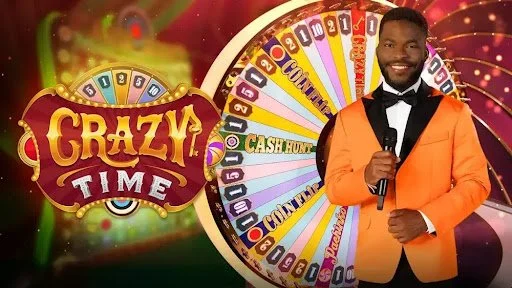
The digital entertainment landscape has evolved rapidly in recent years, blending elements of television, gaming, and live interaction into unique experiences. One of the most successful examples of this transformation is Crazy Time, a colorful and energetic online game show that has captivated players worldwide. By combining the excitement of traditional game shows with modern online gaming mechanics, the game has created a completely new form of digital entertainment.
Many fans first encounter the experience when they watch Crazy Time live online and see the spinning wheel, energetic hosts, and vibrant visuals that define the game. The format instantly feels familiar because it resembles the classic television game shows people have enjoyed for decades. However, the digital version goes further by allowing viewers to become participants. Instead of simply watching a host spin a wheel, players can place bets, anticipate results, and celebrate bonus rounds together in real time.
This interactive approach represents a major shift in the world of online gaming. Rather than focusing solely on traditional casino mechanics, Crazy Time delivers an immersive experience where entertainment and gameplay merge into a single spectacle.
The Evolution of Online Game Shows
Game shows have been a staple of television for generations. Programs built around spinning wheels, guessing games, and prize challenges have entertained audiences for decades. Shows like Wheel of Fortune demonstrated how suspense and simple mechanics could captivate viewers.
When online casinos first appeared, they primarily offered digital versions of classic games such as blackjack, roulette, and poker. While these games were popular, they lacked the showmanship and excitement that television game shows delivered.
The development of live-streamed casino games changed this dynamic. By introducing real hosts, studio sets, and interactive gameplay, developers began recreating the energy of a broadcast show. Crazy Time emerged as one of the most ambitious examples of this concept.
A Wheel That Drives the Experience
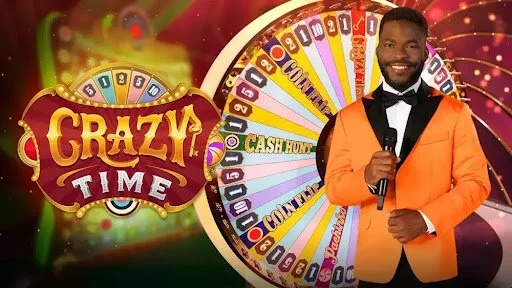
At the center of the game is a massive spinning wheel divided into multiple segments. Each segment represents either a number or a bonus game. The anticipation builds as the host spins the wheel and the pointer slowly approaches its final position.
This simple mechanic is incredibly effective. The spinning wheel creates suspense, while the colorful design and dramatic lighting make every moment feel like part of a live television broadcast.
Players place bets on the segment they believe the wheel will land on. When the wheel stops, winners are rewarded according to the outcome. This straightforward concept makes the game easy to understand while still offering exciting possibilities.
Bonus Rounds That Feel Like Mini-Games
One of the defining features of Crazy Time is its variety of bonus rounds. These segments transform the game from a simple betting experience into a multi-layered entertainment event.
The most popular bonus rounds include:
Coin Flip – a quick game of chance with two multipliers.
Cash Hunt – players choose hidden rewards in a visual mini-game.
Pachinko – a puck drops down a board filled with multiplier slots.
Crazy Time Bonus – a secondary spinning wheel with massive multipliers.
Each bonus round introduces new visuals, sounds, and gameplay elements. Instead of watching the same mechanic repeatedly, players experience a constantly evolving show filled with surprises.
These bonus segments are key to the game’s popularity because they replicate the feeling of advancing to the next level in a video game.
Live Hosts and Real-Time Interaction
Another major factor in the game’s success is the presence of live hosts. Professional presenters guide the action, explain the rules, and build suspense during each spin.
The host’s personality adds a human element that many digital games lack. They celebrate wins, react to surprising outcomes, and interact with players through chat features.
This real-time communication transforms the experience into something closer to a live broadcast. Instead of feeling like a solitary activity, the game becomes a shared event where thousands of viewers participate simultaneously.
Visual Spectacle and Production Quality
The production quality behind Crazy Time is comparable to a television studio. Bright colors, animated elements, and high-definition video streams create a visually striking environment.
The studio set features elaborate lighting, massive wheels, and dynamic displays that highlight multipliers and bonus features. These visual elements maintain excitement throughout the session.
Music and sound effects also play a crucial role. Energetic audio cues signal when multipliers appear or when bonus rounds begin, heightening the emotional impact of each moment.
The Power of Gamification
Gamification is the process of applying game-like elements to non-game environments. In the case of Crazy Time, gamification transforms traditional betting into an interactive experience.
Players are not just placing wagers; they are anticipating spins, reacting to multipliers, and celebrating bonus rounds together. This structure mirrors the engagement patterns found in modern video games.
Gamification helps maintain interest over long sessions because the experience constantly changes. Every spin offers the possibility of a new outcome, a new bonus, or a dramatic multiplier.
Technology Behind the Experience
The technical infrastructure supporting live game shows is complex. High-definition cameras capture the action in real time, while streaming platforms deliver the broadcast to thousands of players around the world.
Advanced software systems ensure that bets are processed instantly and that outcomes are displayed accurately. At the same time, random number generation and strict oversight maintain fairness.
Mobile compatibility is also essential. Many players join sessions through smartphones or tablets, allowing them to participate wherever they are.
A Global Entertainment Phenomenon
Since its launch, Crazy Time has attracted a global audience. Its universal appeal comes from the combination of simple mechanics and spectacular presentation.
The spinning wheel format is easy to understand regardless of language or cultural background. Meanwhile, the colorful visuals and enthusiastic hosts create a lively atmosphere that appeals to viewers everywhere.
This international reach demonstrates how digital entertainment can transcend traditional borders.
The Future of Online Game Shows
The success of Crazy Time suggests that the future of online gaming may involve even more interactive and visually immersive experiences. Developers are already experimenting with new formats that blend casino mechanics with game show storytelling.
Technologies such as augmented reality and virtual environments could further enhance these experiences. Imagine entering a virtual studio where players can walk around the set, interact with hosts, and watch the wheel spin from different perspectives.
As technology evolves, the line between gaming, television, and live entertainment will likely continue to blur.
Conclusion
The rise of Crazy Time marks a turning point in the evolution of online game shows. By combining live broadcasting, interactive betting, and dynamic bonus features, the game has created a new form of digital entertainment that appeals to modern audiences.
From the moment players watch Crazy Time spin its iconic wheel, they become part of an engaging spectacle filled with suspense, color, and excitement. The game’s innovative design demonstrates how traditional entertainment formats can be reinvented for the digital era.
As online platforms continue to innovate, experiences like Crazy Time will likely inspire the next generation of interactive game shows, proving that the fusion of technology and creativity can transform even the simplest idea — a spinning wheel — into a global phenomenon.