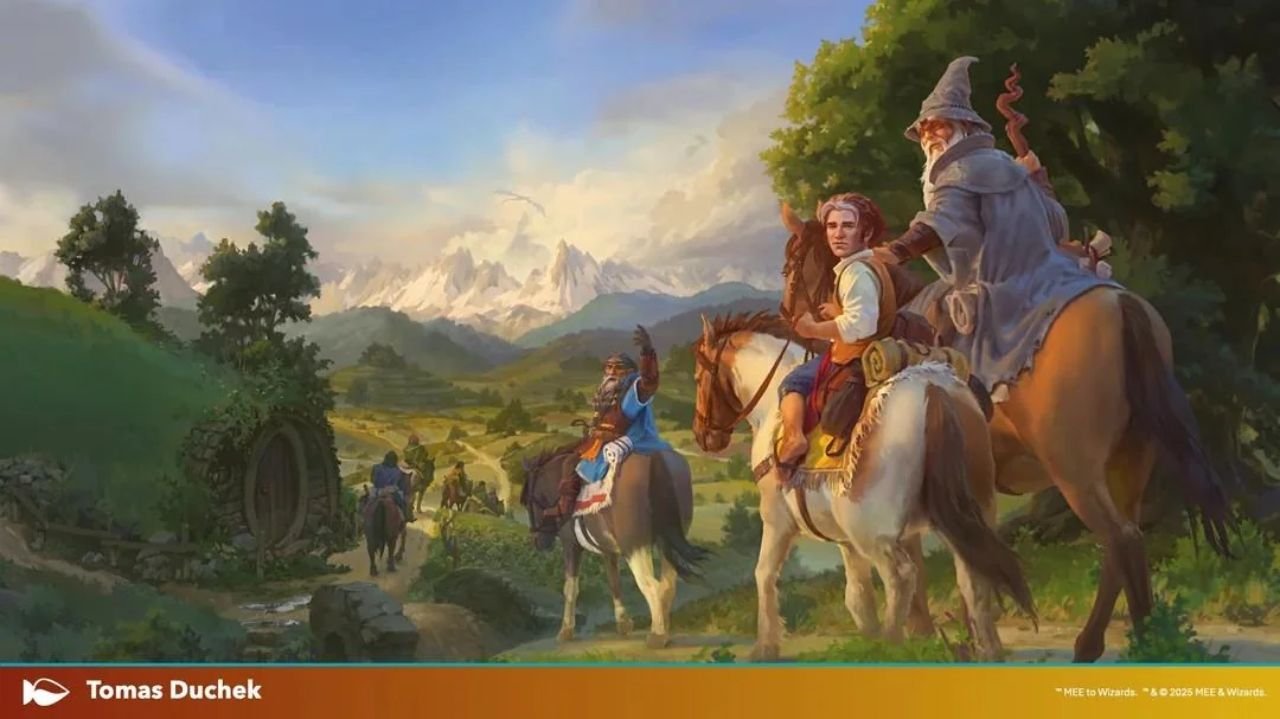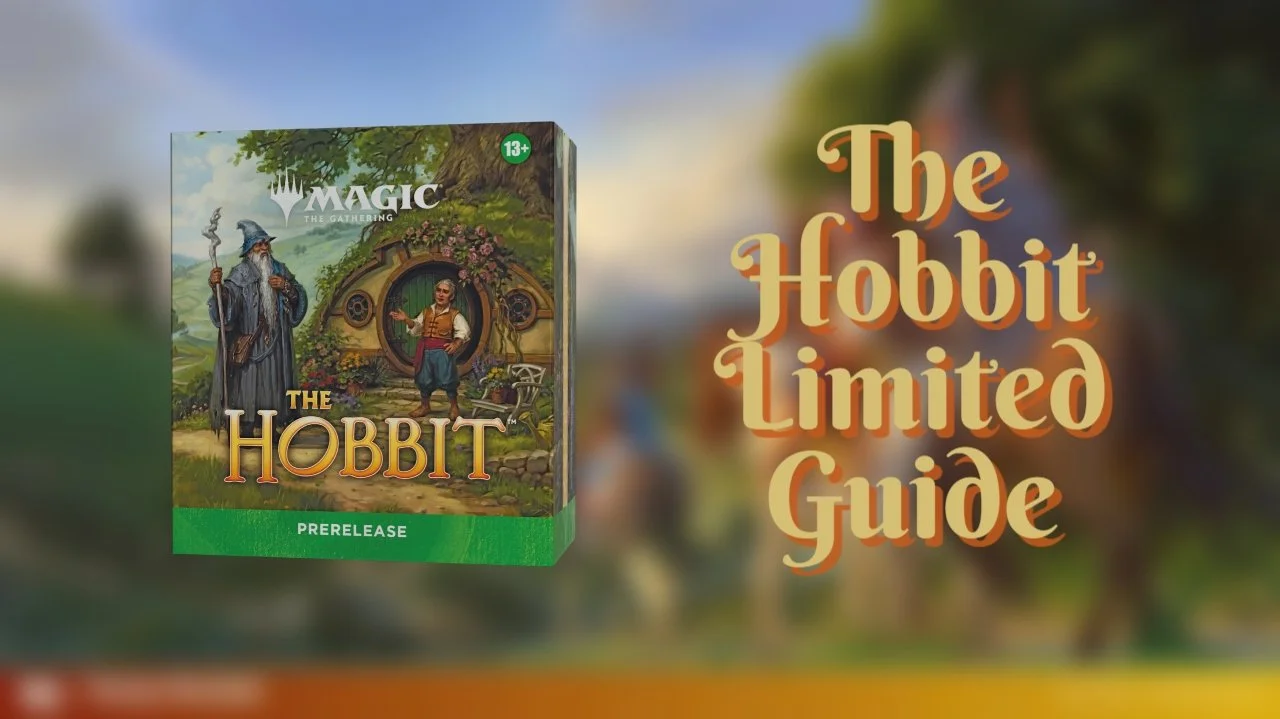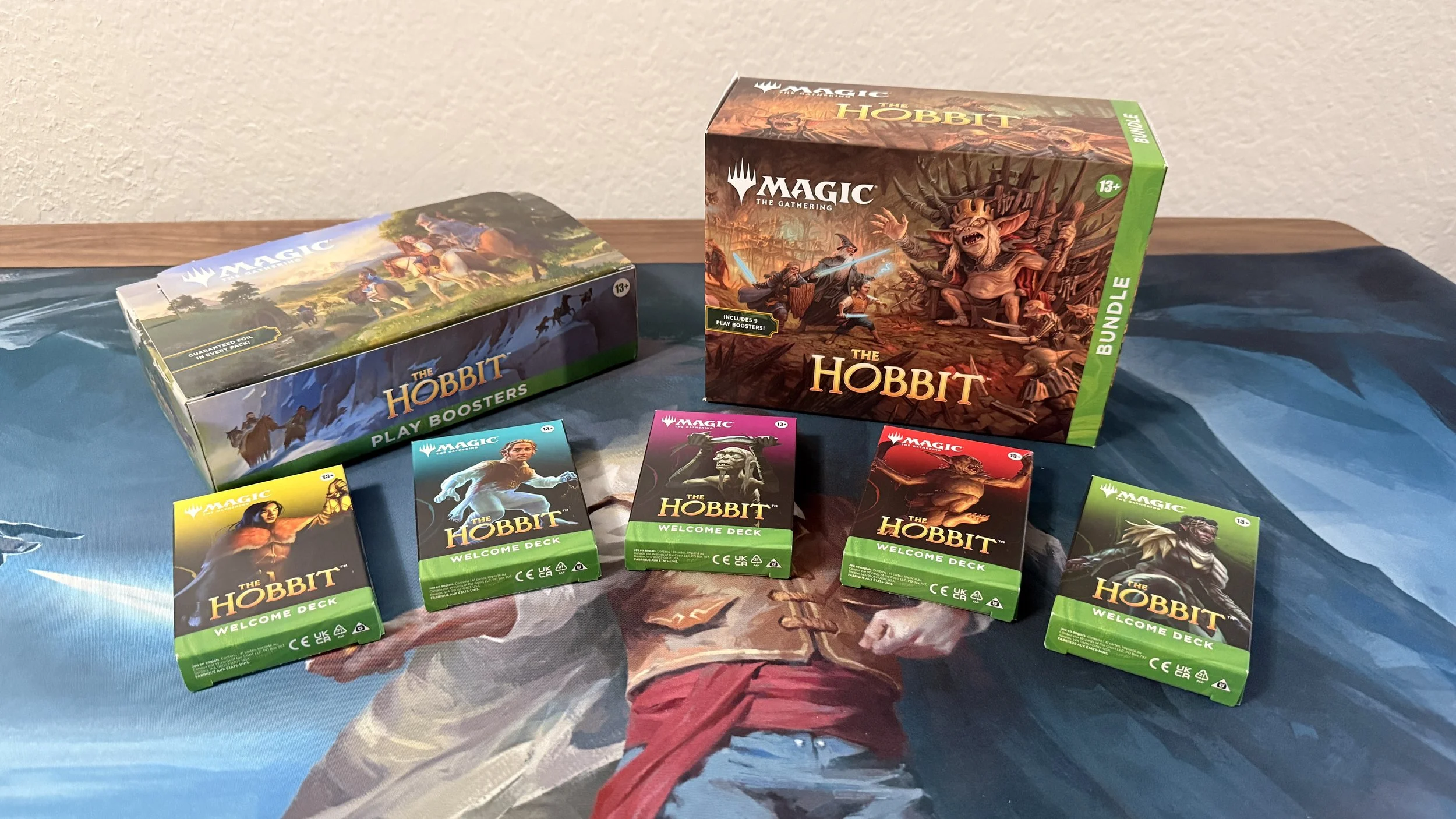
Magic: The Gathering | The Hobbit is the first Universes Beyond sequel set we’ve gotten. Following Tales of Middle-earth, this is the second Lord of the Rings set, but it’s releasing in a much smaller fashion.
This is most definitely a supplemental set, but it still aims to hit like a full release. So, how well does it actually stand on its own?
Key Mechanics in The Hobbit
Even though this is a smaller set, it introduces some useful new mechanics while also revisiting a few old favorites.
New Mechanics
There are two major new mechanics in The Hobbit, along with one cameo mechanic that only appears on a pair of cards. Recruit and Storied each support their own Draft archetypes, while Hone makes a brief appearance on Equipment-focused cards.
Recruit
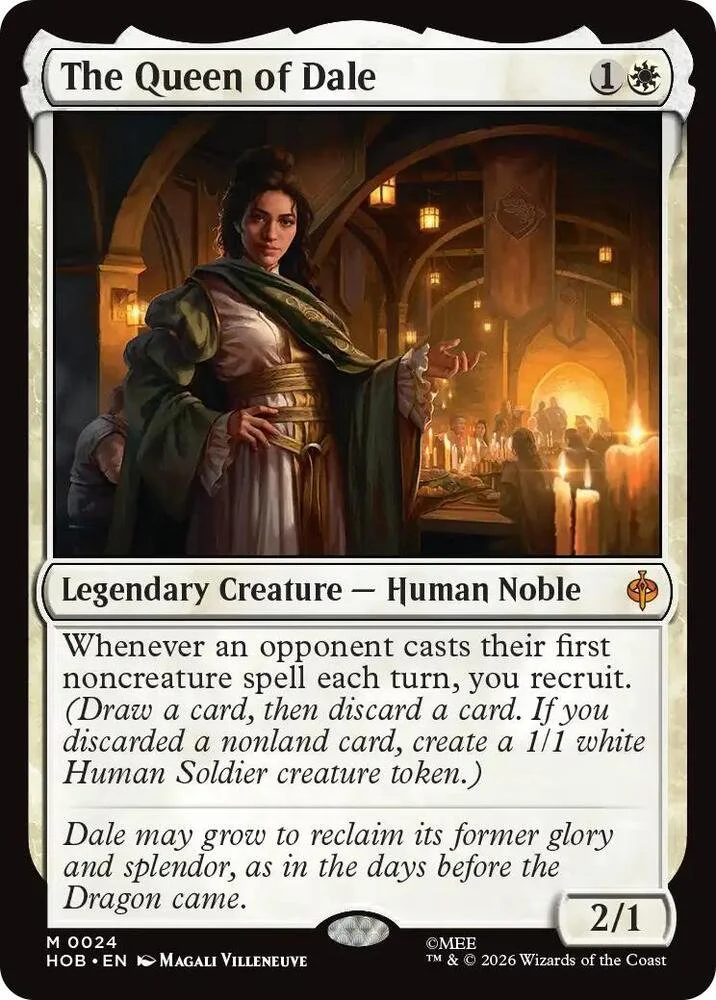
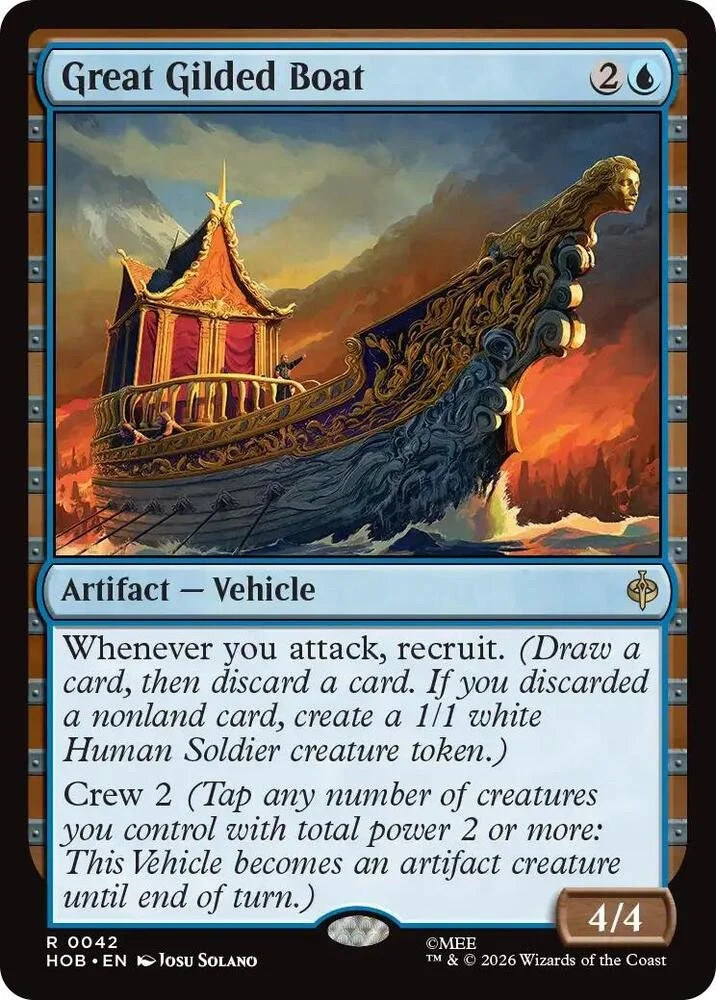
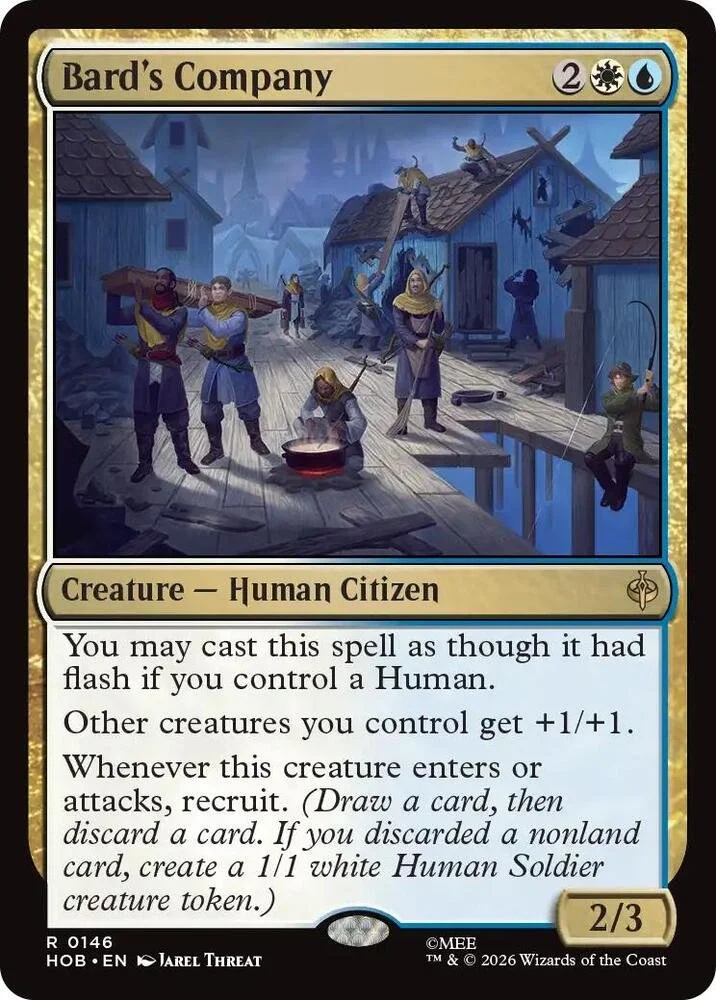
Recruit is a new card draw and creature token mechanic that heavily supports the Azorius Draw Two archetype.
The mechanic functions similarly to Connive. When a creature Recruits, you draw a card, then discard a card. Much like Connive, you also receive a bonus for discarding a nonland card. However, instead of putting a +1/+1 counter on the creature, you create a 1/1 white Human Soldier token.
I like this ability because it’s effective in a lot of different ways. It helps with card draw, lets you get rid of cards you don’t need, can trigger creature-matters abilities, and supports go-wide strategies. I could see this mechanic having some serious play potential, especially in token decks and strategies that already care about drawing cards.
The biggest issue I see with Recruit is that a lot of the creatures using it don’t have repeatable Recruit abilities. In many cases, it’s just a one-time effect on ETB, which limits how much you can really build around it.
Storied
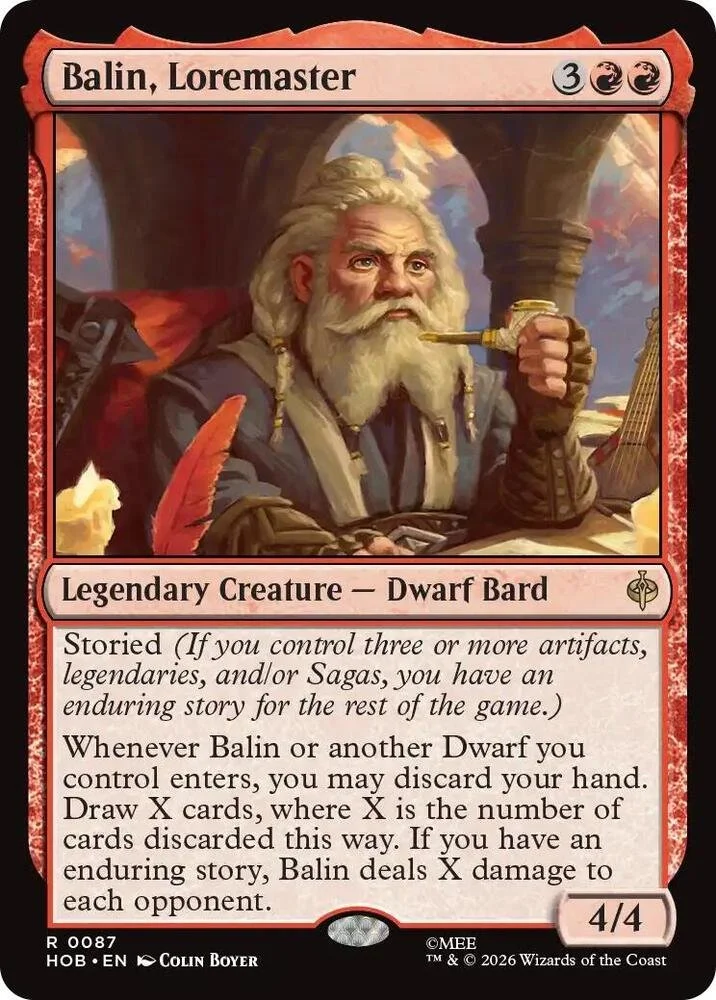
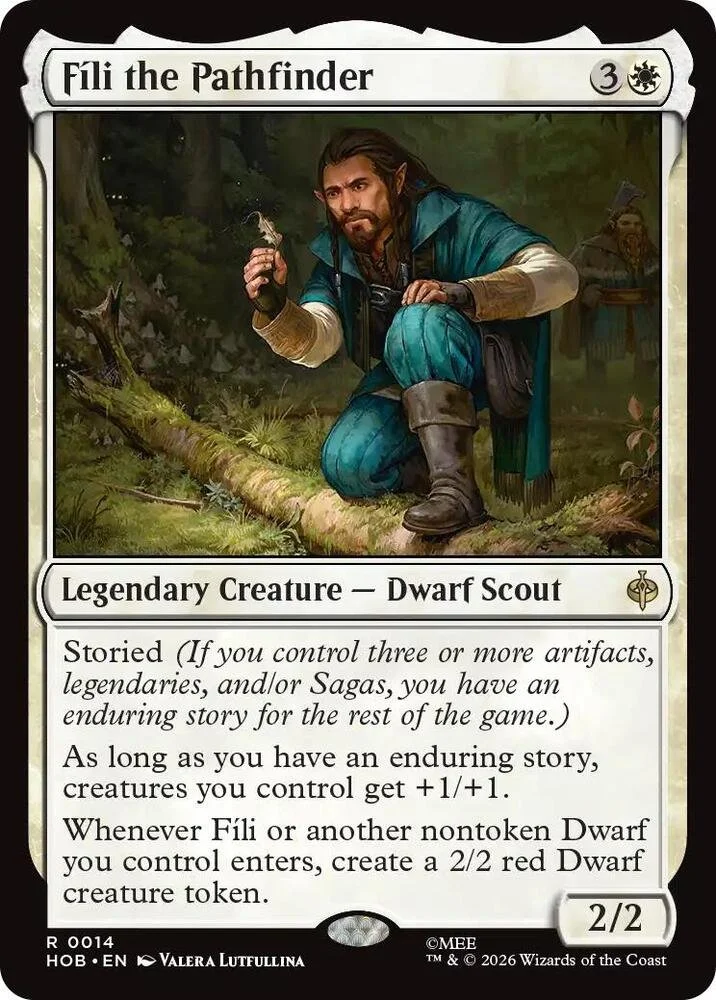
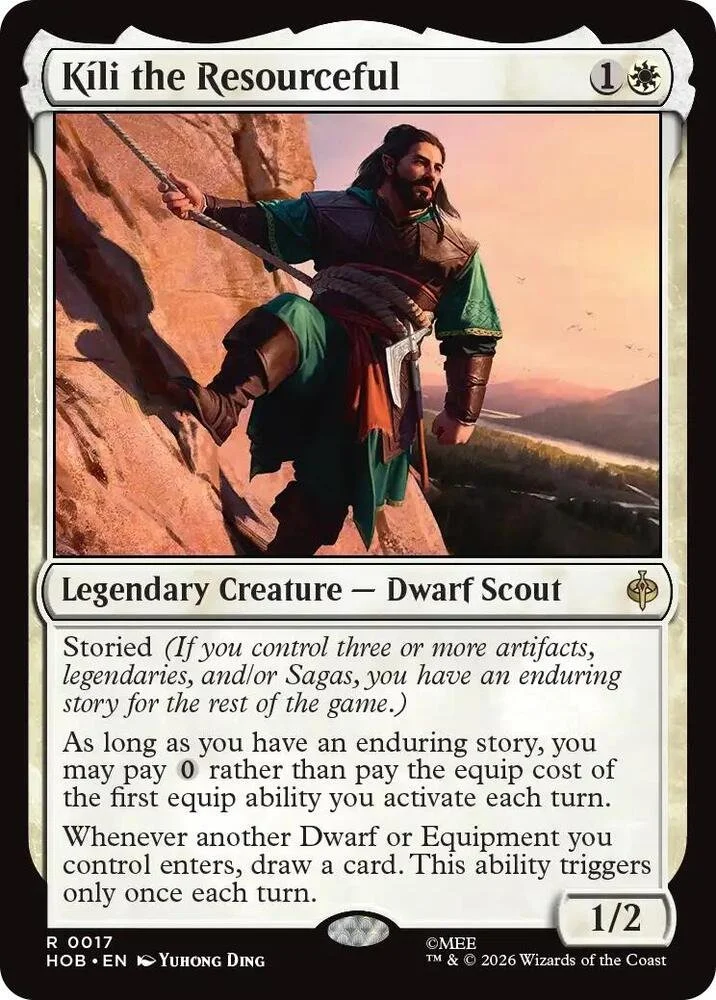
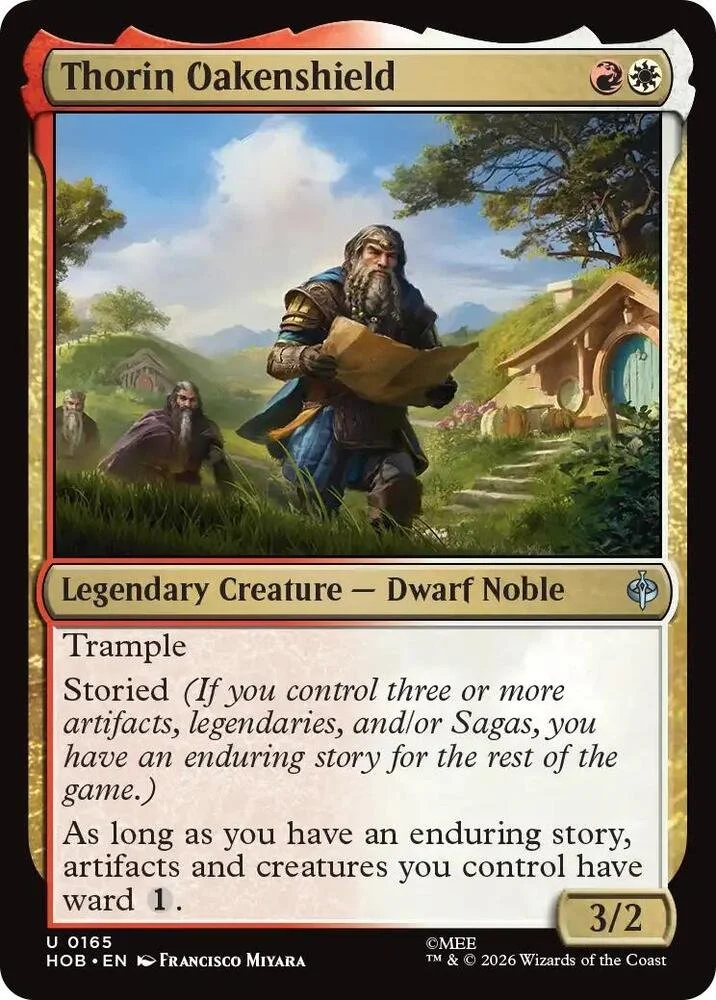
The next new mechanic in the set is Storied, which also introduces a brand-new emblem to Magic.
When a creature becomes Storied, it checks to see if you control three or more historic permanents. If you do, you gain the Enduring Story emblem for the rest of the game. This mechanic turns on very quickly in this set, especially in Limited. There are a ton of Legendary creatures, and many of the cards with Storied exist in colors that already care about artifacts and Equipment, so getting your Enduring Story shouldn’t be difficult.
I understand the mechanic and where it comes from thematically, but I do find it a little boring. At the end of the day, it’s basically just a buff mechanic that asks you to meet a certain condition. That condition also isn’t particularly difficult to reach, and the mechanic doesn’t scale beyond that point. It’s not terrible, it’s just not my favorite, and I don’t see it having a major impact on Constructed formats.
Hone
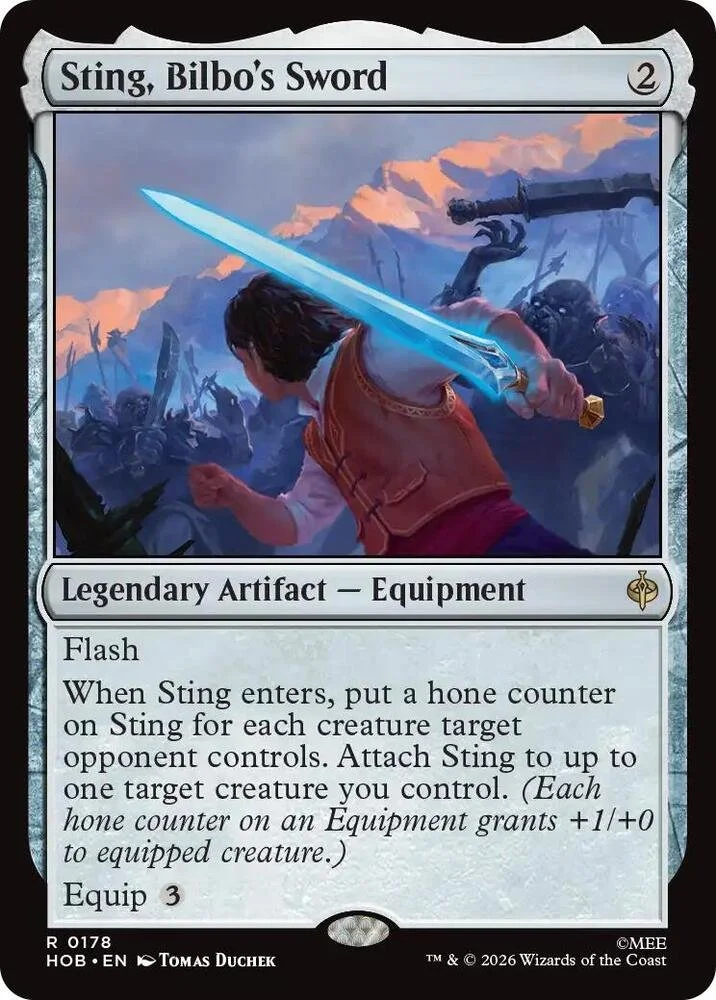
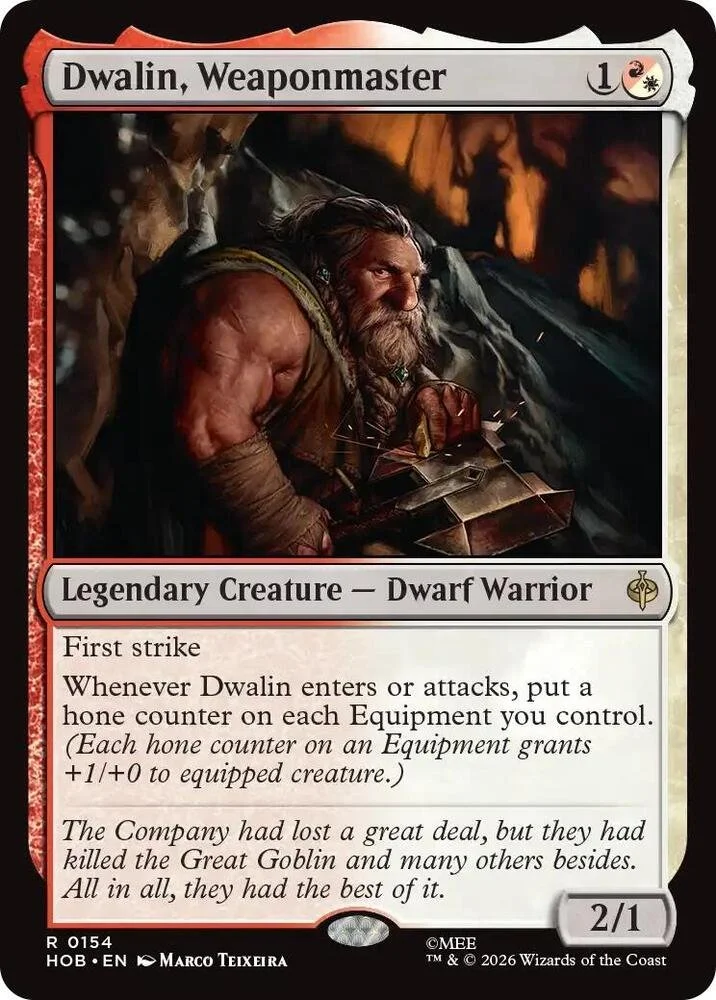
The final new mechanic only appears on two cards: Hone. Hone is a new counter type placed on Equipment. An Equipment with a Hone counter on it gets +1/+0, and the best part is that the counters stack. That means the Equipment gets +1/+0 for each Hone counter on it.
Dwalin, Weaponmaster puts Hone counters on your Equipment every time he attacks, and that alone shows how strong this mechanic can potentially become.
I’m actually happy Hone appears sparingly because I think this mechanic could make some waves in Constructed, specifically in Commander with Voltron decks and other Equipment-focused strategies.
Returning Mechanics
Since this is a sequel set, it makes sense that we’d see a few mechanics return from The Lord of the Rings. However, some of the returning mechanics are ones we haven’t seen in a set for quite a while.
Adventure
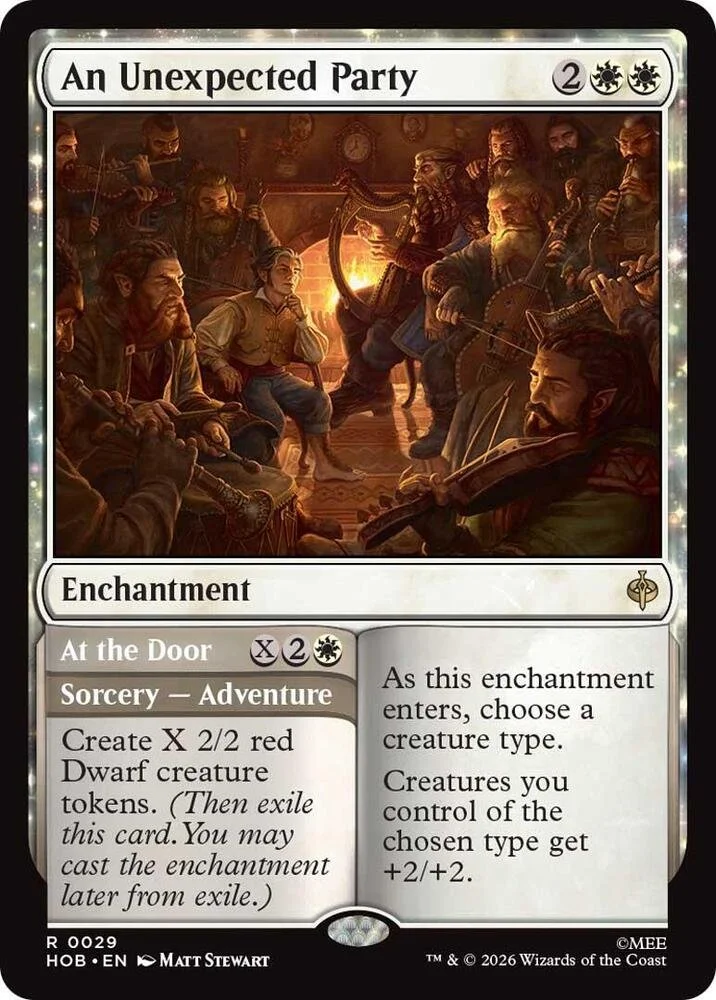
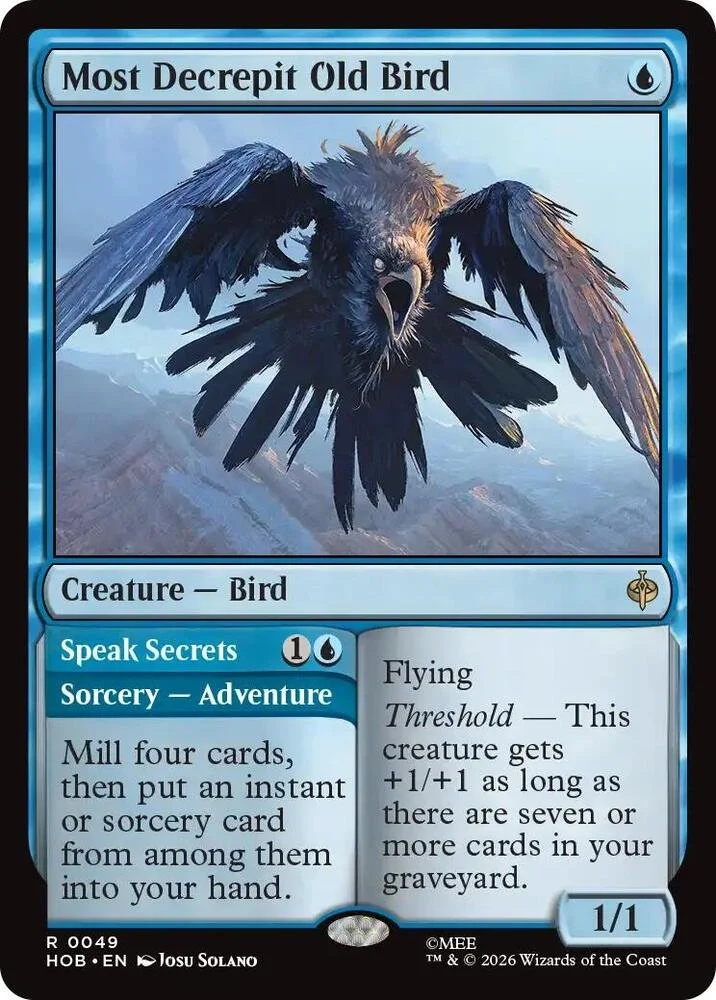
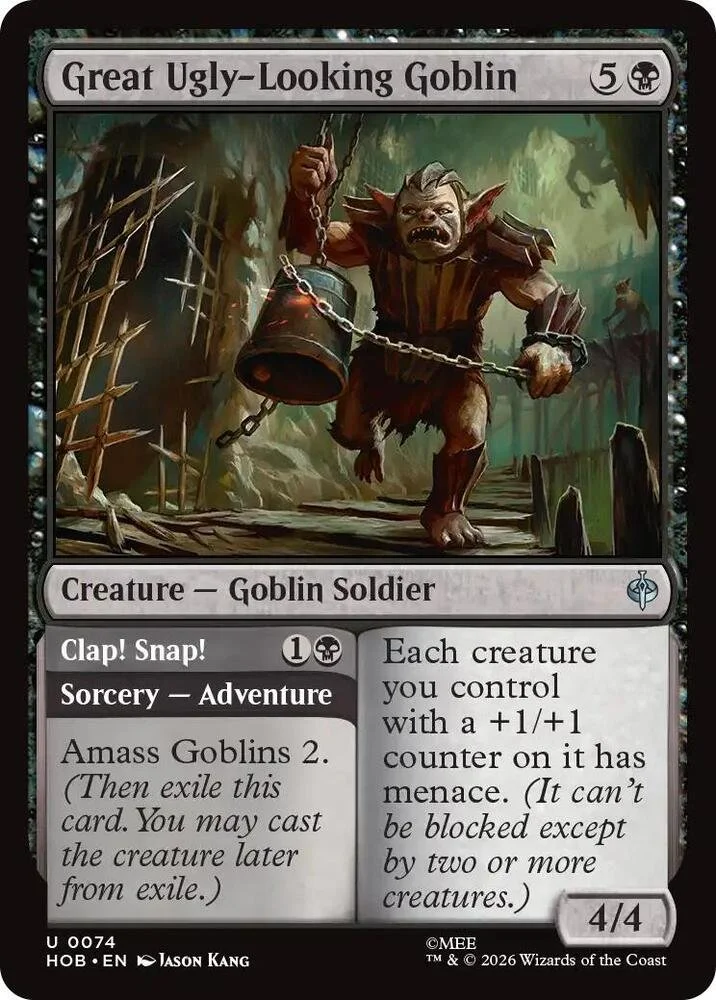
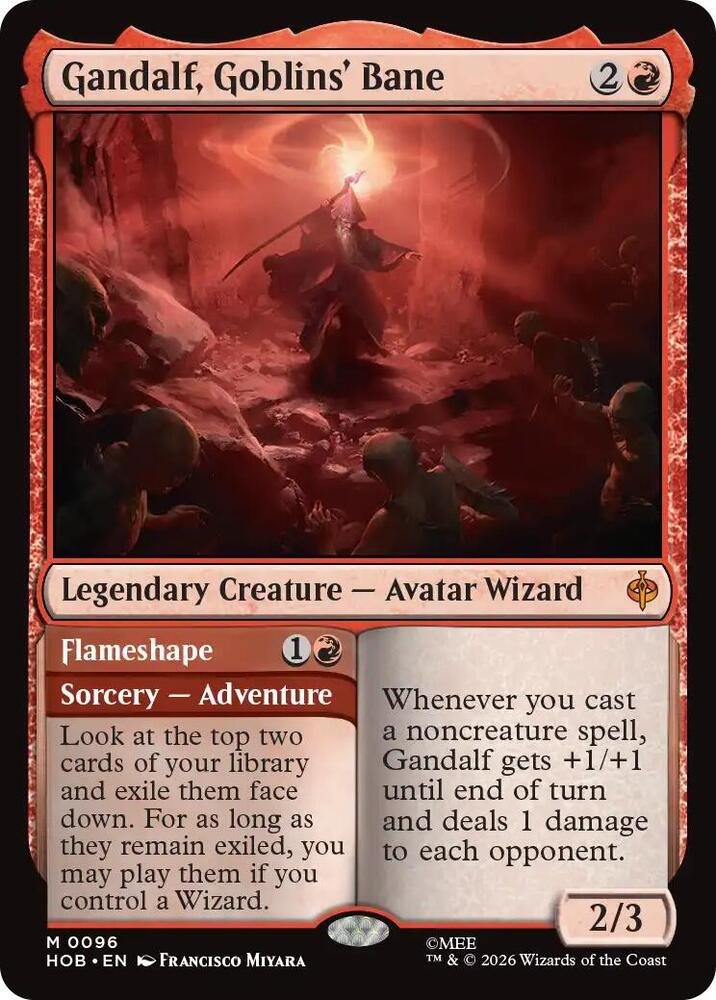
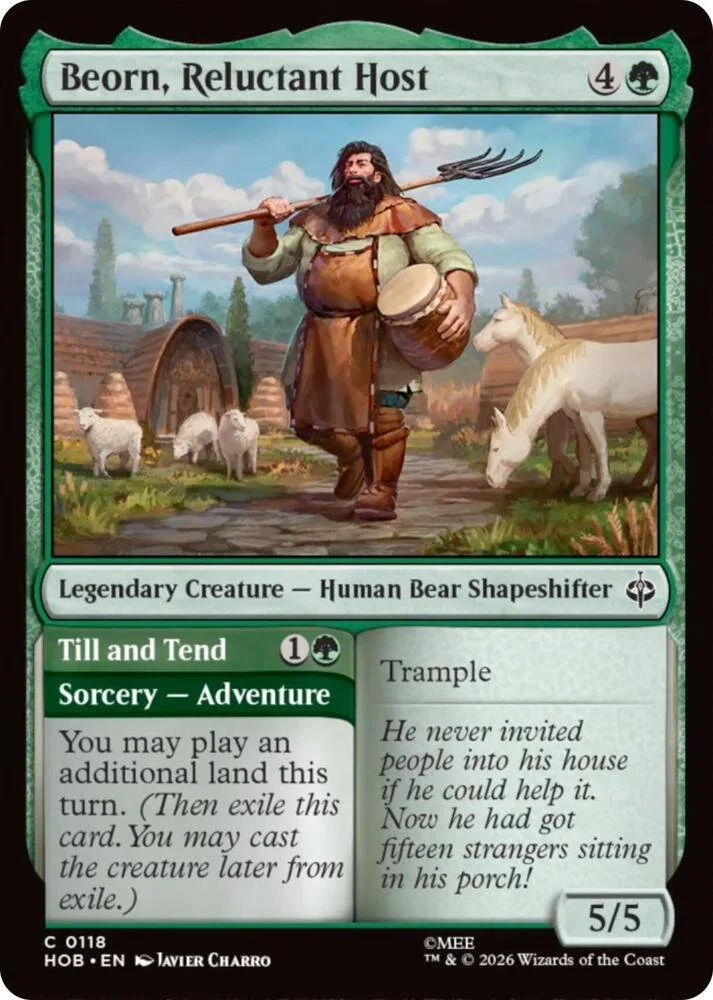
Adventure is a mechanic I wholeheartedly welcome every time, especially when it appears on creatures. This mechanic gives cards in your deck a dual purpose. Cards with Adventure have a second text box containing an instant or sorcery that can be cast for its Adventure cost. Once you cast that side, the card is exiled, and you can later cast the creature from exile for its normal mana cost.
Cards like this might not always have a huge impact in Standard, but in a format like Commander, where you have a hard stop at 100 cards, they can be incredibly valuable. You’re essentially getting a spell and a creature out of one card slot.
Amass
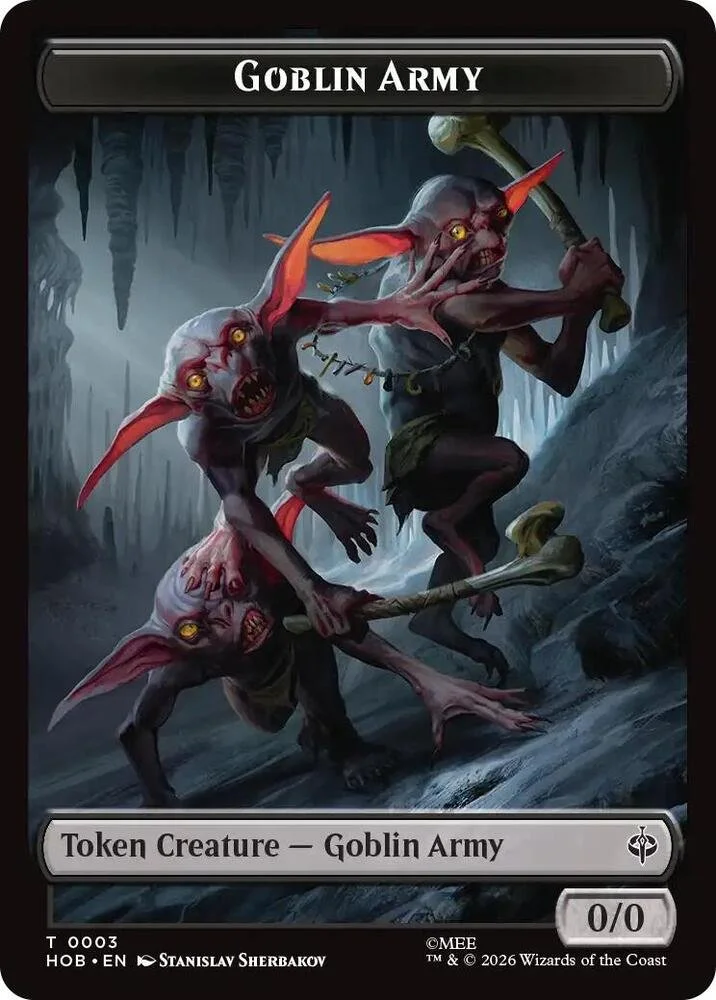
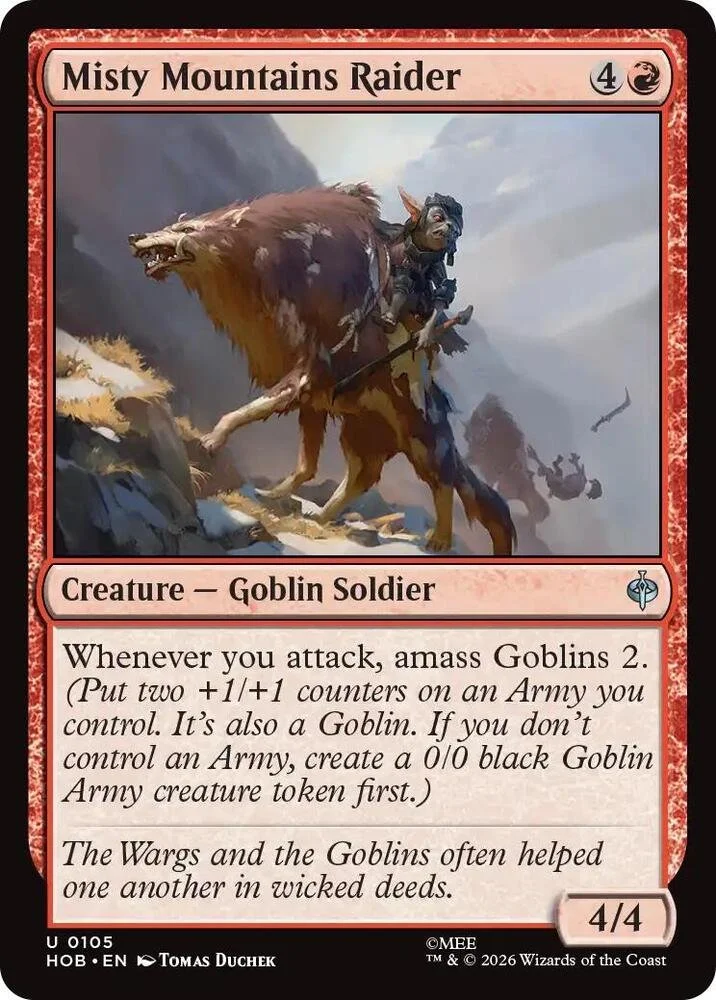
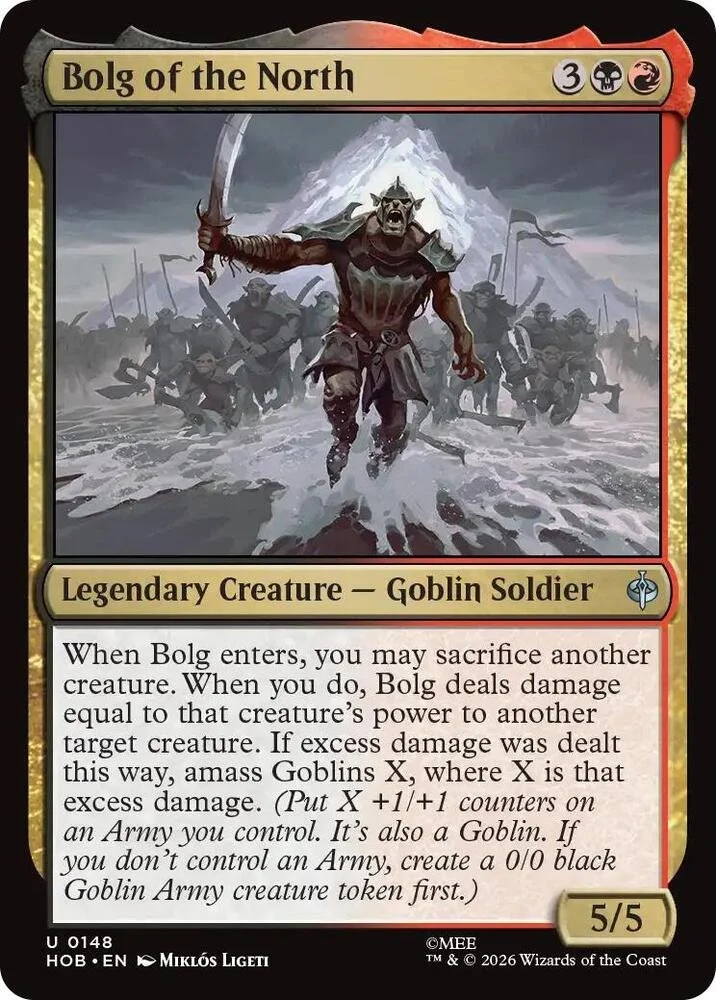
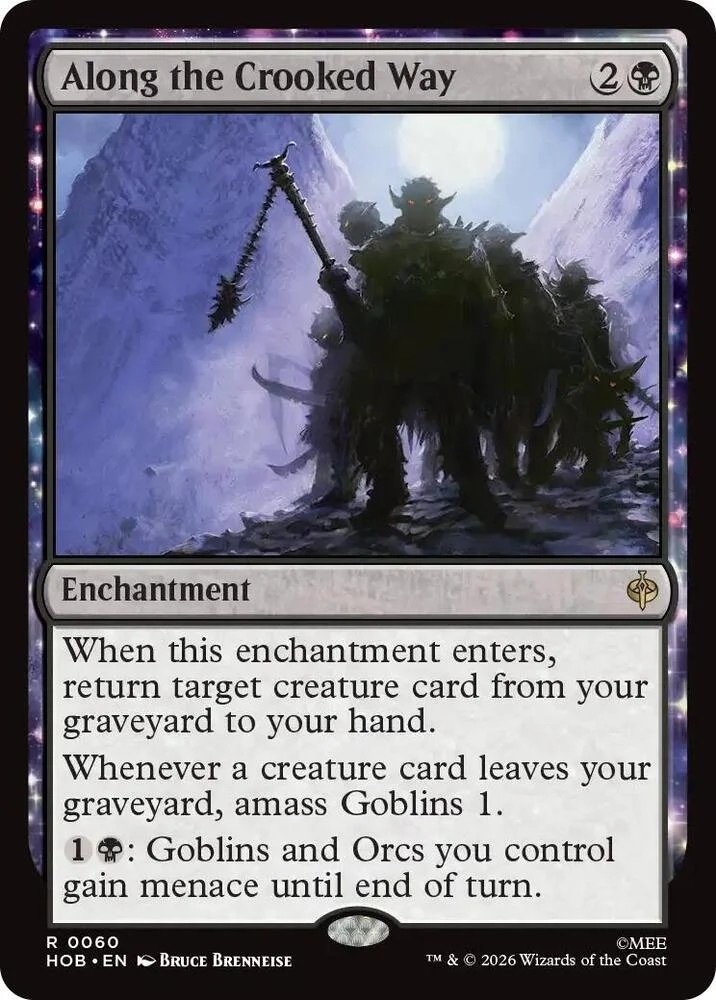
Amass creates an Army token if you don’t already control one, then puts +1/+1 counters on that Army equal to the Amass value. Each time you Amass after that, you continue adding counters to the same Army.
Amass is fun and thematic, but unless you’re specifically building around the mechanic, I think it’s on the weaker side. I don’t see Amass having much of an impact on Constructed formats outside of maybe Commander decks built around Goblins, Armies, or Amass triggers.
Ferocious
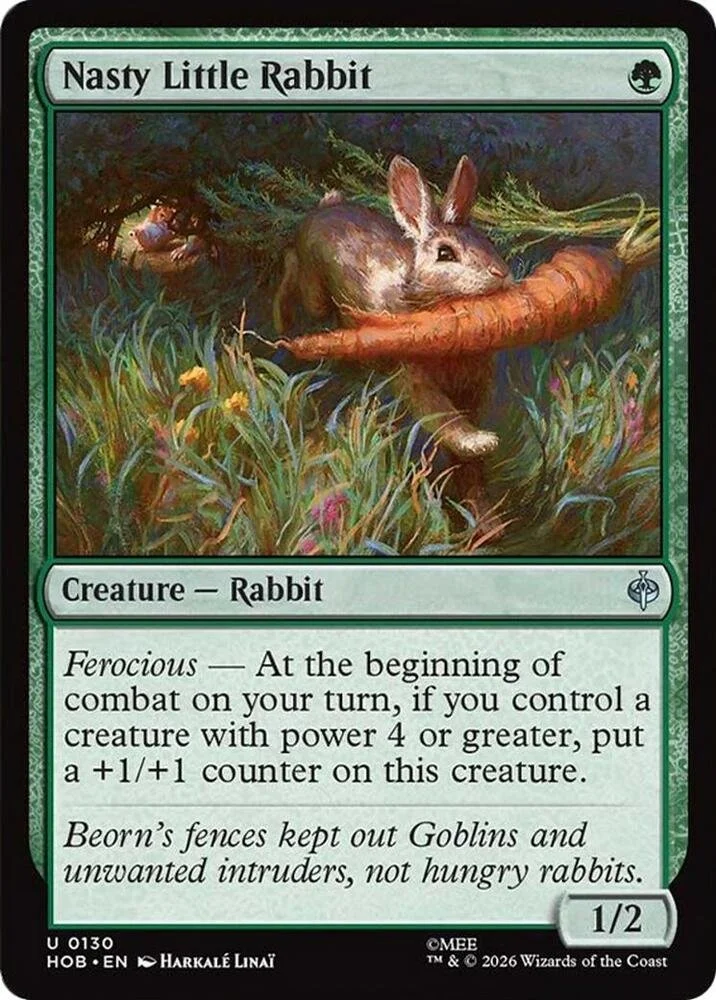
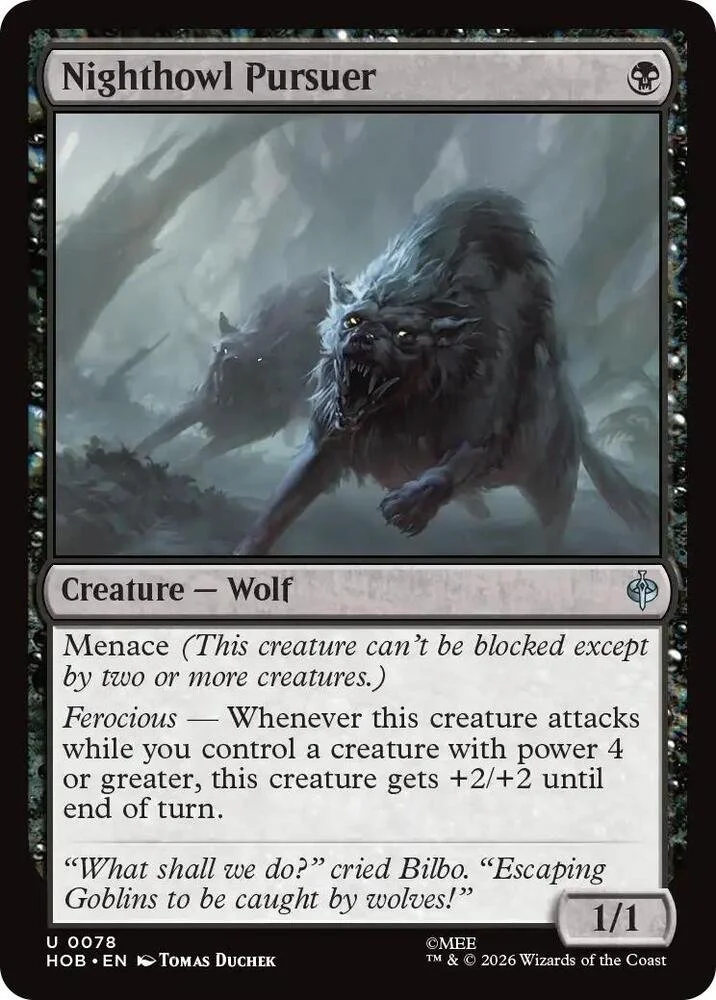
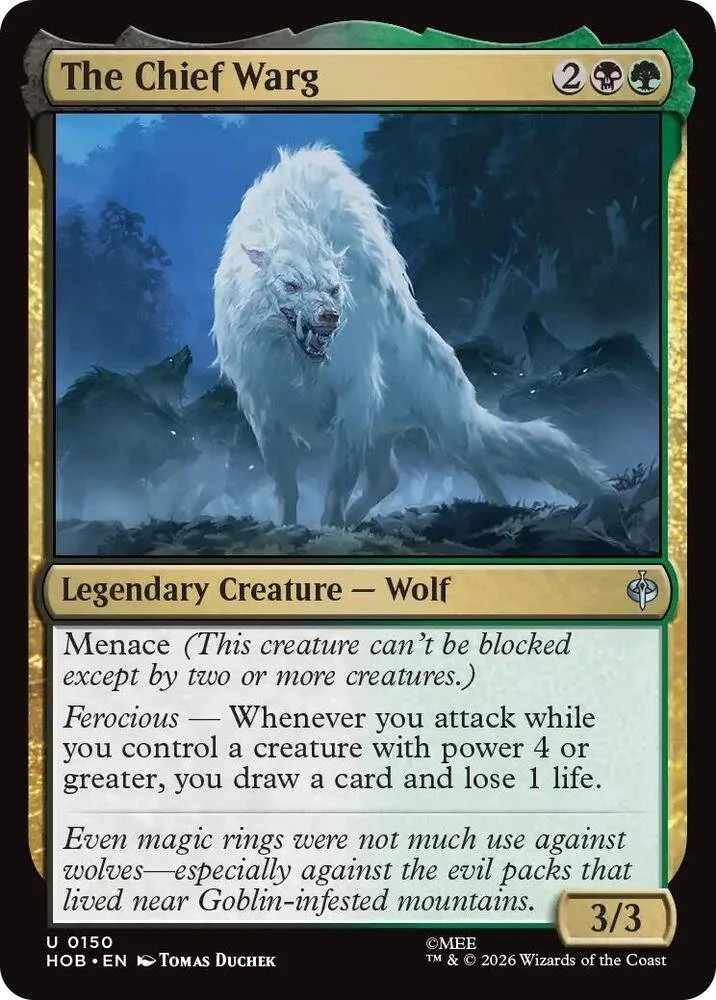
Ferocious is a returning mechanic that I honestly didn’t even realize was coming back until a while after I wrote my prerelease guide.
It cares about whether you control a creature with power 4 or greater. It’s pretty basic and not necessarily something you build an entire deck around, but it fits naturally into a lot of strategies and rewards you for doing something you probably already wanted to do anyway.
Landfall
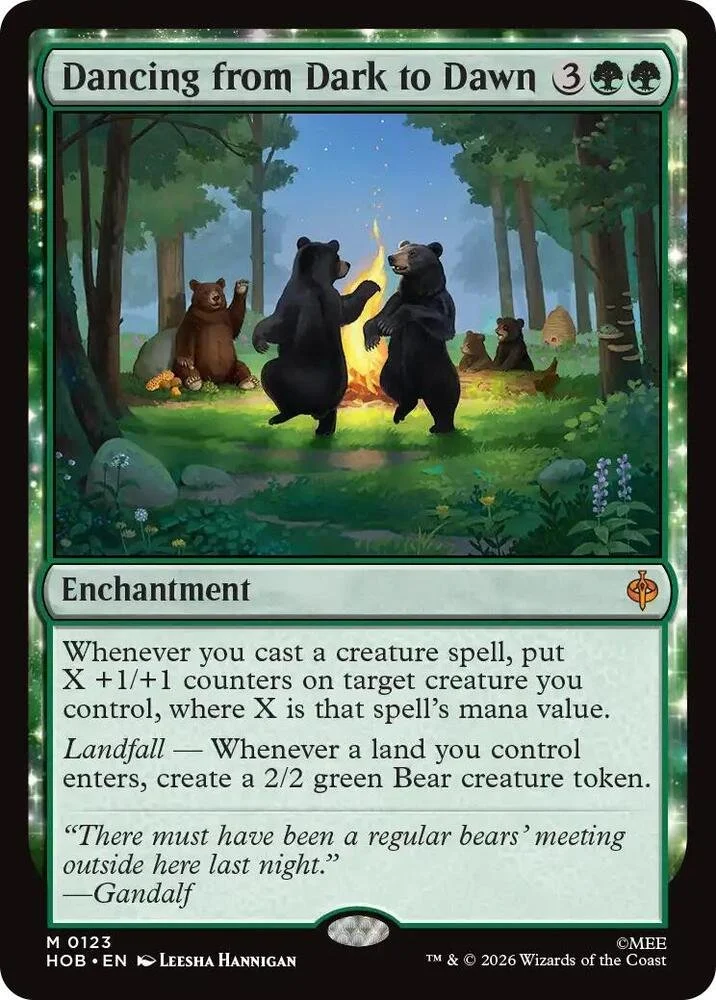
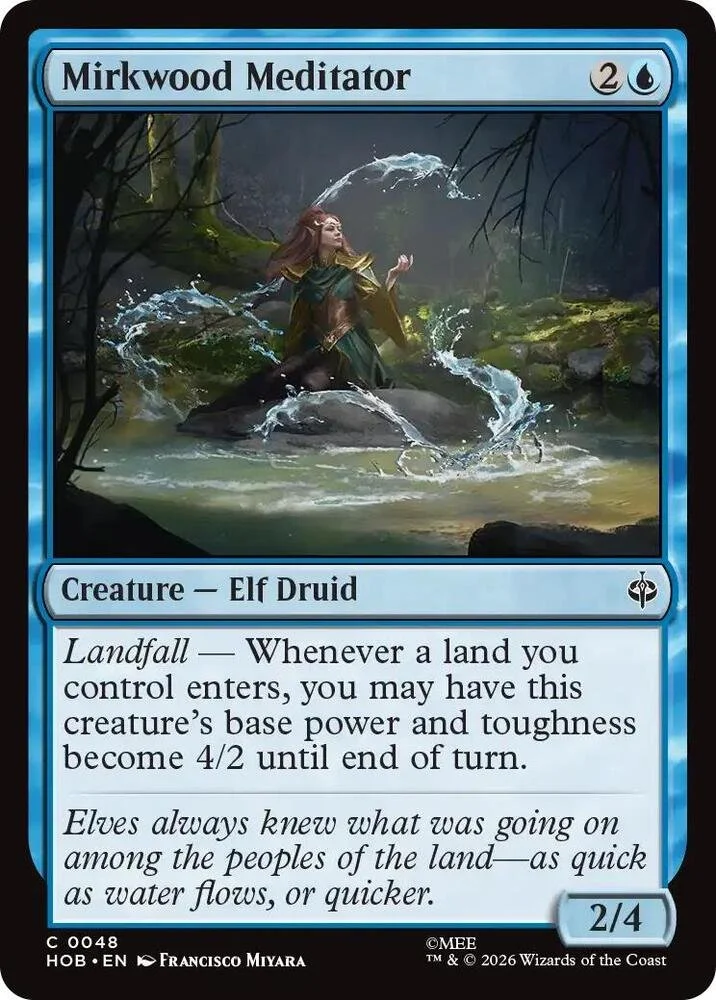
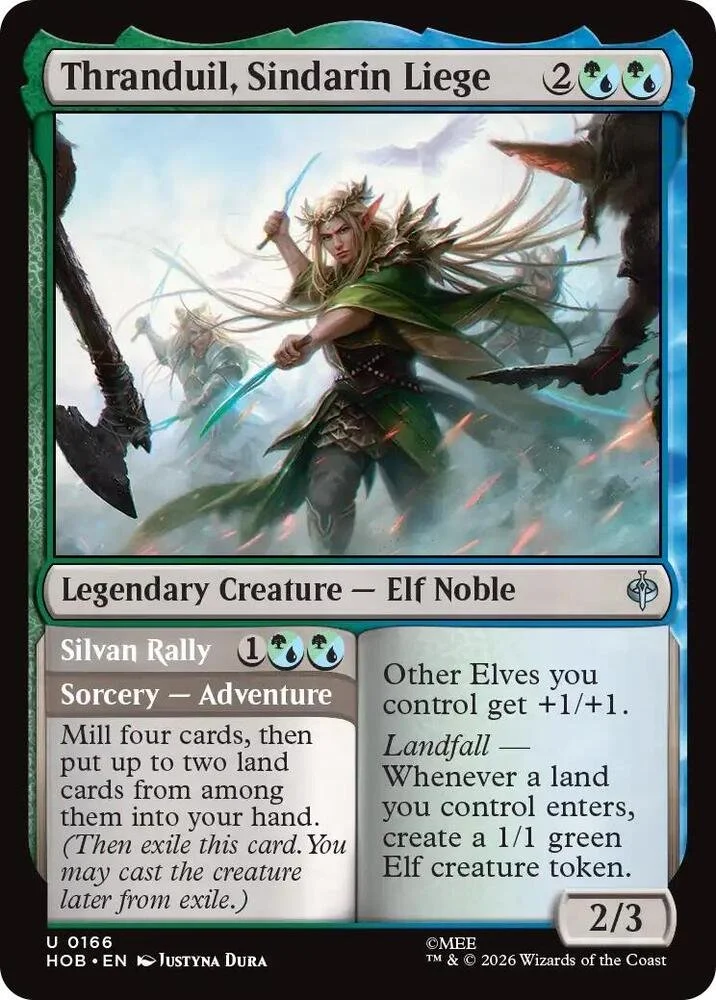
Landfall needs almost no introduction. If you’re playing Magic at all right now, you probably already know what it does. Either way, I love Landfall.
Signed, a Gruul Landfall player.
Favorite Mechanics
Out of the new mechanics, I think Recruit and Hone are the strongest.
Recruit has a lot of potential with card draw and token generation, so I’m curious to see how players eventually break it.
Hone has almost unlimited potential, so it makes sense that it only appears on two cards for now. I’d be surprised if we never saw some version of this mechanic show up again.
What is the Best Product to Buy from The Hobbit?
That’s easy! The precons… Oh wait, The Hobbit doesn’t have any? Well, that makes the question a little harder.
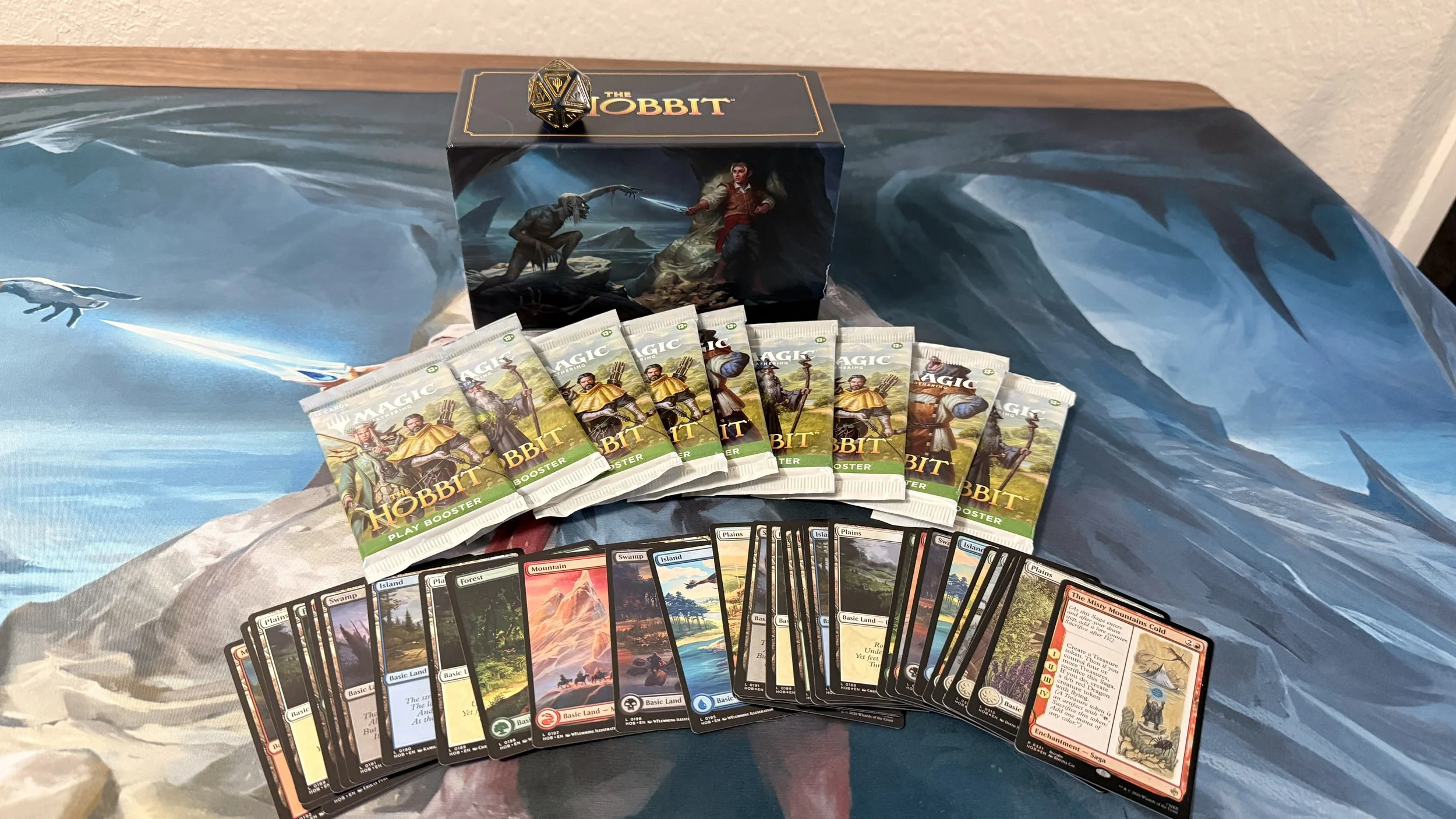
Universes Beyond sets are at their best when they come with preconstructed Commander decks, even if it’s only one like the TMNT set. That single TMNT precon actually functioned better than some previous in-universe precons, and it was incredibly flavorful. So, in my opinion, not having any precons at all is a loss for The Hobbit.
I’m not saying the set needed four brand-new decks, but maybe two showcasing some of the major archetypes would’ve worked. A Goblin Amass deck, a Dwarf Equipment deck, a token deck… anything would’ve been better than nothing.
The problem is that when a Universes Beyond set releases without precons and also doesn’t include enough format-shifting cards, there’s always the risk that it just fizzles out into the void. Unfortunately, The Hobbit is intentionally smaller because it’s more of an add-on to Tales of Middle-earth, so it was never really designed to have the same impact as a full set.
On the bright side, a Universes Beyond release that doesn’t massively affect Constructed formats also strengthens the argument of, “If you don’t like it, don’t buy it.” The Hobbit is far from a set that forces itself into the meta, and I actually think that’s a good thing.
So to answer the question, singles?
Best Cards From The Hobbit
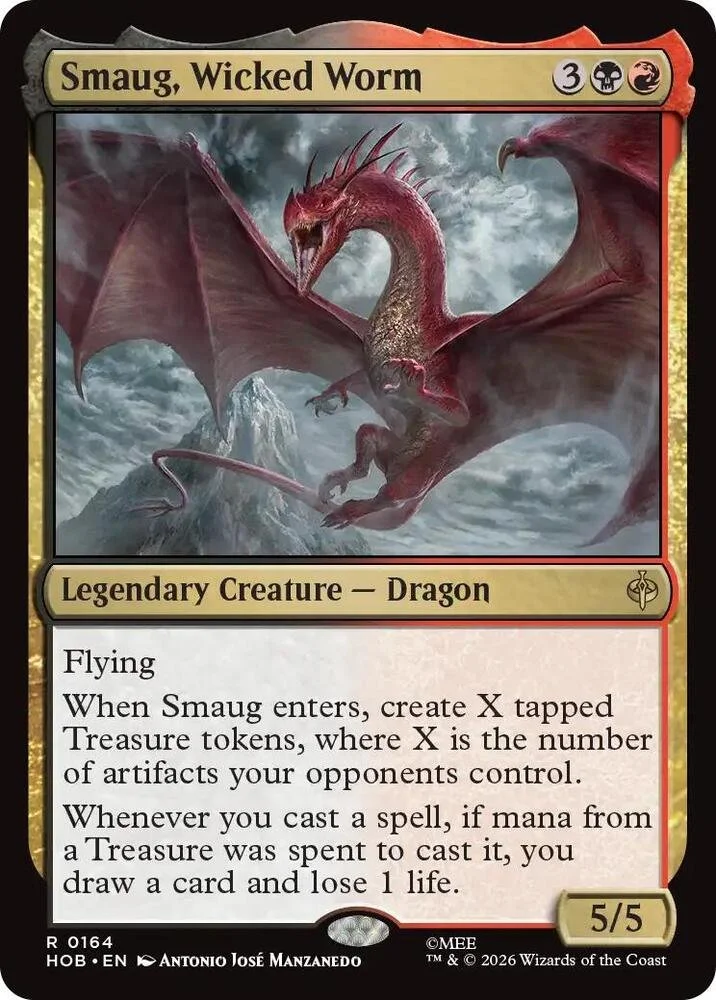
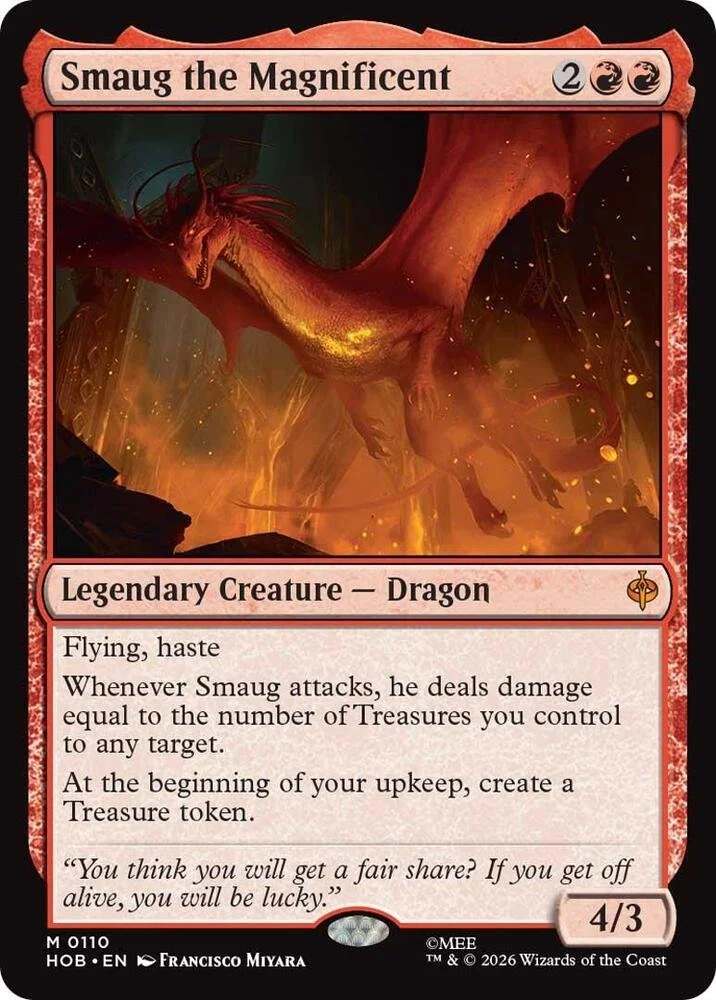
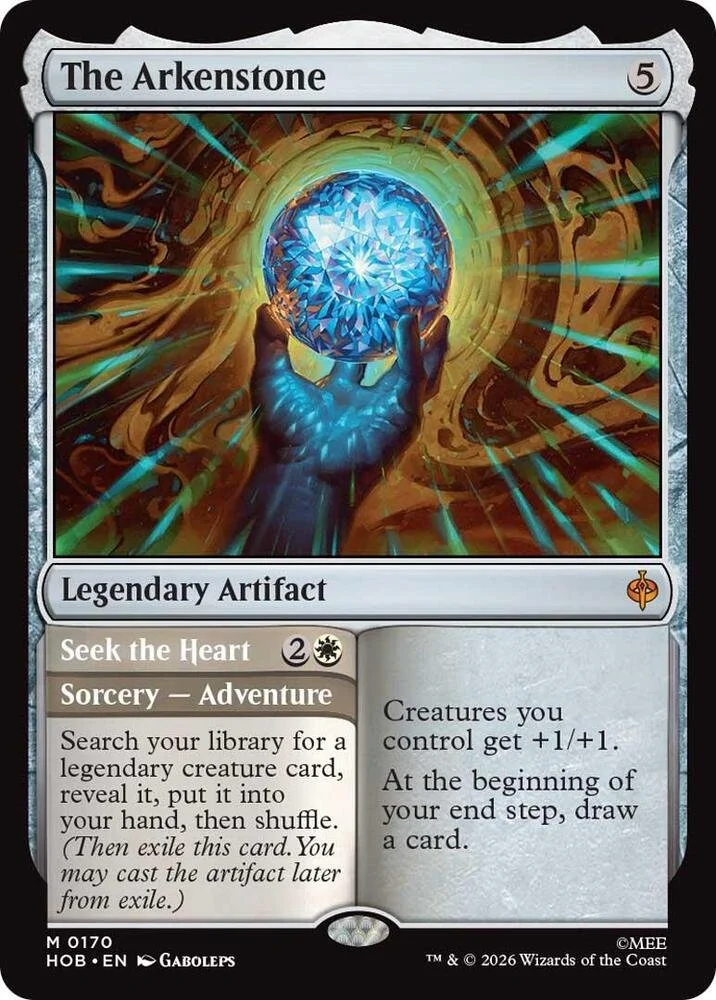
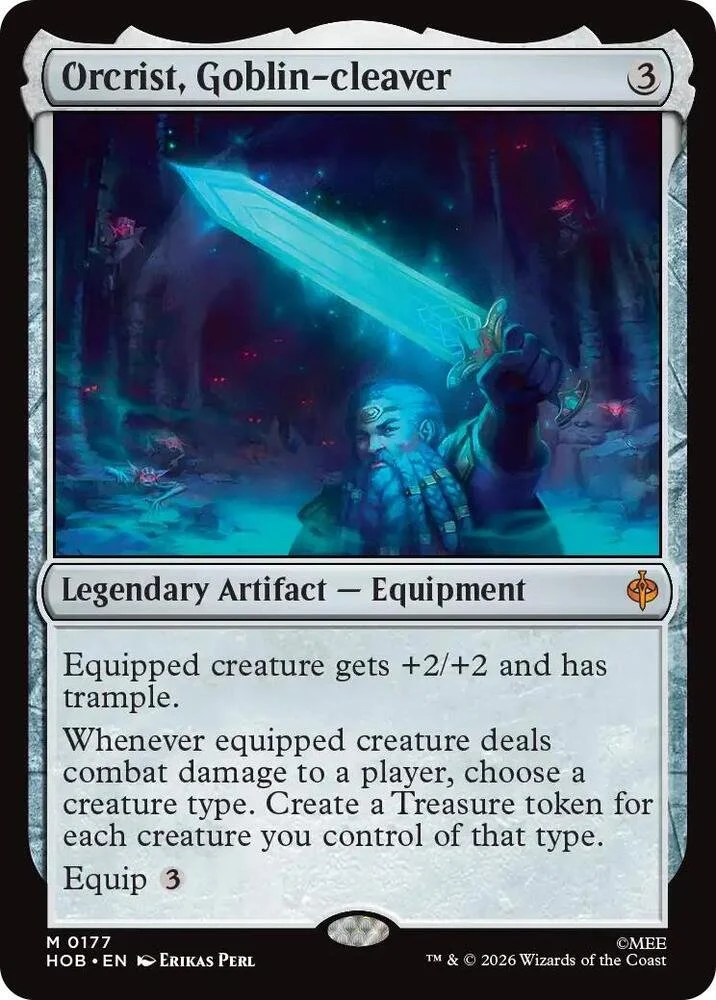
There are some really strong new typal cards, Treasure cards, and a few generically good cards that I think will actually see a decent amount of play. First off, for all of you Treasure hoarders, both Smaug the Magnificent and Smaug, Wicked Worm look great for Treasure decks. The Arkenstone and Orcrist, Goblin-cleaver are also strong new typal additions.
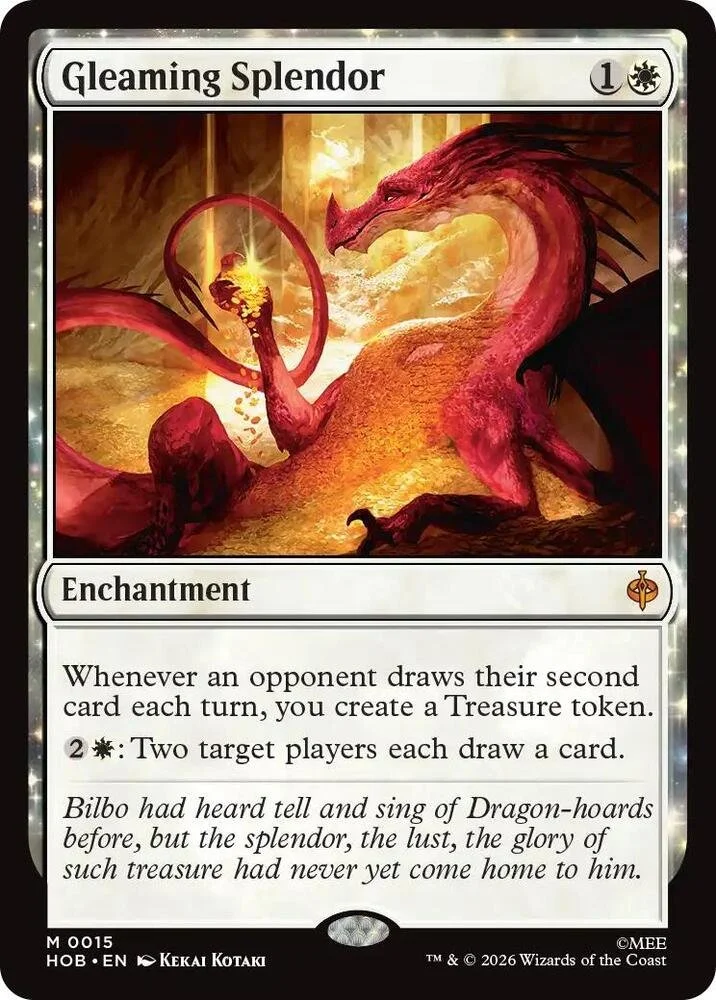
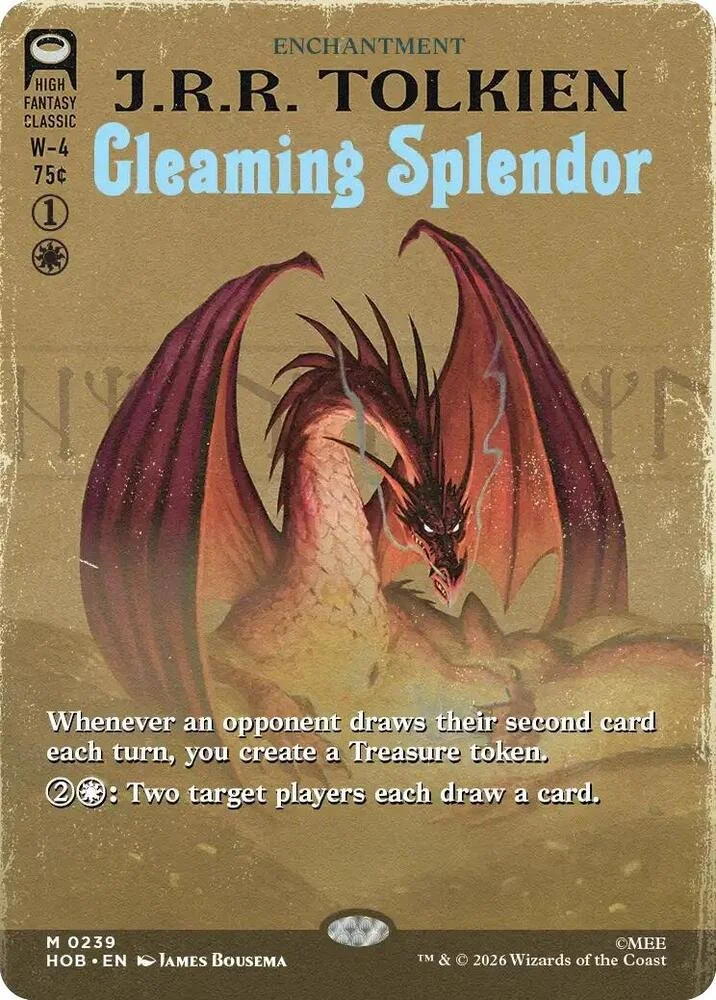
However, the card I see having the biggest impact is Gleaming Splendor. It’s not quite on the level of Smothering Tithe or Monologue Tax, but it definitely feels like it belongs in that same style of card.
Limited Draft and Sealed Environment
Small sets generally tend to struggle in Limited environments, especially when they have an excessive number of Legendary creatures.
When there are too many Legends in a small Draft environment, things can become a little awkward. When are you supposed to pass on a strong uncommon because you already have one copy and it’s Legendary? It adds another layer to Draft that, in my opinion, doesn’t really need to be there. It feels like an artificial challenge.
Sealed is a little different. It’s much easier to deal with the Legend rule in Sealed because you’re not deciding which cards to pick and which to pass. If you open four copies of a Legendary creature, you can simply choose how many you actually want to play and treat the extras as discard options if needed.
Overall, I really wanted to enjoy the Limited environment for this set because I never really got to Draft the first Lord of the Rings release. For me, though, it ended up feeling a little repetitive.
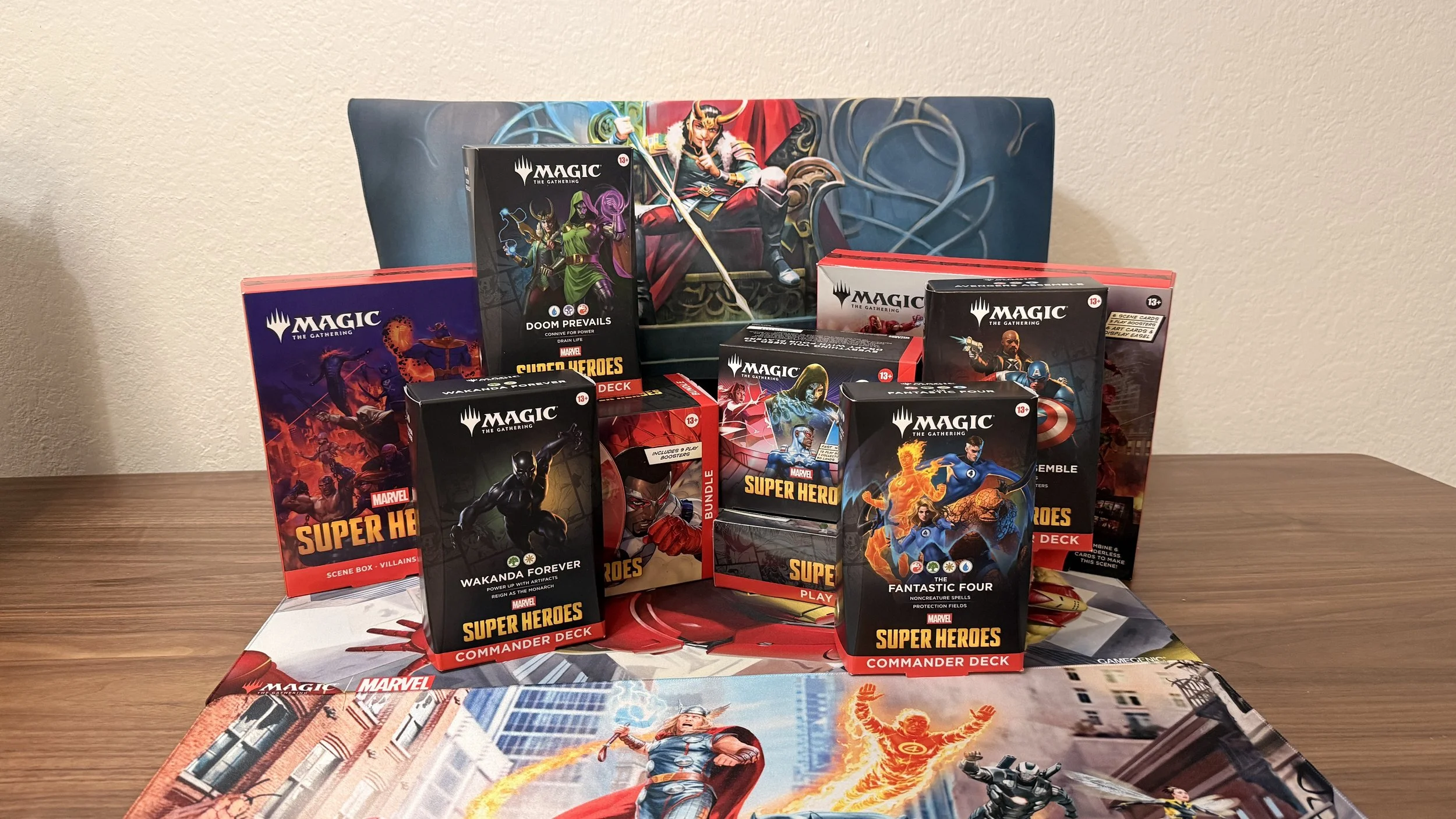
In my opinion, Marvel Super Heroes handles this type of Limited environment better simply because it’s a larger set with more room for variety.
Who is MTG: The Hobbit Good For?
The Hobbit is a great supplemental set for Tales of Middle-earth. If you’re a big Lord of the Rings fan and want more cards for your existing Commander decks, there are a good number of new Commanders and support pieces available here.
I do wish there were one or two precons to help introduce newer players, though. Instead, this set feels much more aimed at players who are already deep enough into Magic to build their own decks and know what they’re looking for.
What Could The Hobbit Do Better?
I’ve already touched on some of this, but I think The Hobbit needed a few things: preconstructed products, more cards, and more beginner-friendly options.
Tales of Middle-earth brought a ton of new players into Magic through its preconstructed decks. Heck, I even found out that my sister was introduced to the game through the Elven Council precon.
That’s why having no preconstructed or beginner-friendly products in a new Lord of the Rings set feels like a missed opportunity.
Without those products, players who love The Hobbit but don’t already have the deck-building experience may end up feeling like this set simply isn’t made for them.
Final Thoughts
Magic: The Gathering | The Hobbit is a solid supplemental set, but I don’t think it ever fully escapes that “supplemental” feeling.
There are some genuinely fun new mechanics here, especially Recruit and Hone, along with plenty of cards that should find homes in Commander decks. However, the smaller card pool, repetitive Limited environment, and complete lack of preconstructed decks make this feel much more like an expansion to Tales of Middle-earth than a release meant to stand entirely on its own.
If you already love The Lord of the Rings in Magic, there’s plenty here worth checking out. I just wish Wizards had given The Hobbit a little more room to breathe, because with a couple of precons and a slightly larger set, I think this could’ve been something much more memorable.
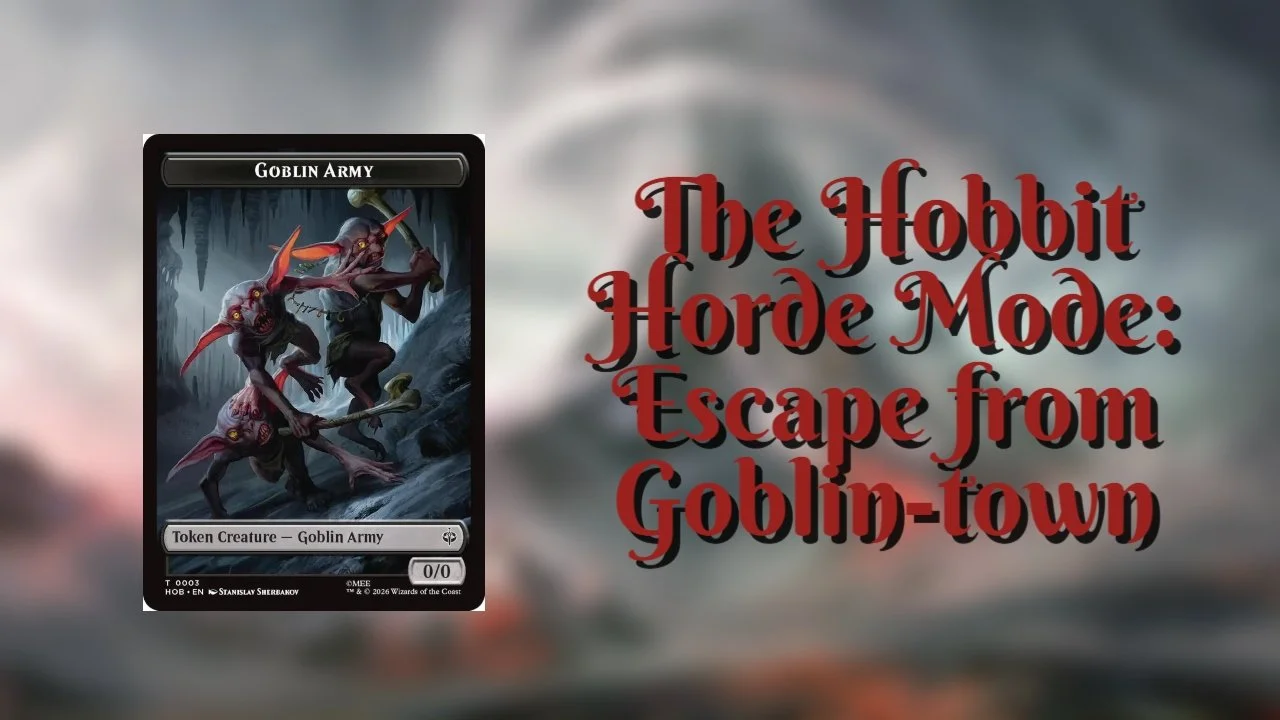
If you’re looking to build around the set, check out our guide to the Best Commanders from The Hobbit. And if you want to try something a little different, our Hobbit Horde Mode guide has everything you need to take on the set’s co-op challenge.