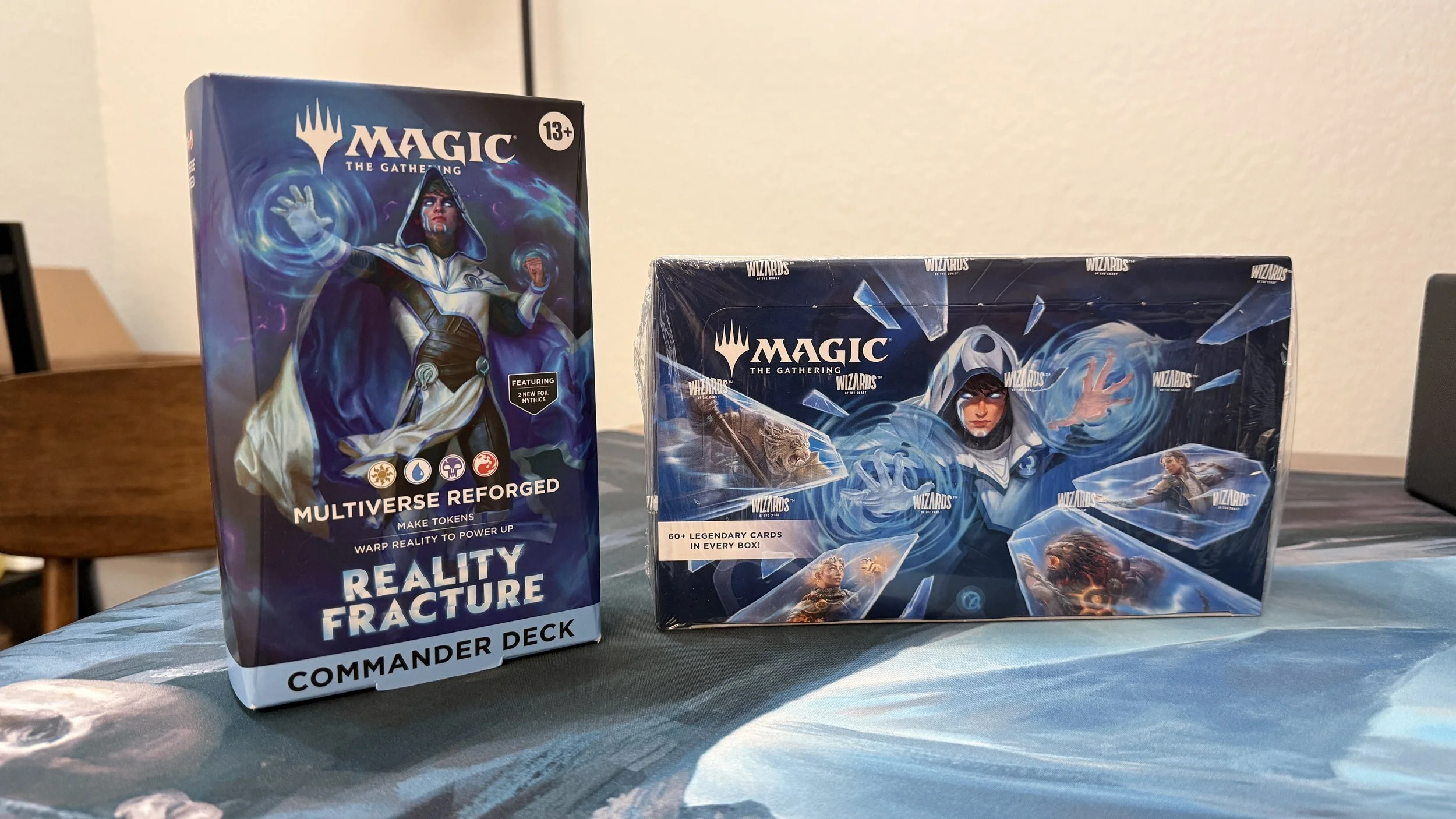
Magic: The Gathering's Reality Fracture has turned out to be a truly great set. Between its amazing Draft environment, more new commanders than I can count, and some incredibly interesting new mechanics, there's a lot to love here. Even better, the Multiverse Reforged Commander precon is so much fun right out of the box that I really don't have much to complain about.
But just because a deck is already fun doesn't mean we can't make it a little better!
Before getting into the upgrades, I do want to mention that I usually keep these guides to around $60 and 10 card swaps. However, Multiverse Reforged reminds me a lot of the Turtle Power precon in the sense that it almost feels like a deckbuilding kit. It's something you're encouraged to tear apart, experiment with, and rebuild however you want.
Because of that, I've given myself a little more freedom with this guide, increasing the budget to roughly $100 and making 12 swaps instead of my usual 10.
Don't let that increased budget scare you away, though. Multiverse Reforged is already an amazing deck for anyone who loves playing massive creatures and expensive planeswalkers that don't usually see much play. You know those giant creatures sitting in your collection with ridiculous abilities that you never cast because they cost too much mana or immediately eat a counterspell? Throw them in here and see what happens!
Multiverse Reforged Precon Overview
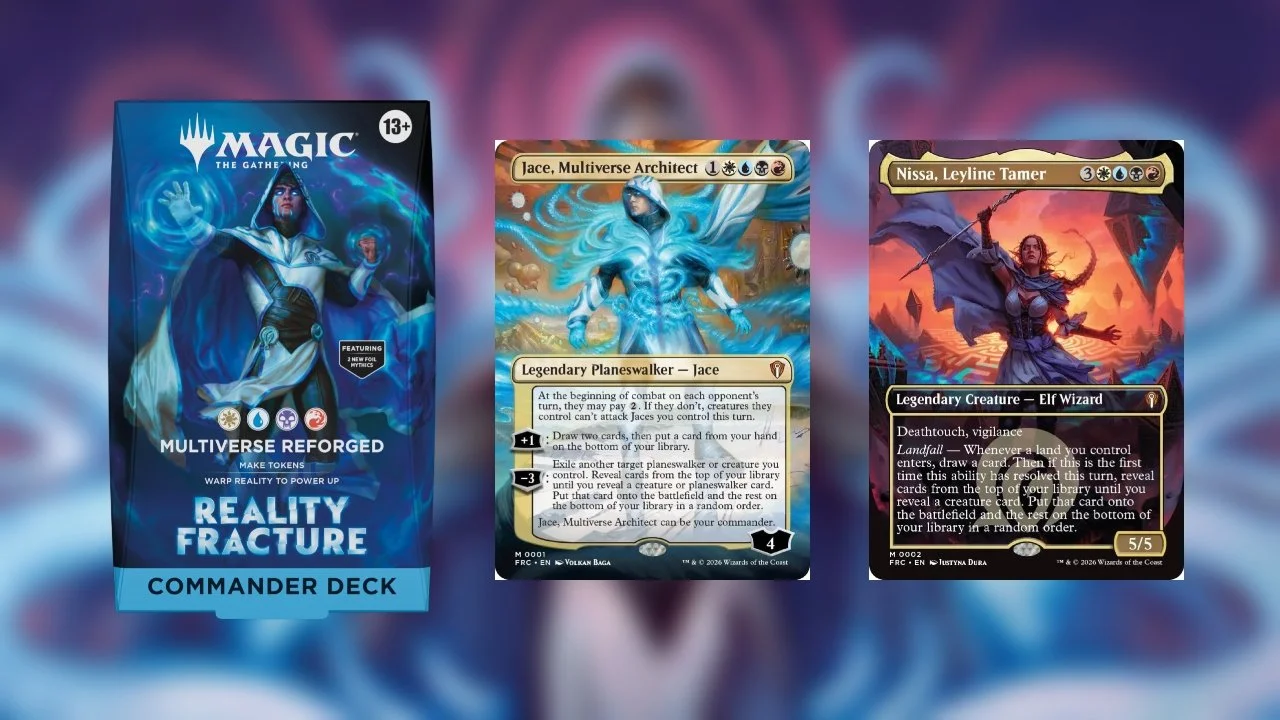
Reality Fracture only gave us one Commander precon, so Wizards of the Coast really had to make it count. Fortunately, Multiverse Reforged delivers something that we don't see very often in preconstructed Commander decks: a Polymorph strategy.
For anyone unfamiliar with Polymorph, the idea is pretty simple. You take a creature, usually something small and expendable, and replace it with something considerably bigger and more dangerous from your library.
Multiverse Reforged takes that concept and builds an entire deck around it. Rather than filling the deck with cheap creatures that you cast throughout the game, you're creating creature tokens and using them as cannon fodder to bring out some of the most ridiculous threats in Magic.
Leading the deck is Jace, Multiverse Architect, a four-color planeswalker commander with a particularly interesting -3 loyalty ability. By exiling another creature or planeswalker you control, you reveal cards from the top of your library until you find another creature or planeswalker, then put that card directly onto the battlefield.
Ideally, that means you're turning a little 1/1 Bird token into an 8/8 Demon, a massive Angel, or even another powerful planeswalker.
What's especially interesting about this strategy is how few creatures the deck actually needs. Most of the creatures included are incredibly expensive, but that's intentional. You're not supposed to spend eight or nine mana casting these monsters. You're supposed to cheat them onto the battlefield for the price of a disposable token.
Jace also has a +1 ability that lets you draw two cards and put one from your hand on the bottom of your library. This is surprisingly useful because drawing one of your expensive creatures isn't always what you want. Sometimes you'd rather put that monster back into your deck so Jace can find it later.
The result is a Commander deck that plays unlike most of the precons we've received recently. Every activation of Jace feels like opening a booster pack, except you already know that whatever comes out is probably going to be something ridiculous.
How To Upgrade Multiverse Reforged
When upgrading Multiverse Reforged, there are three main types of cards I want to focus on.
First, we want massive creatures that can completely change the game when they enter the battlefield. Powerful enter-the-battlefield abilities are particularly useful here because we want to get value out of our Polymorph targets immediately, even if our opponents manage to remove them before our next turn.
Second, we want cards that support our planeswalkers. Jace is the centerpiece of this deck, so anything that helps us generate loyalty counters, activate additional abilities, or keep our planeswalkers alive is going to make the strategy considerably stronger.
Finally, I want to introduce a couple of planeswalkers that can serve as alternate win conditions. Sometimes we're going to have trouble getting through an opponent's defenses with giant creatures, so having another way to close out the game gives us some much-needed flexibility.
The important thing to remember is that Multiverse Reforged is essentially a sandbox for whatever ridiculous Magic cards you want to play.
You could theoretically replace every expensive creature in the deck with something completely different, and the overall strategy would still function. I think that's incredibly fun, and it's one of the reasons I've enjoyed playing this precon so much.
These upgrades are my attempt to strike a balance between increasing the deck's power and maintaining what makes it entertaining in the first place. Once you've had a chance to try them out, I really encourage you to experiment with your own creatures and planeswalkers.
After all, if we're playing a deck called Multiverse Reforged, we might as well have some fun testing the limits of the Multiverse!
Cards To Add To Multiverse Reforged
For these 12 upgrades, I'm focusing on adding stronger Polymorph targets, improving our planeswalker support, and giving the deck a few more ways to interact with our opponents. Some of these cards are massive threats that can take over games on their own, while others are inexpensive support pieces that make the entire deck run more smoothly.
Planeswalkers And Powerful Creatures
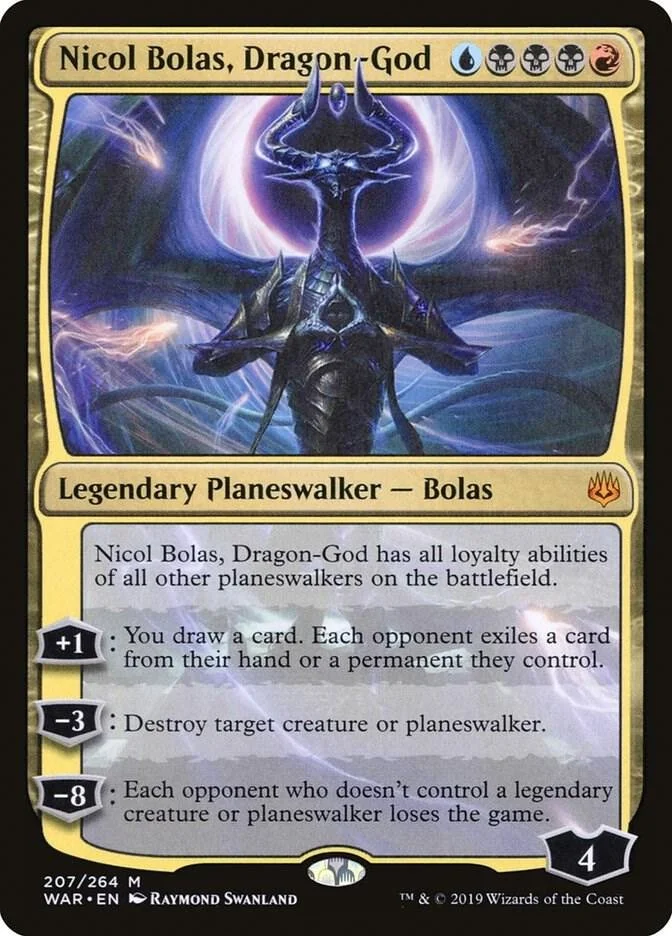
Nicol Bolas, Dragon-God: One of two planeswalkers I'm adding to give this deck some alternate win conditions, and easily the most expensive upgrade on this list. Nicol Bolas has three incredibly strong loyalty abilities, but what really makes him interesting is that he also has access to the loyalty abilities of every other planeswalker on the battlefield. That includes Jace's Polymorph ability, meaning you could potentially get two Polymorph activations in a turn by using both planeswalkers. His +1 gives you card advantage while forcing opponents to exile cards, his -3 removes creatures or planeswalkers, and his ultimate can outright eliminate opponents who don't control a legendary creature or planeswalker. There's a lot to love about Nicol Bolas in this deck.
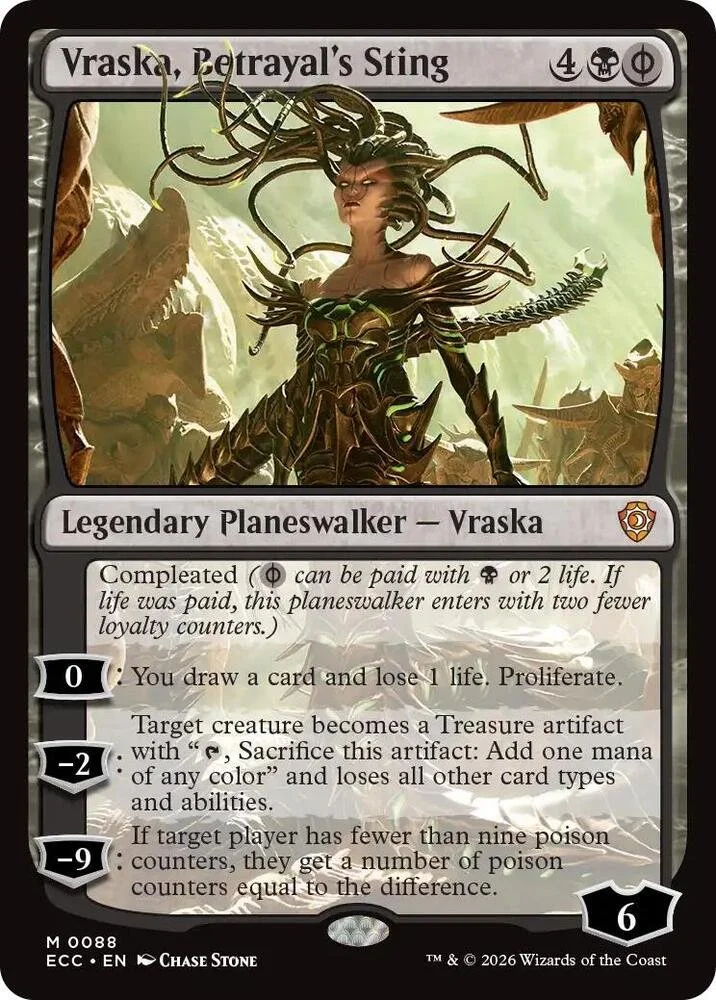
Vraska, Betrayal's Sting: The second planeswalker upgrade, and one that feels particularly fitting considering the relationship between Jace and Vraska. Beyond the flavor, Vraska provides another excellent alternate win condition. Her ultimate can give an opponent nine poison counters, leaving them just one proliferate trigger away from losing the game. Conveniently, her 0 ability also proliferates, meaning she can help build loyalty counters on your other planeswalkers while pushing opponents closer to defeat. I love the flexibility here, and having access to proliferate makes several other upgrades considerably better.
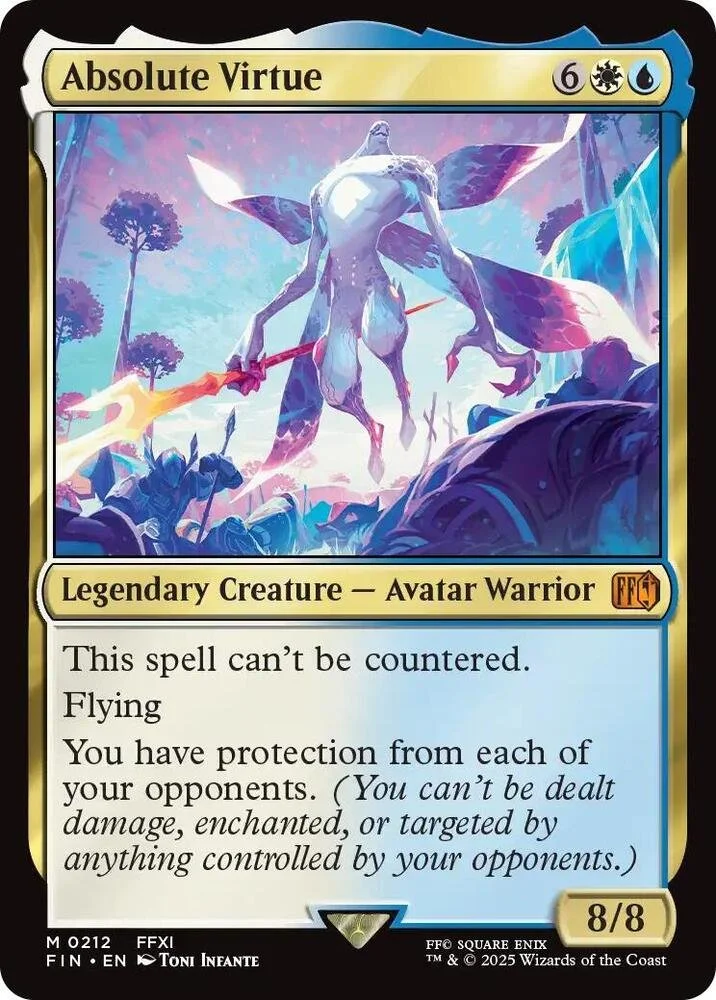
Absolute Virtue: One of the biggest weaknesses of Multiverse Reforged is its limited ability to interact with opponents. For a deck led by Jace, there's surprisingly little countermagic included, so having a creature that provides protection from opposing interaction is incredibly valuable. Absolute Virtue helps make it more difficult for opponents to disrupt your plans, giving you another powerful target to find with Polymorph.
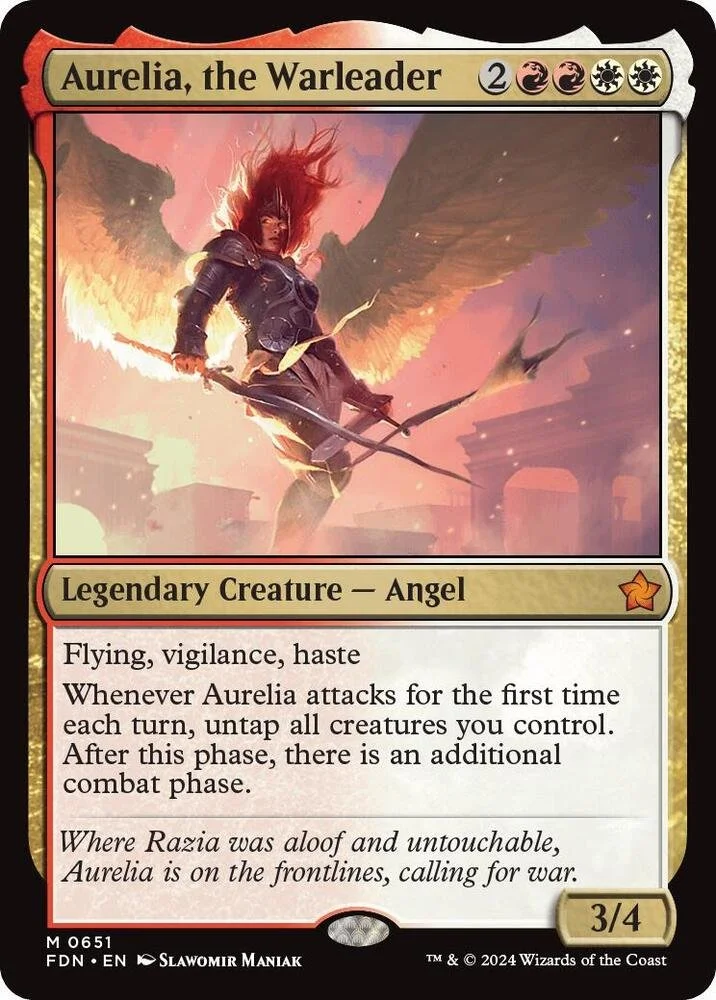
Aurelia, the Warleader: Since we're not playing a traditional creature-heavy deck, Aurelia might seem like a strange inclusion. However, when your creatures are this massive, getting an additional combat phase can be devastating. Aurelia untaps your attacking creatures and gives you another opportunity to swing, potentially dealing enough damage to eliminate someone outright. Even if you aren't trying to finish the game, untapping your creatures can leave you with blockers available afterward. It's a straightforward upgrade that becomes considerably more threatening when the rest of your creatures are enormous.
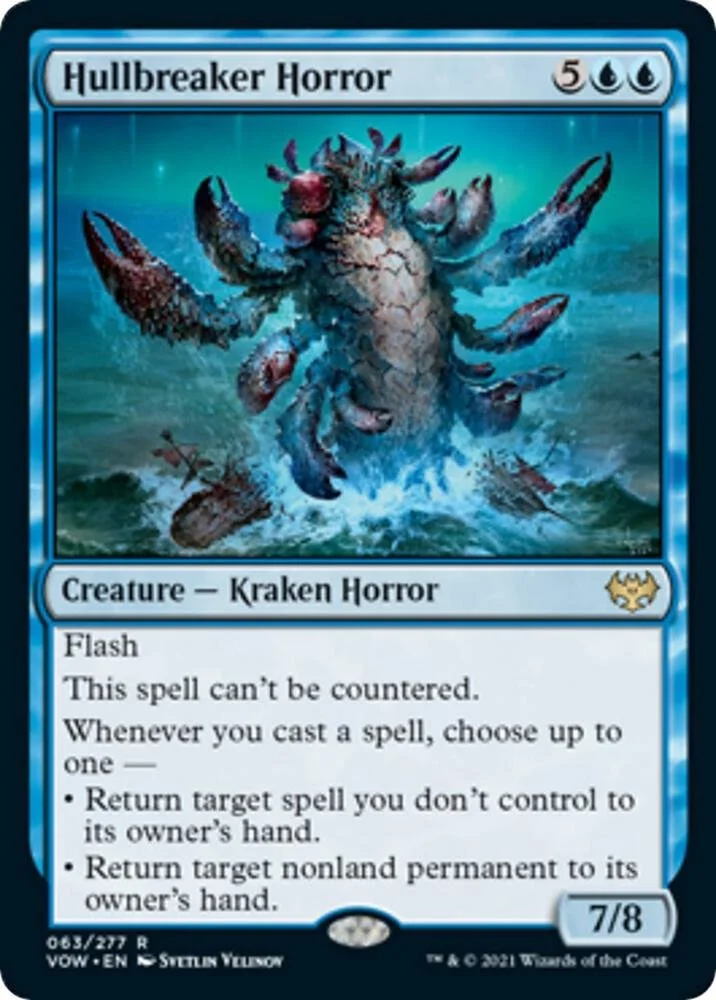
Hullbreaker Horror: I've mentioned the lack of interaction a few times already, and Hullbreaker Horror is one of my favorite ways to address that problem. Every time you cast a spell, Hullbreaker Horror lets you bounce a spell or nonland permanent, turning the rest of your deck into a collection of disruptive tools. Since Multiverse Reforged is filled with noncreature spells, you're going to have plenty of opportunities to take advantage of its abilities. It's an incredibly annoying card for opponents to deal with, and being able to Polymorph into it makes it even better.
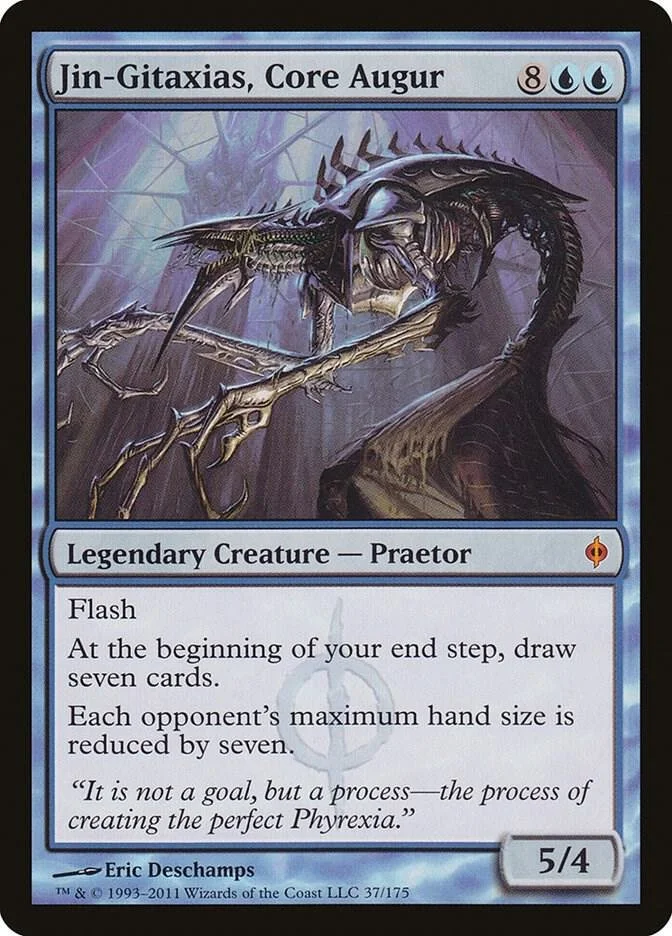
Jin-Gitaxias, Core Augur: I actually considered leaving Jin-Gitaxias out because this card can be a little too mean for certain Commander tables. But after thinking about it, I decided that if we're going to play a deck built around cheating enormous creatures onto the battlefield, we might as well embrace it. Jin-Gitaxias lets you draw seven cards during your end step while reducing your opponents' maximum hand sizes by seven. That's an absurd amount of card advantage and disruption attached to one creature. Just be prepared for this thing to become an immediate removal target because I can almost guarantee your opponents aren't going to let it stick around.
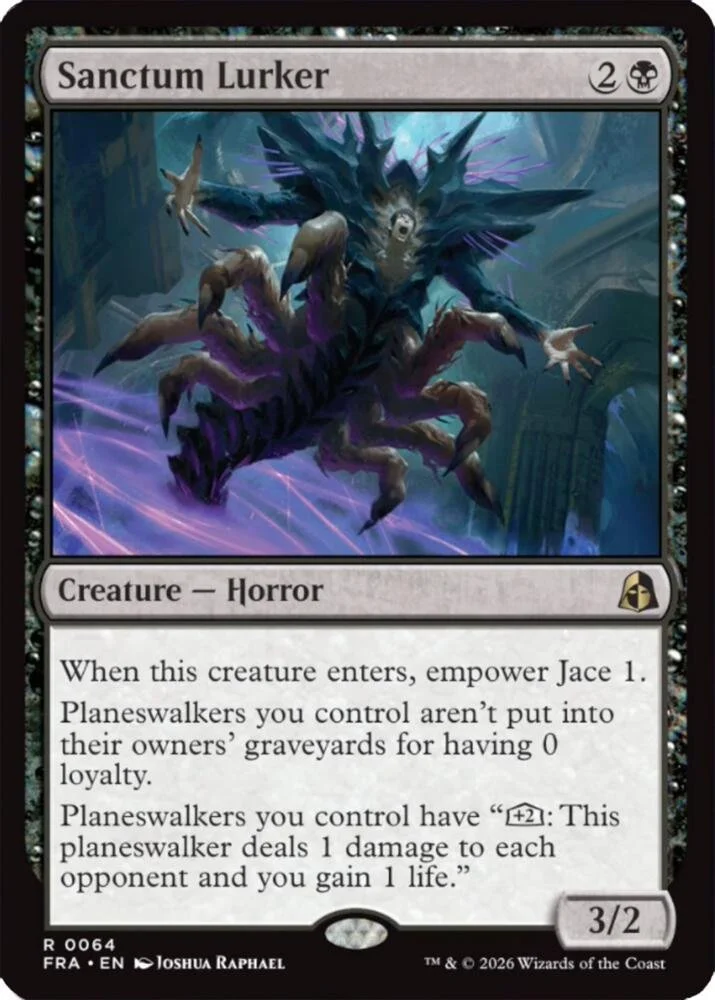
Sanctum Lurker: Coming straight from Reality Fracture's main set, Sanctum Lurker is one of my favorite additions to this deck. This little creature gives all your planeswalkers an additional +2 loyalty ability, allowing them to build toward their ultimates considerably faster. Even better, your planeswalkers won't be put into the graveyard simply for reaching zero loyalty. This means you can use Jace's -3 without worrying about losing him if he has exactly three loyalty counters remaining, then start rebuilding those counters on your next turn. The extra survivability is fantastic for a deck so heavily centered around planeswalkers.
Supporting Spells, Artifacts, And Lands
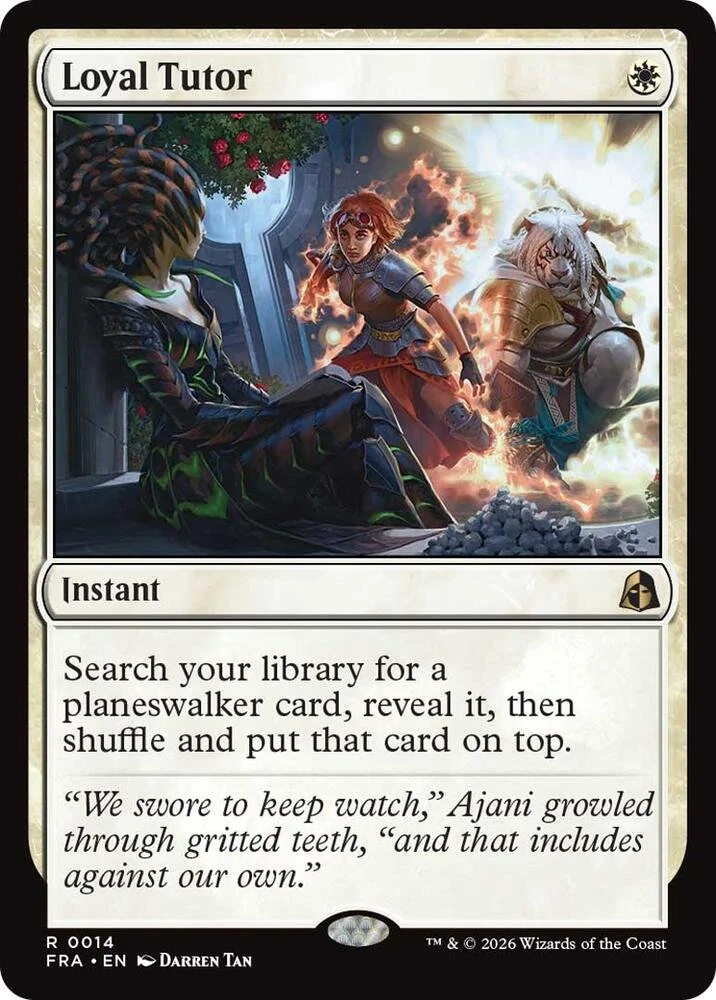
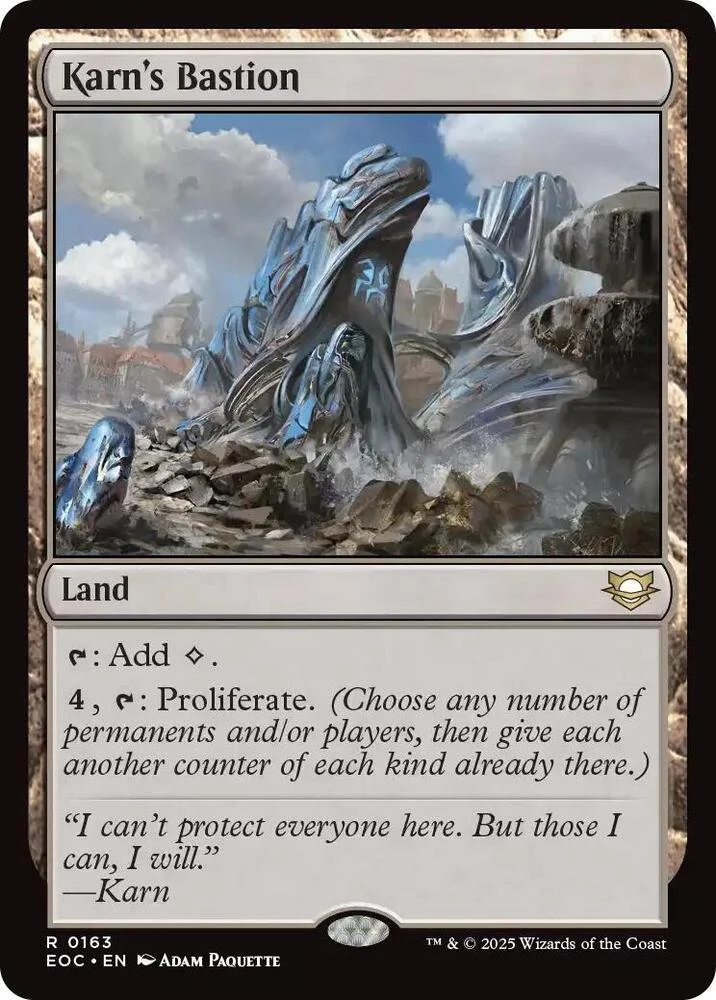
Loyal Tutor: Sometimes you don't want to leave your next Polymorph entirely up to chance. Having a tutor that can set up your next big hit gives you more control over how the game develops. Rather than hoping you find the right threat at the right time, you can prepare your library so that Jace brings something particularly powerful onto the battlefield.
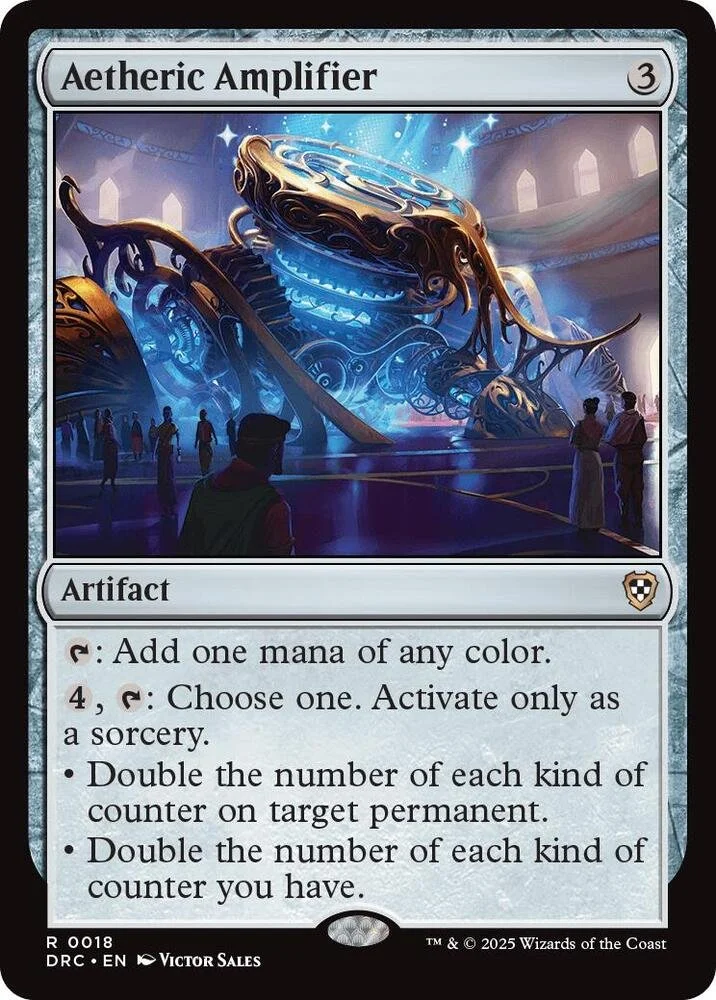
Aetheric Amplifier: A mana rock that also supports our counter-based strategy is exactly the kind of artifact I want to see here. Having additional mana is always welcome in a four-color deck, but the ability to increase our counters gives this card considerably more value than a traditional mana rock. With so many planeswalkers trying to reach their ultimates, every additional loyalty counter matters.
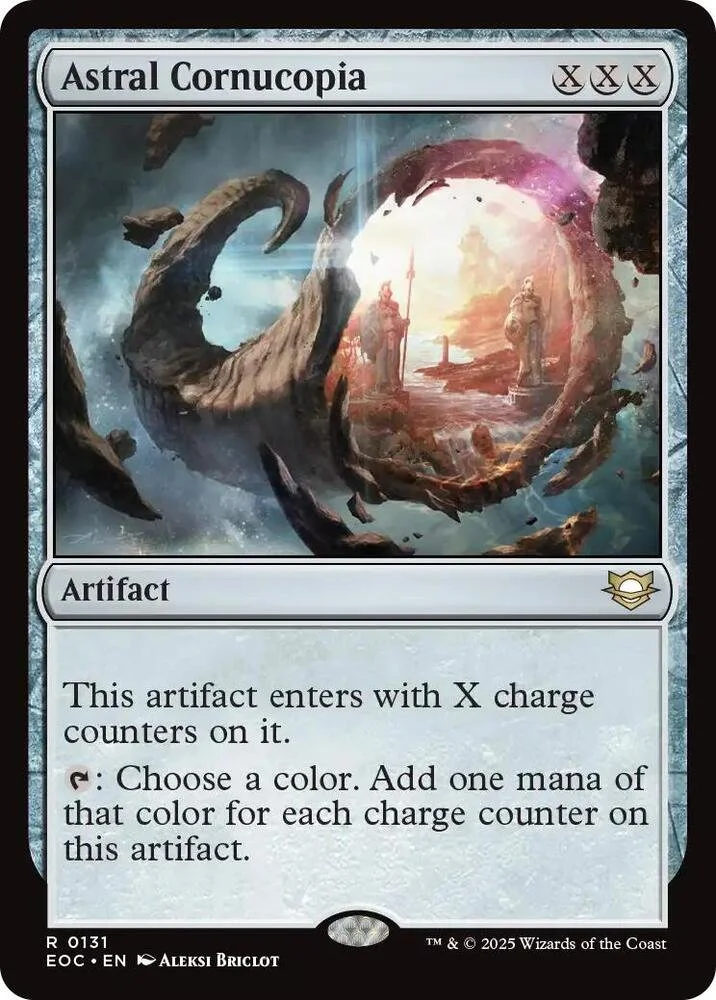
Astral Cornucopia: You'll notice in the cuts below that I'm removing several of the Talismans, and Astral Cornucopia is one of the reasons I'm comfortable doing that. I've never been a huge fan of filling my decks with mana rocks that become disappointing draws later in the game. Astral Cornucopia is different because it can continue improving as the game progresses. You can play it relatively early with a single charge counter, then use proliferate to increase the amount of mana it produces. With Vraska and Karn's Bastion joining the deck, this artifact has the potential to become considerably more useful as the game goes on.
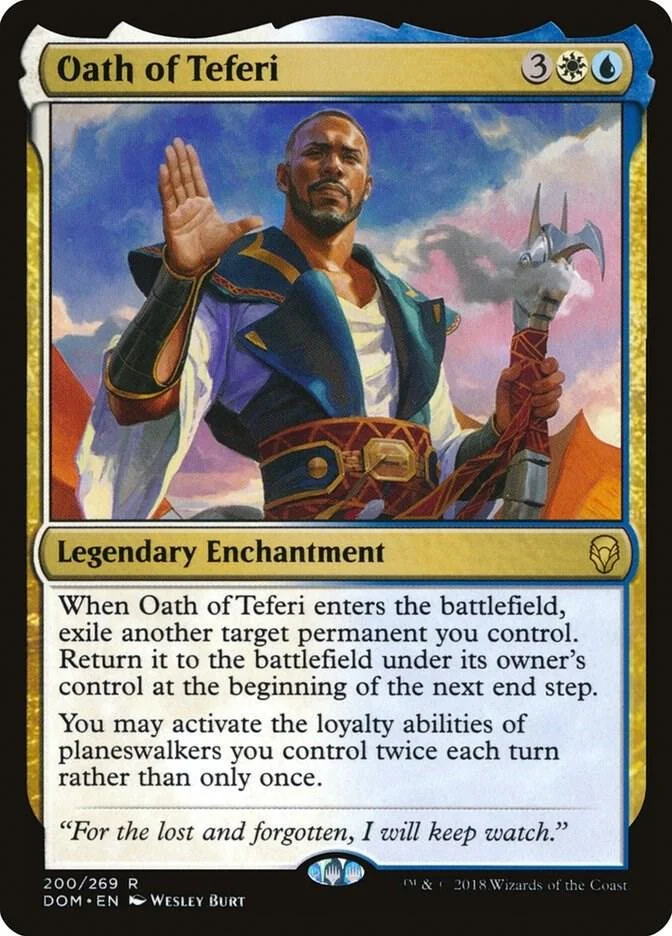
Oath of Teferi: This is one of the most important planeswalker upgrades on the list. When Oath of Teferi enters the battlefield, you can exile another permanent you control and return it at the beginning of the next end step. This gives you a way to reuse powerful enter-the-battlefield effects or temporarily reset a planeswalker. However, the real reason we're including it is that Oath of Teferi allows you to activate the loyalty abilities of your planeswalkers twice each turn instead of once. That means more opportunities to Polymorph creatures, build loyalty counters, and reach those ridiculous ultimate abilities. Combined with Sanctum Lurker, this can become incredibly powerful.
Karn's Bastion: I've been finding myself adding Karn's Bastion to a lot of my Commander decks recently, and I think the reasoning should be fairly obvious. Having proliferate available on a land is just incredibly useful. Whenever you have extra mana, you can increase the loyalty counters on your planeswalkers, add more charge counters to Astral Cornucopia, or help finish an opponent who's already received poison counters from Vraska. It's a simple inclusion that supports several of the deck's new strategies without taking up a valuable spell slot.
Bonus Swaps
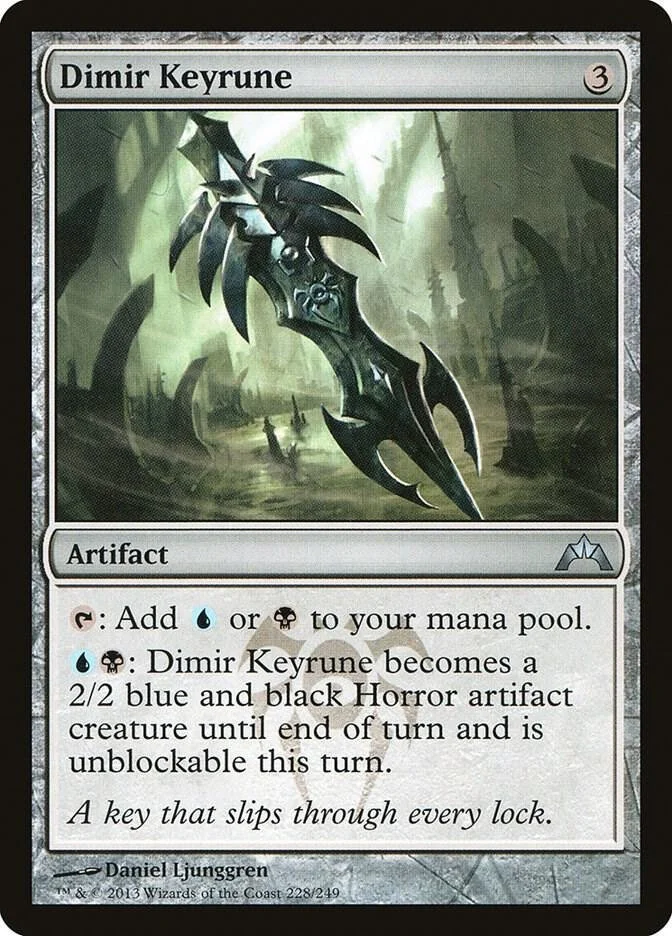
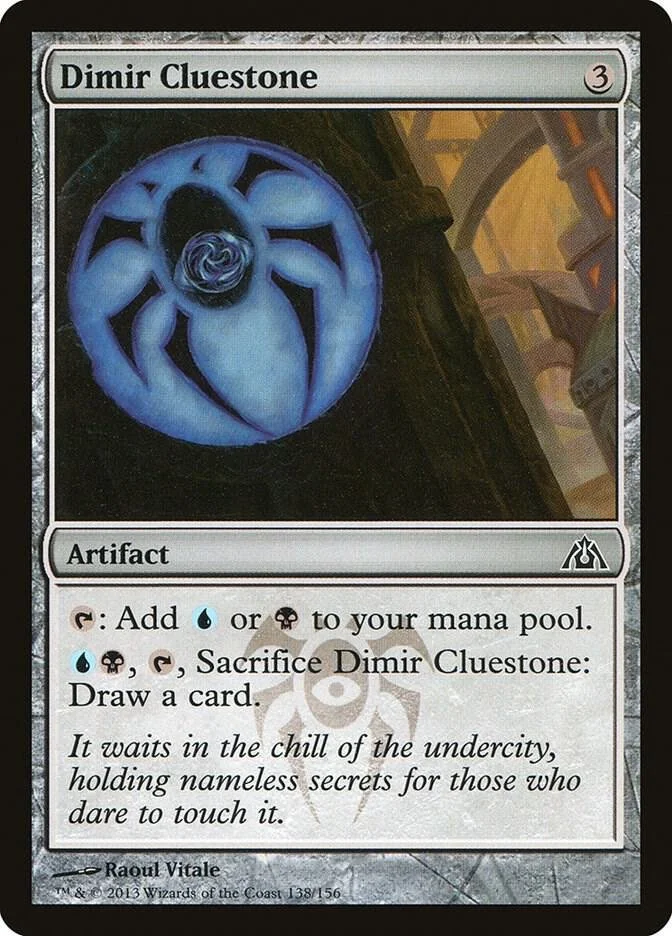
One additional change I'd recommend considering is replacing some of the Signets with Cluestones or Keyrunes.
I know Signets are generally more efficient when it comes to producing mana, and there's absolutely nothing wrong with keeping them. However, I personally like having artifacts that do something useful when I no longer need the additional ramp.
Cluestones can eventually be sacrificed to draw cards, while Keyrunes provide additional utility by becoming creatures. They're not necessarily stronger than Signets in every situation, but they do give you more options as the game progresses.
For a deck that's already all about experimenting with unusual cards, I think they're worth considering.
Cards To Cut From Multiverse Reforged
Unlike some of my other precon upgrade guides, I actually had a pretty difficult time deciding which cards to remove from Multiverse Reforged. There are a lot of genuinely good cards in this deck, and because the overall strategy is so flexible, there aren't many that feel completely out of place.
However, since we're focusing on improving our Polymorph targets and supporting our planeswalkers, there are a few cards that I think we can safely replace.
I'm also cutting several mana rocks and making a small adjustment to the land count. I know that might sound questionable in a four-color deck, but with some of the additions we're making, I think we can afford to experiment a little.
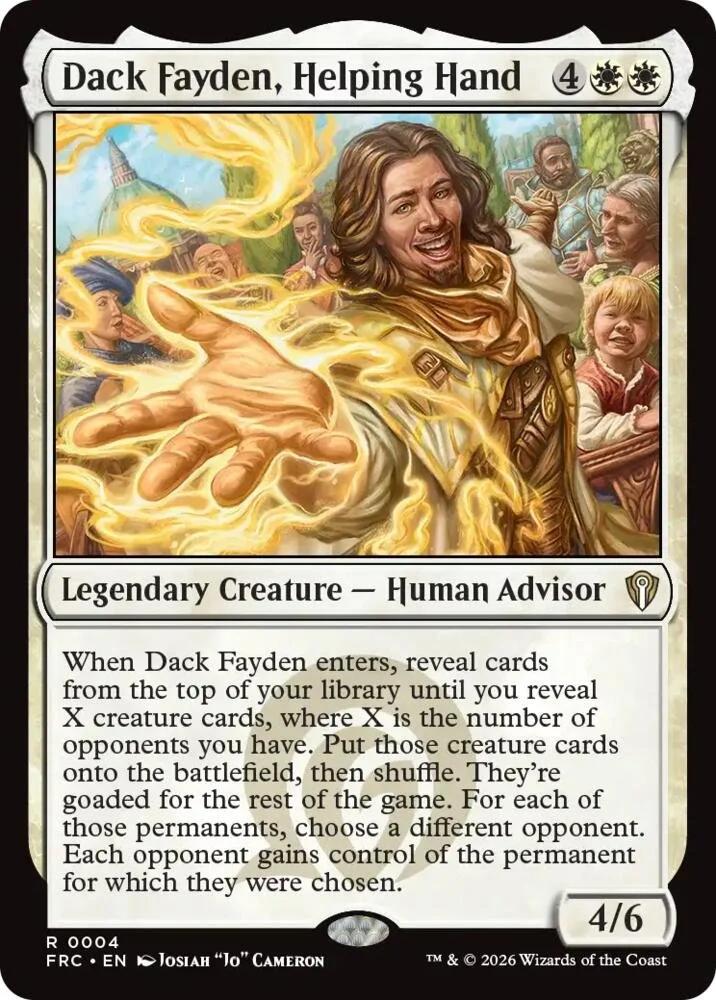
Dack Fayden, Helping Hand: Dack is honestly one of the only creatures in the original precon that I feel absolutely needs to go. Every time I've played Multiverse Reforged and managed to Polymorph into Dack, he's somehow ended up screwing me over. That's not exactly what you want when you're sacrificing resources to cheat a creature onto the battlefield. There are plenty of other creatures that provide more immediate value without potentially working against your own strategy, so Dack is my first cut.
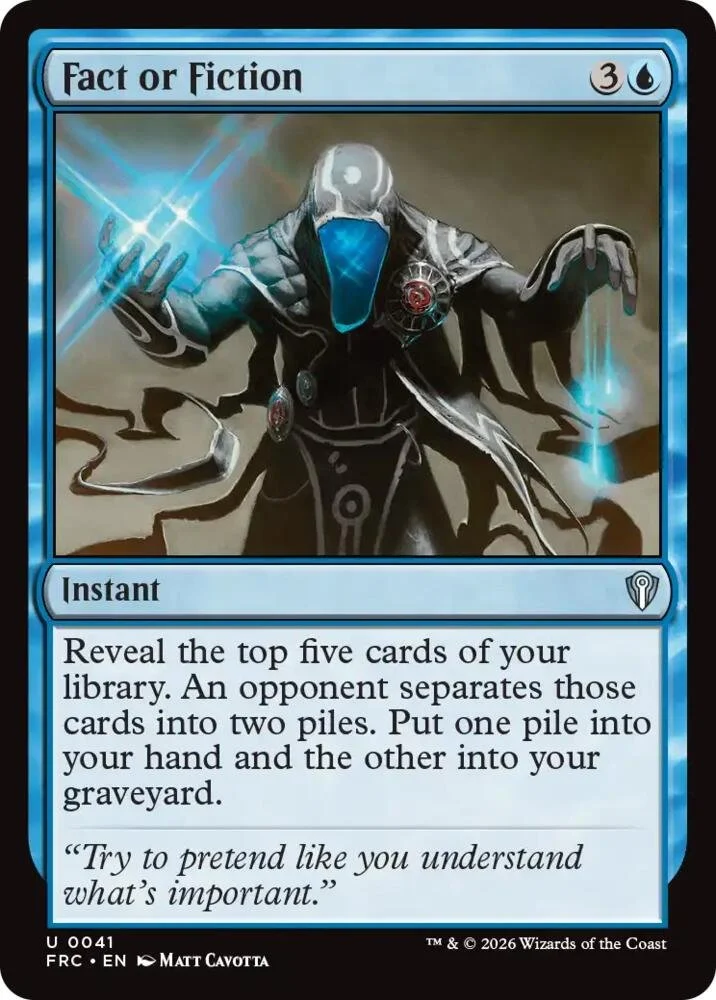
Fact or Fiction: Normally, I absolutely love Fact or Fiction. It's a fantastic card advantage spell, but I don't think this particular deck benefits from it as much as others would. Multiverse Reforged doesn't have much recursion, meaning cards that end up in your graveyard can be difficult to recover. More importantly, we actually want our expensive creatures and planeswalkers to remain in our library rather than drawing them into our hand. Fact or Fiction is still a great card, but I think the slot could be better used elsewhere.
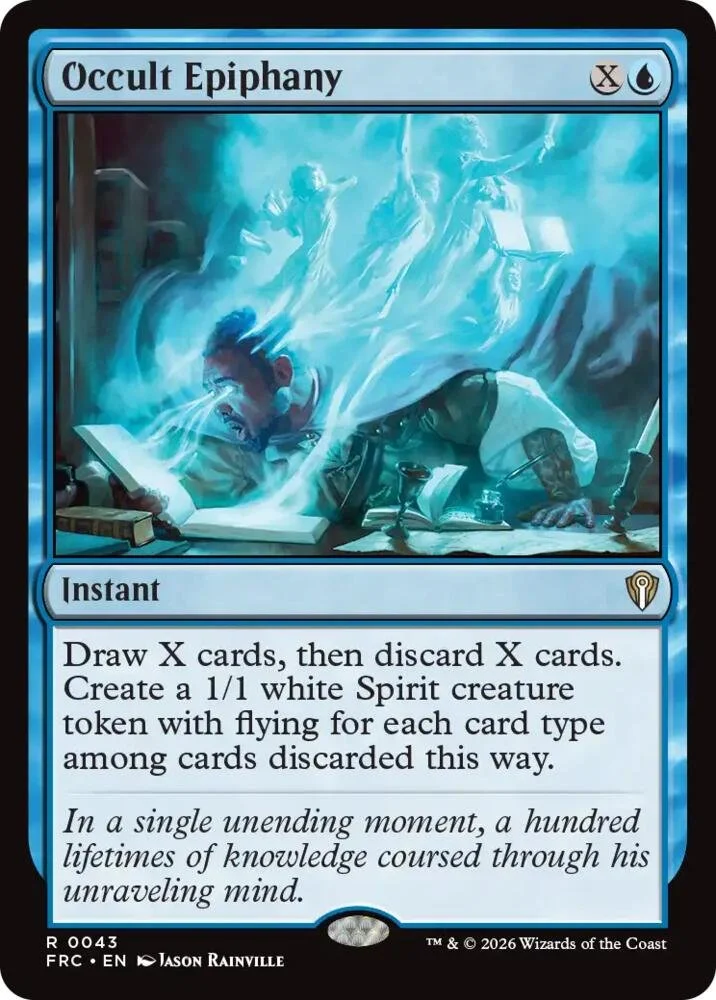
Occult Epiphany: This card suffers from a similar problem to Fact or Fiction. The card draw and discard can be useful for filtering through your deck, but you're also potentially putting cards into your graveyard that you'd much rather leave in your library. I do like that Occult Epiphany can generate creature tokens, especially since those tokens are perfect Polymorph targets. However, the deck already has several ways to create tokens without requiring us to discard important cards, so I'm comfortable cutting it.
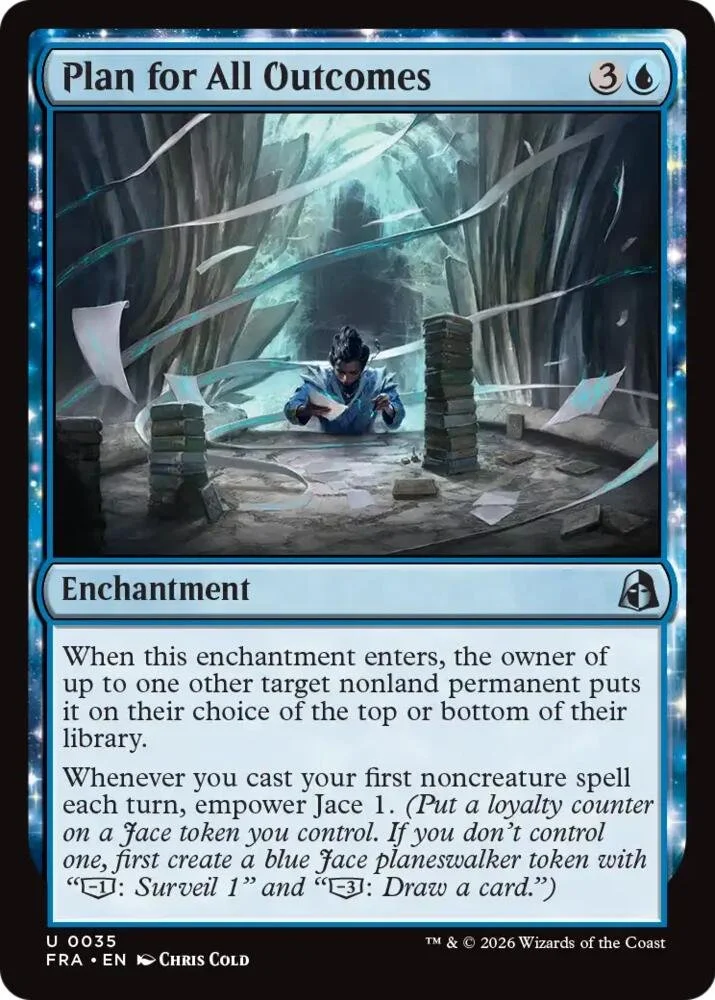
Plan for All Outcomes: This is an interesting card because it combines temporary removal with Empower Jace. The removal is useful, and creating a Jace token gives us another permanent that our commander can potentially Polymorph into something better. However, I don't think Empower Jace does quite enough for this particular version of the deck. We're more interested in supporting our actual planeswalker commander than building up a separate Jace token. While I can absolutely see the appeal, this is one of the easier cuts for me.
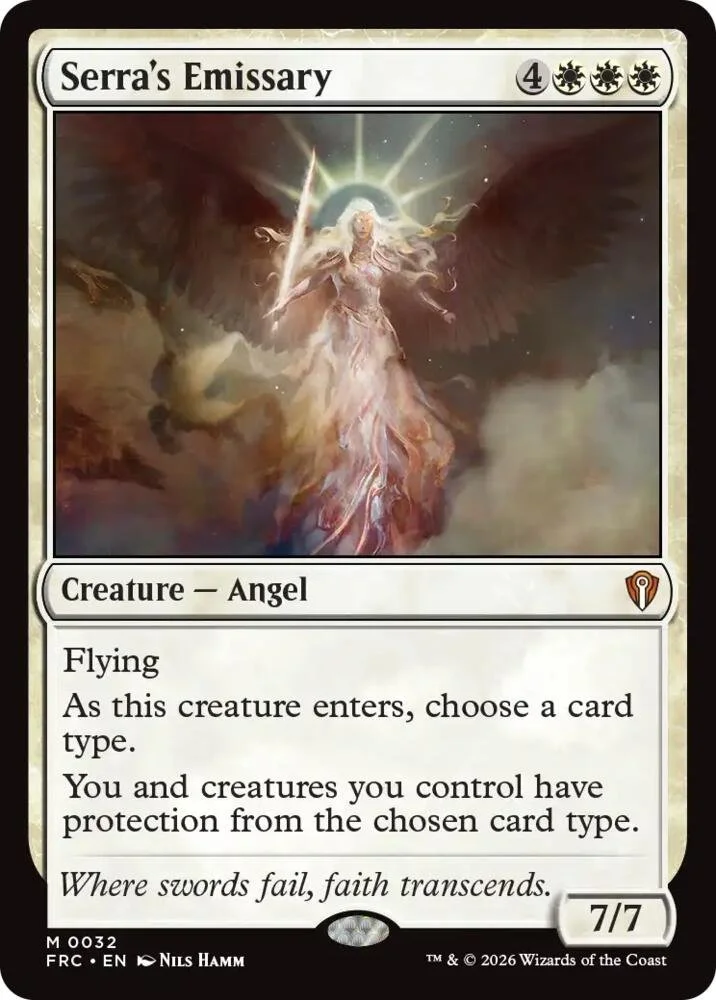
Serra's Emissary: This is another creature that I think can be replaced, although it's probably the cut I'm least confident about. Serra's Emissary can be incredibly powerful when you know exactly what you're playing against, especially if you're facing a creature-heavy Kindred deck. However, its effectiveness can vary quite a bit depending on the table. I would rather replace it with something that provides more consistent value regardless of what my opponents are playing. That said, if Serra's Emissary has been putting in work for you, feel free to keep it!
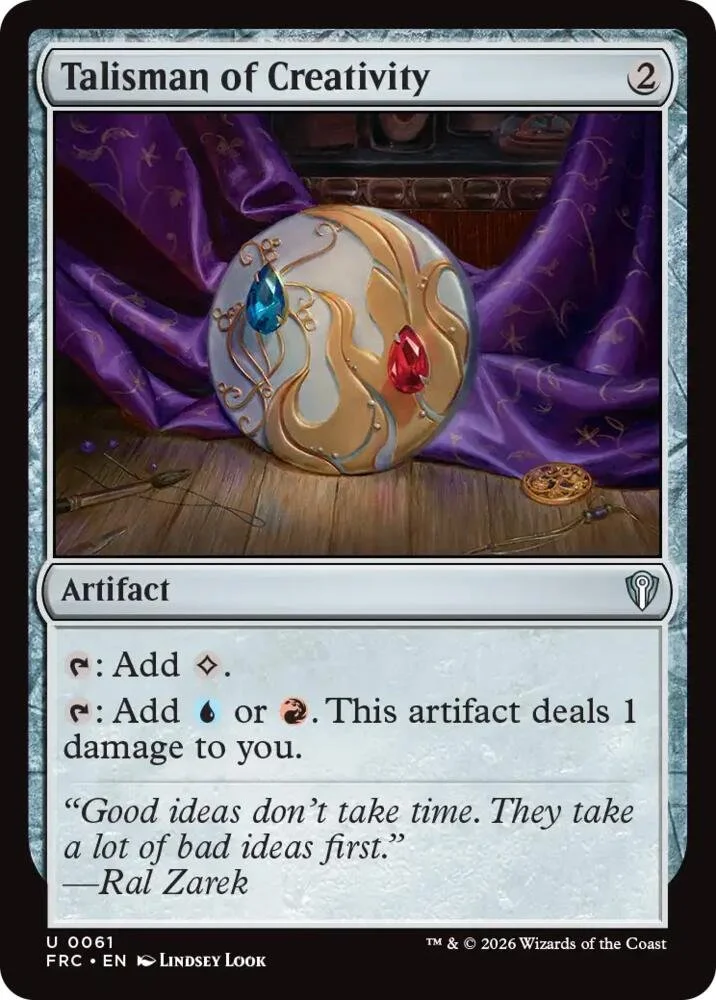
Talisman of Creativity: This is where some players are probably going to disagree with me. I've never been a huge fan of loading my Commander decks with mana rocks. Don't get me wrong, having several of them in your opening hand and drawing them during your first few turns is fantastic. However, once the game gets rolling, drawing another mana rock on turn seven or eight can feel pretty miserable. I'm cutting Talisman of Creativity to make room for artifacts that offer a little more utility as the game progresses.
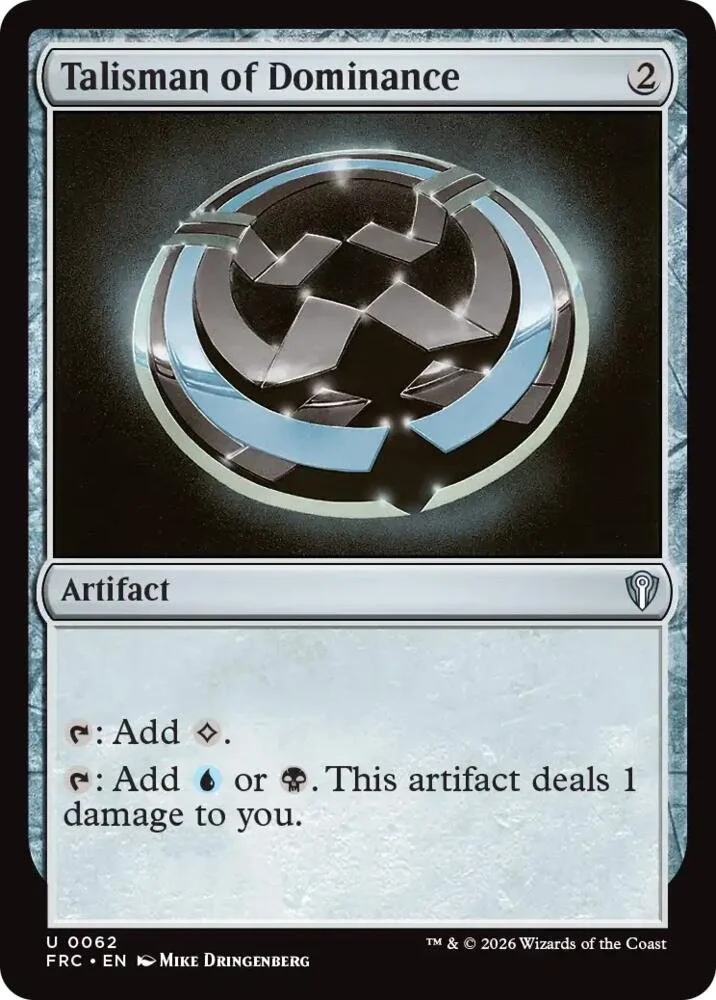
Talisman of Dominance: Another mana rock I'm removing to make room for more useful support cards. While losing some early acceleration isn't ideal, I would rather have a card that can contribute to the deck's strategy later in the game.
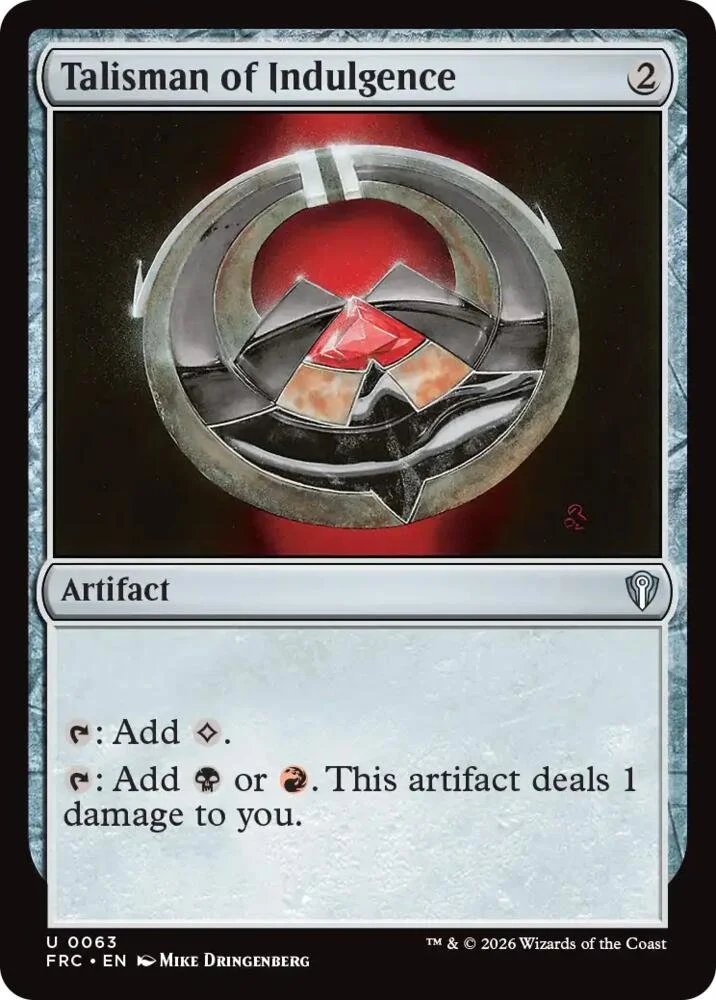
Talisman of Indulgence: Just like the other Talismans, this is being removed to free up another slot. We're keeping some of the better mana-fixing options from the original precon, and I think the remaining ramp should be enough to keep things moving.
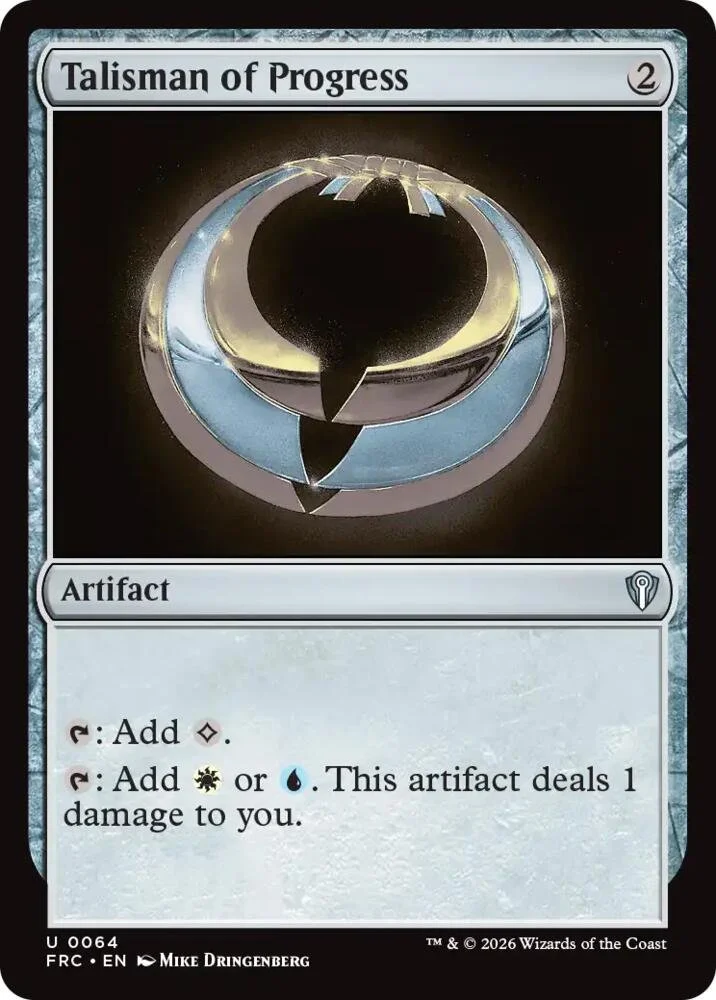
Talisman of Progress: The final Talisman to get cut. Removing four two-mana rocks is definitely going to affect how consistently we can accelerate into Jace, so this is something you'll want to pay attention to while testing. Personally, I'm willing to sacrifice some of that early speed for cards that provide additional value later.
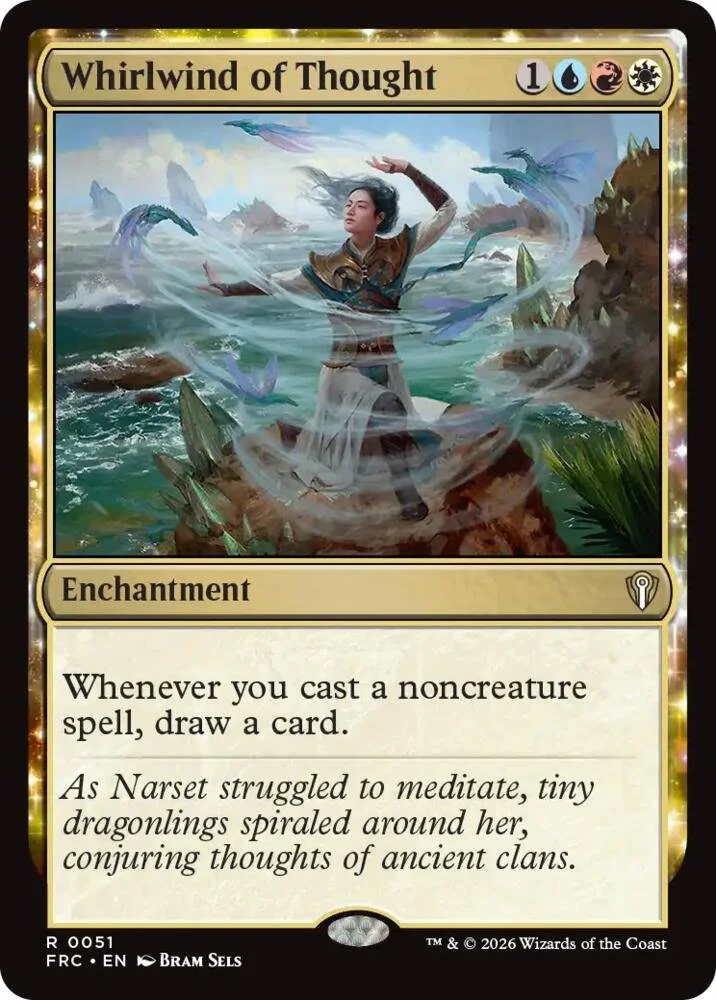
Whirlwind of Thought: This is another card that's genuinely fantastic, just not necessarily for the direction I'm taking Multiverse Reforged. Since we're primarily casting noncreature spells, Whirlwind of Thought can draw an absurd number of cards over the course of a game. However, that also means we're increasing our chances of drawing the expensive creatures and planeswalkers we'd rather Polymorph into. Jace already provides a way to draw cards and put unwanted creatures back into our library, so I don't think we need quite as much additional card draw. I'd much rather save Whirlwind of Thought for another deck that can take full advantage of it.
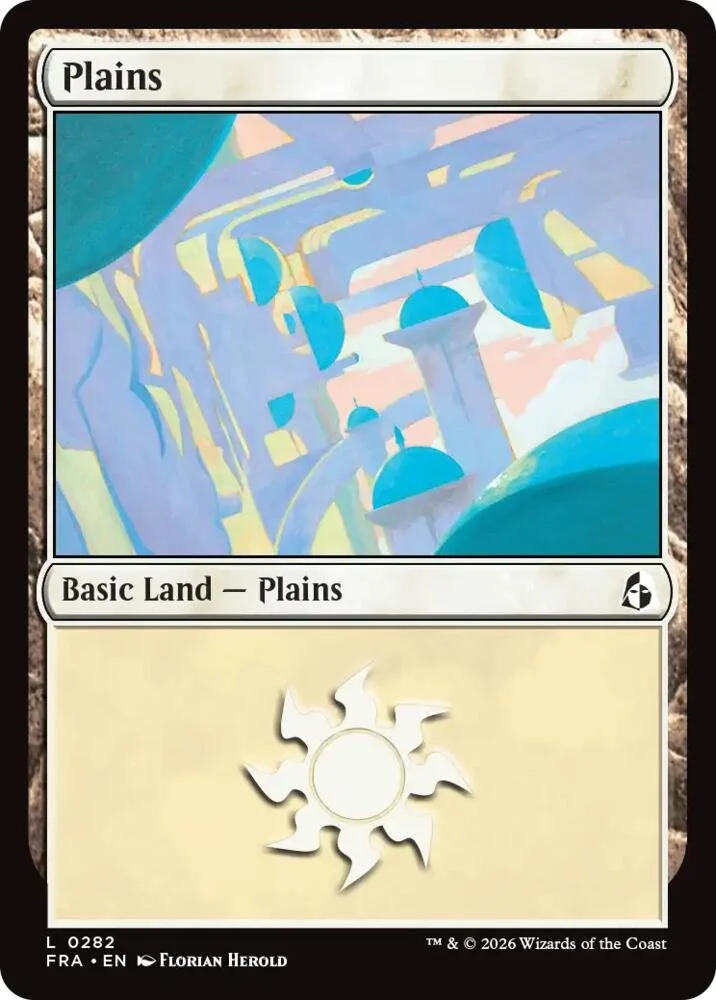
2x Plains: Multiverse Reforged comes with a surprisingly large number of basic lands considering it's a four-color deck. I'm cutting two Plains to make room for our final upgrades. One of those is being replaced directly by Karn's Bastion, which keeps our land count relatively close to the original. The second is being cut to make room for an additional artifact. Between Astral Cornucopia, Aetheric Amplifier, and our remaining mana rocks, I think we can get away with running one fewer land. That said, four-color mana bases can be tricky, so this is another change worth keeping an eye on during your first few games.
Higher-Budget Upgrades for Multiverse Reforged
If you're willing to go beyond our roughly $100 upgrade budget, these cards are worth considering. Some help keep Jace's engine running, while others give you even more ridiculous things to Polymorph into.
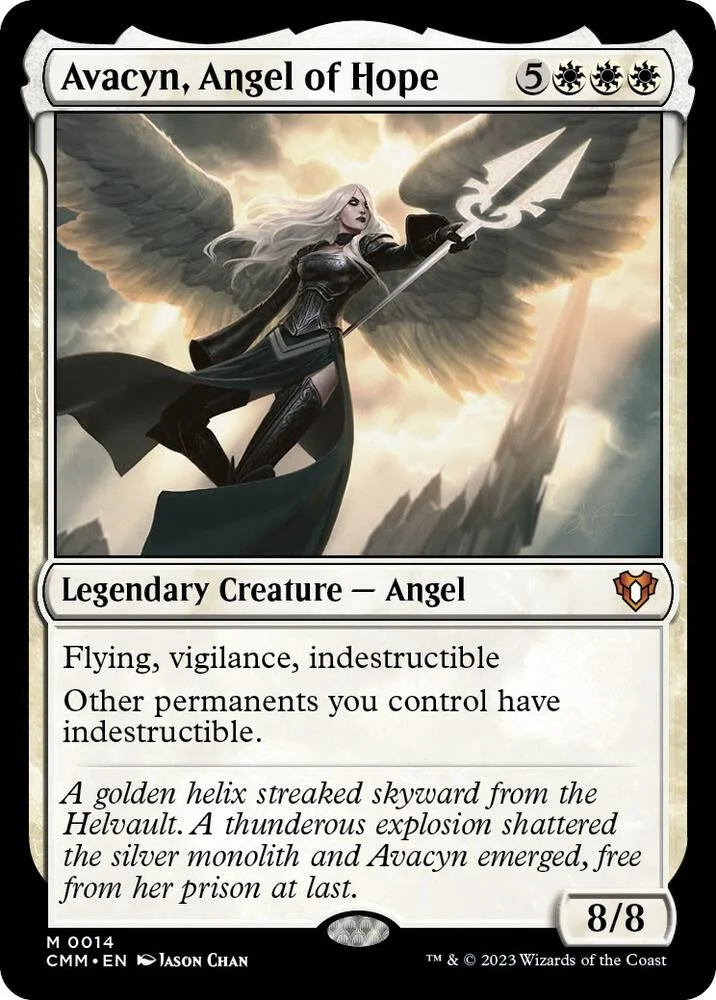
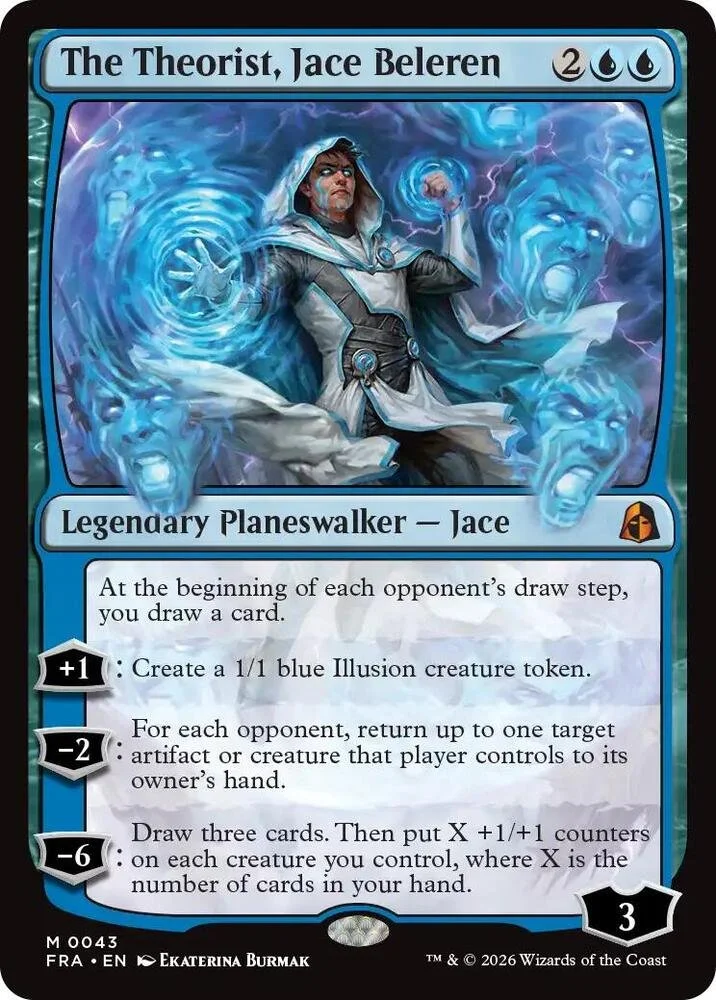
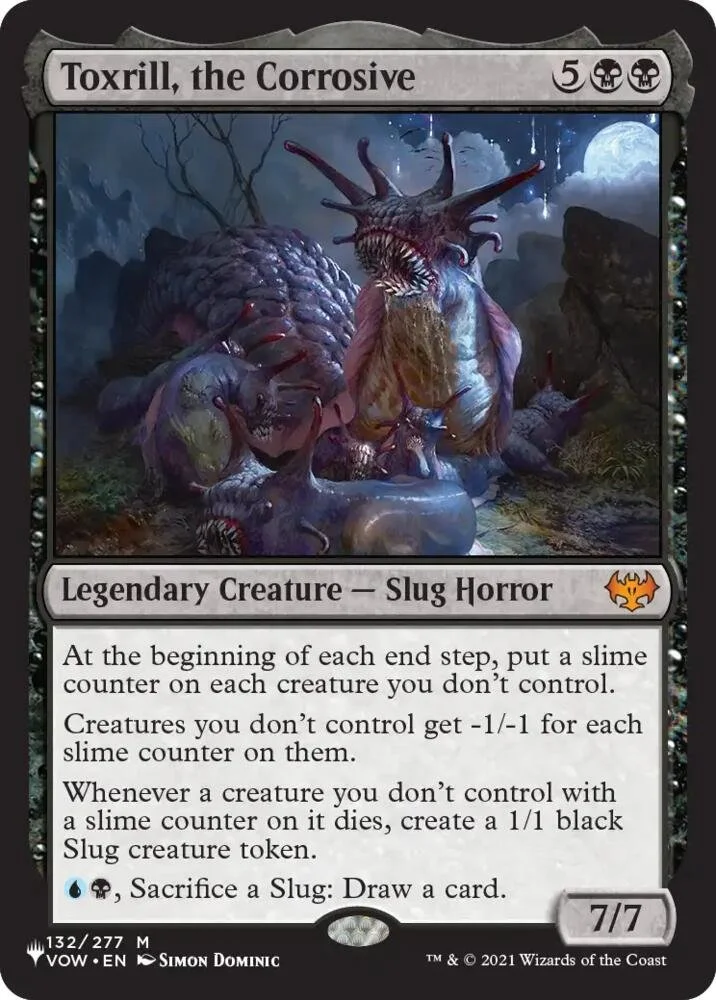
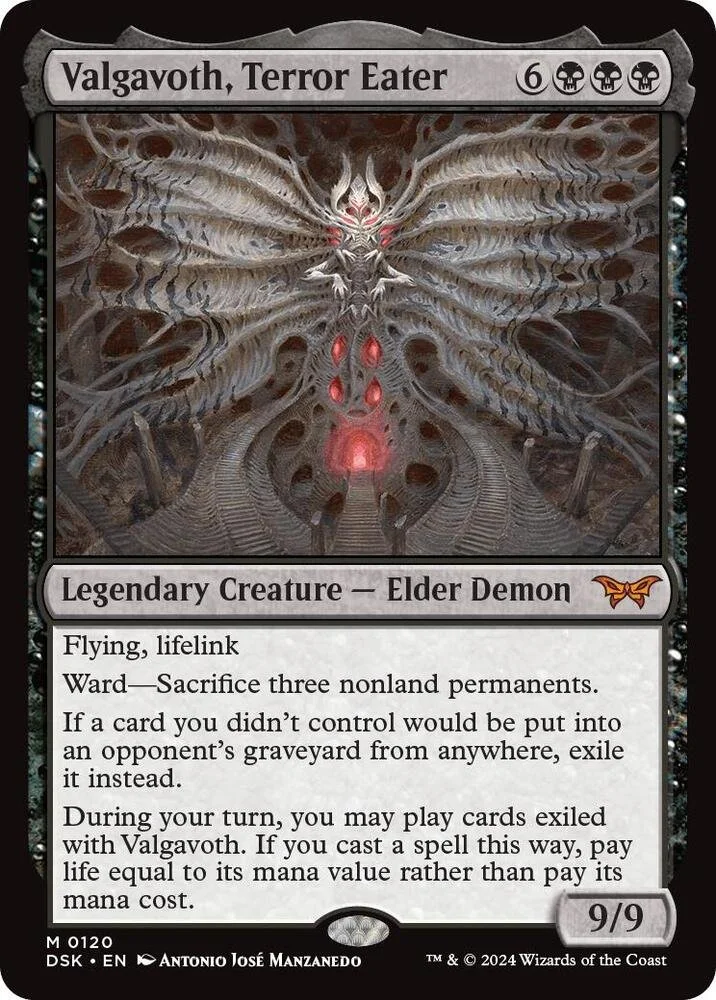
Avacyn, Angel of Hope: An 8/8 with flying and vigilance is already a great Polymorph target, but giving all your permanents indestructible is the real appeal. She helps protect your board from destruction, although she won't save a planeswalker that reaches zero loyalty.
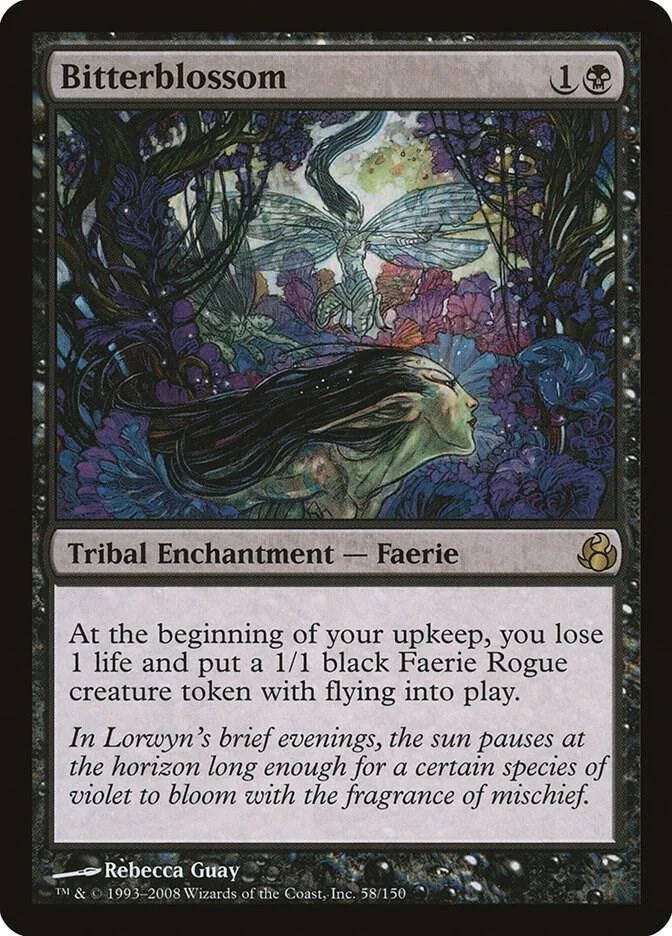
Bitterblossom: For two mana and one life each upkeep, Bitterblossom keeps supplying flying Faerie tokens to protect your planeswalkers or fuel Jace's next activation. Being an enchantment also means it won't dilute your pool of Polymorph hits.
The Theorist, Jace Beleren: Another Jace gives us more token generation, interaction, and card draw. His +1 creates Illusions for our commander to transform, while his passive draws cards during opposing draw steps. His ultimate can even turn your leftover tokens into legitimate threats.
Toxrill, the Corrosive: Toxrill steadily shrinks opposing creatures during every end step, creating Slug tokens when creatures with slime counters die. Those Slugs become more Polymorph fuel, and our proliferate effects make the slime counters even nastier. Your opponents probably won't appreciate this one.
Valgavoth, Terror Eater: Turning a disposable token into a 9/9 flying lifelinker with a punishing ward cost is exactly why we're playing this deck. Valgavoth also exiles cards headed to opposing graveyards and lets you play them during your turn, paying life instead of mana for spells. Absolutely ridiculous, and a perfect fit.
Gameplay Tips For Multiverse Reforged After The Upgrades
Multiverse Reforged is an interesting deck to pilot because it almost asks you to play Magic backward. Instead of wanting to draw your most powerful creatures and cast them, you actually want those creatures to stay hidden inside your library until Jace can pull them out.
That means there's a little more planning involved than you might initially expect.
First and foremost, you generally want to avoid casting your expensive creatures whenever possible. There will obviously be situations where you have enough mana and casting something like Hullbreaker Horror is the correct play, but ideally, you're spending your mana on noncreature spells, token generation, and keeping your planeswalkers protected.
Your creature tokens are your most valuable resource early in the game. They might look like disposable 1/1s, but every single one represents the possibility of turning into a massive threat. Try to avoid sacrificing or trading those tokens unnecessarily unless you already have a reliable way to create more.
Another thing to remember is that Jace can Polymorph planeswalkers as well as creatures. This is incredibly important after our upgrades because it means you're not limited to finding enormous creatures. Sometimes pulling Nicol Bolas or Vraska directly onto the battlefield is going to be much more impactful than finding another attacker.
You should also pay attention to the creatures and planeswalkers remaining in your library. Since the deck runs relatively few of them, you're eventually going to start running out of Polymorph targets if the game goes on long enough. The longer the game lasts, the more important it becomes to know what you can still hit.
Fortunately, Jace's +1 ability is fantastic for helping manage that problem. If you draw an expensive creature that you'd rather cheat onto the battlefield, you can put it on the bottom of your library instead. That keeps it available for future Polymorph activations without requiring you to spend all that mana casting it.
Finally, don't underestimate the importance of protecting Jace. It's tempting to use his -3 ability every opportunity you get, especially when you have a token sitting around waiting to become something bigger. However, sometimes using his +1 to build loyalty and prepare for the following turn is the better decision.
With Sanctum Lurker, Oath of Teferi, and our new counter support, you have considerably more options for keeping your planeswalkers alive and getting multiple activations out of them.
The ideal game is one where you're constantly generating tokens, transforming them into giant threats, and using your planeswalkers to maintain control of the battlefield. Once the engine gets rolling, your opponents are going to have a difficult time keeping up with the sheer amount of value you're putting into play.
And if everything goes wrong? Well, sometimes you just have to turn another 1/1 token into something ridiculous and hope for the best.
Final Thoughts
I think Multiverse Reforged is one of the most interesting Commander precons we've received in quite some time. It takes an archetype that doesn't get nearly enough attention and turns it into a genuinely entertaining deck that feels different almost every time you play it.
More importantly, I love just how much freedom this deck gives you when it comes to upgrading.
Most precons have a pretty clear direction, and while you can absolutely experiment with them, you're generally trying to improve a specific engine or mechanic. Multiverse Reforged is different because the entire strategy revolves around cheating expensive creatures and planeswalkers onto the battlefield.
That means there's really no shortage of ways to build it.
Want to fill the deck with enormous Eldrazi? Go for it. Have a collection of Angels and Demons that you've been looking for an excuse to play? Throw them in. Want to replace half the creatures with planeswalkers and see how ridiculous things can get? That's exactly the kind of experimentation this deck encourages.
The upgrades I've chosen focus on giving the deck more interaction, stronger planeswalker support, and a few alternate ways to win. I think they make Multiverse Reforged more consistent without taking away the unpredictable fun that makes the precon so enjoyable in the first place.
But I also wouldn't blame anyone for ignoring half of these recommendations and throwing in their favorite giant creatures instead.
At the end of the day, Magic is supposed to be fun, and there's something incredibly satisfying about turning a tiny creature token into a massive threat that your opponents now have to figure out how to deal with.
Multiverse Reforged embraces that feeling better than almost any other precon I've played, and I think it's going to be a deck that players continue experimenting with for a very long time.
For more Reality Fracture Commander mischief, check out my guide to the Best Reality Fracture Commanders for some inspiration for your next deck. If you're looking for a fun, casual way to experience the set with friends, give my Reality Fracture Horde Mode Guide a try. And if you're heading to your local game store for a Draft night, be sure to check out my Reality Fracture Draft Guide for tips, strategies, and everything you need to make the most of your picks!