
Reality Fracture is the sixth set of 2026, and it’s a very big story set. This set marks the finale of the current Metronome Arc in the Magic: The Gathering story, and it also means the death of one of Magic’s most iconic characters, Jace. With Jace dying, this set is full of Jace cards, and he’s as omnipresent as ever.
I’m excited for this Limited environment, and I think you should be too. This set has some really solid flow to it, and they’ve gone back to ten archetypes. So, here’s what you need to know before heading to a Prerelease or Draft night at your LGS!
Table of Contents
Set Mechanics
For the most part, this set uses many of the mechanics we’ve already seen throughout the Metronome Arc. It brings back some fan favorites and even introduces the first-ever token Planeswalker.
New Mechanics in Reality Fracture
Reality Fracture introduces two new tokens to the game: a Jace Planeswalker token and a mana-rock token called a Heartwood token.
Empower Jace
There’s only one new mechanic that we need to talk about: Empower Jace. Empower Jace is a new mechanic that allows you to create a token Planeswalker named Jace and put loyalty counters on it equal to the Empower amount. This functions similarly to Amass. If you already control a Jace token, you add the counters to that Jace instead.
Keep in mind that if you’re able to make a token copy of a better Jace Planeswalker, such as The Theorist, Jace Beleren, you would put the loyalty counters on that token instead. This should make for an interesting deck-building mechanic.
Heartwood Tokens
This is less of a mechanic, but Reality Fracture introduces the Heartwood token, an amazing Gruul mana-rock token. If a creature creates a Heartwood token, you’ve effectively created a mana rock that taps for either red or green mana. Green loves to ramp, and Heartwood tokens allow it to do so even faster.
Returning Mechanics in Reality Fracture
There are honestly too many returning mechanics to go over, so I’m going to skip the ones that appear frequently. Instead, I’m going to explain the two that I think might confuse the most people, either because they’re still relatively new or because some players may have missed Secrets of Strixhaven.
Prepared
I knew they’d bring Prepared back from Secrets of Strixhaven. I just didn’t know it would happen so quickly! I will forever be happy to see Prepared spells return.
If you missed Secrets of Strixhaven or this is your first in-universe set, Prepared is a mechanic that allows a creature to cast a spell while it’s on the battlefield, as long as it’s prepared. Prepared spells look similar to Adventure spells because they split a creature’s text box. However, they work a bit differently. While you cast an Adventure from your hand, you cast a Prepared spell from the battlefield, and some of them are repeatable.
As long as you’ve met the Prepared requirements, you may cast the spell in the secondary text box. It’s fairly simple. Just think of Prepared spells as extra instants and sorceries.
Threshold
This is a mechanic we don’t see very often, so it’s worth touching on. Cards with Threshold want you to fill your graveyard. A Threshold ability becomes active once you have seven or more cards in your graveyard.
While most decks aren’t actively trying to fill their graveyards, a Threshold deck wants to reach seven cards as quickly as possible so its game plan can come fully online.
Draft Archetypes in Reality Fracture

I love getting full Limited environments. Ten archetypes just feel more balanced, and the added variety leads to more dynamic games. On top of that, this isn’t a small set, so you’re less likely to see the same cards across your Sealed pools and Draft pods. Needless to say, I have high hopes for this set.
The archetype split is really interesting this time around. The five allied-color pairs form the five “Hexhaven Archetypes,” which are based on the Echo Universe’s version of Strixhaven. The five enemy-color pairs form the Lorwyn Five, archetypes based around five characters introduced during the original Lorwyn block: Liliana, Ajani, Chandra, Jace, and Garruk. The Hexhaven archetypes admittedly feel more thorough, but I still appreciate having ten options.
Azorius / White-Blue Fatehold Surveil Aggro
The white-blue archetype in Reality Fracture is based on the Hexhaven school Fatehold. Interestingly enough, this is an aggro archetype, which is unusual for Azorius. It wants you to Surveil your way to victory. You’ll be playing with Surveil triggers and Jace tokens while learning which cards are coming next, allowing you to predict the future and deal with your opponents on your own terms.
Game Plan
When playing a Fatehold Aggro deck, you’ll mostly use aggressive white spells mixed with blue’s card advantage.
You’ll want to Surveil and activate your Surveil triggers as often as possible. Whether that’s through playing cards or Empowering Jace and using his -1 ability to Surveil 1, you want those triggers. Surveiling will also help you filter your cards, ensuring that you don’t get mana flooded and helping you find the removal spell or bomb you need.
I wouldn’t recommend playing an Azorius Aggro deck unless you have enough cards that trigger whenever you Surveil. I see this archetype being better in Draft than Sealed.
The basic plan looks like this:
Surveil through triggered abilities and Jace tokens
Gain value from Surveiling
Manipulate your deck to deal with your opponent
While this is technically an aggro archetype, you should absolutely still play it in a controlling way.
Draft Priorities
For a Fatehold Surveil deck, you’ll need to get fairly lucky with your picks. You need enough cards that trigger whenever you Surveil, but you can’t overbalance your deck because you also need enough cards that allow you to Surveil. Whether those are Prepared spells that Surveil, creatures with Surveil ETB effects, or simply a ton of Empower Jace cards, there needs to be a balance.
You’ll also need evasive attackers. Since this is an aggro archetype, those attackers will be the primary beneficiaries of your Surveil triggers.
Your main priorities are:
Surveil enablers, including ETB effects, Prepared spells, and Jace tokens
Cards that trigger whenever you Surveil
Evasive attackers
This set has a TON of Empower Jace abilities in every color, so I would absolutely suggest taking Surveil payoff cards over enablers because the payoffs appear less frequently. However, maintaining that balance is still important.
Win Condition
While it isn’t traditional, this deck wants to win fast. Your opening hand should have two things: something that lets you Surveil and something that benefits from you Surveiling. Get that engine running and start moving toward victory.
You should attempt to Surveil every turn. This allows you to almost always know what’s coming next and work your way toward your game-ending bombs. I’m not suggesting that you essentially mill yourself out. I’m saying that you should know what’s coming next as often as possible so you can prepare for your opponent.
If you play it this way, you should almost always have an answer. By the time your opponent finds their footing and gets set up, you’ll already be within range of victory.
Key Multicolor Cards
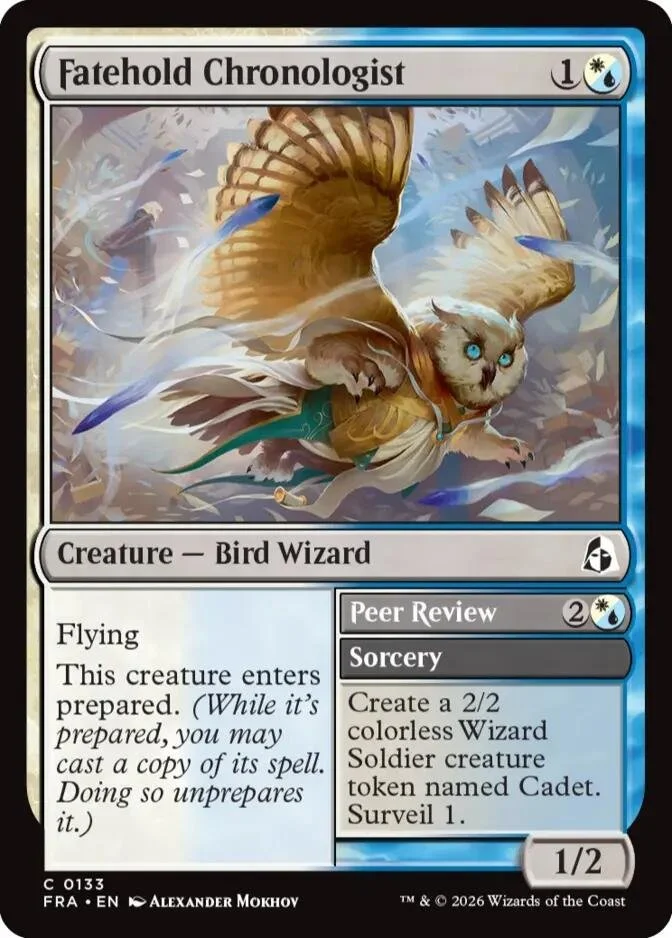
Fatehold Chronologist - A two-mana evasive attacker with Fatehold’s signature Prepared spell, Peer Review, which creates a 2/2 and Surveils.
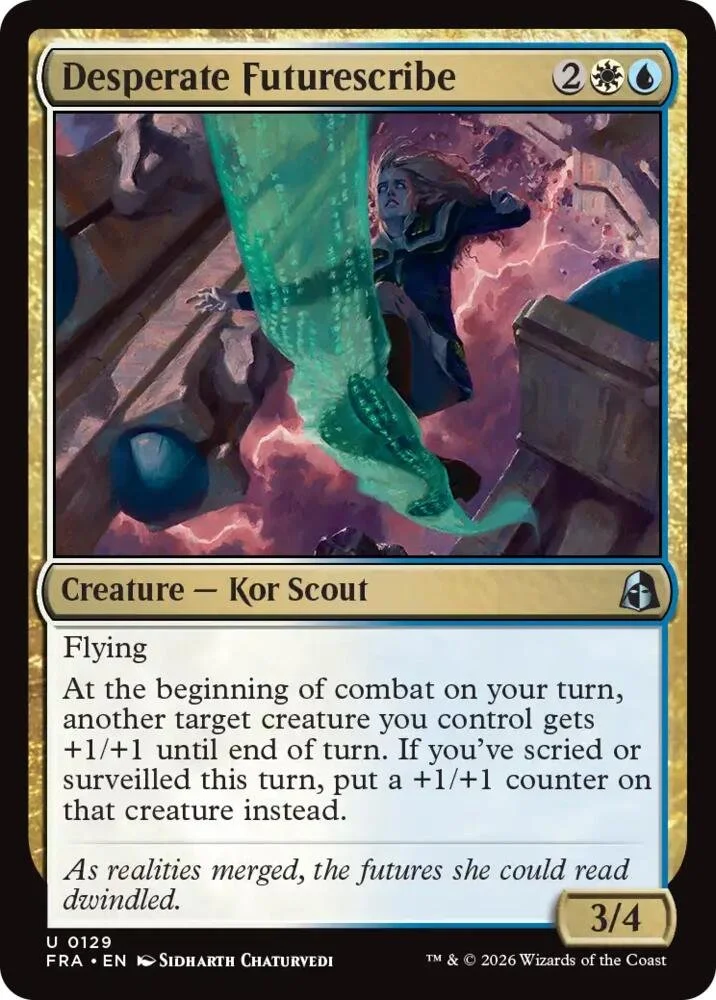
Desperate Futurescribe - The signpost uncommon for Azorius, this is a flying 3/4 that temporarily buffs a creature each turn. However, if you’ve Surveiled that turn, it permanently buffs the creature with a +1/+1 counter instead. This is a great card to have multiple copies of because it fits nicely into the curve at four mana, and you’ll hopefully be buffing your creatures every turn. Plus, your opponents are less likely to remove this creature than something like Proctor of Potential.
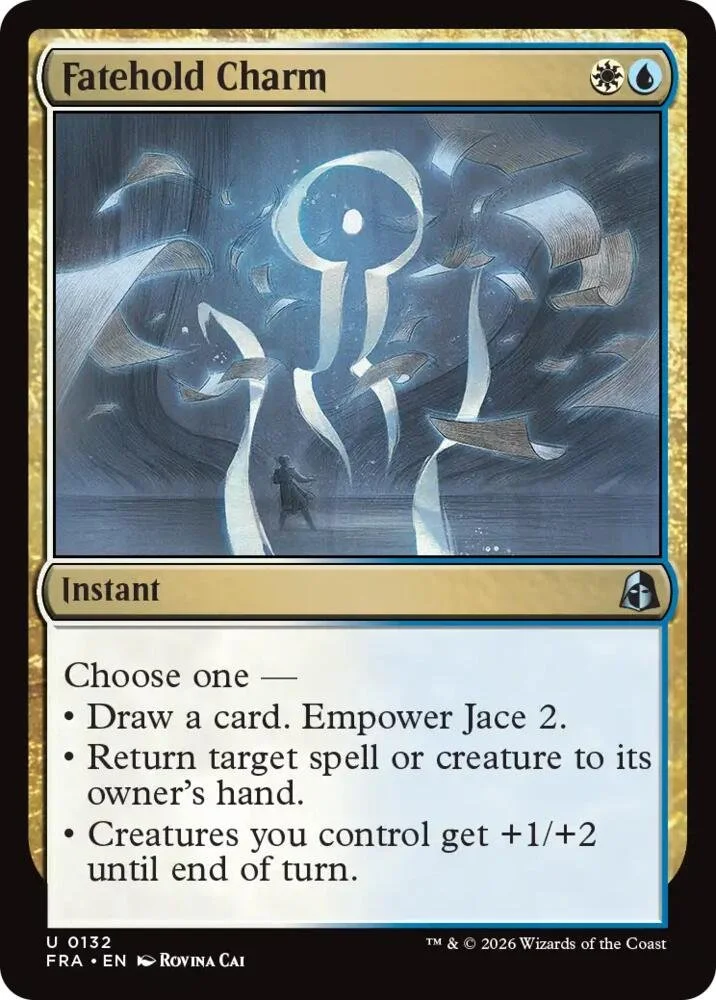
Fatehold Charm - The Strixhaven schools have their Charms, so of course the Hexhaven schools have them too. Fatehold Charm does a few things. It can Empower Jace, allowing you to Surveil if needed; return a spell to its owner’s hand, acting as a counterspell or temporary removal; or buff all of your creatures.
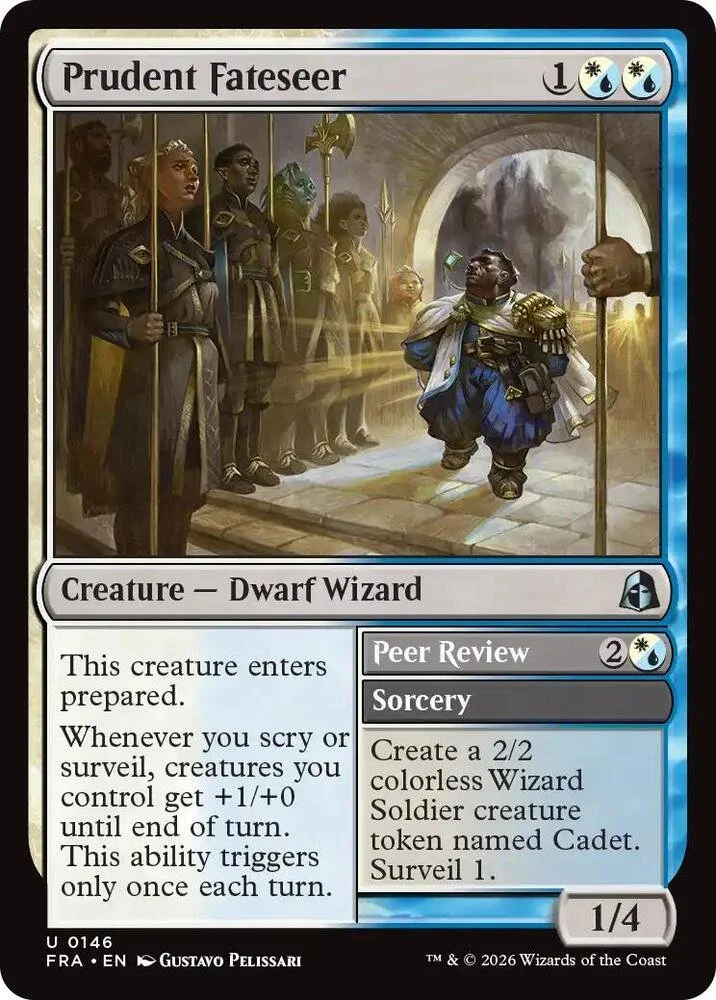
Prudent Fateseer - Essentially a lesser version of Denzilore, this creature gives your creatures +1/+0 until end of turn whenever you Surveil. It also comes with Fatehold’s signature Prepared spell, Peer Review.
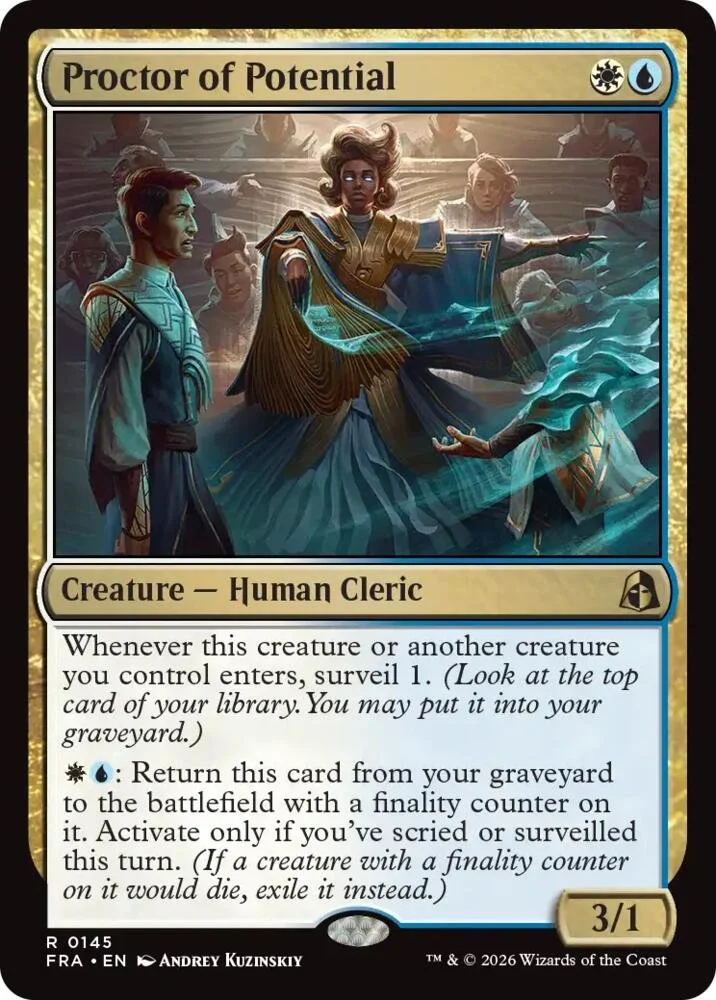
Proctor of Potential - This is a two-mana Surveil enabler that allows you to Surveil whenever a creature you control enters. Pair this with Denzilore, and you’ve got a pretty scary couple of turns ahead of you. Being a 3/1 also makes it a good early-game attacker. It doesn’t matter too much if it dies because it can return itself to the battlefield from your graveyard.
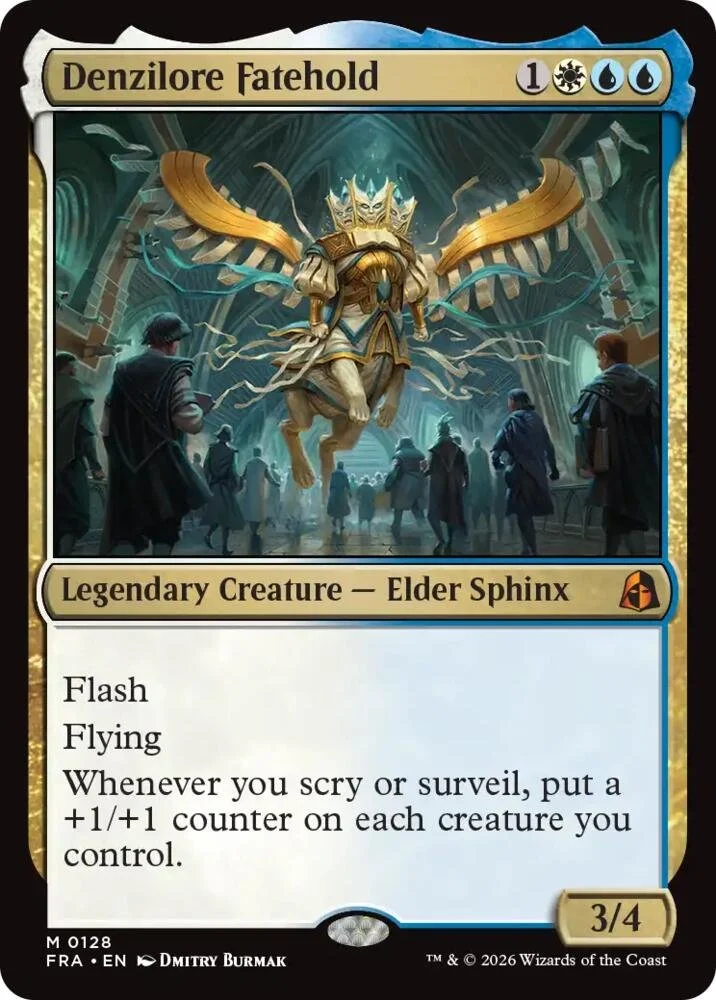
Denzilore Fatehold - A flying 3/4 with Flash is already great value, but Denzilore puts a +1/+1 counter on EACH creature you control whenever you Surveil. This is the perfect payoff for your Surveil triggers, and having Flash helps ensure that you get at least one trigger from it.
Best Common Cards for Fatehold Surveil Aggro
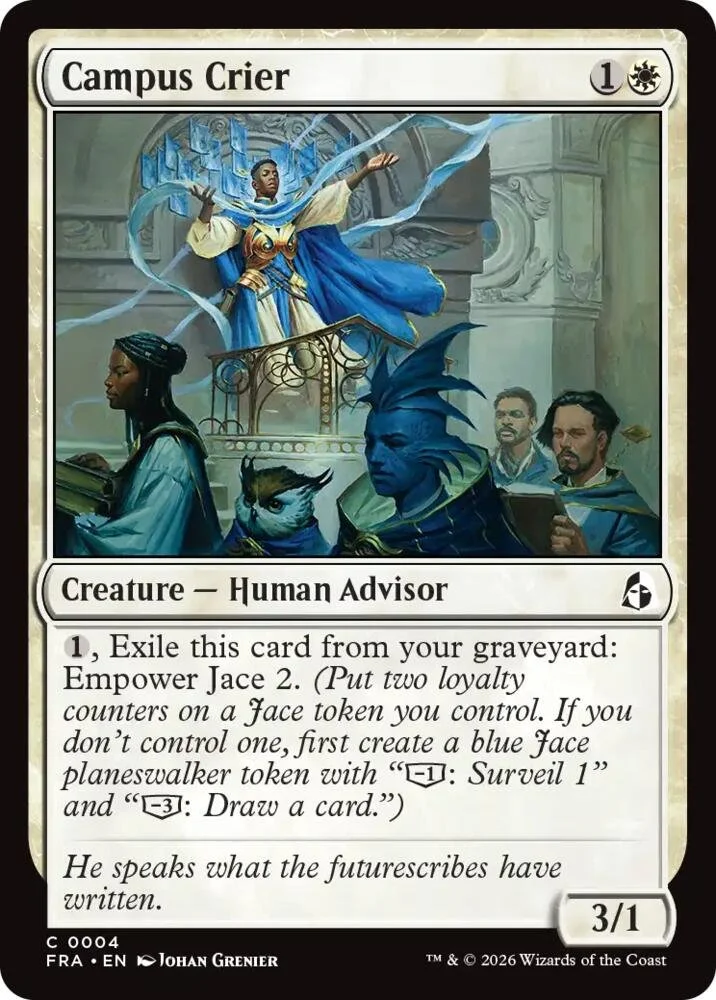
Campus Crier - A three-power attacker for just two mana is great in this deck. You also get the added benefit of exiling it from your graveyard to Empower Jace 2, allowing you to Surveil up to twice. This is great in a Fatehold Aggro deck during both the early and late game. Early on, you have a 3/1 attacker, and your opponent must decide whether they really want to put it into your graveyard. Eventually, though, they won’t be able to keep taking those hits.
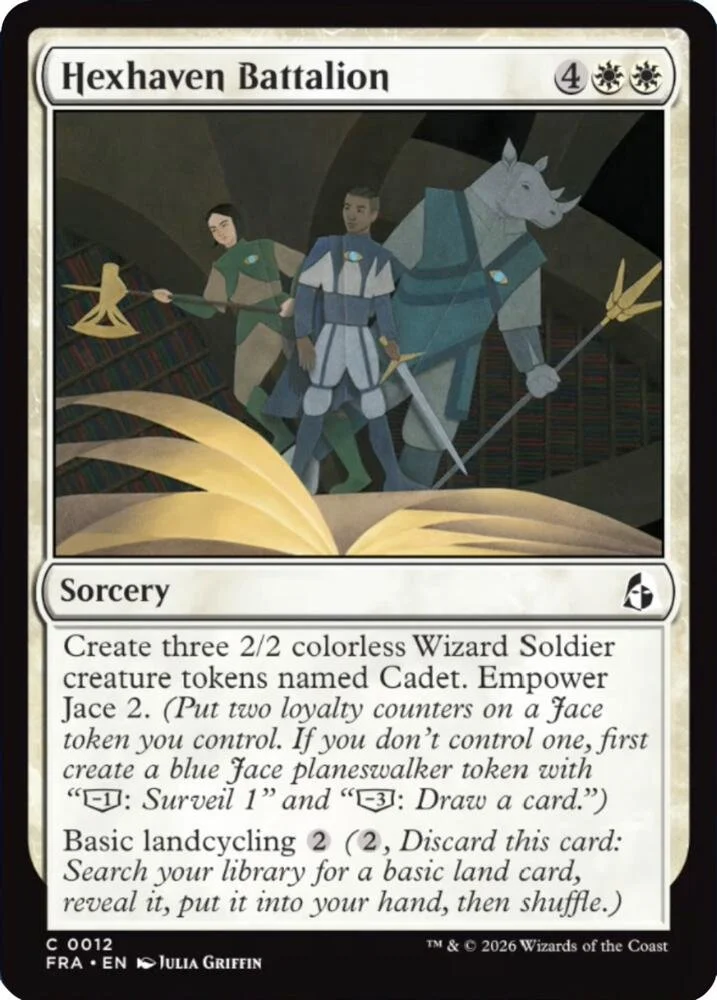
Hexhaven Battalion - Basic landcycling is a Limited staple. For six mana, this also creates three 2/2 creatures and Empowers Jace 2. This late-game bomb is still useful during the early game because of its landcycling ability.
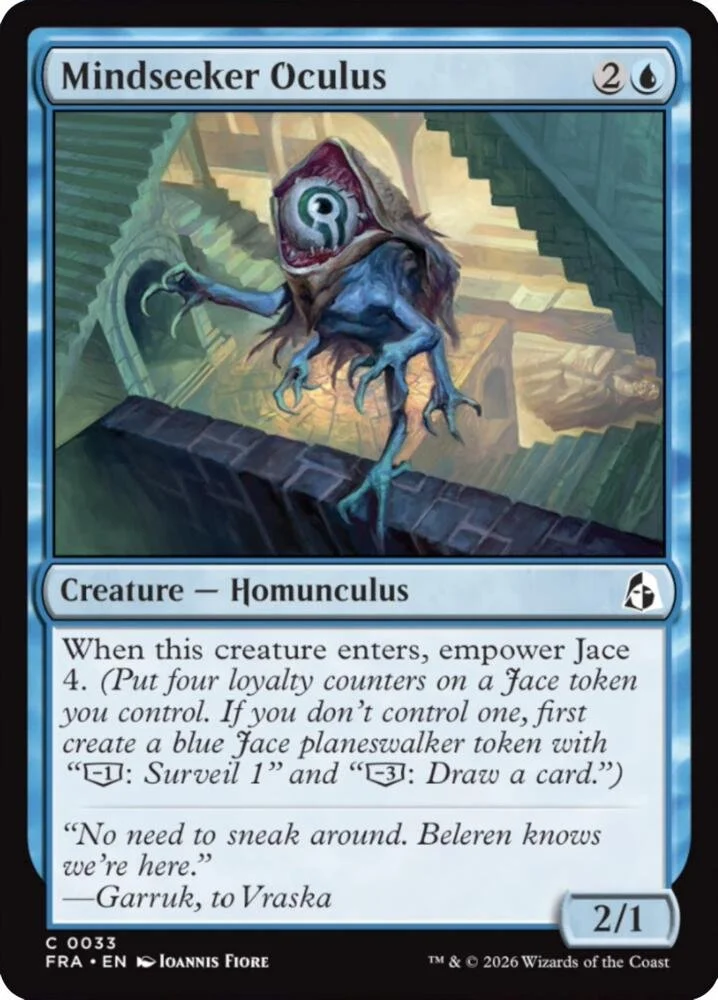
Mindseeker Oculus - This three-mana 2/1 is a decent blocker, but its main benefit is the ETB ability that Empowers Jace 4. This allows you to immediately draw a card with Jace’s -3 ability or gives you four opportunities to Surveil 1 if you have enough blockers to protect him.
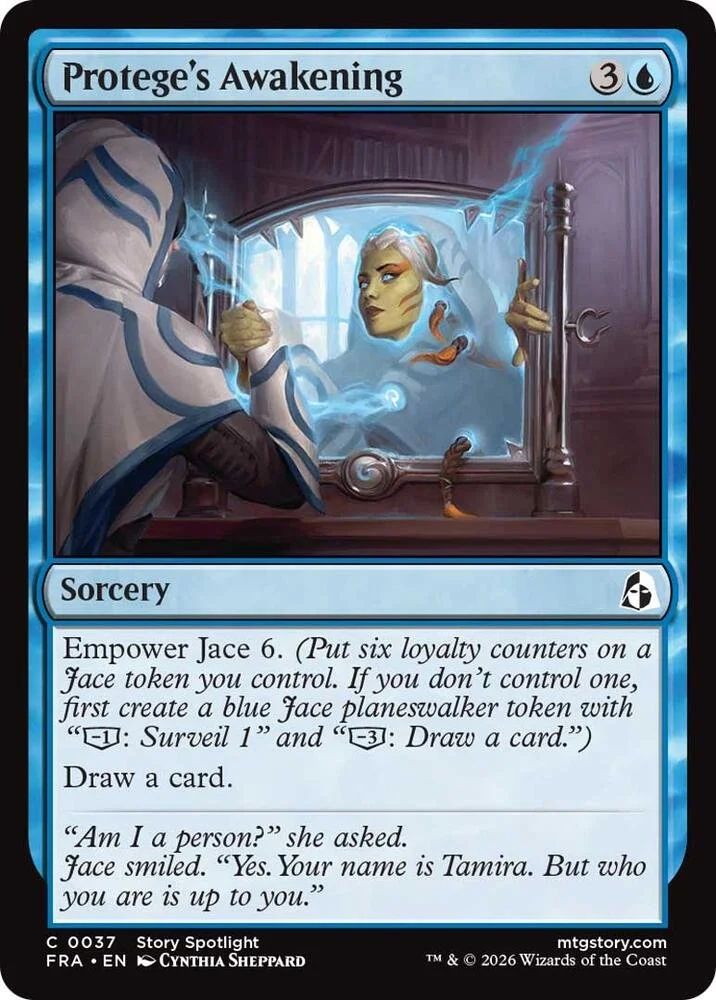
Protege’s Awakening - This is good for card draw after you Surveil and see a card you want. It also Empowers Jace 6, so you can do the Surveil and card-draw math from there.
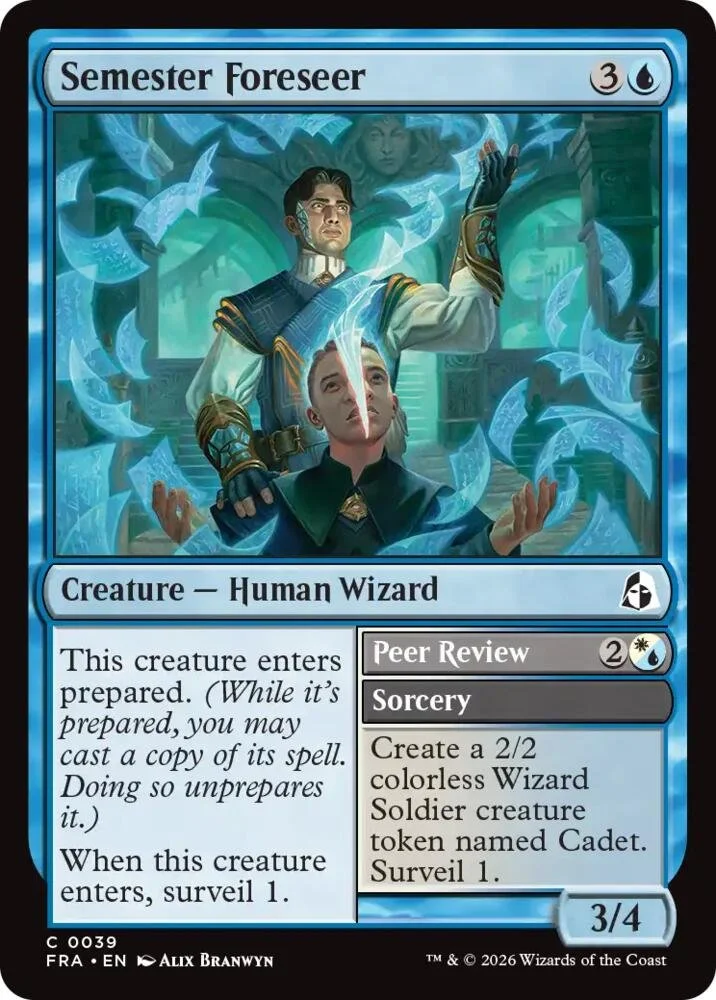
Semester Foreseer - This creature has a Surveil ETB effect and comes with Fatehold’s signature Prepared spell.
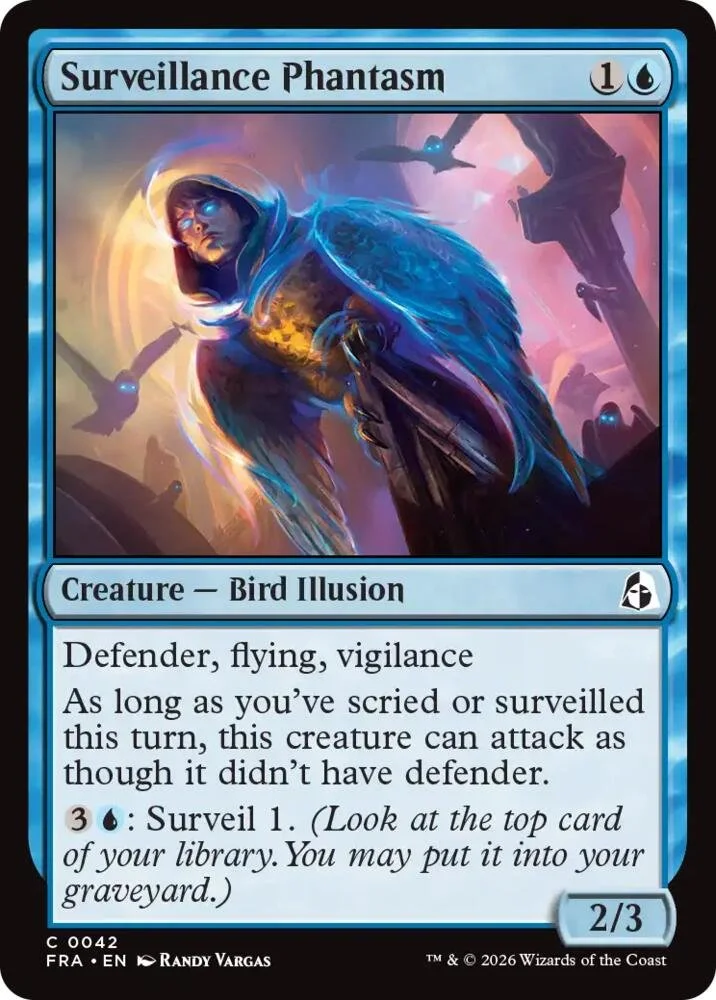
Surveillance Phantasm - This is a great evasive defender. However, if you’ve Surveiled this turn, its Defender keyword temporarily disappears. If you’re running low on ways to Surveil, it also has a repeatable Surveil ability for four mana.
Best Uncommon Cards for Fatehold Surveil Aggro
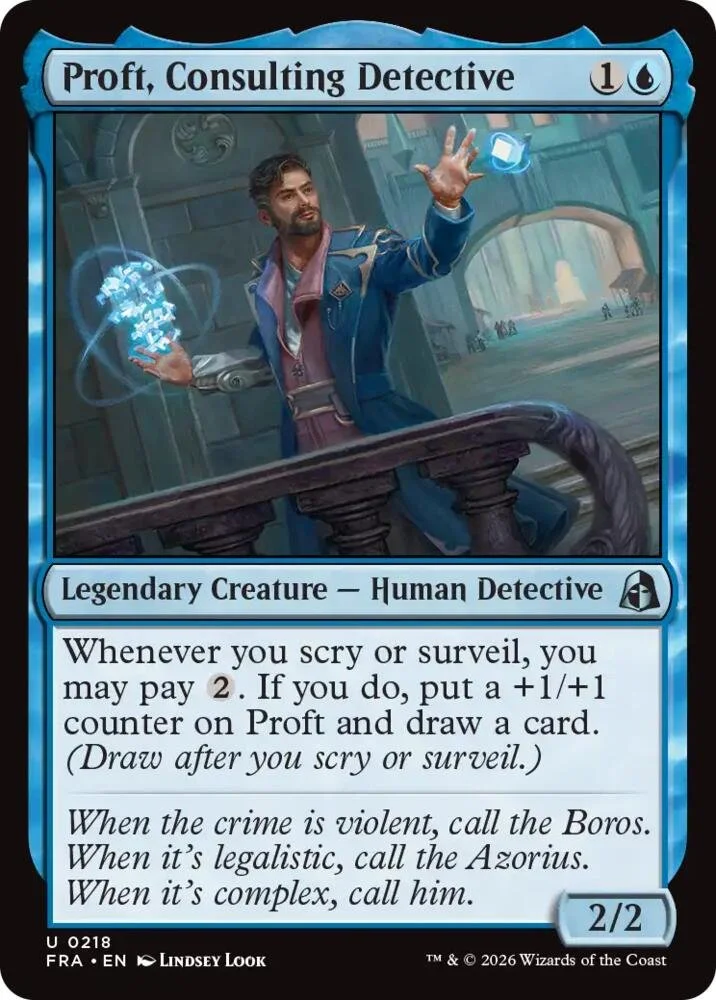

Proft, Consulting Detective - This provides a good Surveil payoff when you’re running out of cards to cast and have extra mana available. Whenever you Surveil, you may pay two mana to draw a card and put a counter on Proft. It’s a great way to use your mana if you feel like your deck is beginning to slow down.
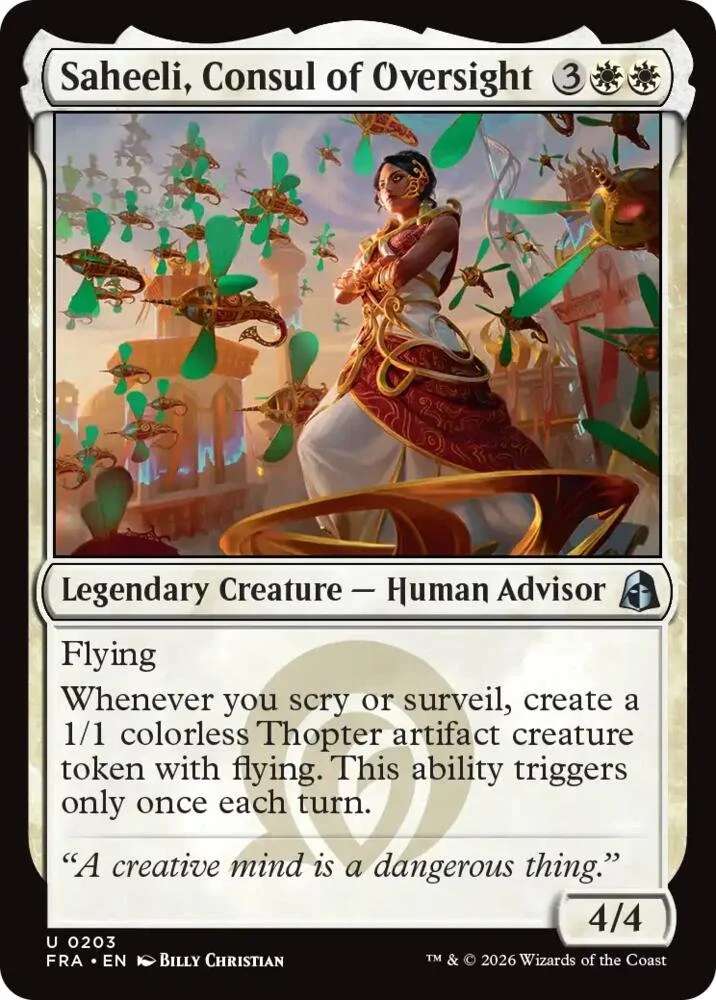
Saheeli, Consul of Oversight - This creature’s Surveil trigger is great for slowly building your army. Once per turn, if you Surveil, you’ll create a flying 1/1 that is perfect for attacking or blocking nasty fliers.
Way of the Healer - Honestly, the entire lineup of legendary enchantments that buff your Planeswalkers is great. If you have one, you might as well add it to your deck. This particular enchantment creates a 2/2 and Surveils 1. It’s a great way to get more value from your “Empower Jace 2” cards. Normally, those abilities give you one Surveil from the Jace token before he gets killed. With this enchantment, you’ll get more value from that single use.
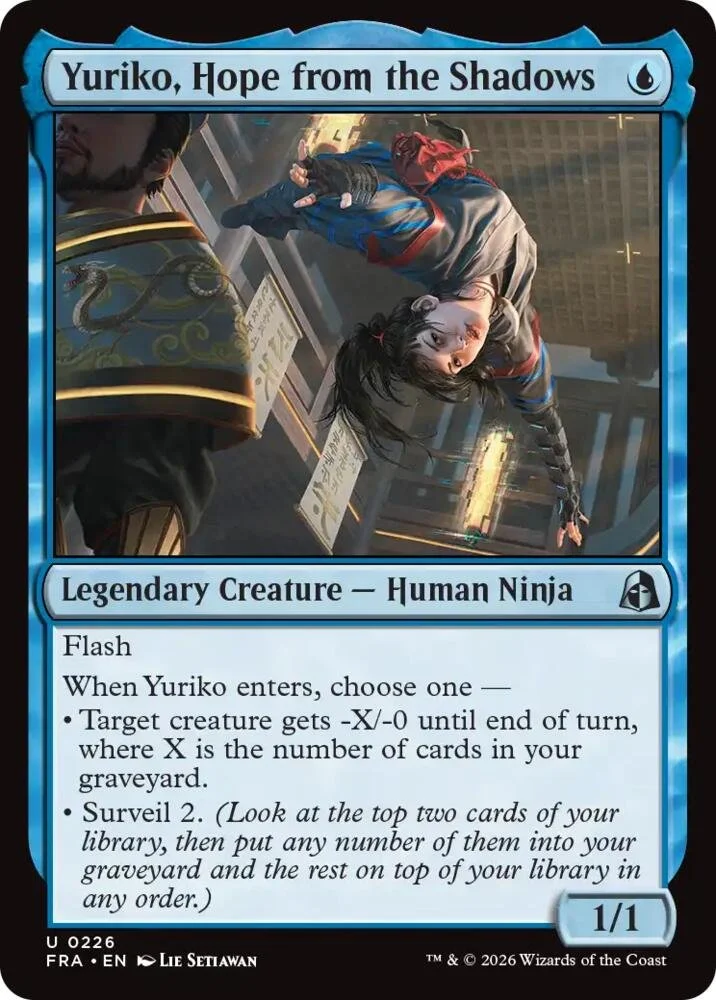
Yuriko, Hope from the Shadows - This creature has Flash, making it great as either a quick combat trick or a way to Surveil 2 for just one mana.
Best Rare and Mythic Cards for Fatehold Surveil Aggro
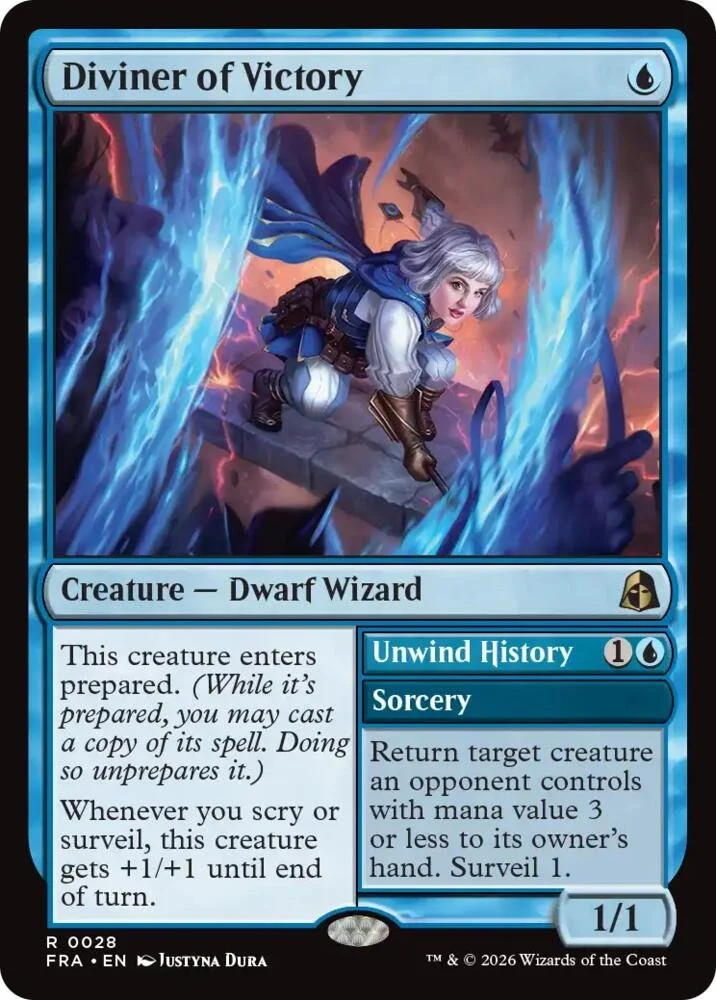
Diviner of Victory - This creature is a great way to set up a huge finishing turn. It gets +1/+1 until end of turn for each time you Surveil. If you can Surveil three or four times in one turn, this can become a 5/5. If you use its Prepared sorcery, you can also return a blocker to your opponent’s hand and Surveil again, potentially making it a hard-hitting 6/6.
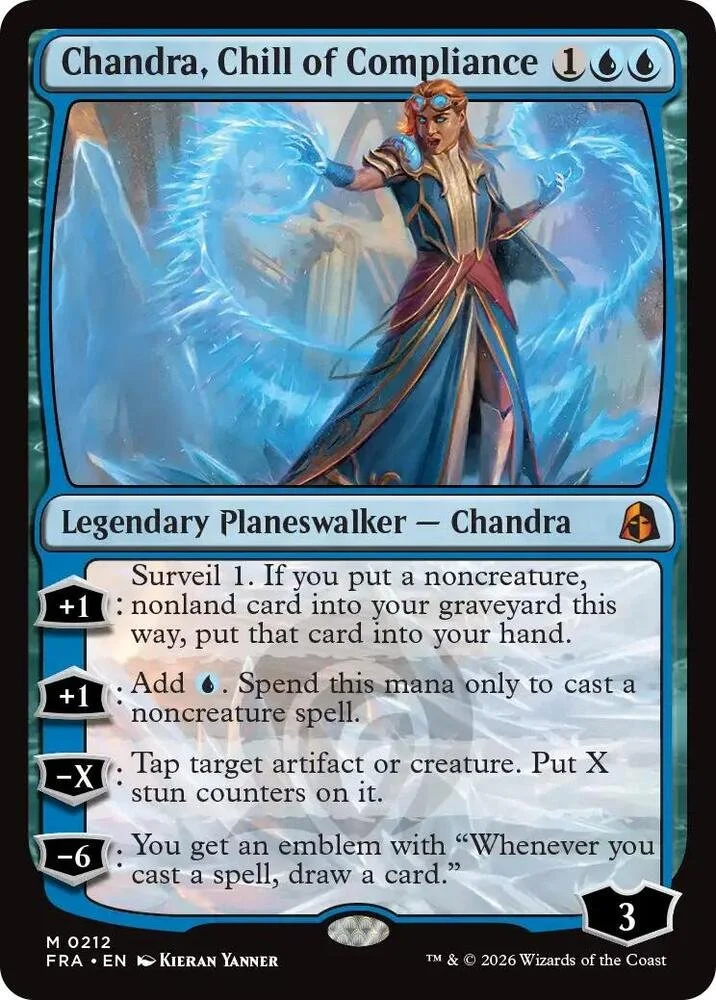
Chandra, Chill of Compliance - This is probably the best Surveil enabler you can get. This chill blue Chandra has a +1 Surveil ability that encourages you to put noncreature spells into your graveyard, effectively drawing those cards for you. I don’t think this Planeswalker will remain on the battlefield for long, but even one activation can help a lot.
Dimir / Blue-Black Theorix Graveyard Math
Unlike its Strixhaven counterpart, which uses Fractals and +1/+1 counters to grow creatures, the Hexhaven school of numbers takes a different approach. Theorix wants you to fill your graveyard through self-mill, discarding, or even good ol’ reliable blocking and attacking. This allows you to activate your creatures’ Threshold abilities.
Personally, I never think self-mill strategies work in Limited. However, that could just be because I’m not very good at playing them.
Game Plan
When playing a Theorix Graveyard Math deck, your main goal is to put seven cards into your graveyard as quickly as possible.
You’ll use self-mill strategies to dump cards from your library into your graveyard, then use recursion to get those cards back after utilizing your Threshold abilities. This is a grindy deck, so I don’t think it’s for the faint of heart.
The basic game plan looks like this:
Self-mill until you reach Threshold
Utilize your Threshold abilities
Use recursion and Flashback at the right time to reuse those cards
Draft Priorities
For a Theorix Graveyard Math deck, you really need cards that care about your graveyard. This deck will not work without cards that have Threshold, some form of recursion, and ways to self-mill. You need to draft smart or have a heavy concentration of blue and black cards in your Sealed pool.
In both Draft and Sealed, I would consider splashing white to add more Surveil abilities that can fill your graveyard. White can also provide some life gain to make the grind a little easier.
Your main priorities are:
Self-mill creatures
Creatures that benefit from reaching Threshold
Recursion to recover cards after you’ve benefited from filling your graveyard
Win Condition
Playing a self-mill strategy in Limited is bold, so you’ve got to be ready to get your hands dirty. Being in blue-black gives you the ability to control your opponent’s tempo. Play smart removal, mill yourself, and take advantage of your graveyard. This deck is all about the long haul and outlasting your opponent.
Key Multicolor Cards
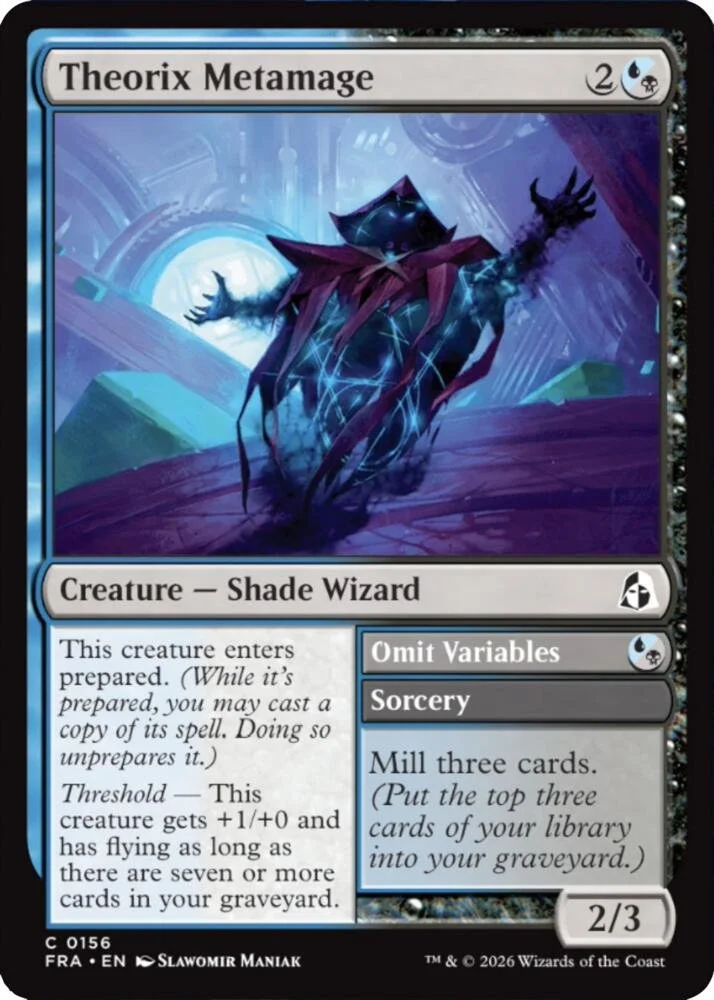
Theorix Metamage - A 2/3 attacker that gets +1/+0 and Flying once you reach Threshold. This creature also has the signature Theorix Prepared spell, Omit Variables. For just one mana, this spell mills three cards, getting you almost halfway to Threshold.
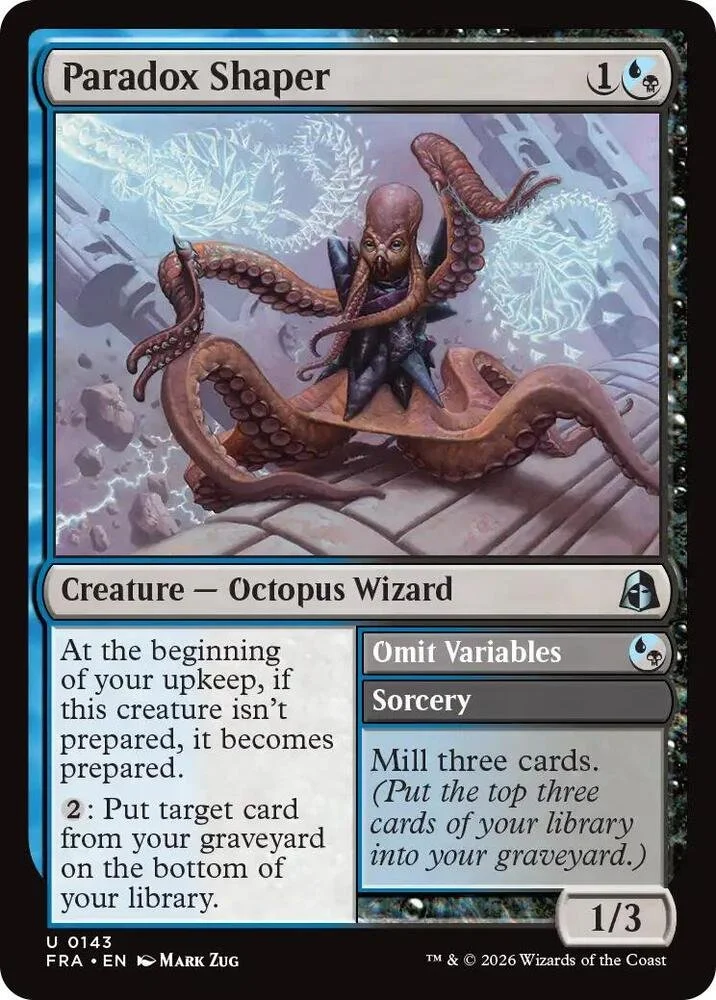
Paradox Shaper - While it isn’t technically advertised as a traditional signpost uncommon, this creature serves as the Theorix signpost uncommon and prepares itself each turn. It already comes with the signature Prepared spell, but it also has an ability that puts a card from your graveyard on the bottom of your library. From there, you might be able to shuffle your library and move that card closer to the top. It’s not perfect, but it provides slow recursion.
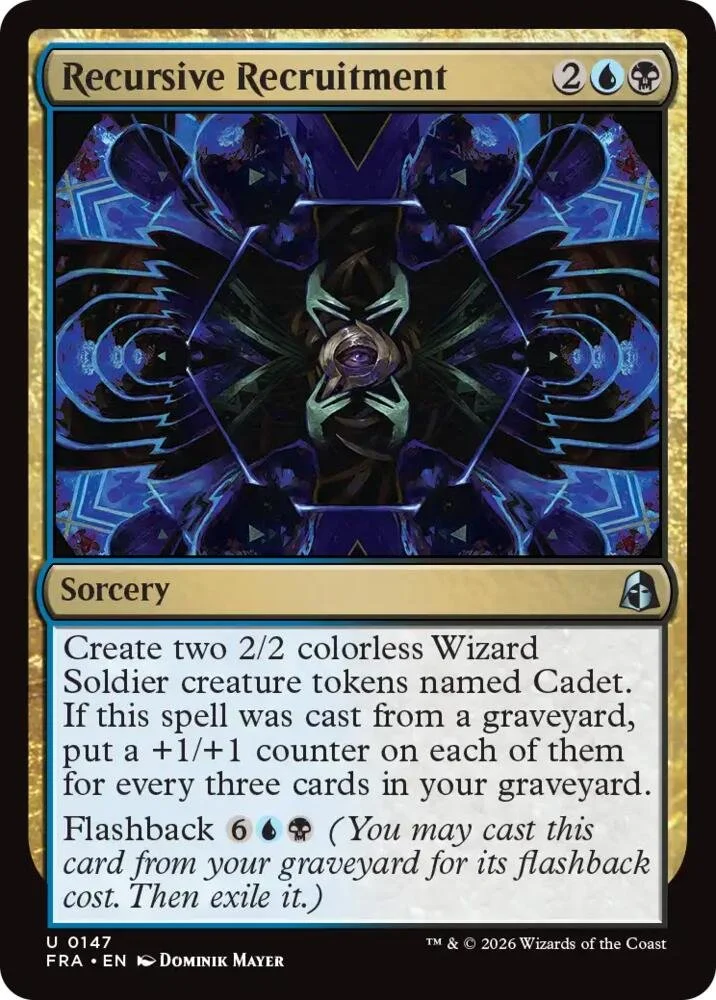
Recursive Recruitment - This is one of the best spells you can have in this deck. Casting it from your hand creates two 2/2 creatures. When you cast it from your graveyard, those creatures can potentially return with a bunch of +1/+1 counters depending on the number of cards in your graveyard.
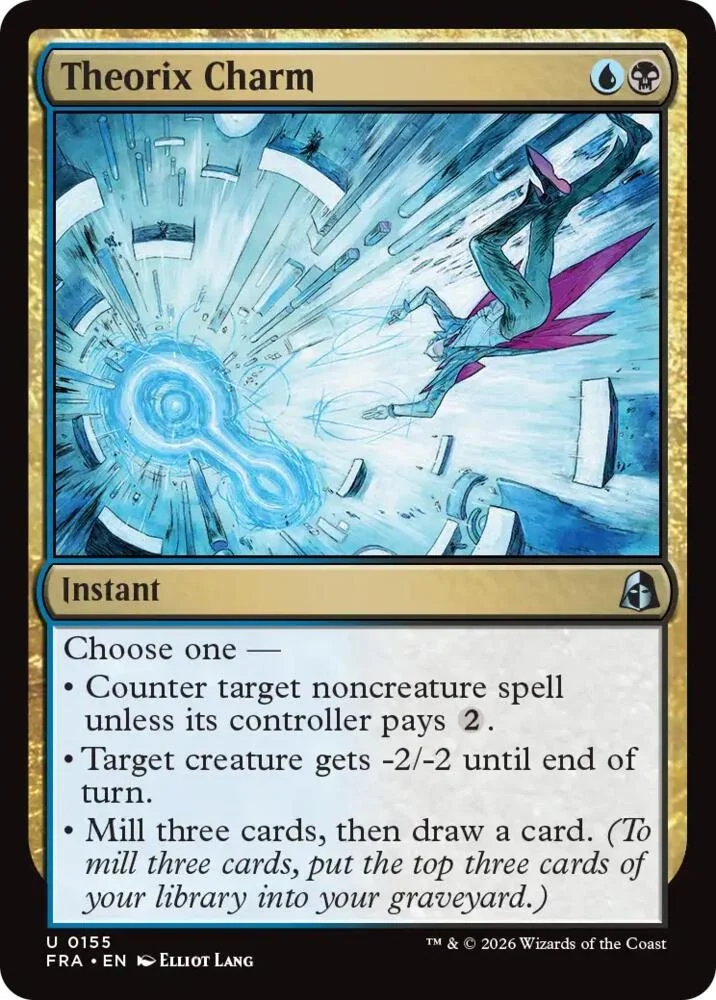
Theorix Charm - Theorix Charm from Hexhaven’s school of numbers is a great contrast to Quandrix Charm. This instant can counter a noncreature spell, give a creature -2/-2 instead of making one of your creatures bigger like Quandrix Charm, or allow you to mill three cards and then draw a card.
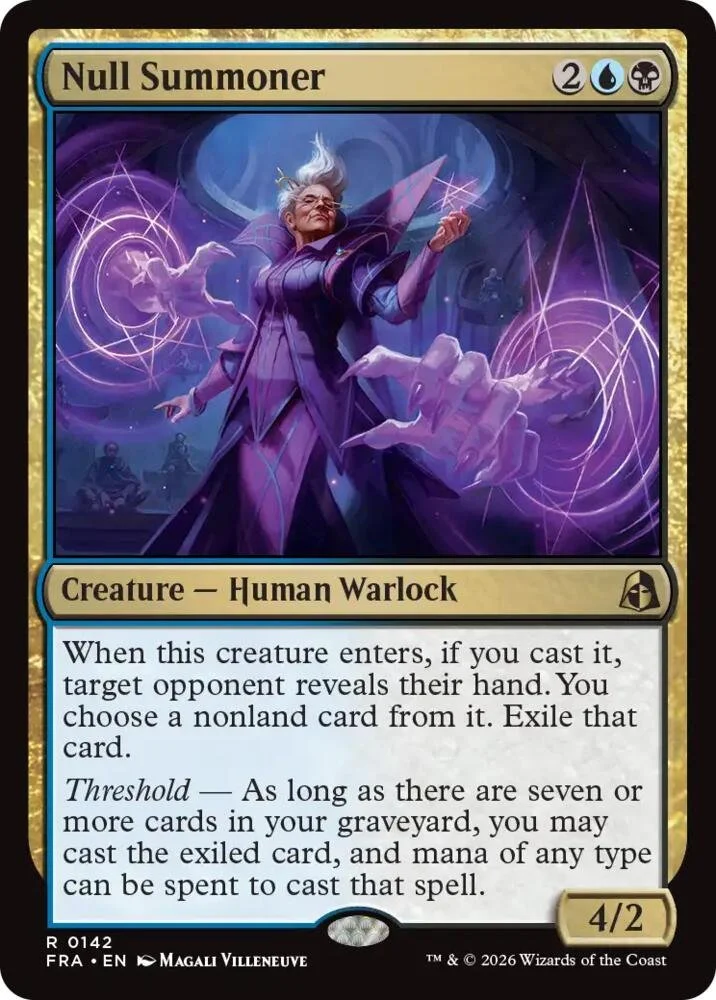
Null Summoner - This is a good card to cast after reaching Threshold. It allows you to remove a card from your opponent’s hand, and if you have Threshold, you can cast that card yourself.
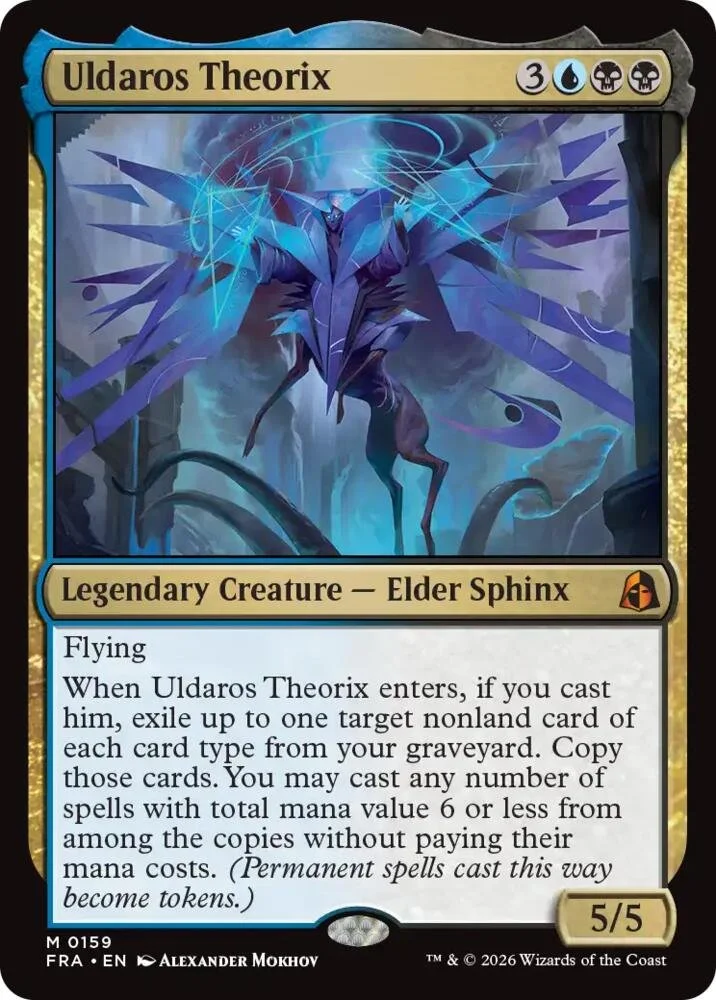
Uldaros Theorix - This card is a very strong payoff for filling your graveyard. It doesn’t necessarily use Threshold, but it allows you to recast a potential game-ending card.
Best Common Cards for Theorix Graveyard Math
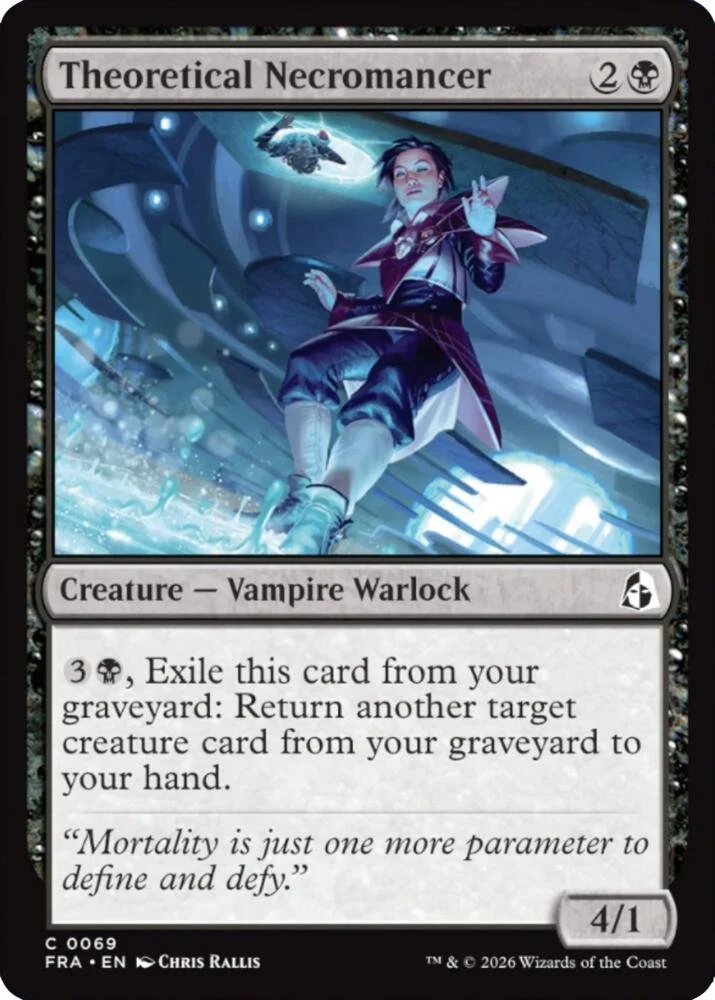
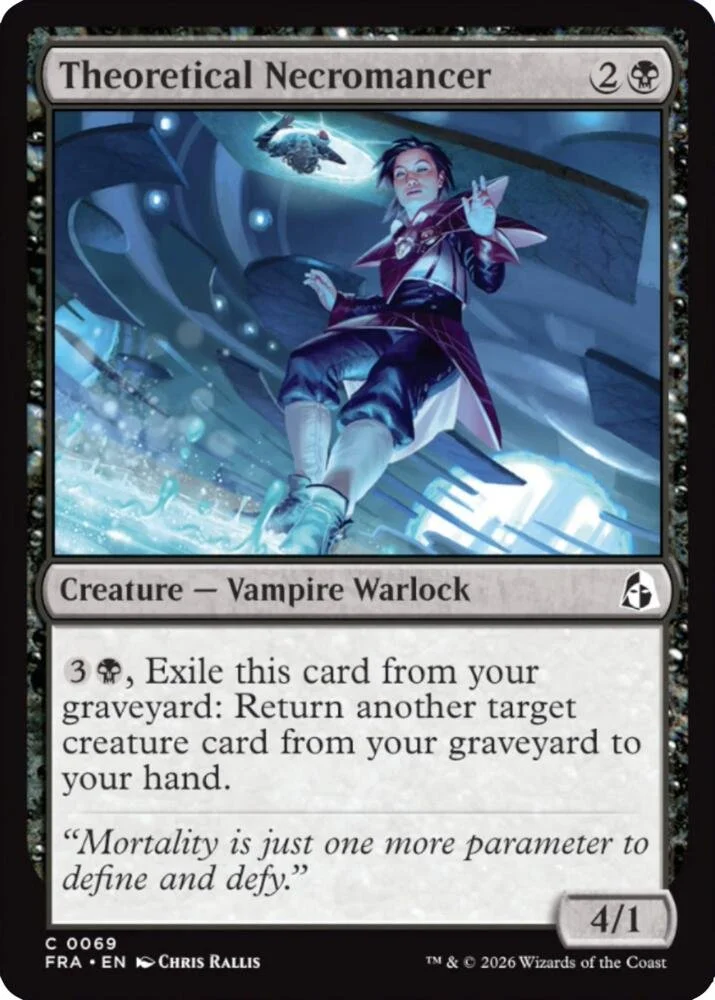
Theoretical Necromancer - This is a great attacker as a 4/1. Once it’s in your graveyard, you can exile it to return another creature card from your graveyard.
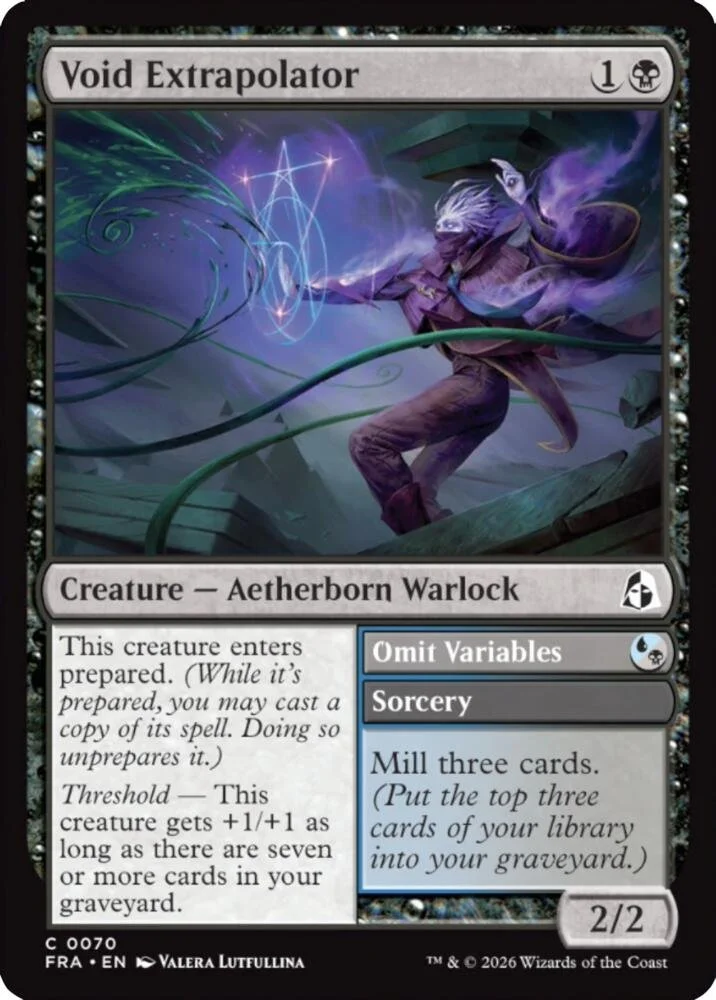
Void Extrapolator - This is a two-mana 2/2 creature, but once you reach Threshold, it becomes a 3/3 attacker.
Best Uncommon Cards for Theorix Graveyard Math
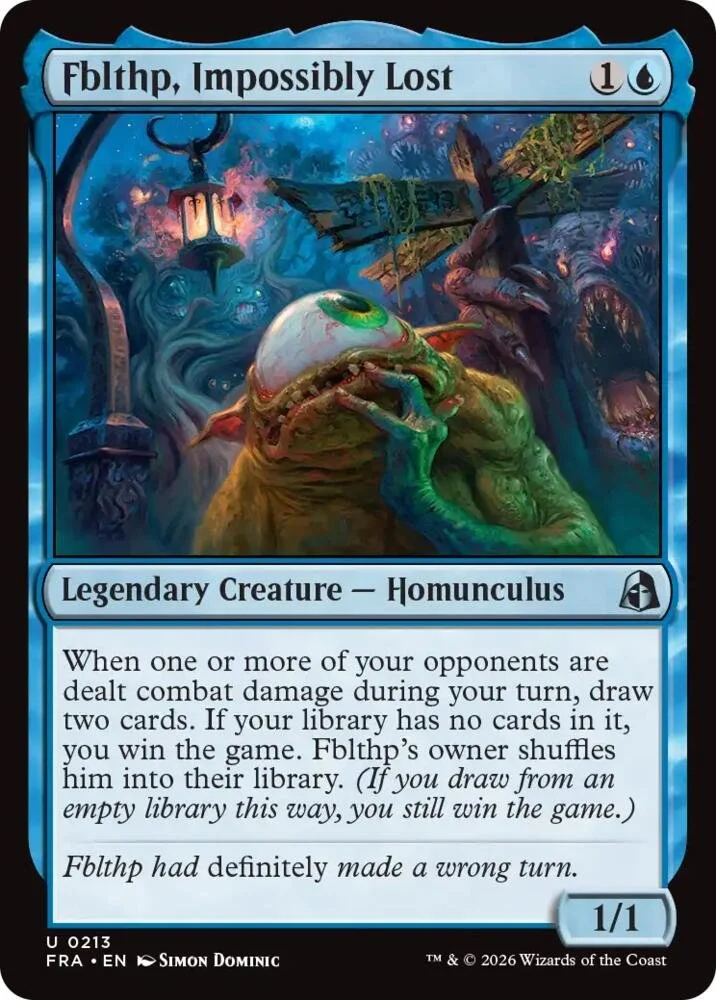
Fblthp, Impossibly Lost - This card acts as a possible alternate win condition if you mill enough cards while Fblthp is in your hand.
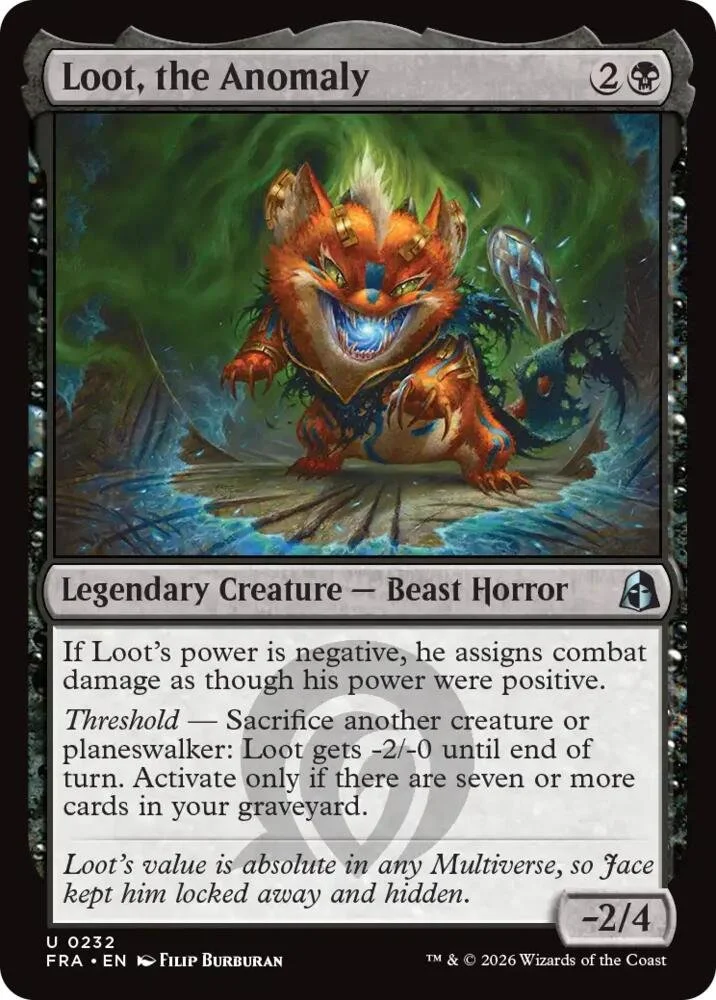
Loot, the Anomaly - Loot has a potentially devastating Threshold ability that can make him hit extremely hard.
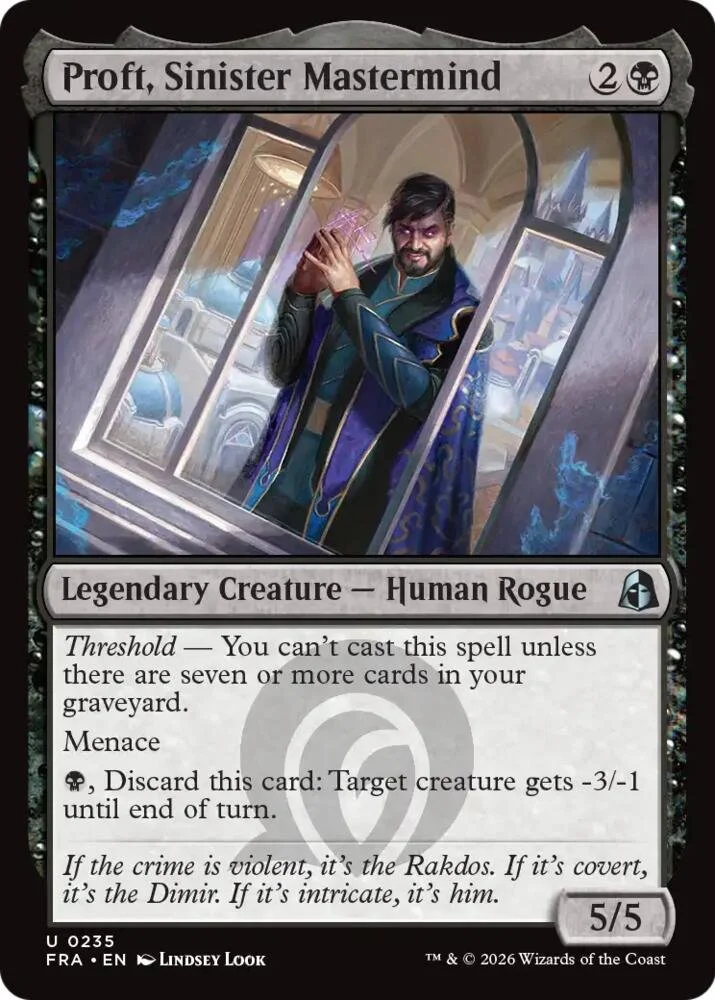
Proft, Sinister Mastermind - This is a three-mana 5/5 with Menace that can also be discarded to weaken an opponent’s creature.
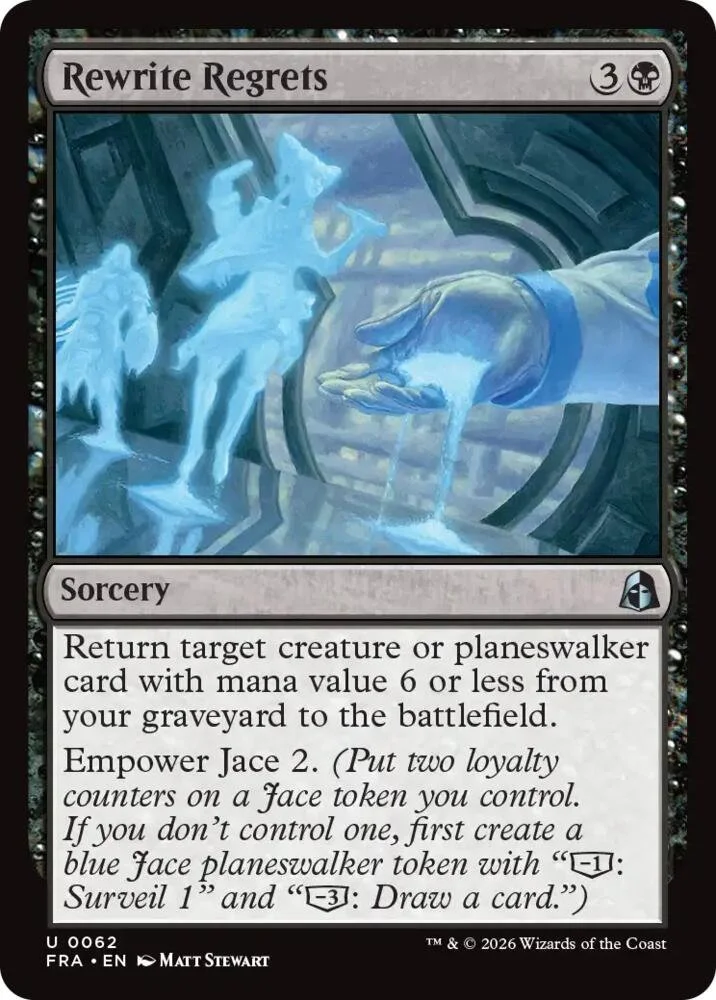
Rewrite Regrets - This gives you creature recursion in addition to Empower Jace 2.
Best Rare and Mythic Cards for Theorix Graveyard Math
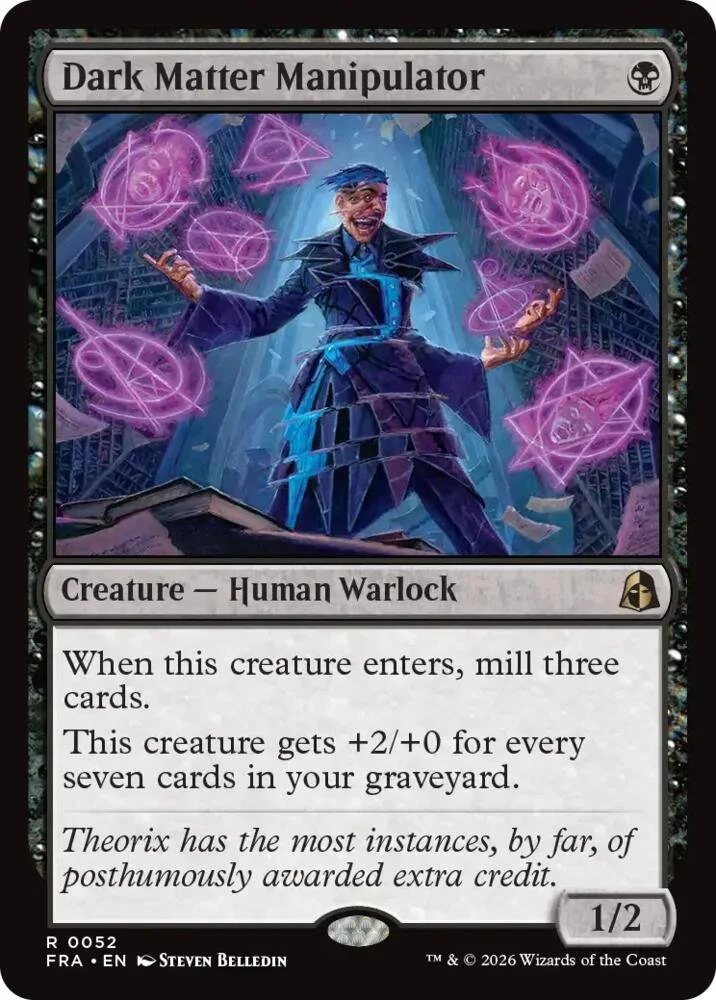
Dark Matter Manipulator - This creature mills three cards when it enters, then has the potential to become extremely powerful. It begins as a one-mana 1/2, but during the late game, it gets +2/+0 for every seven cards in your graveyard. If you’ve been doing your job and milling yourself, this creature can be devastating.
Rakdos / Black-Red Stingerquill Face Burn
In Reality Fracture, the black-red archetype represents Stingerquill, the Hexhaven School of Painful Words. This archetype is all about dealing noncombat damage and burning your opponents. Burn is nothing new for Rakdos, but it’s a mechanic that I love, and I always have fun with my burn decks. I’m curious to see how it functions in a Limited format.
Game Plan
When building a Stingerquill Face Burn deck, you want to deal as much noncombat damage as possible. Don’t let that make you hold back, though. This is still a very aggressive color pair featuring cheap creatures with Haste, and you’ll be dealing plenty of combat damage too. Trust me.
The basic plan looks like this:
Deal damage outside of combat
Cast cheap creatures with Haste
Quickly overwhelm opponents with damage both during and outside of combat
This archetype is as chaotic as ever. You’re not just burning your opponent. You’ll also want to attack whenever possible. You’re not playing this archetype to make friends. You’re playing to end the best-of-three during game two.
Draft Priorities
The priorities in a Stingerquill Face Burn deck are fairly in your face. You’ll want as many ways to deal noncombat damage as possible, whether that comes from ping effects or Lightning Bolt-style spells. You’ll also need cheap creatures that can attack after you’ve dealt noncombat damage.
Your main priorities are:
Noncombat damage enablers
Cards that provide a bonus after you deal noncombat damage
Cheap creatures with Haste
High priority: Damage multipliers
Win Condition
Stingerquill quite literally wants to melt your opponent’s face.
When playing this deck, you’re going to cast spells, activate ping effects, and use anything else that can damage your opponent without attacking. AND THEN you’re going to attack them. You’re going to be threatening, and you’re going to play fast. Ideally, you’ll start dealing damage on turn one.
Key Multicolor Cards
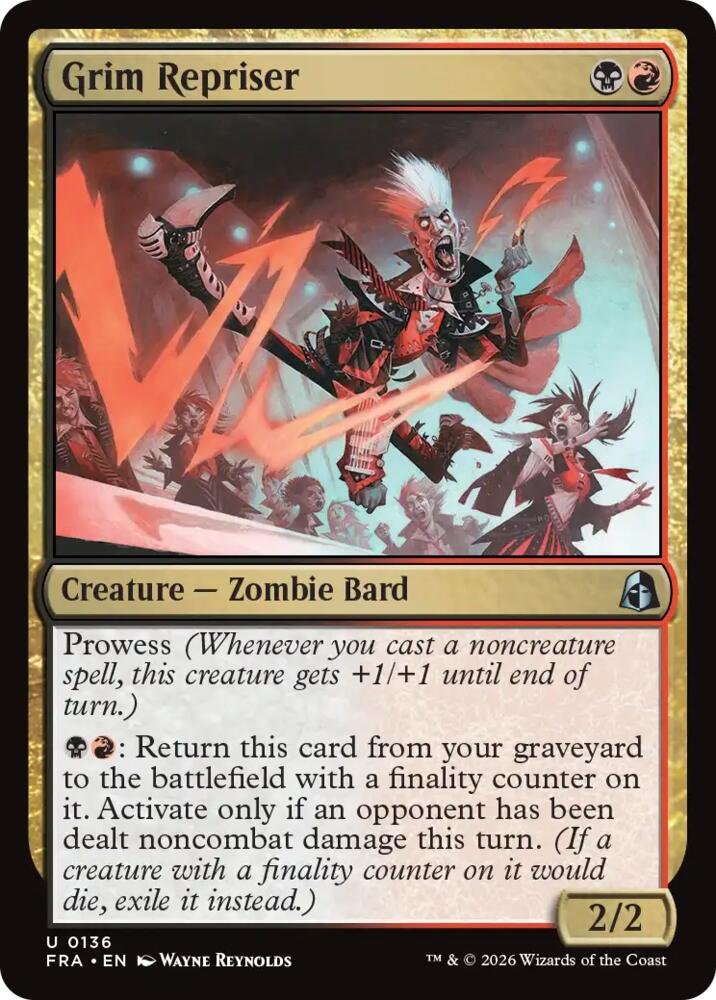
Grim Repriser - This is a good payoff for dealing burn damage. You can return this 2/2 from your graveyard to the battlefield for its mana cost with a finality counter on it.
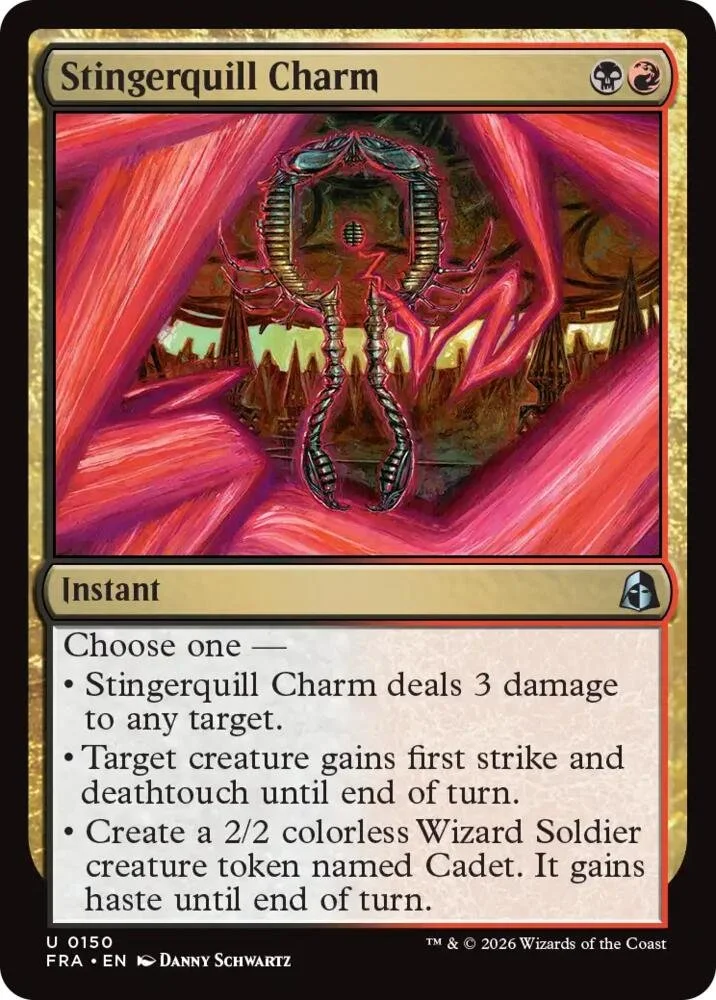
Stingerquill Charm - The Hexhaven version of Silverquill Charm, this card can deal 3 damage to any target rather than siphoning life, give a creature First Strike and Deathtouch until end of turn, or create a 2/2 with Haste. In my opinion, this is one of the best new Charms because it’s the most versatile.
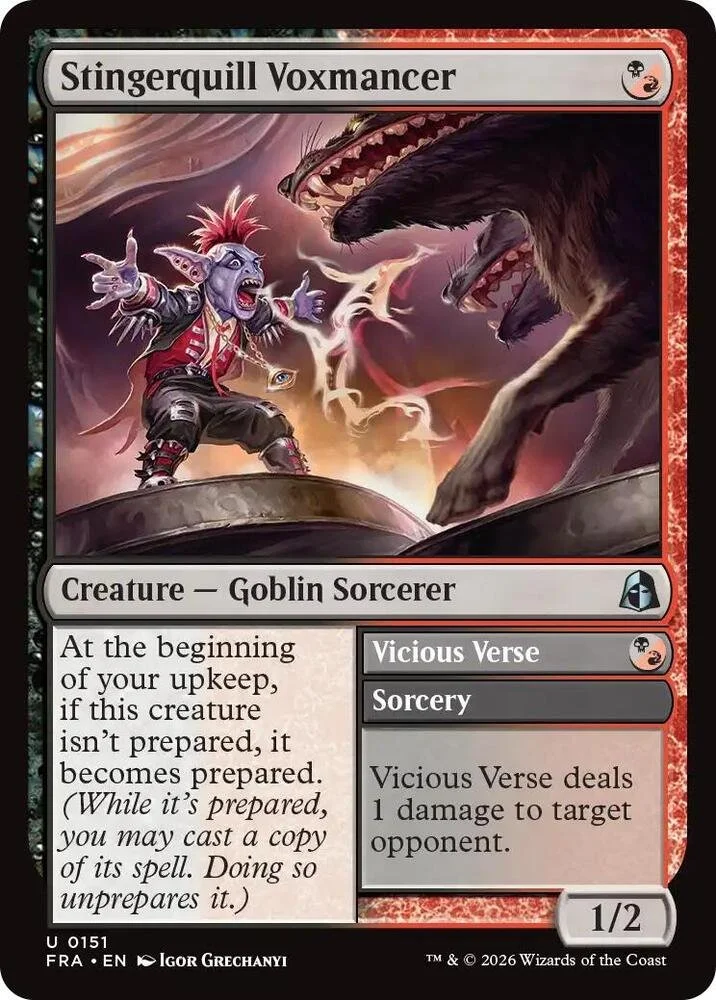
Stingerquill Voxmancer - This is the signpost uncommon with Stingerquill’s signature Prepared spell, Vicious Verse. This creature prepares itself at the beginning of each of your upkeeps, and its signature spell deals 1 noncombat damage to your opponent. This effectively triggers all your cards that care about noncombat damage.
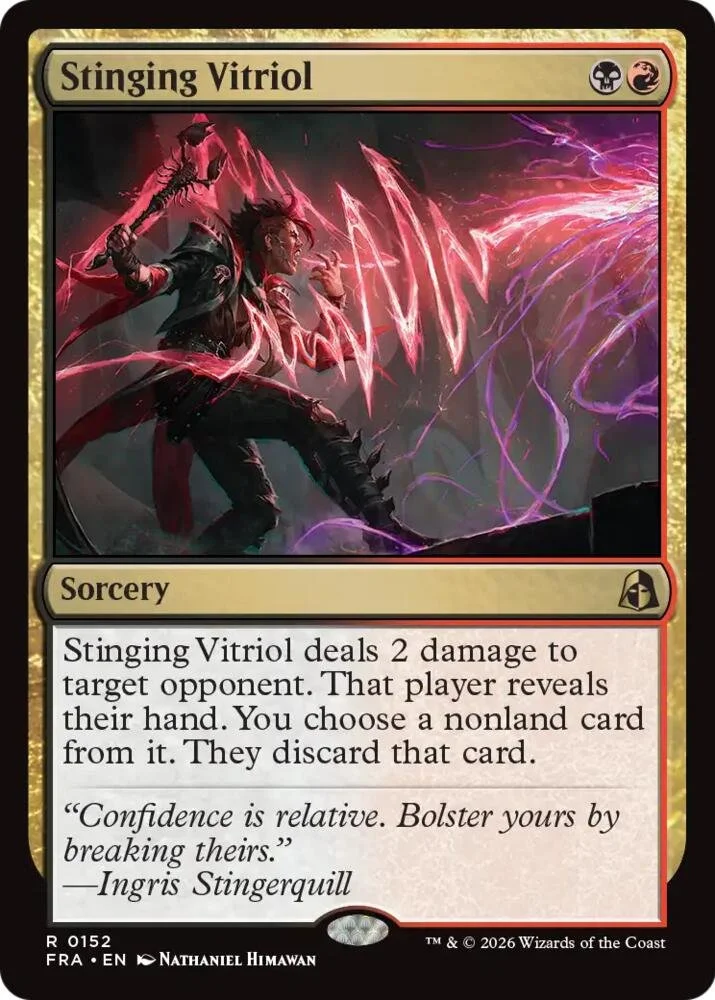
Stinging Vitriol - This deals 2 noncombat damage and forces your opponent to discard a card of your choice. It’s great for controlling the game during both the early and late stages.
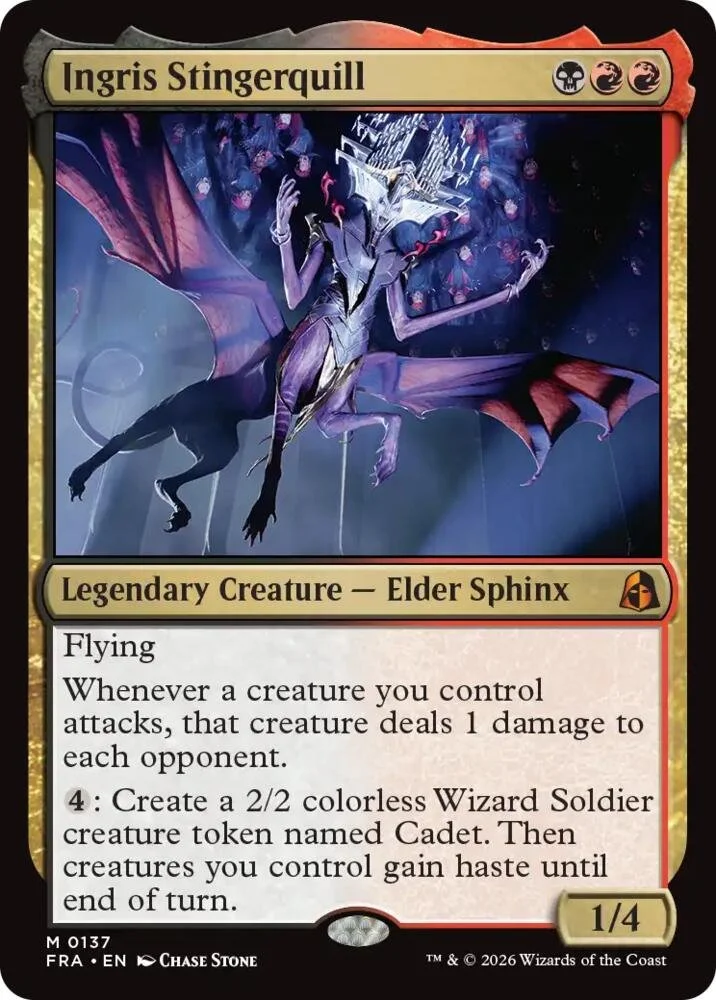
Ingris Stingerquill - This creature deals noncombat damage whenever another creature you control attacks. It also creates expendable 2/2s with Haste for you to attack with.
Best Common Cards for Stingerquill Face Burn
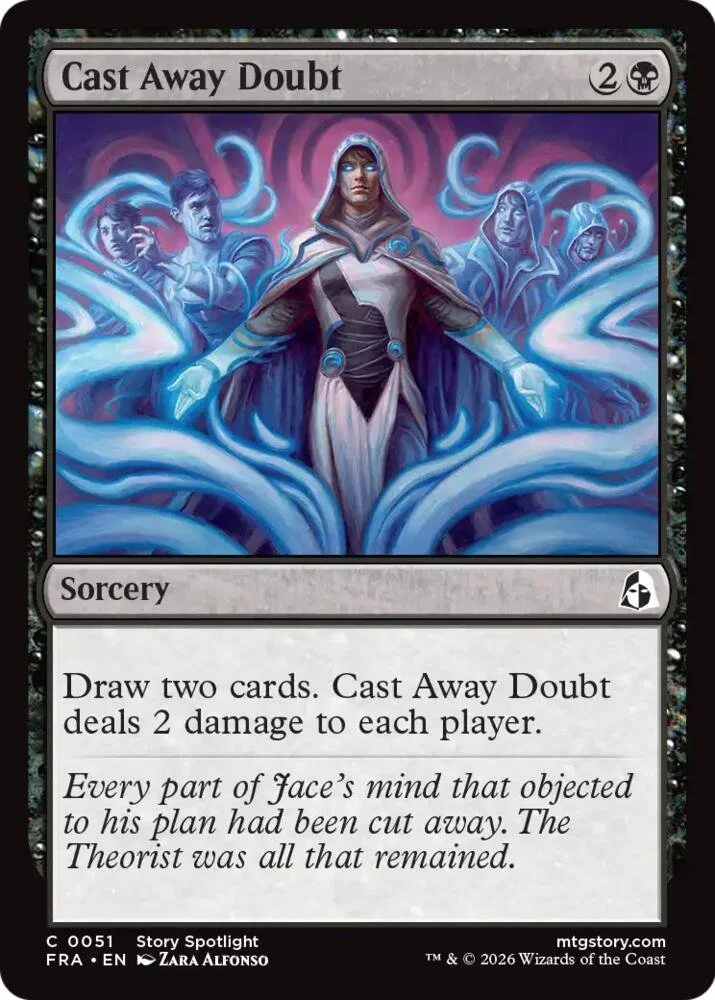
Cast Away Doubt - This provides card draw and deals 2 noncombat damage to each player.
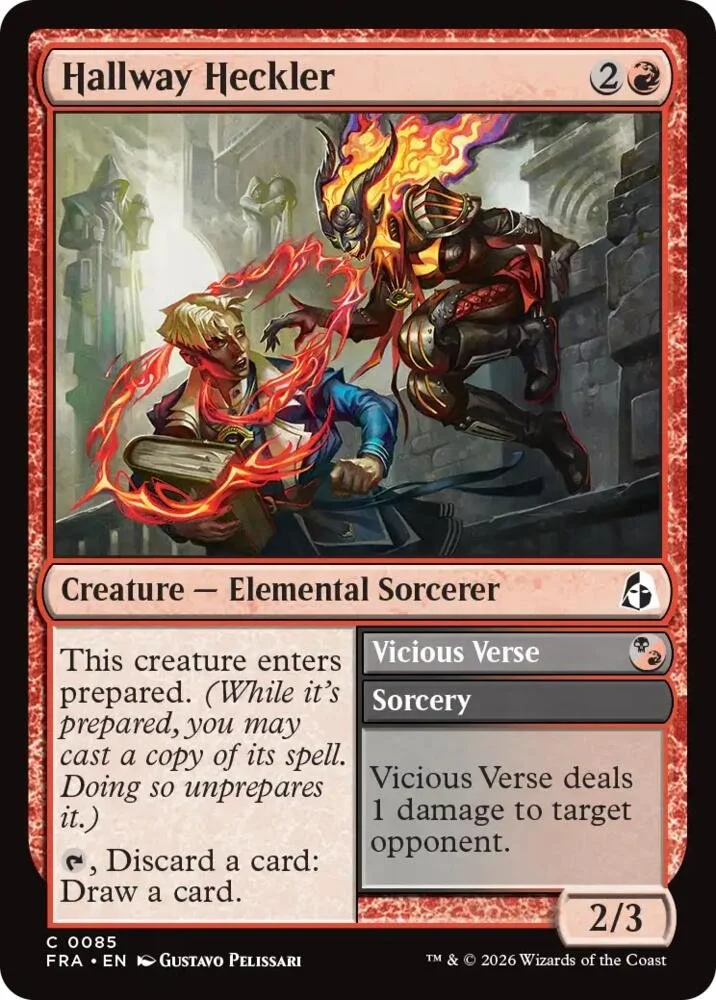
Hallway Heckler - This provides card advantage and has the signature Prepared spell, Vicious Verse.
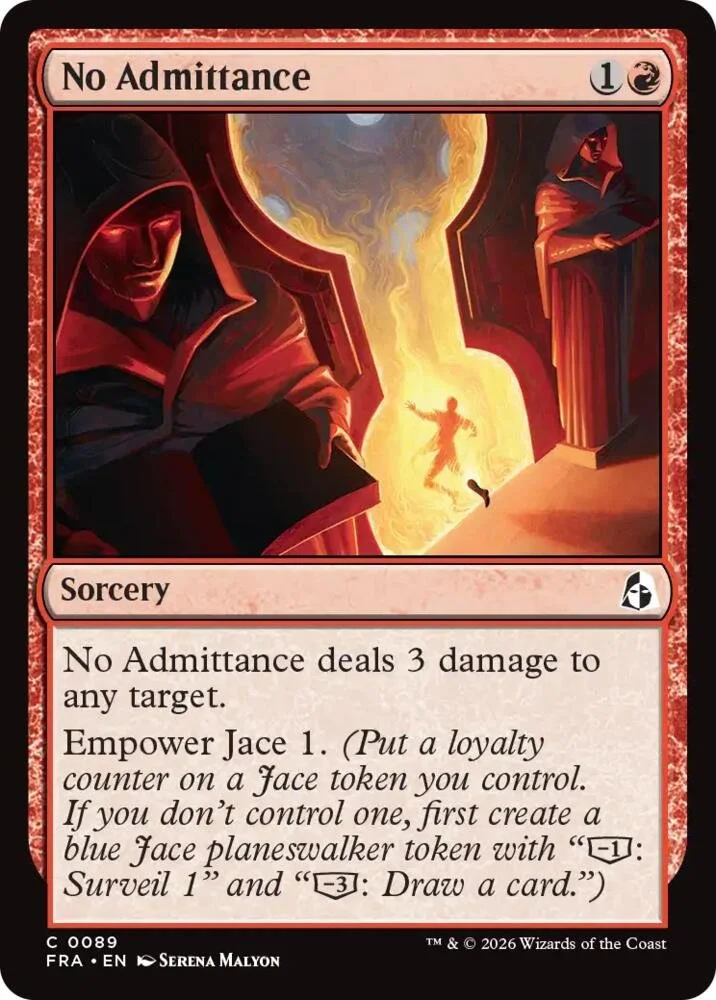
No Admittance - This deals 3 damage to any target and Empowers Jace 1.
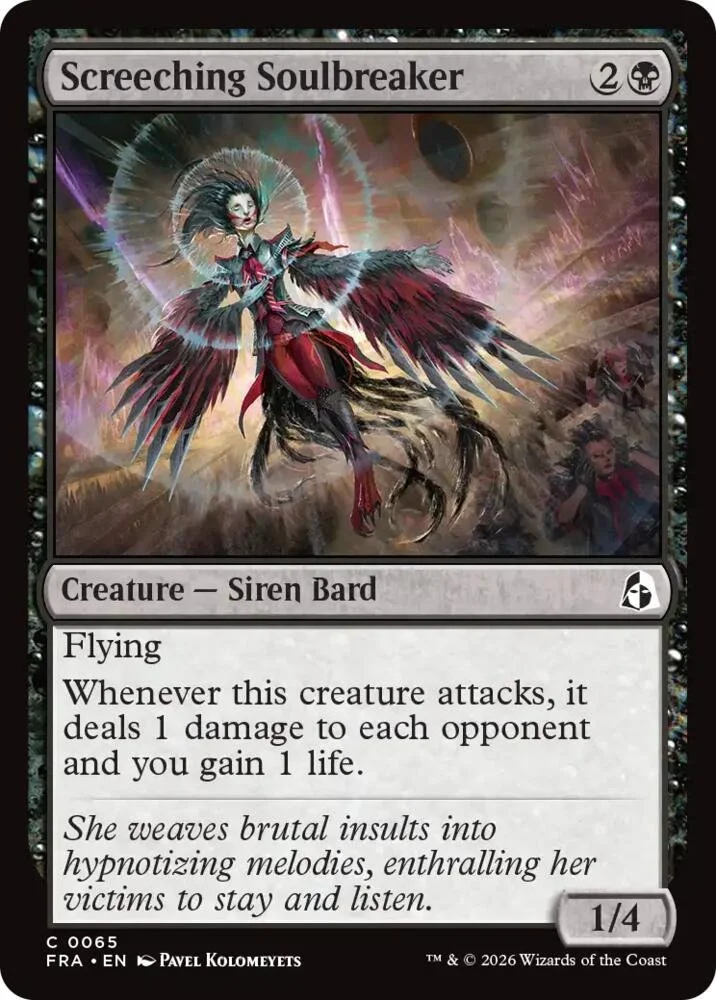
Screeching Soulbreaker - This is a flying 1/4 that deals noncombat damage whenever it attacks and also gains you life.
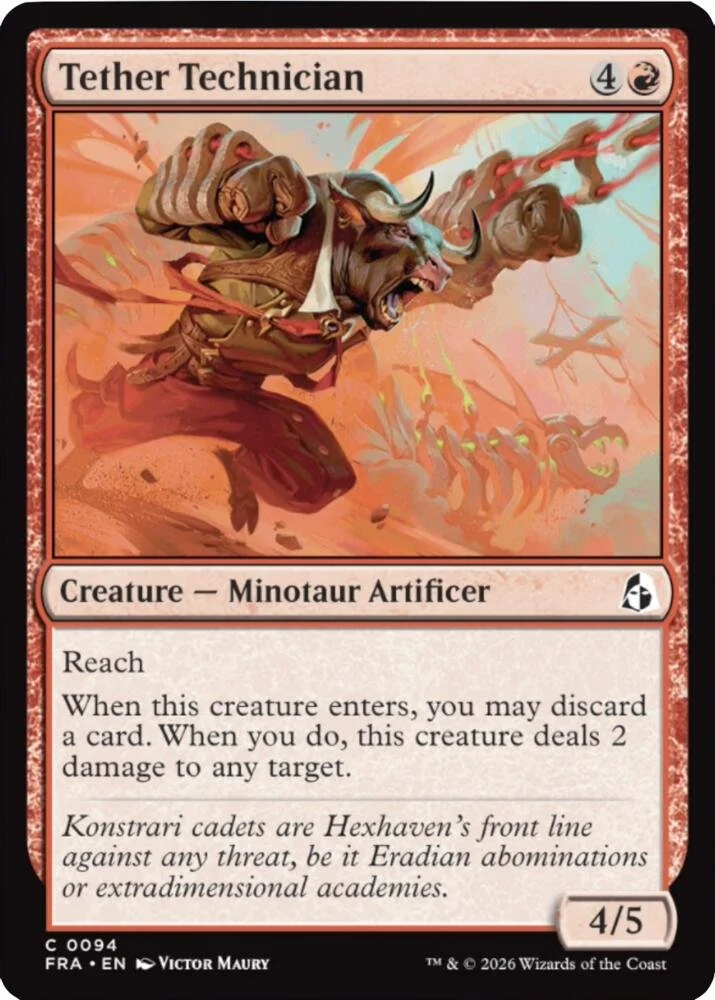
Tether Technician - This provides situational card advantage and deals noncombat damage if you discard a card. Plus, a 4/5 with Reach is nothing to scoff at.
Best Uncommon Cards for Stingerquill Face Burn
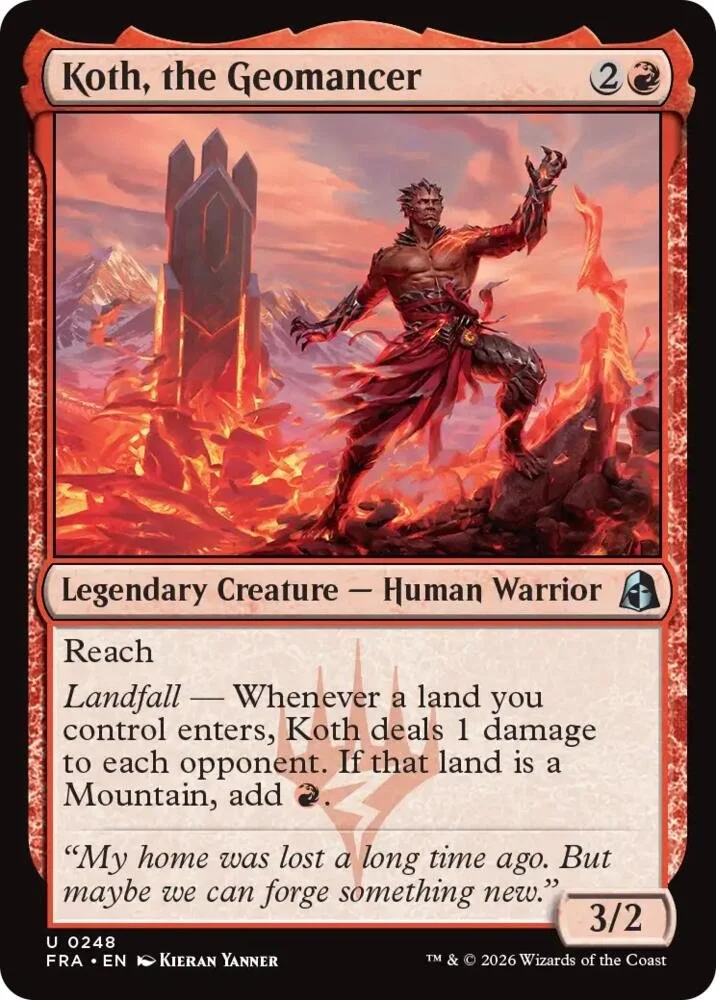
Koth, the Geomancer - Koth deals noncombat ping damage through Landfall triggers, then generates free mana if you played a Mountain.
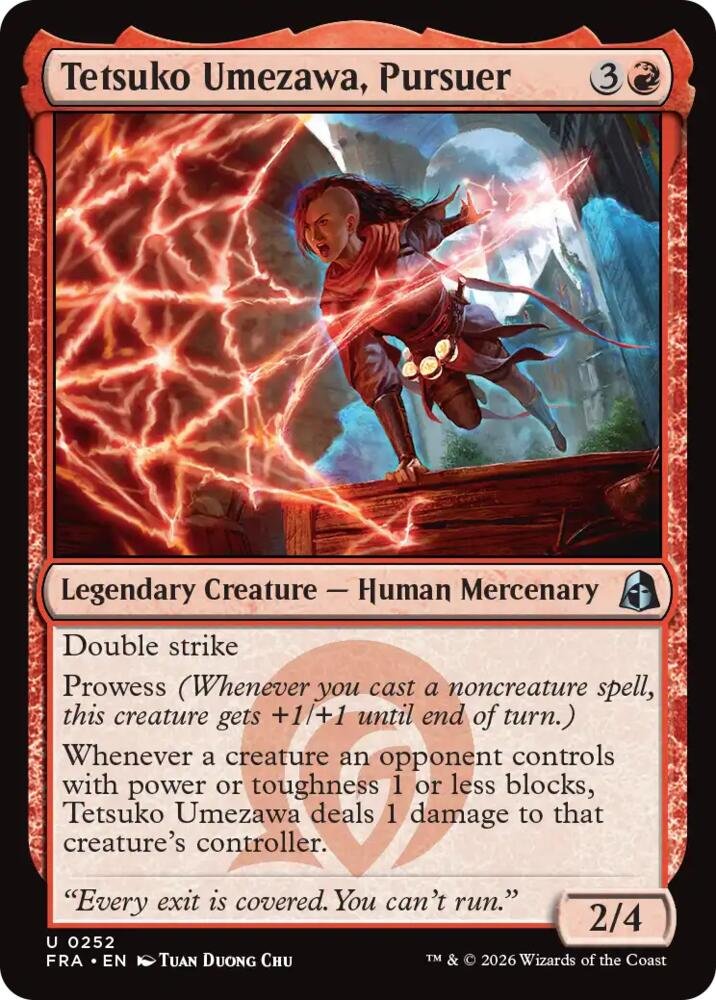
Tetsuko Umezawa, Pursuer - This punishes your opponent with ping damage when they chump block using weaker creatures.
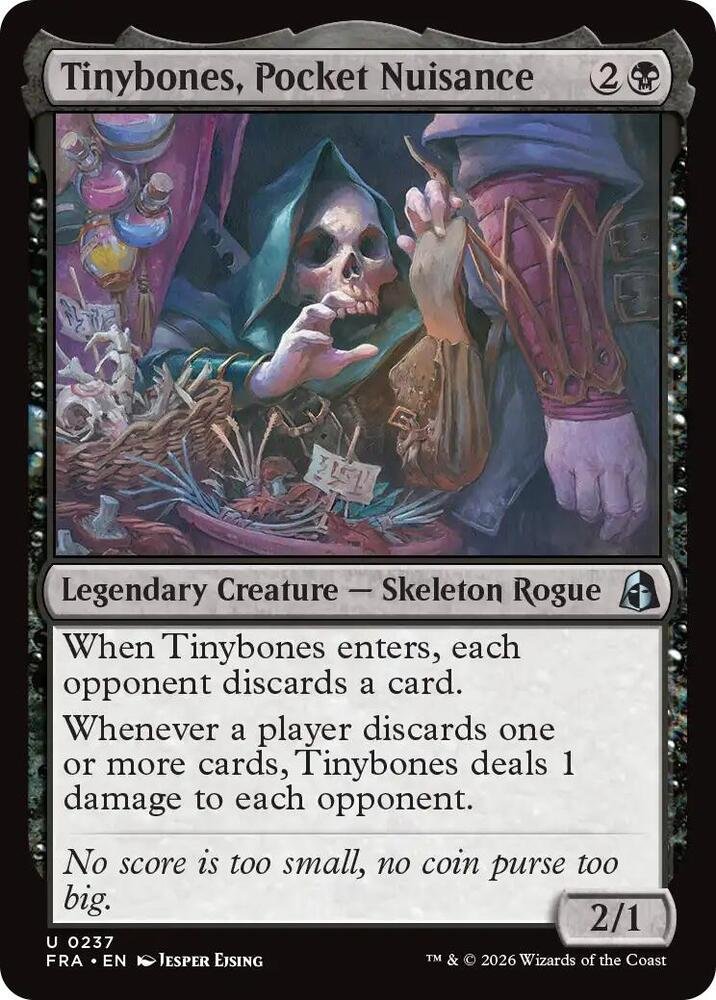
Tinybones, Pocket Nuisance - Tinybones deals ping damage whenever your opponents discard a card. This is a great sideboard option against opponents whose decks discard a lot of cards. Otherwise, you’ll need plenty of ways to force them to discard.
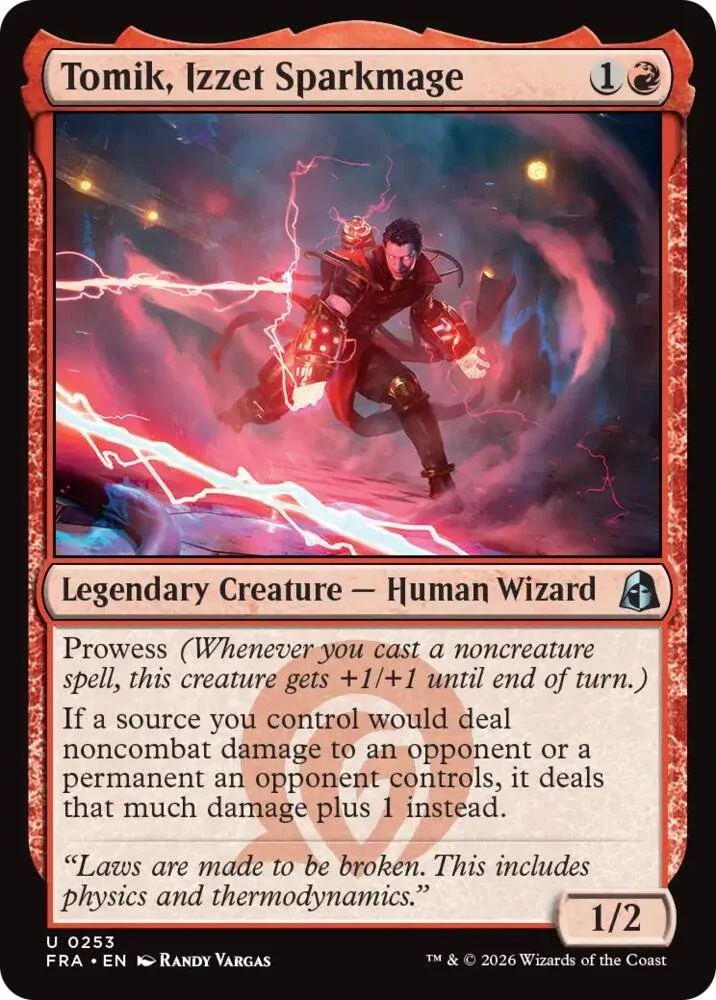
Tomik, Izzet Sparkmage - This is a damage multiplier that adds 1 to each instance of noncombat damage. It’s one of the best cards you can have in this burn deck.
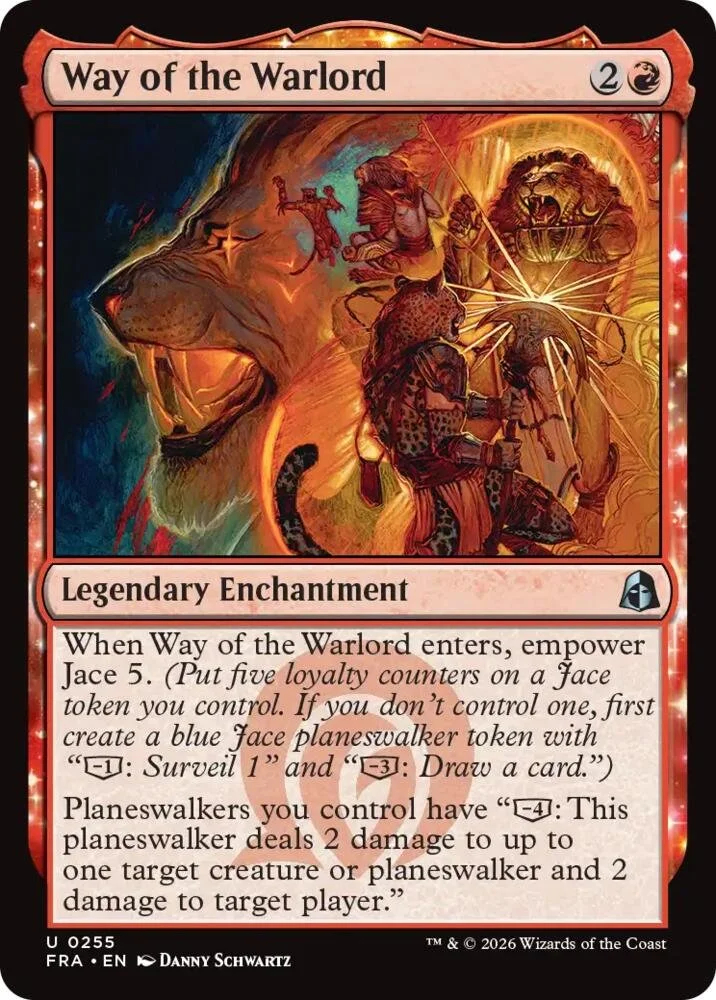
Way of the Warlord - This is a great Planeswalker buff that adds a loyalty ability capable of dealing noncombat damage.
Best Rare and Mythic Cards for Stingerquill Face Burn
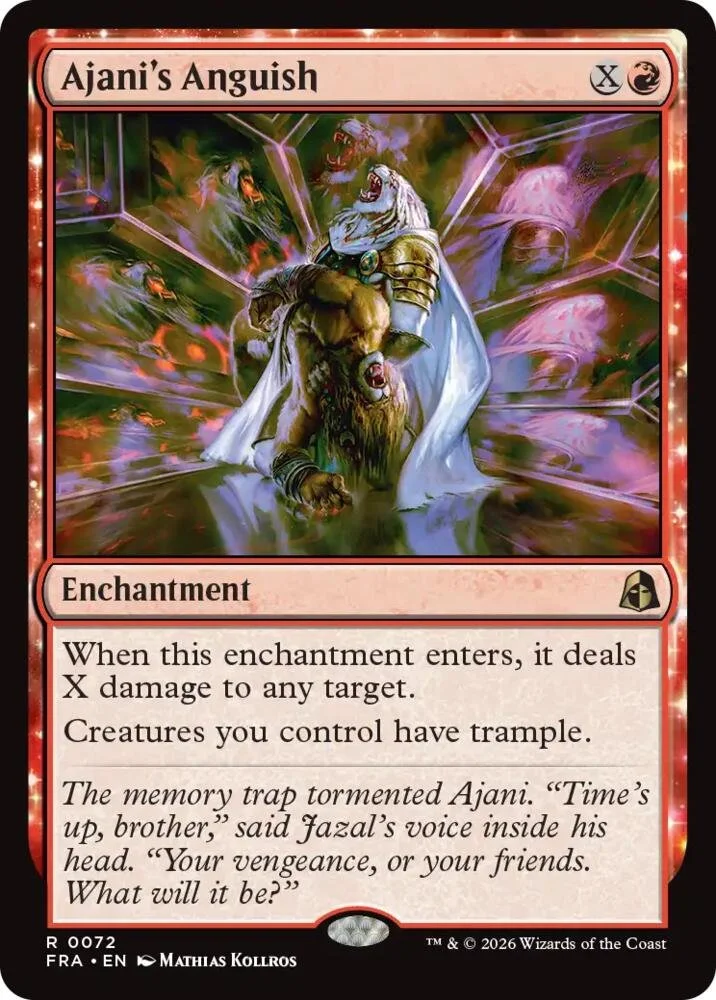
Ajani’s Anguish - This deals X noncombat damage and could easily function as a kill spell. If it doesn’t end the game, giving all your creatures Trample might.
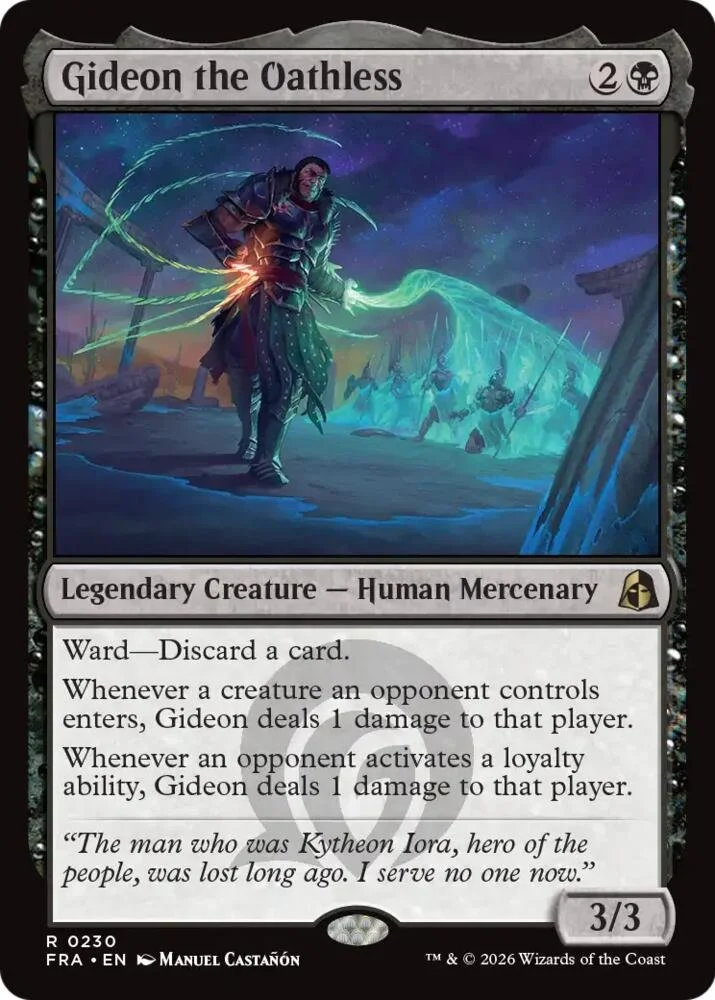
Gideon the Oathless - Gideon punishes your opponents with noncombat damage whenever they play creatures or activate loyalty abilities on their Planeswalkers.
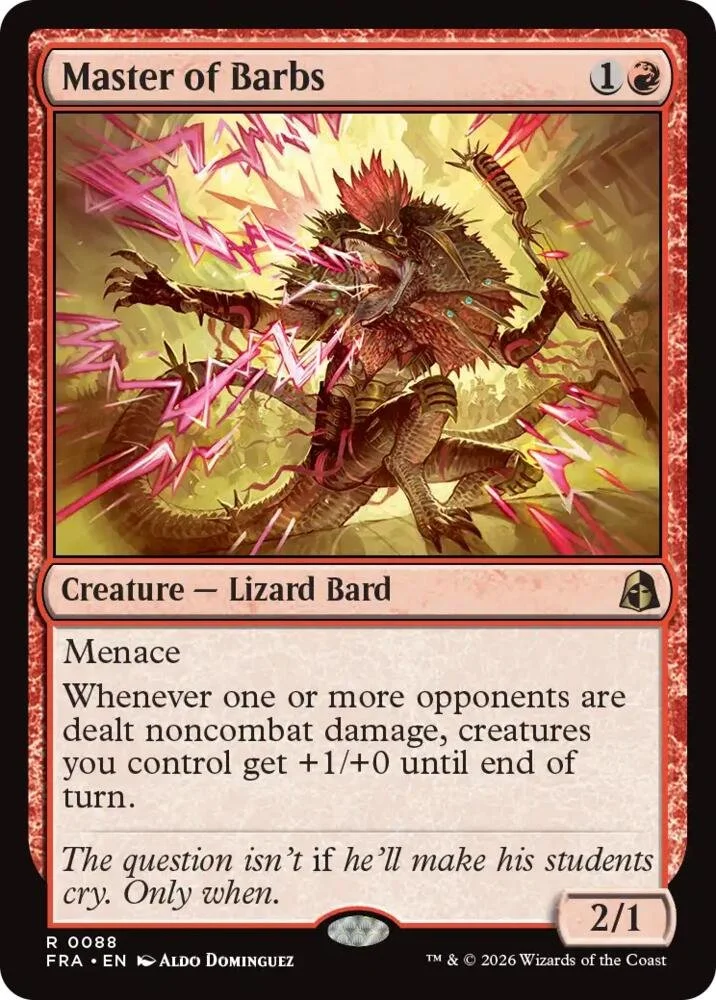
Master of Barbs - This provides a board-wide buff whenever you deal noncombat damage.
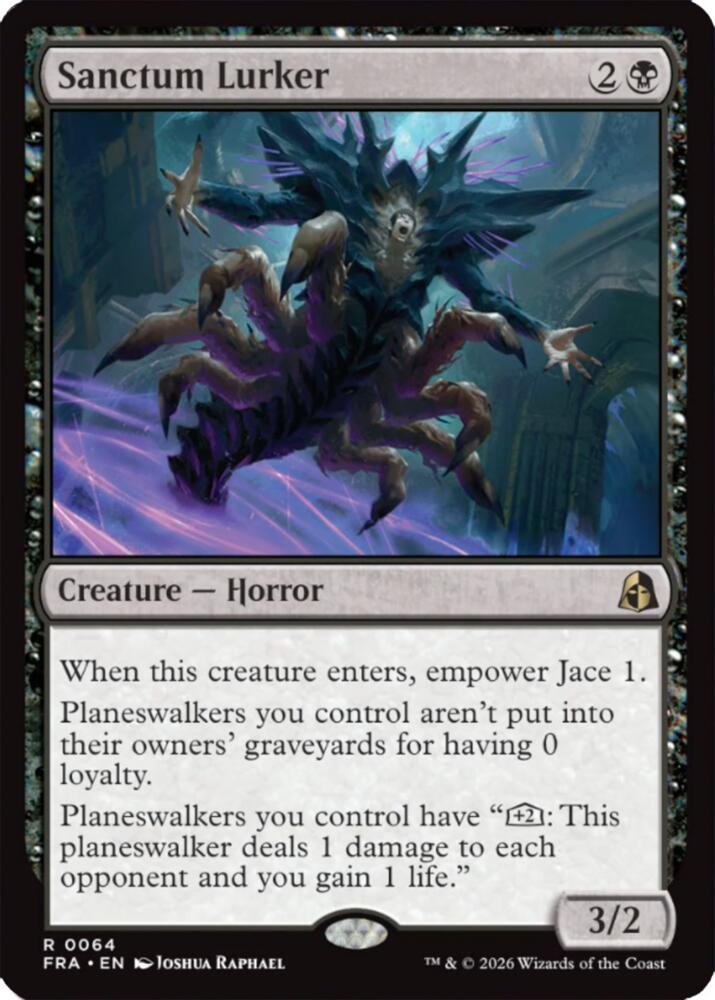
Sanctum Lurker - If you’re playing black in any archetype and have Planeswalkers, you want this card. It prevents your Planeswalkers from going to the graveyard for having 0 loyalty. The reason it fits especially well in this archetype is that it gives your Planeswalkers a +2 ability that deals 1 damage and gains you 1 life.
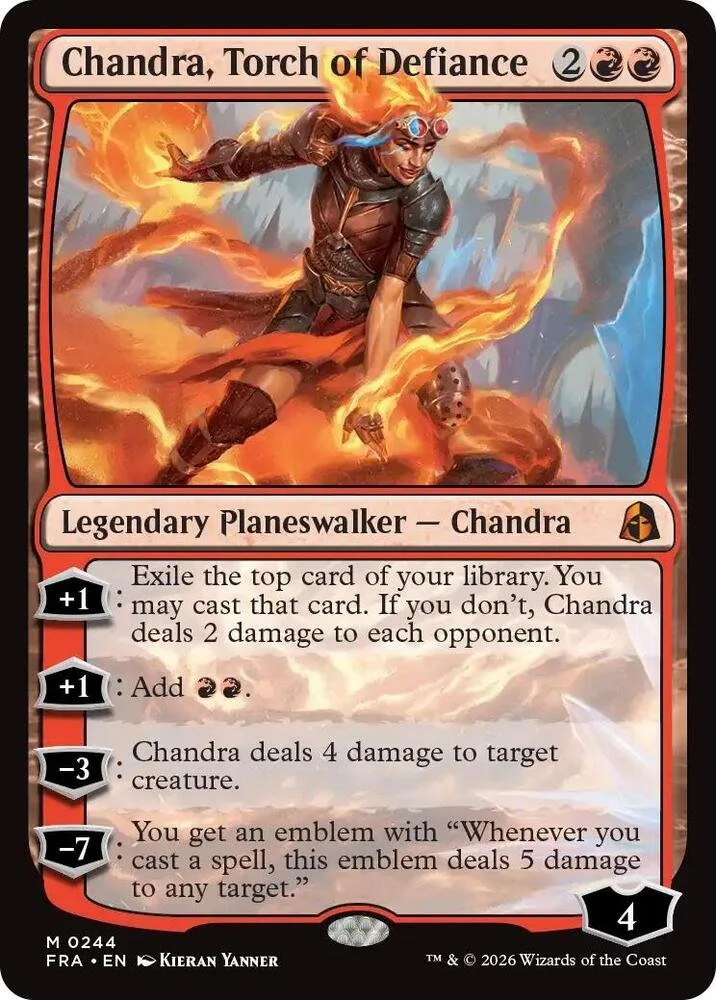
Chandra, Torch of Defiance - Angry red Chandra is great for this burn deck. One of her +1 abilities provides card advantage and can deal noncombat damage, while the other adds two red mana. If you manage to activate her -7 ultimate, you’ll create an emblem that deals 5 damage to any target whenever you cast a spell.
Gruul / Red-Green Konstrari Mana Ramp
This Gruul archetype is my personal preference. Konstrari is the Hexhaven counterpart to the Prismari School of Performing Arts. While Prismari is free-flowing and explosive, the Konstrari School of Constructive Arts takes a different approach. It still cares about generating large amounts of mana, but instead of focusing on noncreature spells, this deck wants to cast big Construct spells.
Game Plan
The Konstrari Mana Ramp archetype is a semi-traditional Gruul archetype. You’ll be ramping, alright, but instead of repeatedly searching your library for lands, you’ll be creating mana rocks called Heartwood tokens.
I actually love this ability, and I can’t wait to add these tokens to my Hearthhull deck. You’ll need to protect yourself during the early game, but by the late game, you should have plenty of mana from your lands and mana rocks.
The basic plan looks like this:
Cast ramp spells
Use combat tricks and removal to survive the early game
Ramp into big creatures ahead of curve
If you follow this game plan, you should be casting big creatures way ahead of schedule. Be careful, though. Doing this will likely make those creatures huge targets for your opponent, so make sure you have a way to protect them.
Draft Priorities
For Konstrari Mana Ramp, you’re going to need ramp and something big to spend all that mana on. If you only draft ramp spells and have no payoffs, you’re going to stall out and accomplish nothing. On the other hand, if you only draft payoffs, you’ll struggle to cast those expensive cards, and your cheaper cards won’t be enough to keep you alive.
It’s a fine line that you’ll need to walk, but it’s less complicated than you might think.
Your main priorities are:
Ramp spells
Huge creatures to ramp into
Protection spells
Win Condition
This particular archetype has a strange early game. You’re going to feel like you’re not doing much at first, but if your opponent allows you to “unlock” your high-cost creatures early, you’ll become a serious problem.
Once you reach that upper threshold of mana, you’ll stomp right over an unprepared opponent. As long as you’re prepared for their answers, you can secure a win fairly easily with this deck.
Key Multicolor Cards
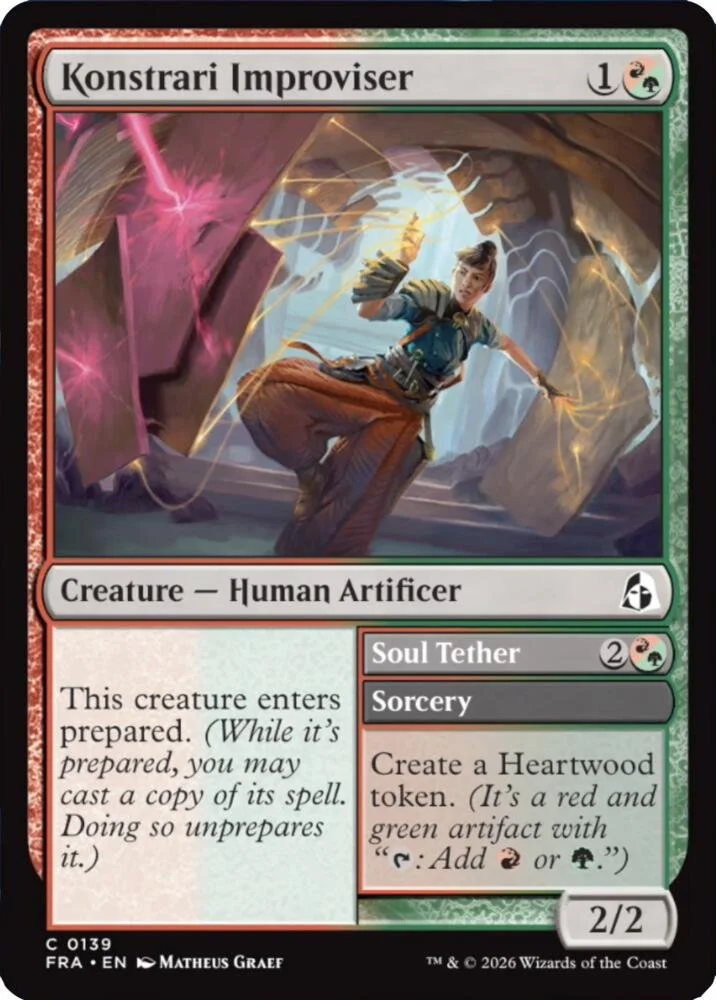
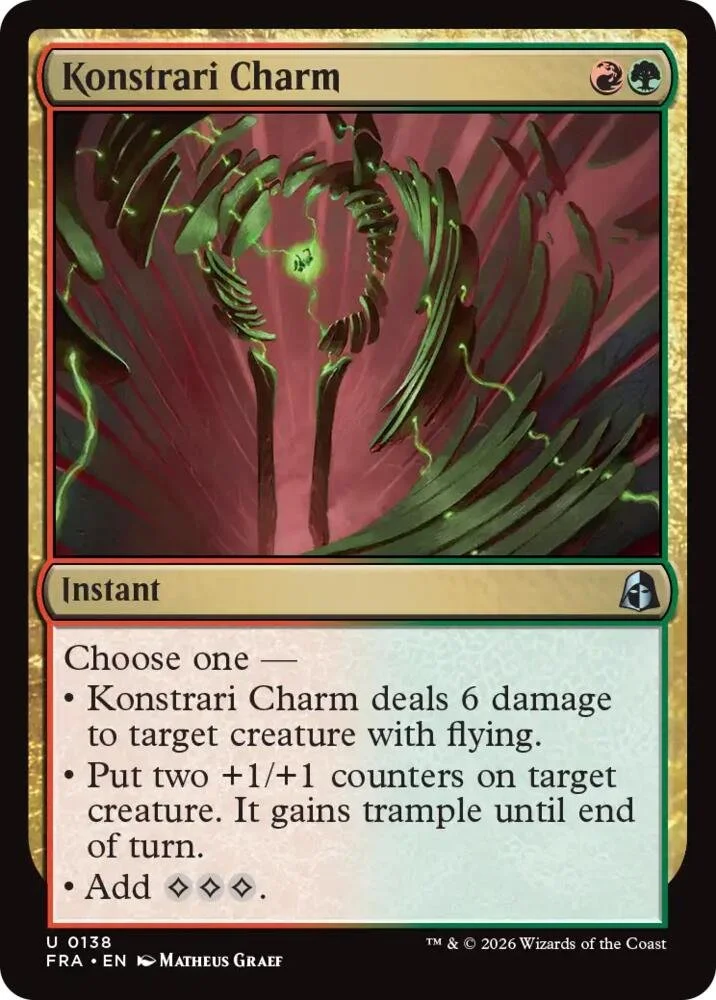
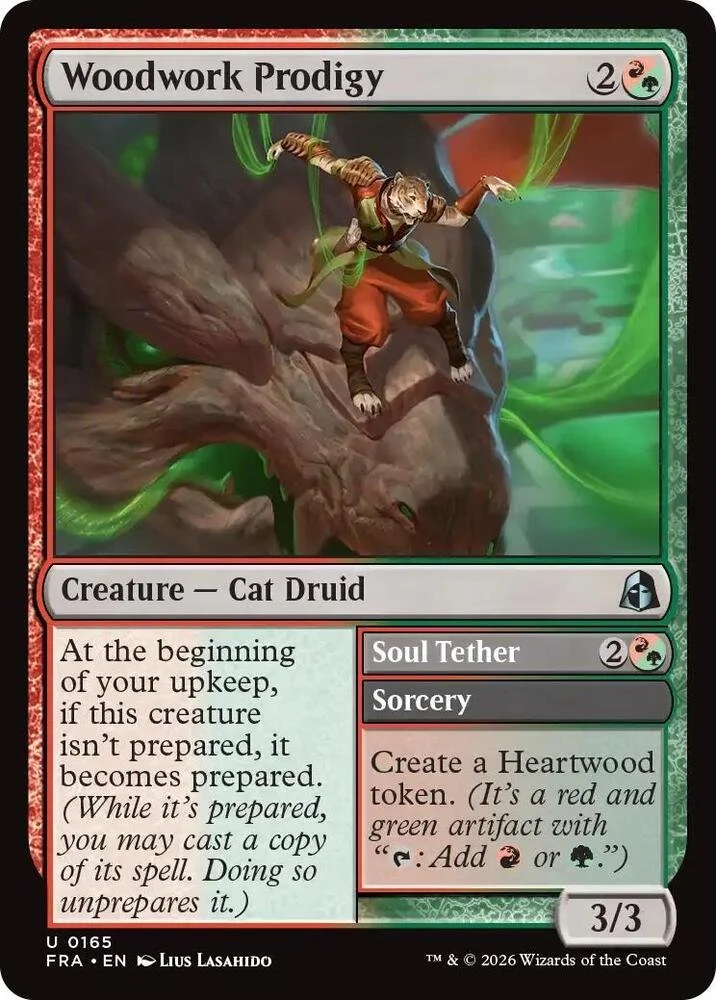
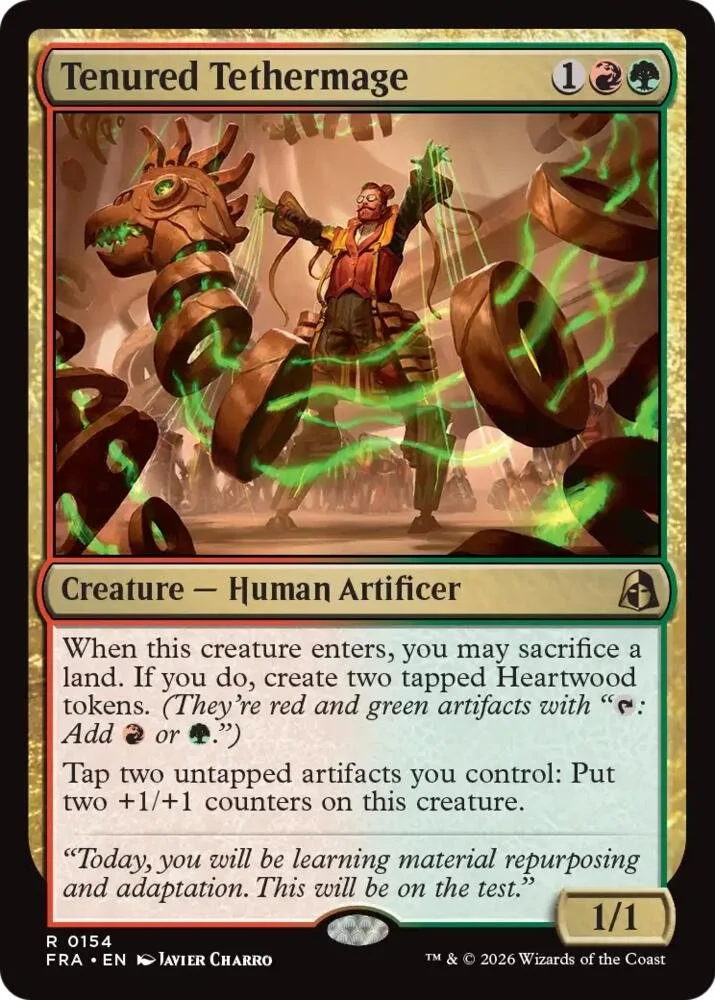
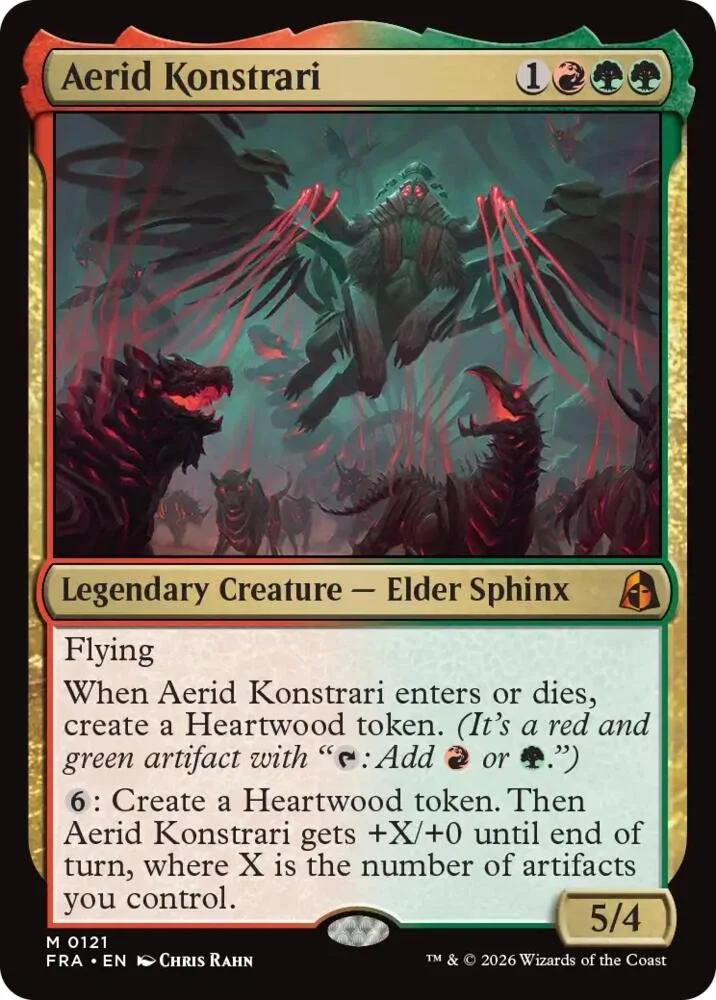
Konstrari Improviser - At common rarity, this creature comes with Konstrari’s signature Prepared spell, Soul Tether. The spell is quite simple: it creates a Heartwood token, which is a mana rock that taps for one mana of either Gruul color.
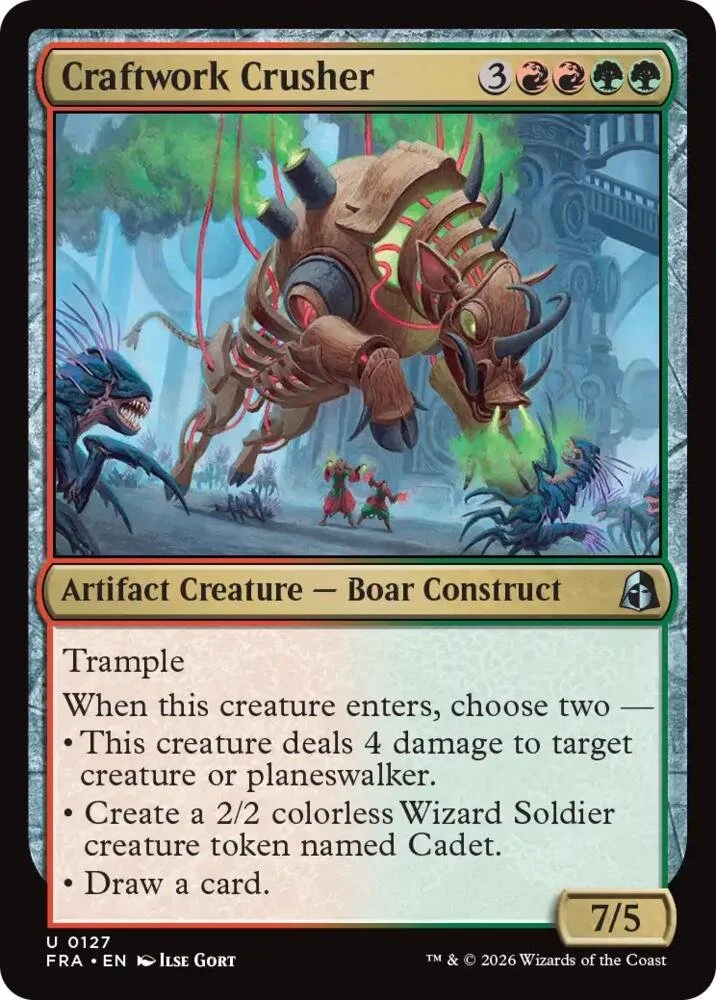
Craftwork Crusher - This is one of the best high-mana payoffs. It costs seven mana, but you could very easily cast it on turn five. It’s a 7/5 with Trample that can deal damage to a creature or Planeswalker, create a 2/2, or draw a card when it enters.
Konstrari Charm - This is Hexhaven’s counterpart to Prismari Charm. Konstrari Charm can deal 6 damage to a flying creature, put two +1/+1 counters on a creature and give it Trample until end of turn, or add three colorless mana. This spell can make a big play even bigger very quickly.
Woodwork Prodigy - This is the signpost uncommon for the Konstrari archetype. It prepares itself during each of your upkeeps, and because it comes with the signature Prepared spell, don’t expect your opponent to let you keep it for long. If you pull multiple copies, this creature will be key to ramping really, really fast.
Tenured Tethermage - This is a great game-ending card. For only three mana, you can tap Heartwood tokens to put two +1/+1 counters on it. Since this ability is repeatable, you may want to save it for the late game, when you can tap at least four Heartwood tokens and prevent it from immediately dying to a -3/-3 removal spell.
Aerid Konstrari - As Konstrari’s big Elder Sphinx, Aerid offers an awesome payoff. It’s a 5/4 flier that essentially gets +1/+0 for each artifact you control. If you can cast Aerid during the late game and somehow give it Haste with six mana left over, the game will almost certainly be over.
Best Common Cards for Konstrari Mana Ramp
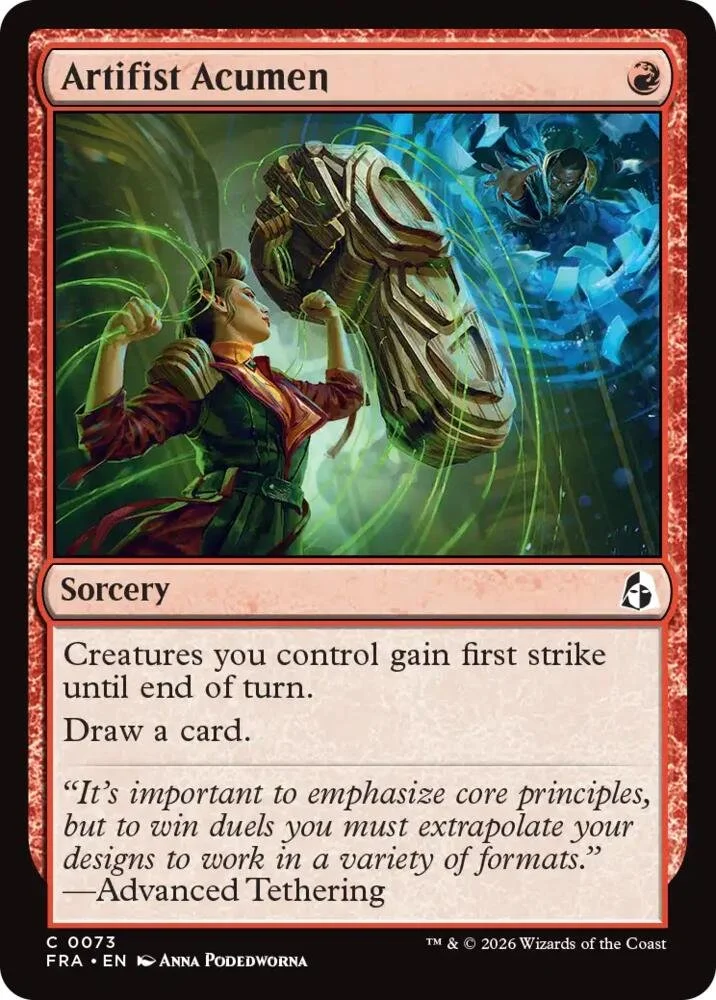
Artifist Acumen - This archetype doesn’t have a very strong early game, so you’ll need protection. This spell gives a creature First Strike and draws you a card, allowing you to attack early while replacing the card you used.
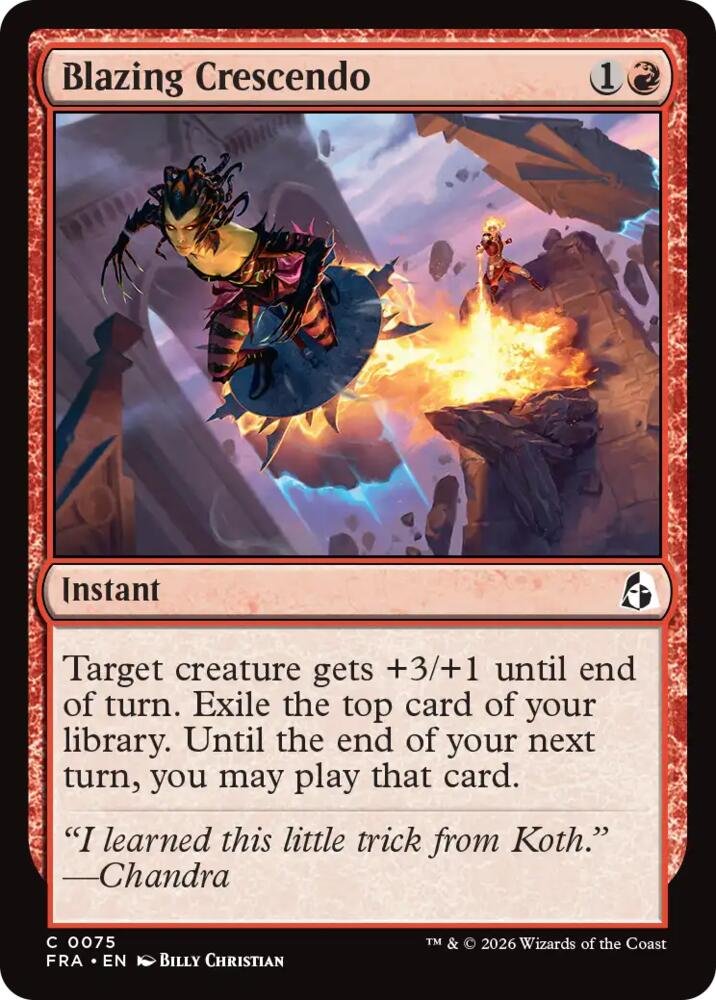
Blazing Crescendo - Normally, I’d put combat tricks in the removal and interaction section of this guide. However, as I mentioned, this archetype needs all the protection it can get.
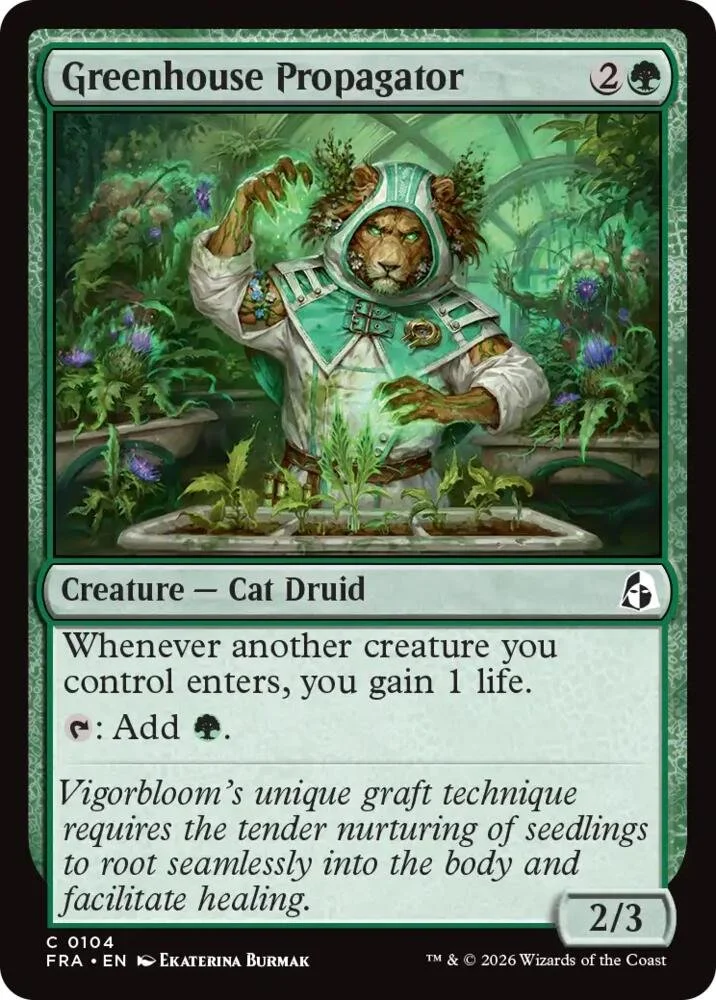
Greenhouse Propagator - This is a simple mana dork that gains you 1 life whenever another creature enters. It likely won’t be worth your opponent using removal on it, making it a fairly safe card to play.
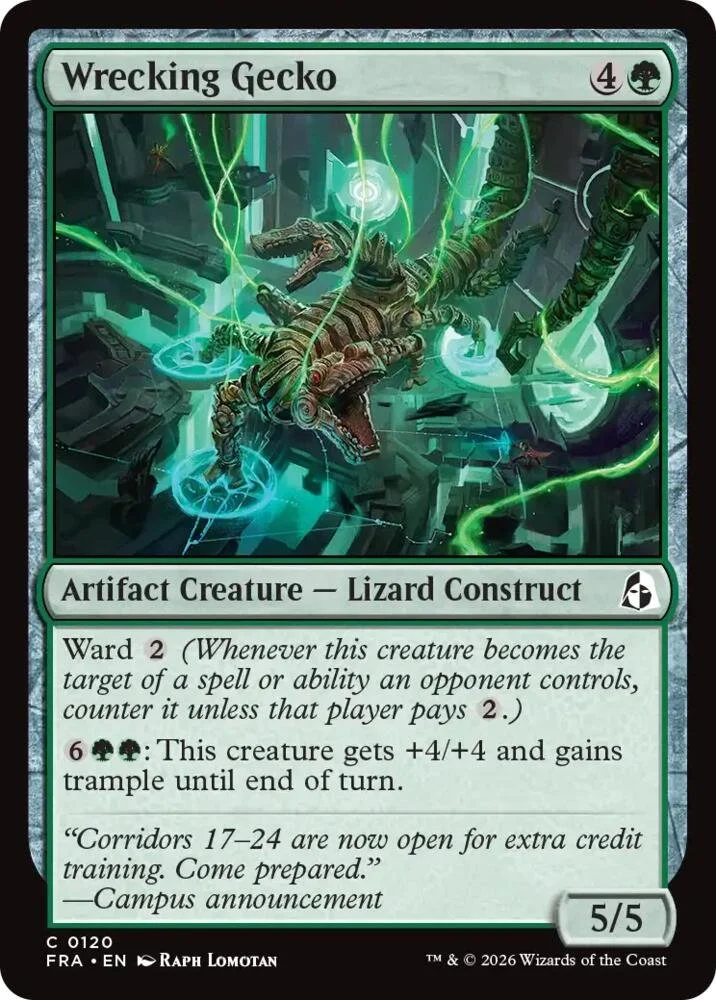
Wrecking Gecko - This is already a 5/5, but once you’ve ramped up, you can pay eight mana to make it a 9/9 with Trample. That’s crazy for a common in this ramp archetype.
Best Uncommon Cards for Konstrari Mana Ramp
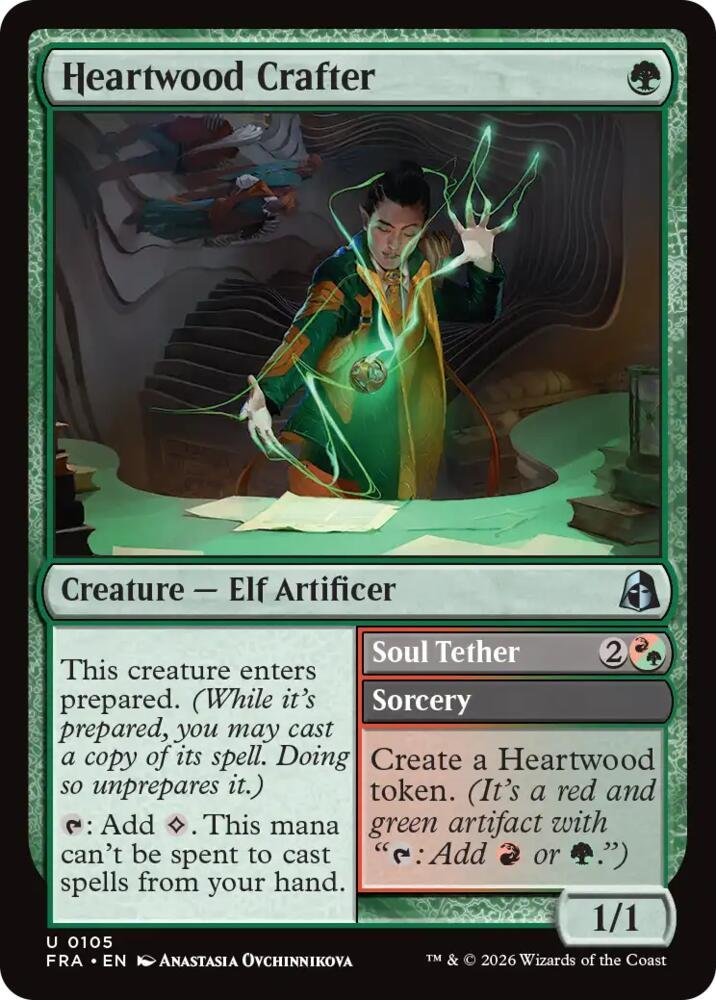
Heartwood Crafter - This is a one-mana mana dork that can only tap to pay for spells you aren’t casting from your hand, such as Prepared spells. If you play it on turn one and play your second land on turn two, you can cast its Prepared spell that turn and ramp up to three mana. It’s an easy combo, and afterward, you’ll still have a 1/1 chump blocker unless you can prepare the creature again through blinking or certain lands.
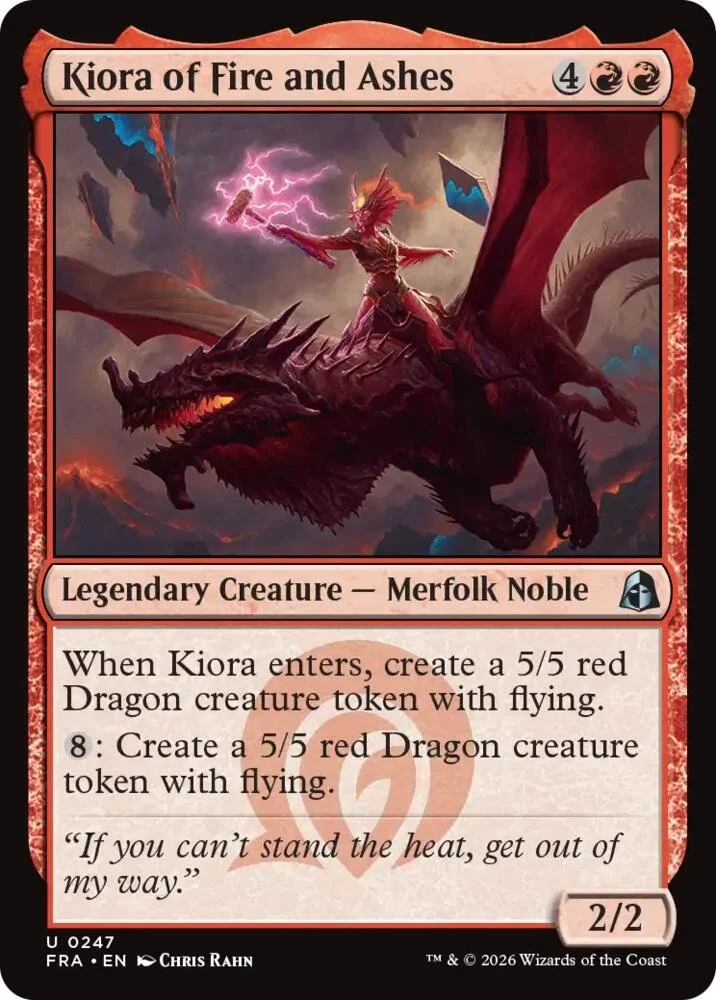
Kiora of Fire and Ashes - This is one of the best payoffs for your ramped mana. This creature enters with a 5/5 flying Dragon. After that, you can pay eight mana to create additional 5/5 Dragons. Once you’ve cast all your big payoffs, this gives you a way to spend your mana when you don’t know what else to do with it.
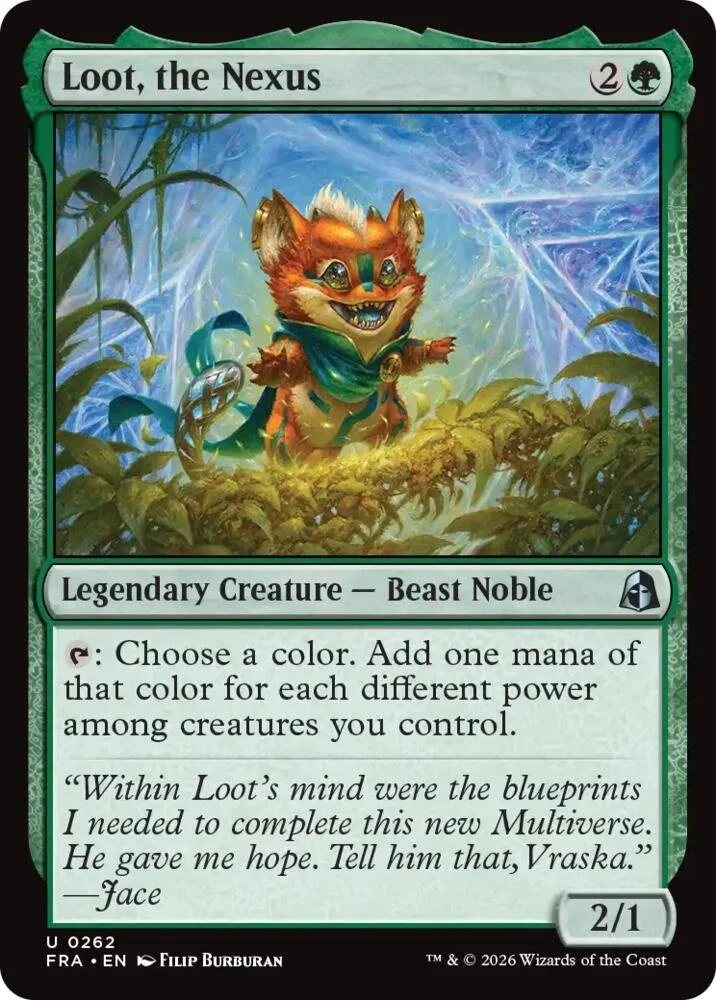
Loot, the Nexus - This is the absolute best mana dork in the set. It adds one mana for each unique power among creatures you control.
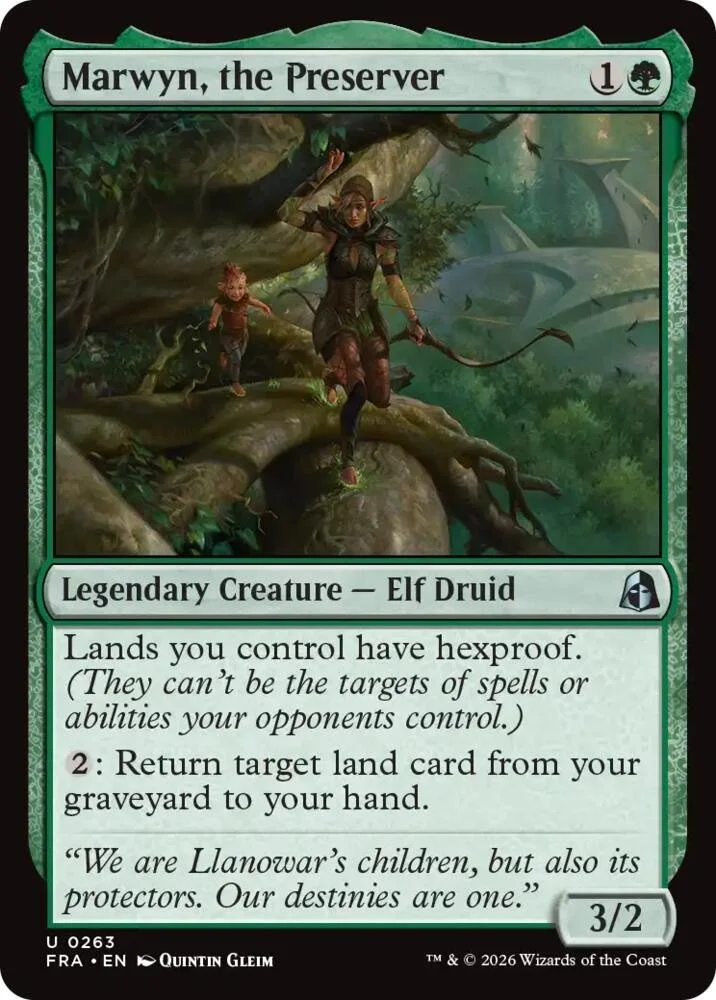
Marwyn, the Preserver - Marwyn gives your lands Hexproof, although there doesn’t seem to be much land removal, and allows you to return lands from your graveyard. If you have to discard lands, you’ll be able to return them to your hand.
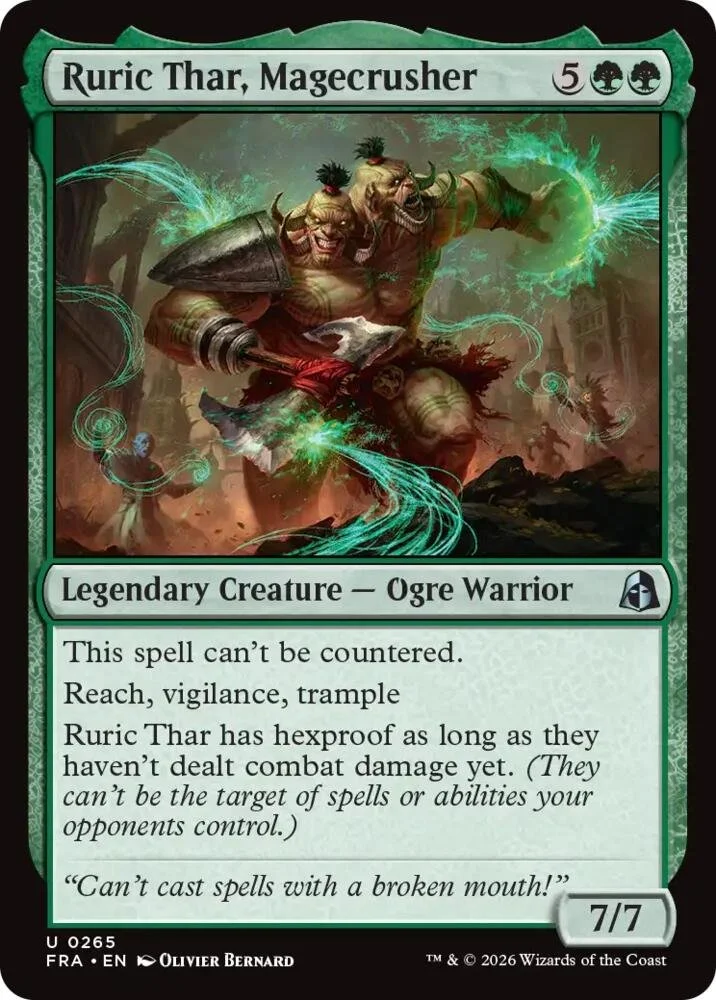
Ruric Thar, Magecrusher - This is a very strong 7/7 payoff for all your ramped mana.
Best Rare and Mythic Cards for Konstrari Mana Ramp
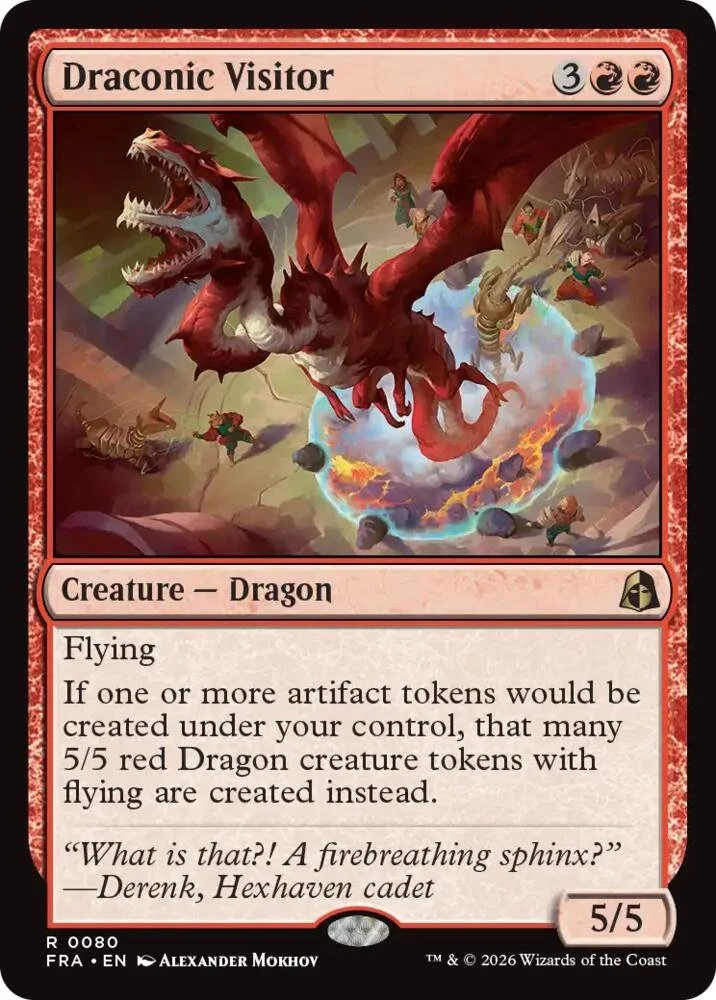
Draconic Visitor - This is a great late-game card for when you no longer need additional ramp tokens. While this creature is on the battlefield, your artifacts enter as 5/5 Dragons instead of mana rocks. It will likely become a removal target, especially if you’re still creating Heartwood tokens.
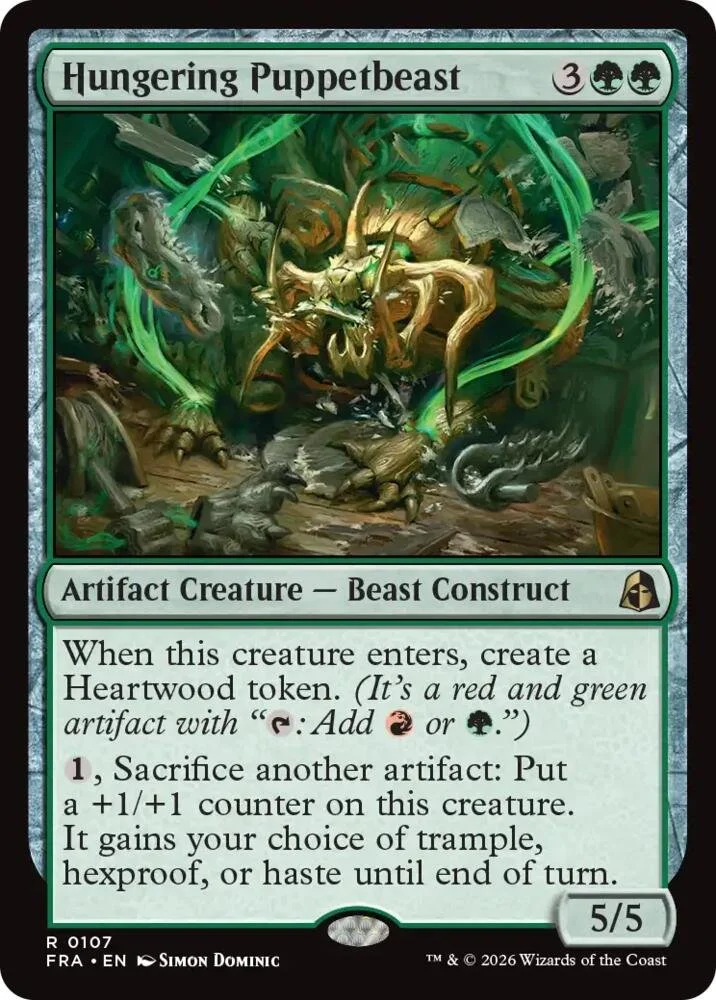
Hungering Puppetbeast - This creates a Heartwood token when it enters. As a 5/5, it’s already good in Limited. It also has an ability that allows you to pay one mana and sacrifice an artifact to put a +1/+1 counter on it and give it Trample, Haste, or Hexproof. This creates a great combo because you can use the mana from a Heartwood token before sacrificing it, making Hungering Puppetbeast an amazing game-ending threat.
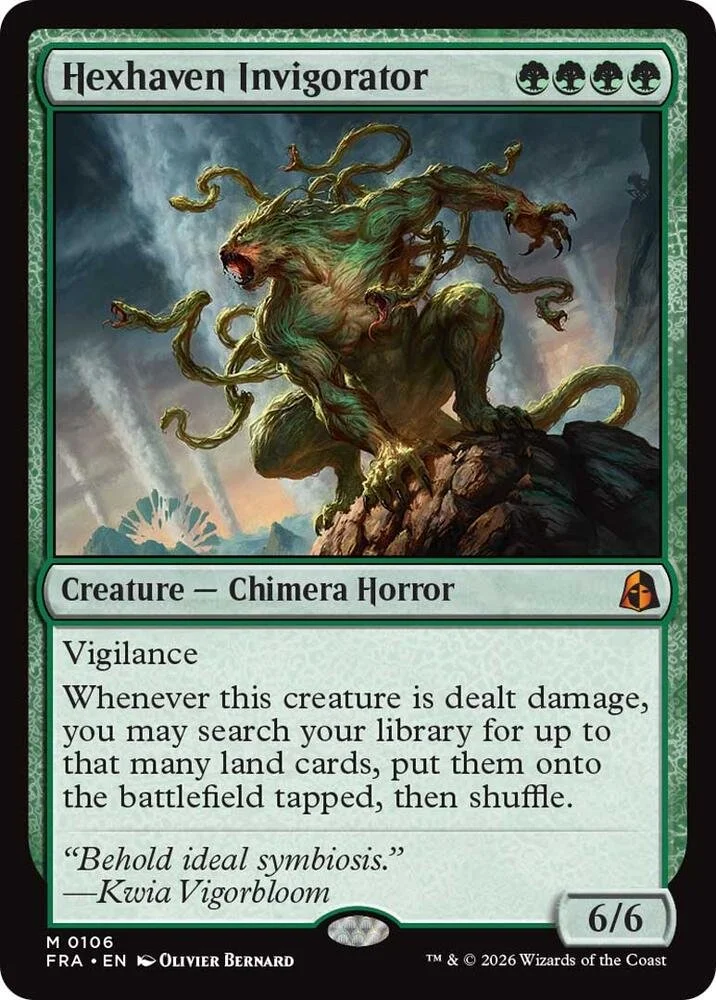
Hexhaven Invigorator - This creature is a four-mana 6/6 that allows you to search for lands whenever it’s dealt damage. With Vigilance, it becomes one of your best attackers and blockers while allowing you to pour mana onto the battlefield very quickly.
Selesnya / Green-White Vigorbloom Lifegain
The final of the five Hexhaven schools is Vigorbloom, the green-white counterpart to Witherbloom. This archetype functions the most similarly to its normal-universe counterpart. It still very much wants to gain life, but rather than being a slow-burning lifegain archetype, this is an aggro deck that gains life to help keep you alive while you attack.
Game Plan
In this archetype, you should gain life so you can attack without worrying as much about being hit back. Many of the creatures that matter in this archetype also have Vigilance, allowing you to attack and block when needed.
It’s fairly simple: gain life, attack, and win. The main downside is that if your lifegain cards are removed, you might be screwed out of the game.
The basic plan looks like this:
Gain life
Attack using creatures with Vigilance
Outlast your opponent
There’s nothing too complex about this archetype. You’ll be gaining life, but not necessarily to reach one specific payoff. You’re primarily gaining life so you can stay alive while attacking.
Draft Priorities
When drafting or playing Sealed, you need plenty of lifegain. I’m not trying to exaggerate its importance. It’s quite literally all you need. This is a slower aggro deck that needs some extra padding on its life total to remain aggressive.
Your main priorities are:
Lifegain from creatures or spells
Creatures with Vigilance that can attack and block
This isn’t a difficult archetype to follow. As long as you’re gaining life and attacking, you’re doing it right.
Win Condition
This archetype doesn’t necessarily want to win. To me, it feels more like it wants to lose slower. It gains life so it can keep attacking. The way this deck wins is, to put it plainly, by having more life. It’s not the most exciting strategy, but it will work.
Key Multicolor Cards
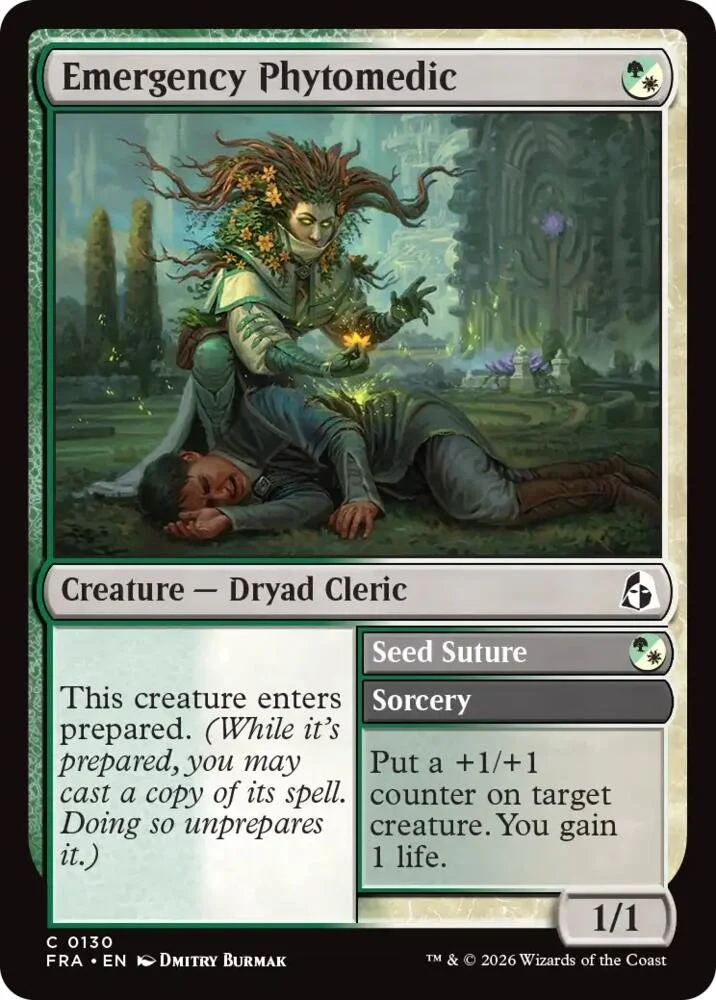
Emergency Phytomedic - This is a one-mana chump blocker that enters with Vigorbloom’s signature Prepared spell, Seed Suture. The spell puts a +1/+1 counter on a target creature, then gains you 1 life. This enables your lifegain strategy while buffing your creatures with Vigilance.
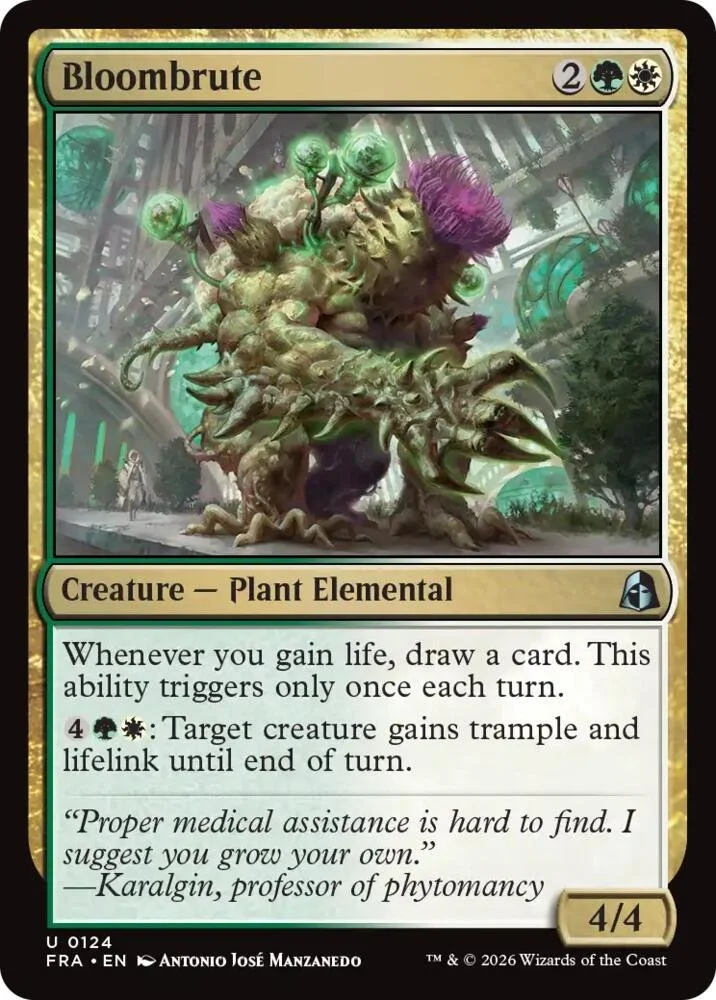
Bloombrute - This is the signpost uncommon. It’s a good card, but not the best of the signposts. It allows you to draw a card when you gain life once per turn. You can also pay six mana to give a creature Lifelink and Trample.
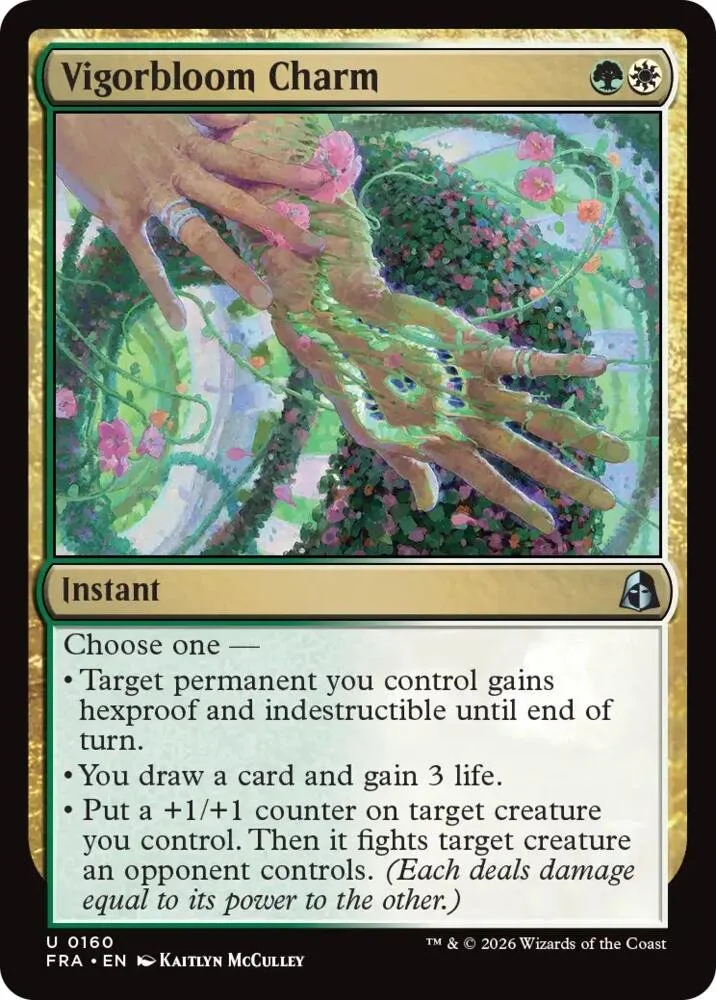
Vigorbloom Charm - This is a more aggressive version of Witherbloom Charm. It gives you the option to give a target permanent Indestructible and Hexproof until end of turn, draw a card and gain 3 life, or put a +1/+1 counter on a target creature and have it fight an opponent’s creature.
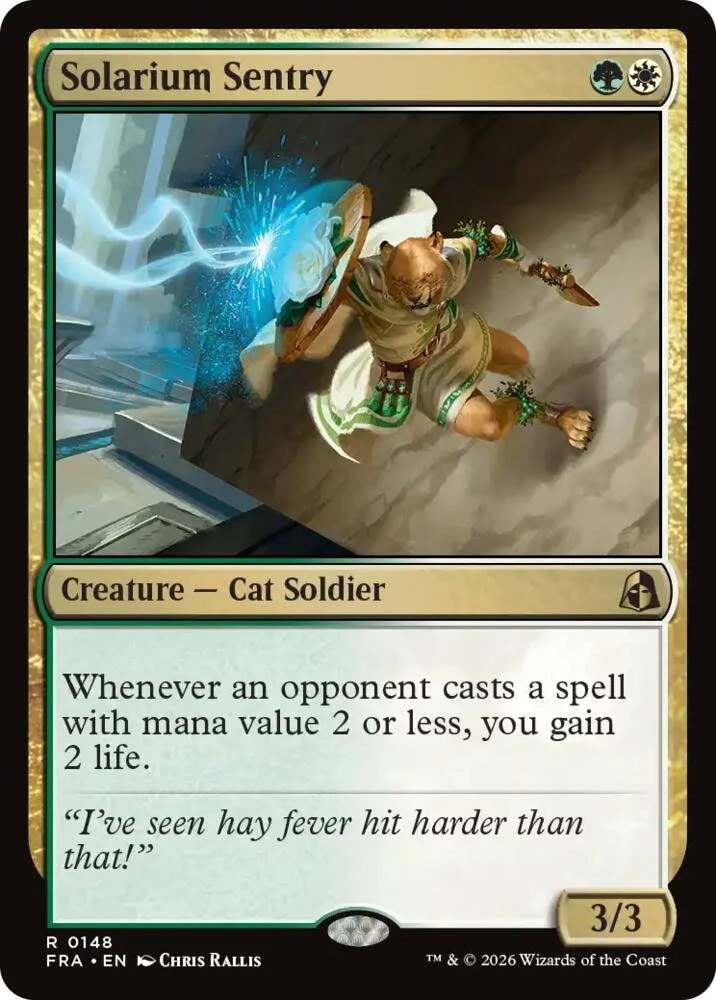
Solarium Sentry - This is a great card to play during the early game, and it can also be a strong sideboard option. Playing it early allows you to have it on the battlefield while your opponent is still casting cheap spells. It’s also good to bring in after noticing that your opponent is prioritizing quantity over quality.
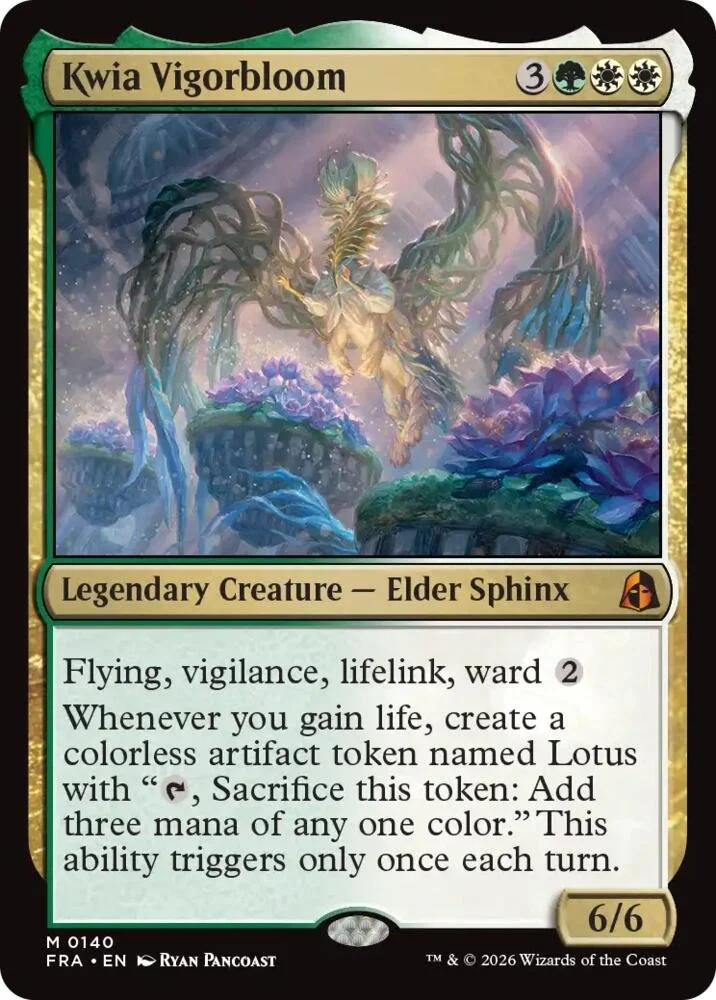
Kwia Vigorbloom - This Elder Sphinx is absolutely insane. It’s a 6/6 with Flying, Vigilance, Lifelink, and Ward 2 that effectively creates a BLACK LOTUS TOKEN EACH TIME YOU GAIN LIFE. WHAT?????? This creature is an awesome, massive bomb.
Best Common Cards for Vigorbloom Lifegain
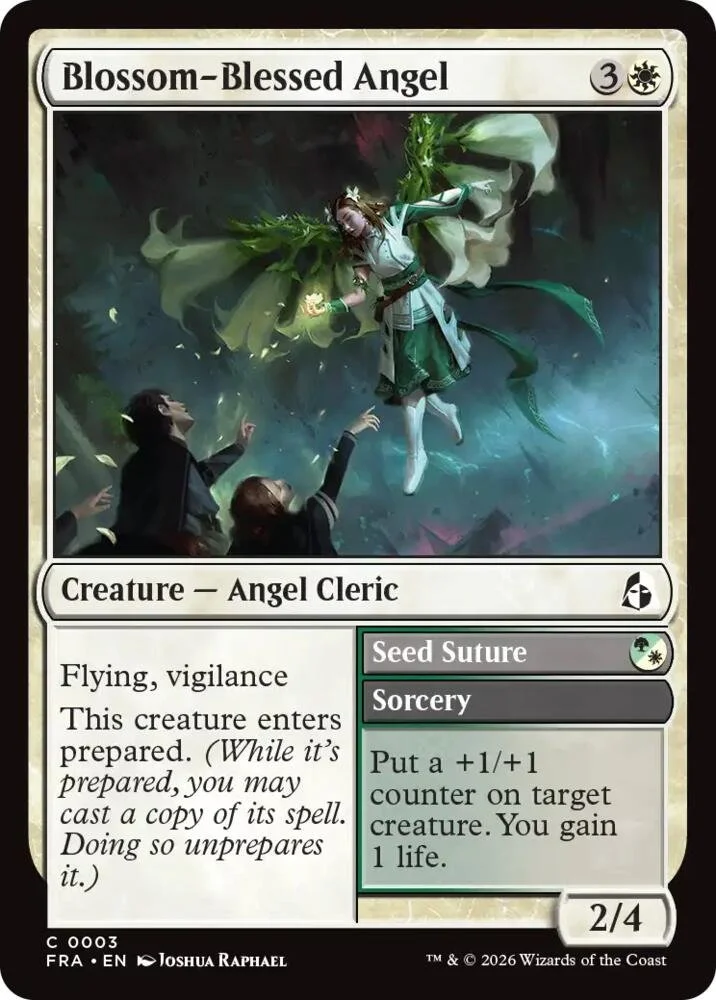
Blossom-Blessed Angel - This is a flying 2/4 with Vigilance and Vigorbloom’s signature Prepared spell.
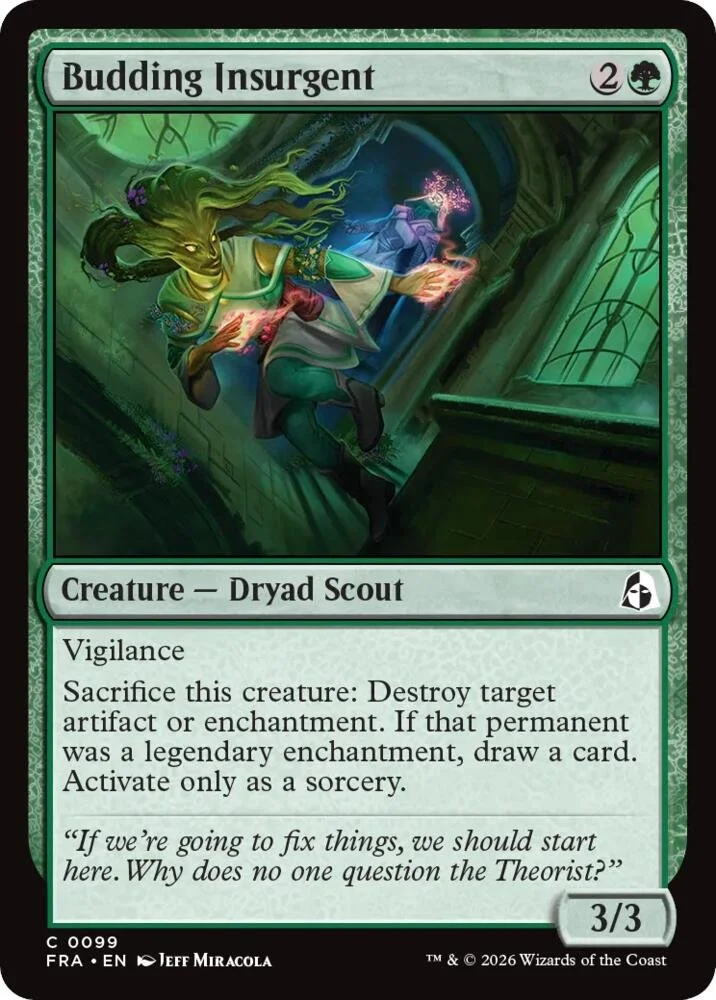
Budding Insurgent - This is a 3/3 with Vigilance and a sacrifice ability that can remove an artifact or enchantment.
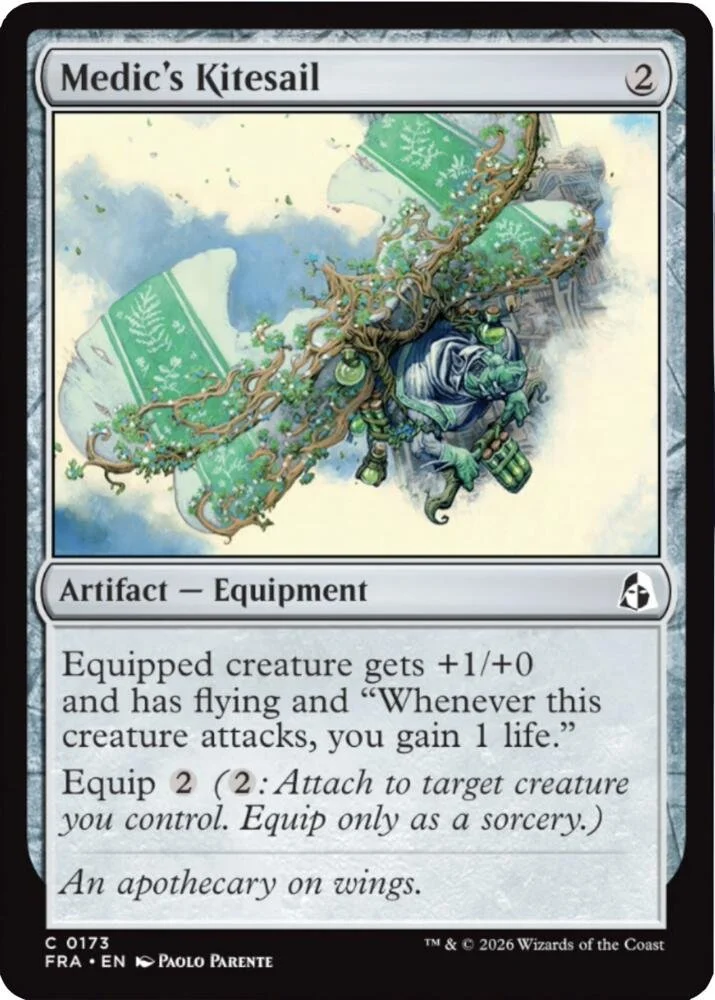
Medic’s Kitesail - This Equipment gains you life whenever the equipped creature attacks.
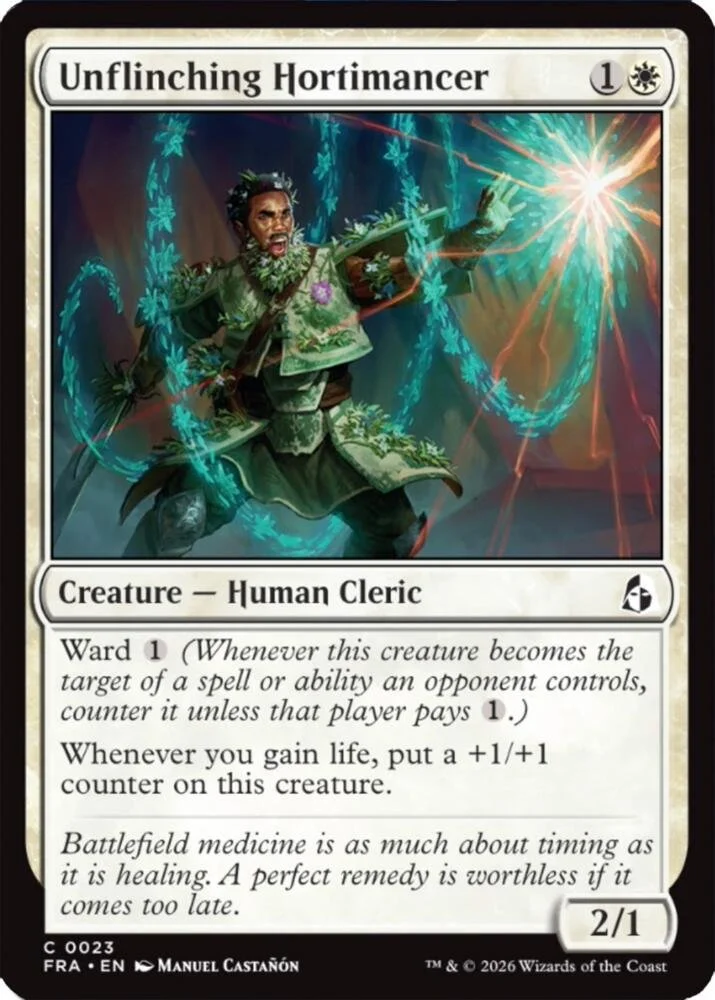
Unflinching Hortimancer - This creature has Ward 1 and gets a +1/+1 counter each time you gain life. It starts as a two-mana 2/1 and will quickly grow beyond that.
Best Uncommon Cards for Vigorbloom Lifegain
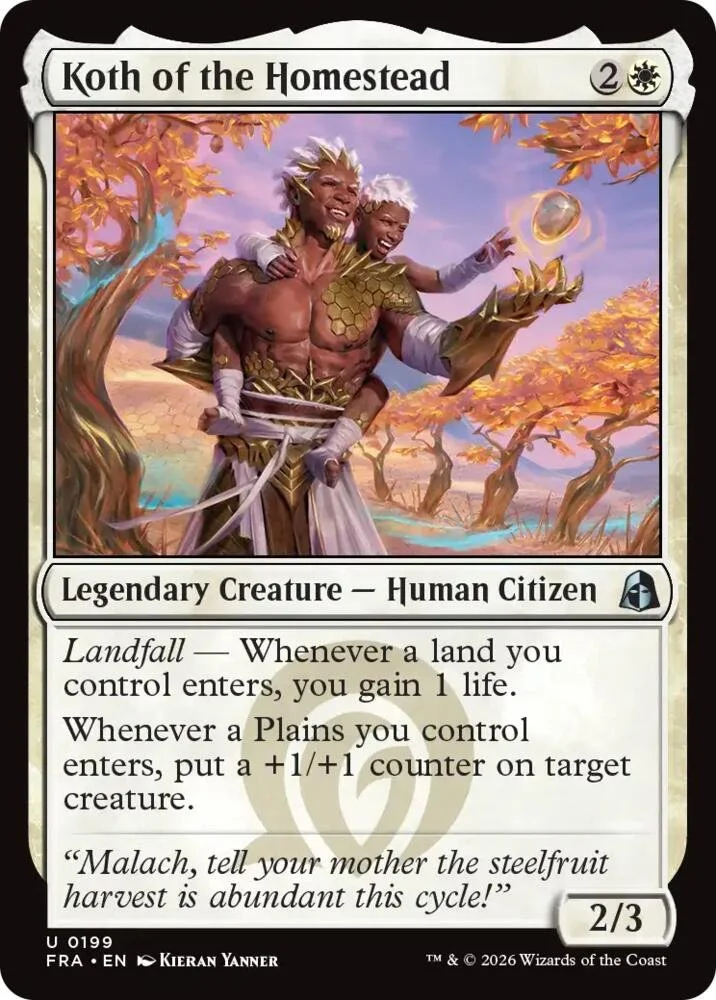

Koth of the Homestead - Koth gains you life through a Landfall trigger. If that land was a Plains, you also put a +1/+1 counter on a creature.
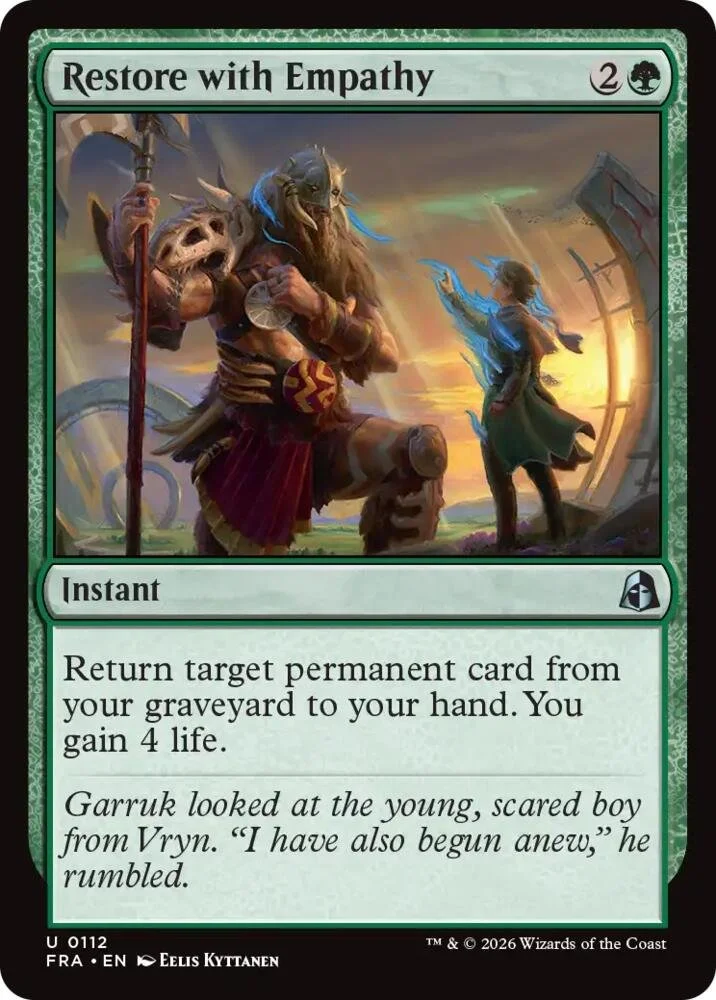
Restore with Empathy - This gives you creature recursion and lifegain.
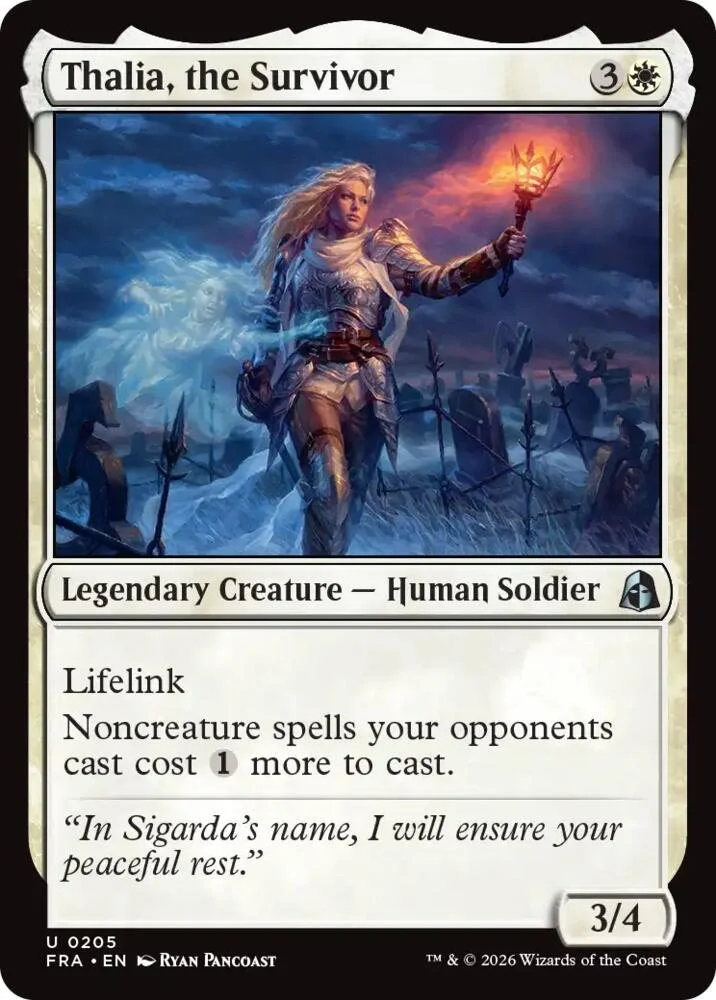
Thalia, the Survivor - This is a 3/4 with Lifelink that makes noncreature spells your opponents cast more expensive. This card will likely be a removal magnet.
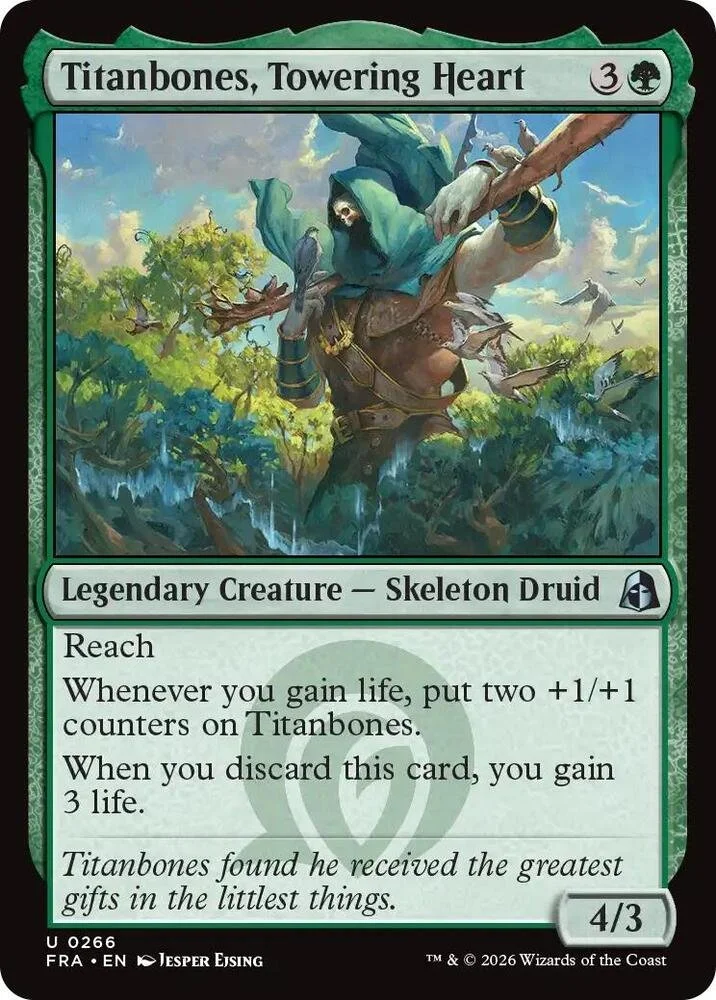
Titanbones, Towering Heart - This is a 4/3 with Reach that gets two +1/+1 counters each time you gain life.
Way of the Mentor - This Empowers Jace 5 and gives you loyalty counters each time you gain life.
Best Rare and Mythic Cards for Vigorbloom Lifegain
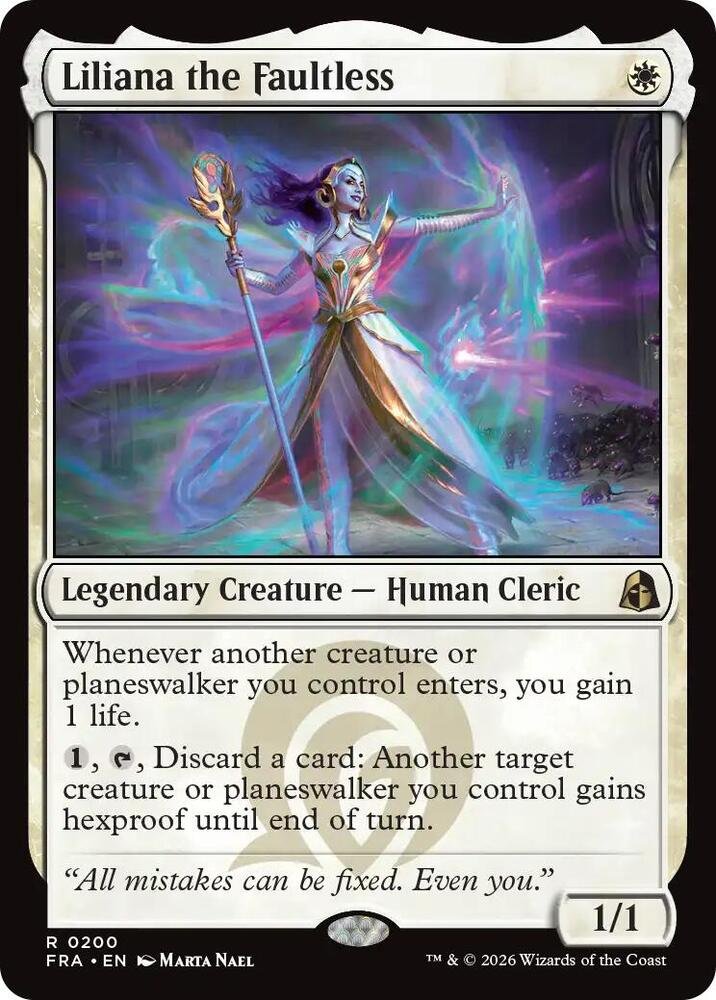
Liliana the Faultless - Liliana gains you life whenever creatures or Planeswalkers enter and also provides protection for your creatures.
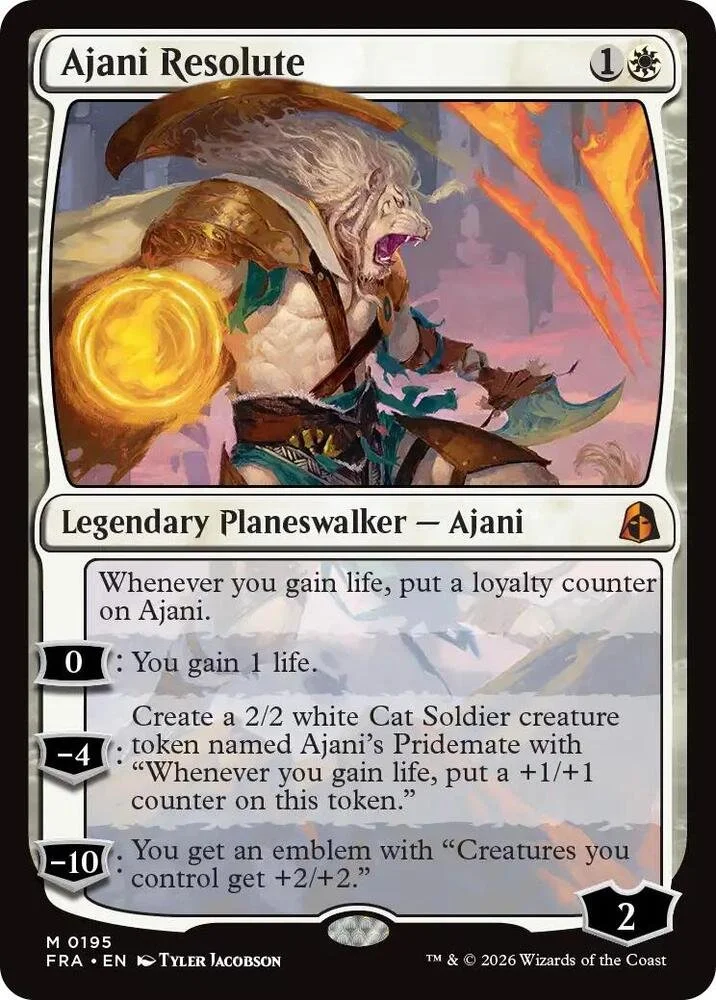
Ajani Resolute - This Planeswalker gains loyalty whenever you gain life. His 0 loyalty ability gains you 1 life, while his -4 creates a 2/2 that gets a counter each time you gain life. His -10 ultimate creates an emblem that gives creatures you control +2/+2. It’s not the best ultimate ability, but Ajani is still a good Planeswalker for this deck.Orzhov / White-Black Liliana’s Attrition
Orzhov / White-Black Liliana’s Attrition
Now that we’re done with the five Hexhaven archetypes, it’s time to move on to the Lorwyn Five. First up is the white-black Liliana’s Attrition archetype.
This archetype is a GRIND. It’s sort of your traditional Aristocrats strategy, except there isn’t really an engine holding everything together. You’re sacrificing creatures, filling your graveyard, and bringing those creatures back over and over again.
If I’m being honest, the Lorwyn Five feel like they’re meant to be paired with another archetype as a third color rather than played completely on their own. For example, I think the white cards here would fit really well alongside Theorix, turning that deck into an Esper graveyard archetype.
Game Plan
When playing Liliana’s Attrition, you want your creatures to die. Whether you’re sacrificing them yourself, milling them into your graveyard, or simply trading with your opponent’s creatures, you’re eventually going to bring them back.
This deck isn’t trying to overwhelm your opponent quickly. You’re trying to make every single trade slightly better for you than it is for them.
The basic plan looks like this:
Sacrifice or mill creatures
Recur those creatures
Out-grind your opponent
You’re going to lose creatures. Your opponent is going to lose creatures. The difference is that hopefully yours don’t stay dead.
Draft Priorities
Recursion is easily the most important part of this archetype. Sacrificing creatures means absolutely nothing if you don’t have a reason to do it, and filling your graveyard isn’t useful if those cards are just going to sit there.
You’ll also need reliable sacrifice outlets. Ideally, you want creatures that give you some sort of benefit when they die or cards that give you additional value for sacrificing them.
Your main priorities are:
Recursion
Sacrifice outlets
Cards that benefit from creatures being in your graveyard
Creatures that provide value when they die or enter
This is another archetype where I think you should seriously consider branching into three colors. Black already overlaps extremely well with Theorix, and adding white gives that graveyard strategy access to even more recursion.
Win Condition
You’re going to annoy your opponent to death.
Seriously, this deck doesn’t have one massive win condition. The goal is to trade resources over and over again until your opponent simply runs out of things to throw at you. Meanwhile, you’re bringing your creatures back, replaying ETB abilities, and getting additional value from creatures dying.
Eventually, your opponent will spend a removal spell on something you’ve already brought back once, only for you to bring it back AGAIN.
That’s how you win with this archetype. Grind until your opponent has nothing left, then finish the game with whatever refuses to stay dead.
Key Multicolor Cards
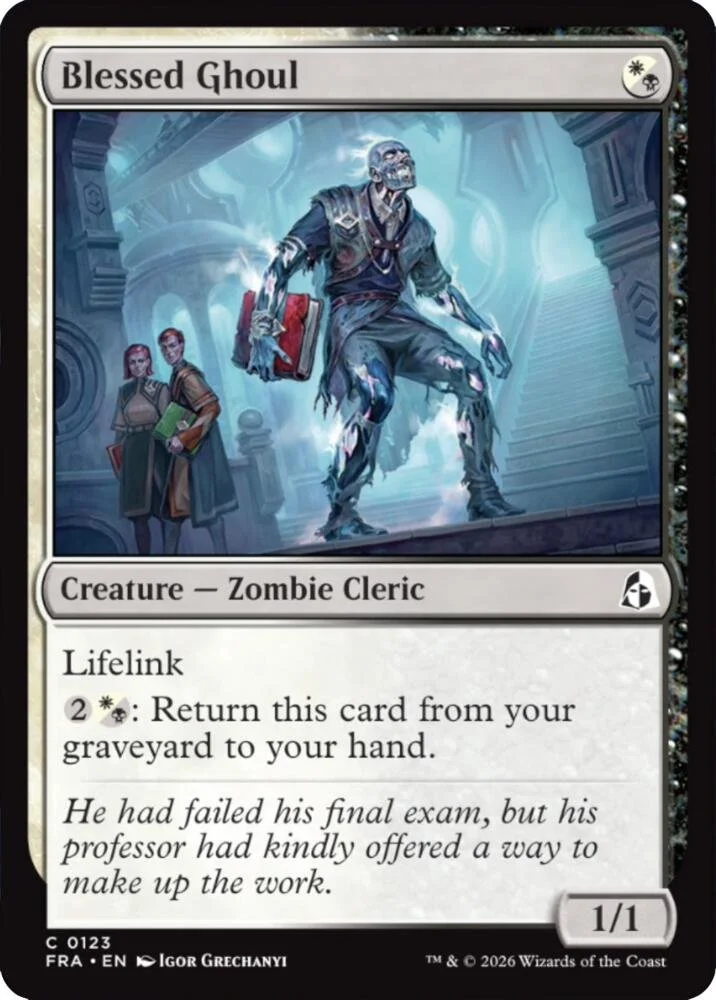
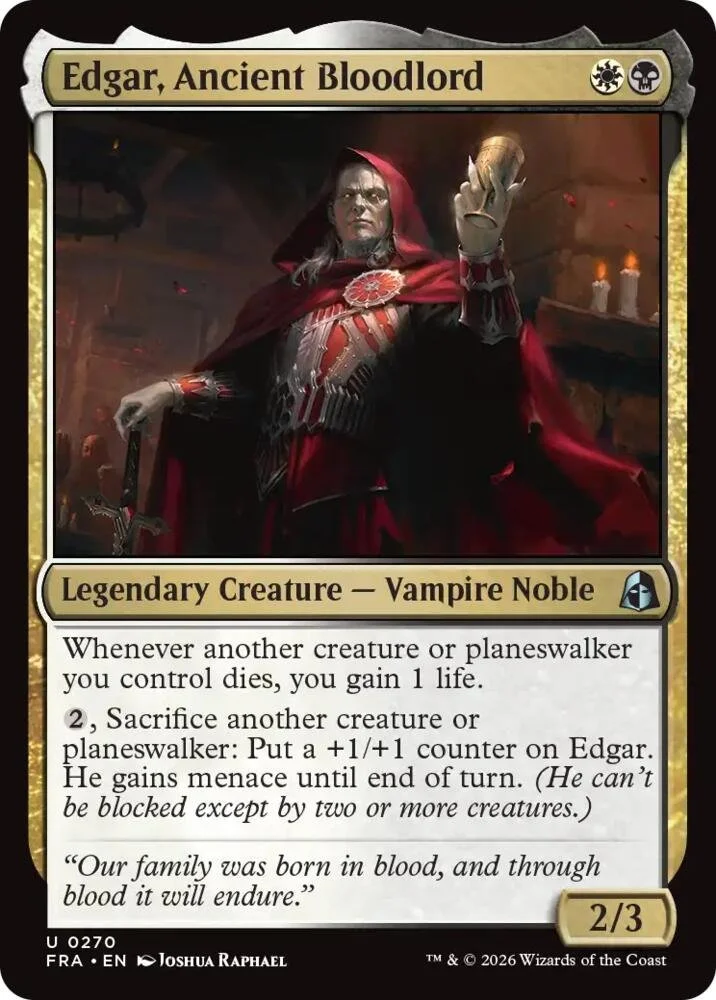
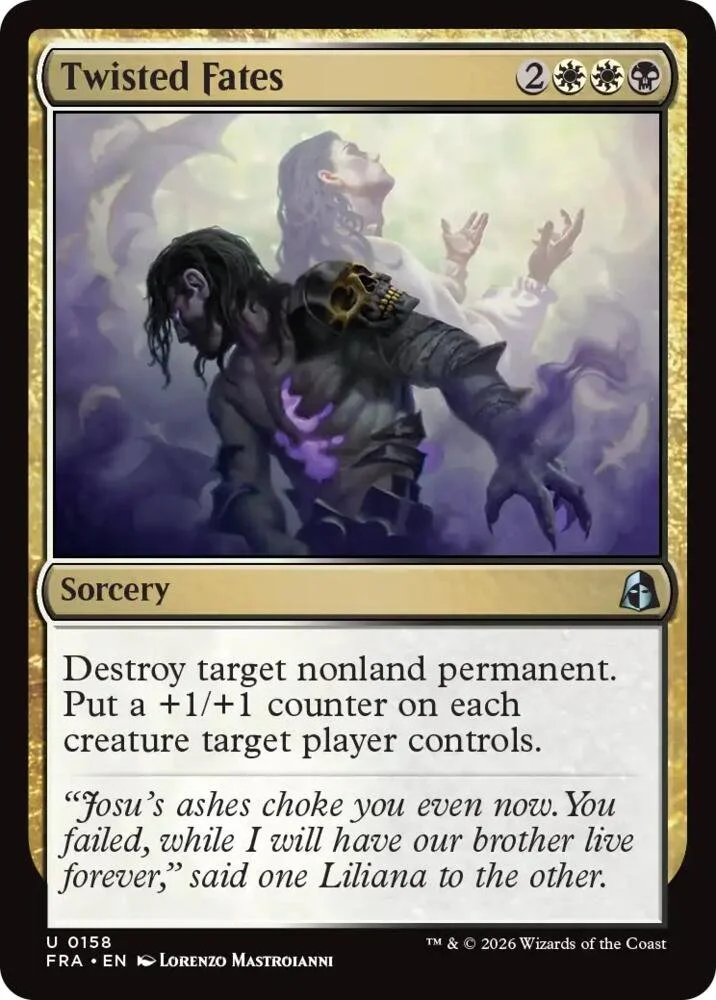
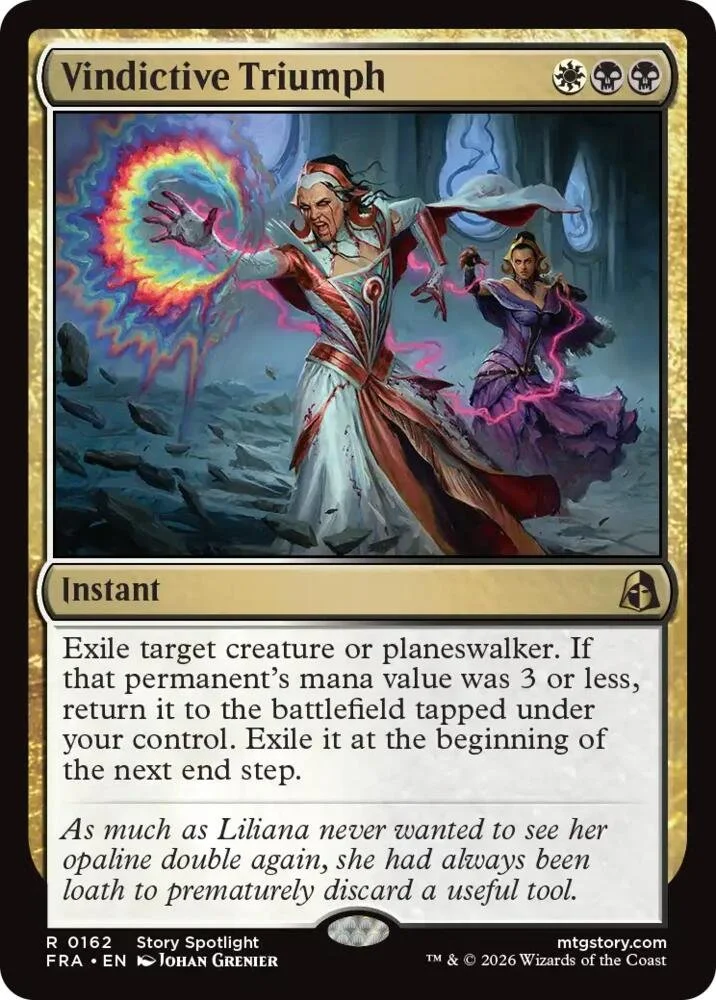
Blessed Ghoul - This is a simple one-mana 1/1 with Lifelink, but the important part is that you can pay three mana to return it from your graveyard to your hand. It’s an easy creature to sacrifice early knowing that you can simply bring it back later.
Edgar, Ancient Bloodlord - Edgar is probably the closest thing this archetype has to an actual engine. Whenever another creature or Planeswalker you control dies, you gain 1 life. More importantly, you can pay two mana and sacrifice another creature or Planeswalker to put a +1/+1 counter on Edgar and give him Menace until end of turn. This gives you a repeatable sacrifice outlet while slowly turning Edgar into a threat.
Twisted Fates - This is expensive removal, but it gives you a lot of value. You can destroy any nonland permanent, then put a +1/+1 counter on each creature a target player controls. You’re probably targeting yourself with that second half, turning this into removal and a board-wide buff.
Vindictive Triumph - This is REALLY interesting in this archetype. You can exile any creature or Planeswalker, and if it costs three mana or less, you temporarily bring it back under your control. Normally, it gets exiled at the beginning of the next end step, but if you have a sacrifice outlet like Edgar, you can steal your opponent’s creature, use it, and sacrifice it before giving the game a chance to exile it.
Best Common Cards for Liliana’s Attrition
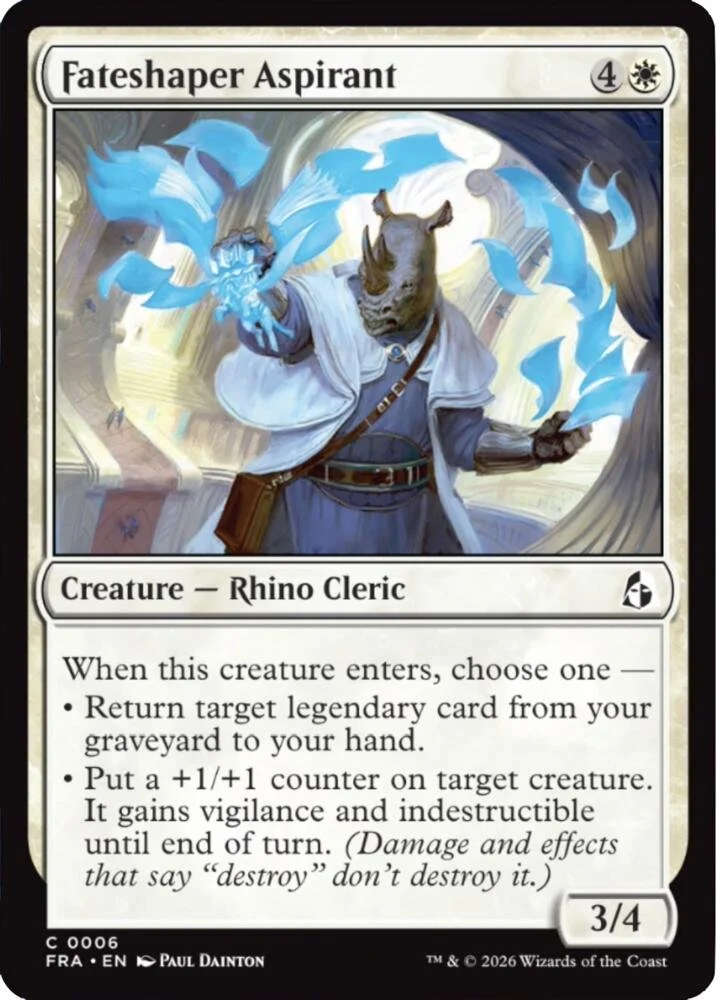
Fateshaper Aspirant - This is a five-mana 3/4 that can return a legendary card from your graveyard to your hand when it enters. There are A LOT of legendary creatures running around in Reality Fracture, especially among the Lorwyn Five, so having a common that can bring one back is great. If you don’t need the recursion, you can instead put a +1/+1 counter on a creature and temporarily give it Vigilance and Indestructible.
Theoretical Necromancer - We already talked about this creature in Theorix, and this is exactly why I think these archetypes should be combined. It’s a three-mana 4/1 that you won’t mind trading away because once it’s in your graveyard, you can exile it to return another creature from your graveyard to your hand.
Best Uncommon Cards for Liliana’s Attrition
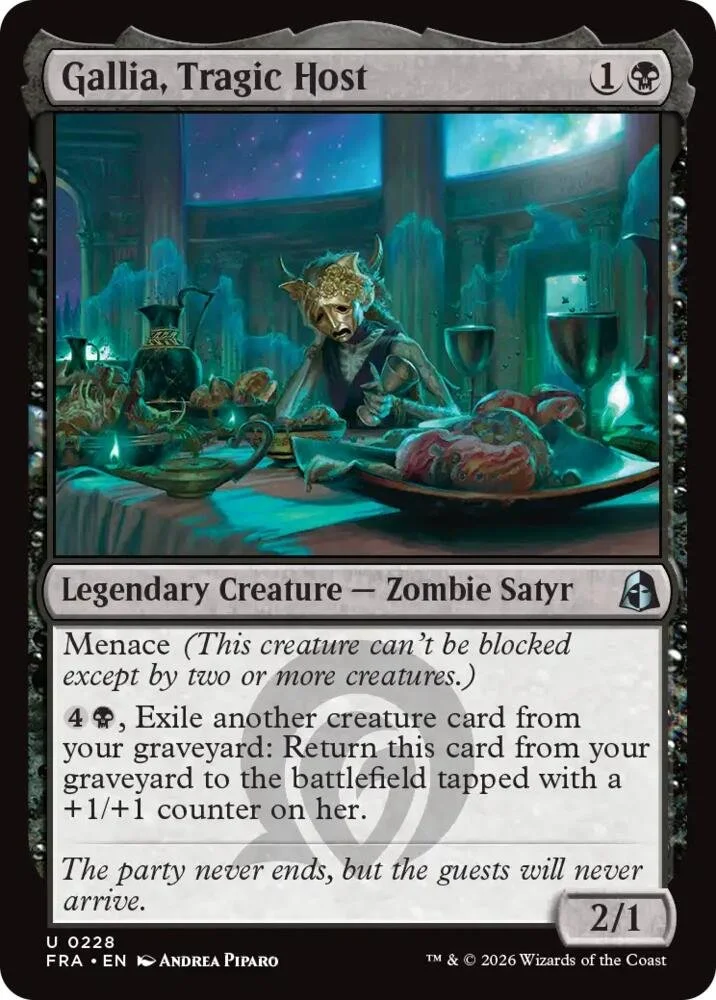

Gallia, Tragic Host - Gallia is a recurring threat that your opponent is going to get tired of killing. She has Menace, and once she’s in your graveyard, you can exile another creature card from your graveyard and pay five mana to return her to the battlefield with a +1/+1 counter. She’s expensive to recur, but during a long game, she gives you something to repeatedly spend your mana on.
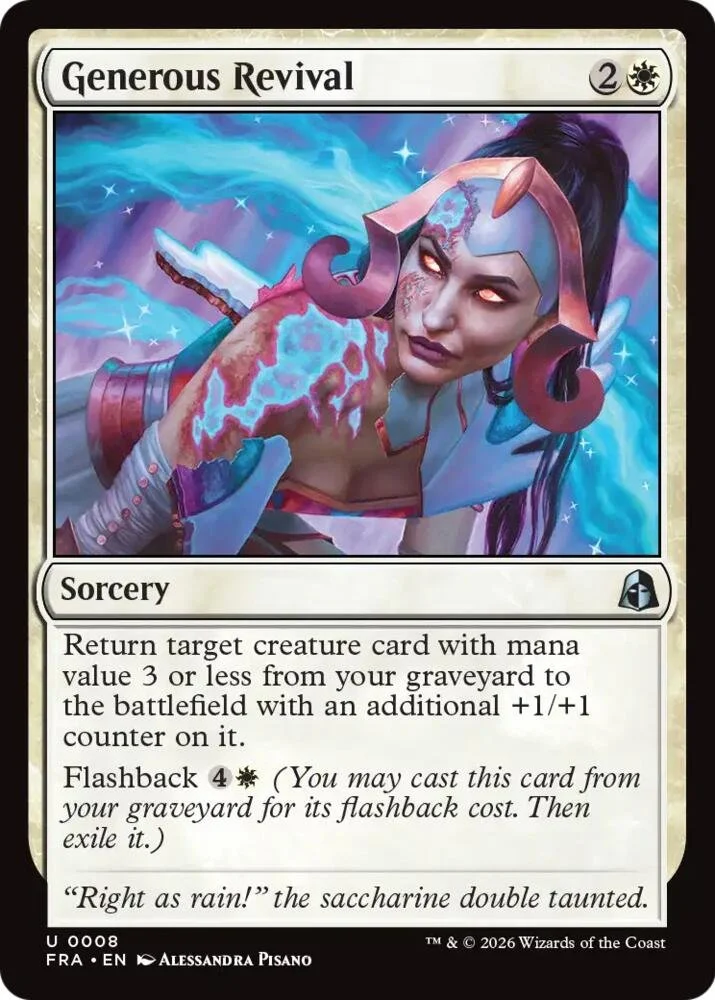
Generous Revival - This might be one of the best recursion spells you can get for this archetype. For three mana, you return a creature with mana value three or less directly to the battlefield with an additional +1/+1 counter. It ALSO has Flashback, meaning you can do it again later. That’s exactly the kind of grindy value this deck wants.
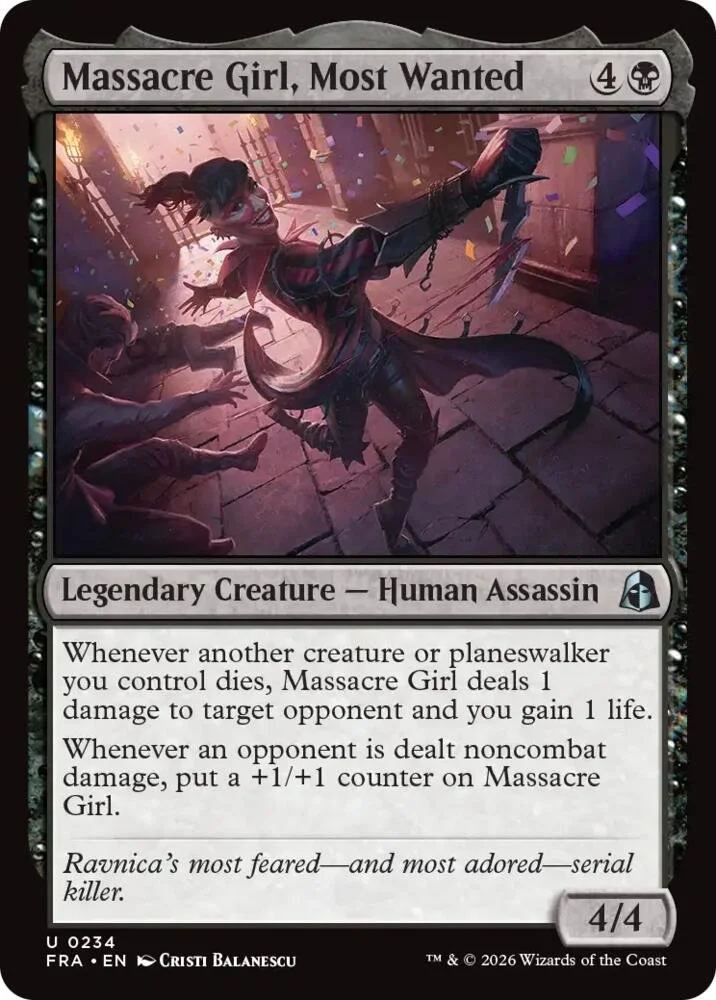
Massacre Girl, Most Wanted - NOW we have an actual death payoff. Whenever another creature or Planeswalker you control dies, Massacre Girl deals 1 damage to your opponent and gains you 1 life. On top of that, whenever your opponent takes noncombat damage, she gets a +1/+1 counter. This is one of the few cards that makes me want to actually build Liliana’s Attrition as its own dedicated archetype.
Winter, Tormented Loner - Winter gives you both a sacrifice outlet and a payoff for filling your graveyard. When he enters, you can sacrifice a creature or Planeswalker to force your opponent to sacrifice a creature. After that, he gets +1/+0 for every creature and Planeswalker in your graveyard. If you’ve been sacrificing and milling throughout the game, Winter can become a VERY big attacker.
Best Rare and Mythic Cards for Liliana’s Attrition
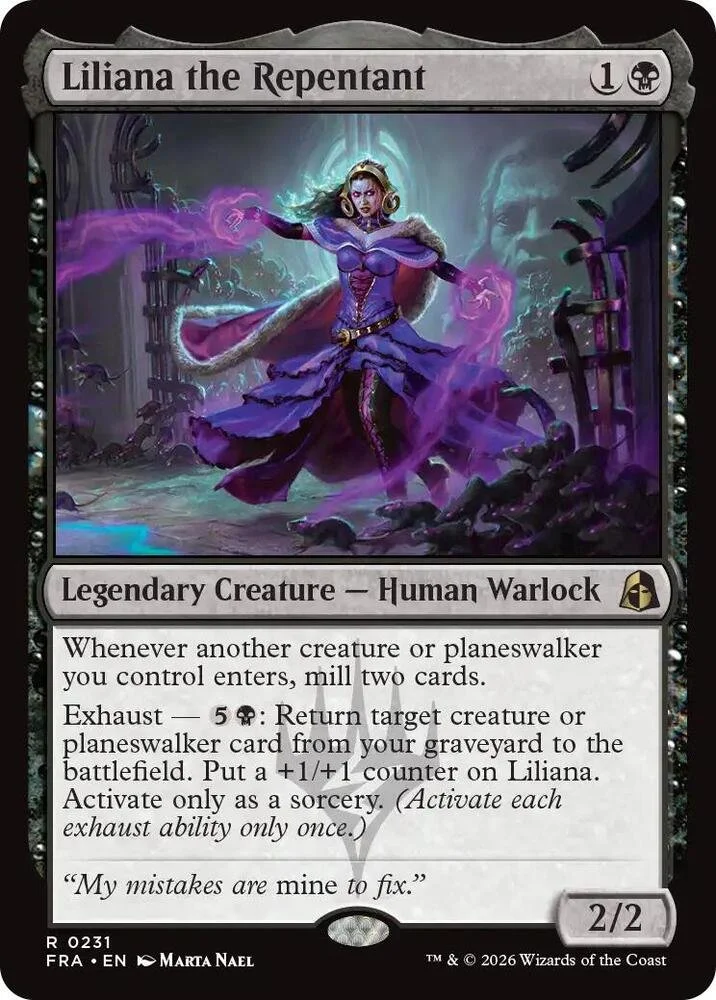
Liliana the Repentant - It makes sense that Liliana is one of the best cards for her own archetype. Whenever another creature or Planeswalker enters under your control, you mill two cards, allowing Liliana to fill your graveyard simply by playing the game. Her Exhaust ability then lets you pay six mana to return ANY creature or Planeswalker from your graveyard directly to the battlefield. That’s expensive, but being able to bring back your biggest bomb during the late game is exactly what this deck wants.
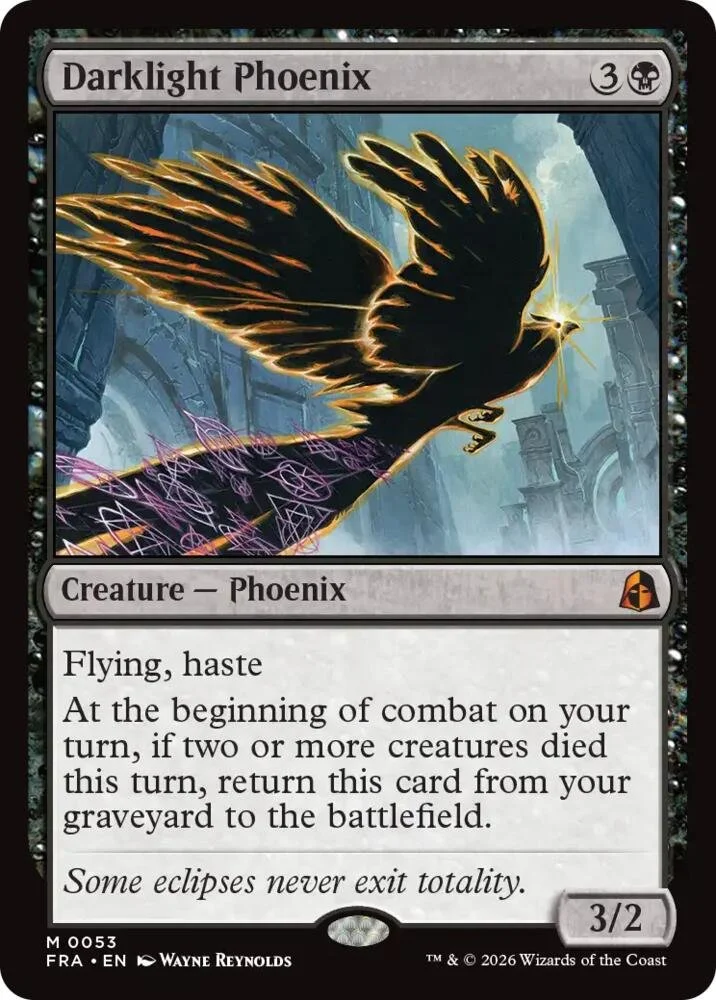
Darklight Phoenix - This is another creature that simply refuses to stay dead. It’s a 3/2 with Flying and Haste, and if two or more creatures died before combat on your turn, it returns itself from your graveyard to the battlefield. This does require some setup because those creatures need to die before combat, but with enough sacrifice outlets, you can repeatedly bring back an evasive attacker without spending any mana.
Izzet / Blue-Red Chandra’s Prowess
To nobody’s surprise, the Izzet archetype is another Spellslinger archetype. This time, we’re returning to good ol’ reliable Prowess.
This is probably the easiest of the Lorwyn Five archetypes to understand. You want creatures with Prowess or similar noncreature-spell triggers, then you want to cast as many cheap spells as possible to repeatedly activate them. This also pairs pretty naturally with Fatehold since blue-white already wants plenty of noncreature spells and ways to manipulate your deck.
Game Plan
Chandra’s Prowess is all about creating explosive turns. You’ll play creatures early, then use cheap instants and sorceries to temporarily buff them through Prowess before swinging in for large amounts of damage.
The basic plan looks like this:
Play creatures with Prowess
Cast cheap noncreature spells
Attack after stacking multiple triggers
This archetype really rewards holding onto your spells until the right moment. Casting three spells across three turns might be fine, but casting those same three spells during one massive combat step can end the game.
Draft Priorities
You need to maintain a pretty strict balance between creatures and noncreature spells. Too many creatures means you won’t consistently trigger Prowess, while too many spells means you’ll have nothing worthwhile to actually buff.
Your main priorities are:
Creatures with Prowess or other noncreature-spell payoffs
Cheap instants and sorceries
Card draw
Spells that can be cast from your graveyard
Flashback is especially useful here because a single card can potentially trigger Prowess twice. Twinned Vision is a perfect example because you can cast it normally for card draw, then Flashback it later for another trigger and even more cards.
Win Condition
You’re looking for one really explosive turn.
Unlike Stingerquill, which wants to constantly chip away at your opponent, Chandra’s Prowess can afford to spend a little more time setting up. Get two or three Prowess creatures onto the battlefield, make sure your opponent is tapped down or doesn’t have good blockers, then start firing off spells.
Once you stack enough Prowess triggers, even creatures that looked harmless a turn ago can suddenly hit for huge amounts of damage.
Just don’t get greedy. Sometimes two spells and an attack is enough. You don’t need to show your opponent every cool trick in your hand before killing them.
Key Multicolor Cards
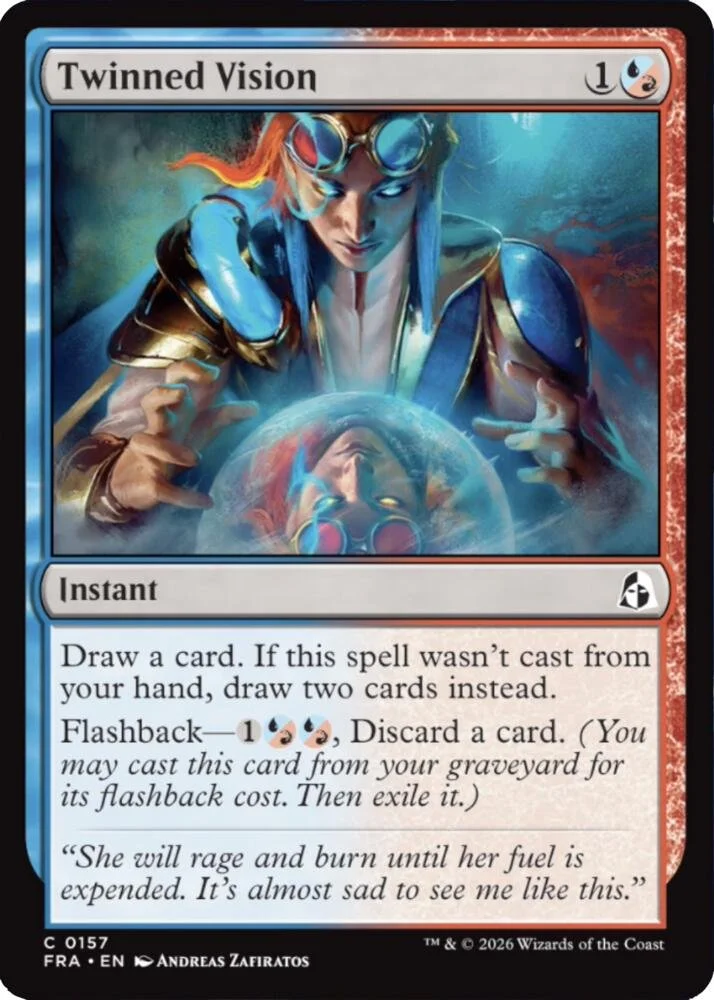
Twinned Vision - This is almost exactly what this archetype wants. It’s cheap card draw that can be cast again with Flashback. Casting it the second time even draws you two cards instead of one, giving you another Prowess trigger while refilling your hand.
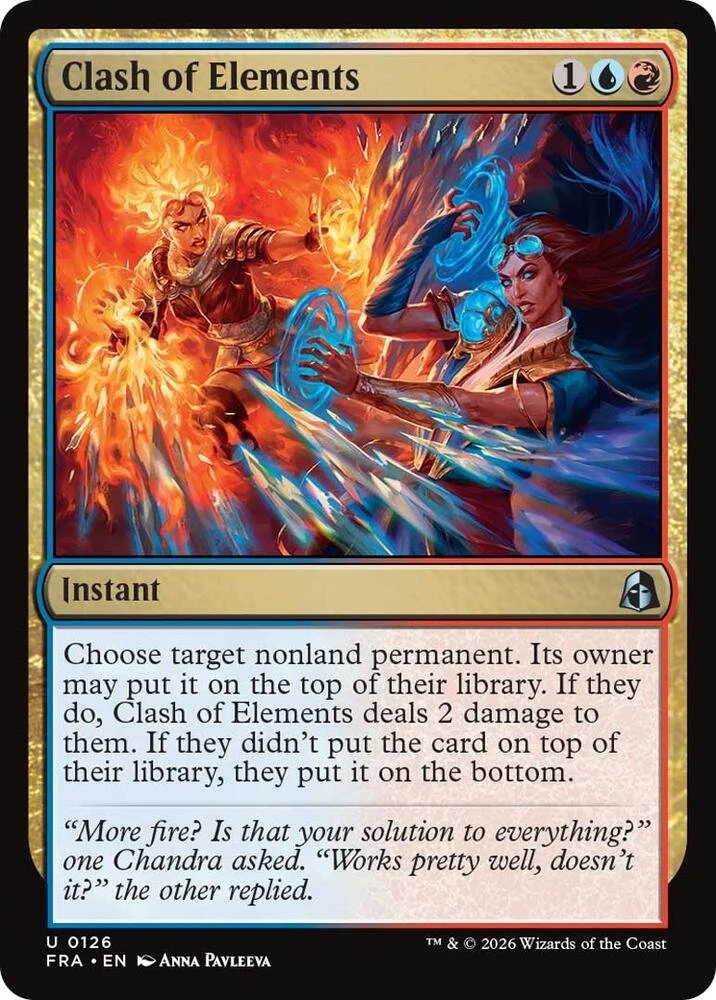
Clash of Elements - This gives you some really strange but useful removal. Your opponent either puts a nonland permanent on top of their library and takes 2 damage, or puts it on the bottom. Either way, you’ve cleared a blocker while triggering Prowess.
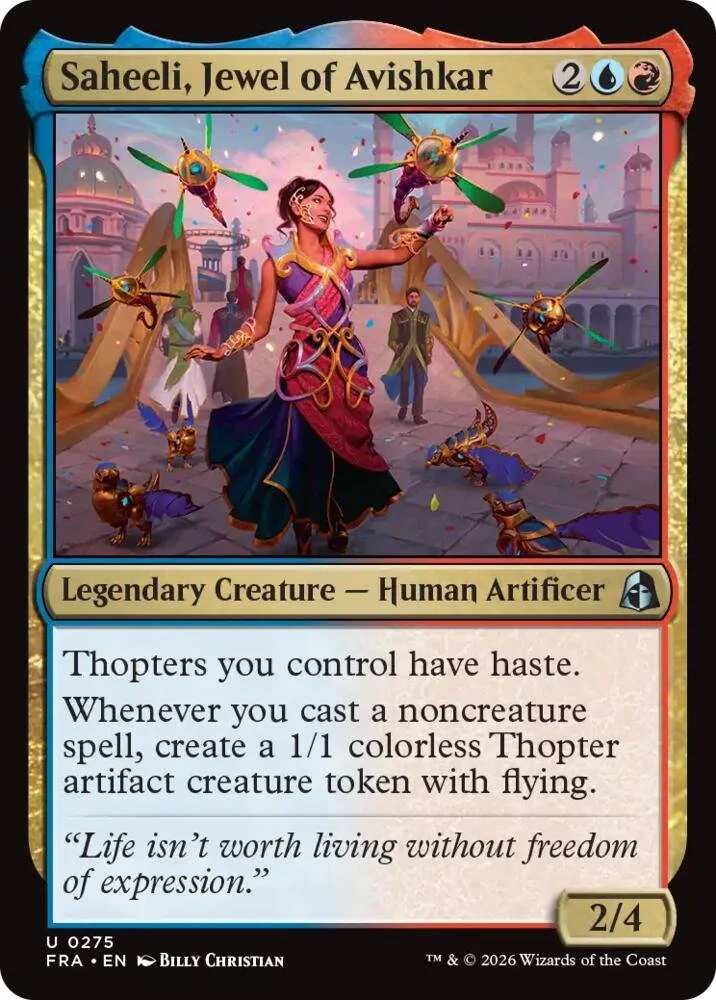
Saheeli, Jewel of Avishkar - Saheeli gives you another payoff for doing what you already want to do. Every noncreature spell creates a 1/1 flying Thopter, and those Thopters have Haste while Saheeli is around. You can VERY quickly build a board just by casting spells.
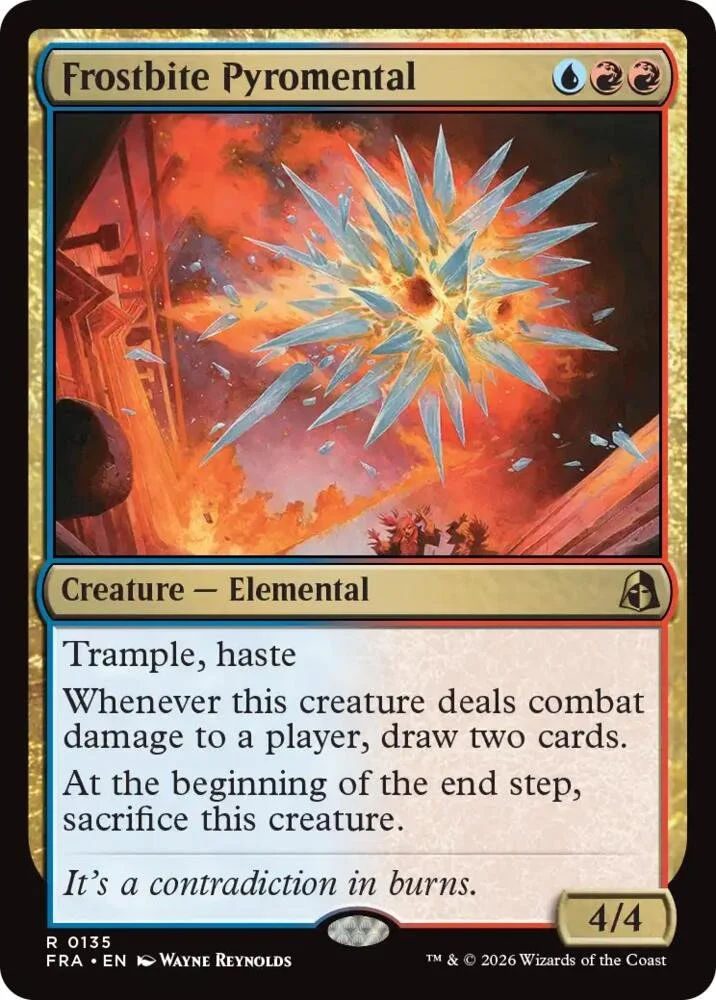
Frostbite Pyromental - This is an incredibly aggressive 4/4 with Trample and Haste. If it connects, you draw two cards, but you sacrifice it at the end of the turn. You essentially get one chance to smash your opponent and refill your hand, so make that attack count.
Best Common Cards for Chandra’s Prowess
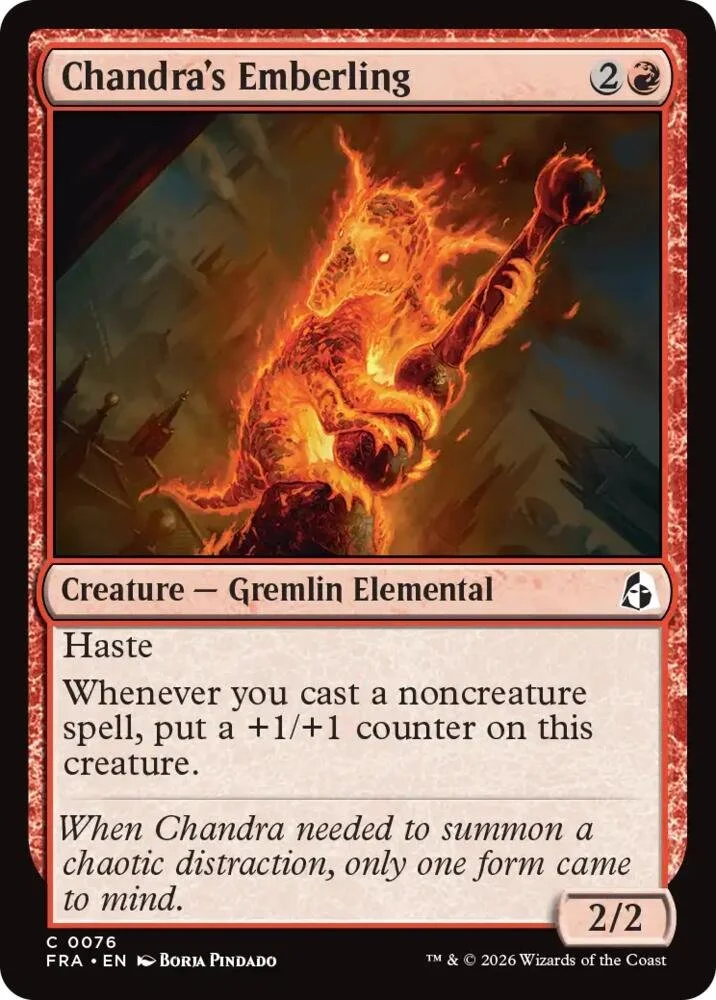
Chandra’s Emberling - This might not technically have Prowess, but it might as well. It has Haste and permanently gets a +1/+1 counter whenever you cast a noncreature spell. Unlike traditional Prowess creatures, this thing just keeps getting bigger.
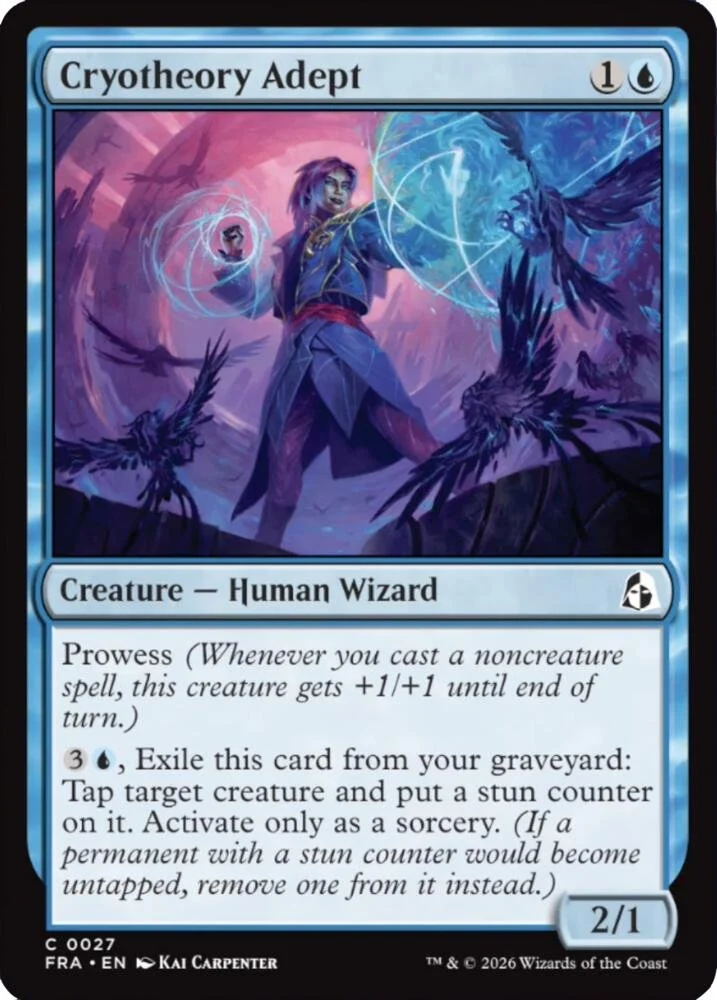
Cryotheory Adept - This is your simple two-mana Prowess creature. Once it dies, you can also exile it from your graveyard to tap down a creature and put a Stun counter on it, potentially clearing the way for one final attack.
Best Uncommon Cards for Chandra’s Prowess
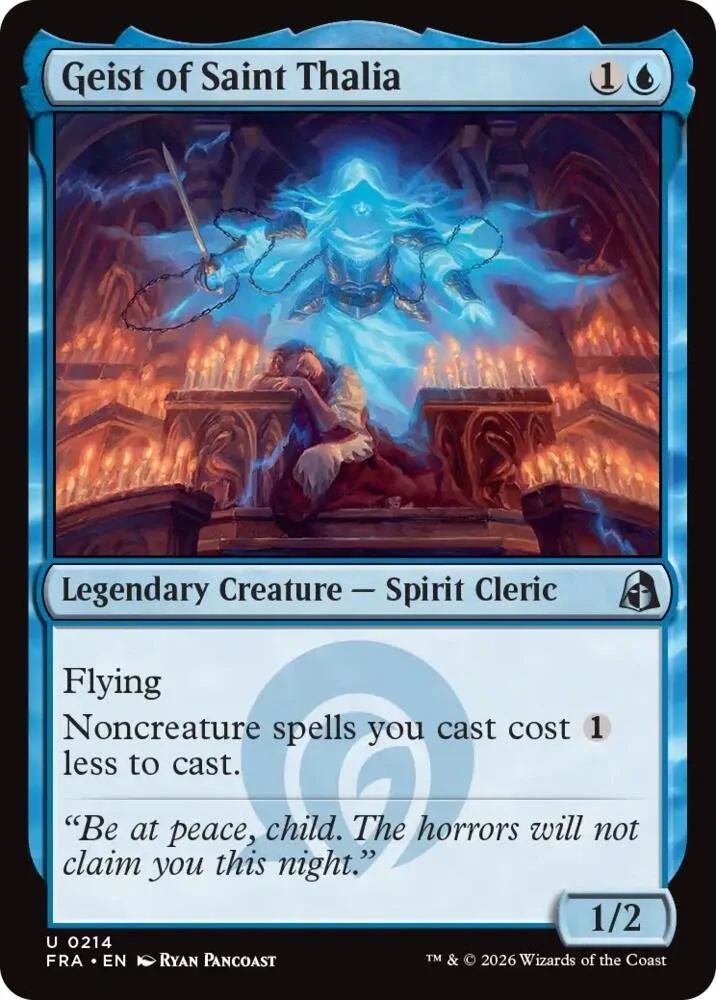
Geist of Saint Thalia - A two-mana flier that makes your noncreature spells cost one less is AWESOME in this deck. The cheaper your spells become, the easier it is to chain several of them together during one turn.
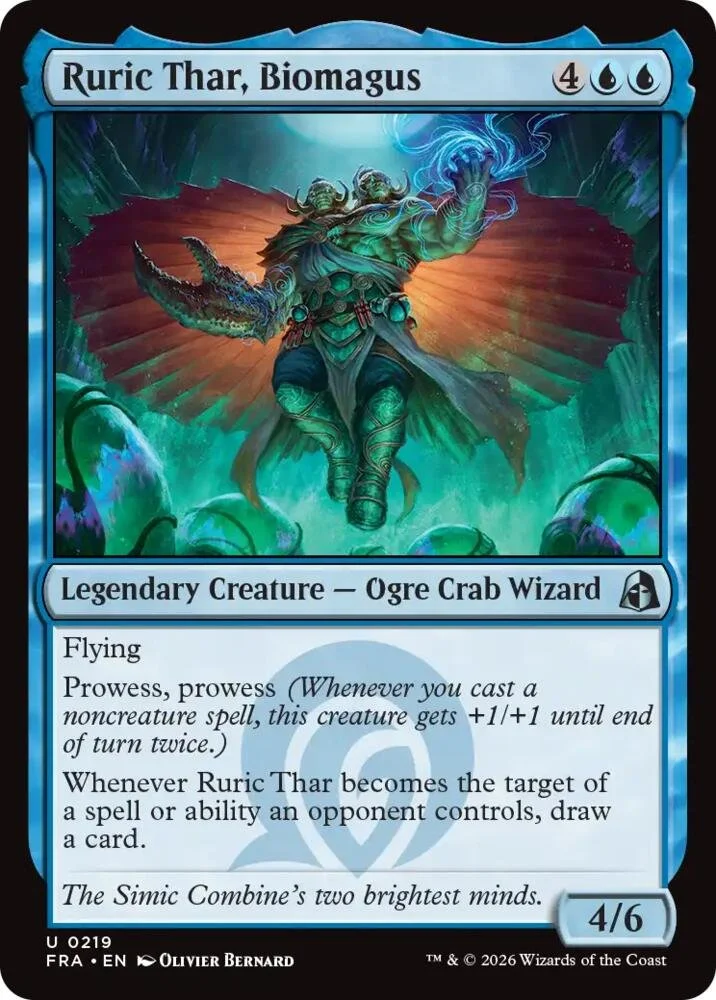
Ruric Thar, Biomagus - This is another strong body for a deck already interested in casting spells, and it gives the archetype some much-needed late-game presence.
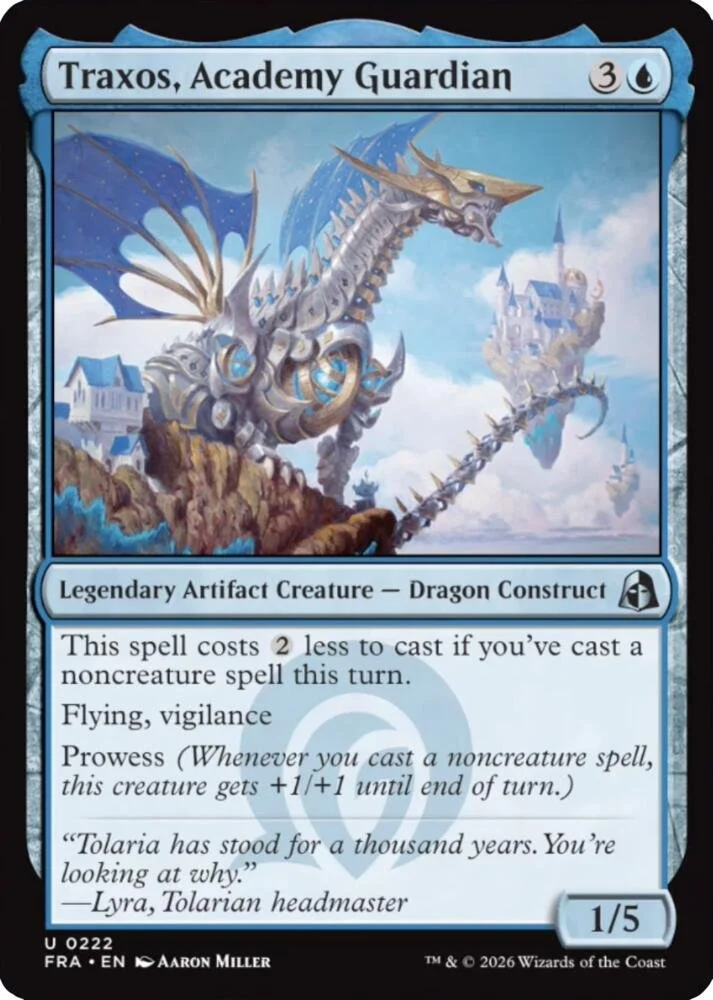
Traxos, Academy Guardian - This gives you another evasive attacker that fits naturally into what your blue cards already want to be doing.
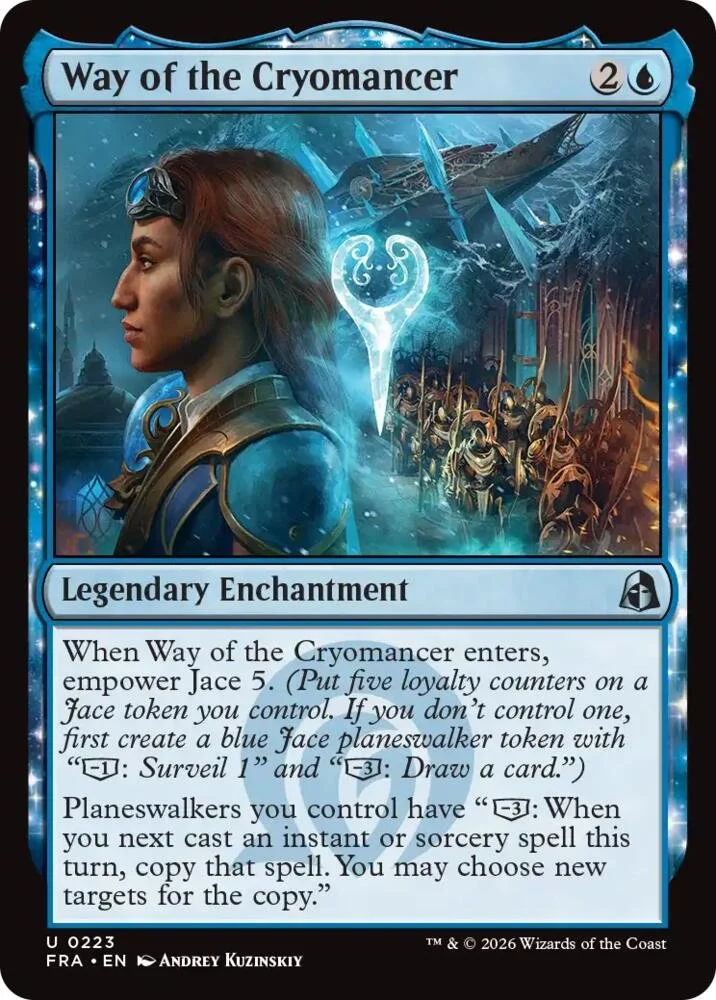
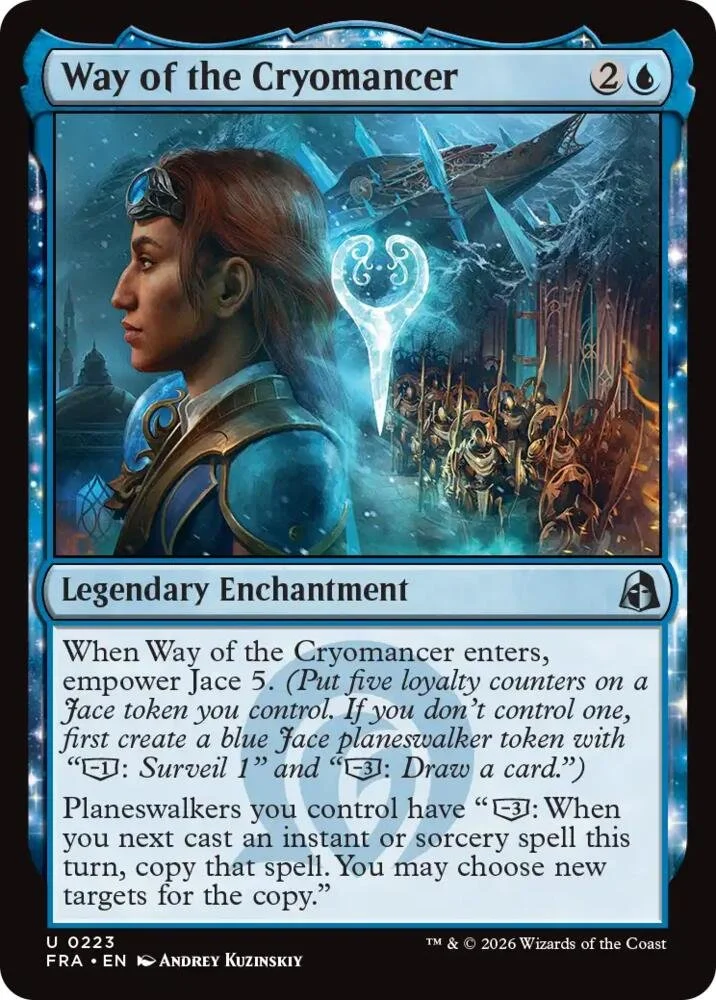
Way of the Cryomancer - This Empowers Jace 5, then gives your Planeswalkers a -3 ability that copies your next instant or sorcery. Copying a spell doesn’t trigger Prowess again, but getting double the effect from one of your spells can make your big Prowess turn substantially scarier.
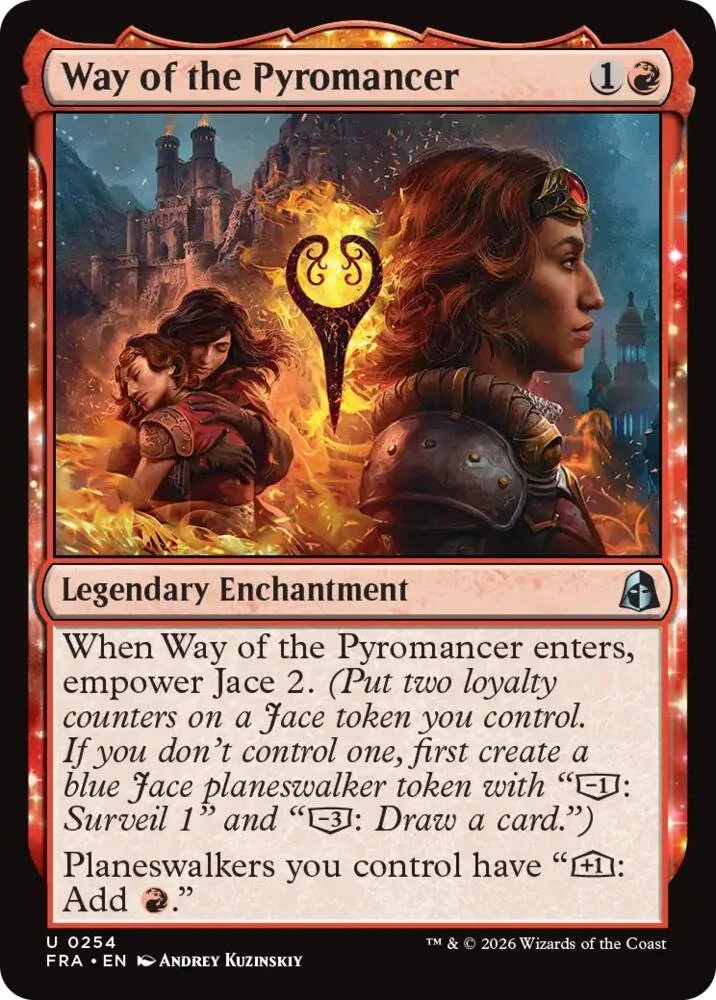
Way of the Pyromancer - This only Empowers Jace 2, but it gives all of your Planeswalkers a +1 ability that creates red mana. That gives you more mana to keep chaining spells together.
Best Rare and Mythic Cards for Chandra’s Prowess
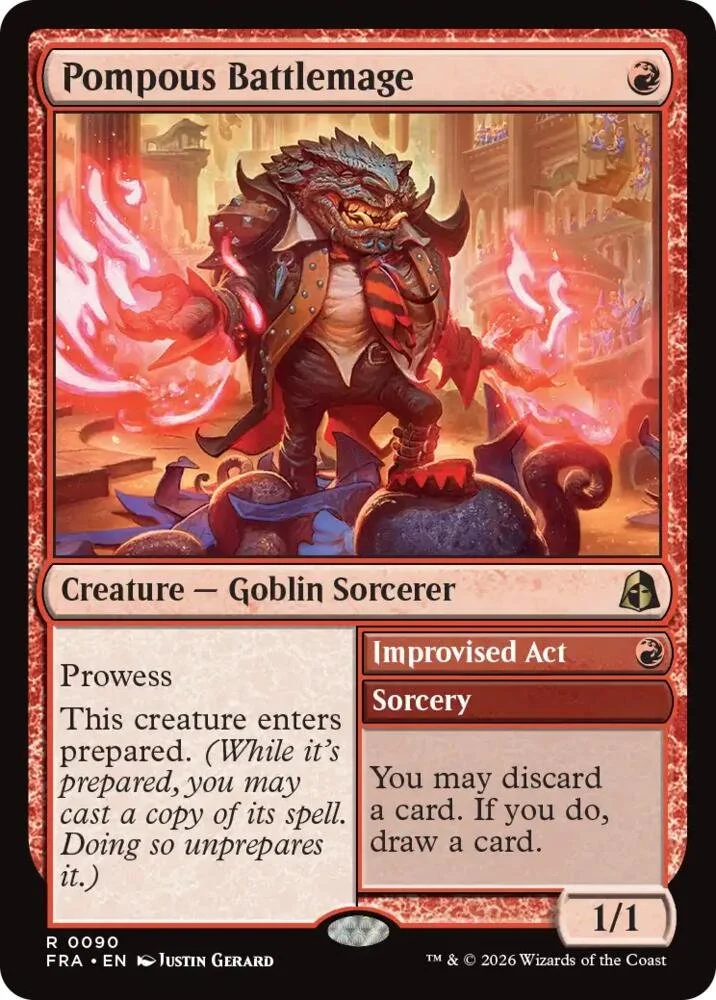
Pompous Battlemage - A one-mana Prowess creature is already exactly what you want. It also enters Prepared, giving you the option to discard a card and draw another. It’s cheap, fixes your hand, and starts your Prowess engine immediately.
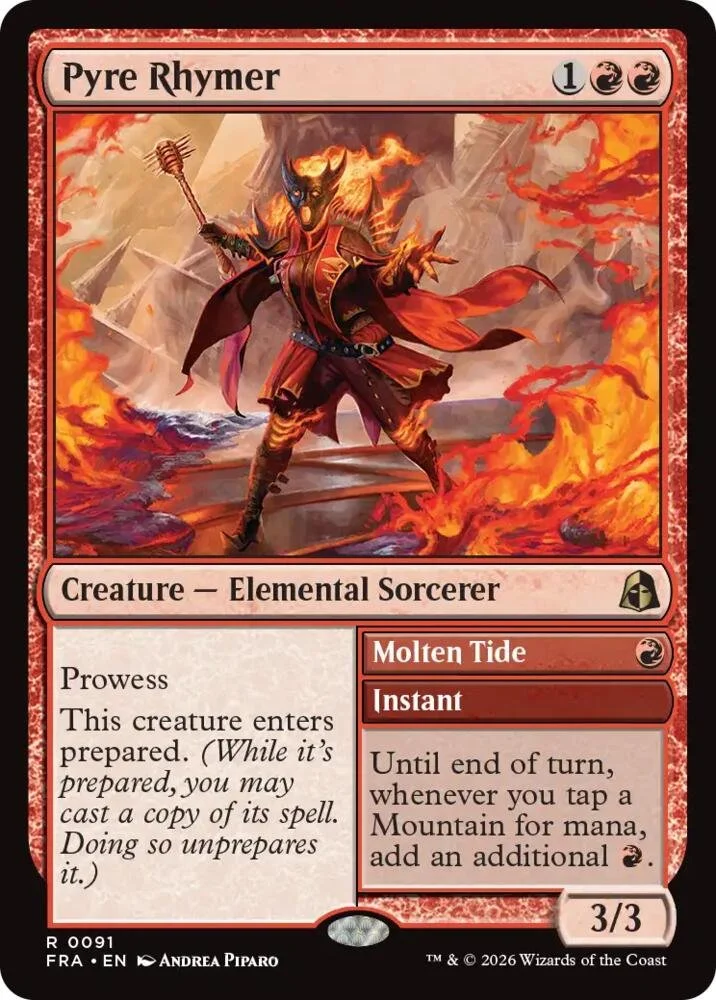
Pyre Rhymer - This is a 3/3 with Prowess that enters Prepared. Its Prepared spell gives you additional red mana whenever you tap a Mountain that turn, potentially letting you cast WAY more spells than your opponent is expecting.
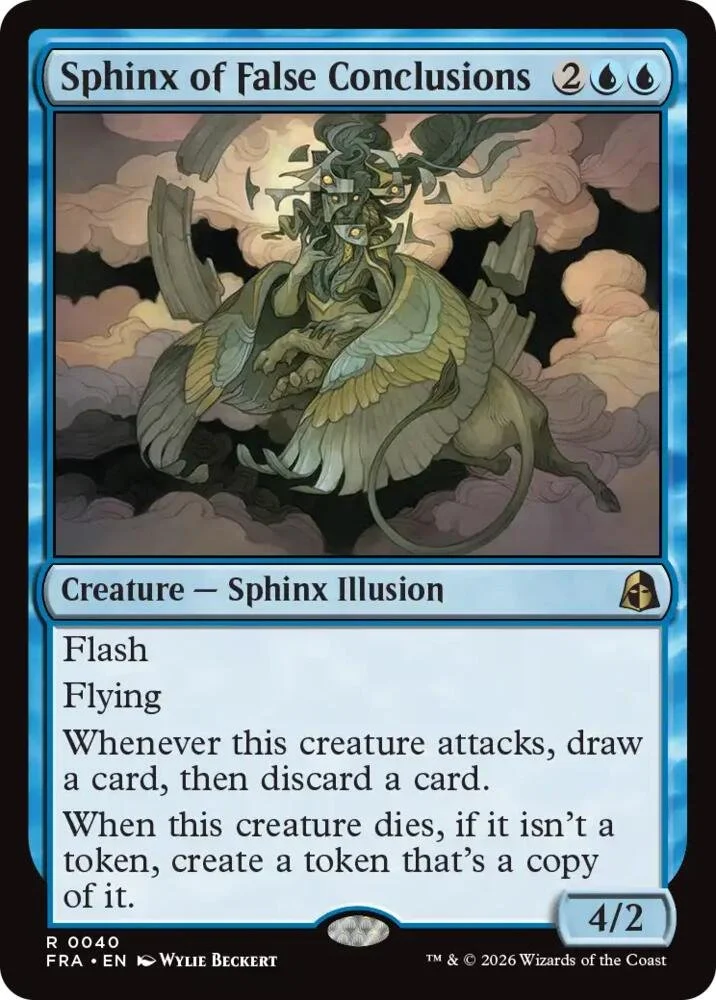
Sphinx of False Conclusions - Flash and Flying already make this a strong Limited creature. Whenever it attacks, you can loot, and when the original dies, it replaces itself with a token copy. That gives this deck some really nice staying power.
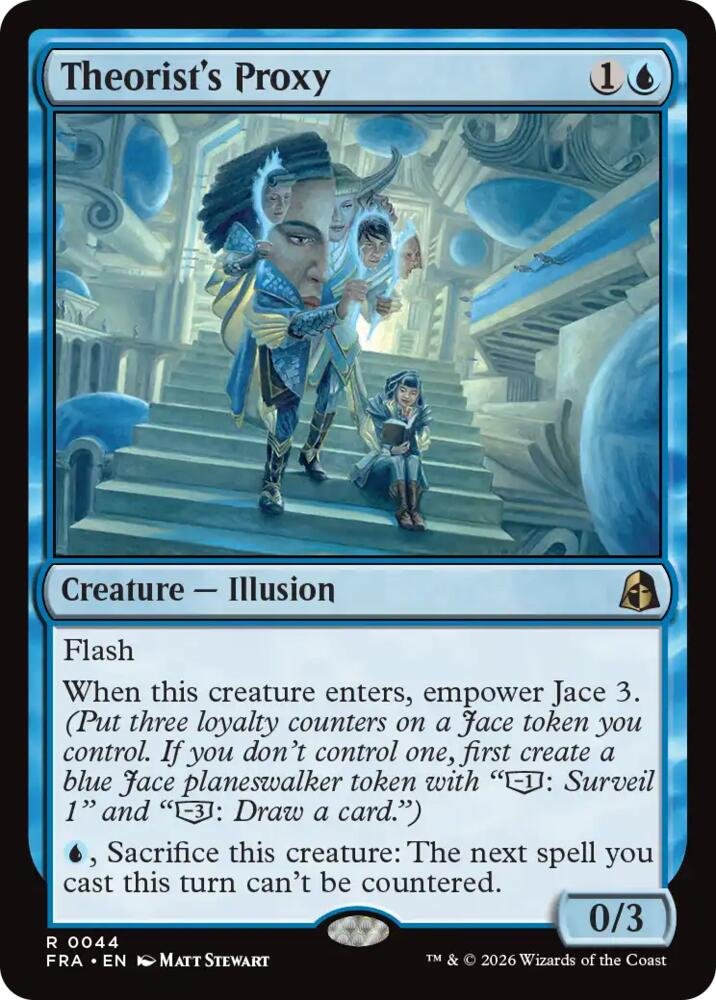
Theorist’s Proxy - Flash makes this easy to play without interrupting your spell-heavy turns, and when it enters, it Empowers Jace 3. You can also sacrifice it to make your next spell uncounterable.
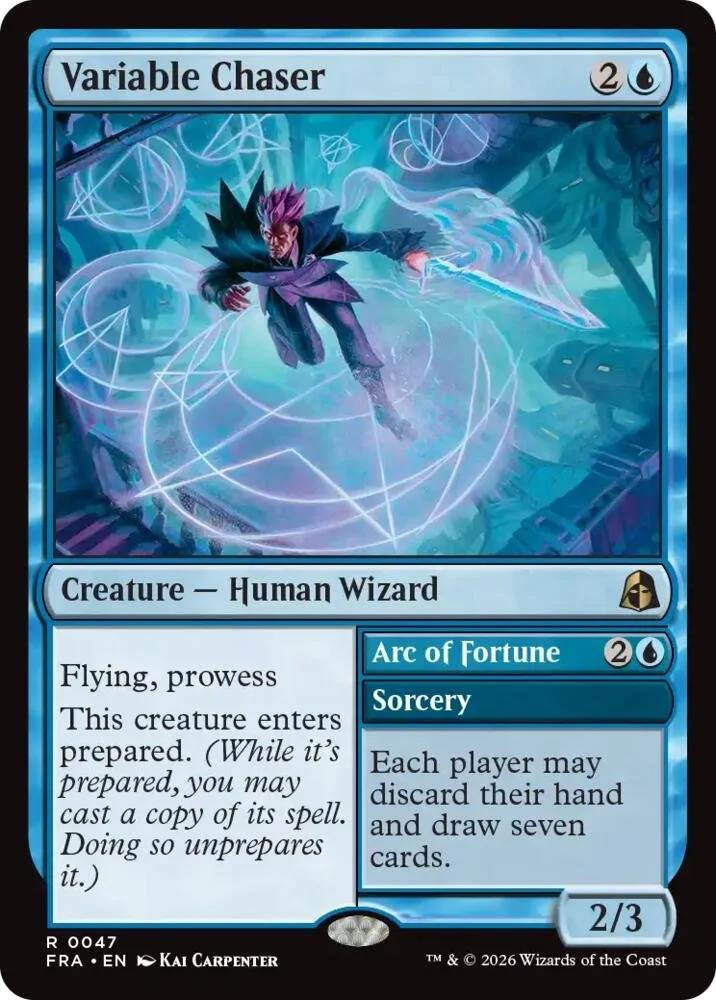
Variable Chaser - A flying Prowess creature is already dangerous. It also enters Prepared with a spell that lets each player potentially discard their hand and draw seven cards. If you’ve already burned through most of your hand casting cheap spells, this can completely reload you.
Golgari / Black-Green Garruk’s Bestiary
Garruk’s Bestiary is a really interesting archetype. Rather than being the usual Golgari graveyard deck, it focuses heavily on combining Deathtouch and Trample.
This archetype pairs REALLY well with Konstrari. Konstrari already wants to ramp into giant creatures with Trample, while Garruk’s Bestiary gives those creatures additional ways to punch through blockers.
Game Plan
The game plan here is essentially to make blocking absolutely miserable.
Deathtouch means that only 1 damage needs to be assigned to a blocker for it to be considered lethal. When you combine that with Trample, the rest of that damage can go directly into your opponent.
That means your opponent can throw a huge creature in front of your attacker and potentially still take almost all of the damage.
The basic plan looks like this:
Play creatures with Deathtouch
Give those creatures Trample
Force your opponent into terrible blocks
This is another Lorwyn Five archetype that I think works better when paired with one of the Hexhaven schools. Turning Konstrari into Jund gives you the ramp and giant creatures from Gruul while black gives you more removal and Deathtouch.
Draft Priorities
You obviously need both sides of the equation. Deathtouch creatures are useful on their own, and Trample creatures are useful on their own, but the archetype becomes significantly better when you combine them.
Your main priorities are:
Creatures with Deathtouch
Creatures with Trample
Ways to grant either keyword
Large creatures that benefit from gaining Deathtouch
Removal
I would prioritize Deathtouch a little more heavily because green already has plenty of access to large creatures and Trample.
Win Condition
Make blocking impossible.
Once your opponent realizes that blocking your 8/8 Trampler with their 6/6 still means they’re taking 7 damage because your creature has Deathtouch, combat becomes VERY uncomfortable.
This deck can also just win the traditional green way: play something enormous and turn it sideways.
Sometimes Magic really is that simple.
Key Multicolor Cards
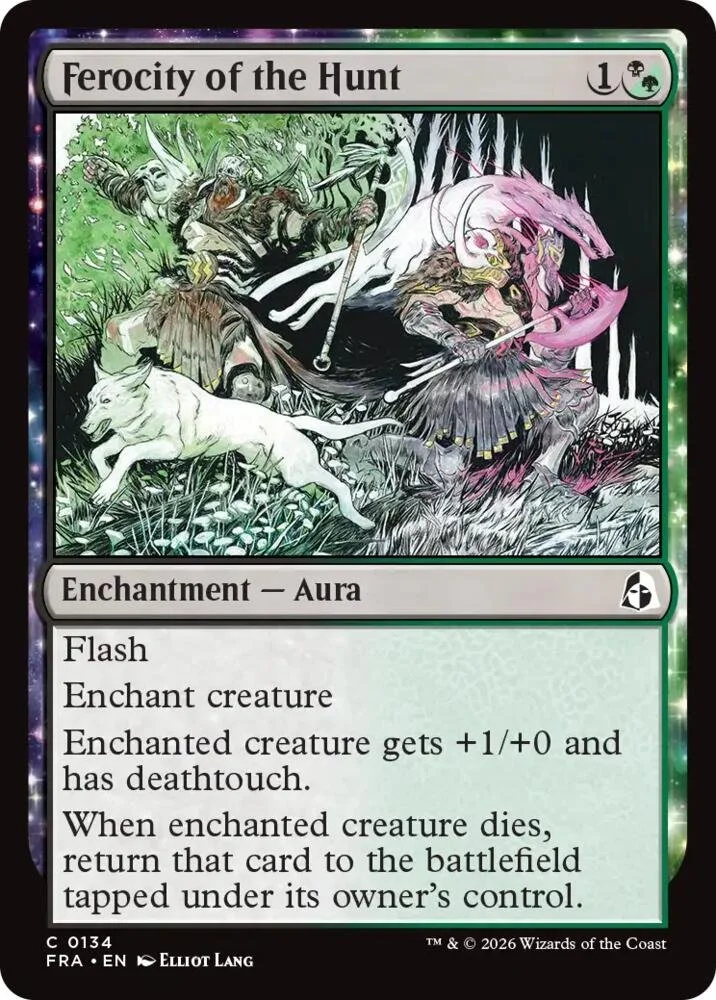
Ferocity of the Hunt - This is probably the cleanest example of what this archetype wants. It gives a creature +1/+0 and Deathtouch at Flash speed, and if that creature dies, it returns to the battlefield tapped. This is a fantastic combat trick because even if your opponent successfully kills your creature, you get it back.
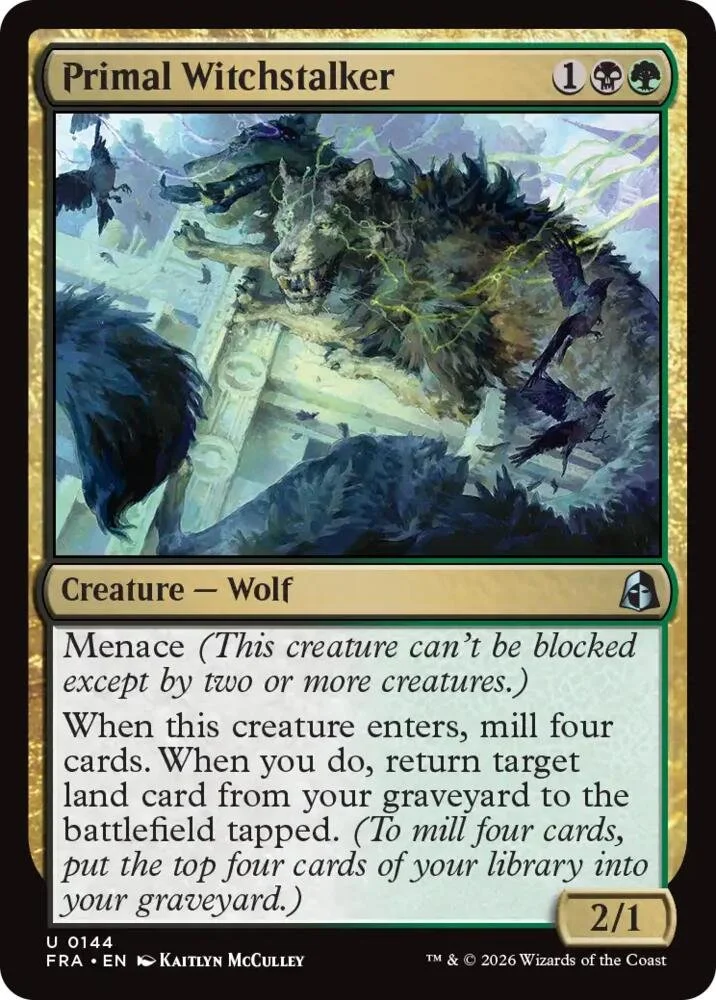
Primal Witchstalker - This mills four cards when it enters, then returns a land from your graveyard to the battlefield. That little bit of ramp makes this another natural bridge between Garruk’s Bestiary and Konstrari.
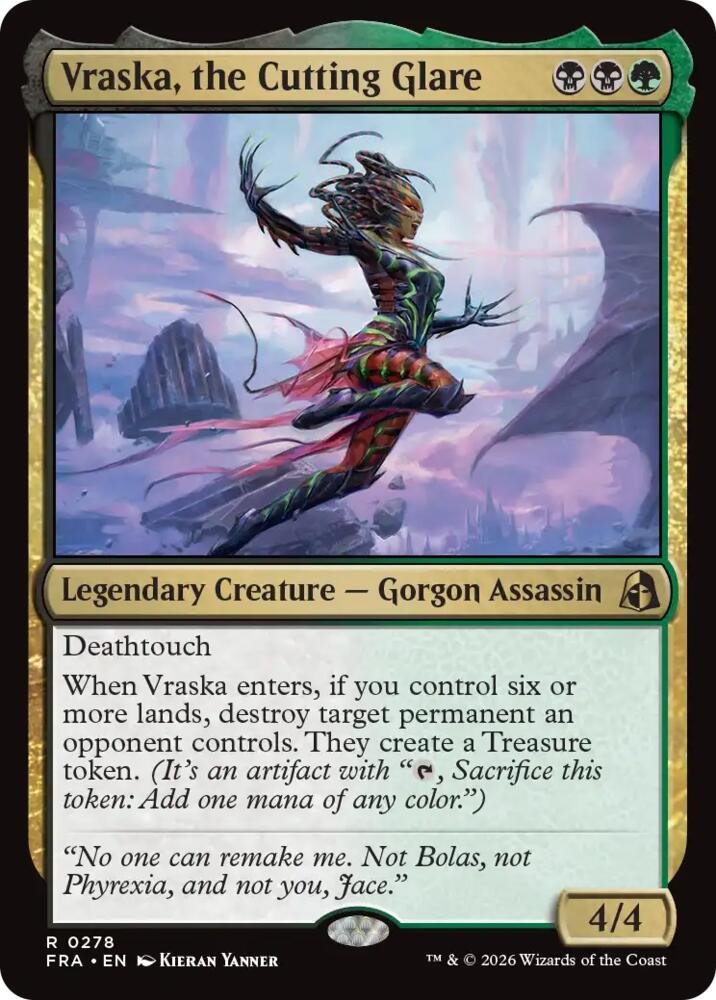
Vraska, the Cutting Glare - A 4/4 with Deathtouch is already hard to deal with. Once you have six lands, Vraska can also destroy a permanent when she enters, making her a fantastic late-game payoff for splashing black into a ramp deck.
Best Common Cards for Garruk’s Bestiary
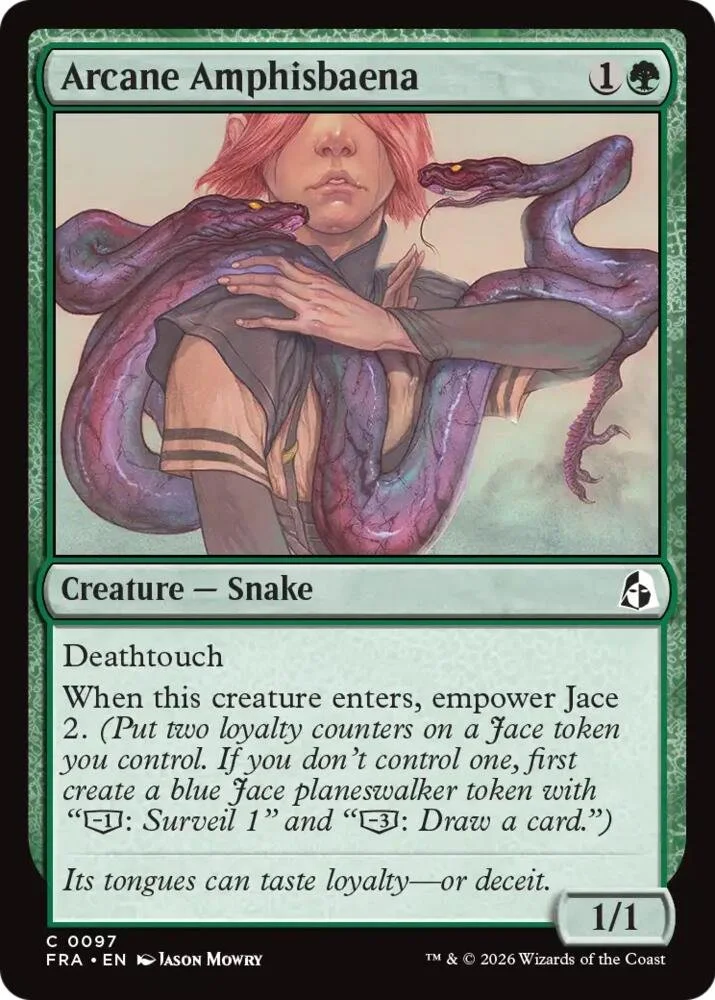
Arcane Amphisbaena - This is a cheap 1/1 with Deathtouch that also Empowers Jace 2 when it enters. It’s an excellent early blocker that your opponent probably won’t want to trade a bigger creature into.
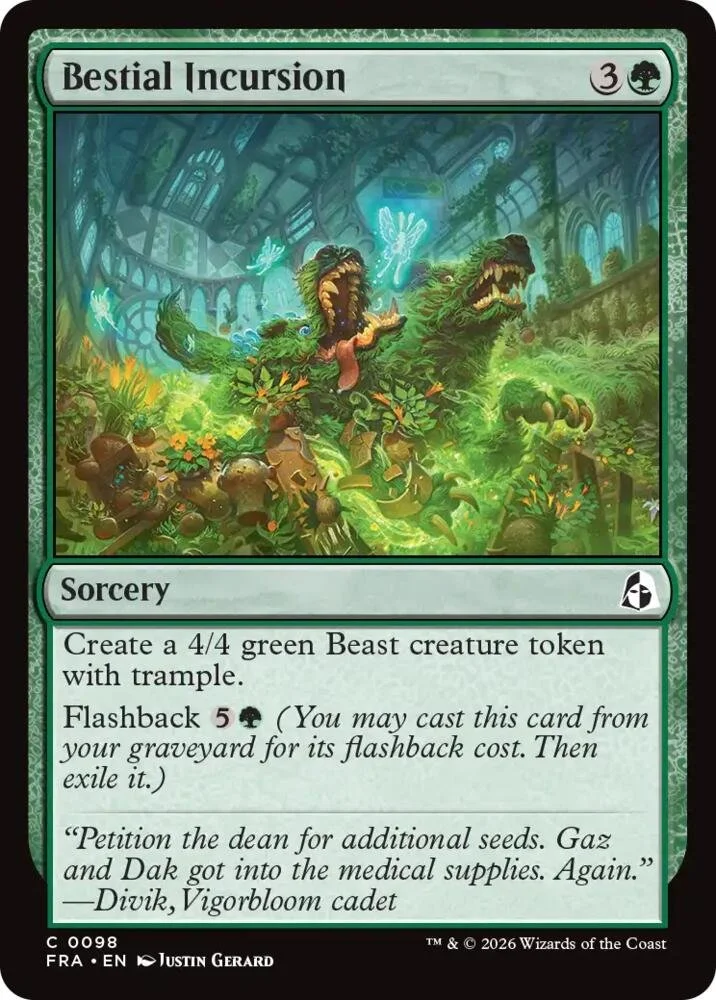
Bestial Incursion - Four mana creates a 4/4 Beast with Trample, and then you can Flashback the spell later to make another one. That gives you two large Trample creatures from a single card.
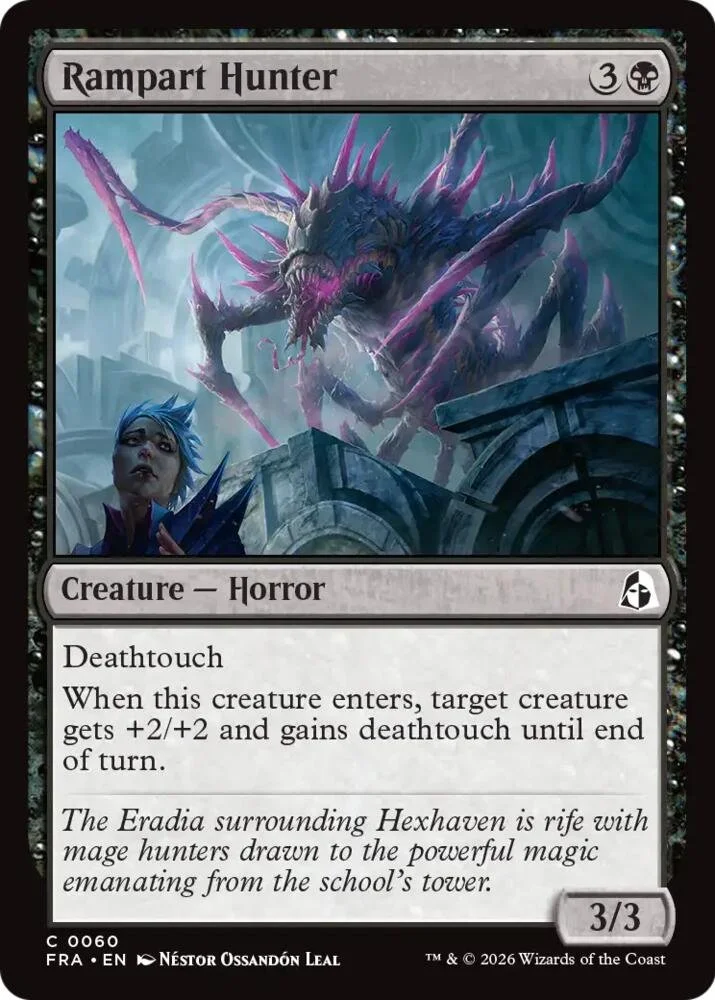
Rampart Hunter - This is a 3/3 with Deathtouch that gives another creature +2/+2 and Deathtouch when it enters. Put that ability on something with Trample and suddenly you’ve got exactly what this archetype wants.
Best Uncommon Cards for Garruk’s Bestiary
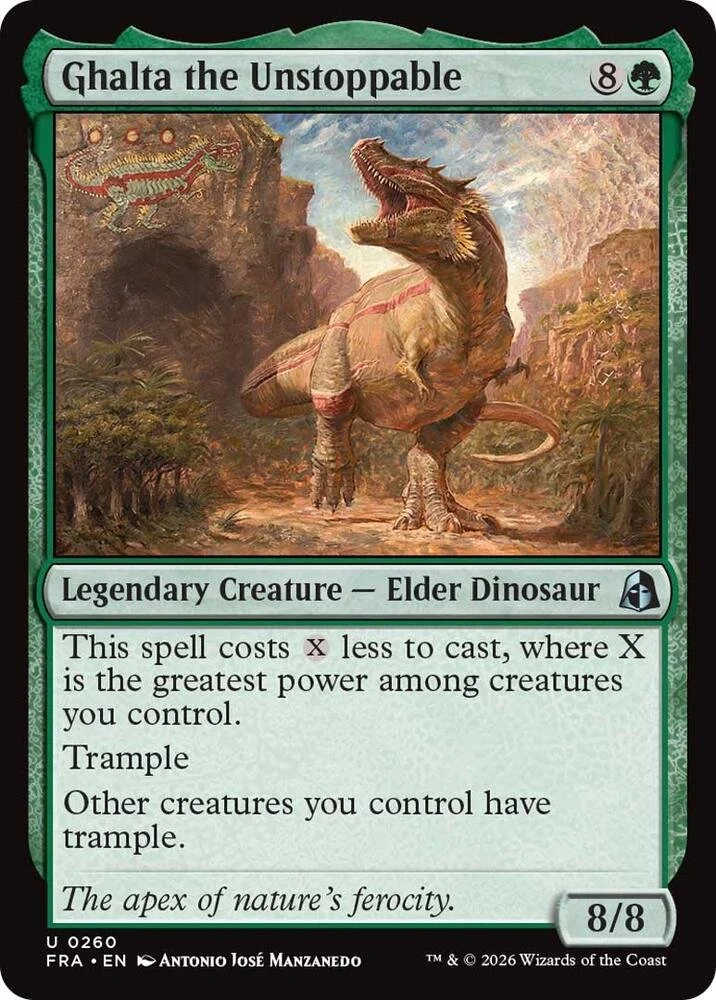
Ghalta the Unstoppable - An 8/8 with Trample that becomes cheaper based on the greatest power among creatures you control is already fantastic. Even better, Ghalta gives ALL of your other creatures Trample. If you’ve drafted plenty of Deathtouch creatures, this can completely change combat.
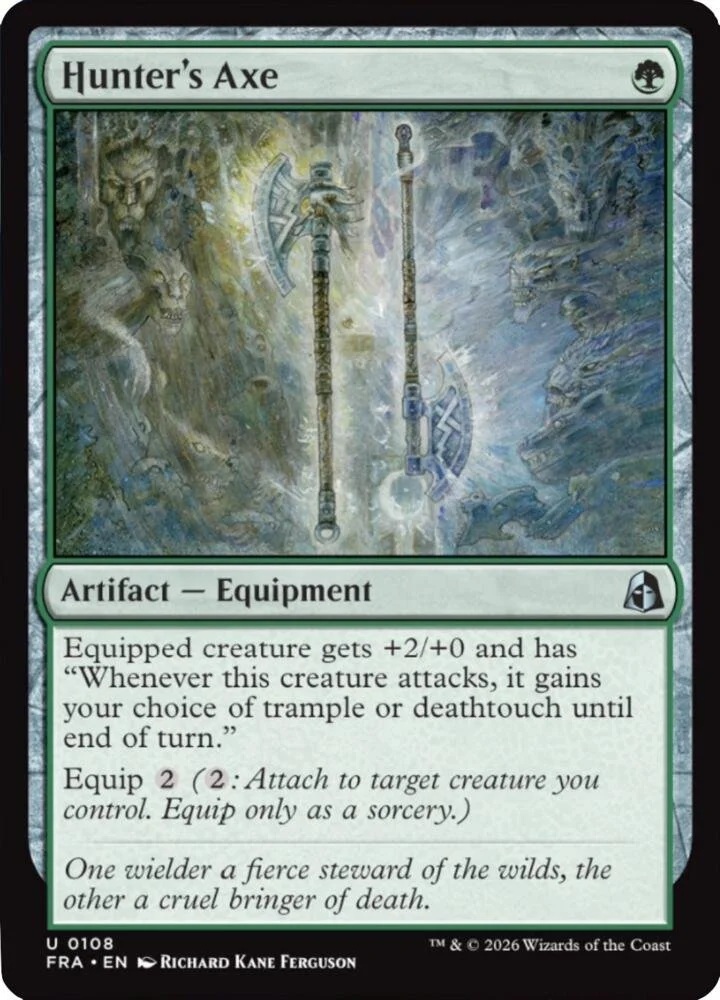
Hunter’s Axe - This Equipment gives +2/+0 and lets the equipped creature choose between Trample or Deathtouch whenever it attacks. So yes, this card basically exists for this archetype.
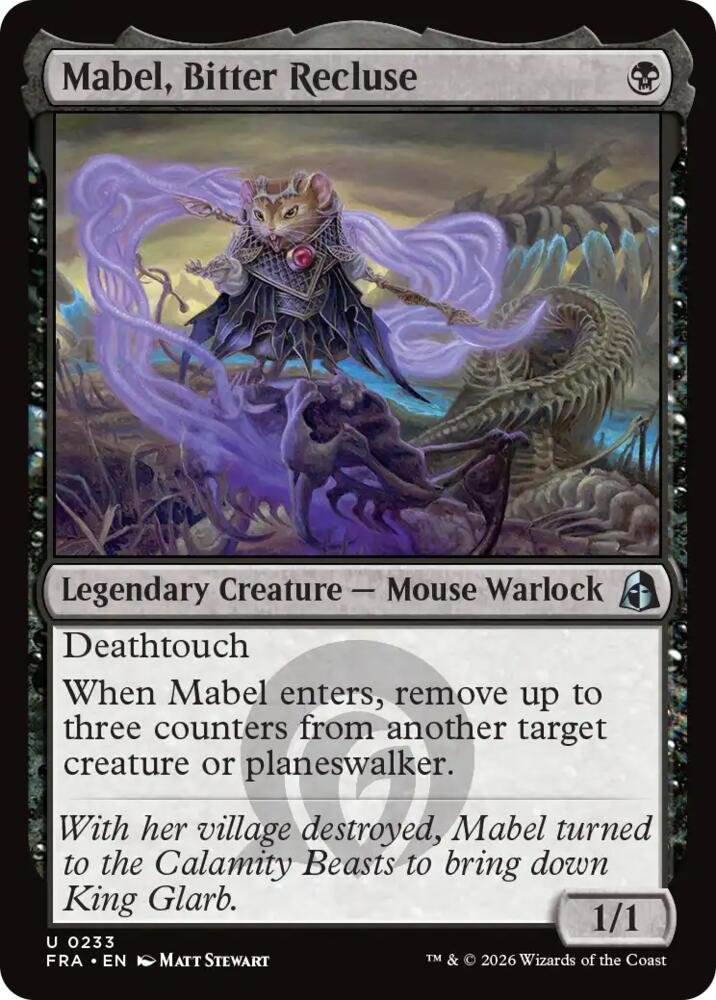
Mabel, Bitter Recluse - A one-mana Deathtouch creature is a useful early blocker, and removing counters from another creature or Planeswalker gives you some surprisingly useful interaction.
Way of the Deathbringer - This Empowers Jace 5 and gives your Planeswalkers a -2 ability that lets you sacrifice a creature to create a 4/4 Beast with Trample. Turning a creature you no longer need into a giant Trampler is great value.
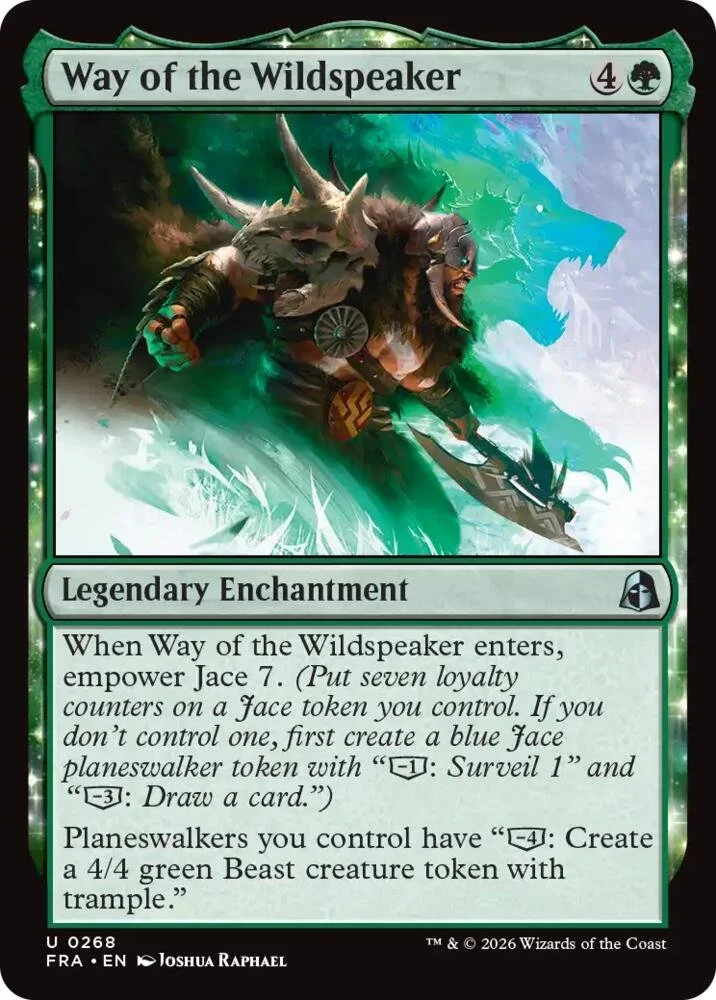
Way of the Wildspeaker - This is expensive, but it Empowers Jace 7 and allows your Planeswalkers to spend four loyalty to create 4/4 Beasts with Trample. That can get out of hand FAST if you’re able to keep your Planeswalkers alive.
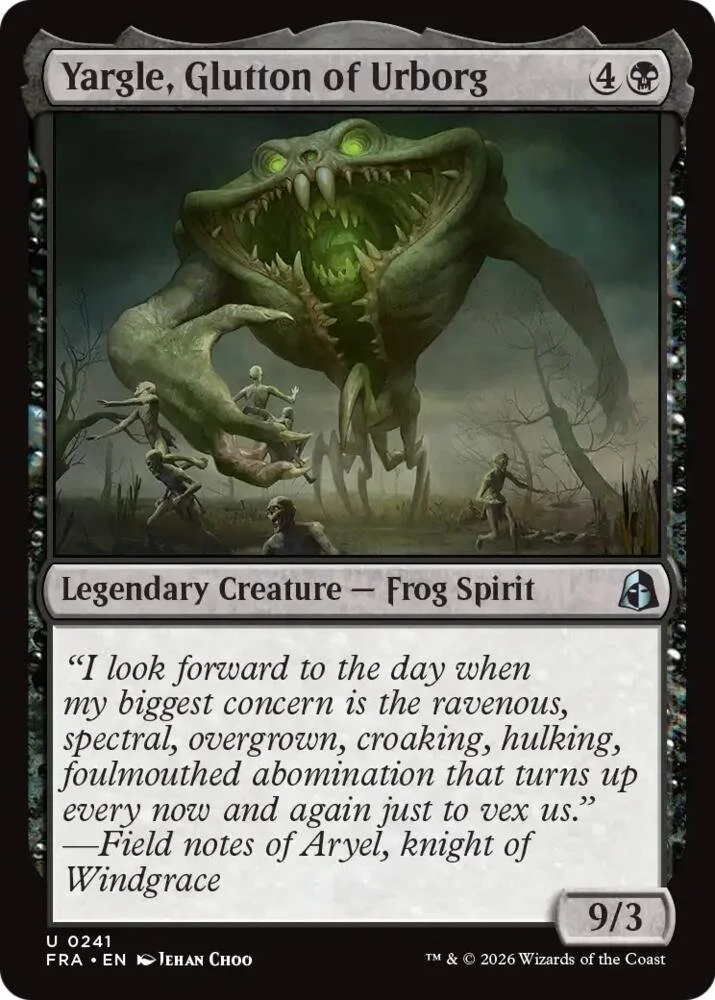
Yargle, Glutton of Urborg - It’s Yargle. It’s a five-mana 9/3. Give this thing Trample and Deathtouch and see what happens.
Best Rare and Mythic Cards for Garruk’s Bestiary
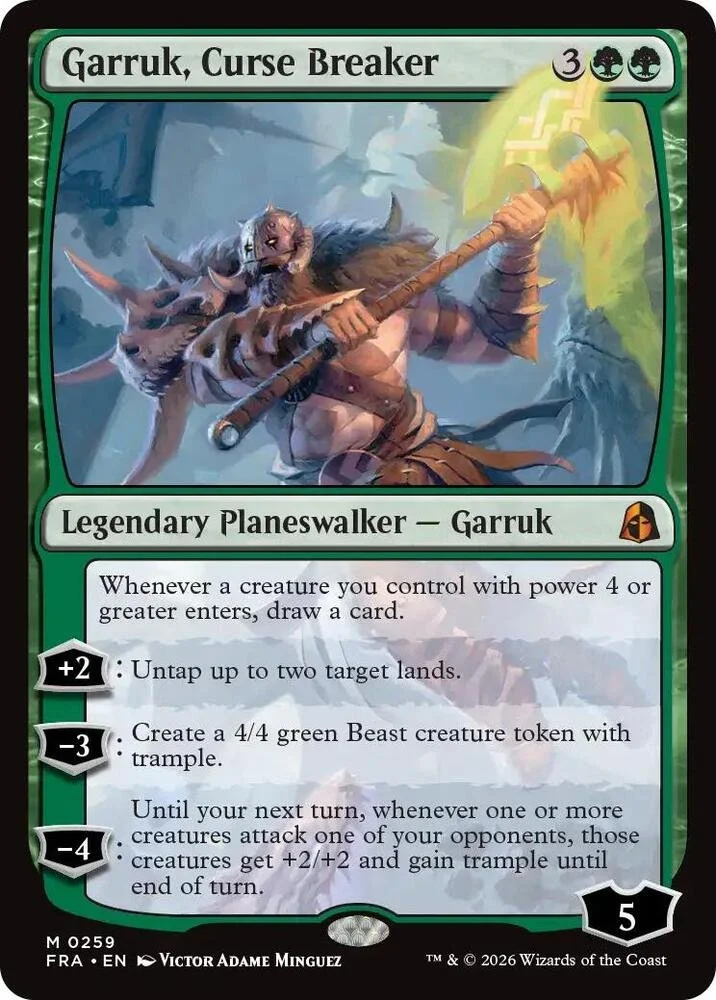
Garruk, Curse Breaker - This Garruk rewards you for playing giant creatures by drawing a card whenever a creature with power four or greater enters. He can also make 4/4 Beasts with Trample and eventually buff your attacking creatures while giving them Trample. Yeah, Garruk is pretty good in the Garruk deck.
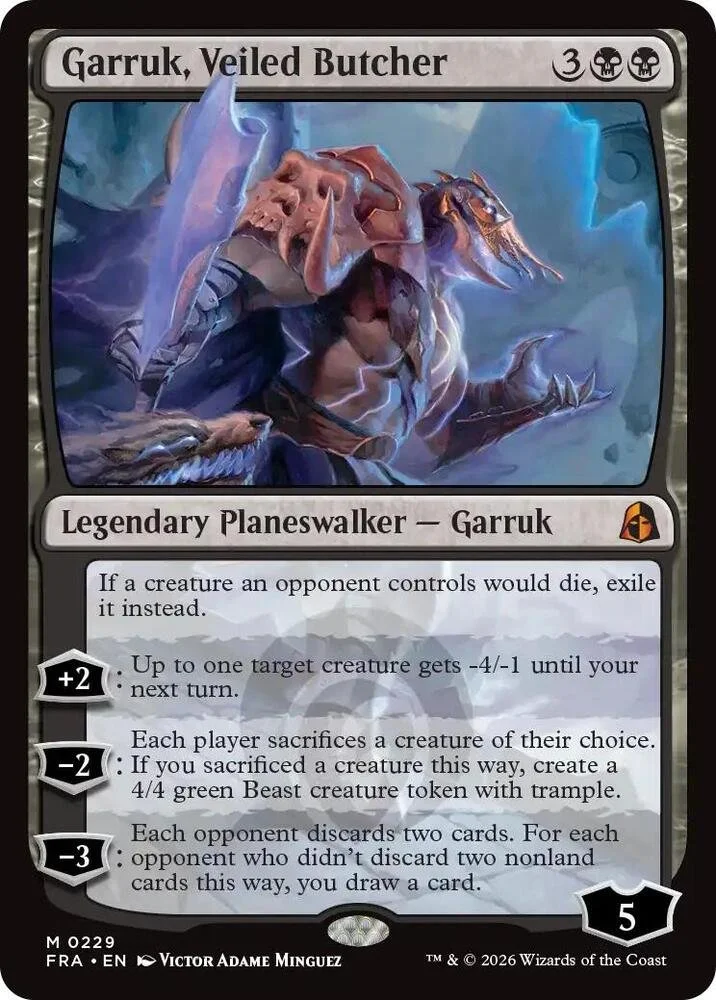
Garruk, Veiled Butcher - The Echo version of Garruk is much more removal-focused. He can weaken creatures, force sacrifices, and create 4/4 Beasts with Trample when you sacrifice something yourself. Either Garruk works here, just in very different ways.
Boros / White-Red Ajani’s Army
Ajani’s Army is about as Boros as Boros gets. Play creatures, put +1/+1 counters on those creatures, and attack.
This archetype pairs extremely well with Vigorbloom. Vigorbloom already wants creatures that can attack while remaining useful defensively, and several of its cards already care about +1/+1 counters. Adding red simply makes that strategy significantly more aggressive.
Game Plan
You want to establish your board as quickly as possible, then start placing +1/+1 counters on your creatures.
Unlike Prowess, these buffs don’t disappear at the end of the turn. Every counter makes your board permanently more threatening, allowing even your cheap early creatures to remain useful later in the game.
The basic plan looks like this:
Play creatures early
Put +1/+1 counters on them
Attack, attack, ATTACK
There’s nothing fancy going on here. You’re playing Boros. Your opponent knows what you’re going to do.
Do it anyway.
Draft Priorities
Creatures are incredibly important here. You can draft all the +1/+1 counter spells in the world, but they’re useless if you don’t have anything to put those counters on.
Your main priorities are:
Cheap creatures
Repeatable +1/+1 counter effects
Creatures that benefit from counters
Combat tricks and removal
I especially like cards that provide counters while doing something else. You don’t want to spend an entire card just making one creature slightly bigger if you can avoid it.
Win Condition
Get big fast and never stop attacking.
This deck doesn’t really want to reach the late game. Every turn you allow your opponent to stabilize is another turn where your collection of cheap attackers becomes slightly less impressive.
Start putting counters on your creatures early and force your opponent to constantly make bad blocks.
If you’ve reached the point where you’re wondering whether you should attack, the answer is probably yes.
Key Multicolor Cards
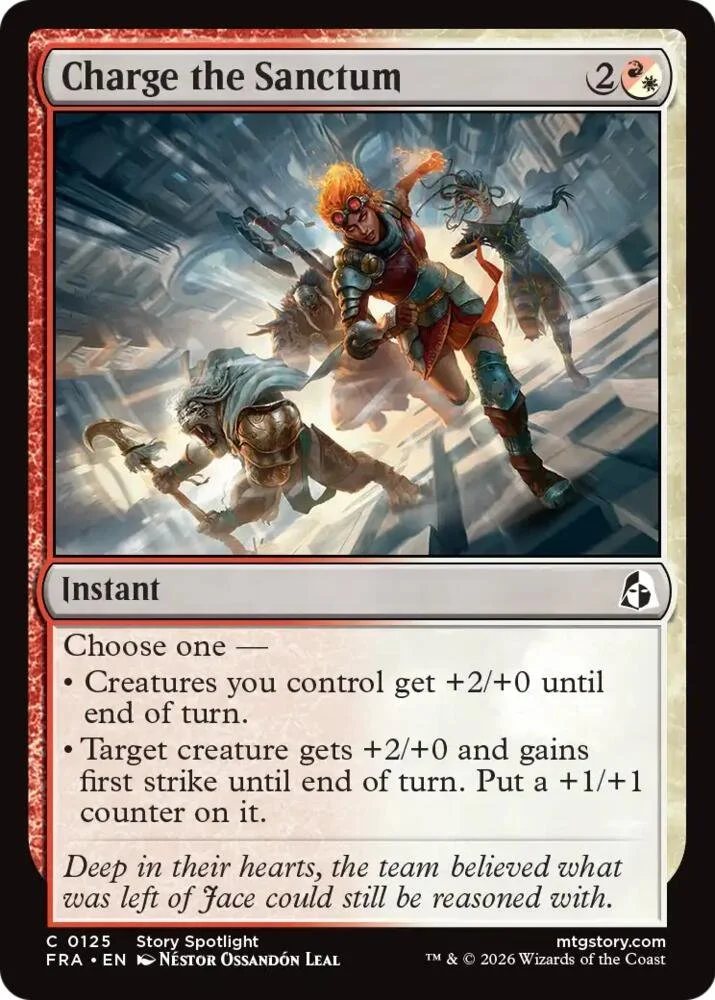

Charge the Sanctum - This gives you two different ways to close out combat. You can give your entire board +2/+0 for a massive attack or buff one creature, give it First Strike, and permanently place a +1/+1 counter on it. Both modes are VERY Boros.
Mabel, Valley Hero - Whenever Mabel or another creature enters, you put a +1/+1 counter on a creature that entered that turn. This turns every creature you cast into an opportunity to permanently improve your board.
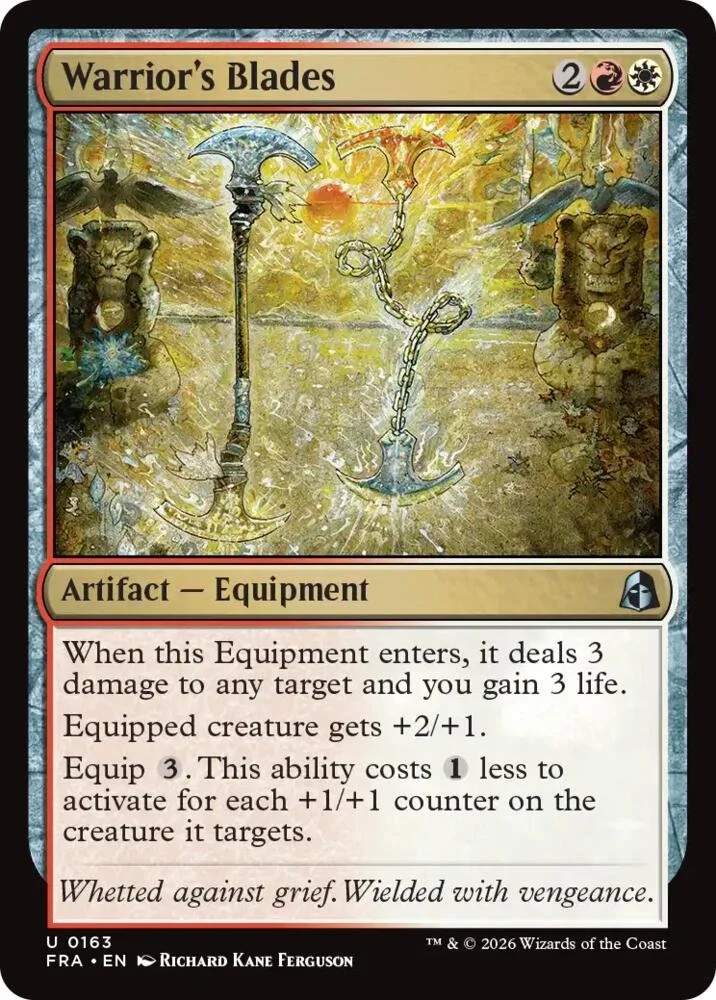
Warrior’s Blades - This Equipment deals 3 damage when it enters and gains you 3 life, then gives the equipped creature +2/+1. More importantly, it becomes easier to equip to creatures that already have +1/+1 counters. That fits this strategy perfectly.
Best Common Cards for Ajani’s Army
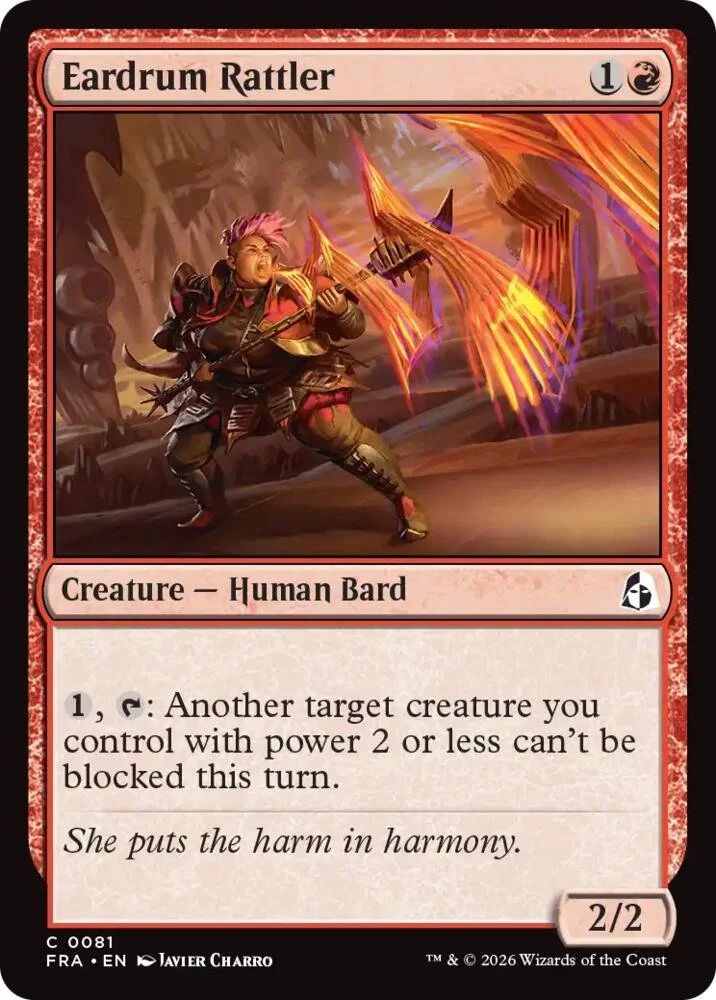
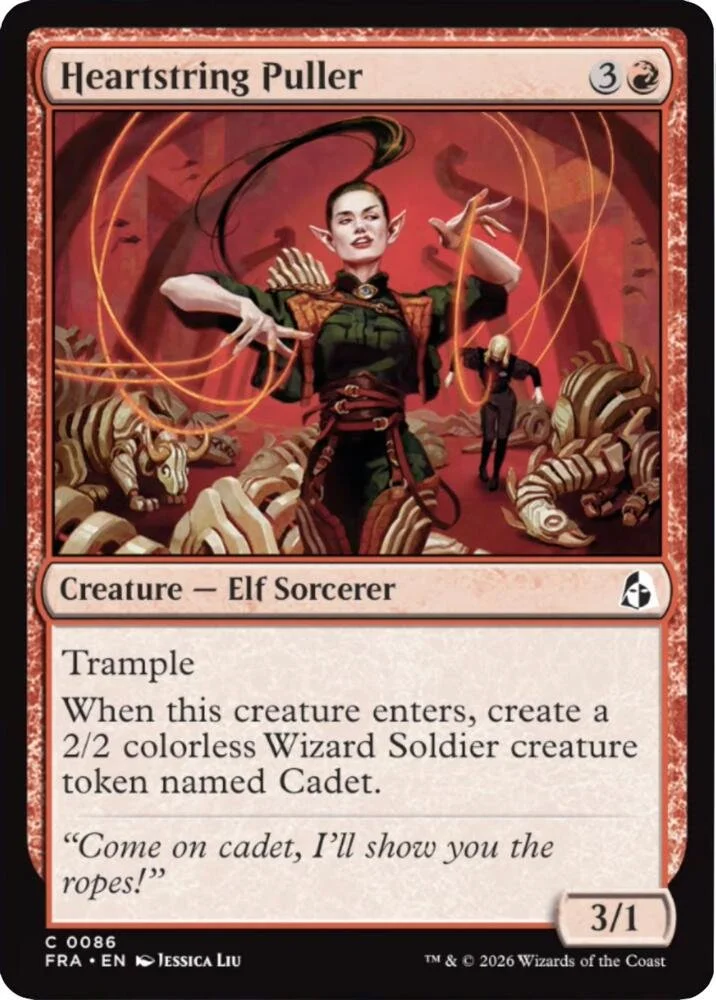
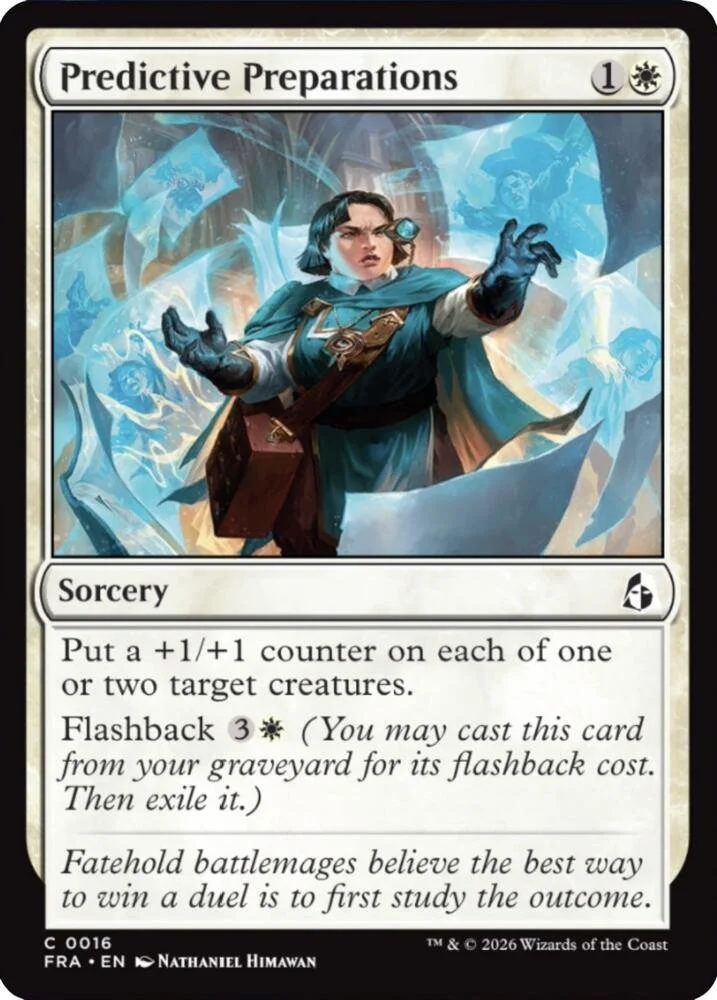
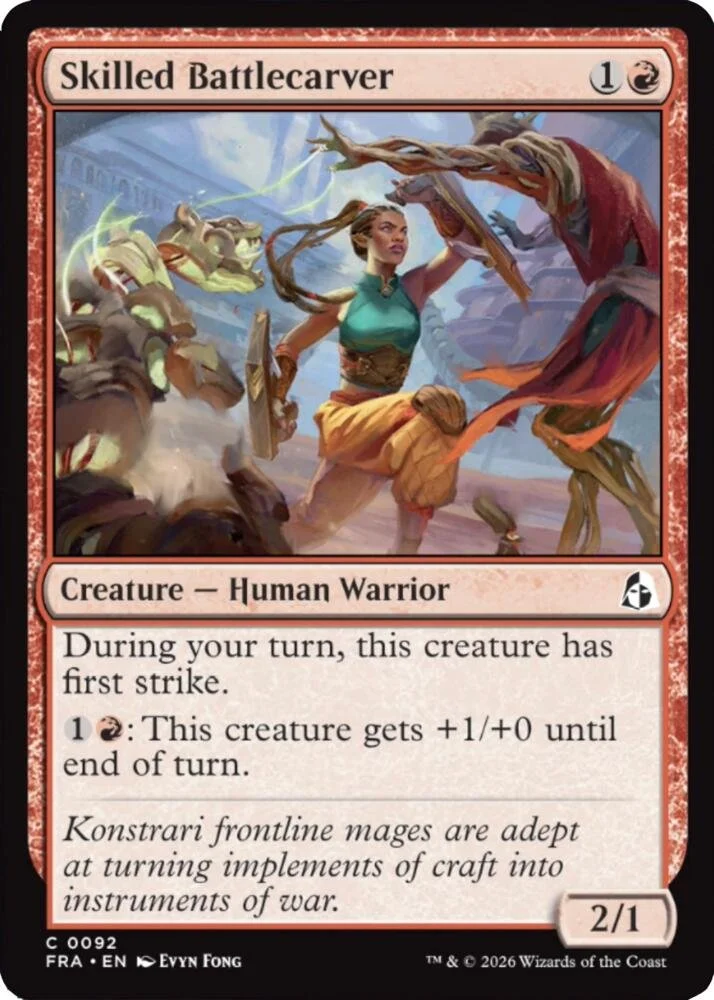
Eardrum Rattler - This gives you another cheap red attacker for your aggressive curve.
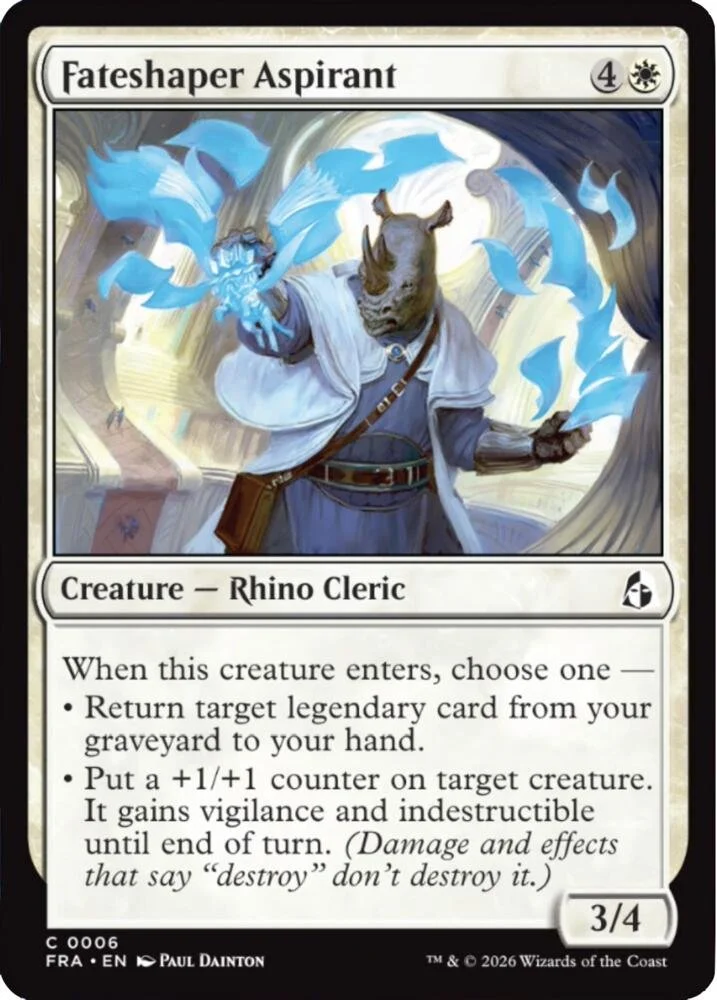
Fateshaper Aspirant - We already talked about this card in Liliana’s Attrition, but the alternate ability is much more interesting here. Putting a +1/+1 counter on a creature while temporarily giving it Vigilance and Indestructible makes this great for setting up an attack.
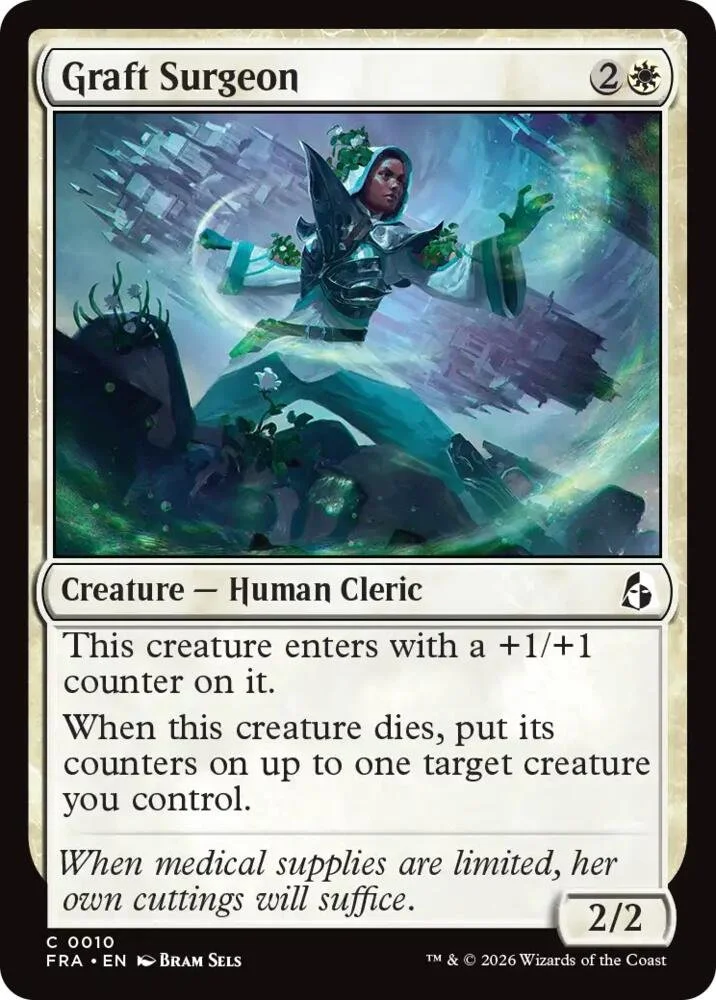
Graft Surgeon - Another useful way to support the +1/+1 counter strategy while developing your board.
Heartstring Puller - This gives Boros some additional interaction while still keeping your creature count high.
Predictive Preparations - This puts +1/+1 counters on one or two creatures, then lets you Flashback it later and do it AGAIN. This is exactly the kind of counter spell this archetype wants because you get multiple uses from one card.
Skilled Battlecarver - Another aggressive creature that fits naturally into your curve and gives you something worthwhile to load counters onto.
Best Uncommon Cards for Ajani’s Army
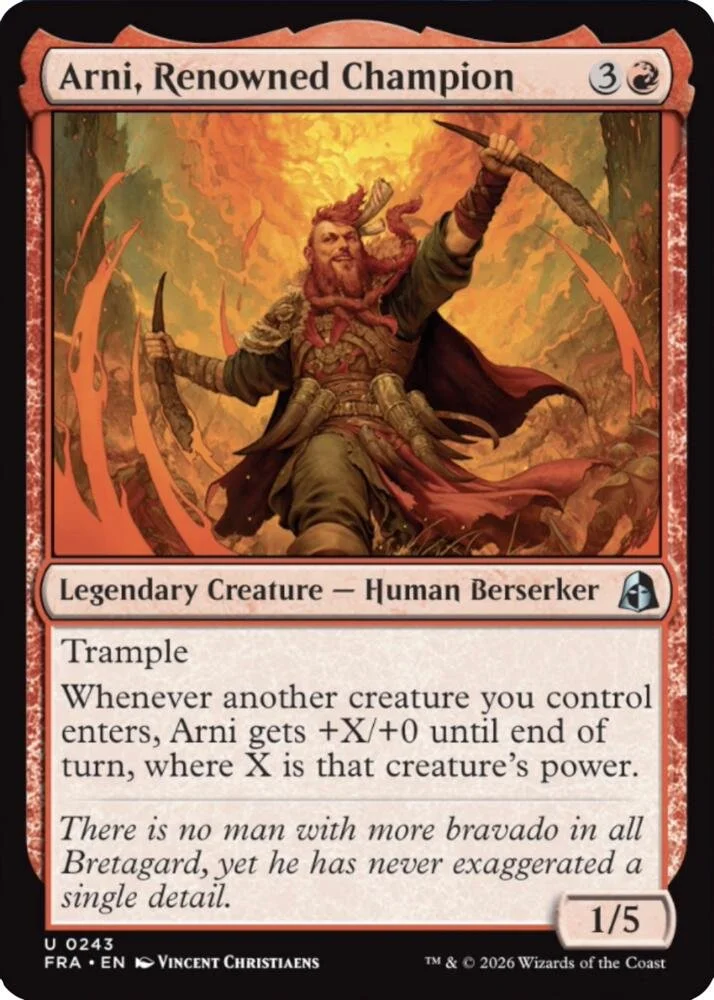

Arni, Renowned Champion - Arni has Trample and temporarily gets a power boost whenever another creature enters based on that creature’s power. In a deck constantly developing its board, Arni can become a huge attacker surprisingly quickly.
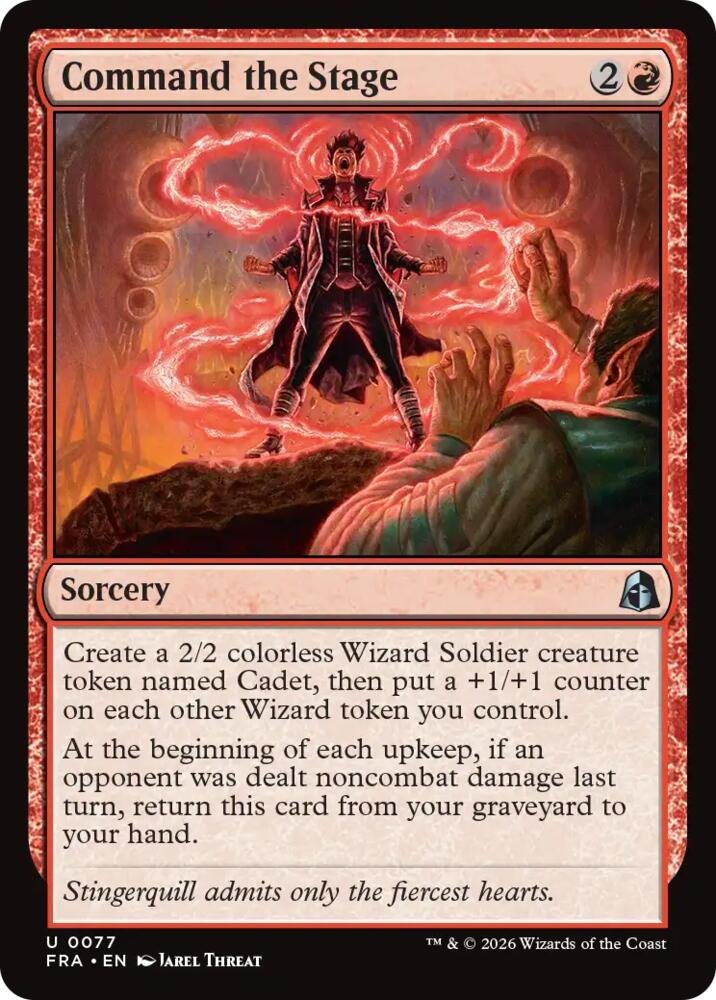
Command the Stage - This gives the archetype another way to create an explosive combat step.
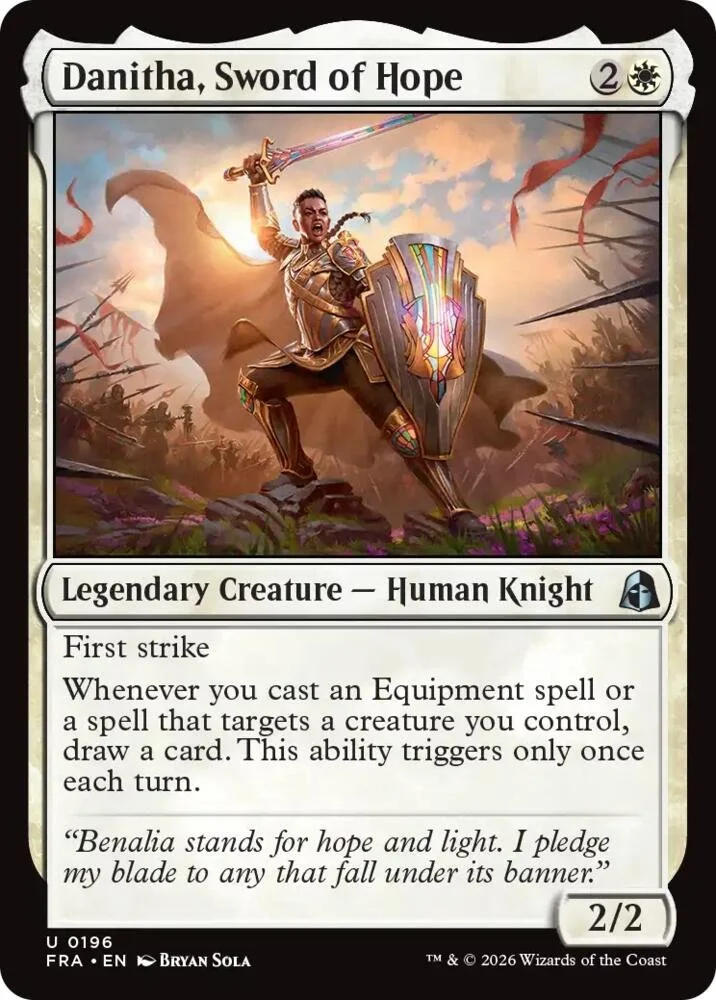
Danitha, Sword of Hope - Danitha gives you another strong creature to build around and works especially well when you’re stacking permanent buffs.
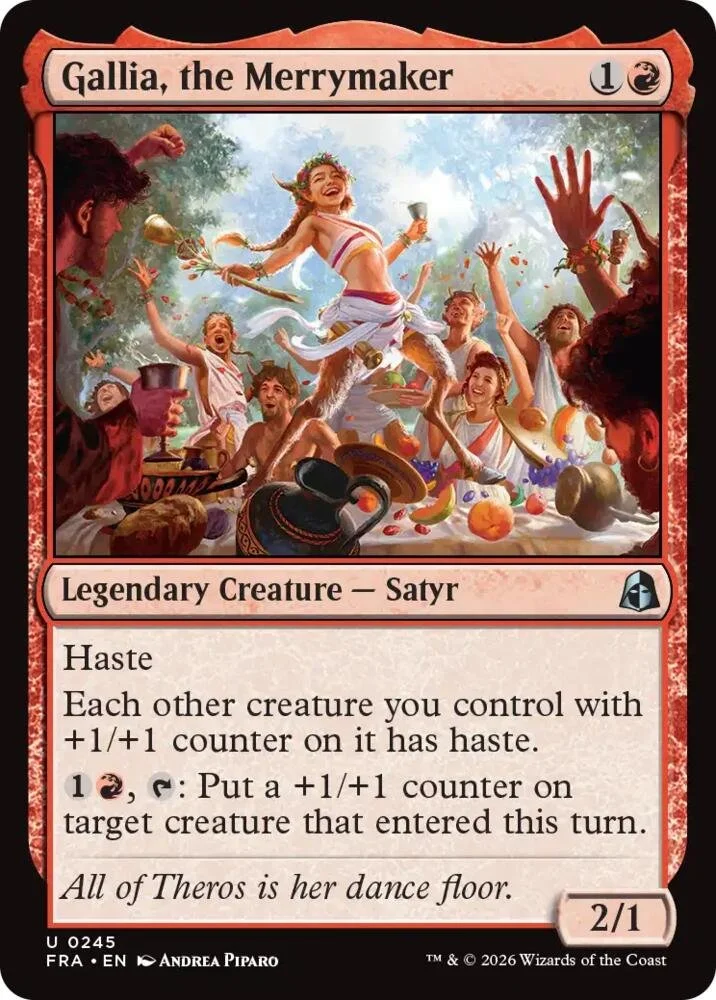
Gallia, the Merrymaker - Gallia has Haste, gives your other creatures with +1/+1 counters Haste, and can put counters on creatures that entered that turn. This is one of the BEST cards you can have for Ajani’s Army.
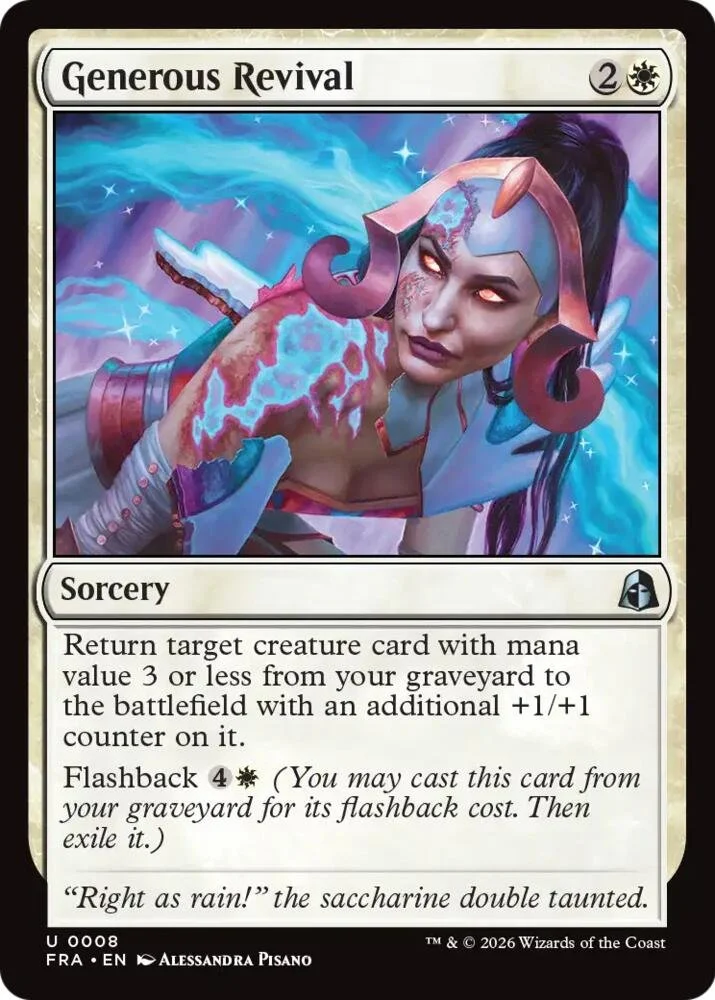
Generous Revival - Returning a cheap creature directly to the battlefield with an additional +1/+1 counter is already good. Being able to Flashback the spell makes it even better during a long game.
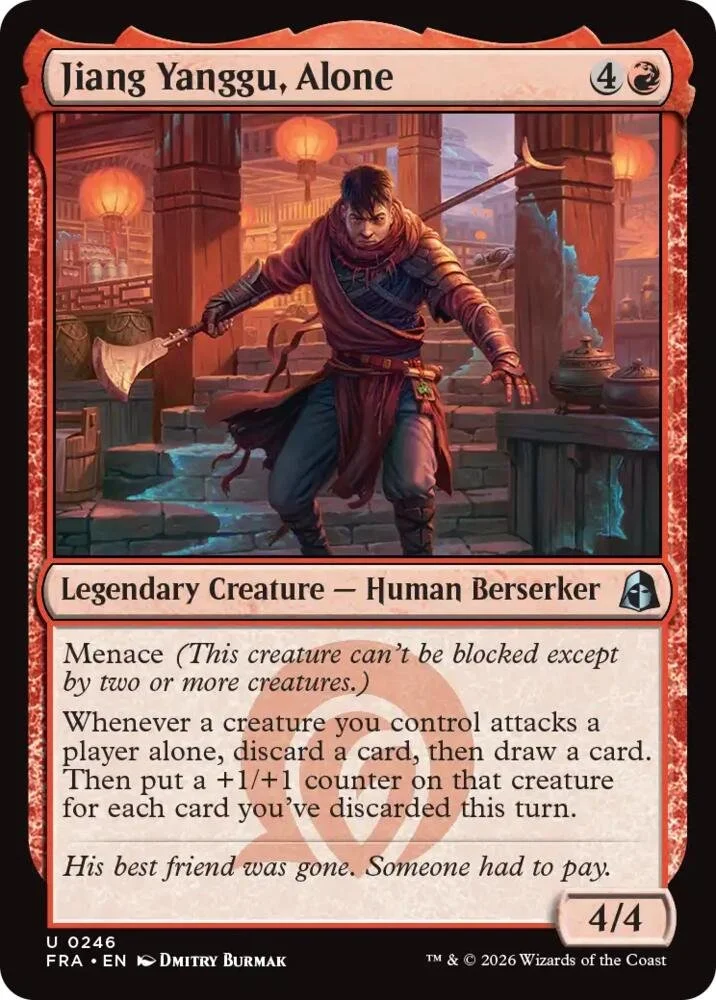
Jiang Yanggu, Alone - This gives the deck another useful legendary payoff that works nicely with your aggressive creature plan.
Yoshimaru, Beloved Companion - Yoshimaru makes every instance of +1/+1 counters even better by adding an additional counter. THAT is exactly the kind of payoff this archetype needs.
Best Rare and Mythic Cards for Ajani’s Army
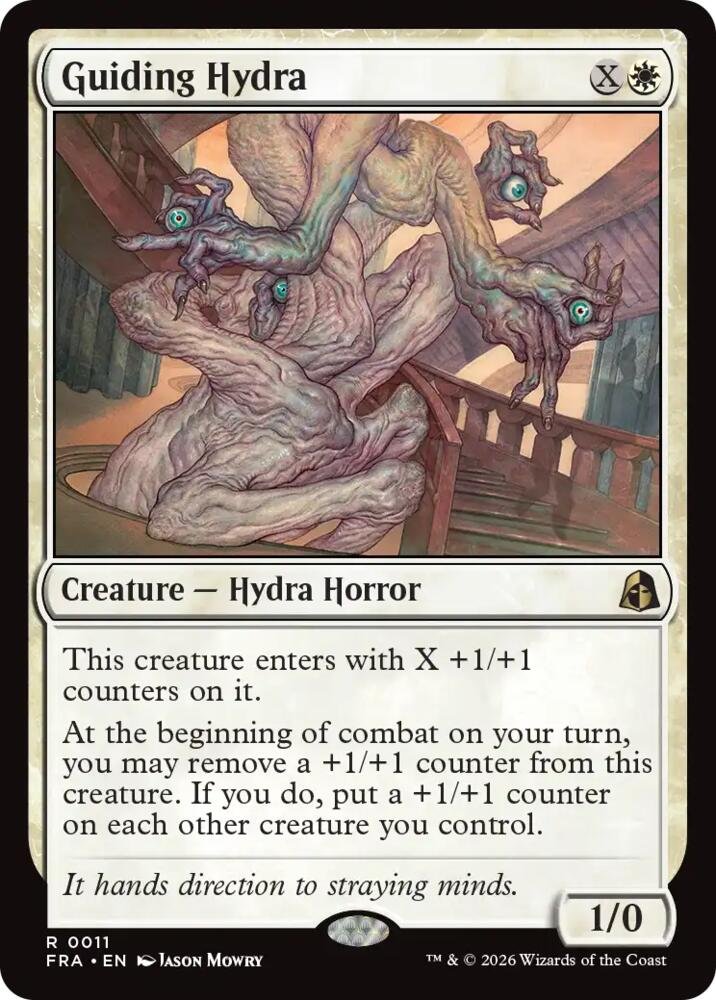

Guiding Hydra - This is exactly the kind of giant counter-based threat that can give this archetype a late-game backup plan.
Samut, Hazoret’s Champion - Samut gives the deck another aggressive threat that can help maintain pressure after your opponent begins stabilizing.
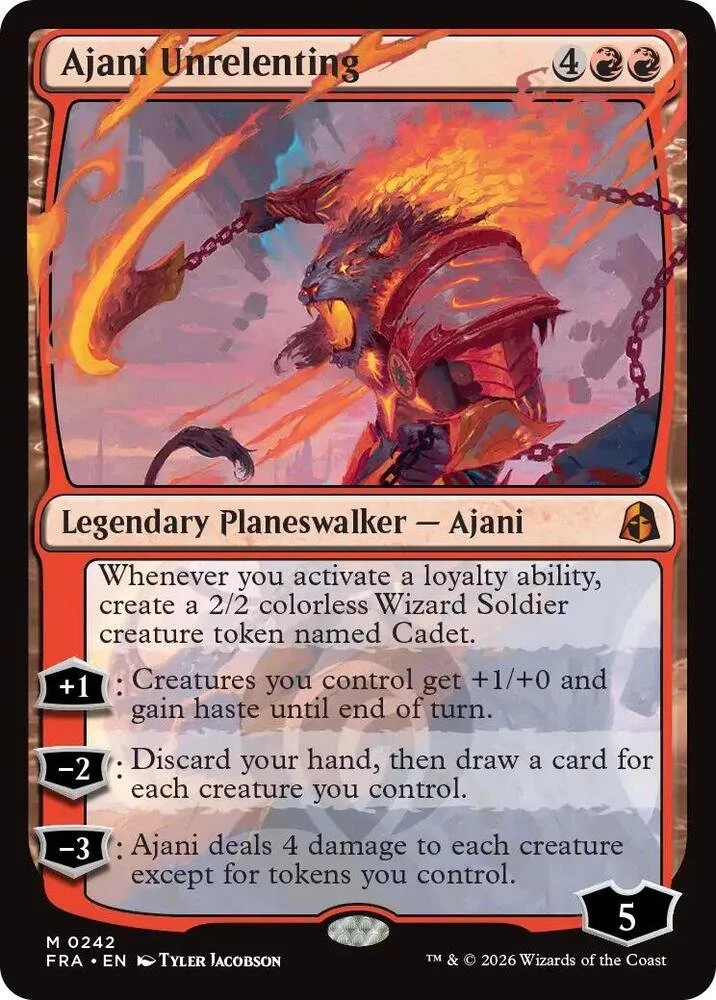
Ajani Unrelenting - It would be pretty embarrassing if Ajani wasn’t good in Ajani’s Army. This is one of your biggest bombs and gives the archetype the kind of Planeswalker it needs to continue applying pressure without running out of resources.
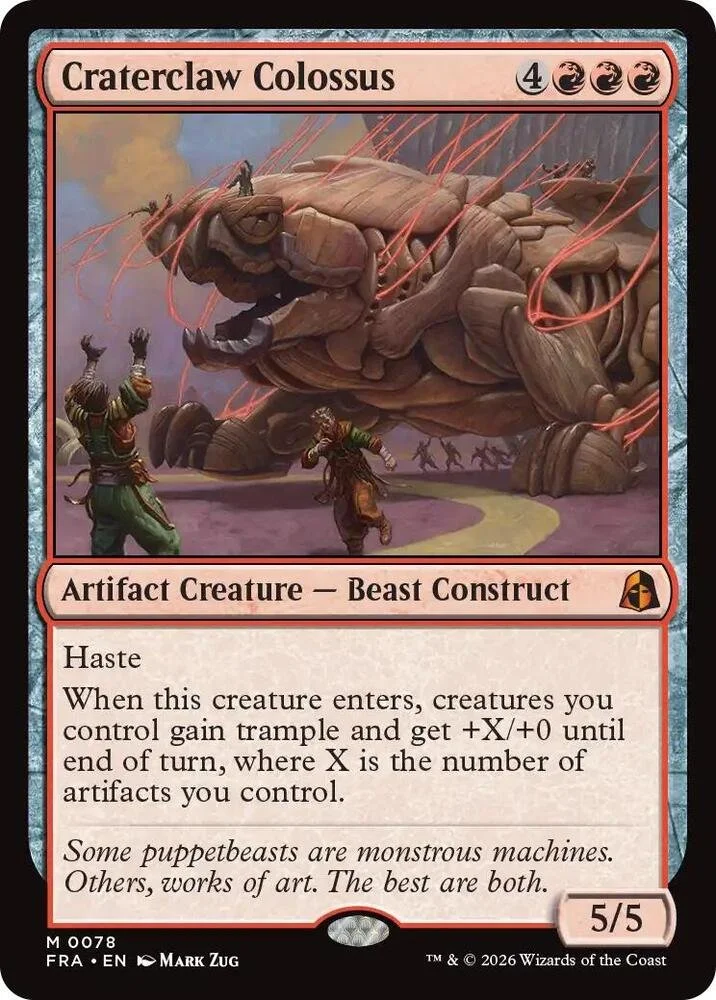
Craterclaw Colossus - This is expensive at seven mana, but it has Haste and buffs your entire board based on the number of artifacts you control while also giving everything Trample. If you’ve built up a large board and can cast this, the game could immediately be over.
Simic / Blue-Green Jace’s Mastery
The final archetype is Jace’s Mastery, and this archetype LOVES Jace.
Actually, it loves Planeswalkers in general.
Simic is basically the dedicated Empower Jace archetype. You’re creating Jace tokens, loading them with loyalty counters, protecting them, and then using all of that loyalty to generate ridiculous amounts of value.
This is also probably the Lorwyn Five archetype that’s easiest to turn into three or even four colors because all of the Way of the enchantments care about Planeswalkers. If your fixing is good enough, things could get weird.
Game Plan
Your goal is to create a Jace token and actually KEEP HIM ALIVE (even if the story says he’s dead).
That last part is important.
Plenty of decks can Empower Jace, use his -3 to draw a card, then let him die. Jace’s Mastery wants you to continue adding loyalty and get repeated value from that same Planeswalker.
The basic plan looks like this:
Empower Jace
Protect your Planeswalkers
Spend loyalty for increasingly powerful abilities
Generate more value than your opponent can keep up with
You need creatures. I know this is the Planeswalker deck, but please don’t draft twelve cards that Empower Jace and then act surprised when your opponent simply attacks him every turn.
Draft Priorities
Empower Jace is obviously important, but I actually think protecting your Planeswalkers is just as important.
There are Empower Jace cards EVERYWHERE in Reality Fracture. You shouldn’t have much trouble finding them. The harder part is building a board that prevents your opponent from immediately killing the Planeswalker you spent all those resources creating.
Your main priorities are:
Empower Jace
Creatures that can defend your Planeswalkers
Cards that reward you for activating loyalty abilities
The “Way of” legendary enchantments
Removal
This might be the archetype where splashing is the most justified. If you open an especially powerful Way enchantment outside of Simic, I would absolutely consider adding that third color.
Win Condition
Drown your opponent in Planeswalker value.
Jace tokens aren’t inherently scary. A Jace with three loyalty draws you one card and then dies.
A Jace with eight loyalty, multiple additional abilities from your enchantments, and a board full of creatures protecting him?
THAT is a problem.
Your goal is to reach a point where activating a Planeswalker doesn’t just do one thing anymore. You’re drawing cards, creating creatures, gaining life, playing additional lands, or doing whatever other nonsense your collection of enchantments has unlocked.
Once you reach that point, your opponent is going to have a really difficult time catching up.
Key Multicolor Cards
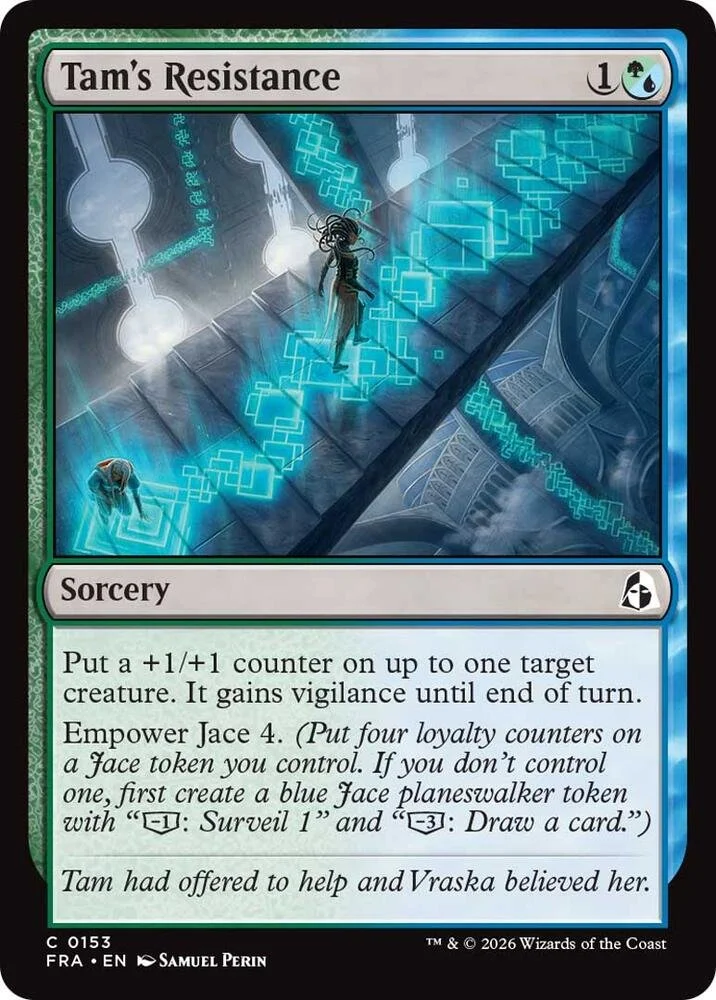
Tam’s Resistance - This puts a +1/+1 counter on a creature, temporarily gives it Vigilance, and Empowers Jace 4. This is a great example of what this deck needs because you’re building a better blocker while simultaneously creating or improving your Planeswalker.
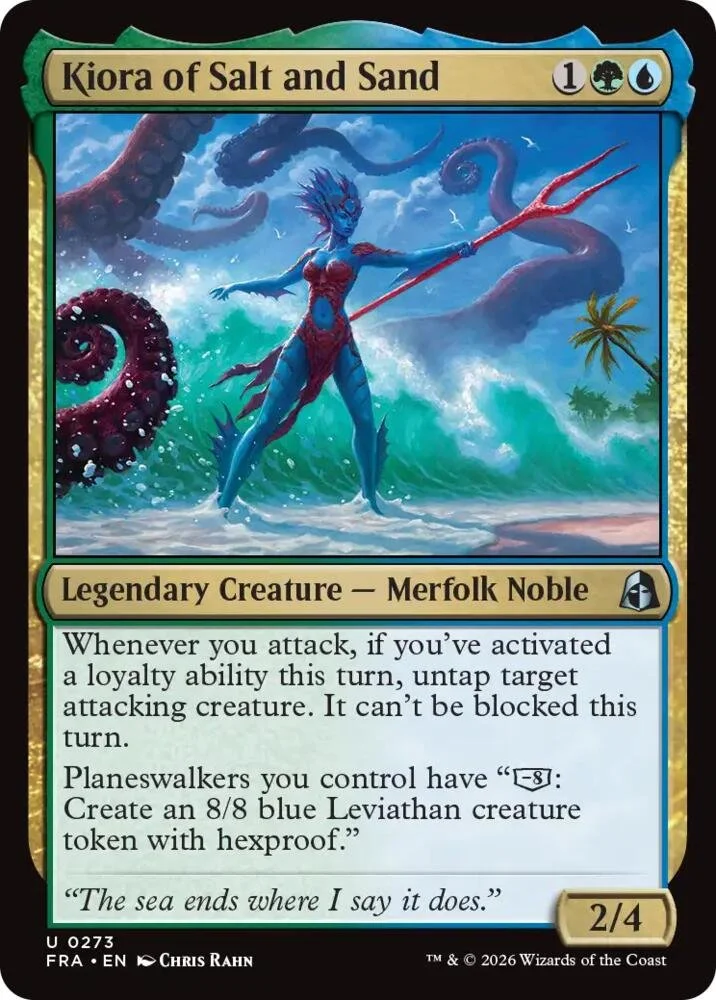
Kiora of Salt and Sand - Kiora gives you another payoff for repeatedly activating loyalty abilities and helps turn those activations into offensive pressure.
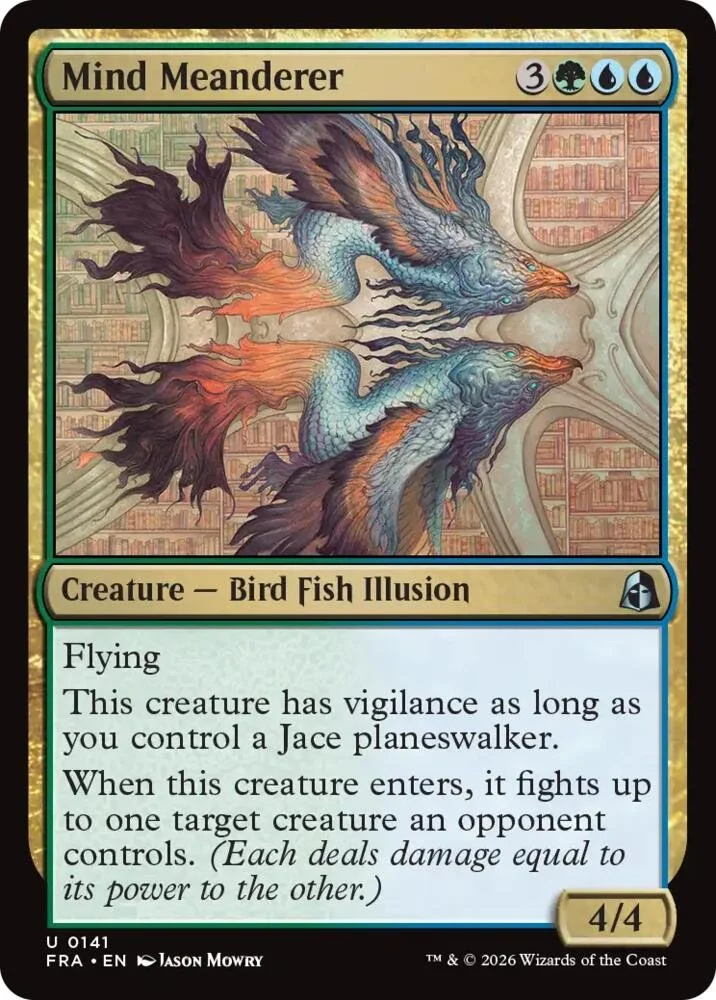
Mind Meanderer - This gives you an evasive threat while helping protect the Planeswalker half of your game plan. It becomes especially useful once you already control a Jace.
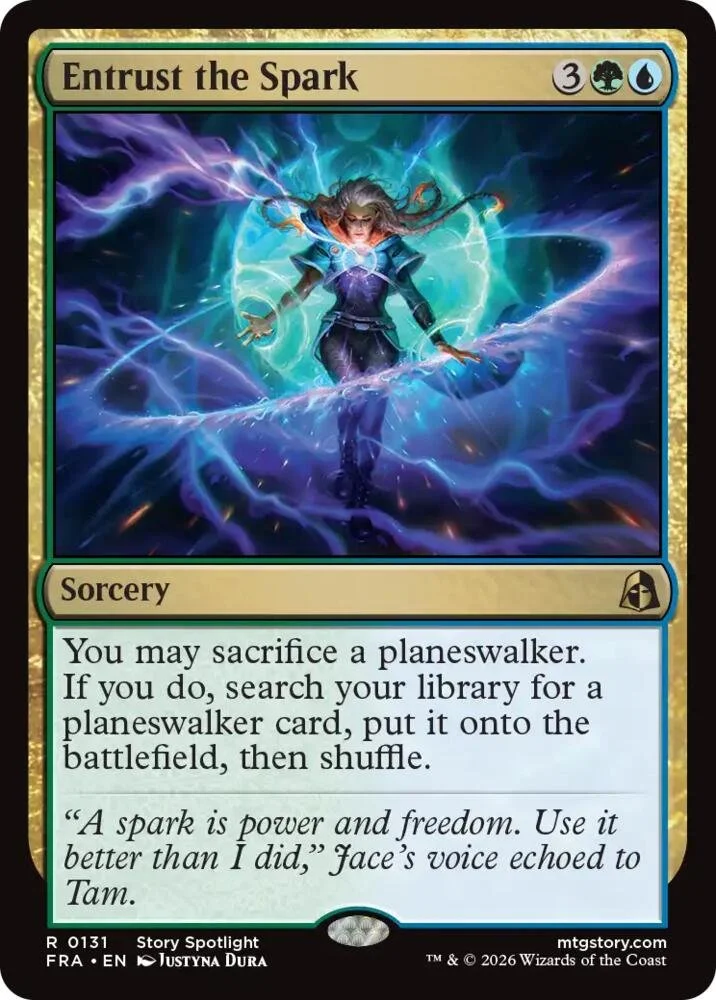
Entrust the Spark - Another dedicated Planeswalker-support card that helps push the Empower Jace strategy further.
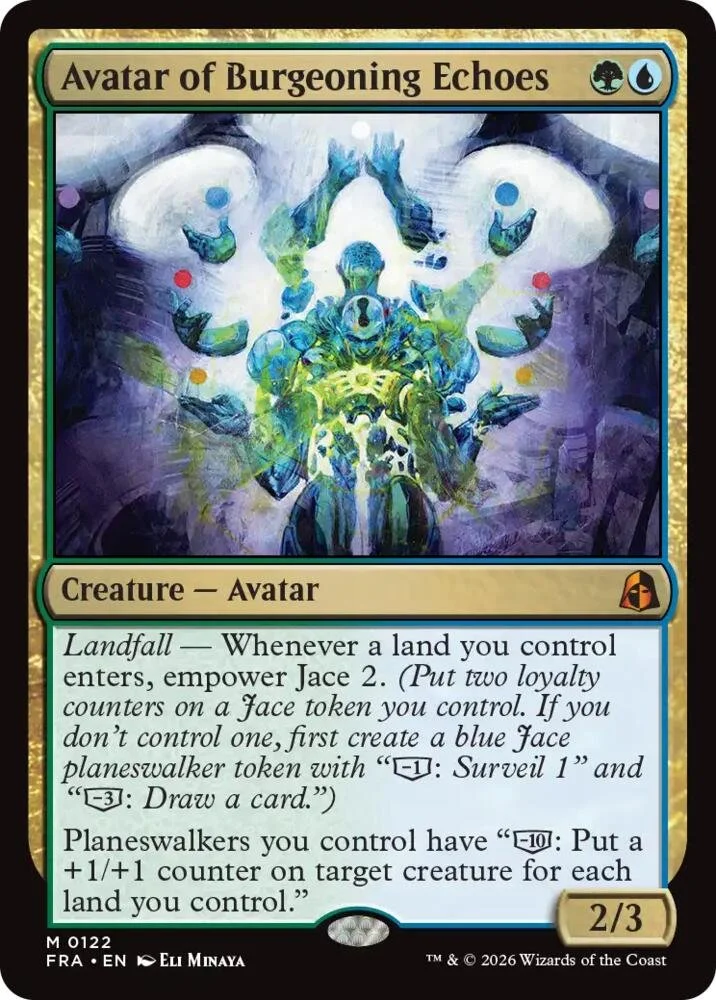
Avatar of Burgeoning Echoes - Every Landfall trigger Empowers Jace 2. On top of that, your Planeswalkers gain a -10 ability that puts a +1/+1 counter on a creature for EACH land you control. That’s absurd if you’ve been stacking loyalty all game.
Best Common Cards for Jace’s Mastery
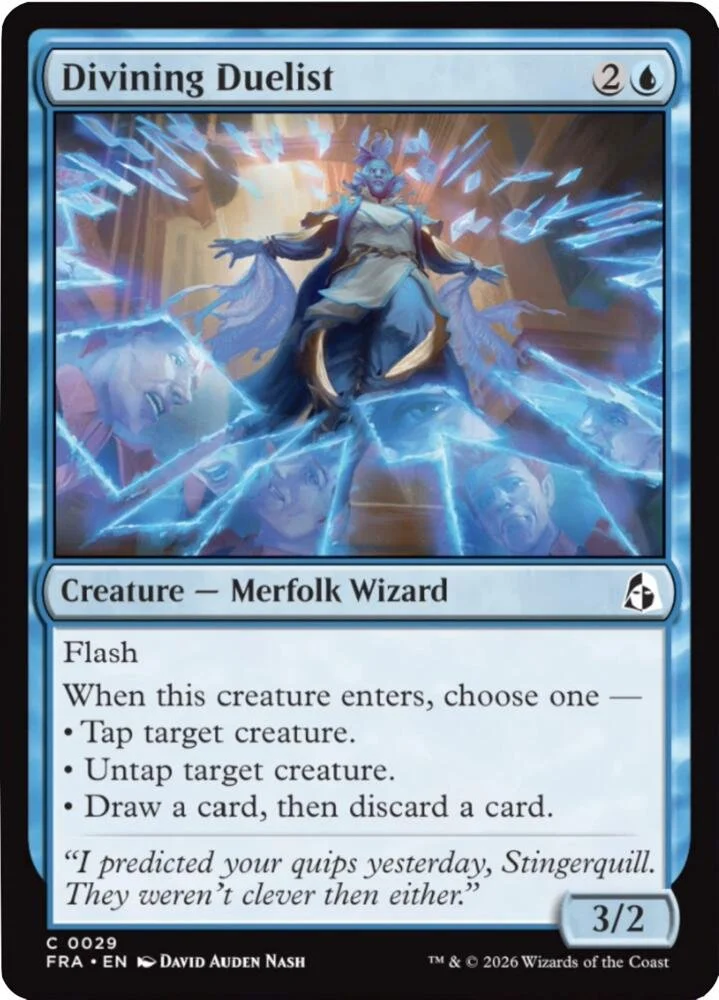
Divining Duelist - This gives you another early creature that can help defend your Jace token while your engine gets started.
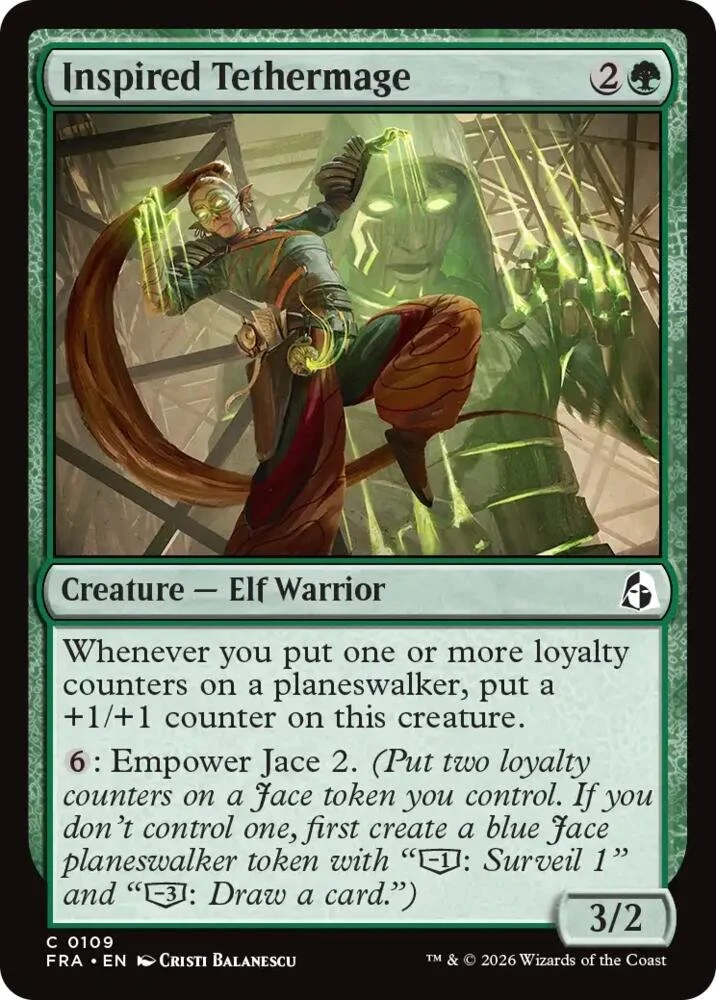
Inspired Tethermage - Another useful body for keeping your Planeswalkers protected while you build loyalty.
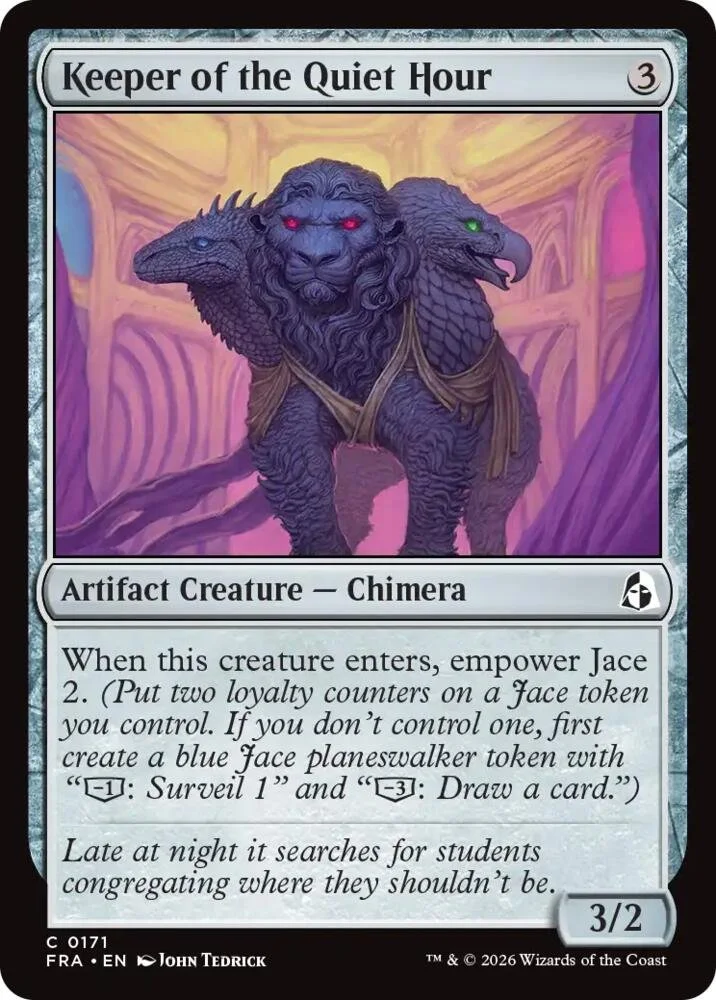
Keeper of the Quiet Hour - This gives the deck additional defensive support, which is something you desperately need if your entire strategy revolves around keeping Planeswalkers alive.
Best Uncommon Cards for Jace’s Mastery
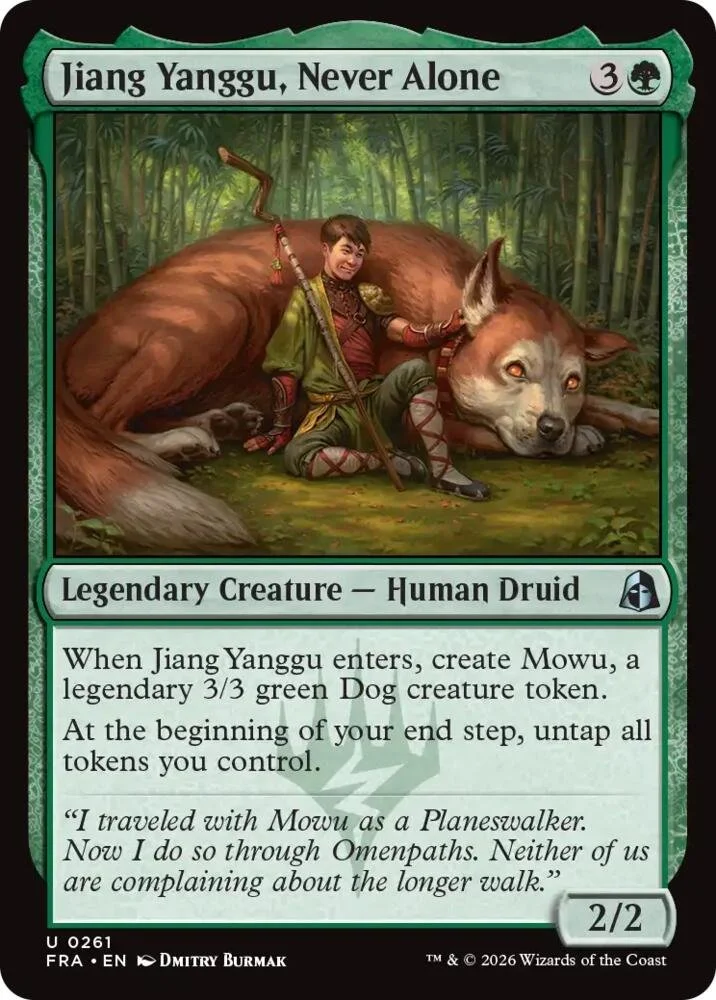
Jiang Yanggu, Never Alone - This fits naturally into your Planeswalker-heavy strategy and gives green another way to keep the engine moving.
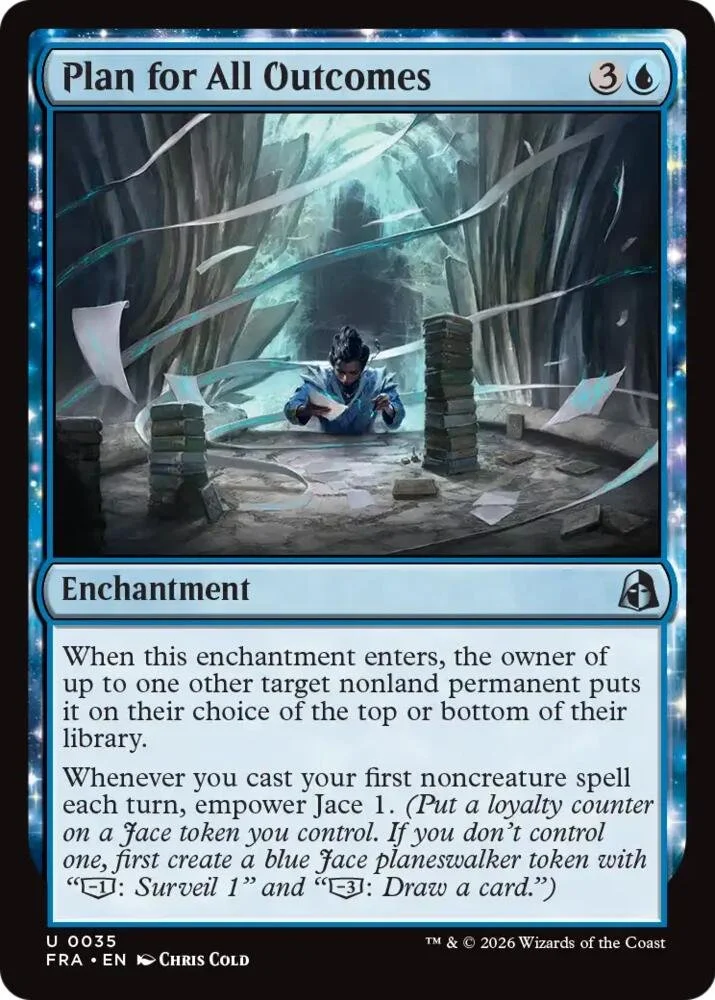
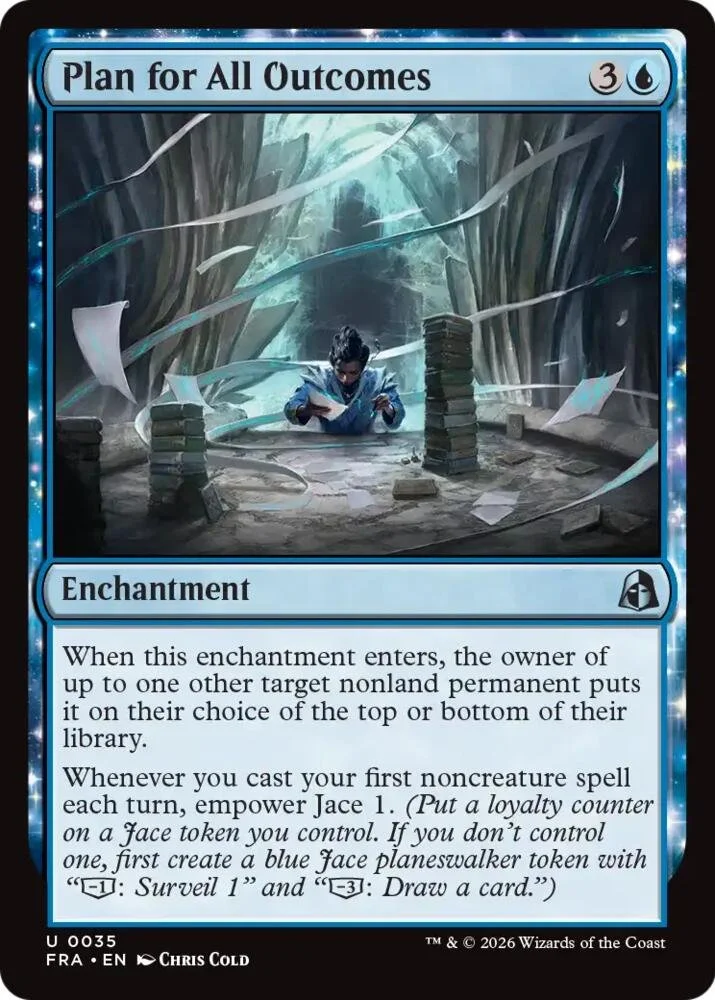
Plan for All Outcomes - When this enters, you can put a nonland permanent on the top or bottom of its owner’s library. After that, your first noncreature spell each turn Empowers Jace 1. Removal AND repeatable loyalty generation is exactly what this deck wants.
Way of the Cryomancer - This Empowers Jace 5 and lets your Planeswalkers spend loyalty to copy an instant or sorcery. If you’re already playing plenty of spells, this is a great payoff.
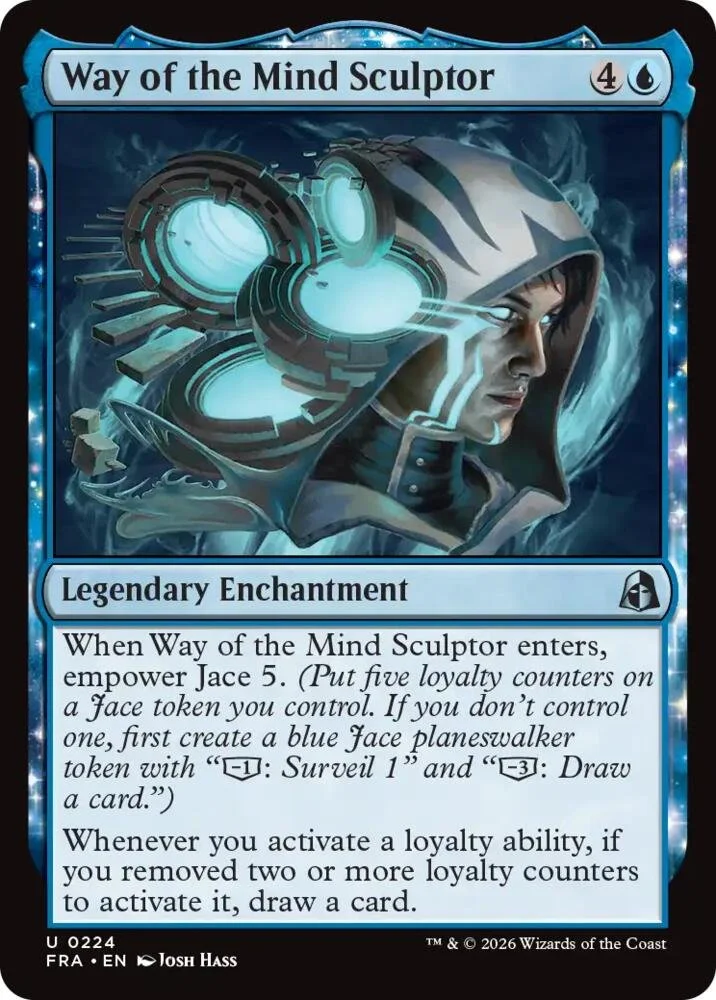
Way of the Mind Sculptor - This one is expensive, but it Empowers Jace 5 and rewards you whenever you activate a loyalty ability that removes two or more counters by drawing you a card. This is one of the cleanest value engines for Jace’s Mastery.
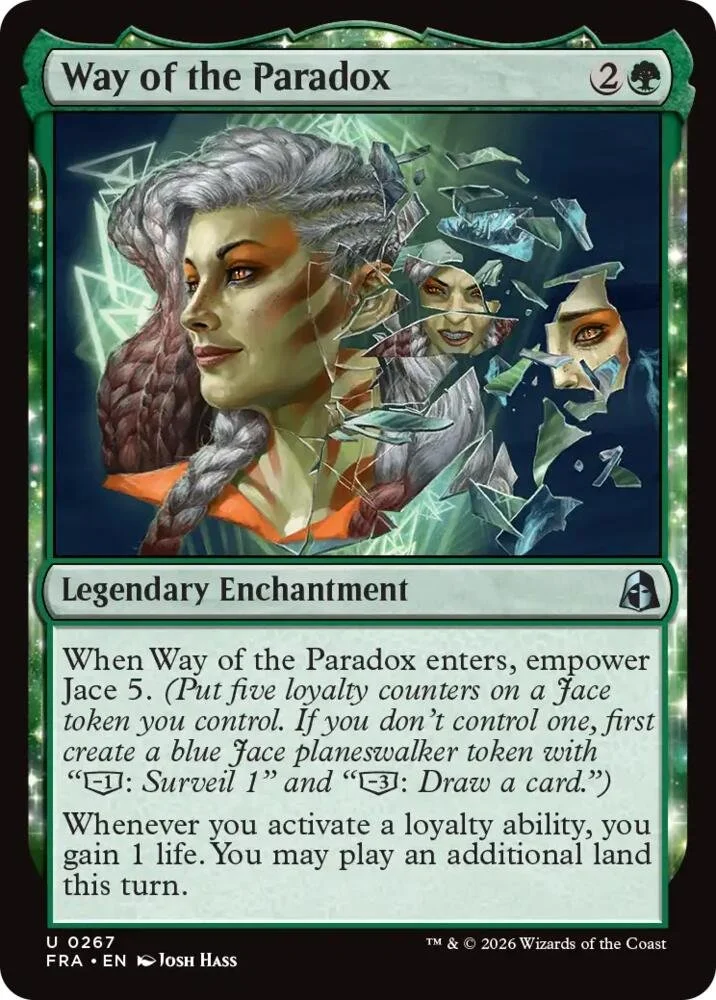
Way of the Paradox - This Empowers Jace 5, then rewards each loyalty activation by gaining you 1 life and allowing you to play an additional land that turn. This also pairs VERY nicely with Avatar of Burgeoning Echoes and its Landfall trigger.
Best Rare and Mythic Cards for Jace’s Mastery
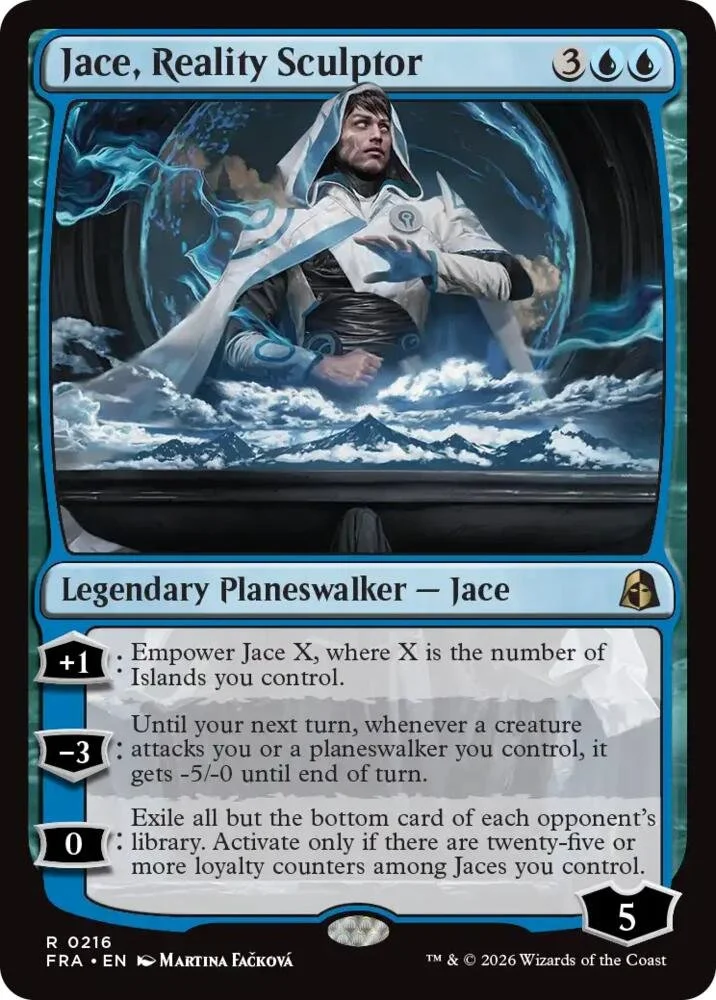
Jace, Reality Sculptor - It would be really strange to build Jace’s Mastery and not want an actual Jace Planeswalker. This gives you another major loyalty engine and a much stronger Planeswalker to protect than the basic token.
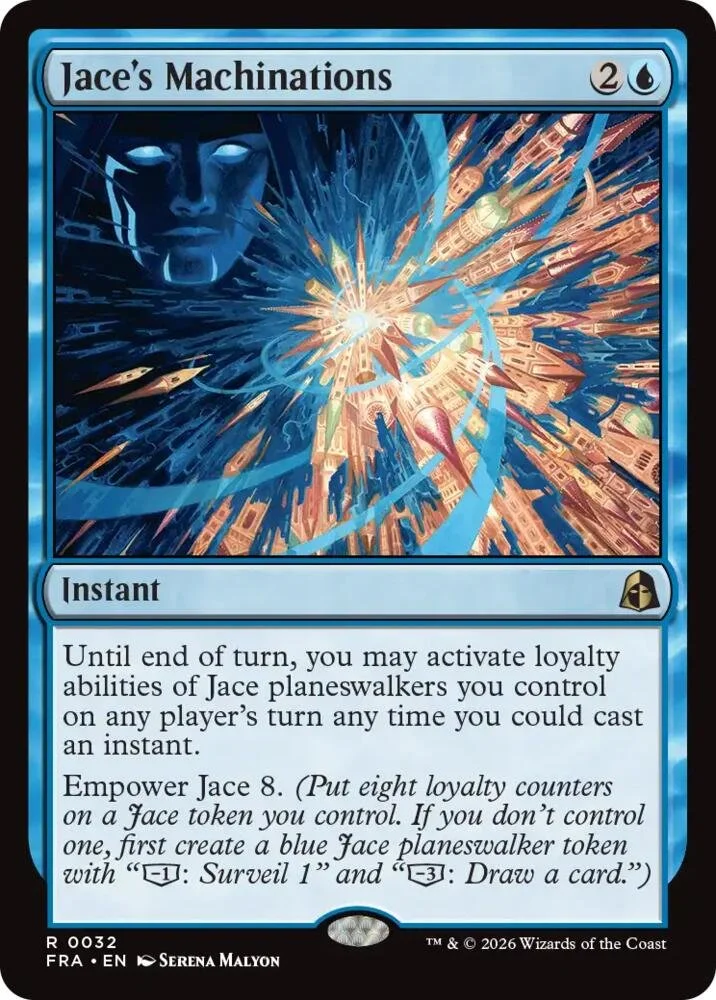
Jace’s Machinations - This is one of the biggest Empower Jace cards in the set. You can immediately cash in the Jace token it creates for card draw if necessary, but in this archetype, I’d much rather try to protect him and use all that loyalty with your Way enchantments.
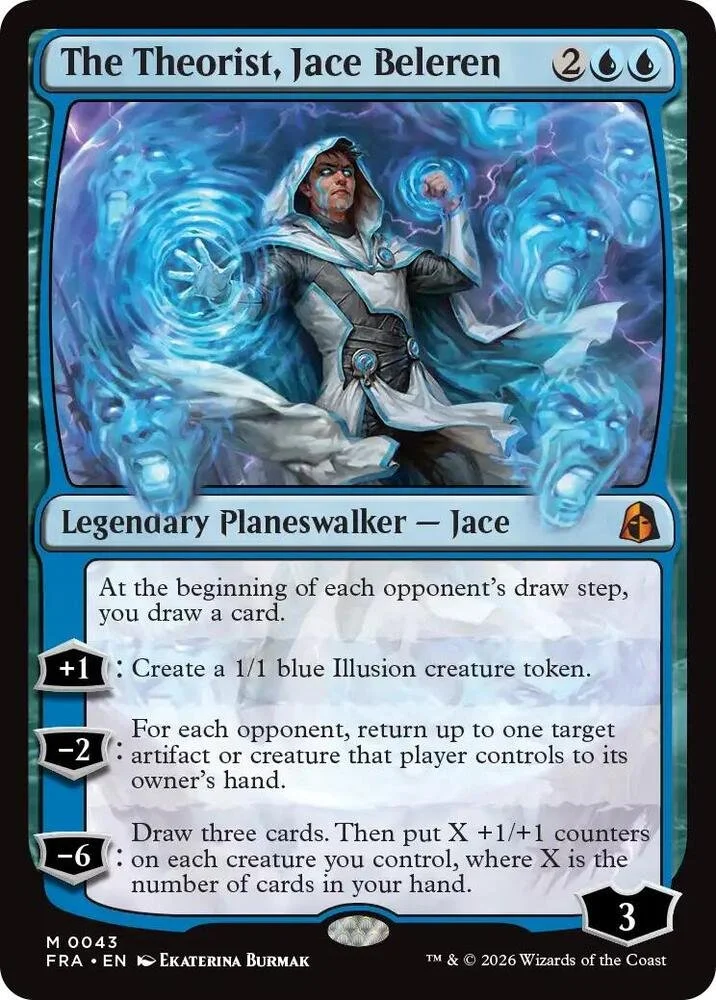
The Theorist, Jace Beleren - This is obviously one of the biggest bombs for the Jace archetype. You draw an additional card during each opponent’s draw step, can create 1/1 Illusions to protect Jace, and can bounce creatures or artifacts. If you somehow reach his -6, you draw three cards and put +1/+1 counters on your entire board based on the number of cards in your hand. That should probably end the game.
Best Removal and Interaction Cards in Reality Fracture
Removal is incredibly important in Limited, and thankfully Reality Fracture has A LOT of it. Black and red have the deepest selection of traditional removal, but every color has at least a few ways to interact with your opponent’s board.
Blue is obviously the weird one here because it doesn’t really destroy anything. Instead, you’ll be bouncing creatures, countering spells, and generally making your opponent’s life difficult.
Here are some of the removal and interaction cards I would prioritize when building your Draft or Sealed deck.
White
White actually has some of the best straightforward removal in the set.
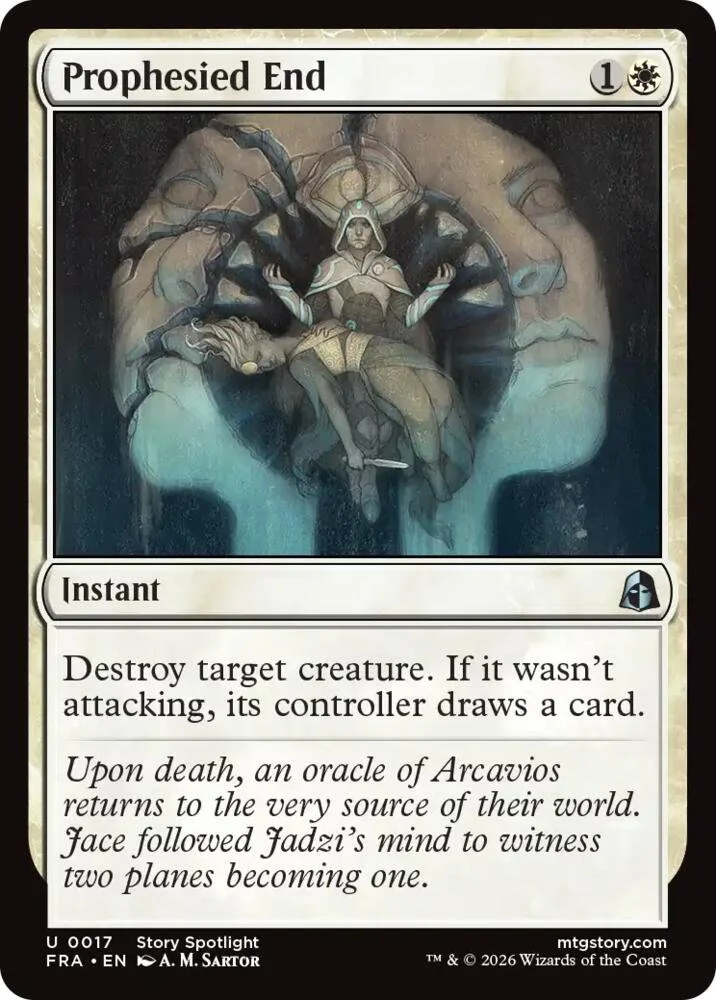
Prophesied End - This might be white’s best removal spell. For just two mana at Instant speed, you can destroy ANY creature. The downside is that if the creature wasn’t attacking, your opponent draws a card. Ideally, you’ll use this during combat and avoid giving them anything.
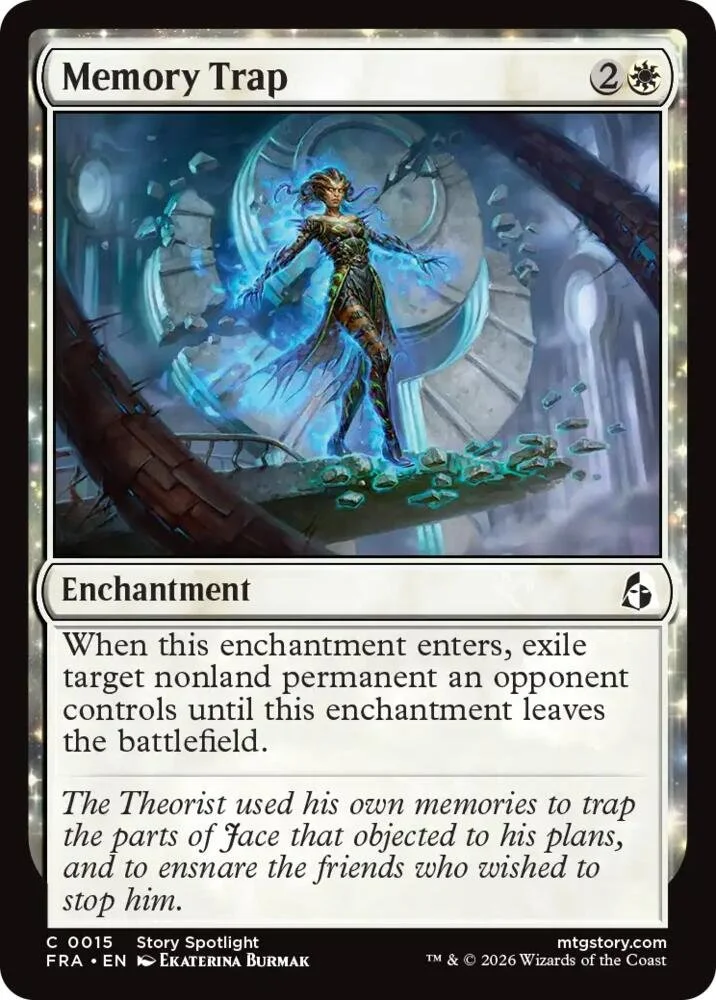
Memory Trap - Three mana lets you exile any nonland permanent until Memory Trap leaves the battlefield. Being able to hit creatures, Planeswalkers, artifacts, and enchantments makes this incredibly versatile removal.
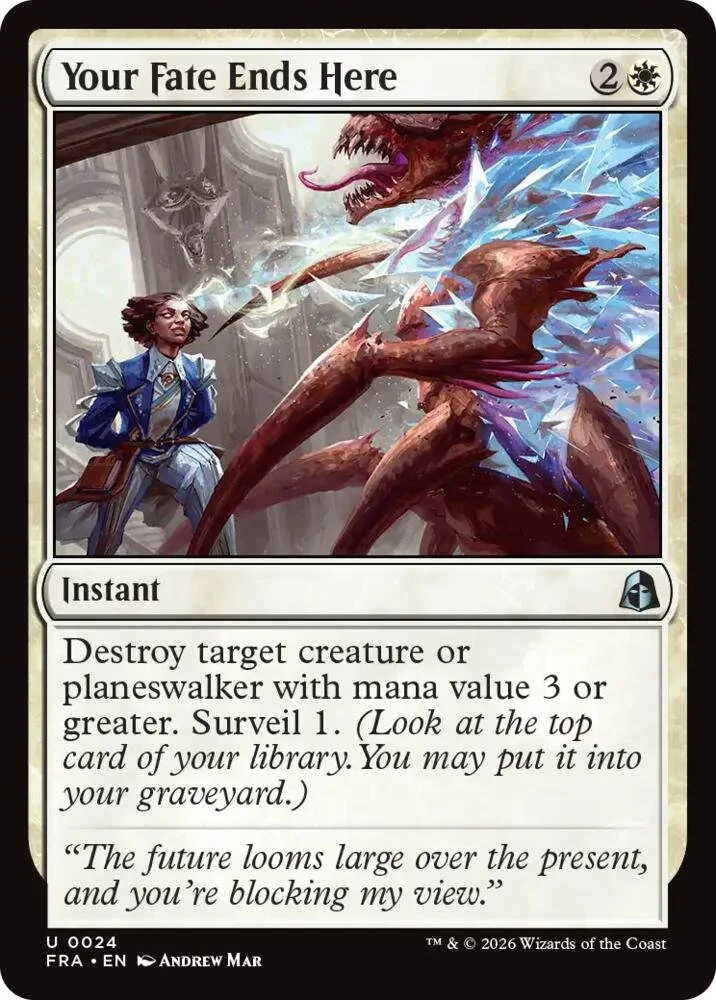
Your Fate Ends Here - This is your answer to larger threats, removing a creature or Planeswalker with mana value three or greater. It’s especially useful because it works at Instant speed.
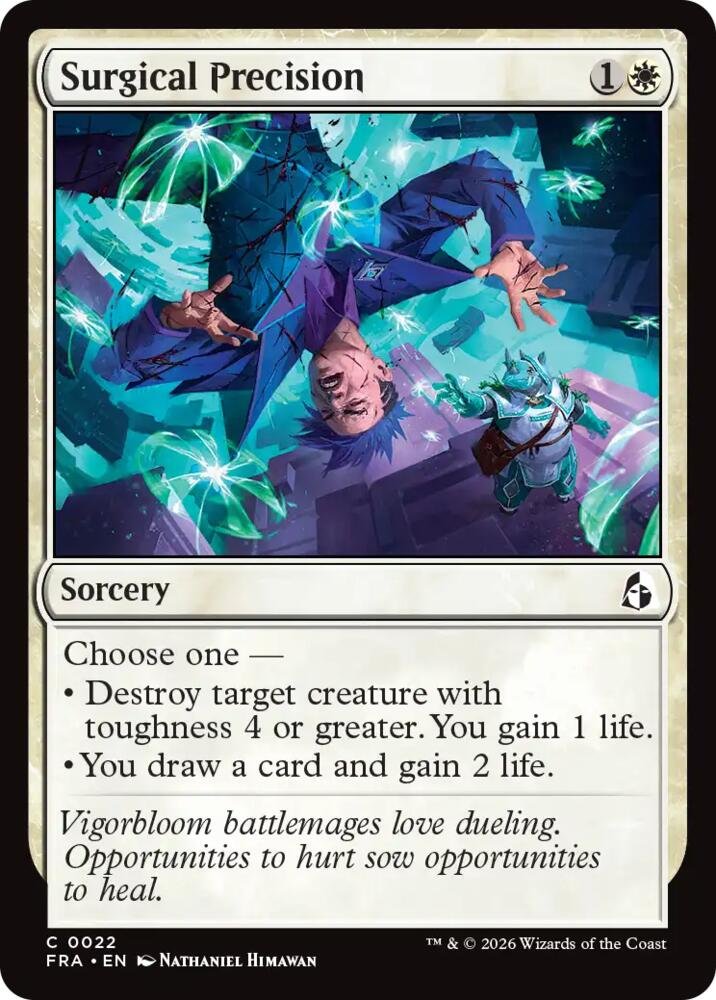
Surgical Precision - This is another answer to the bigger creatures that damage-based removal might struggle with. I especially like that its alternate mode means it doesn’t have to be completely dead if your opponent doesn’t have a valid threat.
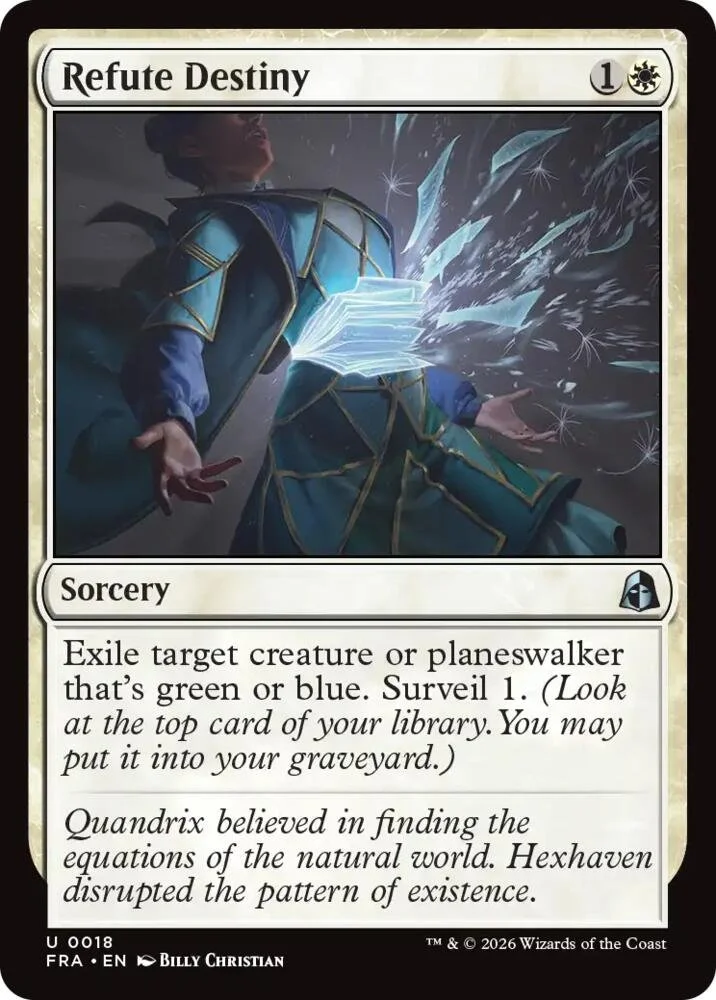
Refute Destiny - This is much more situational because it can only exile a green or blue creature or Planeswalker, but for two mana it’s a great sideboard card against either color. You even get to Surveil 1 afterward.
Blue
Blue doesn’t really have traditional removal in Reality Fracture. Instead, you’re going to annoy your opponent with bounce spells, counterspells, and cards that essentially remove creatures without actually killing them.
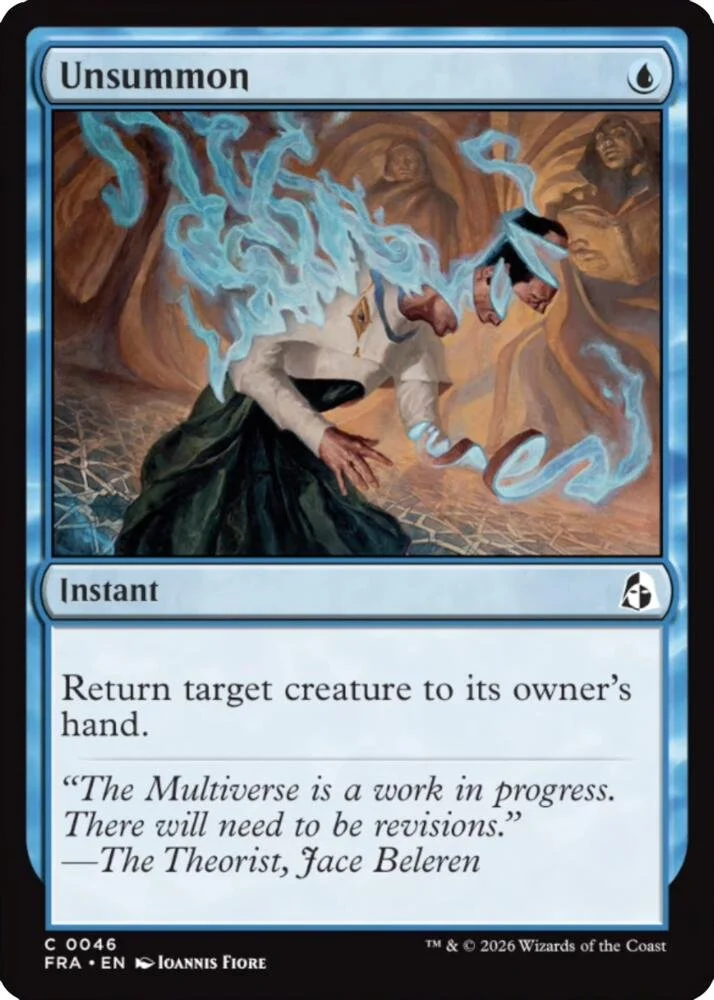
Unsummon - It doesn’t get much more basic than this. For one mana, return a creature to its owner’s hand. This is especially useful against expensive creatures or anything your opponent has invested counters or Equipment into.
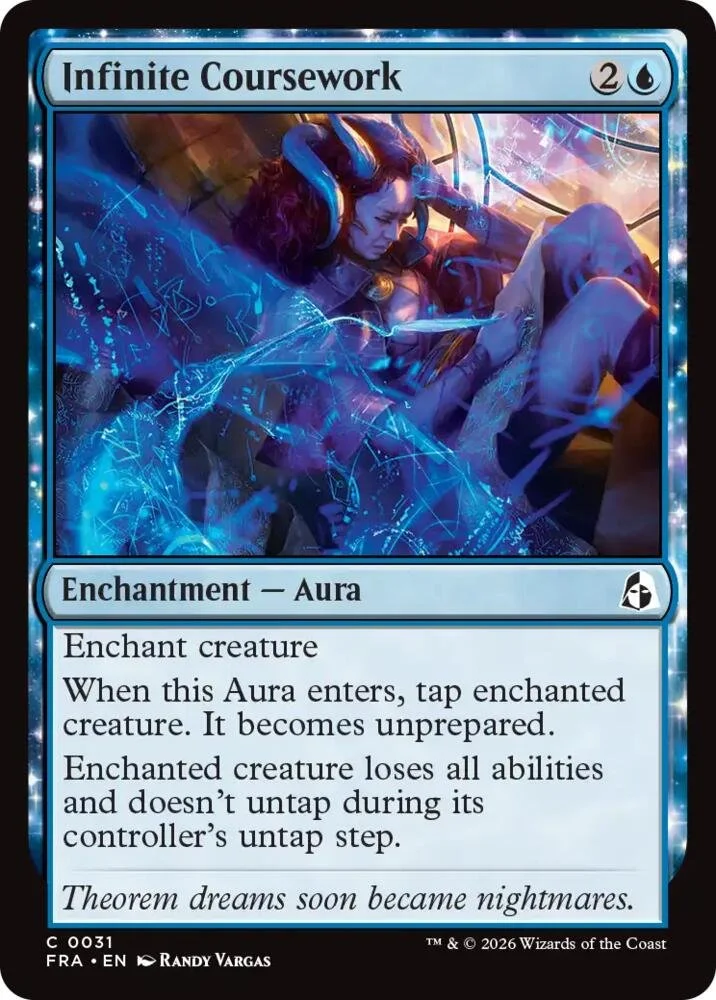
Infinite Coursework - This is basically blue’s version of removal. It taps the enchanted creature, removes all of its abilities, makes it unprepared, and prevents it from untapping. Unless your opponent can remove the Aura, that creature is essentially useless.
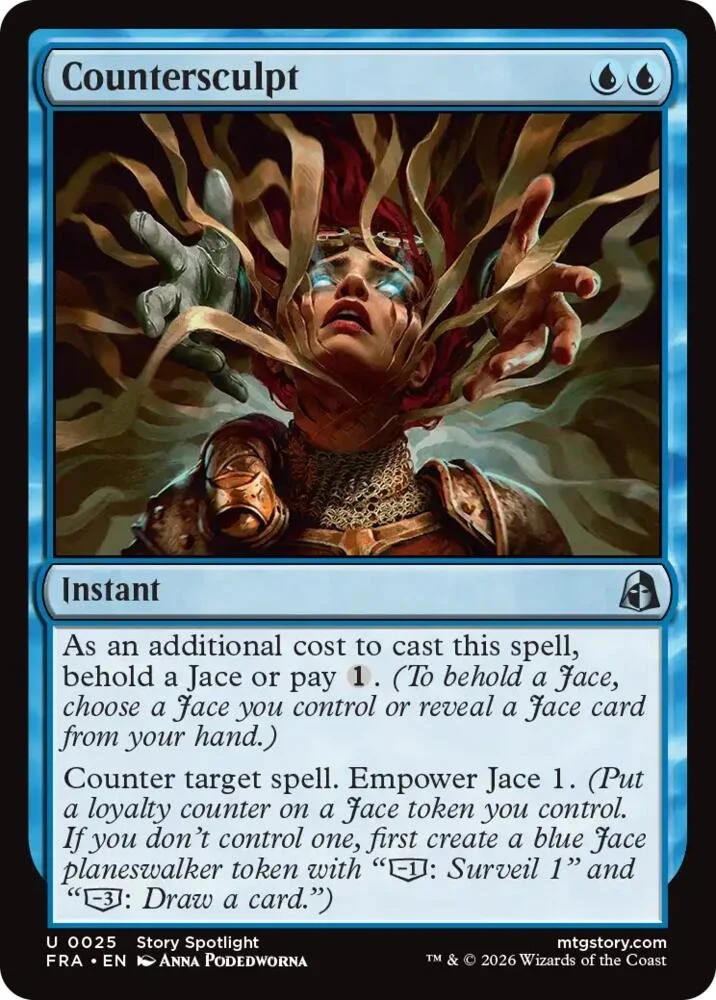
Countersculpt - A two-mana counterspell is already great, although you’ll need to either behold a Jace or pay an additional mana. It also Empowers Jace 1, making it especially good in Jace’s Mastery.
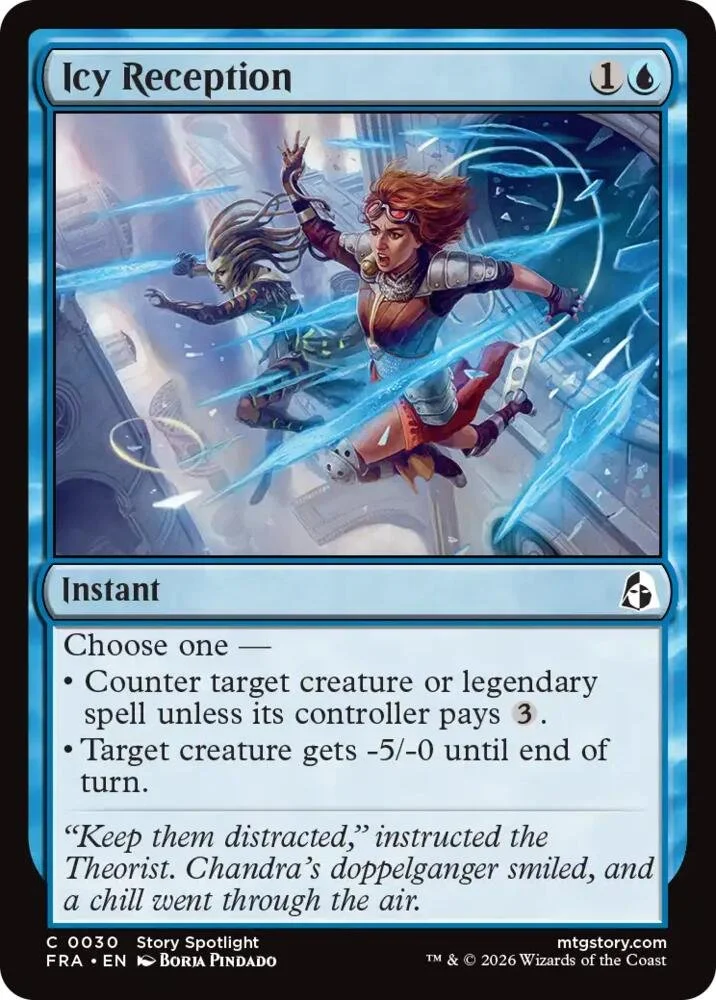
Icy Reception - This is a really flexible two-mana Instant. You can counter a creature or legendary spell unless your opponent pays three, or give a creature -5/-0 until end of turn. That second ability can absolutely ruin someone’s combat step.
Plan for All Outcomes - This isn’t permanent removal, but putting a nonland permanent on the top or bottom of its owner’s library can buy you a TON of time.
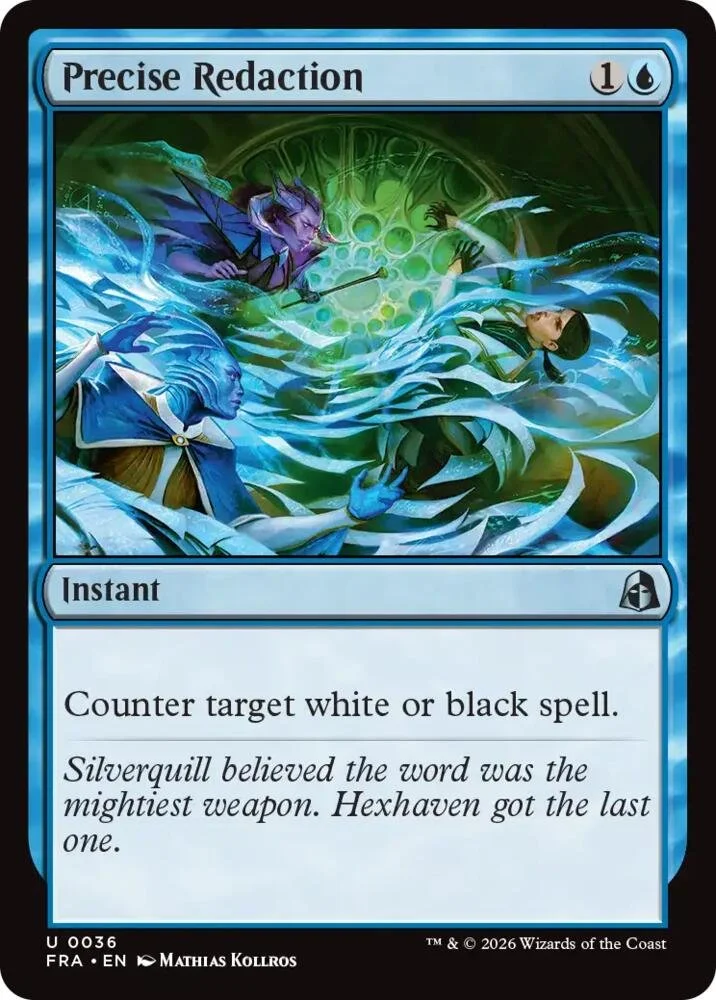
Precise Redaction - Another piece of blue interaction worth keeping in mind, especially if you’re leaning heavily into a more controlling Fatehold or Jace deck. Wizards includes it among blue’s key Limited interaction.
Black
Black is absolutely LOADED with removal in this set.
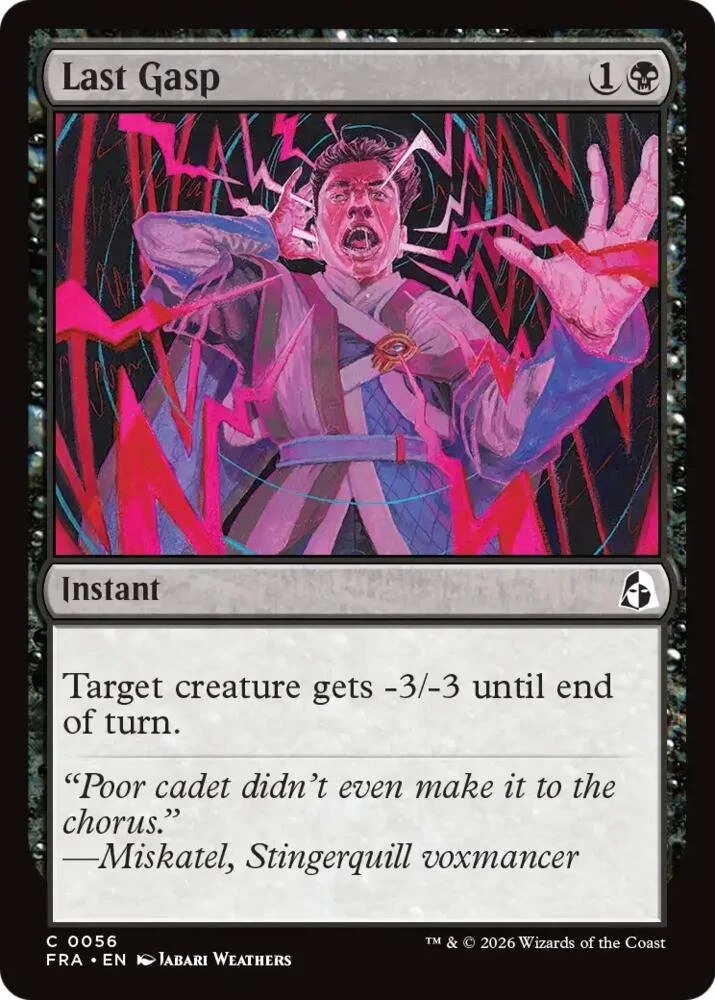
Last Gasp - Simple and effective. Giving a creature -3/-3 at Instant speed takes care of a huge portion of the creatures you’ll run into during Limited.
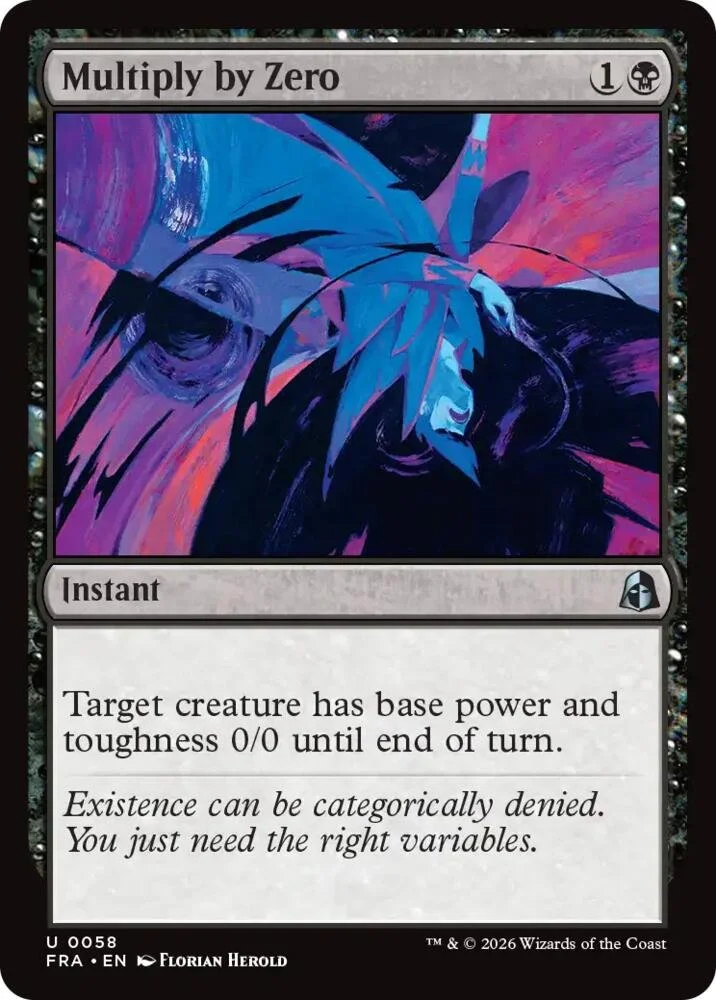
Multiply by Zero - For two mana at Instant speed, this makes a creature’s base power and toughness 0/0 until end of turn. Unless that creature has counters or another toughness boost keeping it alive, it’s dead.
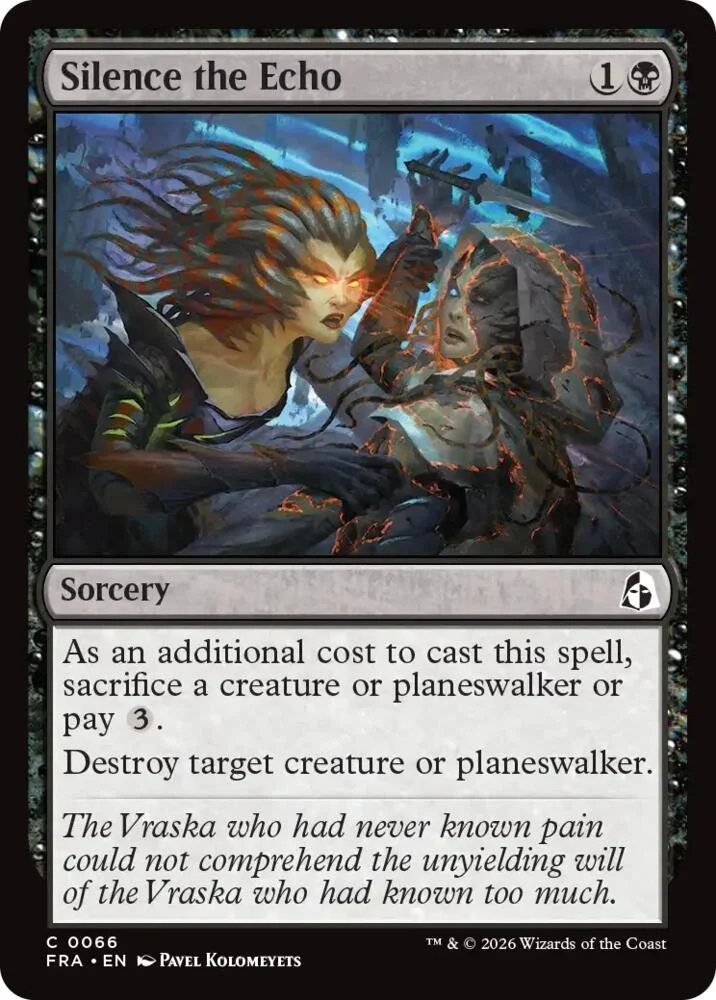
Silence the Echo - This can destroy a creature or Planeswalker for only two mana if you sacrifice one of your own permanents. If you don’t want to sacrifice something, you can still cast it for five. That flexibility makes this VERY good in Liliana’s Attrition.
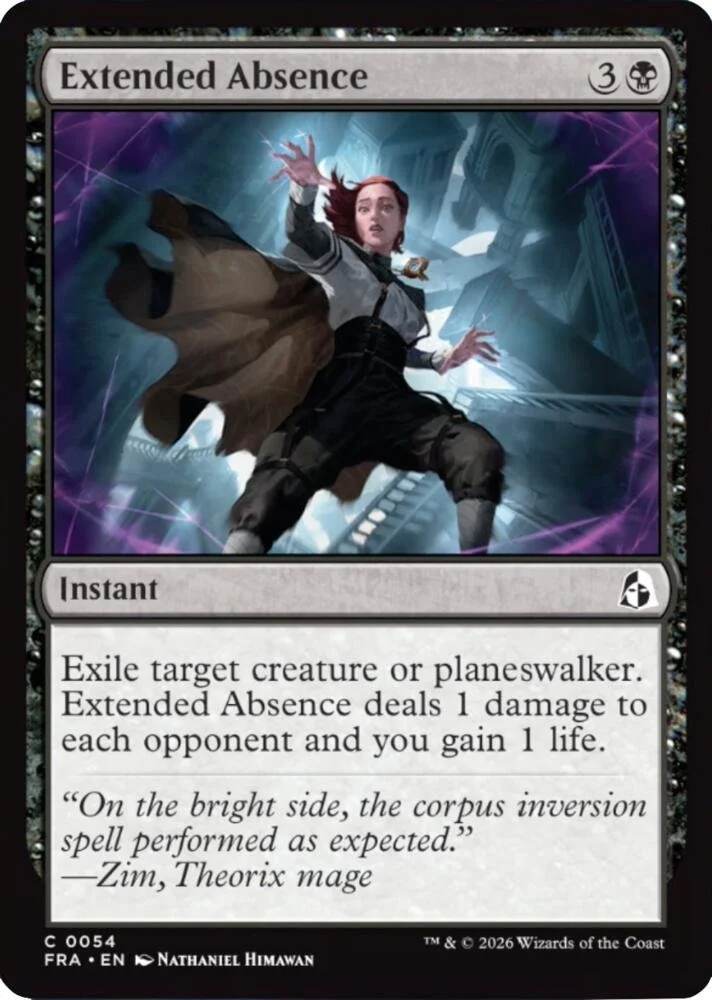
Extended Absence - Four mana is a little expensive, but exiling a creature or Planeswalker at Instant speed is still great. It also deals 1 damage to each opponent, which conveniently triggers Stingerquill’s noncombat-damage abilities.
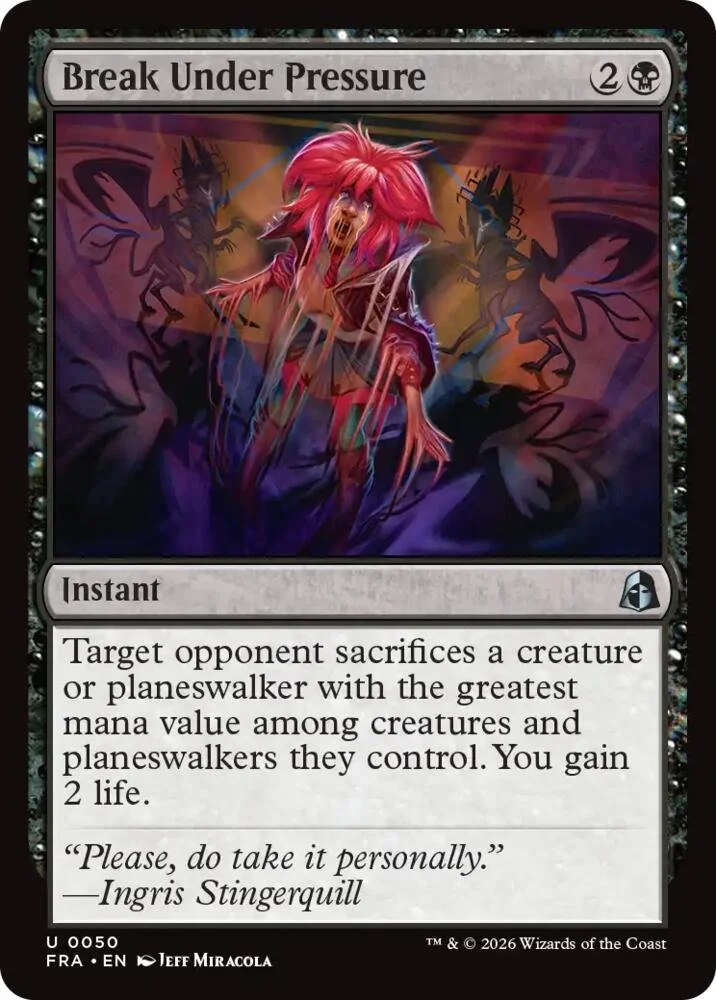
Break Under Pressure - This forces your opponent to sacrifice their creature or Planeswalker with the greatest mana value. The REALLY nice part is that it targets your opponent instead of their permanent, meaning Ward and Hexproof won’t save their bomb.
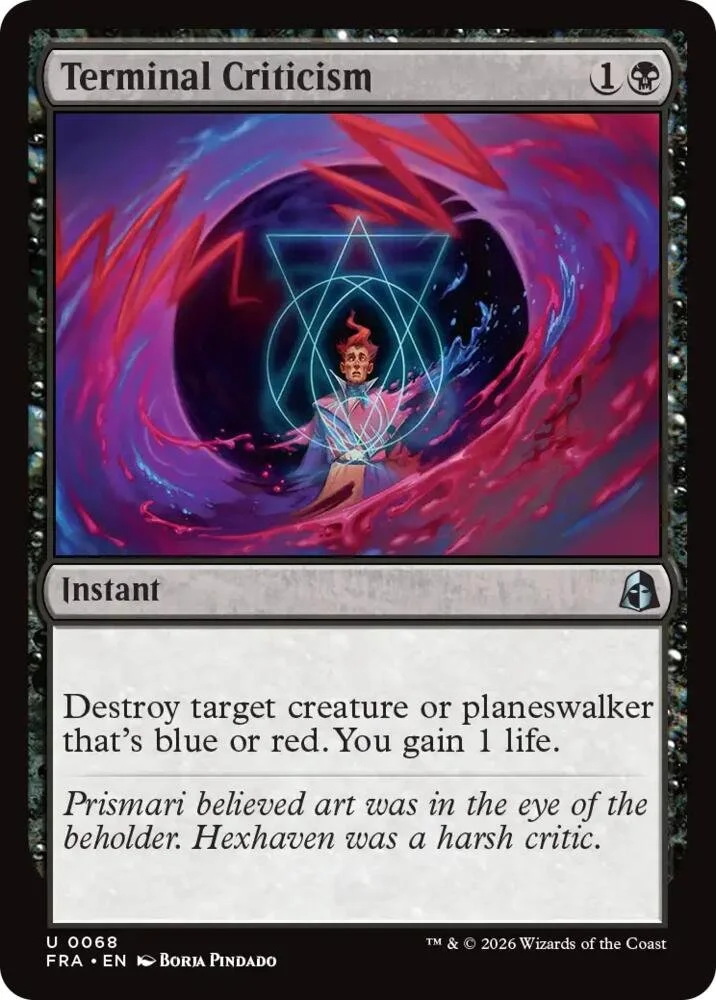
Terminal Criticism - Another great sideboard card. It destroys a blue or red creature or Planeswalker for just two mana. If your opponent is playing either color, bring this in.
Black also has creatures such as Mabel, Bitter Recluse, Winter, Tormented Loner, and Proft, Sinister Mastermind that can function as interaction while still helping develop your board.
Red
Red has exactly what you expect: DAMAGE.
Thankfully, a lot of Reality Fracture’s burn spells can hit creatures AND Planeswalkers, making them much harder to waste.
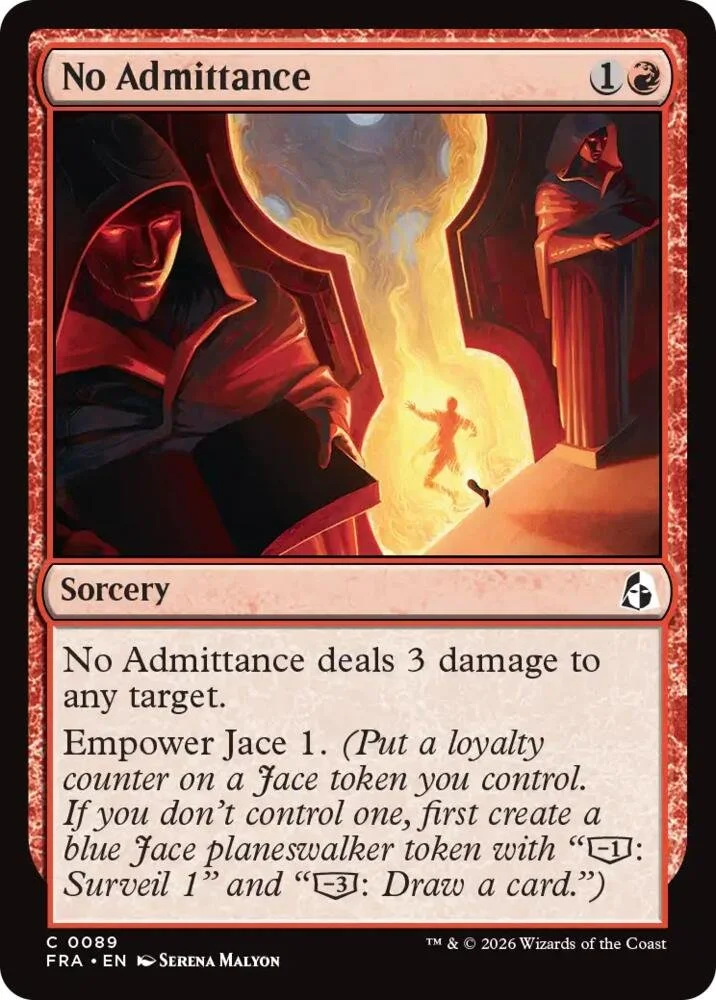
No Admittance - This is probably one of the first red removal spells I’d grab. Two mana for 3 damage to any target is fantastic in Limited, and a huge percentage of the creatures in this set die to 3 damage.
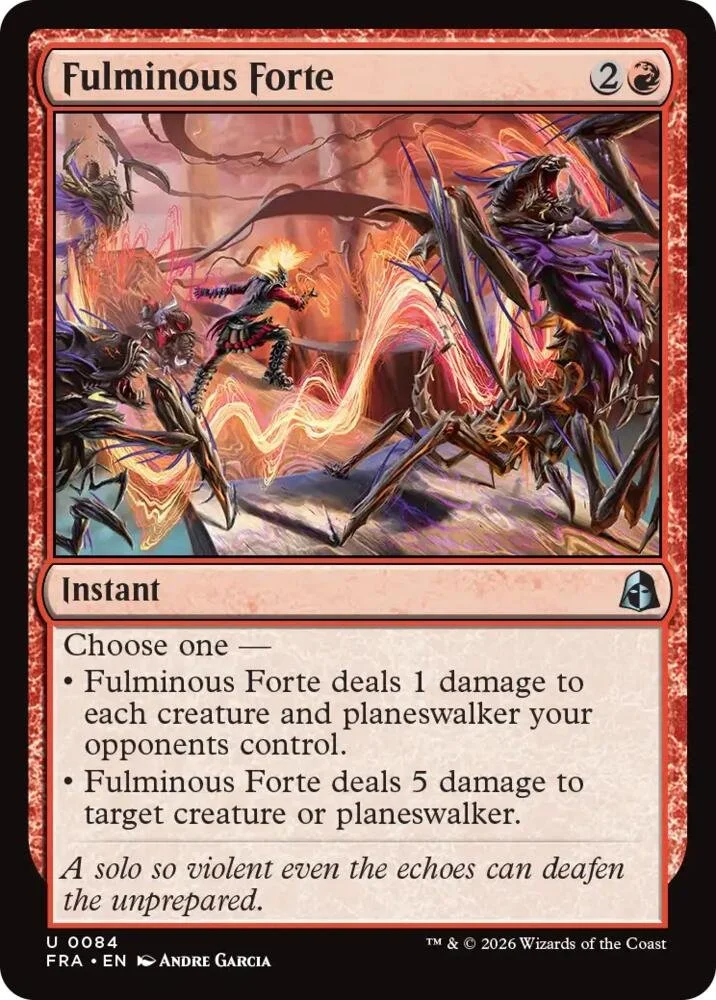
Fulminous Forte - This card is AWESOME. For three mana at Instant speed, you can deal 5 damage to a creature or Planeswalker. If your opponent has a bunch of smaller creatures instead, you can deal 1 damage to every creature and Planeswalker they control.
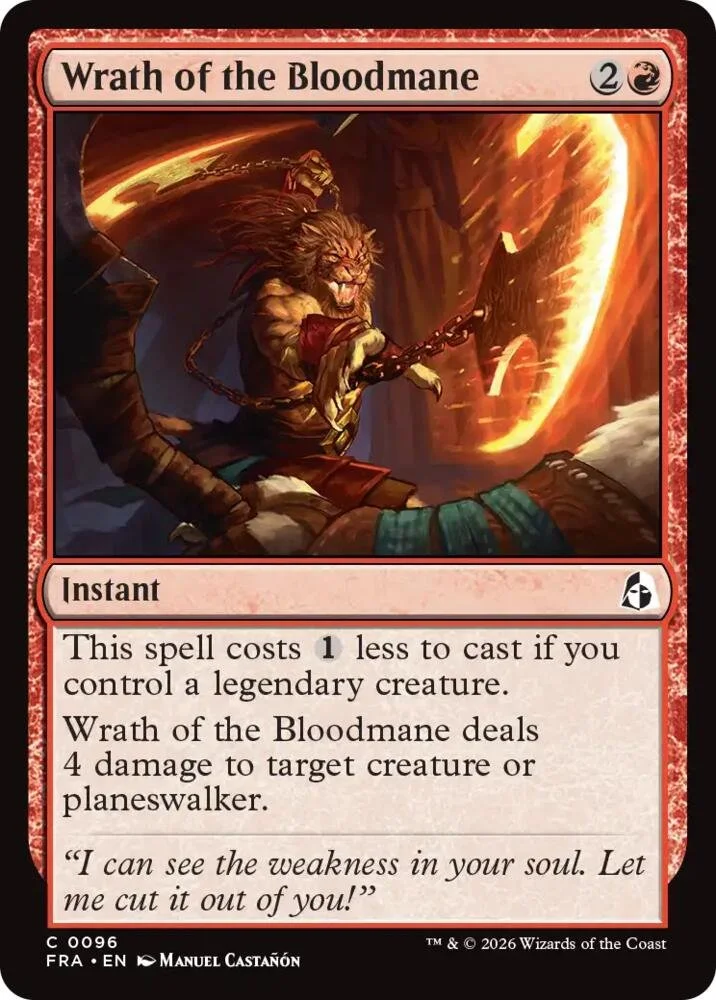
Wrath of the Bloodmane - This deals 4 damage at Instant speed, and it only costs two mana if you control a legendary creature. Considering how many legendary cards Reality Fracture has, getting that discount shouldn’t be too difficult.
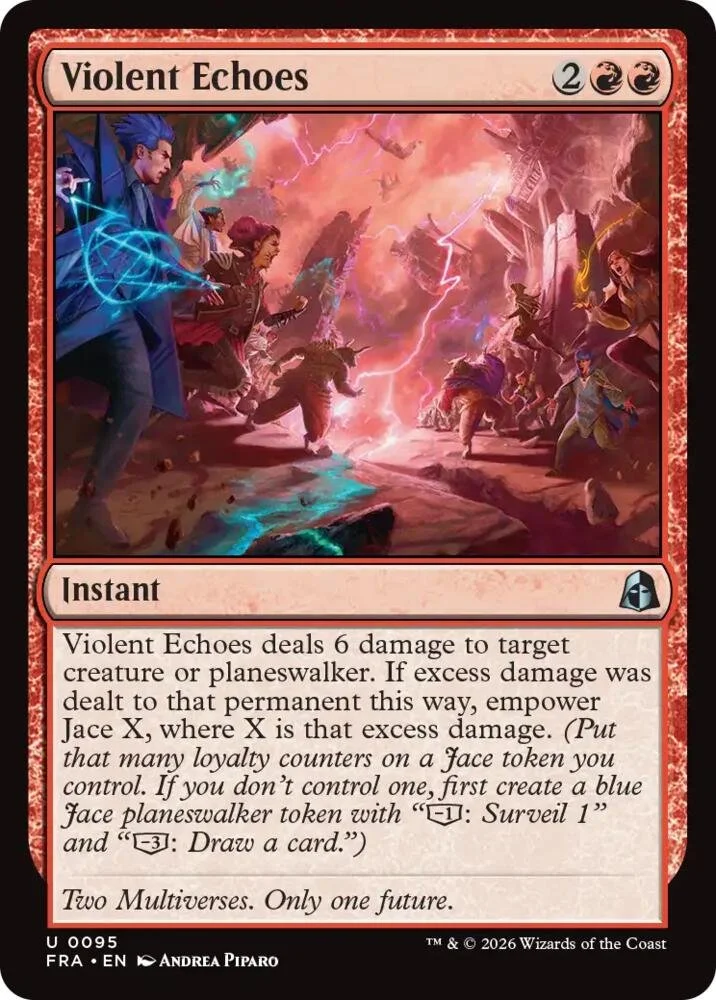
Violent Echoes - Four mana for 6 damage to a creature or Planeswalker is enough to kill MOST things in this set. You’ll also Empower Jace based on any excess damage you dealt, giving you some additional value for massively overkilling a creature.
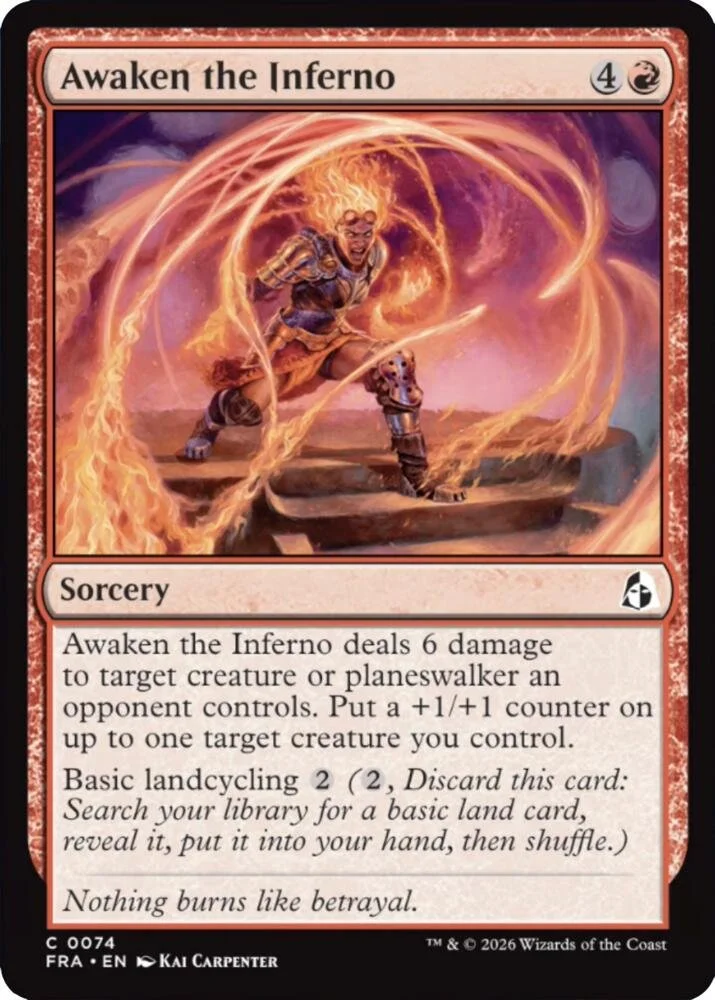
Awaken the Inferno - This one is expensive, but 6 damage gives red an answer to some of the larger creatures that survive your smaller burn spells.
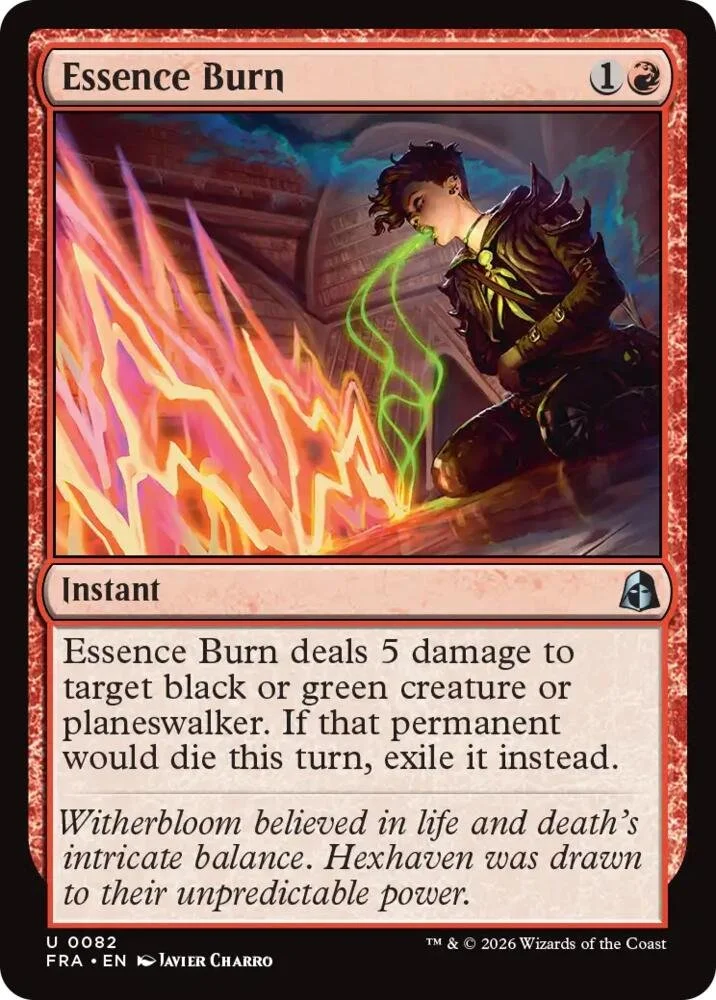
Essence Burn - This is another color-specific sideboard card, dealing 5 damage to a black or green creature or Planeswalker for only two mana.
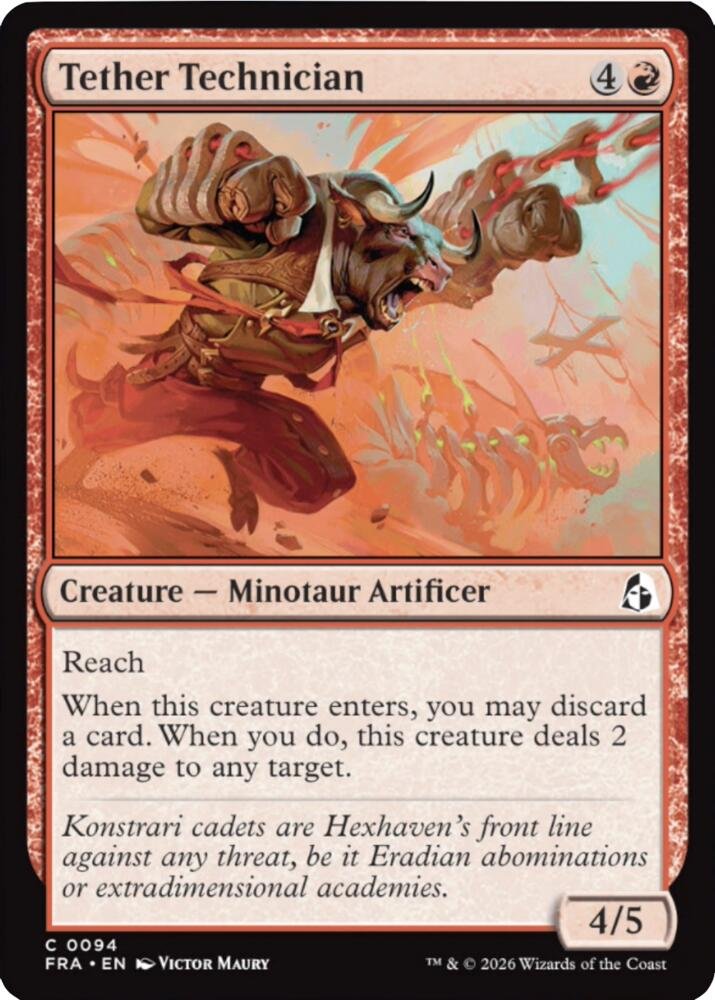
Tether Technician - This isn’t technically a removal spell, but it can deal 2 damage to any target when it enters if you discard a card. Having interaction attached to a 4/5 Reach creature makes this incredibly useful.
If you’re playing Stingerquill, these cards become even better because your removal is ALSO helping trigger all of your noncombat-damage payoffs.
Green
Green has the weakest traditional removal alongside blue, but it makes up for that with creatures punching things REALLY hard.
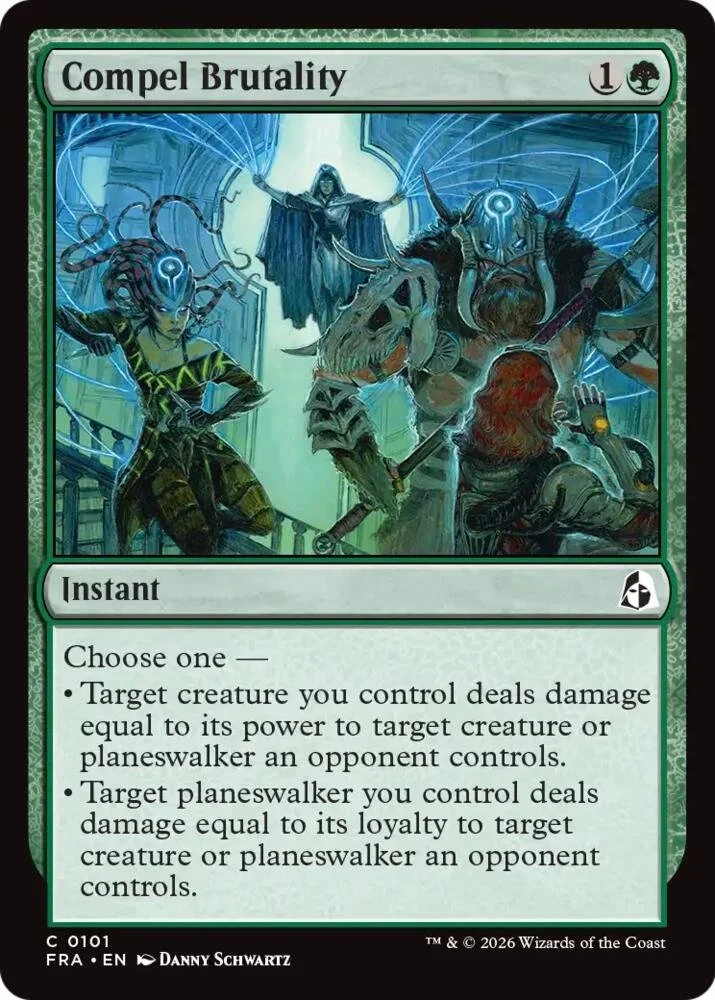
Compel Brutality - This is probably green’s best removal spell. For two mana at Instant speed, one of your creatures deals damage equal to its power to an opponent’s creature or Planeswalker. This ISN’T a fight, so their creature doesn’t deal damage back.
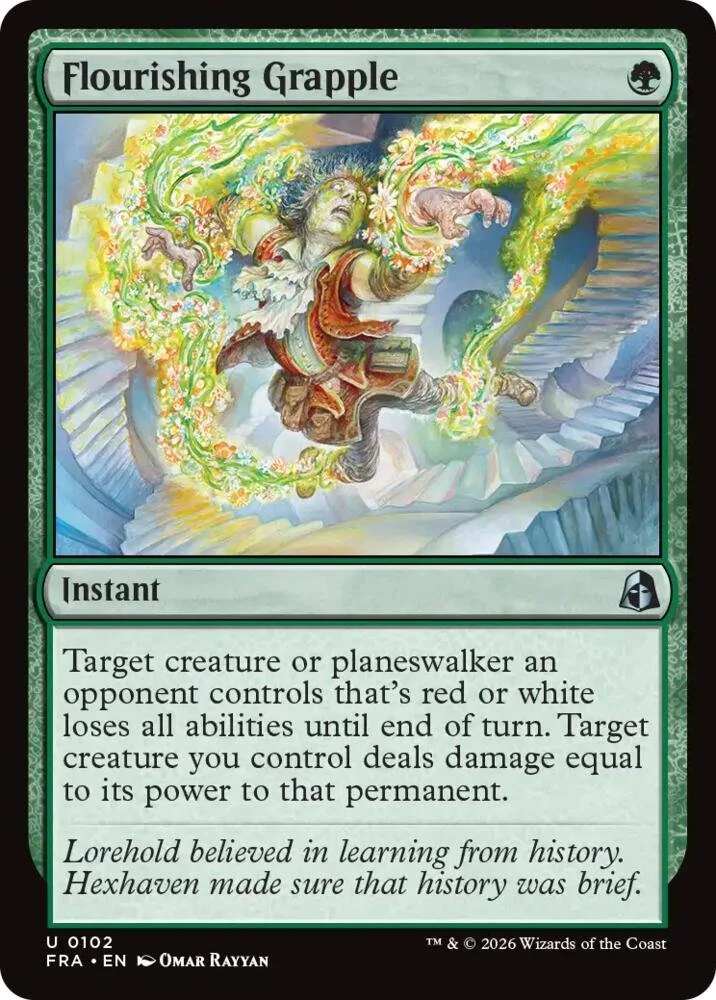
Flourishing Grapple - This is basically the color-specific version of Compel Brutality. It only costs one mana, but you can only target a red or white creature or Planeswalker. This is an excellent sideboard card.
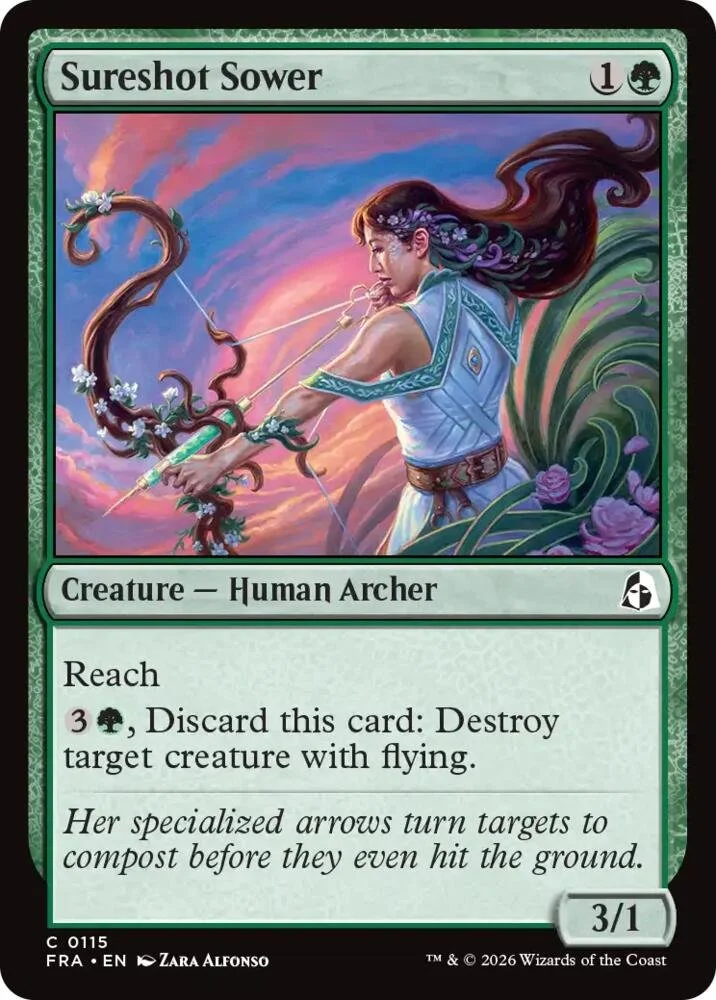
Sureshot Sower - This gives green a direct answer to Flying creatures. You can discard it and pay four mana to destroy a creature with Flying, which is nice because you don’t even need to cast the creature first.
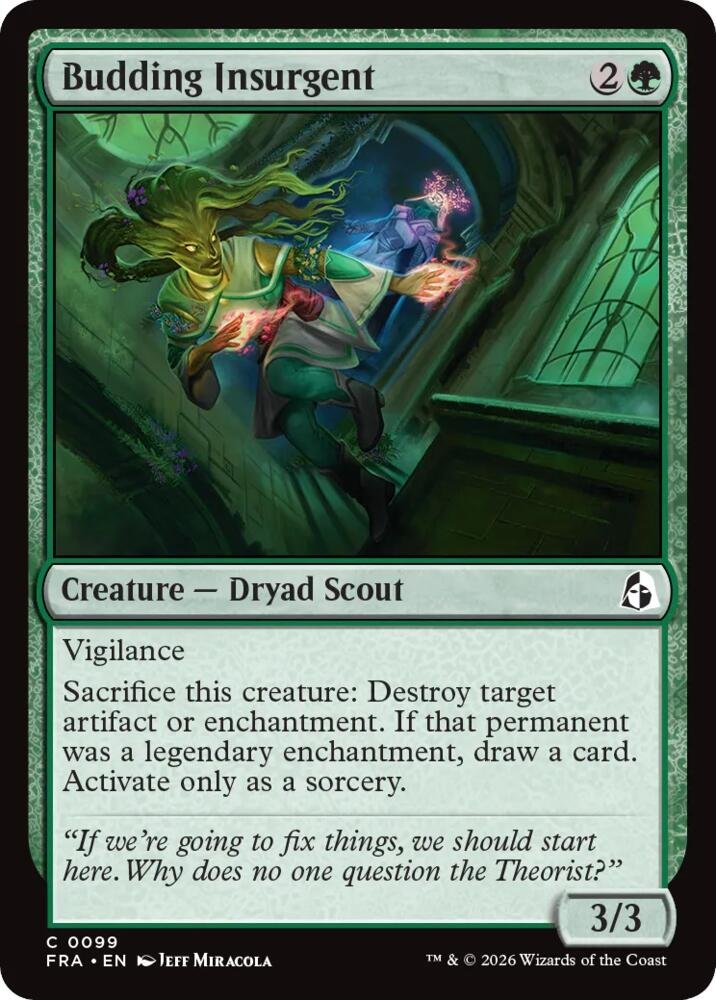
Budding Insurgent - This is already a 3/3 creature, but you can sacrifice it at Sorcery speed to destroy an artifact or enchantment. I probably wouldn’t prioritize this as removal, but having the option attached to a creature makes it easy to include.
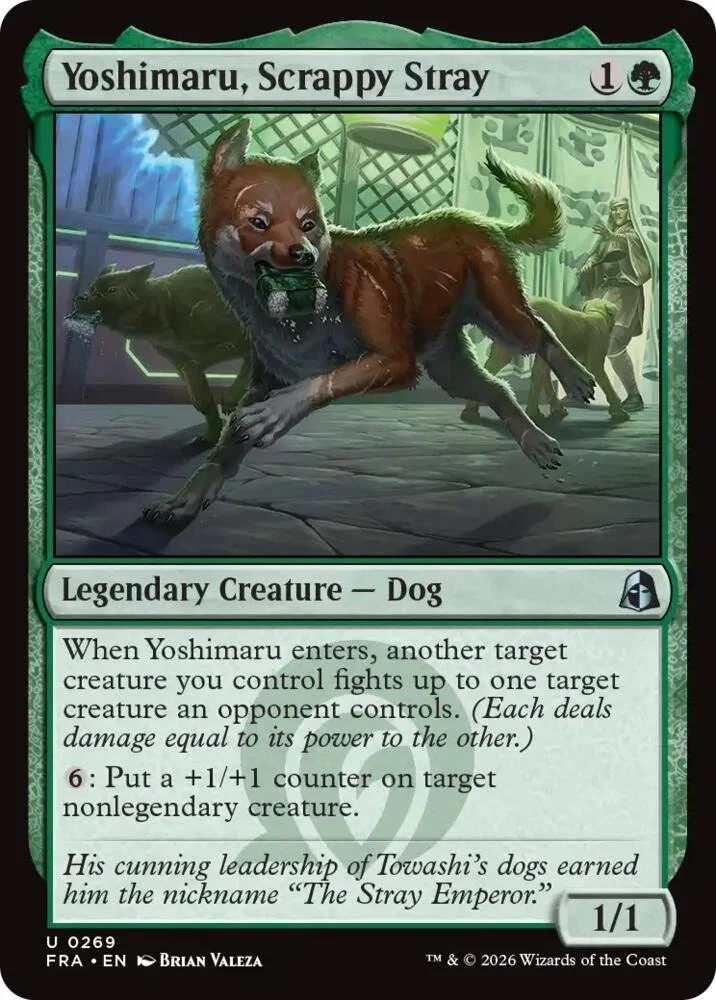
Yoshimaru, Scrappy Stray - Yoshimaru gives you interaction attached to a creature, allowing another creature you control to fight when it enters. Obviously, this works much better when you already have something BIG on the battlefield.
Green’s interaction gets significantly better in Konstrari because you should already have massive creatures running around. Compel Brutality becomes pretty terrifying when your seven-power creature can essentially punch something for free without taking any damage back.
What Draft Archetype Is Best in Reality Fracture?
That feels like a loaded question with this set because every archetype has its strengths, and a lot of it is going to depend on your card pool. With that being said, the five Hexhaven archetypes definitely feel more fleshed out than the Lorwyn Five. They have clearer identities, more obvious payoffs, and feel much easier to build around on their own. The Lorwyn Five, on the other hand, feel more like support packages that are meant to push you into a third color.
There’s a good amount of mana fixing in Reality Fracture, and for the first time in a while, it really feels like a Limited environment that actively wants you to consider playing three colors. If your fixing is there and your third color is adding meaningful value, I wouldn’t be afraid to branch out.
If I had to point toward one archetype that looks the easiest to get completely out of hand, though, it would be Konstrari Mana Ramp.
Once that deck starts creating Heartwood tokens and getting ahead on mana, it can start dropping massive threats way earlier than it should. If your opponent doesn’t have an answer ready, things can spiral REALLY quickly.
However, Reality Fracture also has plenty of removal and interaction, so ramping into one massive creature doesn’t automatically mean you’ve won. You still need enough fuel to keep your fire lit and enough protection to stop your opponent from dousing it.
That’s why I don’t think there’s one archetype you should force every Draft. If your card pool supports your strategy, your mana works, and you have enough interaction to protect your game plan, you should be able to build a strong deck with just about any of these archetypes.
Deck-Building Tips for Reality Fracture Limited Formats
When building your Reality Fracture deck, there are a few things you should keep in mind. This Limited environment feels very healthy, so odds are you’re going to face plenty of different opponents and strategies.
Your playstyle might need to change from game to game, but your deck doesn’t have to.
Find Your Archetype Early
In Draft, you don’t want to pull one rare and immediately decide that’s the archetype you’re playing. Give yourself a couple of packs to figure out where the cards are pushing you.
The rares in this set are amazing game-ending cards, but the uncommons are what really make these archetypes work. They provide a lot of the synergy and support that brings your overall game plan together. Pay attention to what’s being passed to you, find the open colors, and let your archetype develop naturally.
You Need Evasive Removal
I’m not saying there’s no Flying in this set, because there definitely is, but not every archetype has consistent access to Flying or Reach.
Depending on your archetype and how well you can protect yourself against evasive attackers, you’ll need to make sure you have some kind of answer ready. Whether that’s direct removal, bounce spells, creatures with Reach, or something that can lock down a flier, you don’t want to find yourself staring at a creature you literally cannot interact with.
Don’t Be Afraid of Splashing Colors
Reality Fracture is very friendly when it comes to mana fixing.
While this is technically a ten-archetype set, I honestly look at it more like five three-color archetypes. The Hexhaven archetypes feel a little more complete on their own, while the Lorwyn Five feel like they’re designed to supplement them with a third color.
Between hybrid mana, Basic landcyclers, creatures that help you find lands, and Heartwood tokens, there are plenty of ways to make a three-color deck work. Obviously, don’t splash a color just because you can. However, if adding a third color gives you a bomb, better removal, or significantly improves your archetype’s synergy, don’t be afraid to go for it.
Don’t Forget About Planeswalkers
Planeswalkers are EVERYWHERE in Reality Fracture, and you won’t always be able to simply attack them.
Sometimes your opponent will have a nasty blocker protecting them. Other times, you just won’t be able to keep a creature on the battlefield long enough to deal with them. Because of that, you need a combination of creature removal and cards that can also interact with Planeswalkers.
When you’re choosing between two similar removal spells, I would heavily consider the one that can hit both creatures and Planeswalkers. That extra flexibility could easily be the difference between winning and watching your opponent generate value turn after turn.
Gameplay Tips for Reality Fracture Limited Formats
Limited in Reality Fracture isn’t completely different from other Limited formats, but it does have a few key differences that should make this set memorable.
Know When to Attack a Planeswalker
Seeing a Planeswalker on the battlefield is always threatening. Either your opponent is benefiting from it turn after turn or using it to fuel their deck’s synergy, so your first instinct is probably going to be to attack it.
However, that isn’t always the right choice.
That’s especially true in Reality Fracture, where the Jace token only has minus abilities unless your opponent has one of the legendary enchantments in play.
Knowing when to attack face versus attack Jace is VERY important.
For example, if your opponent has their creatures tapped, a Jace with only 2 loyalty counters, and they’re sitting at 4 more life than you, I’d probably just go for damage. In that situation, you can bring their life total closer to zero, and Jace isn’t even going to be able to use his card-draw ability next turn.
Sending damage at the Planeswalker could just be wasting an attack.
Now, if your opponent is playing Fatehold Surveil, then MAYBE you want to send a 2/2 attacker at Jace to stop them from repeatedly triggering Surveil. The point is that you shouldn’t automatically attack a Planeswalker just because it’s there. Sometimes that Jace token is a legitimate threat.
Other times, it’s just a distraction.
Pay Attention to Open Mana
This set is full of bombs, so I know you’re going to want to slam yours onto the battlefield, go for broke, and get that W.
Unfortunately, it’s not always that easy.
I can’t tell you how many times during Early Access on Arena I cast my bomb just for it to immediately get shut down. And honestly, counterspells aren’t even what I’m most worried about. It’s the removal.
Reality Fracture has a ton of situational removal, so always pay attention to how much mana your opponent is leaving open. Look at their colors. Look at how many cards they have in hand. Think about what they could realistically cast.
That doesn’t mean you should become afraid to play your best cards. If you spend the entire game waiting for your opponent to tap out, you might never actually do anything.
Just pay attention.
Sometimes you’re going to have to make them have the answer. Other times, waiting one more turn or playing a smaller threat first could save your best card from immediately getting blown up.
Final Thoughts
Reality Fracture feels like one of the more flexible Limited environments we’ve gotten in a while. The ten archetypes give you plenty of directions to go, but with how much mana fixing, hybrid mana, and crossover synergy there is between the Hexhaven schools and the Lorwyn Five, I think this set really wants you to experiment rather than force one specific game plan. The Hexhaven archetypes feel a little more complete, but splashing into a third color can turn a good deck into something much stronger if your mana can support it. On top of that, the heavy Planeswalker focus adds another layer to combat because you constantly have to decide whether you’re attacking your opponent, protecting your own board, or stopping Jace from generating value. There’s also a TON of removal and interaction, so even the biggest bombs aren’t guaranteed to stick around. Overall, I think Reality Fracture has the potential to be a really fun Limited set because it rewards paying attention, adapting to your card pool, and knowing exactly when to go all in.