With Spiritforged now entering the competitive ecosystem, Riftbound is officially past its “new game” honeymoon phase. This is the first real moment where the meta is being stress-tested rather than simply explored, and early signs point to a format that’s expanding sideways instead of collapsing inward around a single best deck.
Rather than wiping the slate clean, Spiritforged is forcing players to re-evaluate what they thought was safe. Origins powerhouses are still present, but they’re no longer operating in a vacuum, and that alone is enough to change how decks are built and piloted.
Tokens: Closer Than Ever, But Not There Yet
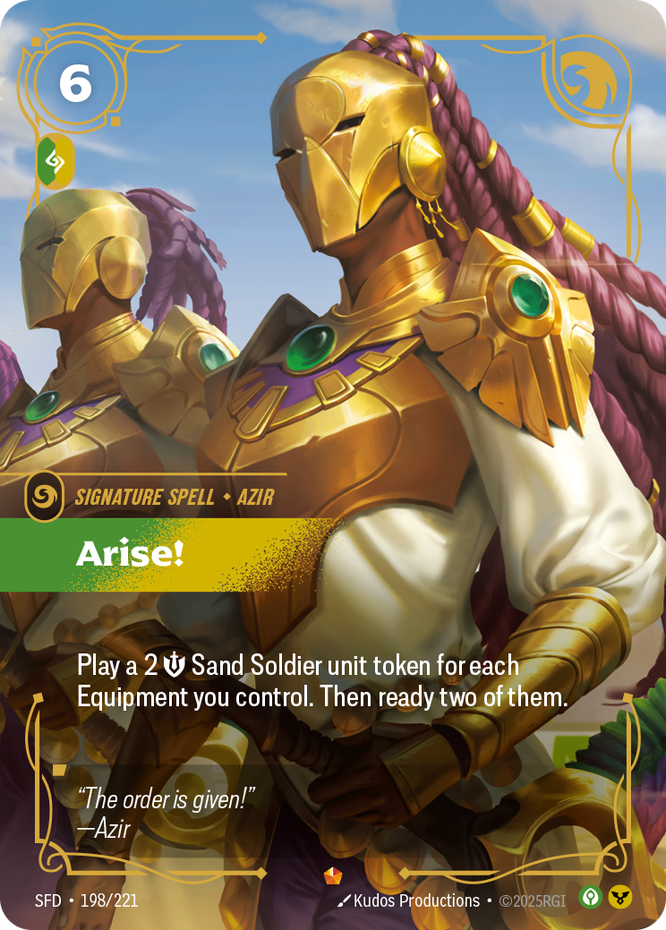
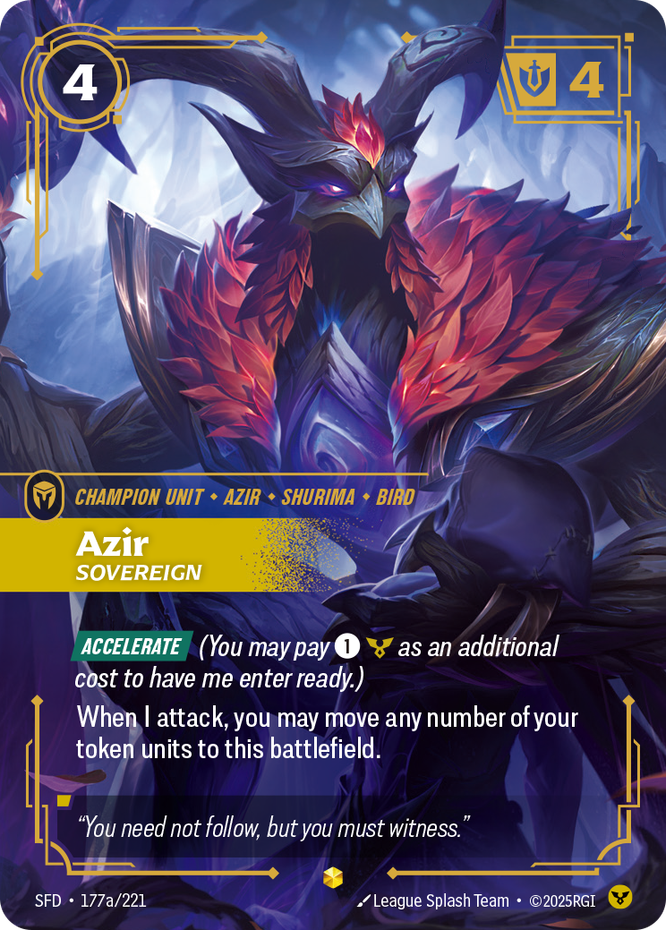
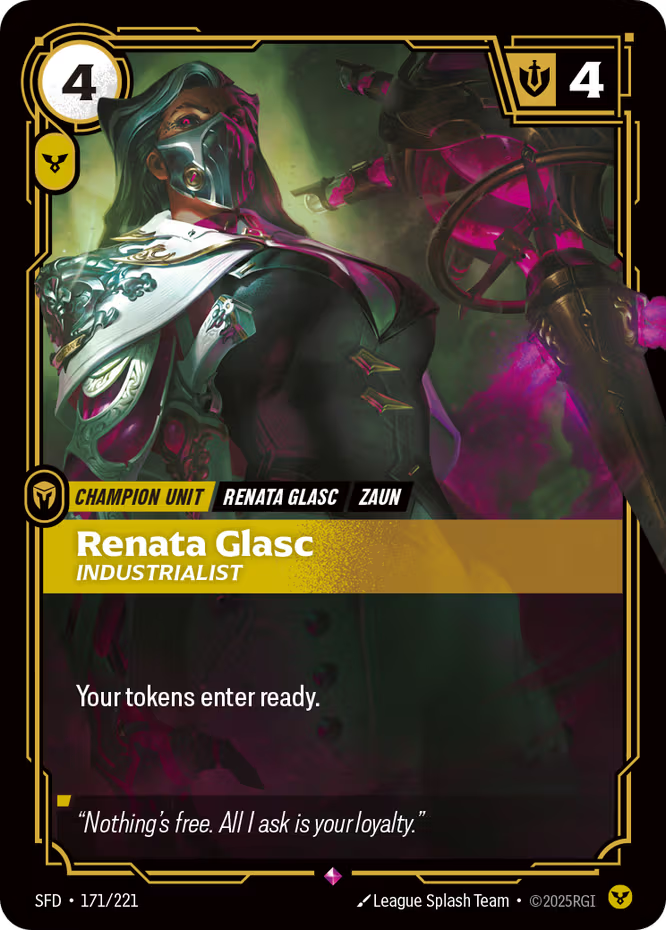
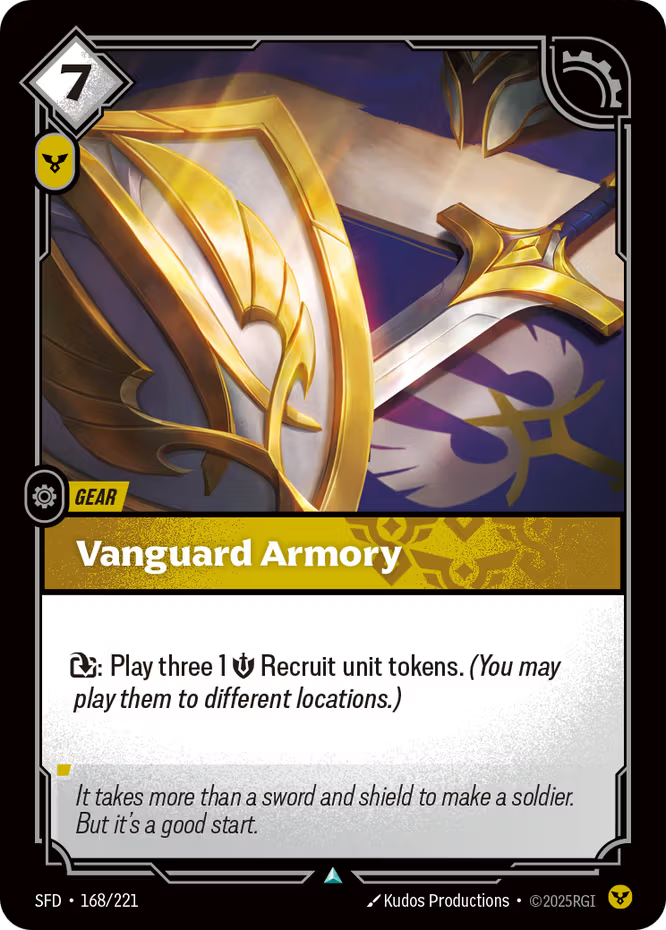
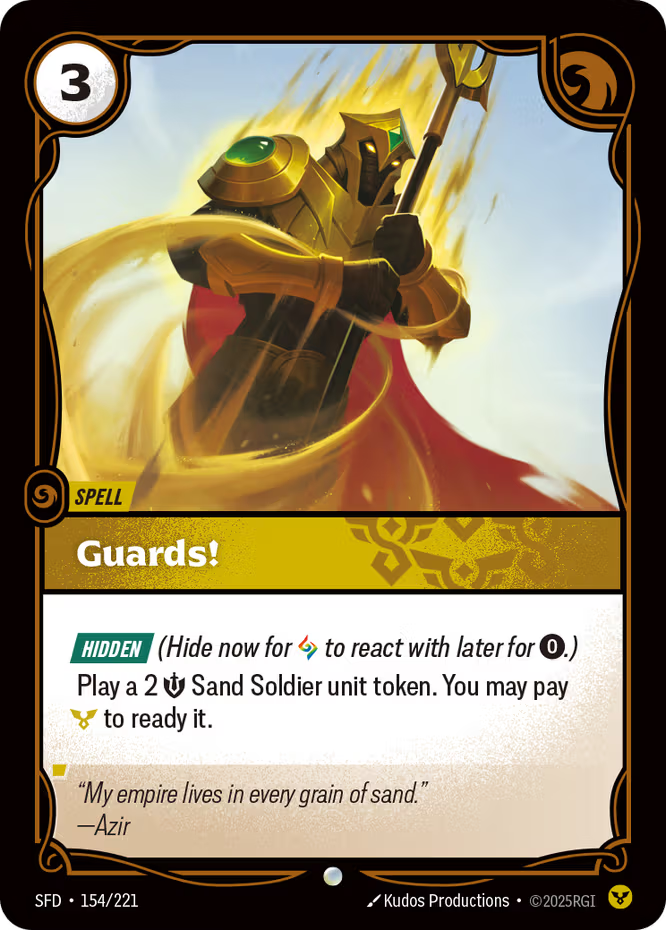
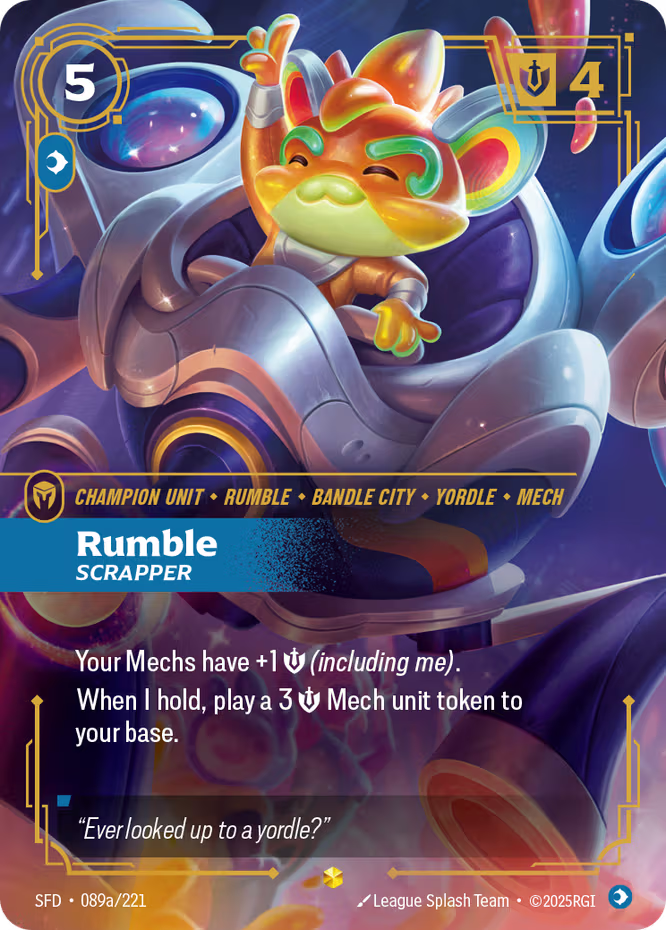
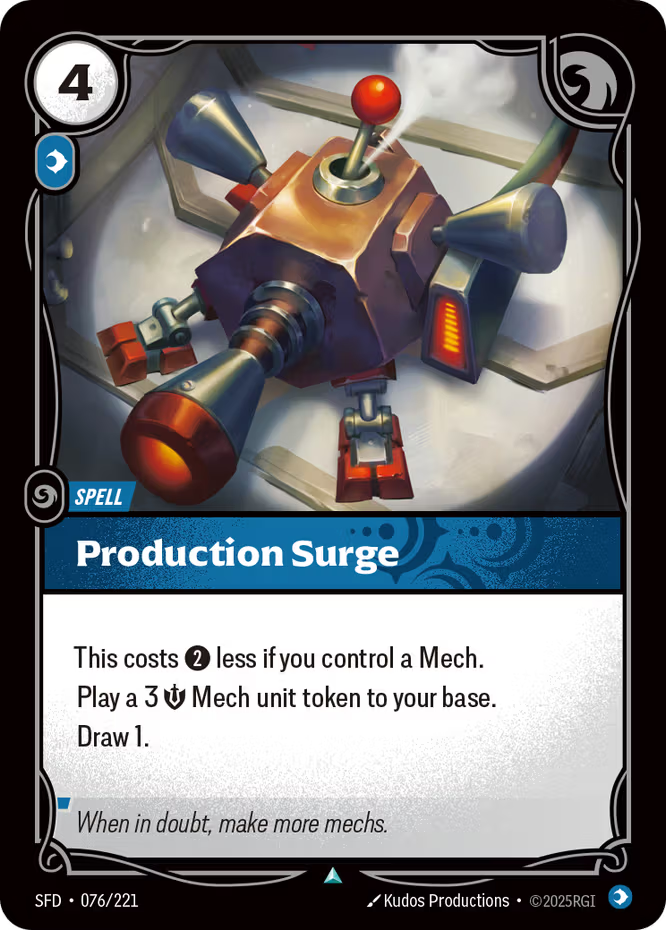
Token strategies were one of the most closely watched archetypes heading into Spiritforged, largely because Origins never quite gave them the staying power they needed. Spiritforged doesn’t suddenly turn tokens into a top-tier menace, but it does finally give them breathing room.
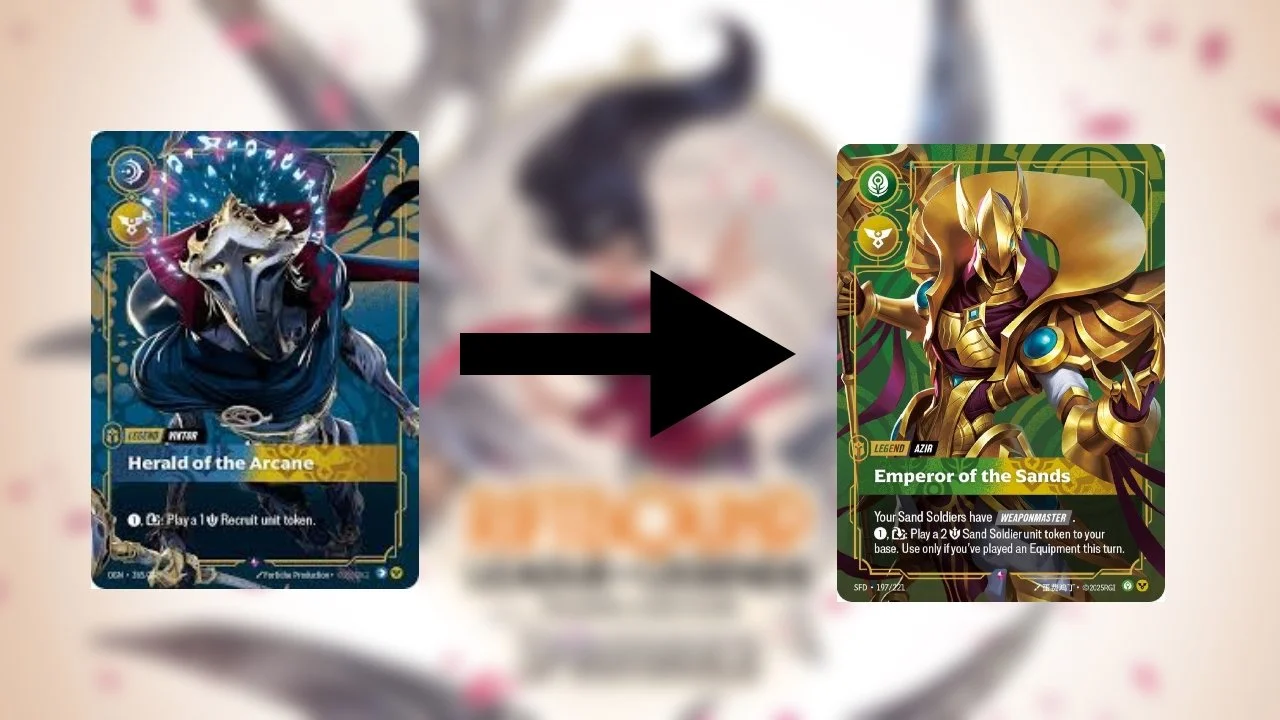
A big part of that improvement comes from the introduction of Mech tokens. Unlike earlier token strategies that relied on going wide and hoping the board stuck, Mech tokens introduce a more resilient, midrange-friendly angle. Their interactions with equipment and value engines allow token decks to threaten meaningful board presence without fully committing to fragile swarm strategies. Instead of folding to a single sweep or tempo swing, Mech-focused builds can apply pressure in stages and force opponents to answer specific threats rather than a sea of small bodies.
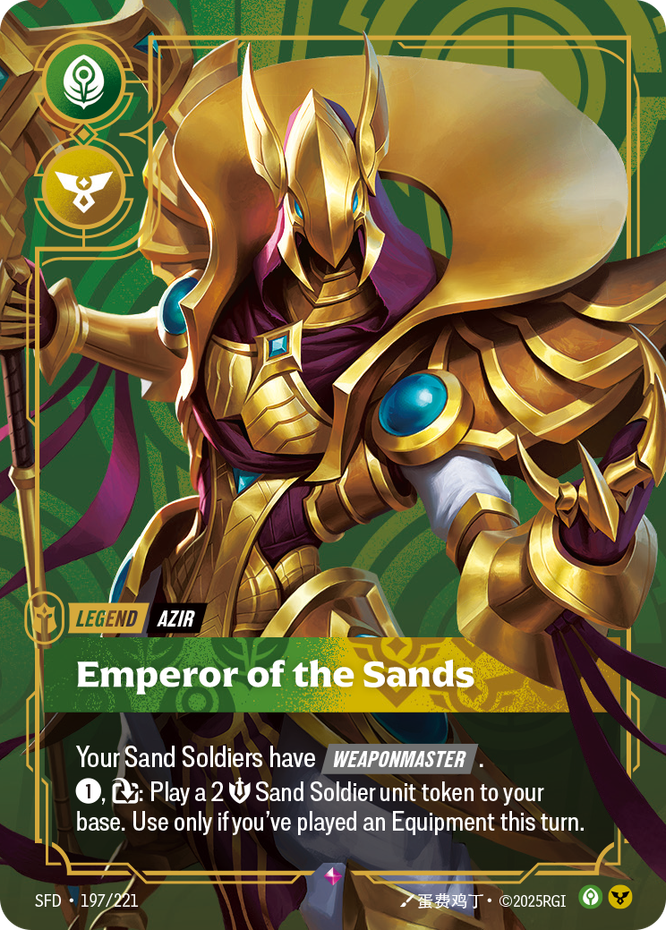
Spiritforged also quietly improves token combat math with the addition of 2-might Sand Soldier tokens. These are a meaningful step up from the familiar 1-might Recruits found throughout Origins. That extra point of might changes a surprising number of early-game interactions, letting token decks trade more effectively, pressure battlefields sooner, and avoid losing entire boards to incidental damage effects. Sand Soldiers don’t just fill space—they demand respect, especially when backed by equipment or buffs.
Combined with new resource smoothing and repeatable value effects, token decks can now extend games more comfortably than before. Where they once crumbled after their first push was answered, they can rebuild, stabilize, and pivot into more deliberate pressure. That said, the format is still leaning fast, and optimized tempo decks remain very good at punishing token lists that stumble early or overcommit without protection.
For now, tokens—especially Mech- and Sand Soldier-focused builds—feel like a meta-dependent choice rather than a universal answer. They’re viable, they’re improving, and they finally have a clearer identity, but they still need the meta to slow just a bit more before becoming a defining force.
A Shifting Legend Hierarchy
Spiritforged’s biggest impact so far has been on legend diversity. The gap between “best” and “playable” is shrinking, and that’s a healthy sign for the game.
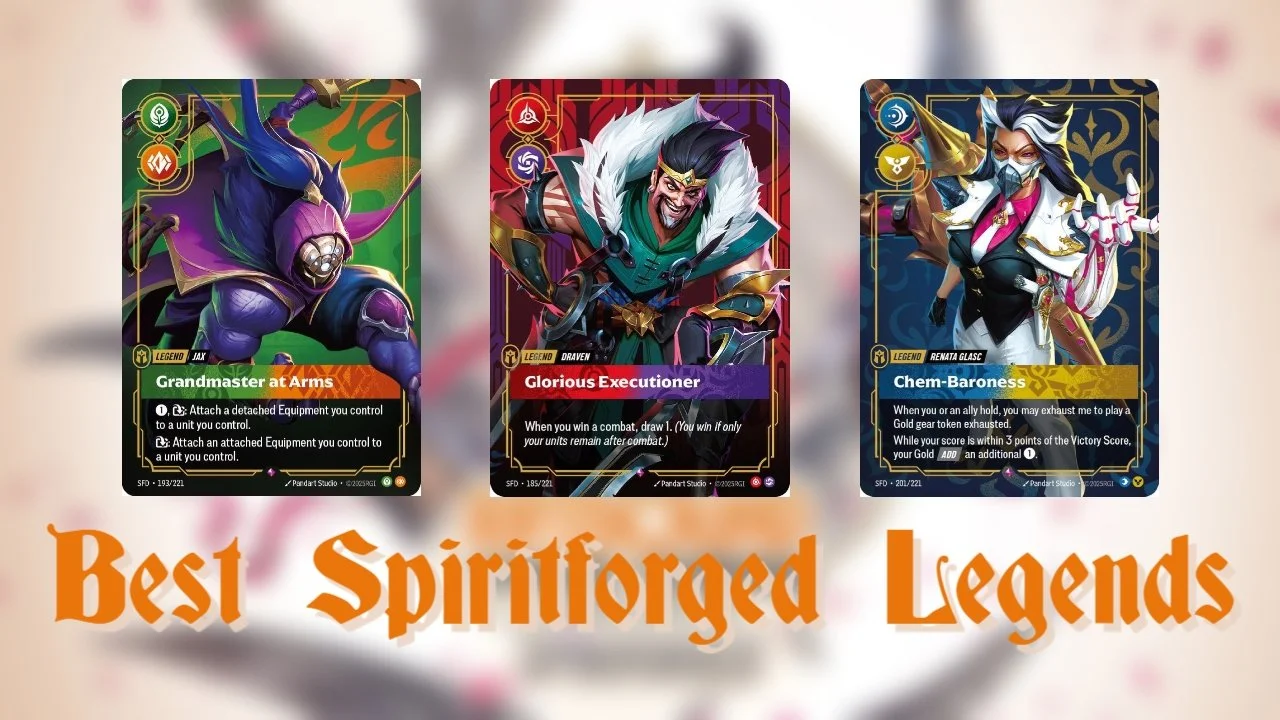
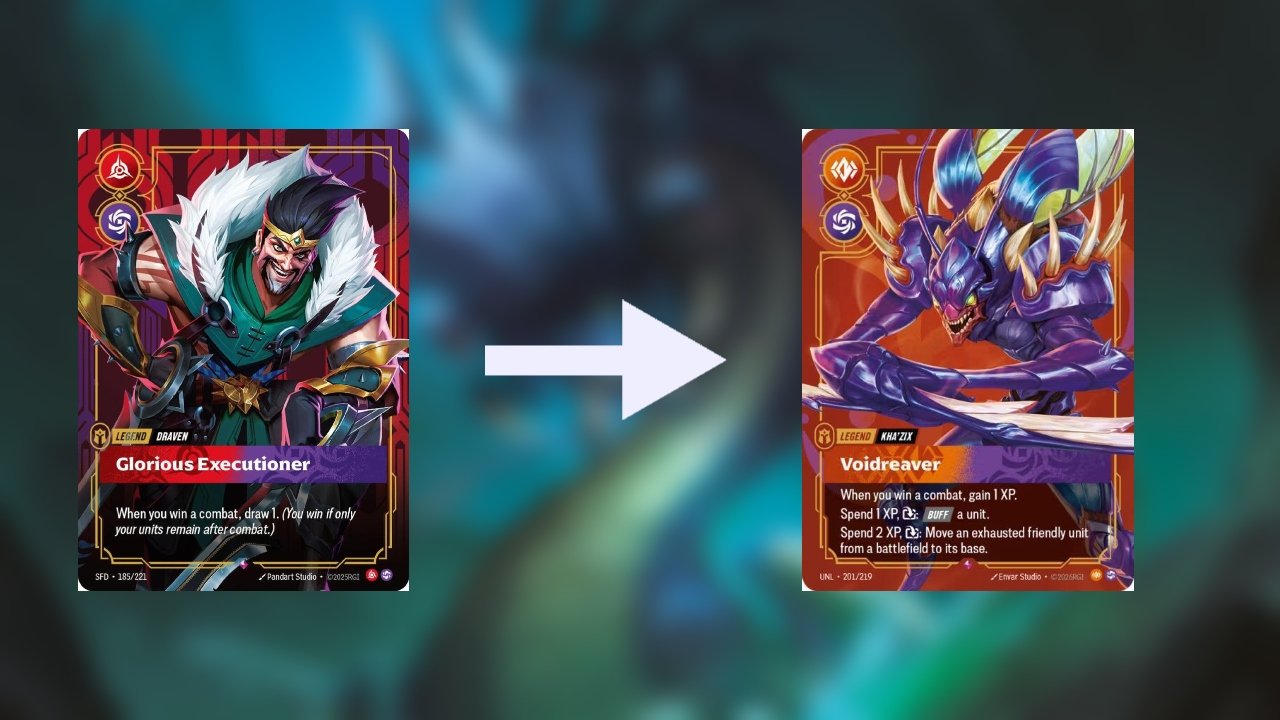
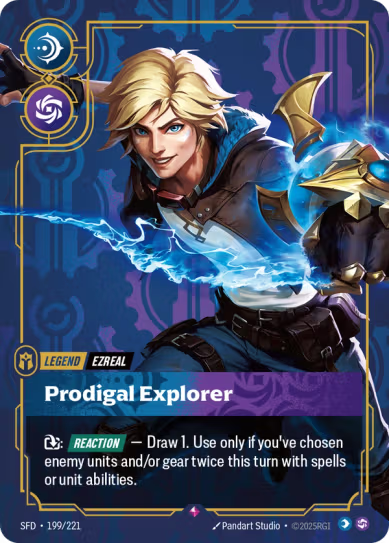
New Spiritforged legends like Draven and Ezreal are already posting strong early results, particularly in aggressive and tempo shells. These decks thrive in unsettled formats, where opponents are experimenting and lists aren’t fully optimized. They apply pressure early, demand efficient answers, and punish greedier builds that are trying to do too much at once.
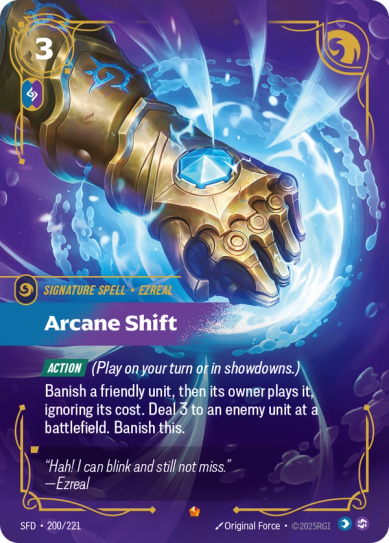
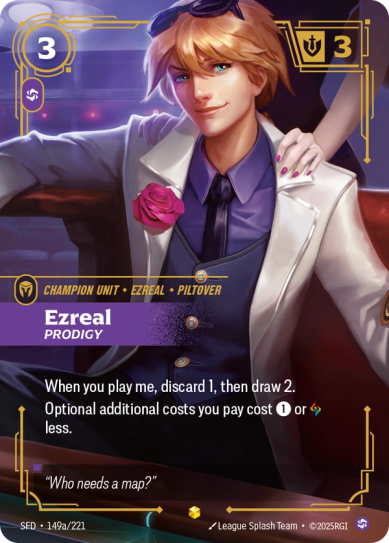
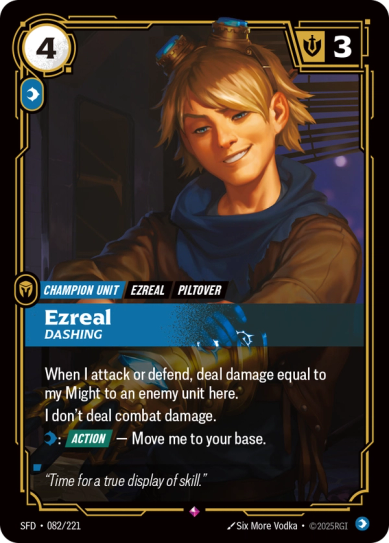
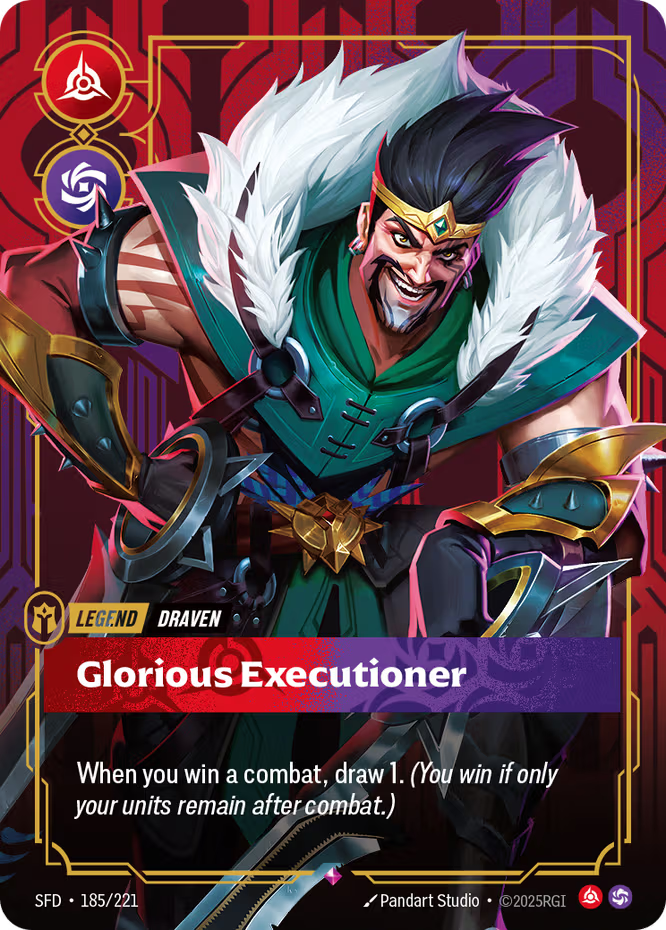
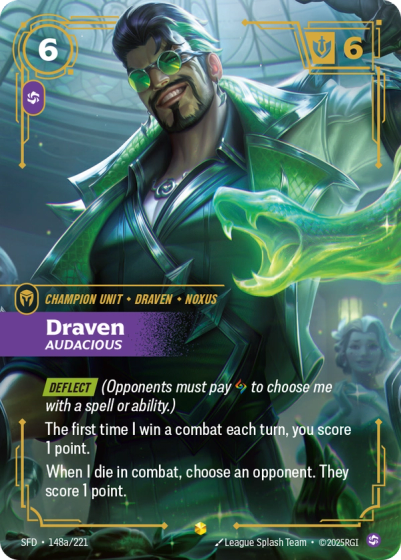
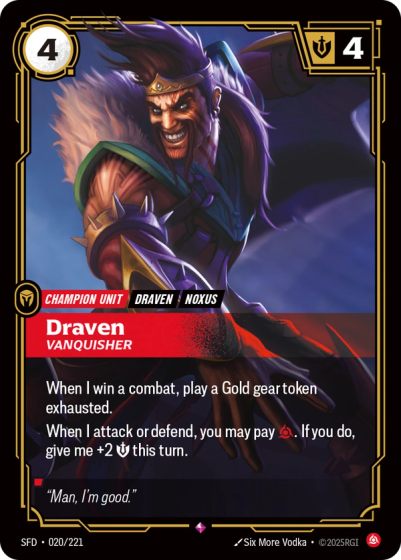
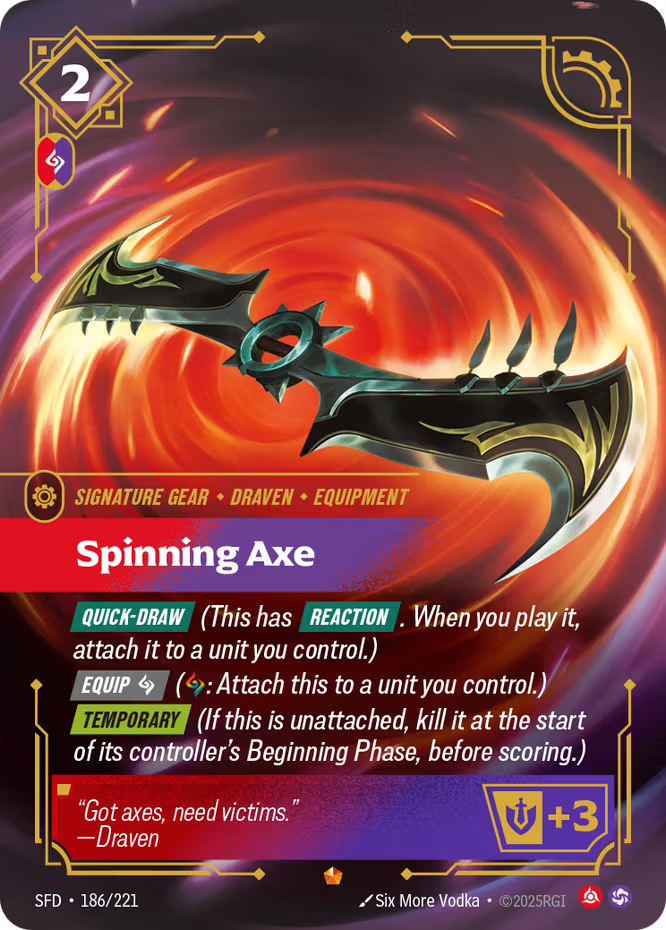
Irelia is also hovering on the edge of a breakout moment. Her decks reward tight sequencing and precise play, and while she hasn’t fully cemented herself yet, she’s exactly the kind of legend that tends to spike once the meta slows and players refine their lines.
Importantly, this doesn’t mean Origins legends are being pushed out—it means they’re finally being challenged.
Annie and Kai’Sa: Still the Measuring Stick
Any serious meta discussion still has to pass through Kai'Sa and Annie, and Spiritforged hasn’t changed that entirely.
Kai’Sa remains one of the safest competitive choices in the game. Her flexibility, efficiency, and ability to pivot between aggression and control translate extremely well into a growing card pool. Spiritforged gives players more tools to interact with her, but it hasn’t invalidated what makes her strong. If anything, she continues to function as the benchmark—if your deck can’t handle Kai’Sa, it probably isn’t ready for high-level play.
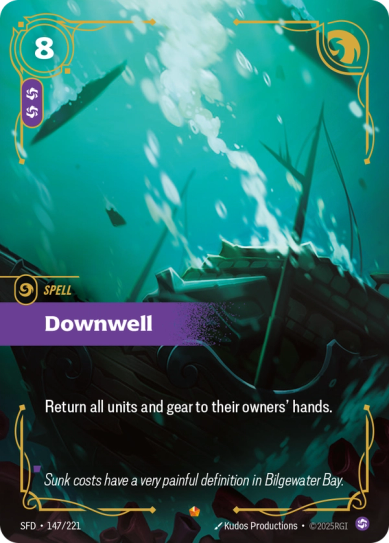
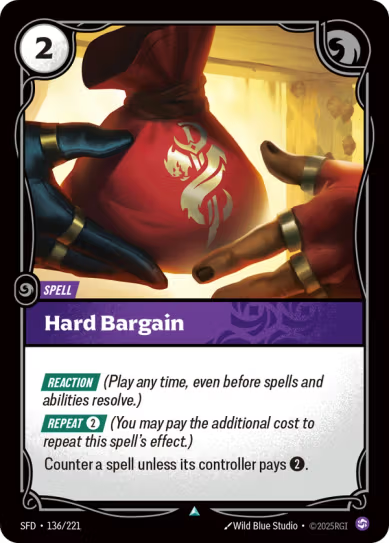
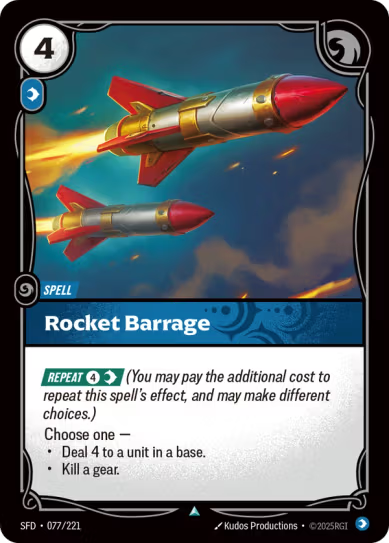
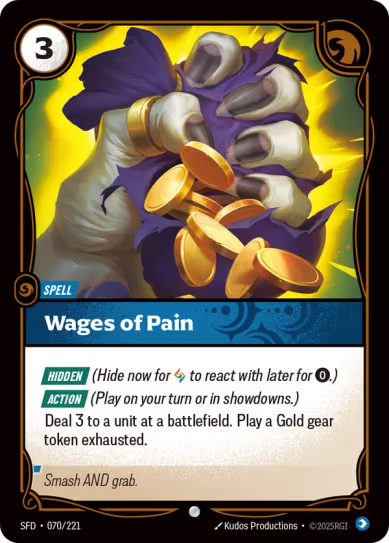
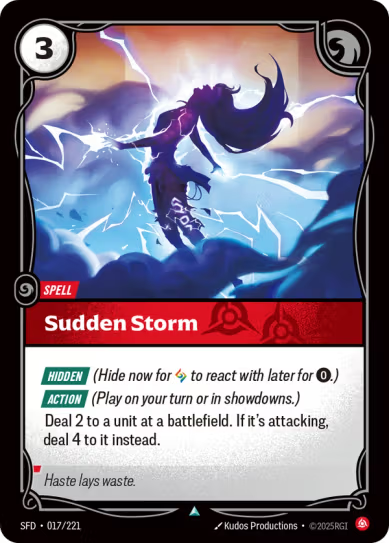
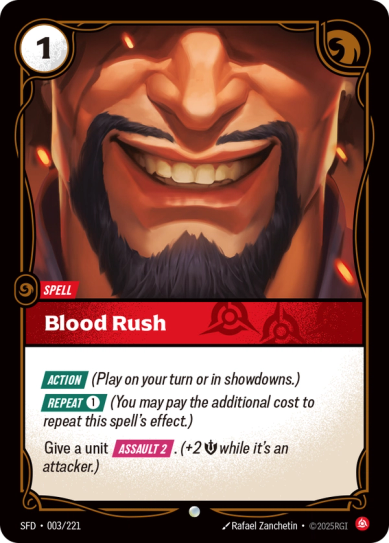
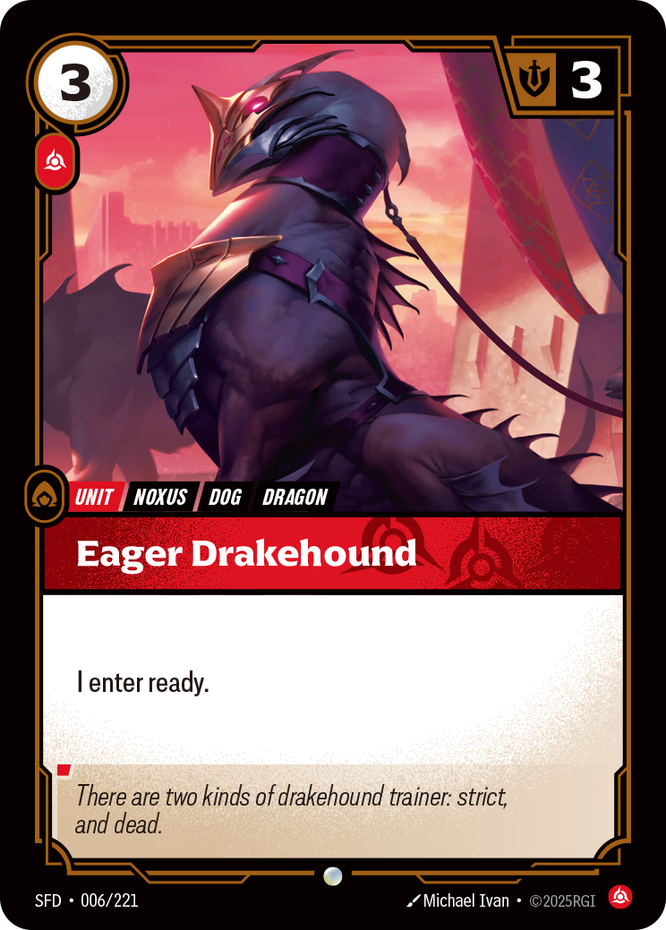
Annie, on the other hand, feels like she’s entering a new phase. She’s still good, still dangerous, and still capable of winning events, but she no longer feels inevitable. Spiritforged adds more counterplay and more competing spell-centric strategies, which has nudged her slightly down the tier list. Right now, Annie feels like a powerful option rather than the default best choice, and that distinction matters.
The Bigger Picture
Spiritforged doesn’t redefine Riftbound overnight, but it does change the conversation. Tokens are closer to legitimacy, aggressive legends are forcing respect earlier in games, and long-standing power picks are finally being pressured instead of assumed.
This is the kind of expansion that rewards players who are willing to adapt rather than cling to what worked last month. The meta isn’t solved yet—and that’s exactly what makes this moment interesting.
As more events fire and lists tighten, expect clearer tier lines to emerge. Until then, Spiritforged has done its job: it made Riftbound’s competitive scene wider, sharper, and far more interesting to watch.
To wrap things up, if you’re gearing up for this shifting meta and looking to upgrade your setup alongside your deck choices, be sure to check out our Riftbound Worlds Bundle Spotlight.