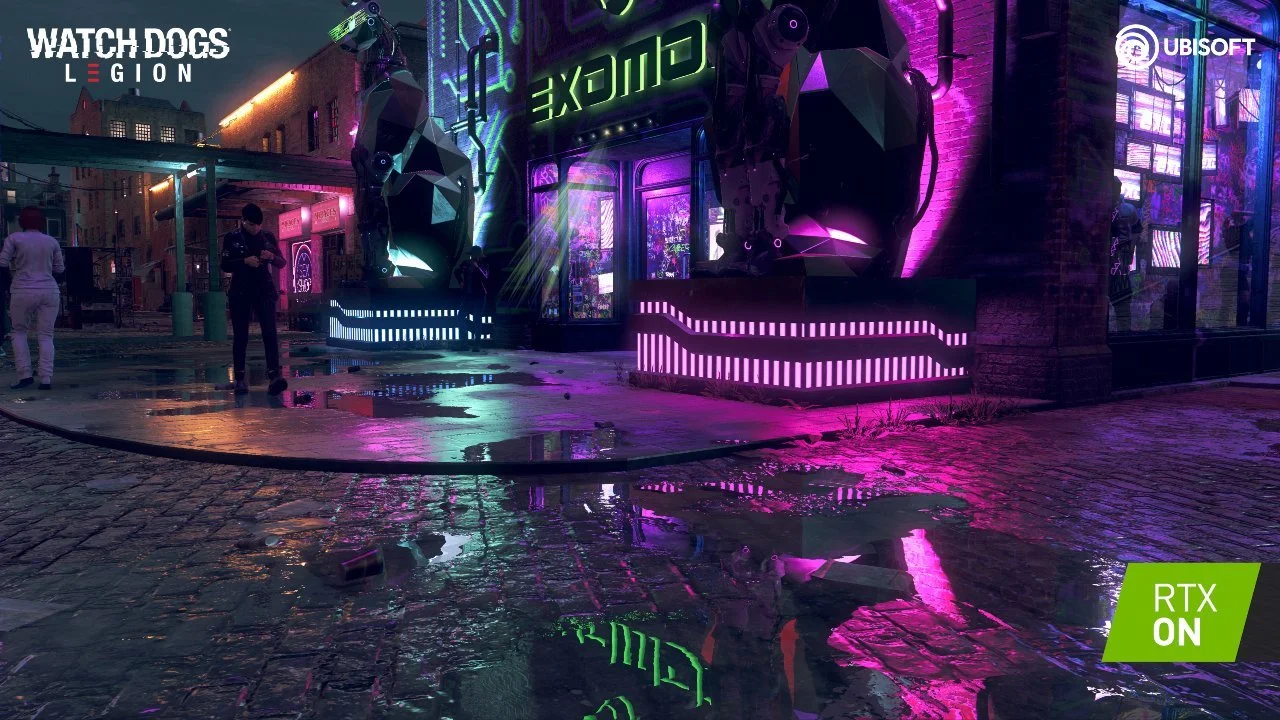
When IO Interactive dropped the path tracing reveal for 007 First Light, most of the conversation online was about Bond's cheekbones catching light in a way that felt uncomfortably real. Fair enough. That's the point. But the more interesting story isn't the cheekbones. It's the pipeline underneath them.
Path tracing used to be something you rendered offline, frame by frame, for hours, then stitched together for a movie trailer. Now it happens live, at 60-plus frames per second, while a player is mashing buttons and a GPU is making thousands of lighting decisions per second without breaking a sweat. Forza Horizon 6 does something similar on a bigger canvas. Full weather systems. Dynamic time of day. Reflections bouncing off wet tarmac in real time. Neither game is doing a magic trick. Both run on the same core architecture, and once you understand how that architecture works, you start noticing it everywhere. Not just in games. In broadcast. In video calls. In places that have nothing to do with a controller in your hand.
What's Actually Happening Inside an RTX Pipeline
Ray tracing sounds simple until you try to explain it properly. The GPU traces the path of individual light rays as they bounce around a scene, calculating how they reflect, refract, and scatter off surfaces before they hit a virtual camera. Do that for every pixel, every frame, and you get lighting that behaves like actual physics instead of a pre-baked approximation.
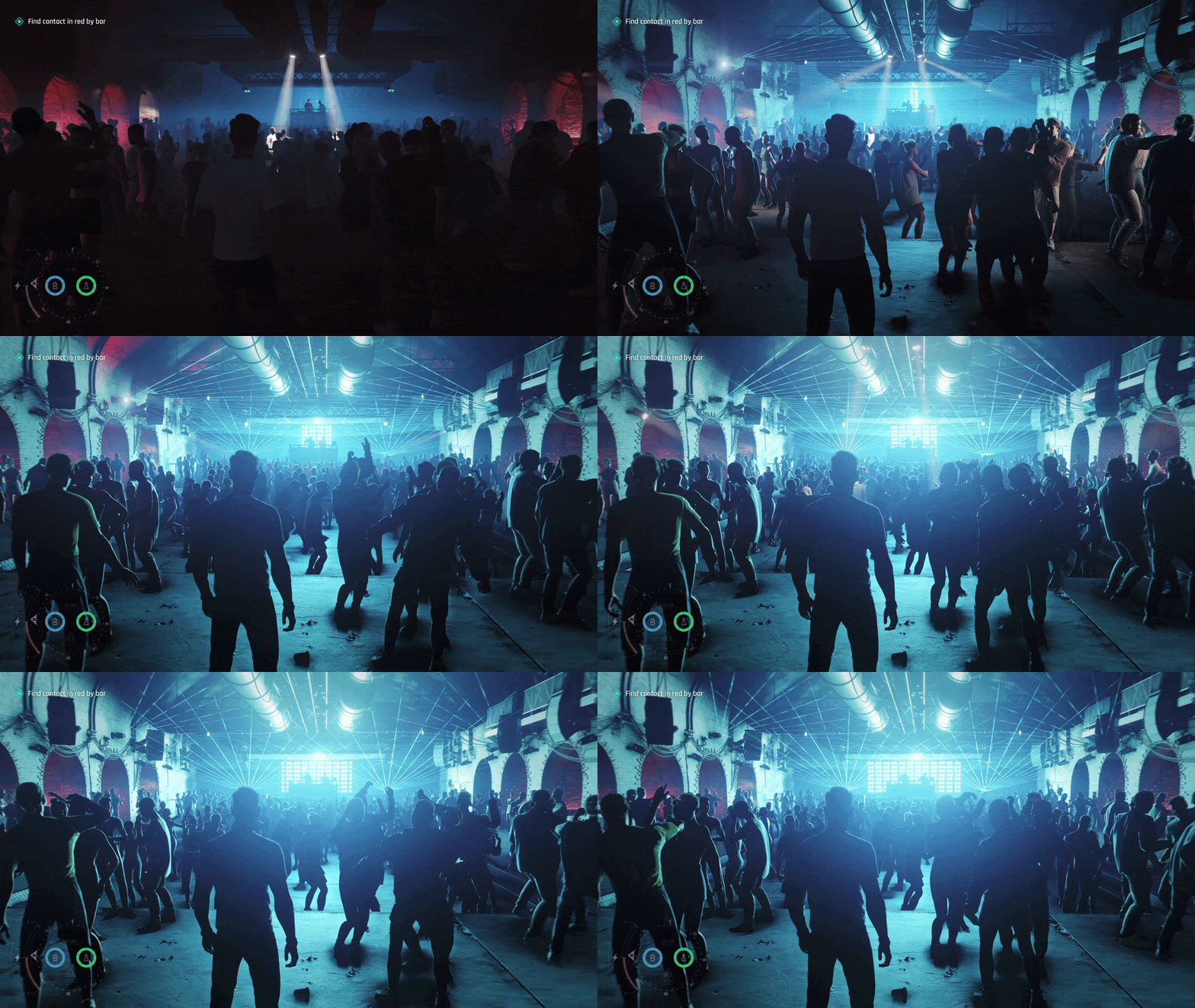
The problem has always been cost. Full path tracing at real-time frame rates used to require rendering farms the size of a small warehouse. NVIDIA's answer wasn't just faster hardware. It paired smarter hardware with AI. DLSS 4 doesn't render every pixel from scratch. It renders a fraction of them and uses a trained neural network to fill in the rest, then generates entirely new in-between frames using AI rather than brute-force computation. According to a Tom's Hardware breakdown published via Yahoo Tech, this frame generation layer does more heavy lifting for the claimed performance jump on RTX 50-series cards than the raw silicon improvements themselves.
That distinction matters. It means the leap in visual fidelity people are seeing in 007 First Light isn't purely a hardware story. It's a software story riding on top of hardware, and that combination is exactly what makes real-time, high-fidelity video streaming possible at scale.
Where This Same Tech Shows Up Outside Gaming
Here's the part that surprises people. The infrastructure required to render photorealistic lighting in real time, then compress and stream that output with minimal delay, is nearly identical to the infrastructure required to run any low-latency, high-fidelity live video feed. Swap the rendered 3D scene for a camera feed, and the pipeline barely changes.
NVIDIA has already demonstrated this directly. Their own engineering team published a breakdown of RTX-powered live broadcast tools that bring ray-traced graphics into live television production. Virtual sets and augmented overlays get lit and rendered in real time during an actual broadcast, not composited after the fact. Same GPU muscle. Same job. Just pointed at a TV studio instead of a Bond mission.
Live dealer casino platforms run on a close cousin of that same setup. A physical dealer shuffles cards or spins a wheel in a studio rigged with multiple cameras, and GPU-accelerated encoding compresses that feed into something a phone screen can display with almost no lag, while overlay graphics (betting circles, odds, chat) render on top in real time. It's the same low-latency rendering and streaming discipline, just wearing a tuxedo instead of a headset. Nevada has leaned into regulated real-money live dealer tables harder than most states, and anyone curious how that market actually works from a licensing and platform standpoint can find a solid breakdown in this Nevada online casino guide. Worth a skim if you've ever wondered how a state that basically invented modern casino gambling handles the online version of it.
Gambling carries real risk, so if you ever explore that side of things, only wager what you can genuinely afford to lose.
Why Latency Is the Real Bottleneck, Not Resolution
Everyone talks about 4K and ray tracing like they're the hard part. They're not, not anymore. The hard part is latency, the gap between something happening and a viewer seeing it.
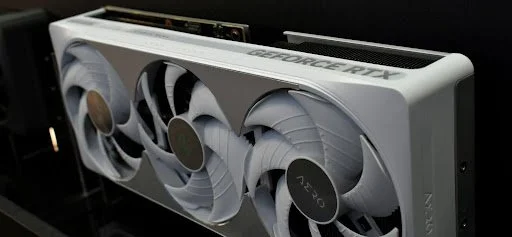
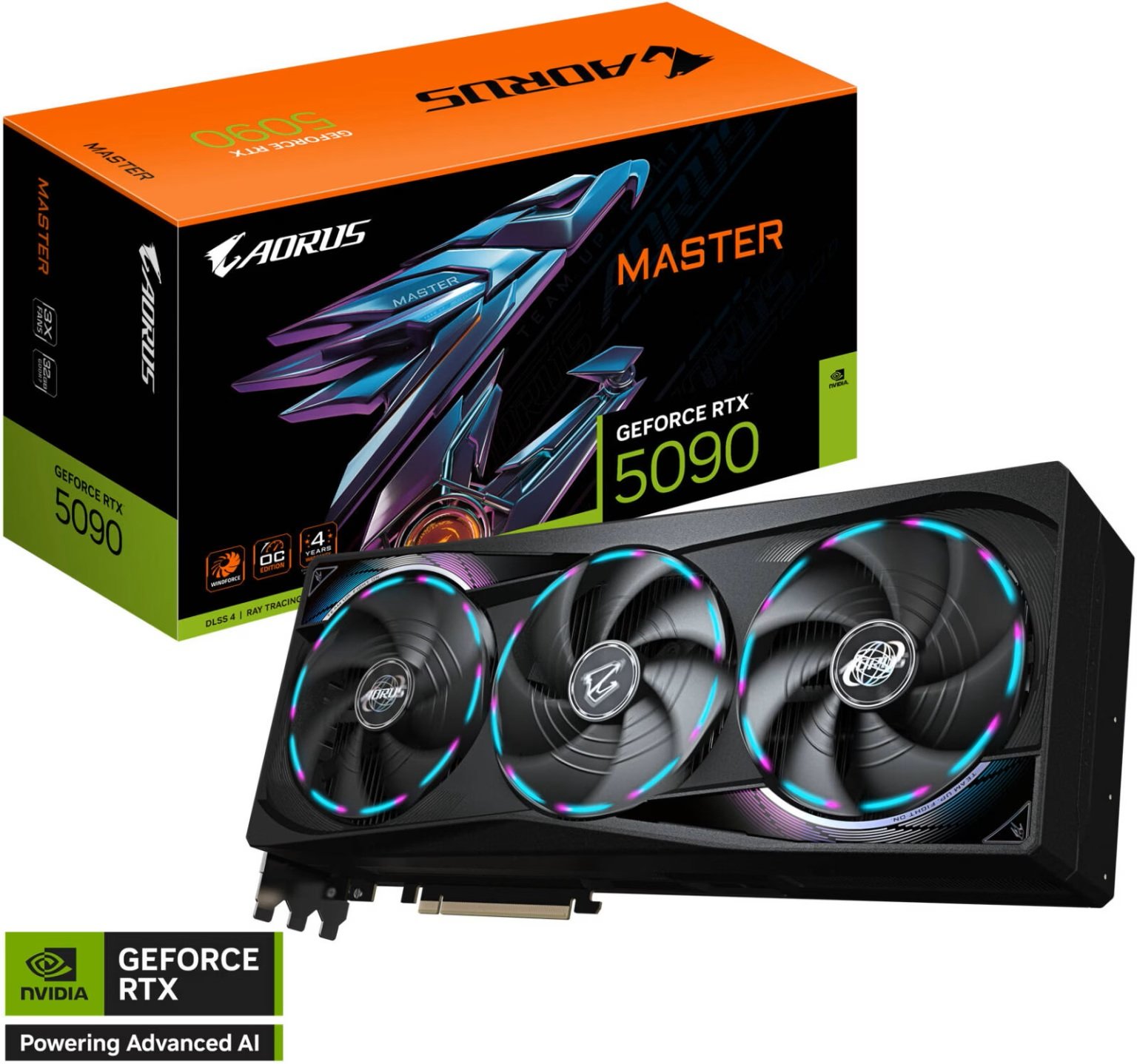
Path tracing a scene takes time. Encoding that output into a compressed stream takes more time. Sending it over a network and decoding it on the receiving device adds even more. Stack those delays and you get a broadcast, or a game stream, or a live table feed, that feels sluggish and disconnected. NVIDIA's answer has been to push as much of that pipeline onto dedicated silicon as possible. Tensor cores handle the AI upscaling. RT cores handle the ray intersections. Dedicated encoders handle compression without stealing cycles from the rendering itself.
A TechPowerUp deep dive into the RTX 50 architecture walks through exactly how these specialized cores divide the labor. Worth reading if you've ever wondered why a graphics card needs so many different types of processing units instead of just one giant chip doing everything. Specialization is the whole trick. Nothing here is one part doing all the work.
The Scaling Problem Nobody Talks About
Path tracing at showcase quality assumes you've got a flagship GPU sitting under your desk. Most people don't. That's the tension every RTX showcase title has to work through, and it's not a small one.
Enthusiast reviewers have already stress-tested how far this scales down. One YouTuber ran 007 First Light on a GTX 1650, a card five generations behind current flagships, using software-based ray tracing instead of hardware acceleration. It ran. Not beautifully, but playably. That tells you something. The visual language of ray tracing is becoming portable even when the dedicated hardware isn't there yet, because developers are building fallback paths into the rendering engine itself.
This scaling challenge is exactly why cloud-based rendering keeps coming up in industry conversations. If the GPU doing the heavy lifting lives in a data center instead of a living room, the device on the receiving end just needs to decode a video stream. Much lower bar. It's also, not coincidentally, close to how live dealer platforms already operate. The rendering and camera processing happens studio-side. Your phone just needs to play back what it's sent.
What Comes Next for Real-Time Rendering
Neural rendering is the phrase to watch. Rather than tracing every ray and filling gaps with AI as a patch, next-generation pipelines are experimenting with training neural networks to predict entire lighting solutions directly, skipping large chunks of the traditional rendering math altogether. Mainstream coverage of the Blackwell architecture, including a Gulf News piece on the RTX 50 series launch, frames this shift as less about faster rasterization and more about AI increasingly doing the creative interpretation that used to require raw compute.
If that trend holds, showcase titles a few years from now won't look like small improvements on 007 First Light. They'll look like a different category of visual output, closer to a real-time film than a traditional rendered game. And whatever pipeline gets there first will end up quietly running underneath a dozen industries that have nothing to do with games, the same way it already does today.
Frequently Asked Questions
What's the difference between ray tracing and path tracing?
Ray tracing typically traces a limited set of light bounces to save on compute cost. Path tracing traces far more bounces per pixel, producing more physically accurate lighting, shadows, and reflections. It's more demanding, which is why AI upscaling tools like DLSS became necessary to run it in real time.
Does DLSS reduce visual quality to boost frame rates?
Not meaningfully in most cases. DLSS 4 renders fewer native pixels and frames, then uses trained neural networks to reconstruct the rest. Reviewers generally find the output close to native quality, though fast-motion scenes can occasionally show minor artifacts.
Can older graphics cards run ray-traced games at all?
Yes, though with tradeoffs. Software-based ray tracing lets non-RTX cards approximate the effect without dedicated RT cores, usually at lower frame rates and reduced detail. It's a workaround, not a full substitute for hardware acceleration.
Why does live video streaming need powerful GPUs at all?
Encoding high-resolution video in real time, especially with overlays or rendered graphics layered on top, requires dedicated processing that a CPU alone struggles to keep up with. GPUs handle this encoding alongside rendering tasks, which is why the same chips show up in both gaming and broadcast contexts.
Whatever direction neural rendering takes next, one thing's already clear. The tech showing up in 007 First Light's cutscenes isn't staying in games. It's already load-bearing infrastructure for a lot of the video you watch without ever thinking about where it came from.