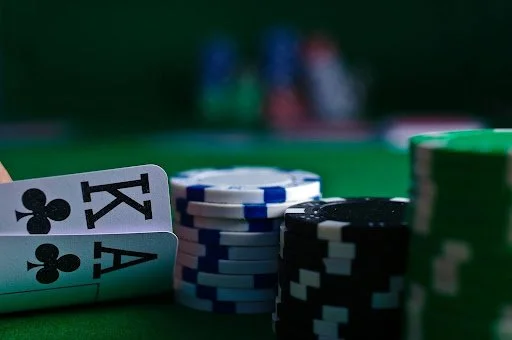
Every gamer has been there. You lose a roguelike run because the game handed you garbage items three floors in a row. Or you win a round of poker on a pure bluff and feel like a genius for the next hour. Both moments felt fun, but they came from completely opposite places. That gap between mastery and chance sits at the heart of how games are designed, and it shapes whether a player feels satisfied or just along for the ride. Most titles land somewhere between pure randomness and pure skill, and where they land tends to define the kind of fun they produce.

What luck actually does to a game
Chance is not the villain it sometimes gets painted as. When it works well, it does something mastery alone cannot: it creates genuine surprise. A perfectly skill-based experience can become predictable once a player reaches a high enough level. The better person wins, every time, with little variation. That consistency is satisfying in competitive contexts, but it can quietly kill replayability.
Random elements break that predictability in ways that keep sessions feeling fresh:
A single card draw in a deckbuilder can completely reverse the momentum of a match
A random enemy spawn in a survival title turns a routine run into a desperate scramble
An unexpected loot drop changes your entire strategy mid-session
A dice roll in a board game puts a weaker player back in contention when they had no business being there
The most effective chance-based designs strip away every other variable and let the uncertainty do all the work. There is no progression to grind, no loadout to optimise, no experience gap to overcome. The question is simply whether this spin, this flip, or this drop goes your way. That kind of experience is not trying to test you. It is trying to make you feel something, and when it is built well, it does exactly that. Titles like those covered in the Crazy Tower casino review show how a pure chance format can still be genuinely engaging when the moment-to-moment experience is well crafted, the feedback is immediate, and the stakes feel real even when they are light.
What skill brings to the table
Mastery-based design gives players something they cannot: a sense of ownership over the outcome. That win belongs to you because it traces back to a decision you made, not something that happened to you. That distinction is what drives improvement and keeps people coming back.
What mastery-based design consistently delivers:
A clear improvement loop where mistakes have readable causes and fixable solutions
Long-term depth that rewards continued investment with new layers of complexity
A competitive environment where the better-prepared player wins more often than not
The downside is that this kind of design creates gaps. A newcomer sitting down against a veteran gets demolished, and that can feel discouraging rather than motivating. The very thing that makes mastery satisfying for experienced players is exactly what makes it intimidating for everyone else.
Where the two actually overlap
The cleanest way to understand the balance is to look at where titles sit on a spectrum rather than treating them as separate categories.
| Game type | Skill weight | Luck weight | Example |
|---|---|---|---|
| Pure strategy | Very high | None | Chess |
| Competitive card game | High | Medium | Poker |
| Roguelike | Medium | Medium | Hades |
| Crash/multiplier game | Low | Very high | Aviator |
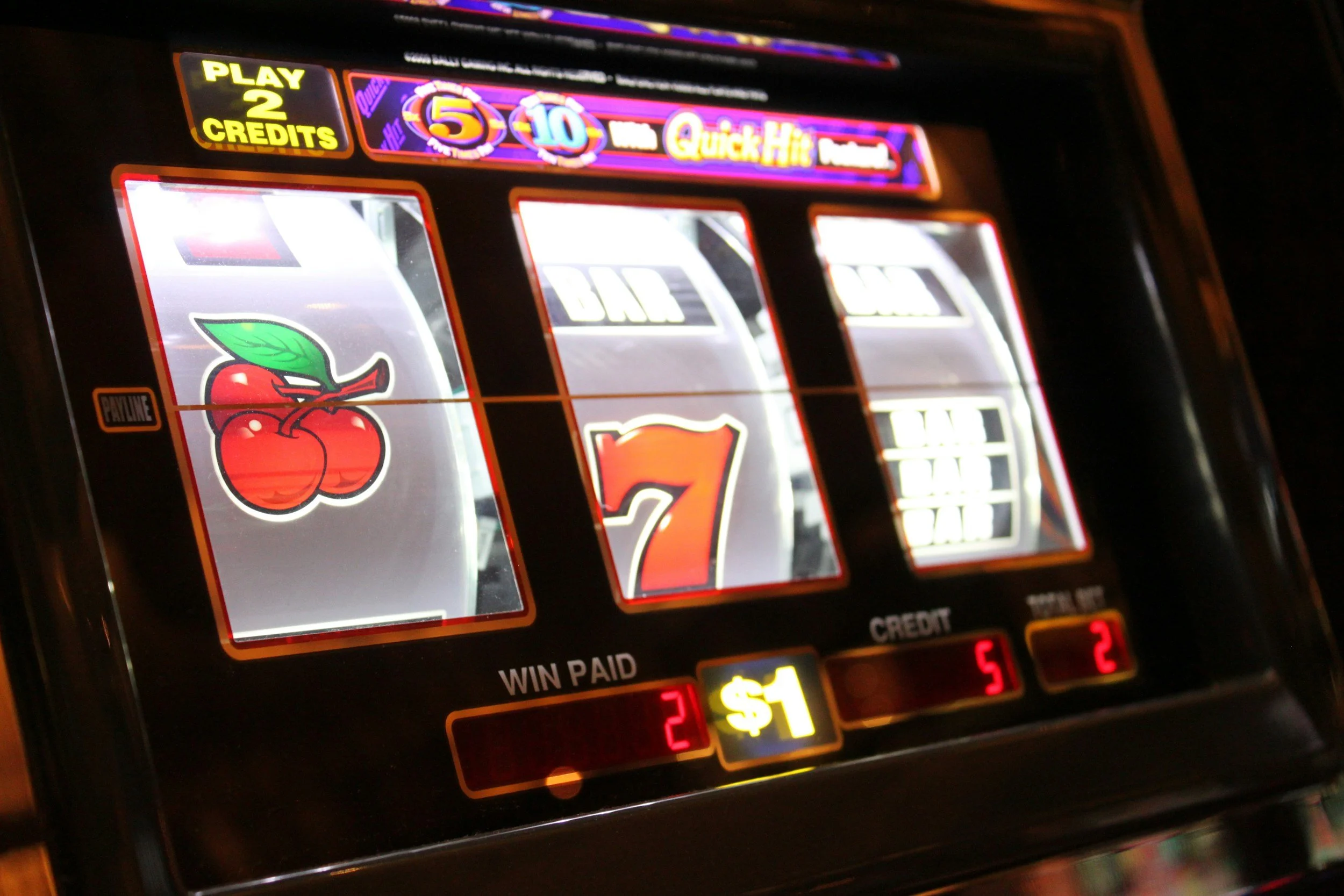
| Slot game | None | Total | Classic slots |
Most enjoyable titles cluster in the middle of that table, not because designers are compromising, but because the combination produces richer experiences than either extreme. Randomness keeps seasoned players humble and gives newcomers occasional moments of triumph. Mastery gives chance-driven formats a layer of decision-making that makes players feel less passive.
The psychology behind why both feel fun
The brain responds differently to mastery rewards and chance rewards, but both responses are genuinely pleasurable.
Mastery rewards trigger what psychologists call a competence response. You feel capable and in control, which is tied to long-term motivation and why people sink hundreds of hours into difficult titles. The reward feels proportional to the effort.
Chance rewards work on a different system entirely. Research published by the National Institutes of Health suggests that dopamine responds to unpredictability itself rather than to the reward that follows, which is why the moment before a loot box opens or a booster pack gets flipped feels just as charged as the reveal. The anticipation itself is the experience.
Neither is more legitimate than the other. Someone winding down after work wants low-effort excitement. Someone looking for a challenge wants the grind. Both are valid reasons to sit down and play.
Designs that get the balance right
The titles that tend to hold players the longest are the ones that layer mastery over a chance foundation, or introduce randomness into an otherwise skill-driven system. Here are some design patterns that tend to work well:
Random starting conditions that both players share equally, so chance sets the stage but decisions determine the outcome
Procedural generation that changes the environment without changing the rules, keeping things fresh without making experience irrelevant
Variable rewards for completing mastery-based tasks, so the achievement is earned but the prize still carries some surprise
Risk-reward decisions where players choose how much randomness to expose themselves to based on confidence in their own ability
These patterns show up in everything from card games to shooters to browser-based experiences, and they tend to be the designs players remember most fondly years after they stop playing.
Finding your own balance
The honest answer to which makes a title more fun is that it depends on what you are looking for when you sit down to play. The GameTyrant Take a Break section exists precisely because not every session needs to be a test of reflexes and strategy. Sometimes you just want something quick, low-stakes, and entertaining, which is a perfectly legitimate way to spend twenty minutes.
What matters is that the experience is honest about what it is offering. A chance-heavy title that pretends decisions matter more than they do will frustrate players who feel cheated. A mastery-heavy one that hides its depth behind random penalties will drive away people who put in real effort. The best designs are transparent about the balance they are striking and build their systems around delivering the specific kind of fun that balance produces.
Why the question has no clean answer
Mastery and chance are not competing for the title of most important ingredient. They are different flavours, and the best designers know exactly how much of each to use. A title can be almost entirely chance-driven and still be brilliant if the pacing, feedback, and tension are right. One built almost entirely around mastery can still lose players if it never gives them a moment to breathe or a surprise to react to.
The most interesting design conversations right now are not about which one wins. They are about how the two interact, where randomness creates opportunity for decisions to shine, and where mastery gives players a reason to care about outcomes that chance is ultimately deciding. That tension, when handled well, is where some of the most memorable experiences in gaming come from.