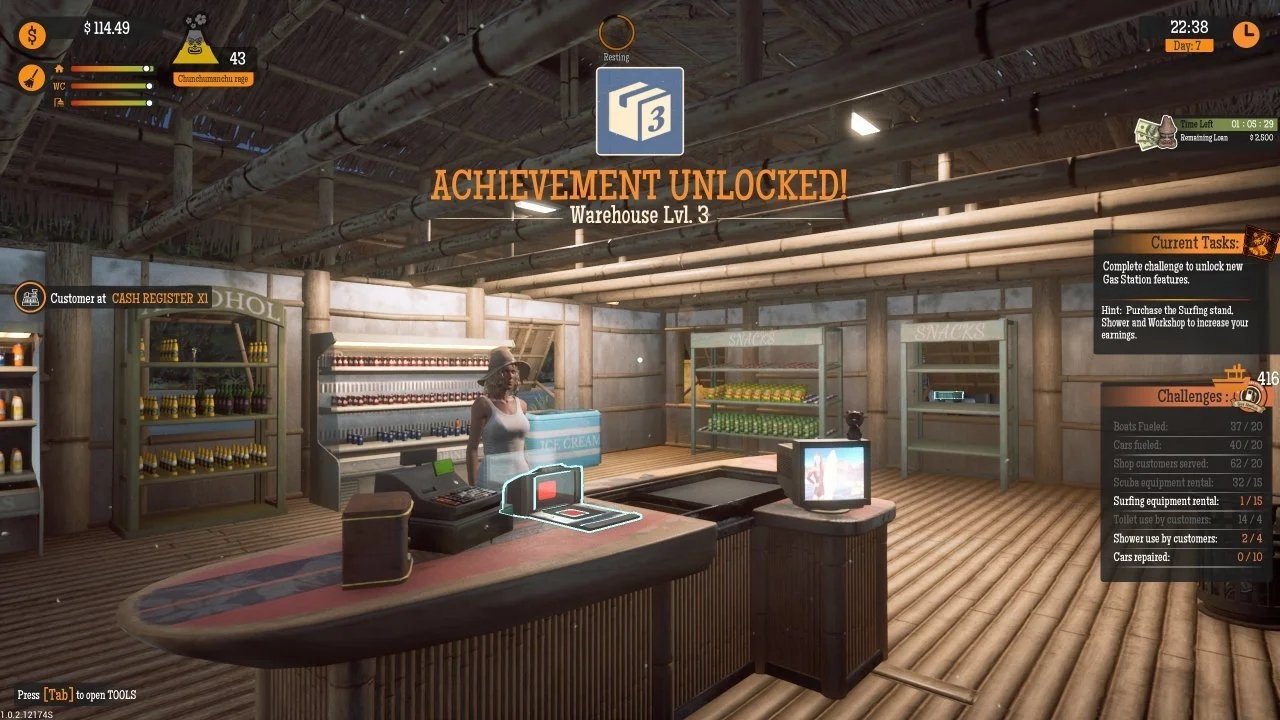
Simulator games are everywhere right now. Whether it’s running a gas station, flipping houses, or even managing a trading card shop, there’s a simulator for just about every corner of the working world. And despite how simple the gameplay loops might seem, they all have one thing in common—they’re ridiculously addicting. That’s because they thrive on a sense of progression: watching your small operation grow into something bigger and better is endlessly satisfying.
How Does Supermarket Simulator Play?
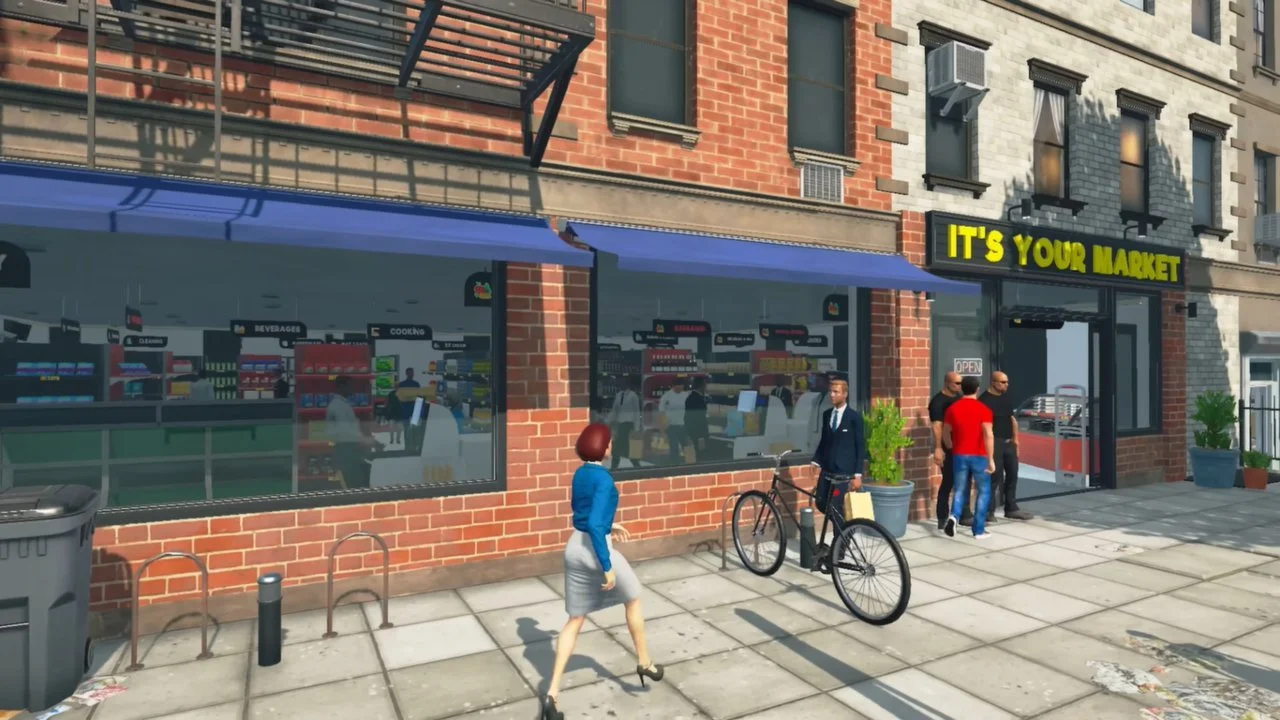
At its core, Supermarket Simulator doesn’t reinvent the wheel, but it polishes the formula in some really satisfying ways. If you’ve ever played Fast Food Simulator or Gas Station Simulator, you’ll pick it up instantly. The premise is straightforward: open a bare-bones supermarket, start stocking shelves, and gradually grow your store through sales and upgrades.
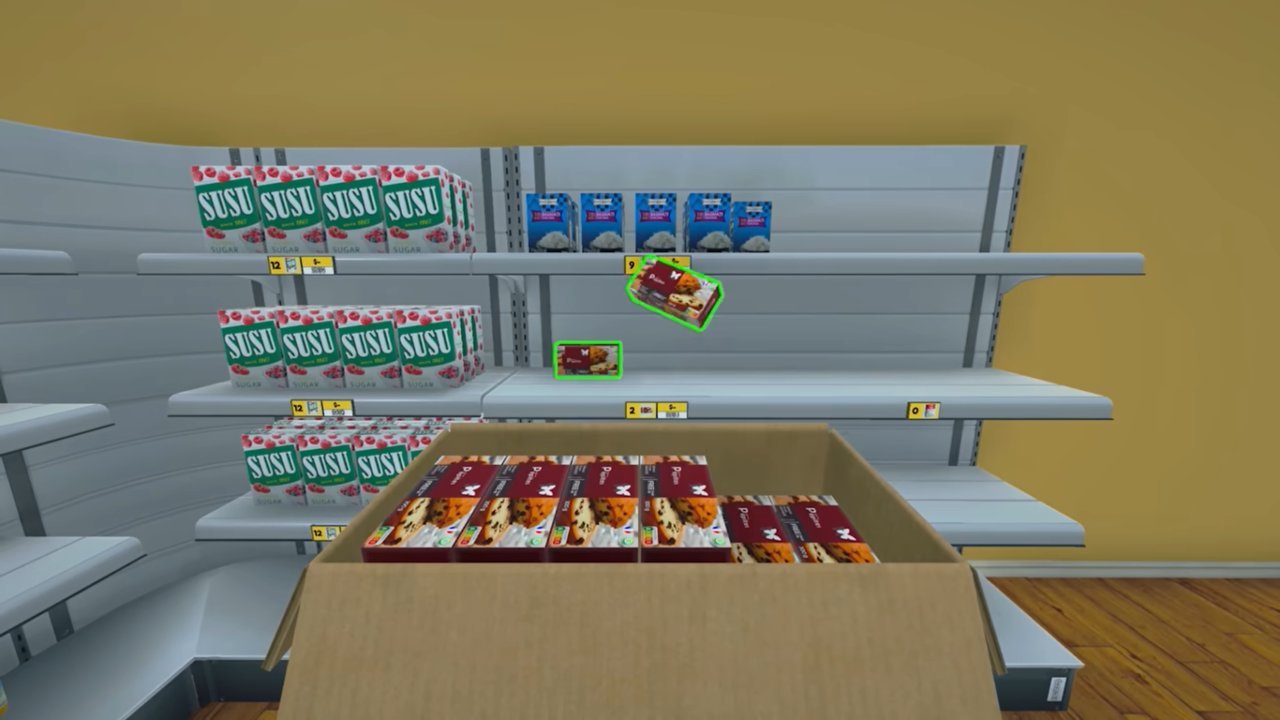
Every sale feels like a small step forward. You use that money to unlock new products, expand your floor space, and make your supermarket feel more alive. What I love here is that the game doesn’t just lock you into one path—you can customize your store’s layout, design the flow for your customers, and truly make it feel like your supermarket. It’s small touches like this that elevate it beyond a simple “restock and repeat” job simulator.
The Early-Game Grind
That said, it’s not all smooth sailing. The early hours of Supermarket Simulator can feel brutally grindy. Customers constantly ask for products you don’t yet have licenses for, and because they leave empty-handed, you’re essentially punished for not being able to afford new stock. This creates a weird cycle where the higher your store level gets, the more frustrated your customers are—yet your profits don’t really catch up. For at least the first ten levels, I felt like I was stuck in survival mode, desperately trying to keep shelves filled while making no real progress toward upgrades.
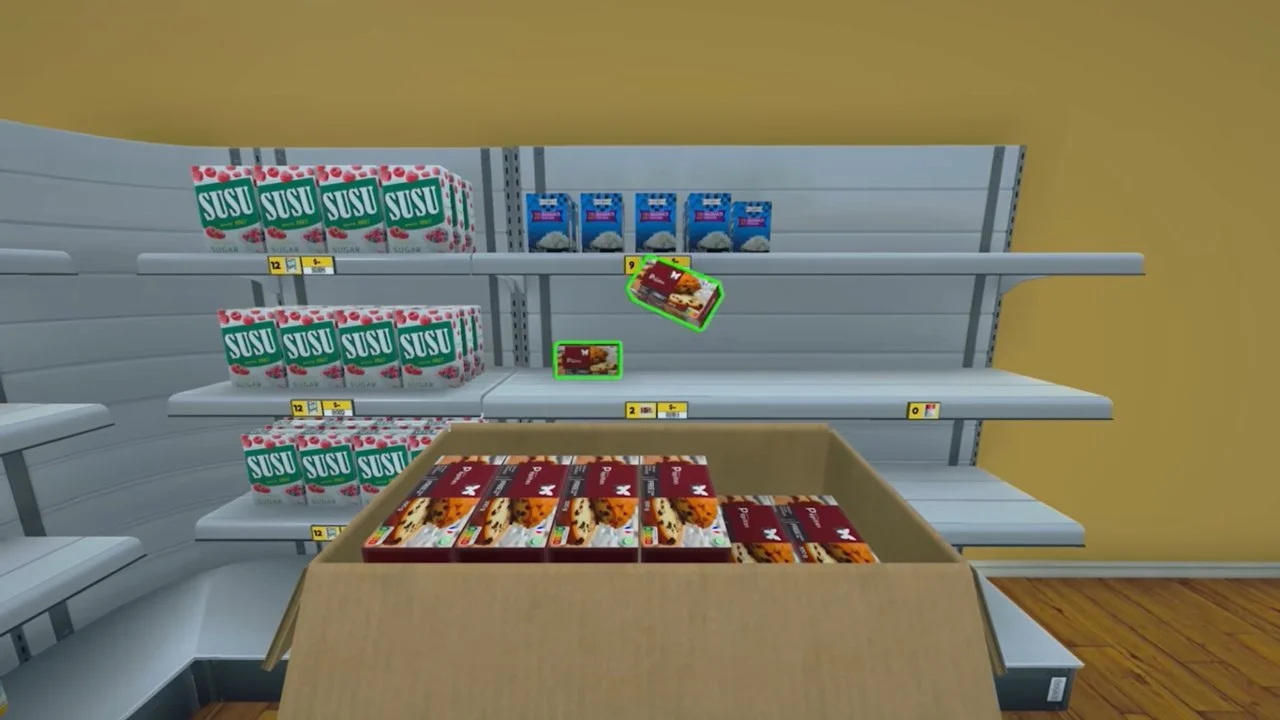
The game does eventually open up. Unlocking medium loans gives you some breathing room, and once you hire a cashier, things finally start to click. You can focus more on growth and less on micromanaging every single transaction. But I’d be lying if I said the opening grind didn’t test my patience. If you’re someone who wants to see results quickly, this hurdle might be a turnoff.
The Addictive Loop
Still, once the gears start turning, Supermarket Simulator really shines. The addictive loop of buying low, selling high, unlocking new licenses, and watching your store transform is incredibly satisfying. I lost track of time more than once, telling myself I’d play “just one more day” in-game before realizing hours had flown by. That’s the true power of simulators—they take something as mundane as stocking soda cans or arranging candy bars and turn it into something you can’t stop doing.
Compared to other job sims, I’d say Supermarket Simulator lands somewhere in the middle. It’s more flexible and customizable than some of the more barebones entries in the genre, but it’s not as over-the-top or wacky as something like House Flipper or PowerWash Simulator. Instead, it’s grounded, methodical, and rewarding for players who enjoy building up from nothing.
What Does Supermarket Simulator Need?
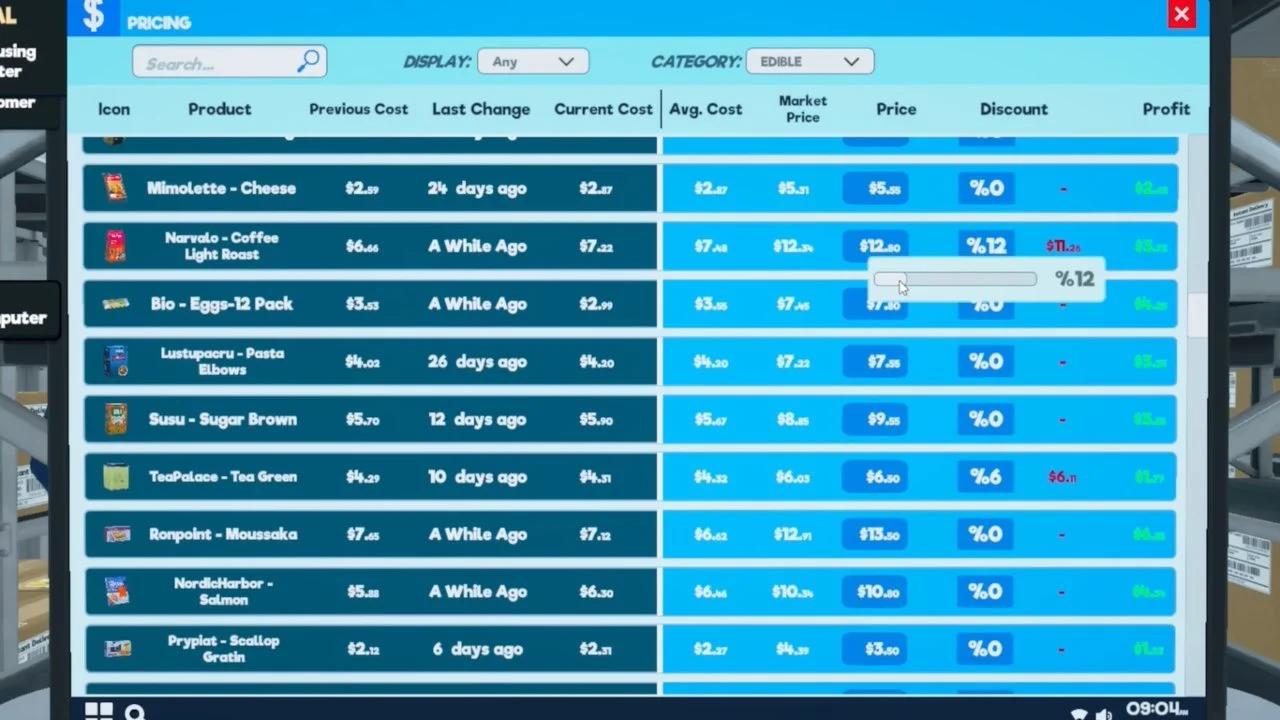
While Supermarket Simulator nails the addicting progression loop, there are a couple of areas where improvements could make the experience smoother. First, the game could really benefit from a clearer system for tracking product prices. Right now, it isn’t easy to tell which items have become more expensive or which are a bargain when placing new orders. A simple market trend chart or price history indicator would go a long way in helping players make smarter business decisions and feel more in control of their store’s profitability.
Another sticking point is the early-game grind. The constant struggle to afford licenses and stock enough variety for customers can make the opening hours feel punishing rather than rewarding. Adding a system to ease players into expansion—like starter bundles, early incentives, or a more gradual license unlock path—would keep new store owners from feeling stuck in survival mode. These small quality-of-life adjustments would make the game’s already compelling loop even more enjoyable and less of a slog in the beginning.
Final Verdict
Supermarket Simulator is far from perfect—the opening grind can be frustrating, and clearer tools for managing product prices would make a big difference. But once the loop grabs you, it’s hard to let go. The satisfying sense of progression, the ability to customize your store, and the addictive “just one more day” gameplay make it a sim that fans of the genre will easily pour hours into. It’s not the smoothest ride, but it’s definitely an enjoyable one.
Supermarket Simulator is available now on PC via Steam.