Experts put the burgeoning video game industry’s annual revenue at around $200 billion. If you add in the cost of game hardware and accessories, that figure jumps to as much as $500 billion.
To put that into perspective, the gaming sector brings in more money every year than the global box office and recorded music industries combined. Not bad for a market whose economic success is based around giving away games for free.
Free-to-play (F2P) games have transformed from a niche experiment by pioneering designers at the turn of the century into a seemingly unstoppable, multi-billion-dollar force that generates around 85% of total global gaming revenue.
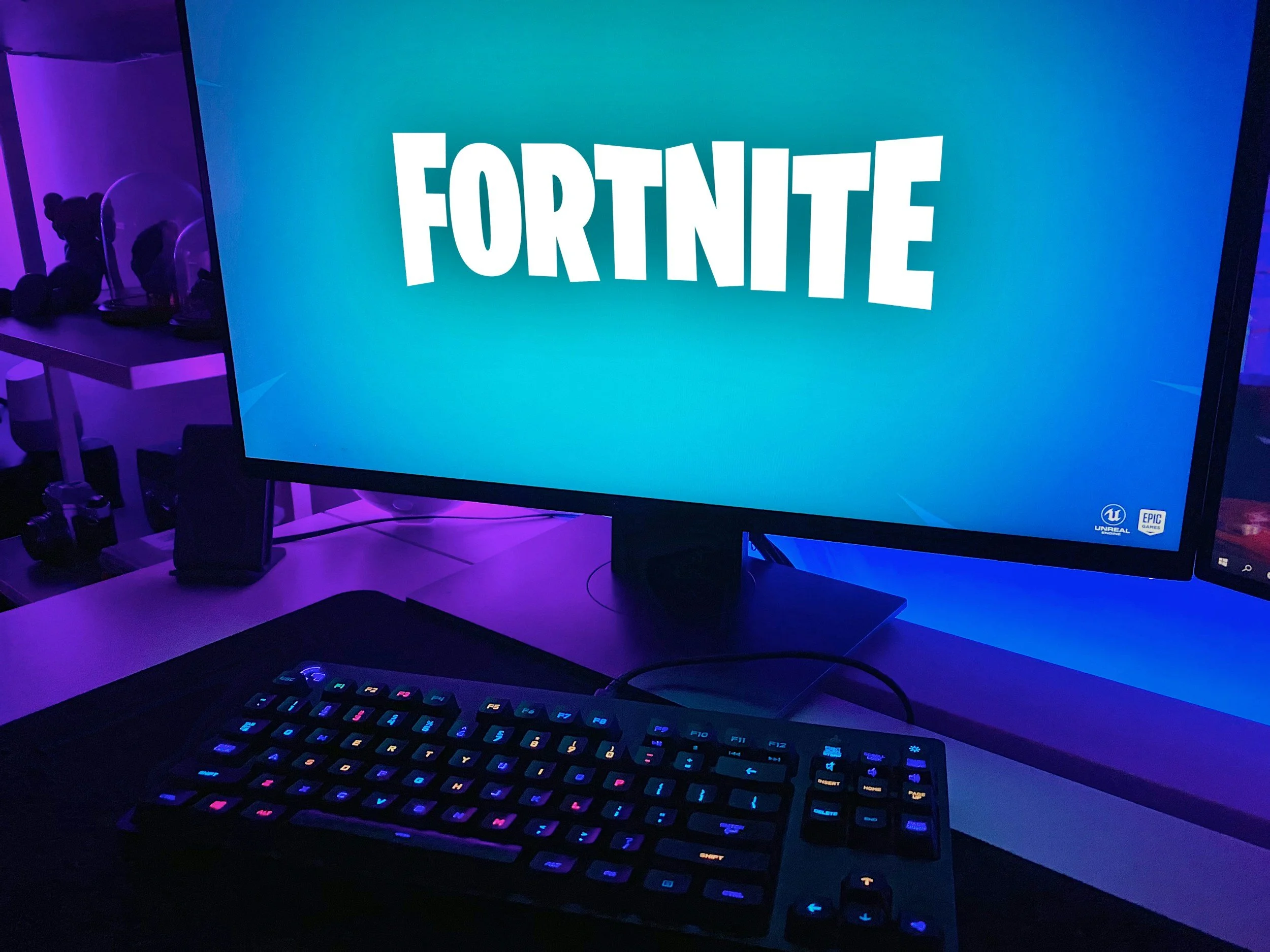
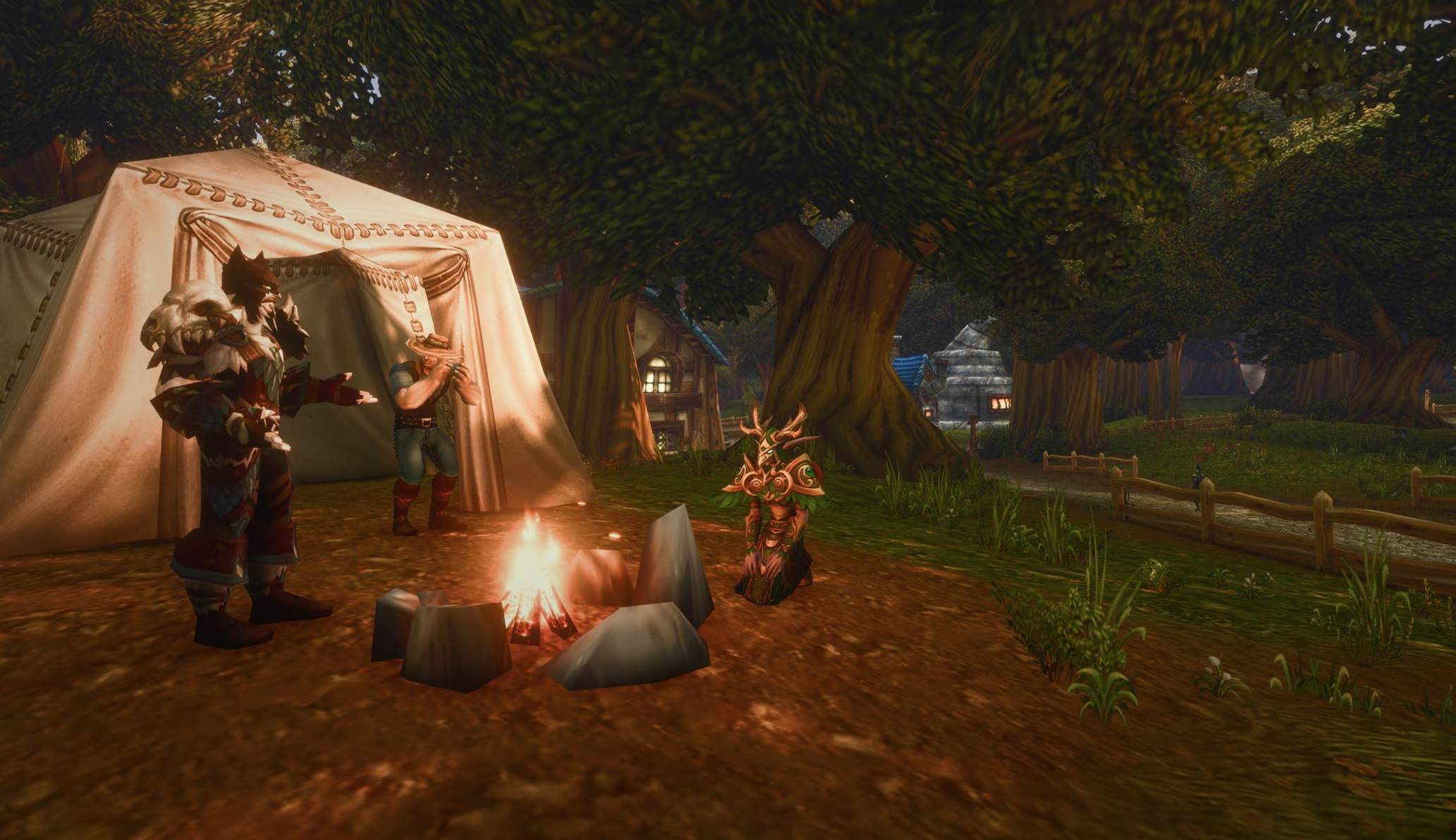
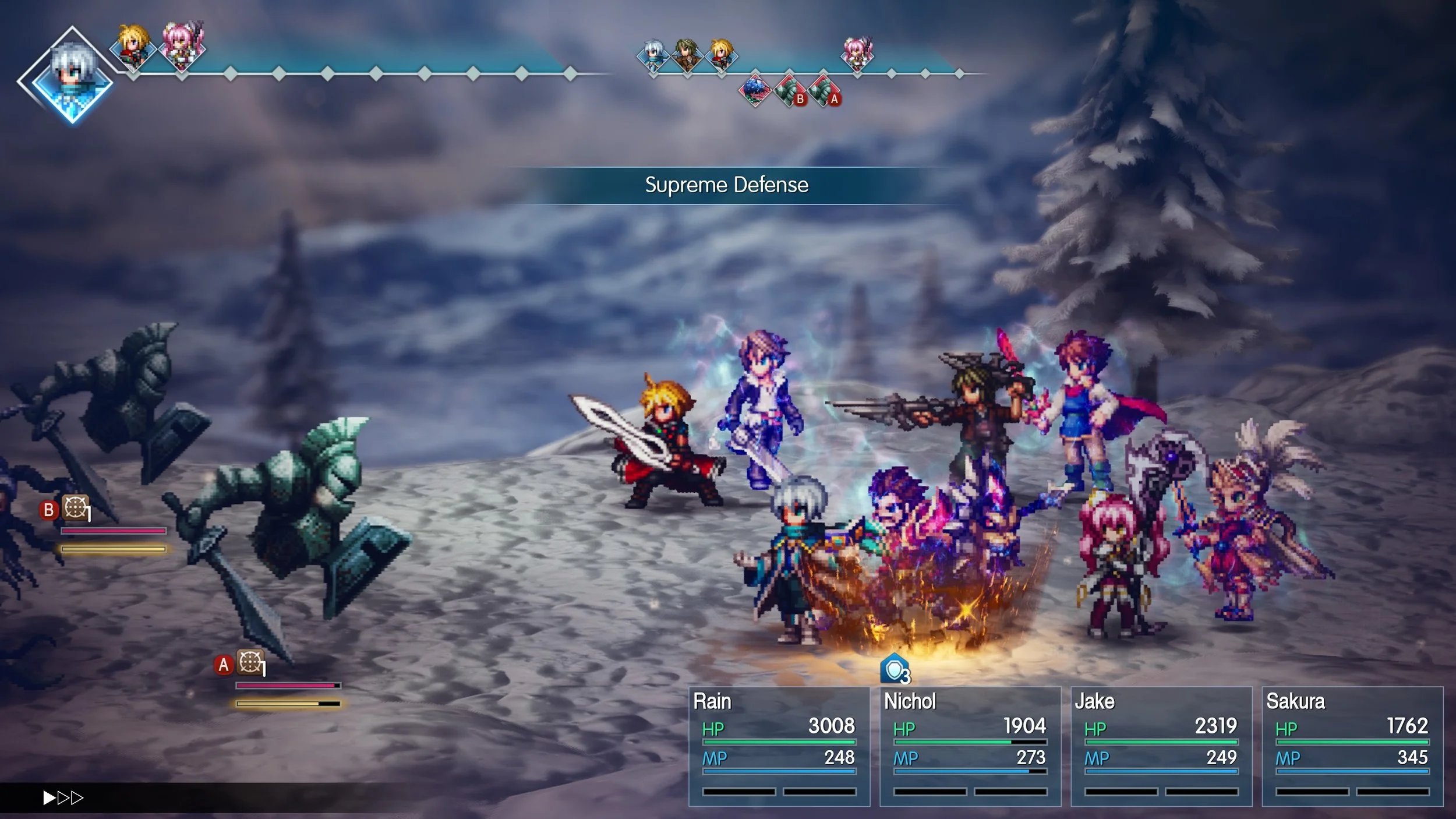
Gamers can download some of the most popular games in the world for free, yet they still generate billions in annual revenue. Popular titles include Fortnite, Roblox, Call of Duty, Rocket League, Genshin Impact, and Honour of Kings, with gamers accessing them via mobile, PC, and console.
In this article, we look at the business models, monetisation strategies and player engagement techniques behind the success of the free-to-play phenomenon.
The Rise of the Free-to-Play Model
For years, the games industry made its money through blockbuster titles, with players paying premium prices for games. However, many of these graphically intensive titles required expensive consoles and PCs, creating a high barrier to entry for many gamers.
The onset of the smartphone, centralised app stores, and faster, more reliable internet speeds changed everything. The first iPhone was launched in 2007, creating the hardware foundation that would allow touch-based gaming. The launch of the App Store and Google Play soon followed, giving developers a way to instantly distribute their games to a far broader audience.
By providing games for free, developers realised they could remove friction and achieve vast downloads. This would then allow them to monetise titles with microtransactions, battle passes, loot boxes, and more. Instead of benefiting from an upfront fee, developers realised that creating a lifetime revenue per user was far more valuable.
It wasn’t long before big-budget triple-A live-service games followed suit, as Destiny 2, Star Wars: The Old Republic, and Counter-Strike: Global Offensive became free-to-play. Fortnite’s iconic "Battle Royale" mode launched on September 26, 2017, and is now the most popular and financially successful free-to-play game in history.
How Free-to-Play Games Generate Revenue
Modern digital platforms often succeed by combining visibility, convenience, and consumer trust. These same principles influence how people choose online gaming services, especially when payment speed and transparency are important. In the iGaming sector, Casino.ca reviews fast payout and instant withdrawal casinos available to Canadian players, this information can help readers understand which platforms prioritise efficient payments, although actual withdrawal times may still depend on identity checks, banking providers, and individual operator terms, as they stress throughout their page. If players are handing over personal and financial details when making in-game purchases or placing wagers, they need to know sites are trustworthy, which is why review sites are popular.
Once players trust a game and have downloaded it, they can play it for free. However, there are numerous ways to spend money should they wish to do so, including purchasing battle passes and cosmetic items. Micro-transactions are items that users buy to enhance their gaming experience or make them a better or more competitive player, while cosmetic items include skins and emotes, allowing gamers some self-expression. Another source of revenue is through Ads. Developers make money by showing ads in games, while also benefiting from players who are happy to pay in order to remove them.
Most free-to-play revenues come from a relatively small percentage of highly engaged paying players, often called “whales”. Typically, the top 2% of players, whales, spend lots of money per month on in-game items to maintain their unique game status and increase competitiveness. They’re also happy to pay to instantly unlock content rather than spend time earning it. These valuable revenue streams not only keep games free and accessible for everyone, but they also allow developers to fund marketing and crucial game development.
The Importance of Player Engagement
The success of F2P depends on lifetime revenues rather than a one-off purchase fee. Therefore, developers need to ensure players keep returning over a long period of time, because the longer players spend engaged with a game, the more likely they are to spend money on it. To do that, designers use key retention tools such as:
Regular content updates
Seasonal battle passes
Social/community features
Live-ops calendars
Regular content updates prevent people from becoming bored and moving on. New maps, characters, quests, and game mechanics can all help keep the experience fresh and interesting.
Social features spur organic growth and build strong communities through word-of-mouth and streaming. Clans, leaderboards, and chat systems are used to turn games into shared social experiences, creating a “social stickiness” that makes it harder for players to leave.
The Future of Free-to-Play Gaming
Increased competition in the sector will drive up player acquisition costs, while tighter platform and regulatory scrutiny of developers’ monetisation practices will continue to add pressure to revenues. But just as it always has, the F2P model will keep evolving. As technology improves and player expectations change, developers will adapt and innovate to stay ahead of the competition and keep users loyal to their games. Looking forward, accessibility, ongoing content, and smart monetisation strategies will remain key to ensuring the industry continues to be a commercial success
Disclaimer info