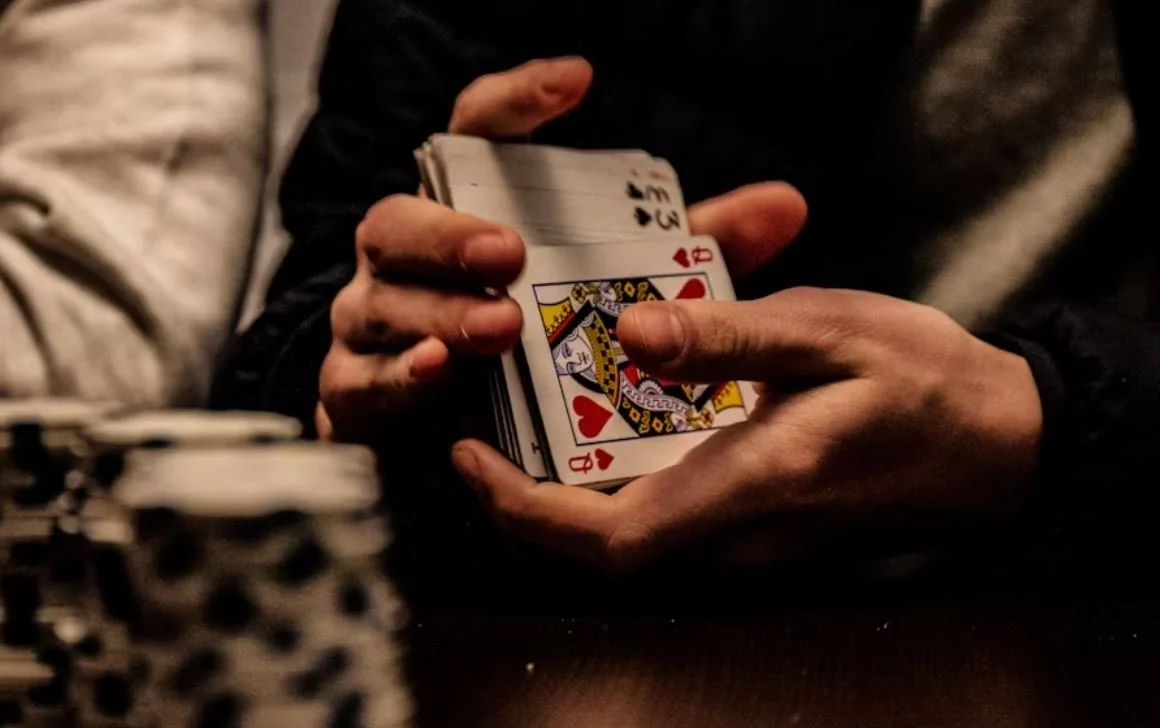
Poker is a game of skill, strategy, and chance, but one element consistently stands out as a game-changer: bluffing. The ability to convince your opponents that you hold a better hand than you do can make or break your strategy, especially in high-stakes games. But bluffing is more than a clever tactic; it's deeply tied to psychology.
The ability to bluff successfully depends on understanding human behavior, managing emotions, and reading your opponents' minds. Bluffing isn't just about the cards you hold; it's about controlling the game by manipulating perceptions.
If you're looking to put your bluffing skills to the test, it's essential to choose the best online poker sites Canada to ensure a high-quality gaming experience, where the stakes are high and the competition is fierce. This article will explore the psychology behind bluffing, how emotions and mindset play a huge role in poker strategy, and how players can use psychological tactics to gain an edge.
Psychology of Bluffing: Basics
Bluffing is essential to poker, but it's not just about "acting" in front of your opponents. A lot of mental work goes into making a successful bluff. Let's break it down.
1. Confidence and Emotional Control
At the core of bluffing is confidence. A player who can control their emotions and maintain a calm, collected demeanor is likely to convey their bluff convincingly. But confidence alone isn't enough, you need emotional control.
The Role of Anxiety: Even the most seasoned players can experience anxiety when they know they have a weak hand but are still trying to bluff. Controlling that anxiety is key to pulling off a successful bluff. Players who can keep their emotions in check, suppressing nervousness, will often be able to bluff more effectively.
Facial Cues and Body Language: Players who are anxious or excited might give away their hand through subtle facial expressions or body movements. A successful bluffer must maintain neutral body language to avoid giving away hints to their opponents.
2. Reading Your Opponents' Emotions
Poker is often called a "game of people." Reading your opponents is as important as reading the cards. Bluffing is more effective when you can sense when others are vulnerable. Understanding your opponent's emotional state is key to knowing when they're likely to fold or when they're bluffing themselves.
Opponent's Stress Levels: Some players may have "tells", subtle signs of nervousness or overconfidence that indicate whether they have a strong hand or are bluffing. Seasoned players learn to pick up on these cues, giving them a psychological advantage.
Playing the Opponent, Not Just the Cards: A successful poker player doesn't only focus on their cards; they spend a lot of time analyzing their opponents' reactions, betting patterns, and emotional state. If a player is easily rattled or overconfident, they might be more susceptible to a well-timed bluff.
The Impact of Mindset on Bluffing
In poker, your mindset isn't just about your strategy—it also impacts your bluffing success. Here's how mindset can influence your poker strategy:
1. The "Tilt" Phenomenon
In poker, "tilt" is when a player becomes emotionally compromised, typically after a bad beat. Once on tilt, players often make irrational decisions, sometimes going all-in on a weak hand to recover their losses. While tilt can affect your ability to bluff successfully, it can also be a great opportunity to use psychological tactics to manipulate your opponents.
Exploiting Tilt: You can use that to your advantage if you can recognize when an opponent is on tilt. A player who's upset may make larger-than-usual bets or engage in reckless bluffs, and you can adjust your strategy accordingly to take advantage of these emotional missteps.
2. Positive Mindset and Discipline
Conversely, a calm and disciplined mindset can elevate your bluffing game. Players who have learned to stay emotionally balanced, regardless of wins or losses, tend to be better bluffers.
Mental Toughness: A strong mental game allows a player to withstand the pressure of big bluffs, avoid tilt, and make logical decisions when the stakes are high. By fostering a positive mindset, players can maintain control over their emotions and push their opponents into uncomfortable psychological territory.
Mastering the Bluff: Psychological Tactics You Can Use
The most successful poker players aren't just technically skilled; they know how to play the psychological game. Here are a few psychological tactics that can help you become a master bluffer:
1. Timing Your Bluff
In poker, timing is everything. Bluffing too often can make you predictable, while bluffing too rarely can make you too easy to read. Knowing when to bluff and when to hold back is a strategic decision involving a keen understanding of both your mindset and that of your opponents.
Bluffing in the Right Situation: The most effective bluffs take advantage of the current situation at the table. Bluffing when there's a high chance your opponents have weak hands, or during moments when your actions seem logical based on prior gameplay, is much more successful than attempting to bluff at random moments.
2. Using Your Opponents' Psychology Against Them
Experienced players often use their opponents' psychology to manipulate the game.
For example, if you've noticed an opponent is overly aggressive or always calls big bets, you can use that to make them think you're bluffing when you're not.
Establish a Pattern: By creating a predictable pattern of play, you can set up a situation where you suddenly break the pattern and make a bluff, leaving your opponents confused and unsure of your true hand.
Conclusion: Bluffing Is an Art and a Science
Bluffing is as much about psychology as it is about strategy. Mastering the art of bluffing requires understanding the rules of the game and recognizing how emotions, mindset, and psychological tactics can influence the outcome of a hand. Successful bluffers know how to read their opponents, control their emotions, and strategically use bluffing at the right moments.
In poker, bluffing isn't just about fooling your opponents—it's about outsmarting them by playing the game on a mental level. With the right psychological understanding and careful control of emotions, anyone can become a more effective bluffer at the poker table. And as poker continues to evolve, it's clear that the mental game will be just as important as the cards you're holding.