Comparing slot game development companies is harder than the category makes it look. Every studio publishes a portfolio, quotes a team size, and claims full-cycle capability. On these terms, most of them look interchangeable.
The variable that separates them stays hidden until a title is already live. This article starts with how to expose it during procurement, then applies the same standard to 8 studios, building slots for operators and content providers.
One note on the evidence below. Nearly all iGaming delivery ships under NDA, so named case studies are scarce across the entire sector. Third-party review platforms are one of the few checkable signals available, so the table draws on both Clutch and GoodFirms rather than a single source. Where a studio’s public record is thin, it says so.
Where Slot Titles Fail
The hidden variable is math, and it stays hidden until the game is live.
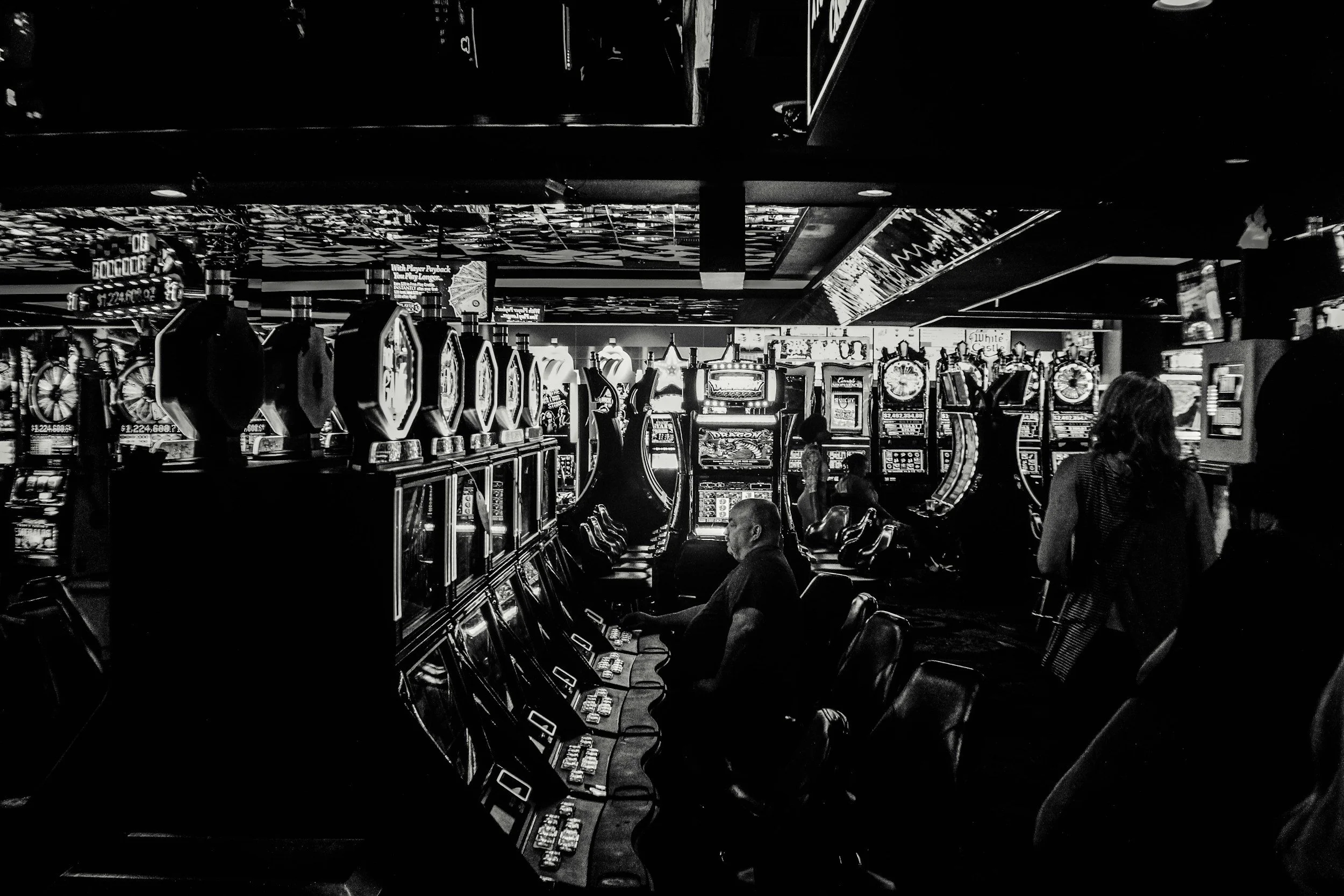
Casino games account for just over half of online gambling revenue and are growing faster than any other segment, at 12.61% a year through 2031, according to Mordor Intelligence insights for 2026. This brings more content into the market. Operators keep adding titles, but lobby placement goes to the games that hold players’ attention after launch. A slot earns its place through performance data.
The costly mistake is choosing a studio based solely on portfolio art. Art is easy to judge before development starts. Math is not. A slot with a poorly tuned volatility curve can look fine in a demo, but 3 months of player data may tell a different story. By then, the title is already integrated.
What Separates the Slot Game Development Companies that Stand
Math depth thins a longlist quickly. When it’s done, the criteria below can help decide between them.
Certification readiness. Games destined for regulated markets need RNG testing and jurisdiction-specific approval. Confirm the slot game development companies you shortlisted produced documentation packs before, and ask which submissions they covered.
A delivery model that matches your gap. If you have producers and need throughput, co-development is a good fit. If you have a concept and no pipeline, full-cycle delivery makes more sense.
Where the art comes from. Some studios cover both the build and visuals. Others work art-only. Both models work. Mixing them by accident creates coordination overhead nobody budgeted for.
Feedback that you can check. Clutch might be the default reference in this sector, but on its own, it is a narrow sample. Cross-check GoodFirms, DesignRush, and Techreviewer before drawing conclusions, since a studio thin on one platform is sometimes well documented on another.
Two traps are worth watching for. Employee-review sites like Glassdoor often rank high for company names and can be mistaken for client feedback, but a strong staff rating says little about delivery quality. Review scores also become less useful when the sample is small. A perfect rating from three reviews is weaker evidence than a slightly lower score from
8 Slot Game Development Companies to Shortlist
Here are the companies at a glance:
| Studio | Ratings | Services | Best For |
|---|---|---|---|
| Whimsy Games | Clutch 5.0 (25); GoodFirms 4.9 (32) | Full-cycle slots, scratch cards, lottery, crash and Plinko formats | Operators needing one studio for slots plus adjacent real-money formats |
| SDLC Corp | Clutch 5.0 (16); GoodFirms 4.9 (156) | Custom slot and casino builds, backend, LiveOps | Larger builds where backend and post-launch operations ship with the game |
| GammaStack | Clutch 3.5 (3); GoodFirms 4.2 (5) | Gaming platform, sportsbook, lottery, slot content | Operators buying platform, back office and games from one supplier |
| Kevuru Games | Clutch 5.0 (4); GoodFirms 5.0 (16) | Slot and casino art, animation, 2D/3D production | Studios with in-house math needing external art capacity |
| Stepico | Clutch 5.0 (13); GoodFirms 5.0 (10) | Unity and Unreal full-cycle and co-development | Teams adding senior engineering capacity to an existing pipeline |
| BR Softech | Clutch 4.6 (10) | Custom casino and slot builds across mobile and desktop | First custom title on a constrained budget |
| Game-Ace | Clutch 4.7 (5) | Custom slot development and game art | Buyers wanting one vendor for build and visual production |
| RetroStyle Games | Clutch 5.0 (3) | 2D game art, animation, casual, and casino visuals | Refreshing the art layer on an existing slot engine |
And here are the studios in detail:
1. Whimsy Games: Slot Game Development Across Simple and Complex Mechanics
Whimsy Gamesopens this list of slot game development companies with a dedicated iGaming practice launched in 2023, built on more than 8 years of broader game development and several team members with prior individual iGaming careers. The studio began with reskins of existing slots for game providers and moved into full-cycle delivery, and both remain live service lines.
Slots span simple builds through to highly complex mechanics. Around that core sit scratch card and lottery development, including work with a Danish state lottery, real-money backgammon, and sweepstakes platforms built from scratch. The studio also ships Plinko, dice, Crash, Mines, Wheel, Diamond, and tarot-based titles. Client engagements have originated in the US, Malta, Belgium, the UK, Denmark, and Greece, with live launches in the US and EU.
Why operators choose Whimsy Games:
Two engagement routes. Project-based full-cycle delivery suits teams without an internal pipeline. A dedicated iGaming team embedded in the client’s pipeline suits operators who already have producers.
Stated commercial envelope. Development typically starts in the $20,000 to $40,000 range, depending on complexity, with reskins taking about 3 weeks and full development taking a month or more.
2. SDLC Corp: Slot Builds With Backend and Live Operations
SDLC Corp was founded in 2015, employs 250+ staff, and reports over 500 shipped games across mobile, PC, console, and XR, with roughly 120 specialists working on games. Its slot line covers RTP and volatility modeling, paylines, bonus features, jackpots, backend controls, and post-launch operations, and full source-code ownership is stated as standard. Delivery is structured around fixed milestones rather than open-ended retainers. The caveat is breadth: gaming sits alongside ERP, CRM, cloud, and AI work, so ask what share of the assigned team has shipped casino titles.
Why operators choose SDLC Corp:
Backend and game from one team, so wallet handling, analytics, and live operations avoid a second vendor and a second integration.
Source-code ownership is stated upfront, which settles one of the Stage Three contract questions before it is asked.
3. GammaStack: Platform and Slot Content From One Supplier
GammaStack has worked in iGaming since 2012, covering platform, sportsbook, lottery, sweepstakes, and casino, with slot development as a named line rather than a side offering. It runs a team of 50-249, based in Riga. Slot output covers 2D and 3D titles for web and mobile, with customized reel configurations and effects, and it ships alongside back-office and player-management tooling built on the same stack.
Why operators choose GammaStack:
One supplier for stack and content, so teams can procure platform, back office, and games together instead of integrating three vendors.
Turnkey speed, where launching quickly outranks owning bespoke IP.
4. Kevuru Games: Art and Animation at Production Volume
Kevuru Games operates as a game art and development studio with more than 200 specialists and a portfolio that includes a dedicated slots and casino art section. Running since 2012 from offices in Kyiv and Warsaw, it is an official Epic Games service partner and has contributed art to titles ranked among the top 20 PC games worldwide, with client work spanning publishers including EA and Bandai Namco. The minimum project size is $25,000, and its stated client base ranges from small independent studios to mid-market publishers.
Why operators choose Kevuru Games:
Volume art capacity for studios that own the math and engine but need symbol sets, animations, and effects produced at scale.
Slot-specific visual experience, which shortens the feedback loop compared with a general art vendor learning reel conventions from scratch.
5. Stepico: Co-Development Alongside Your Team
Stepico was founded in 2014 and runs a team of 75+ in-house developers, with over 100 shipped titles, working from offices across the US and Europe. The studio builds in Unity and Unreal and has delivered for DreamWorks Animation, Gameloft, Outplay Entertainment, and Immutable. Alongside game production, it runs live operations and blockchain work. Engagement models include full-cycle delivery, dedicated teams, and co-development, with a minimum project size of $10,000.
Why operators choose Stepico:
Capacity without handover. Co-development suits operators who have producers and direction but lack engineering headcount.
Cross-platform delivery across mobile, PC, console, and WebGL for teams whose roadmap extends into other formats.
6. BR Softech: Custom Builds on a Constrained Budget
BR Softech has been building casino and slot games across mobile and desktop since 2010. The studio positions itself around custom development at accessible price points, and its casino coverage extends beyond slots. Public details on its slot-specific work are thinner than the others here, so direct references matter more.
Why operators choose BR Softech:
Entry-level custom development for a first proprietary title where budget outranks mechanical ambition.
Broad casino coverage beyond slots, useful for operators testing several formats.
7. Game-Ace: Build and Art Under One Roof
Game-Ace describes itself as a custom slot development and art studio, covering both the engineering and visual sides of a build rather than specializing in one. Founded in 2005 and operating as a division of Program-Ace, it fields roughly 400 specialists split between around 120 artists and 280 developers, with offices in Ukraine and Cyprus. Platform coverage runs across PC, web, mobile, and VR. Slot and casino titles sit alongside other genres, so confirm how much recent work is casino-specific.
Why operators choose Game-Ace:
One vendor for build and art, which removes the coordination overhead of running a separate art house.
Custom specification work in place of licensed content, so the operator retains the IP.
8. RetroStyle Games: Refreshing an Existing Engine
RetroStyle Games focuses on 2D and 3D art and animation outsourcing, with a team of 90+ artists and a portfolio spanning casual and casino visuals. The studio also ships its own titles, which have passed 80 million downloads, and its artists work alongside Unity and Unreal teams. Production runs full-cycle on the art side, from research and early drafts through to release-ready assets. Minimum project size is $1,000, the lowest here, which makes single-title art refreshes viable.
Why operators choose RetroStyle Games:
Art-only engagements for operators whose slot engine works but whose visuals have aged.
Reskin support where the underlying math stays fixed and only the theme changes.
Four Questions for the First Call with Picked Slot Game Development Companies
Once a title is integrated, a math problem becomes expensive. Fixing it can mean re-certification, lost lobby placement, or both. The best time to catch it is the first conversation.
Slot game development companies will say they handle the math in-house. These questions help you determine whether that is true.
“How many spins does the simulation run before the paytable locks?”
Credible answers are usually in the tens or hundreds of millions of spins. High-volatility slots need that scale for rare events to show up properly in the data. If a studio quotes only a few million, it may have worked only on lower-volatility games, or it may have stopped the simulation too early. Studios that have defended their models in testing labs rarely undershoot this number.
“Who owns the volatility target?”
You want to hear a mathematician or a game designer working from a commercial brief. If the answer is the art director, or if nobody clearly owns it, volatility has been arrived at by accident. This produces a title that demos well and retains badly, and the problem only surfaces once real players are on it.
“What happens to base-game hit frequency if we raise the max win?”
With a fixed RTP, a bigger top prize has to come from somewhere. Most often, it comes from smaller, more frequent wins. A good slot mathematician should know this trade-off well. If a studio can answer right away, they have likely dealt with it before. If they need to check, they may not have faced it in practice.
“Show me a paytable you rebuilt after launch, and tell me why.”
A useful answer should be specific: what player data contradicted the model, and what the studio changed because of it. If a studio says this has never happened, it is either new to the sector or not tracking post-launch performance closely enough. Either way, this tells you something.
What to Settle Before Signing
Whichever name survives the shortlist, the math questions belong in the first call, and the points below belong in the contract:
Who owns the source code and the math model upon delivery, and is that documented?
What does re-certification for a second jurisdiction cost, and who absorbs it?
If player data forces a paytable change six months after launch, what is the rate and the lead time?
Which named engineers stay available during the certification window, and for how long?
Under NDA constraints, what verifiable evidence of past delivery can the studio actually provide?
Final Thoughts
Before choosing a vendor, evaluate whether the studio can explain the decisions behind a title or only show you the finished result.
First-call questions show whether the math is truly handled in-house. Contract terms specify what happens when player data differs from the model. Any of the slot game development companies above can produce results that look right. The safer choice is the studio that can walk you through a paytable it had to rebuild.