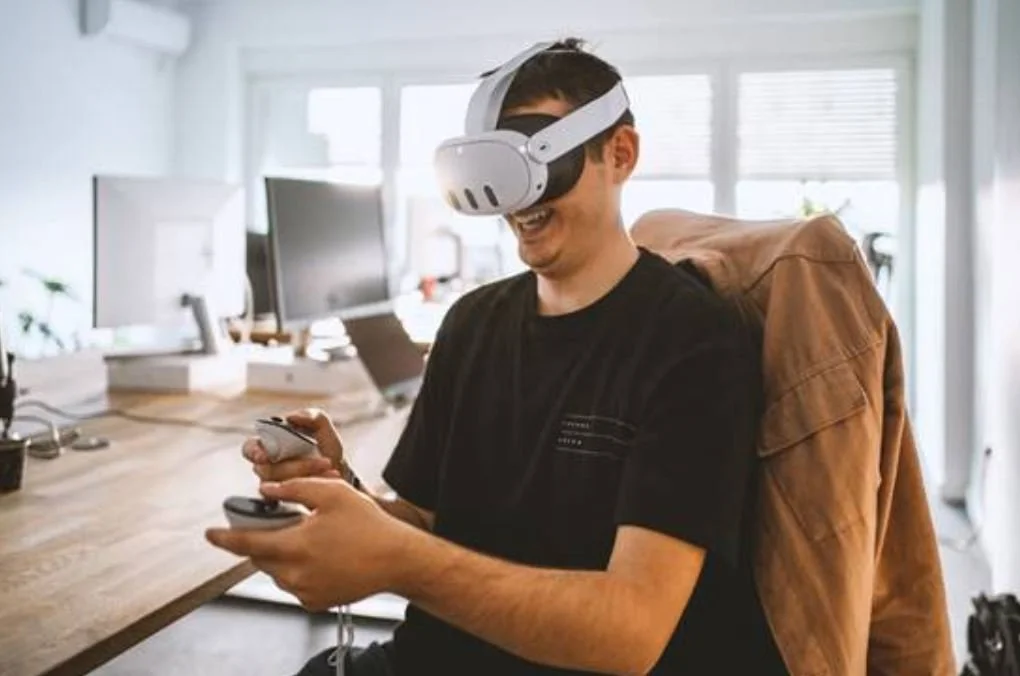
Game development is continuously evolving, with some of the recent games having amazing graphics in fully rendered worlds, introducing augmented reality for overlapping the physical environment with real-time digital information, and supporting wearable gaming through glasses or smart watches.
Besides these solutions that make the gaming experience like no other, another rising trend is blockchain, or decentralized gaming. While the game development is quite similar to blockchain as well, developers must work with a blockchain infrastructure, code the game logic, and develop the front-end based on decentralization and cryptography.
In most cases, they choose platforms like Ethereum and Solana, which also rely on the top cryptocurrency assets that make transactions faster and effortless in the game. However, there are many other ways of transactions in blockchain gaming, so let’s find out more.
In-game cryptocurrencies and tokens
Most decentralized games use in-game cryptocurrencies as a form of reward for players, especially in play-to-earn games (P2E). This not only allows gamers to own their assets, unlike traditional games, but also leverage them in real-world cases through withdrawing or exchanging them.
Gaming tokens are also pretty popular in the industry, and they’re built right on blockchain technology, so they’re native to gaming projects. Hence, their use cases also include in-game transactions, governance, and staking. Gamers can earn them in numerous ways, from completing challenges and participating in tournaments to trading them with other in-game assets.
What are some examples of gaming tokens?
Gaming tokens are important for decentralized games and their players, but they can also be used for investments and trading. So, here are some examples of the most common and potentially profitable game tokens:
IMX is the native token of Immutable X, a layer-2 scaling solution living on the Ethereum blockchain and aimed towards NFTs. Its best features include scalability, gas-free transactions, and speed;
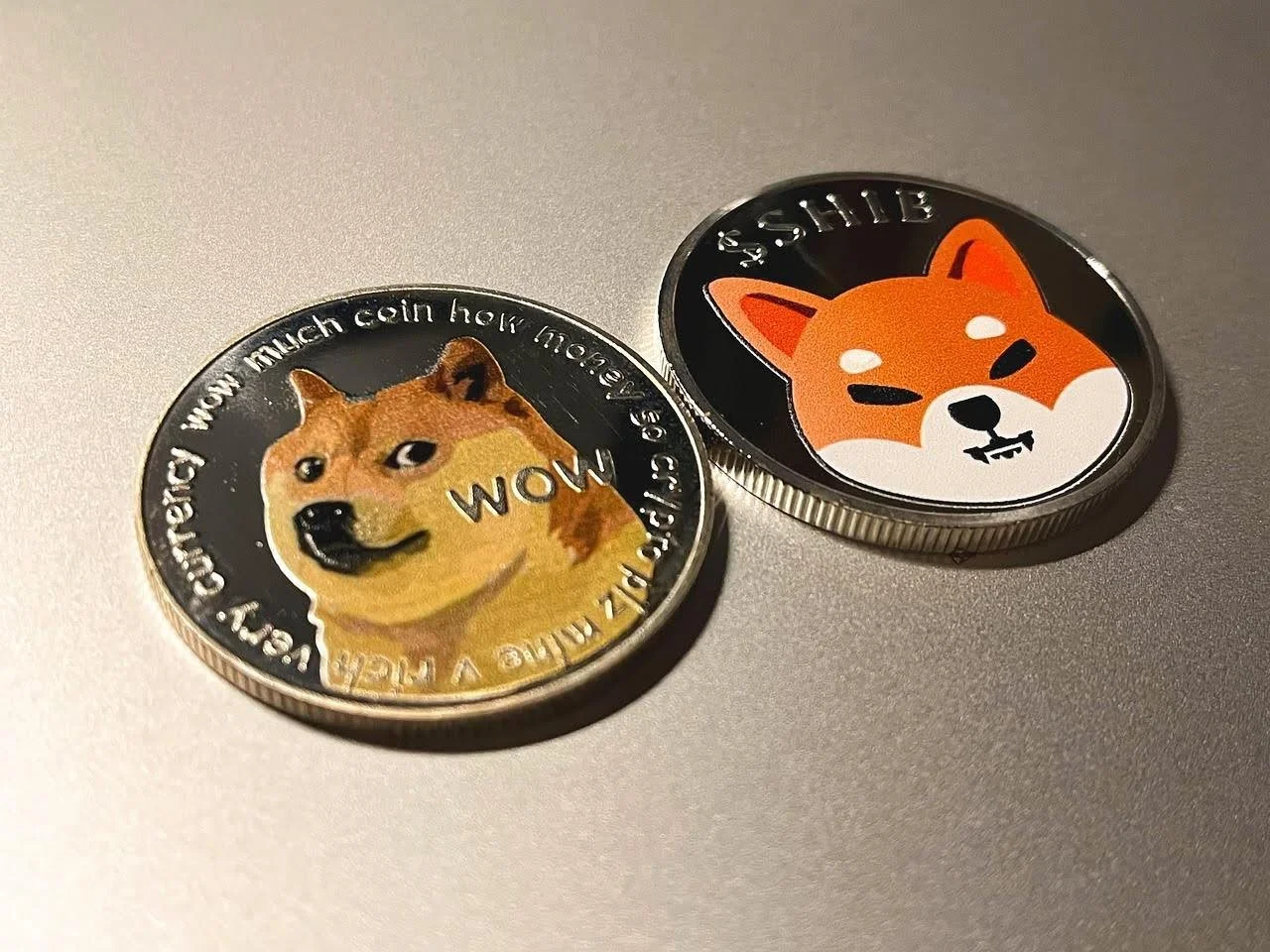
FLOKI is a popular gaming token supported by the Floki Inu project. The meme coin integrates into numerous games on the market, and it even has its own metaverse called Valhalla;
GALA is the asset within the Gala Games platform, a unique medium empowering players and developers that makes GALA an influential and important cryptocurrency;
For users interested in NFT gaming, RaceFi shows how NFTs go beyond collectibles by letting players own racing NFTs, compete in tournaments, and earn rewards in a play-to-earn ecosystem. Visit this page for more info: https://racefi.io/
How do traditional companies approach digital gaming?
While blockchain gaming isn’t currently that much of a competitor for traditional games, companies and enterprises are approaching it as a way to stay on top of the competition and be the first to acquire the knowledge of decentralization. NVIDIA, for example, is a well-known technology company driving innovation in AI, gaming, creative design, and robotics. Lately, its interest in these technologies has led to the expansion of Confidential Computing (CC) through blockchain-based decentralized networks that ensure orchestration, transparency, and verifiability.
The company also relies on artificial intelligence to speed up the dynamics of development. Binance.com Research highlighted that "AI vs. Crypto for Capital: A self-reinforcing investment loop in the AI sector, led by NVIDIA, is creating a powerful new competitor for investment funds that might have otherwise gone to digital assets."
What about NFT usage in decentralized gaming?
NFTs (non-fungible tokens) have only recently become more popular, having been introduced in decentralized gaming as rewards or technologies supported by tokenization. Some of their use cases in gaming include the following:
Representing in-game characters or cards, as well as breeding new ones;
Being used as rewards for participating in games;
Purchasing land in online games;
Giving users limited edition NFTs that may come with special traits;
NFTs are valuable in sectors like GameFi, play-to-earn, and play-and-earn models, as they allow players to receive in-game assets in this form, facilitating the buying and selling of items.
Popular games and their NFT usage
NFTs in decentralized games showed the importance of diversification in payment and rewarding; that’s why these games became so famous:
CryptoKitties was one of the first blockchain-based games where users would earn real currencies. Built on the Ethereum ledger, the game was all about collecting and breeding digital cats as NFTs.
Decentraland is a virtual environment where gamers buy and sell virtual land as NFTs, each asset being a unique parcel players use for development or monetization;
Alien Worlds is a strategic exploration game where users participate in different quests to earn the native crypto Trillium, as well as collect NFTs;
NFTs are suitable for decentralized gaming because they offer proof of ownership that makes it efficient to verify and transfer them between buyers and sellers. The blockchain also allows users to monetize their digital content.
What are some logistical hurdles affecting decentralized gaming?
The lack of awareness of blockchain-based games does contribute to the low recognition, but other factors weigh more in its innovation in the market. The technical limitations are the leading cause of low adoption, since these games require more complex development, marketing, and oversight than traditional ones. Many gamers are still unfamiliar with cryptocurrency wallets or NFTs, despite being geeks or tech-savvy users.
On the other hand, the regulatory concerns over decentralization in blockchain gaming set the industry back. Since games rely on cryptocurrencies, tokens, and NFTs, they might be limited or banned across certain jurisdictions, since these mediums of exchange are not fully understood or regulated.
When it comes to the sector itself, scalability is still one of the biggest challenges in blockchains. While new solutions arrive every now and then, offering better functions than Ethereum, Solana, or Ripple, it’s still difficult for a network to support a growing number of users simultaneously while securing it. The high transaction volumes blockchains experience are a good sign of adoption, but the ledger’s struggling to maintain them fast and affordably can interfere with the decentralized gaming industry as well.
Final considerations
Cryptocurrency is necessary for decentralized gaming, where users not only need rewards but also a means of payment for their in-game assets. Gaming tokens and NFTs facilitate these actions and support the growth of blockchain gaming, but they can also act as an inconvenience, considering the lack of regulation for these assets across global jurisdictions. Therefore, there’s still a long way to go until blockchain games become mainstream.