If you scroll through the Steam store for even a minute, you’ll see them everywhere: simulator games. Farming simulators, job simulators, store simulators, animal simulators, “you-name-it” simulators, the list is endless, and new ones appear almost weekly. They’ve quietly become one of the most reliable best-selling genres across PC and mobile. But why? When did simulators explode in popularity, and what exactly makes them so appealing to millions of players?
What counts as a simulator game?
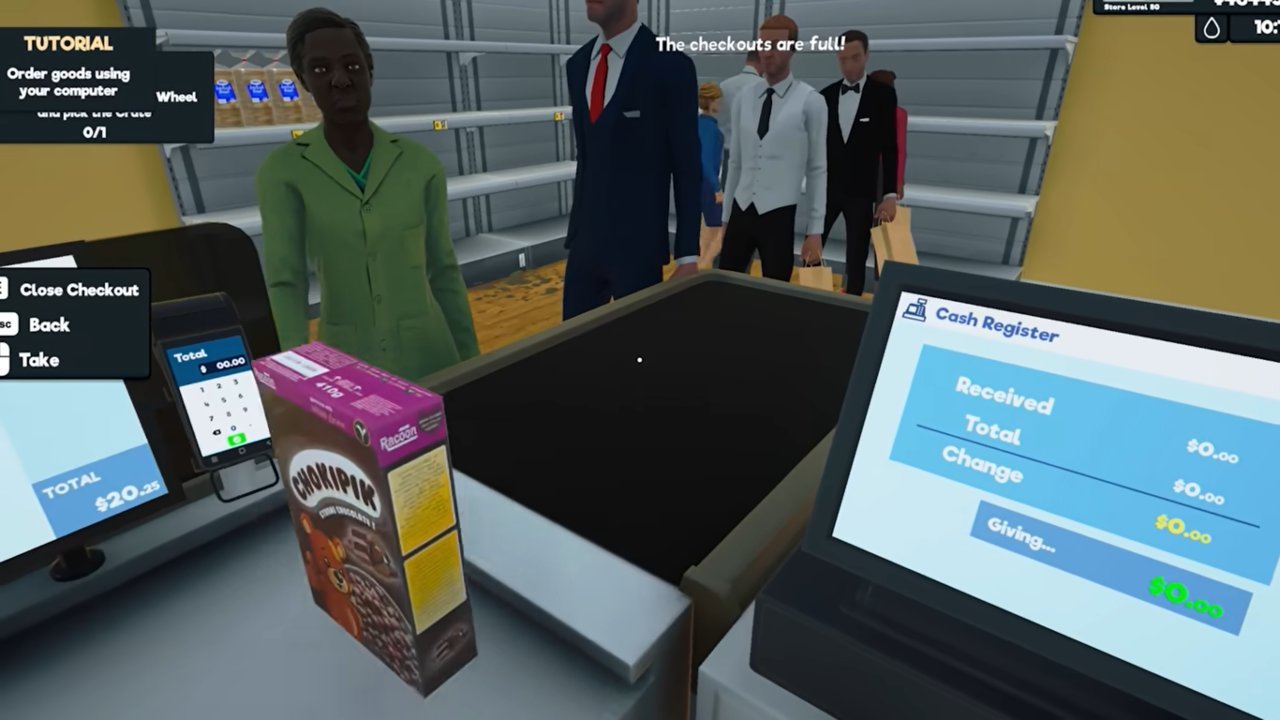
“Simulation” is one of the widest genres in gaming. Technically, anything that replicates a system, from Civilization to Skate, can be considered a simulator. But the burst in popularity comes from a specific category that we’re going to refer to as everything simulators. These are the games blowing up on social media and flooding Steam with new releases: titles like TCG Card Shop Simulator, Schedule 1, Waterpark Simulator, Gas Station Simulator, and dozens more.
These games reimagine real-world tasks or professions as progression-based sandboxes. You usually start small, maybe with a rundown shop, an empty field, or a single tool. Then slowly grow into something bigger. Even beloved titles like Stardew Valley, House Flipper, and PowerWash Simulator fit neatly into this structure, showing how long the genre has been building toward the boom we see today.
The appeal is simple: simulator games recreate familiar real-life scenarios but give players far more control, creativity, and immediate rewards than reality ever could.
The appeal of “Real life, but better”
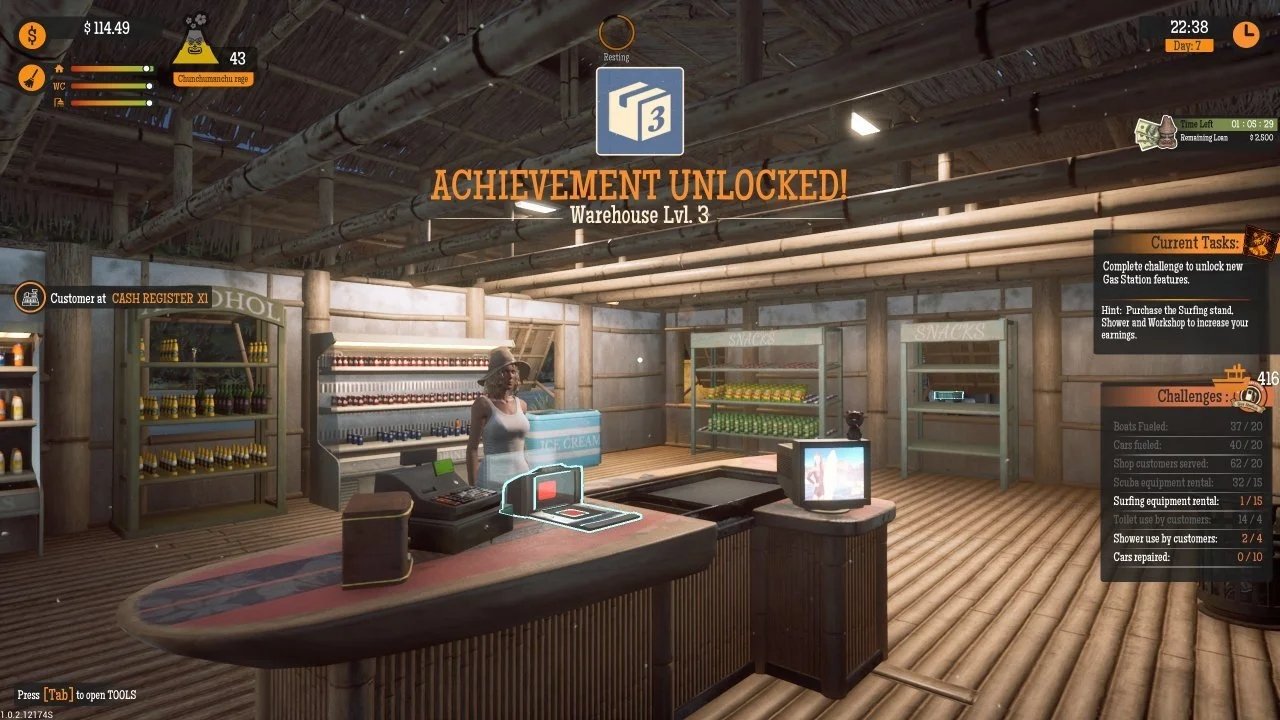
One of the biggest reasons simulator games are so popular is the opportunity to step into a different version of life without stress, risk, or long-term consequences. Players get to run a farm, manage a store, operate heavy machinery, or build a resort, all at their own pace. These games let you explore careers or lifestyles you might never experience but have always been curious about. They let you answer the question, “What if I did this for a living?” Even if it’s just for a few hours.
That sense of safe experimentation is incredibly compelling. You can test strategies, make mistakes, improve your process, and push yourself to create something bigger every session.
Progression systems make every action feel rewarding
A major part of the simulator genre’s addictiveness is its constant stream of feedback. Most simulator games reward players for just about everything, cleaning a surface, stocking items, harvesting crops, completing jobs, or expanding your business. The rewards usually come in two forms: visual improvements and mechanical upgrades. Rooms get cleaner, equipment gets better, your shop looks nicer, and your tools become more efficient.
This creates a satisfying loop: do a task, get rewarded, use the reward to do more tasks. It’s simple, but incredibly effective. The steady progression taps directly into the brain’s desire for accomplishment and forward movement, one of the strongest psychological driving forces in gaming.
A perfect blend of creativity and ease
A big reason simulator games appeal to such a wide audience is because they give players creative freedom without requiring artistic skill. While games like Minecraft or The Sims allow deep customization, they can also be intimidating. Simulators simplify creativity. You’re setting up machines, decorating a shop, arranging a workspace, or designing layouts, but you’re doing it within a structured system that supports you.
This makes the genre accessible to players who love building and designing but prefer guided creativity rather than completely open-ended tools.
Comfort gaming at its best
Another factor driving the popularity of simulator games is their ability to deliver a relaxing, low-pressure experience. Many players turn to simulators for comfort. The repetition is soothing, tasks are often predictable, and the gameplay is easy to dip into for short or long sessions. Games like PowerWash Simulator and Stardew Valley have built massive communities around their calming, meditative qualities.
After a stressful day, cleaning a virtual house or organizing a digital shop can be strangely therapeutic. This “cozy gaming” appeal has become a major cultural trend, especially with younger audiences who use games as a way to unwind.
Influencers and social media fueled the boom
The surge in simulator popularity across Steam and mobile can’t be separated from the rise of short-form content. TikTok, YouTube Shorts, and Twitch have become huge driving forces for discovery. Simulator games naturally create watchable moments—funny glitches, oddly satisfying tasks, dramatic expansions, or before-and-after reveals.
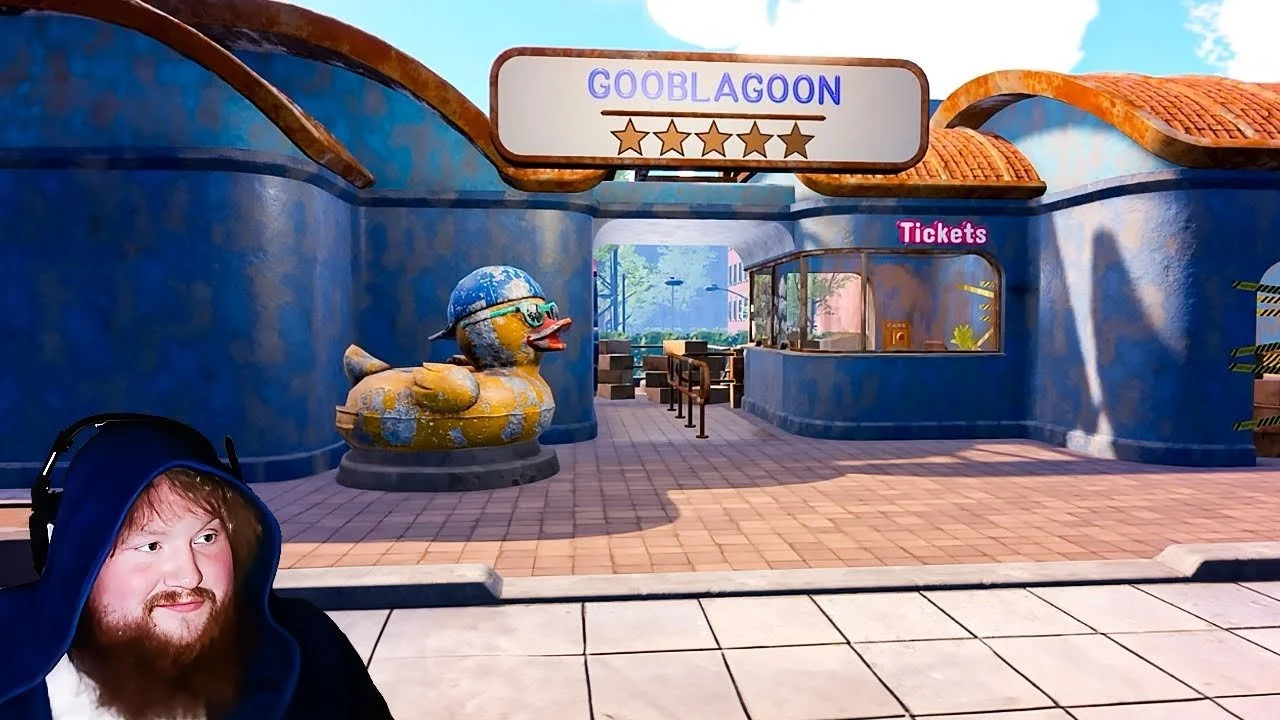
Image Credit: Caseoh
A single viral clip of someone powerwashing a driveway or expanding a card shop can instantly drive thousands of players to look up the game. Developers of simulator titles regularly credit streamers and content creators for their sudden spikes in sales and wishlists. Like Waterpark Simulator adding Caseoh.
The psychology behind the addiction
At their core, simulator games combine the fundamental joys of gaming into one package: customization, progression, soothing repetition, and a sense of accomplishment. They deliver the fantasy of a better version of life. One where effort is always rewarded, progress is always visible, there’s not really any obligations, and goals are always achievable.
In other words, simulator games make everyday tasks feel meaningful, and give players micro doses of success every few minutes. That’s a powerful loop, and it explains why the genre continues to dominate storefronts and social feeds.
The Oversaturation Problem: When too many simulator games dilute the genre
For all the charm and creativity inside the simulator genre, there’s one major downside that should be talked about: the market is completely oversaturated. Steam is overflowing with new simulator releases every week, and not all of them carry the same level of polish, depth, or creativity as the top-tier titles. Because the word “Simulator” is easy marketing, developers use it as a shortcut. Suddenly every small idea becomes Something Simulator, even if the game barely simulates anything at all.
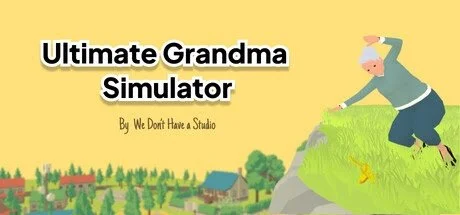
This overcrowding creates a strange imbalance. High-quality, well-designed games like PowerWash Simulator, TCG Card Shop Simulator, My Time at Sandrock, or Stardew Valley end up sharing the same storefront space and tagging system as rushed, low-effort projects made in a few weeks. The result is genre dilution—players searching for a meaningful simulation experience have to sift through dozens of near-identical or half-finished titles just to find the gems.
It also hurts discoverability. When almost every amateur release slaps “Simulator” on its title, it becomes harder for standout games to differentiate themselves. Players start to associate the genre with cheap asset flips, incomplete mechanics, or shallow gameplay loops, even though the best simulator games offer incredibly robust and engaging experiences. This creates a frustrating dynamic where exceptional simulators have to constantly prove they aren’t like the dozens of low-quality ones released alongside them.
And honestly, not everything needs a simulator. Some concepts work beautifully when given enough depth, progression, and intention. Others feel like they exist solely because “Simulator” has become a buzzword that guarantees clicks on TikTok. The genre is at its best when developers aim to recreate systems, passions, or professions with care. Not when they force an idea into the template just because it’s trendy.
This oversaturation doesn’t erase the brilliance of the genre, but it does highlight a reality players have been feeling for years: the simulator boom brought a lot of great games with it, but it also invited imitators who don’t understand what makes a true simulator work.
Final Thoughts
Simulator games have become popular not because they reinvent gaming, but because they amplify the parts players already love—clear goals, steady progression, creative expression, and low-stress escapism. Whether you’re managing a shop, running a farm, operating heavy machinery, or building a waterpark, these games scratch the universal itch to create, grow, and imagine yourself in a different life.
As long as players crave comfort, creativity, and control, simulator games will continue to thrive—and based on current trends, their popularity is only going up.
Something else to think about is how video game soundtracks don’t get the attention they deserve! You can read our thoughts on that here.