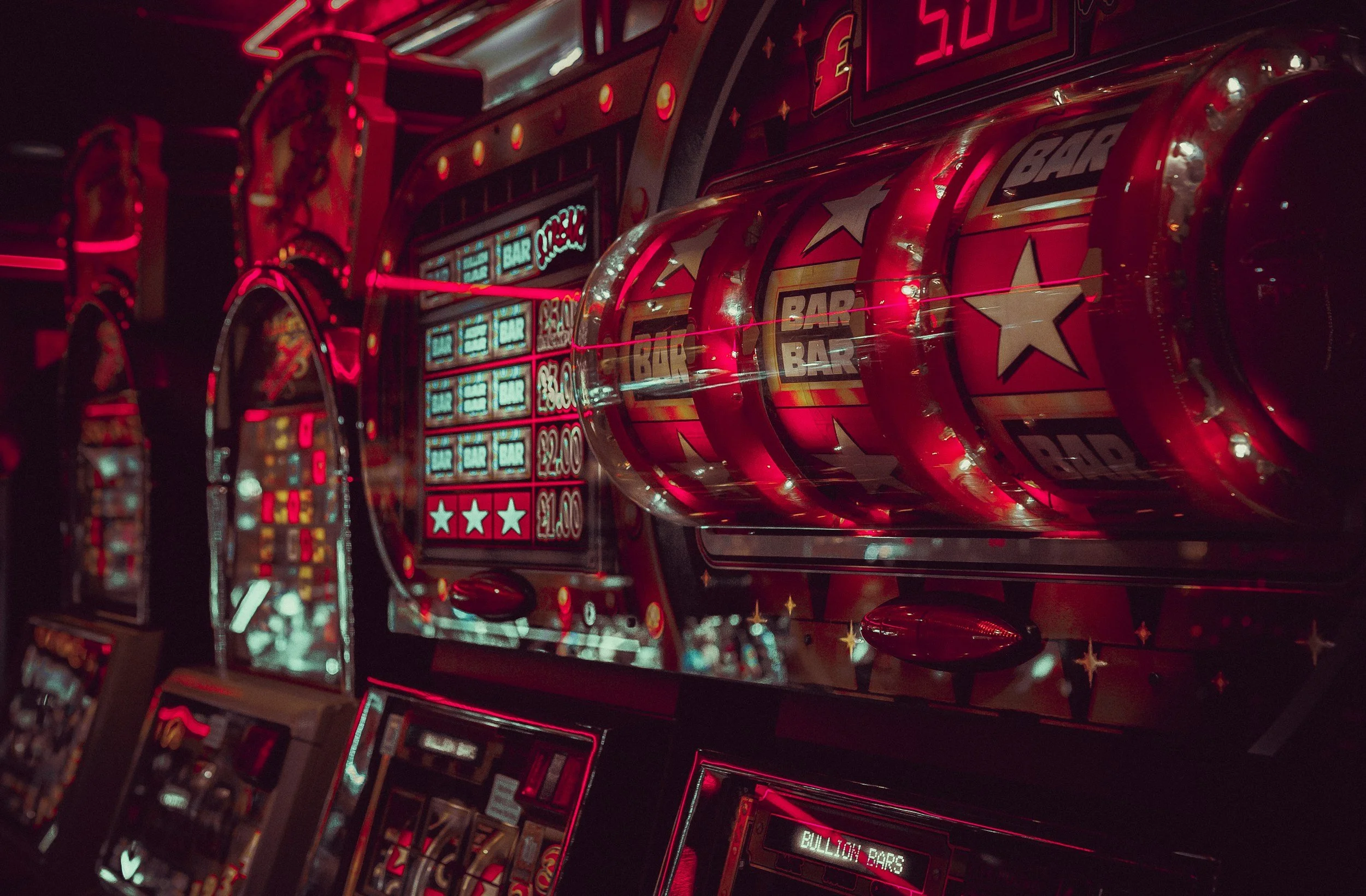
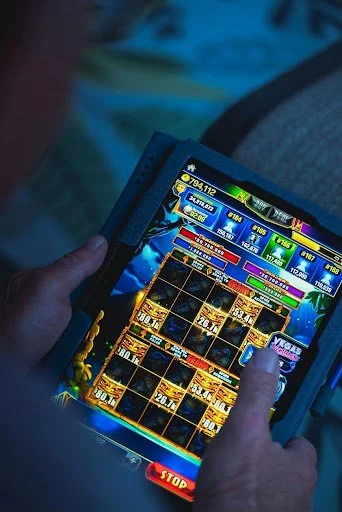
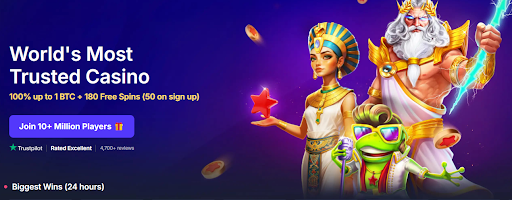
Casino sites and video games borrow from the same old habit loop: show a prize, make the next step clear, then add a timer. A player sees a welcome package, a free spin counter, or a loyalty bar and feels the same tiny itch that appears after opening a loot chest in Fortnite. Slot lobbies use bright badges, progress meters, and coins that jump across the screen. Console games do the same with daily quests and battle-pass tiers. The style is different, but the timing is almost identical. No mystery there. For anyone who wants to review today's bonus language, https://najboljsaspletnaigralnica.si/casino-bonusi lists casino bonusi in an online casino context without dressing it up as magic. The pull is plain. Rewards feel near, even when the rules sit in small print.
Fast access sounds like a shortcut, so a top no ID verification casino Canada page for 2026 can feel similar to a game screen that says "play now" before the player thinks about limits.
The bonus bar is a progress meter
A wagering bonus rarely looks like a spreadsheet. It looks like progress.
The player deposits €20 and sees “100% matched,” then a wheel, a bar, or a packet of free spins. That resembles an XP meter after a match in Call of Duty. The brain reads movement as earned progress, even before any profit exists.
The clever bit is timing. A game hands out coins after a level. A casino bonus hands out spins after signup, deposit, or a loss streak. Both systems keep the next action close. One click. One spin. One more round.
Small numbers do the heavy lifting. Ten free spins feel easy to use. A 35x wagering rule feels distant, so the counter sits in front while the math waits behind it.
Random rewards copy the loot-box trick
Games learned long ago that fixed prizes get boring. Random prizes stay sticky.
A chest may contain a common skin, a rare emote, or nothing. Free spins work with the same mood. One spin pays a few cents. The next almost lands three bonus symbols. The near miss is loud, colorful, and easy to remember.
This is why “chance” feels more exciting than a discount. A £10 voucher has a clear edge. Ten spins feel alive because the result is hidden until stopping. The player fills in the blank with hope.
Designers know the sound matters. Coins clatter. Lights flash. A small win gets a bigger celebration than the amount deserves, much like a mobile game cheering over five gems.
Streaks, levels, and the fear of missing out
Daily login rewards are simple. Miss Tuesday, lose the chain.
Casino promotions use that pressure with reload offers, tournament points, and weekend spin drops. The player is asked to return on a schedule. That schedule matters because habit beats thought. If Friday means new spins, Friday starts to feel like part of the plan.
Video games make this visible with streak flames and level badges. Casino sites prefer status names: bronze, silver, gold, VIP. The label changes, but the nudge is familiar. Nobody wants to fall back to zero.
The risky part is that streaks punish breaks. A sensible player treats any missed bonus as gone, not as a debt to chase on Monday night.
Rules hide under the sparkle
Every reward system has a back room. In games, it holds drop rates and season resets. In casino bonuses, it holds wagering terms, max bet caps, game weightings, and withdrawal limits.
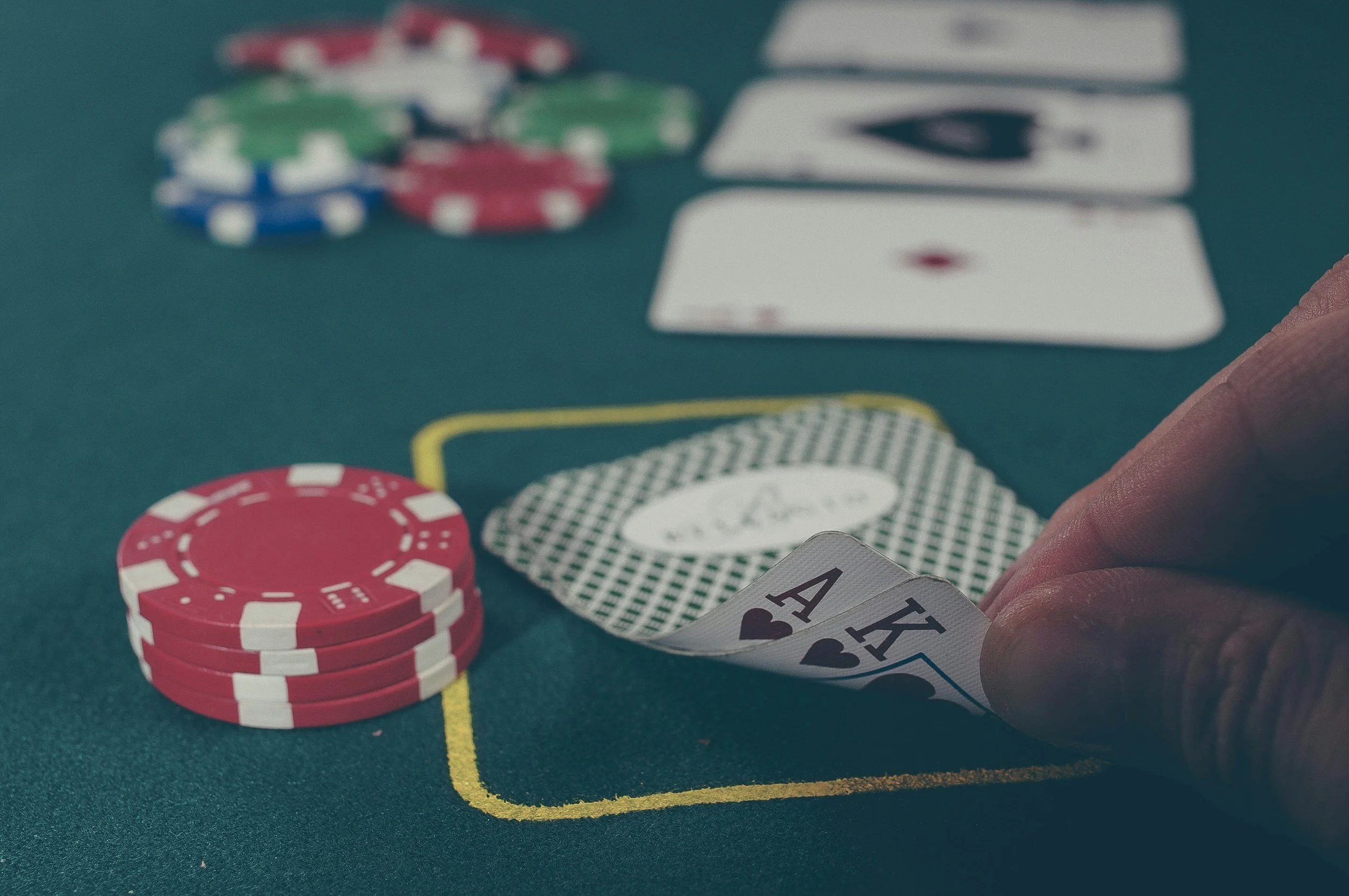
The front screen says “free.” The rule page says the player must wager the bonus 30 or 40 times before cashing out. Slots may count, while blackjack may count 10%. That detail changes the whole deal.
This gap explains the strange mix of fun and friction. The bonus gives a playful task, then adds accounting. A player who reads the terms before claiming avoids the worst surprise: winning with the wrong stake and losing the payout.
Plain rule pages would reduce drama. They would also sell fewer dreams.
Why the feeling sticks after the screen closes
The strongest hook is memory. People remember the almost-win and the bar sitting at 92%. They forget the five dull rounds between them.
Video games rely on that memory gap. Casino bonuses do too. A player may recall the free-spin round that reached the bonus feature, not the terms that made the cashout harder. This is human wiring, not a character flaw.
Good design takes advantage of attention. Better play habits answer it with boring tools: a timer, a deposit limit, and a written budget. Boring wins here.
One useful first test is simple. If the same offer looked like a plain receipt instead of a glowing chest, would it still feel worth claiming today?