Disclosure: This is a paid guest post. The author or an affiliated third party paid for its publication, and the article may contain promotional links. The views and opinions expressed are those of the author and do not necessarily reflect those of GameTyrant or its editorial staff.
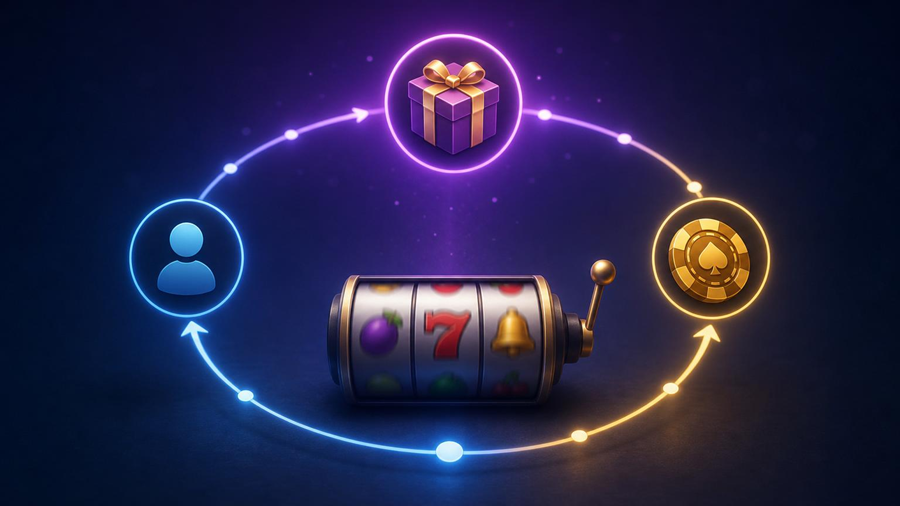
A reward loop is the cycle a game repeats: the player does something, gets something, and sees the next reward waiting. Daily login bonuses, streak counters, battle passes and loot boxes are all versions of it. Those loops are drawing closer inspection in the US, from store labels, checkout screens and court filings alike, and that raises the question of how they are built.
Four loops built on one idea
A daily login reward pays out for opening the game, however briefly. A streak adds a counter, so each day extends the run and a missed day can end it. A battle pass is a ladder of rewards that unlock as the player earns progress, often with a free track and a paid one. A loot box hands over a randomized item, so the player does not know exactly what comes out.
Take a hypothetical 30-day login calendar where the best prize, an exclusive cosmetic, sits on day 30 and a missed day sends the counter back to day 1. By day 20, much of what keeps a player returning may be the effort already invested in the streak. Add one grace day a week, or let the counter pause instead of reset, and the daily reward stays while the penalty for a single missed day goes away.
Where outside scrutiny started
In December 2022 the FTC announced settlements with Epic Games, the maker of Fortnite, including $245 million for refunds. In its press release, the agency alleged that the game's button layout let a single press trigger an unwanted charge, for example when a player woke the game from sleep mode, and that until 2018 children could buy V-Bucks without a parent's or cardholder's consent. Those are billing and consent issues, which are separate from how a reward schedule is paced.
The ESRB, the video game industry's self-regulatory body, took a different route in April 2020, when it began assigning an "In-Game Purchases (Includes Random Items)" notice. It covers purchases where the player does not know in advance what they will receive, such as loot boxes and card packs. That label is an industry self-regulatory measure, not a legal requirement, and the ESRB's announcement does not mention battle passes.
Neither the FTC case nor the ESRB label addressed daily rewards or streaks. They matter to designers because they set a baseline for presentation: what a button does, what a purchase contains and whether the player can tell before paying.
What designers can change
Several adjustments sit entirely within a studio's control. Streaks can pause instead of resetting. Random purchases can show their odds before payment, and a pass can list every reward and its end date up front. Cosmetics labeled exclusive can return in a rotation, so a prize does not depend on logging in on one particular day. Each change trades some short-term urgency for clearer terms.
Smaller teams have their own reasons to listen. A Digital Journal feature on smaller studios and the future of gaming describes indie and double-A developers competing through faster releases and closer ties to their communities. For a team that depends on that relationship, a reward schedule players resent can show up quickly in its own feedback channels.
Some of the questions a design review can ask are plain. Does the reward schedule still make sense for a player who skips a week? Does a pass tell the player how much play it takes to finish? Can a player see what an item costs in real money before the screen asks for confirmation?
Lawsuits put the loops in front of courts
Courts are now being asked about game design itself. Suits against Roblox, Epic Games (Fortnite), Mojang (Minecraft), Activision (Call of Duty) and Rockstar (Grand Theft Auto) allege "predatory features, such as rewards for repeat play, exclusive prizes and cosmetic items." These are allegations, and the cases are at an early stage.
On June 5, 2024, the US Judicial Panel on Multidistrict Litigation denied a motion to centralize the video game addiction cases before it, citing differences among the games and defendants, and its order calls informal coordination a practicable alternative. ConsumerShield, an online legal information platform, publishes an overview of where video game addiction settlements stand, and it states that claimants had not publicly settled or obtained verdicts as of August 2026.
The order concerned those particular cases and does not settle how other claims will be organized. For studios, a login calendar or a cosmetic shop may be examined case by case, so any answer about whether such features can support a claim could arrive in pieces.
What to watch next
Players and parents who want a concrete step can start with the spending controls in the console or app store, and check whether a game's ESRB rating lists the "In-Game Purchases (Includes Random Items)" notice.
For the cases themselves, watch for court rulings on whether features such as rewards for repeat play can support a claim, and for any first public settlement or verdict. A settlement alone would not decide whether a design is unlawful. On the design side, the open questions are whether a streak that resets after one missed day, a prize tied to a single date or a random reward without disclosed odds is treated differently from a plain purchase.