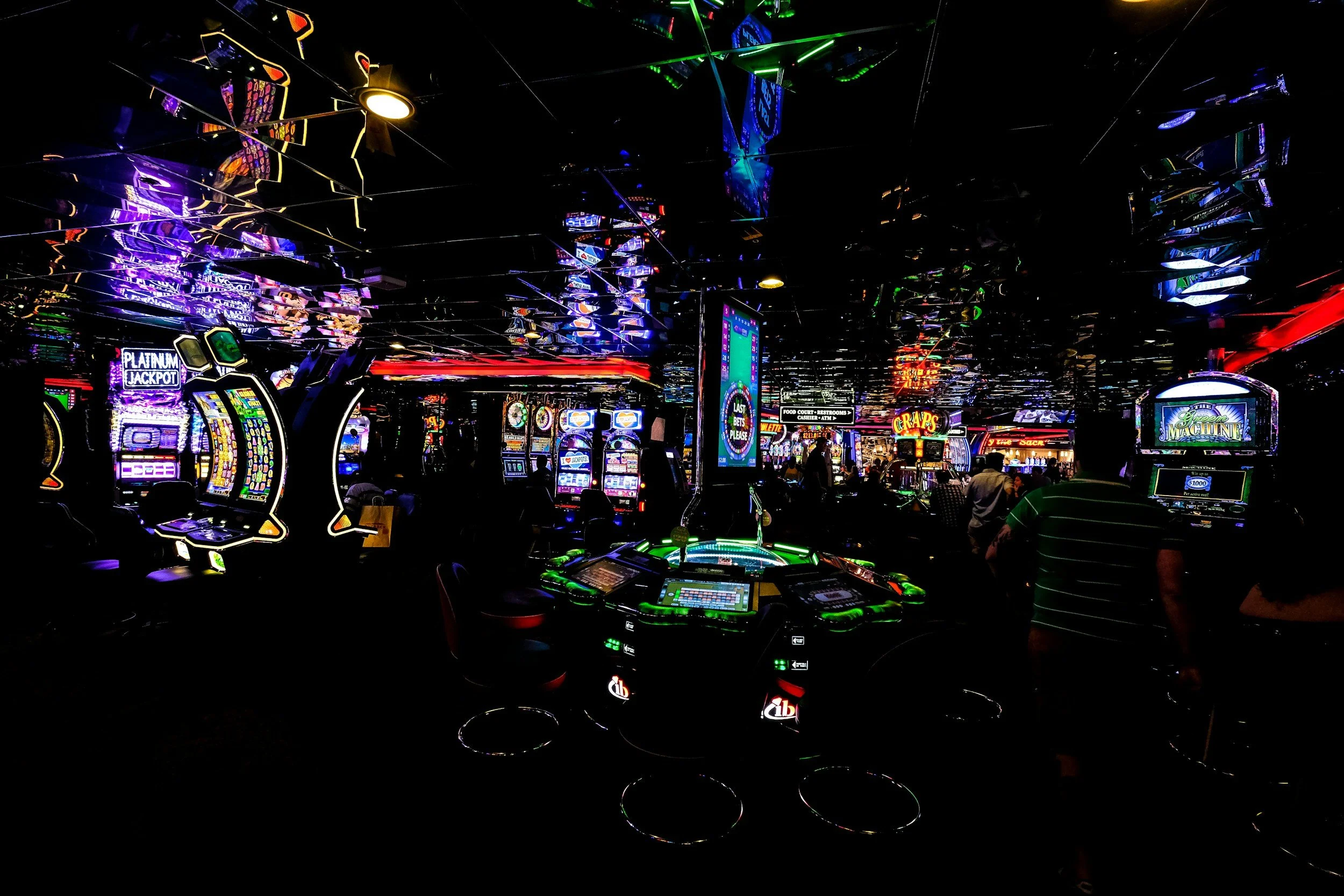
Twenty years ago, live casino was considered an experiment, held back by slow internet and imperfect streaming technologies. Today, this format has become one of the most successful sectors in the industry, with live dealer studios hosting tens of thousands of players from around the world every day. How did ordinary online streams turn into large-scale interactive shows with professional hosts and TV-quality visuals? We explain in this article.
How the First Live Casino Appeared
The history of live casino 18+ began in the late 1990s, when operators started experimenting with streaming games over the internet. The main problem was connection speed. In 1998, the average home internet speed often did not exceed 56 Kbps, so videos constantly froze or lagged. Due to technical limitations, early versions of live dealer games failed to attract a broad audience. The situation began to change with the spread of broadband internet in the early 2000s.
Companies That Changed the Live Casino Industry
A real breakthrough came in 2006, when Evolution Gaming was founded. This company focused exclusively on live casino and began building professional studios for streaming. While early broadcasts resembled ordinary webcams, the new format was closer to a television show.
Later, other major content providers such as Playtech Live and Pragmatic Play Live joined the development of the sector. Investments in studios began to reach tens of millions of euros. For example, some modern Evolution studios cover more than 10,000 square meters and simultaneously run hundreds of tables for players from different countries.
The Most Important Technologies in Modern Live Casino
One of the key technologies in modern live casino is OCR (Optical Character Recognition). It allows the system to automatically recognize cards, numbers on the roulette wheel, and game results in a fraction of a second. This is why information appears instantly on the user’s screen without manual input.
Equally important are multi-camera broadcasts. A single table can operate with three to ten cameras simultaneously, showing different angles of the game. This significantly improves transparency and enhances the viewing experience.
Ten years ago, HD streaming was considered a technological advantage. Today, many operators use Full HD, and some studios are already testing 4K streams. In other words, the visual quality of live casino is increasingly approaching professional television standards.
From Roulette to Game Shows: How the Live Casino Format Has Changed
The first live casino platforms focused on classic table games. Users could join a roulette or blackjack stream and watch the actions of a real dealer. At the time, that was enough, since the very possibility of playing in real time over the internet was considered a technological breakthrough.
Over time, competition began to grow, and providers started looking for new ways to engage audiences. This is how game shows appeared on the market, combining elements of casino games with television entertainment formats. The most famous examples include:
Crazy Time;
Monopoly Live;
Lightning Roulette;
Dream Catcher;
Mega Wheel;
Sweet Bonanza Candy Land;
Funky Time.
Interesting Numbers About the Popularity of Live Casino
In recent years, live casino has become one of the most profitable areas of the industry. Here are several facts that show the scale of this segment:
Evolution operates studios in Europe, North America, and Asia;
Hundreds of gaming tables can be available to users at the same time;
Most live stream views today come from smartphones;
Live casino is considered one of the fastest-growing segments of online casino.
The growing demand for live dealer games is evident in the Top online casino Poland platforms, which increasingly invest in premium live casino experiences to meet player expectations.
What Awaits Live Casino in the Future
In just over two decades, live casino has gone from unstable video streams to professional studios. The pace of the industry’s development suggests that the biggest changes may still be ahead. Experts link the future of the segment to several technologies:
Artificial intelligence for automatic translation of dealers into different languages;
VR technologies that will allow players to fully immerse themselves in the gaming environment;
Personalized interfaces and content for each user;
New interactive formats combining elements of casino, streaming, and game shows.
So, what looked like an experiment in the late 1990s has now become one of the most technologically advanced areas of the gambling industry. The next stage of development will likely make this format even more interactive and personalized.