Sometimes, you want to build a Commander deck with a complicated game plan. Other times, you want to set the table on fire. Tomik, Izzet Sparkmage gives us a commander for that second option, taking the little damage effects that red already does well and making every one of them more threatening.
For my version, I wanted to focus on cheap noncreature spells, creatures that punish opponents whenever I cast those spells, and damage boosts that make those triggers hit much harder. Lightning Bolt is a great card, but in a game where three opponents start at 40 life, we need it to accomplish more than dealing three damage to one person. This deck builds the board that makes a single burn spell hurt the whole table.
Commander Overview
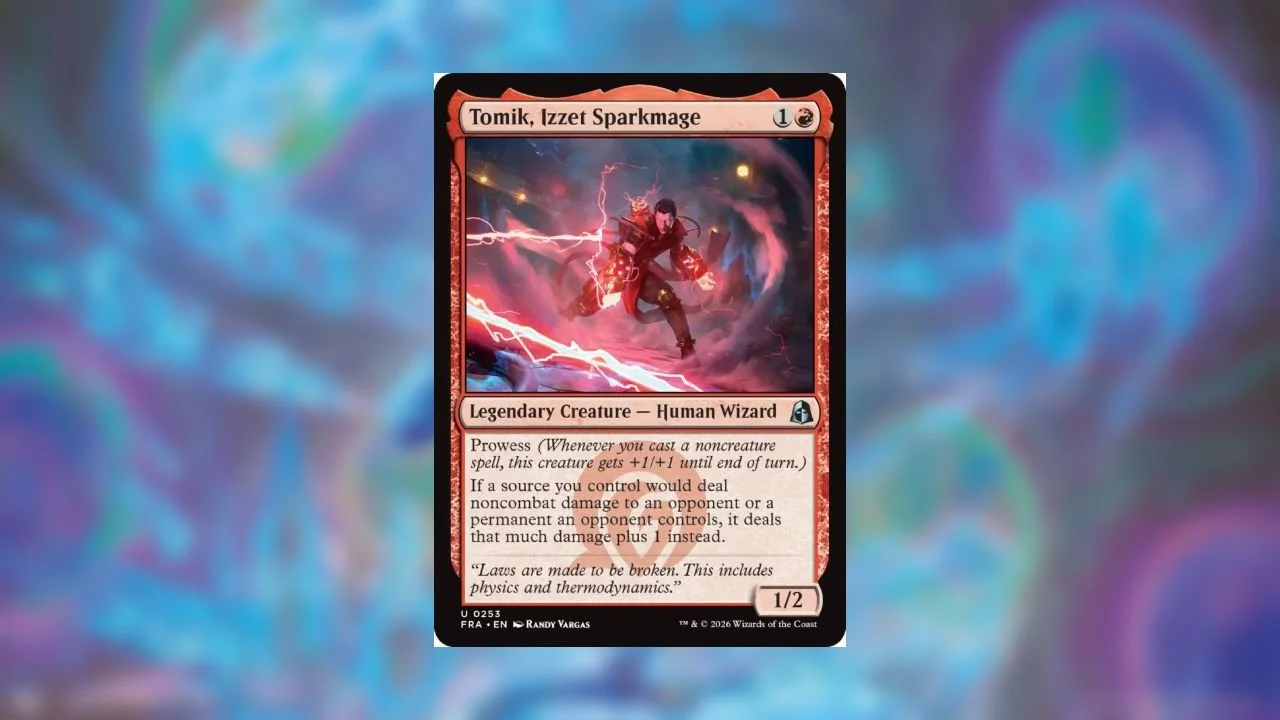
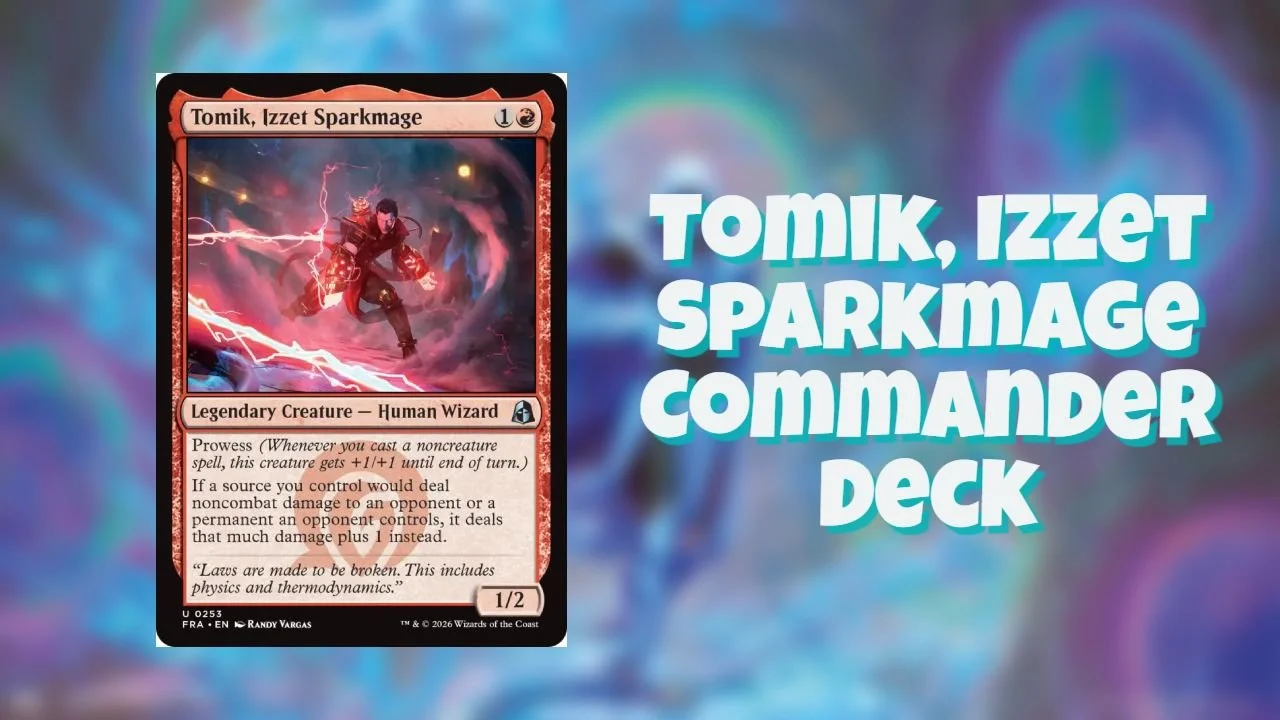
Tomik, Izzet Sparkmage is a two-mana 1/2 Human Wizard with prowess. If a source you control would deal noncombat damage to an opponent or a permanent an opponent controls, it deals that much damage plus one instead.
Despite having Izzet in his name, Tomik is a mono-red commander. His name does not add blue to his color identity, so this is a Mountain-powered burn deck.
The important part of his ability is how broadly it applies. Tomik improves damage from your spells, creature abilities, enchantments, and even lands. He also improves damage dealt to opposing creatures, making your small removal spells more useful.
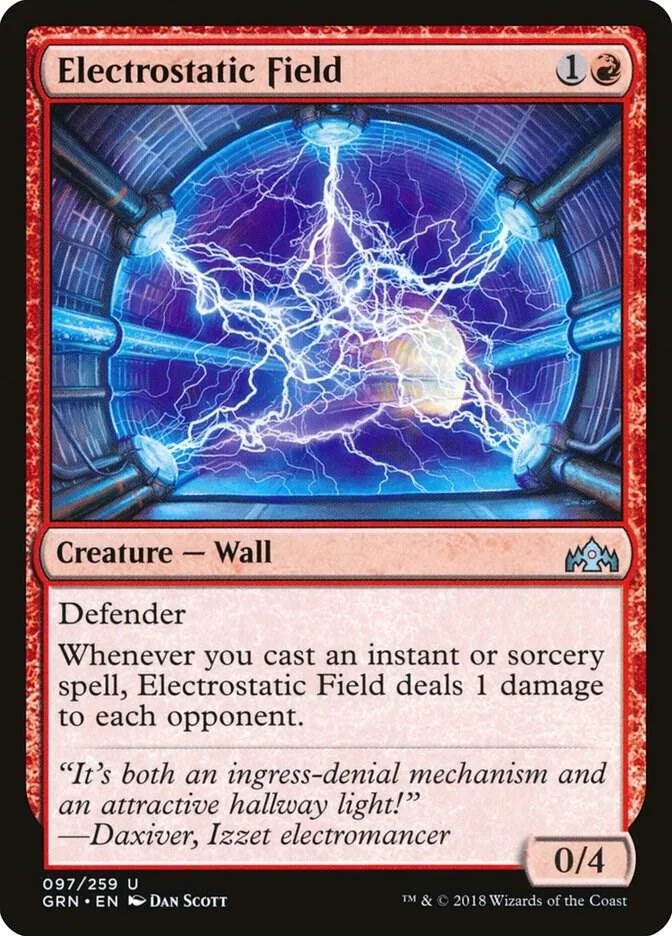
With Tomik on the battlefield, Lightning Bolt deals four damage to its target, assuming that target is an opponent or their permanent. A Guttersnipe trigger deals three damage to each opponent instead of two. An Electrostatic Field trigger deals two to each opponent instead of one.
Prowess gives Tomik something to do in combat, but that is a bonus. The main reason he leads this deck is that the same extra point applies to all those separate damage sources throughout the game.
Main Deck Strategy
The plan is to build a few repeatable damage engines, cast several cheap spells, and increase the damage those engines produce. Your hand should fuel your battlefield, and your battlefield should make each card in your hand worth more.
Cast Cheap Noncreature Spells
Cheap spells make it easier to keep developing your board while still interacting with opponents. Lightning Bolt, Shock, Lava Dart, and the other small burn spells give you plenty of opportunities to trigger your damage engines without spending an entire turn on one card.
The spells do not all need to deal damage themselves. Strike It Rich creates a Treasure while triggering cards that care about casting instants, sorceries, or noncreature spells. Abrade handles a creature or artifact while your spell-trigger creatures put pressure on life totals.
There is an important difference between your engines. Firebrand Archer and Kessig Flamebreather care about noncreature spells, while Guttersnipe and Electrostatic Field specifically care about instants and sorceries. Casting an enchantment can trigger the first group, but it will not trigger the second.
You also do not need to fire every burn spell at an opponent immediately. If you can establish another damage engine first, the same spell might generate substantially more damage a turn later. Keep removal available when a dangerous creature needs an answer, but think about what your battlefield adds to each spell before spending it.
Stack Repeatable Damage Engines
One creature dealing one damage whenever you cast a spell is manageable. Several creatures doing it at the same time, with Tomik increasing each hit, becomes a problem very quickly.
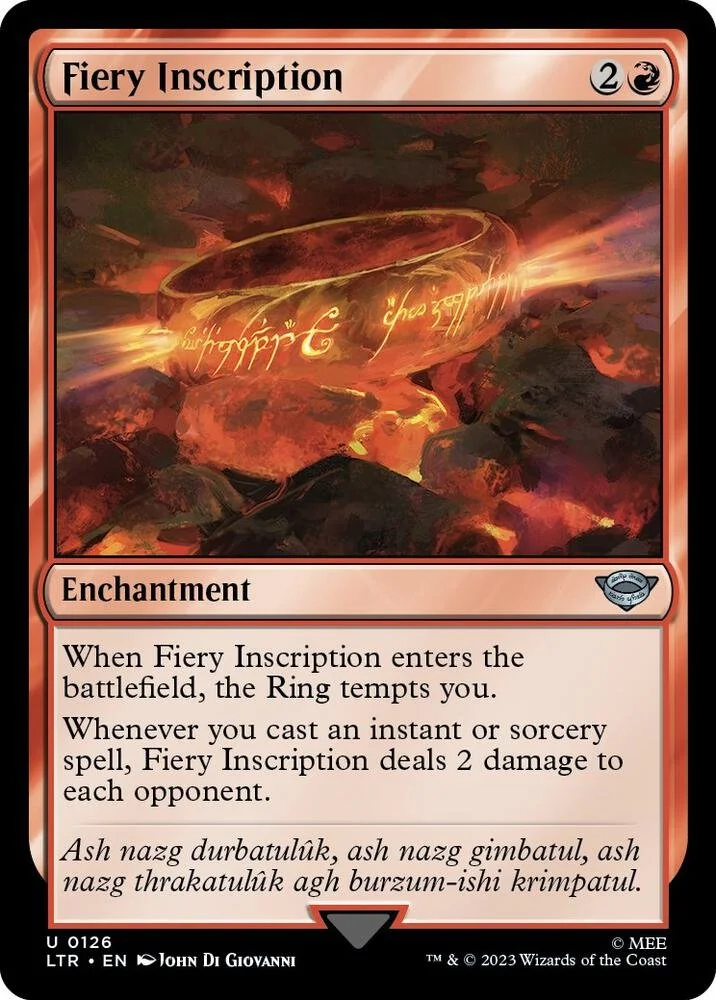
Guttersnipe, Kessig Flamebreather, Firebrand Archer, Electrostatic Field, Erebor Flamesmith, and Fiery Inscription give you overlapping ways to damage every opponent. That last part matters. You are trying to close out a multiplayer game, so effects that hit the whole table generally do more work than effects that only pick at one player.
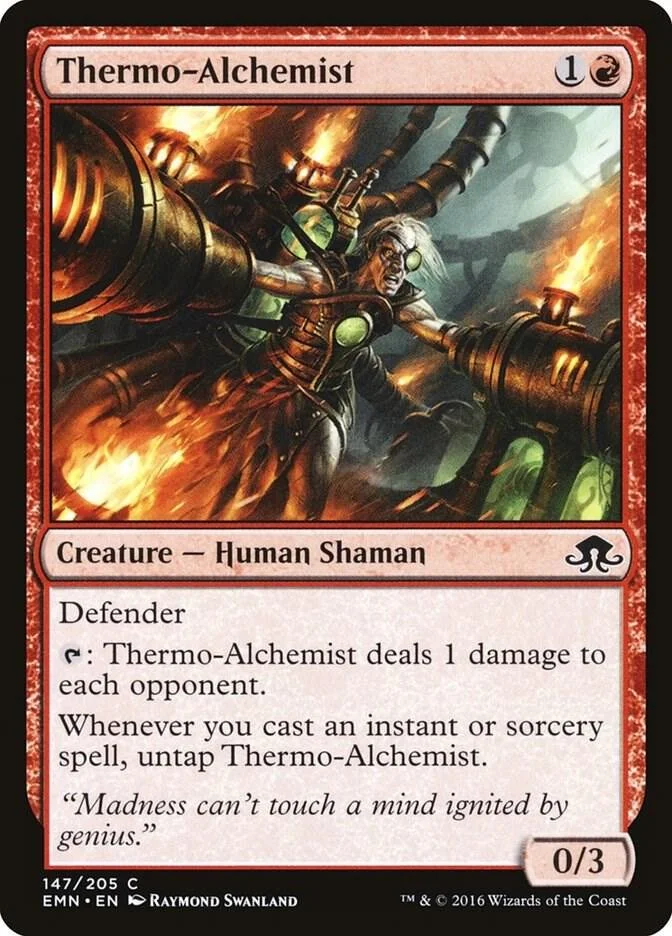
Thermo-Alchemist and Unruly Catapult add another kind of engine. You can tap them to damage opponents, then use an instant or sorcery to untap them and do it again. Once they can tap, remember to use them before the untap trigger resolves whenever it makes sense. Leaving them untapped through that trigger wastes an opportunity.
The list also includes a landfall damage package with cards such as Spitfire Lagac, Tunneling Geopede, and Cosi's Ravager. Those give your land drops something useful to do beyond supplying mana. They supplement the spell plan rather than replacing it, and Tomik can improve their damage too.
Increase Damage And Keep The Spells Coming
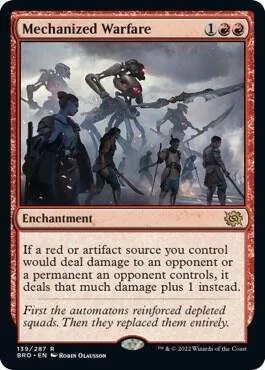
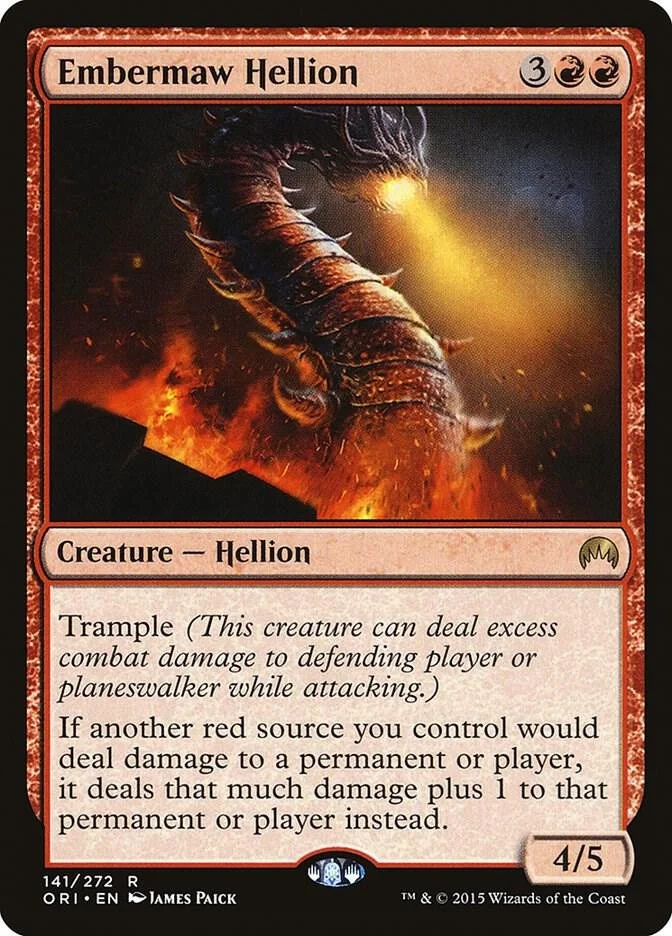
Tomik is the starting point, but Torbran, Thane of Red Fell, Mechanized Warfare, and Embermaw Hellion give you additional ways to turn small hits into serious damage.
Flat damage increases are particularly good here because you have so many separate one- and two-damage events. Improving a large spell once is useful. Improving every trigger from several creatures over multiple spells can be much more productive.
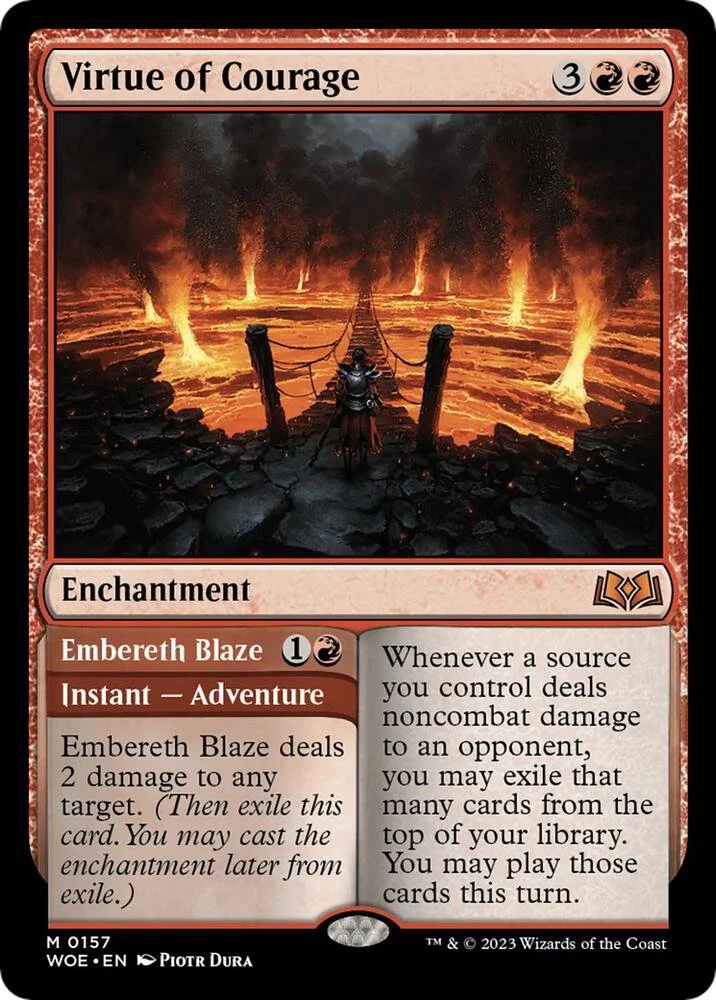
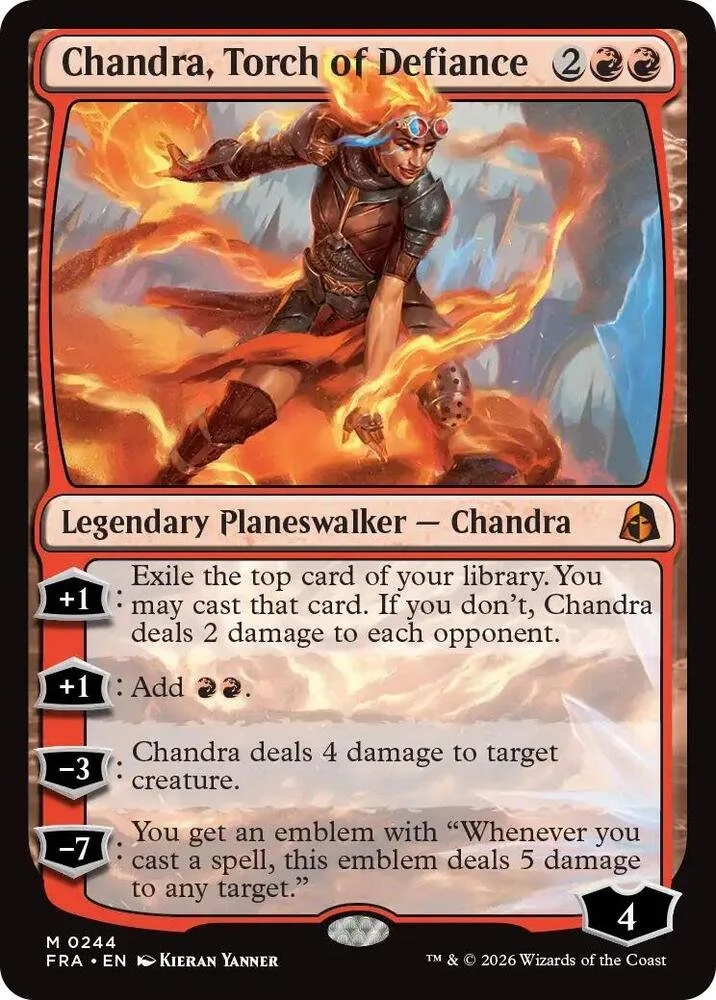
The other half of the plan is having cards left to cast. Virtue of Courage turns damage to opponents into access to more cards, while Chandra, Torch of Defiance provides recurring resources. Your mana tools help you turn those resources into an actual sequence of spells instead of ending the turn with everything still waiting to be cast.
Do not confuse having access to cards with being able to use all of them. Exiled cards can have a short play window, and you still need mana and legal timing to play them. Try to begin your bigger turns with enough resources to keep going.
Best cards for a Tomik, Izzet Sparkmage commander deck
When building for this deck the strongest cards you can look for are cards that either deal noncombat damage, reward you for casting spells through burn damage, or damage multipliers.
Best Cheap Burn And Interaction
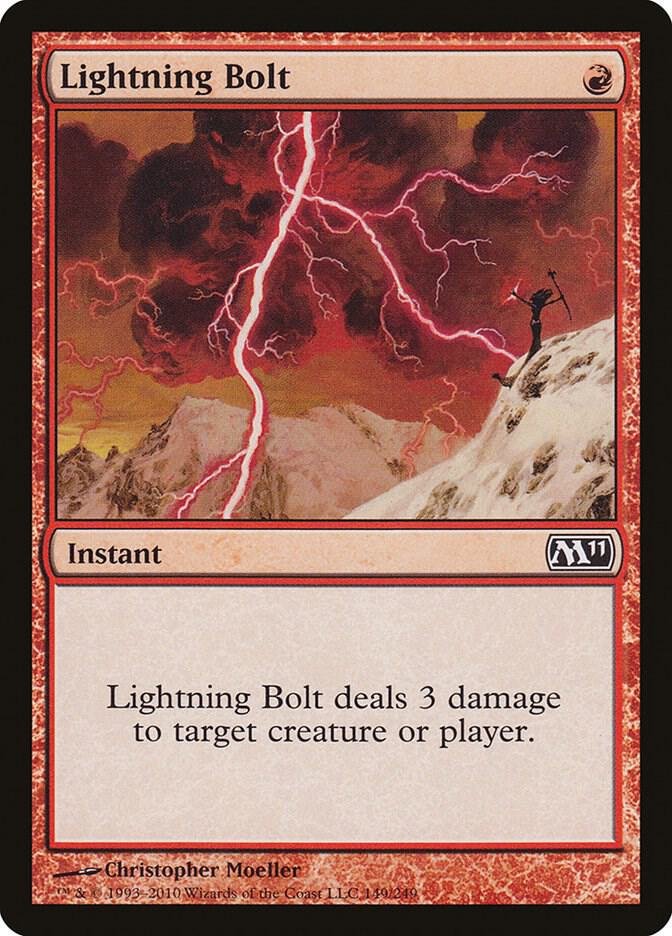
Lightning Bolt: The obvious starting point. It is efficient removal, it can finish an opponent, and it gives your engines an inexpensive instant to work with. Tomik makes its damage better without asking you to spend more mana.
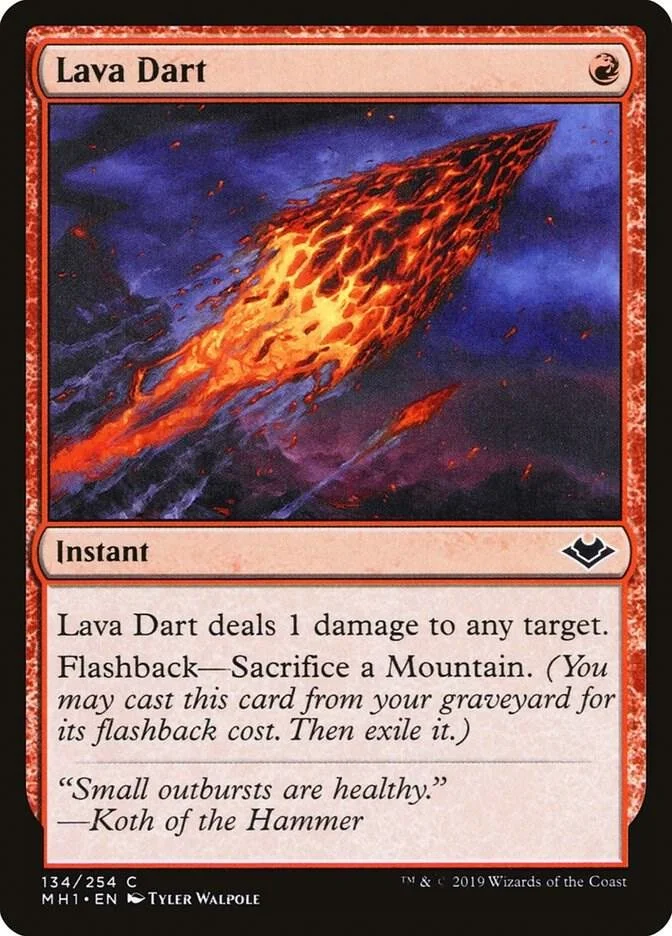
Lava Dart: Especially useful because flashback lets you cast it again from the graveyard. That means another round of cast triggers, not simply another damage event. Sacrificing a Mountain is a real cost, though, so make sure you do not sacrifice the mana source you need to continue your turn.
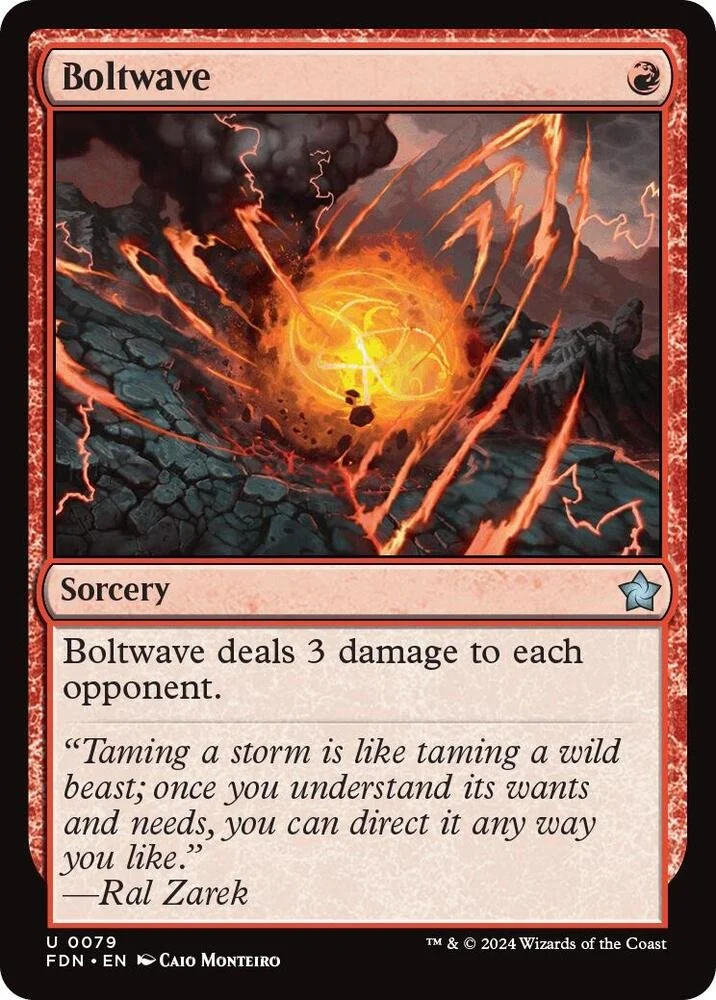
Boltwave: Pressures every opponent at once. Tomik turns its three damage to each opponent into four, before accounting for any other boosts or cast triggers. It is the kind of card that makes much more sense in multiplayer burn than spending the same turn attacking only one life total.
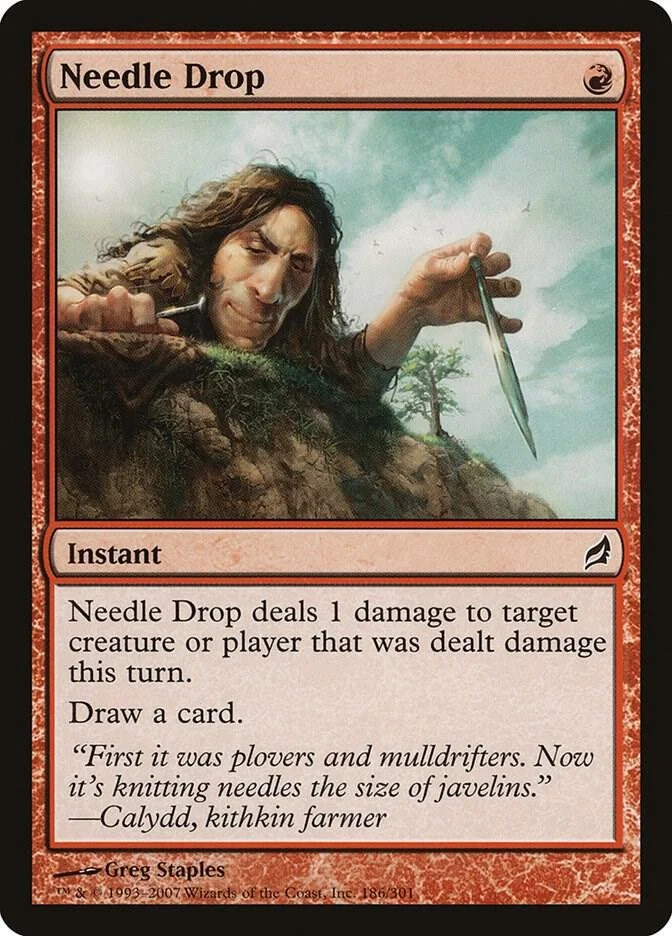
Needle Drop: Gives you another cheap cast while replacing itself. Its target must already have been dealt damage that turn, so sequence it after a suitable damage event rather than treating it as an unconditional cantrip.
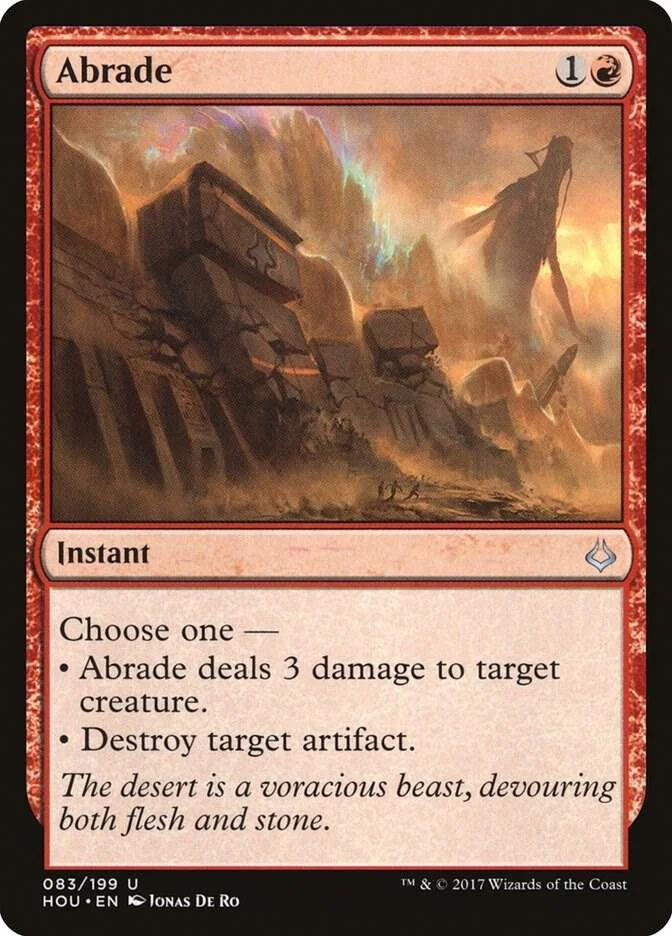
Abrade: Earns its spot through flexibility. Artifacts can be just as disruptive as creatures, and having a spell that answers either helps keep your deck from becoming a pile of burn that cannot interact with an important permanent.
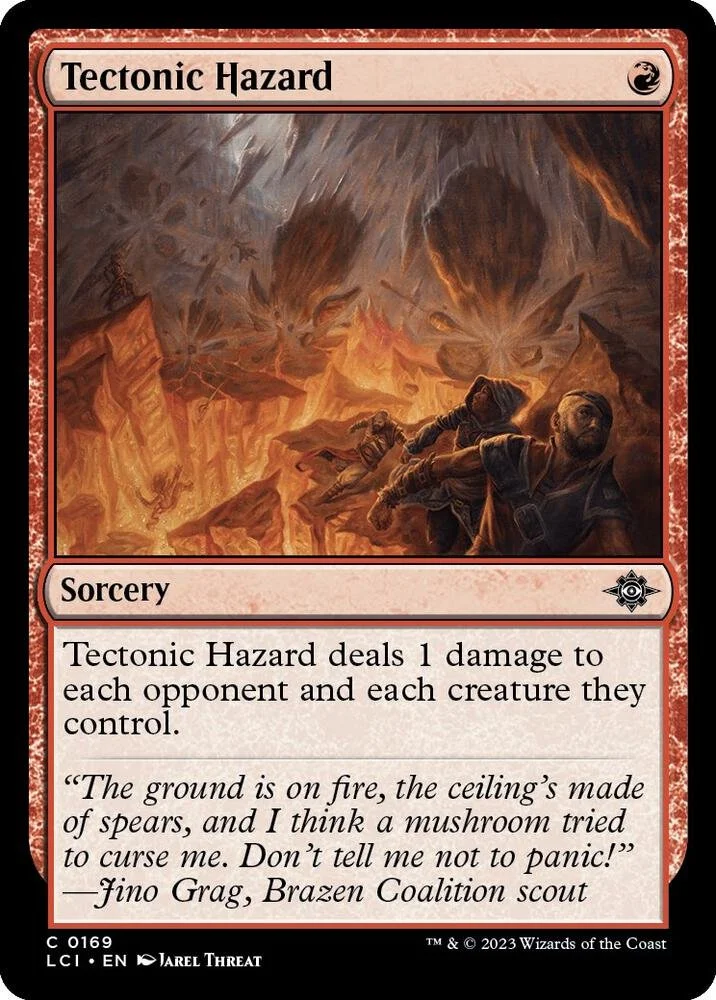
Tectonic Hazard: Helps clear small opposing creatures while also damaging opponents. With Tomik out, those one-damage hits become two against the appropriate recipients. It is a useful example of the commander improving both your pressure and your removal.
Best Repeatable Damage Cards
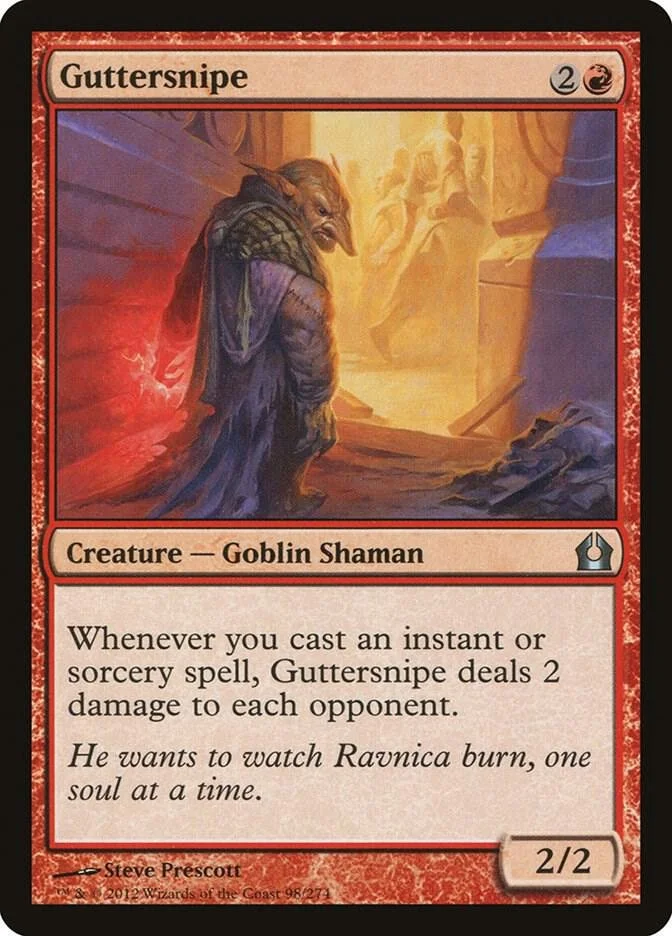
Guttersnipe: One of the strongest foundations for the spell plan. Two damage to each opponent for every instant or sorcery already adds up; Tomik pushes each trigger further.
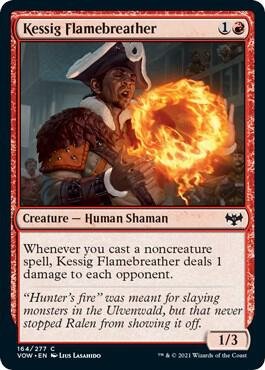
Kessig Flamebreather and Firebrand Archer: These give you inexpensive redundancy. Their noncreature wording also means your artifacts, enchantments, and planeswalkers can contribute cast triggers, rather than limiting the payoff to instants and sorceries.
Electrostatic Field: Gives you an instant-and-sorcery payoff attached to a defensive body. You want time to set up, and a blocker that helps burn opponents is useful while you build toward a stronger turn.
Fiery Inscription: Provides another instant-and-sorcery damage engine on an enchantment. Spreading your engines across different permanent types makes a creature-only board wipe less devastating.
Thermo-Alchemist and Unruly Catapult: These Reward careful sequencing. Each can deal damage without consuming a card from your hand, and your instants and sorceries let them activate repeatedly. They need to overcome summoning sickness before tapping unless they have haste, so factor that into your setup turns.
Best Damage Boosts And Resource Payoffs
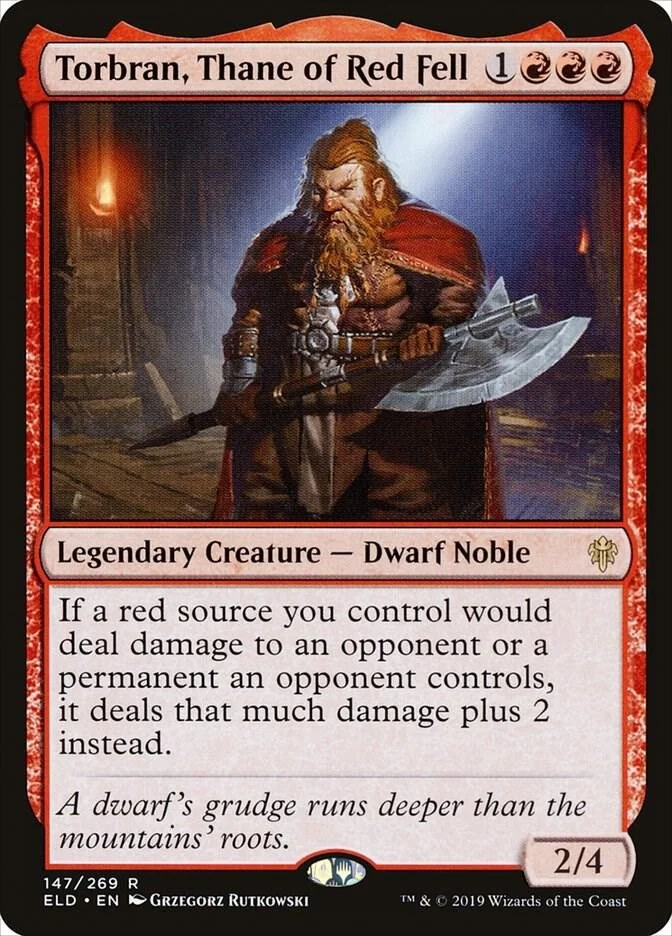
Torbran, Thane of Red Fell: Adds two damage when your red sources deal damage to opponents or their permanents. That is a huge improvement for all the little red damage engines in this list. Unlike Tomik, Torbran can also improve qualifying combat damage.
Mechanized Warfare: Adds another point to damage your red or artifact sources deal to opponents or their permanents. An enchantment-based boost is useful when you want another way to increase output without relying entirely on creatures surviving.
Embermaw Hellion: Adds a point when another red source you control would deal damage to a permanent or player. Its scope is different from Tomik's: it can also increase damage a qualifying source deals to you. Be careful with symmetrical damage spells.
Virtue of Courage: Connects your damage plan to your resource plan. Noncombat damage from a source you control to an opponent gives you cards to play from exile that turn. Multiple engines can produce plenty of opportunities, but prioritize the cards you can actually use before the turn ends.
Chandra, Torch of Defiance: Gives the deck a flexible planeswalker that can help with mana, cards, and removal. Those are all useful jobs in a deck that wants enough resources to cast several spells in the same turn.
Budget options for a Tomik, Izzet Sparkmage commander deck
The core of this strategy is friendly to a tighter budget because you can build around cheap spells and redundant damage engines. You do not need the most expensive red staples to make a Kessig Flamebreather threatening.
Start with cards like Shock, Lava Dart, Lightning Bolt, Guttersnipe, Firebrand Archer, Electrostatic Field, and Thermo-Alchemist. Check available printings rather than assuming every version costs the same. These cards establish the actual game plan, so they deserve priority over expensive cards that are merely powerful in red.
If you need more ways to keep cards moving, options such as Faithless Looting, Thrill of Possibility, and Reckless Impulse are worth considering. They are additions to consider, rather than cards included in my supplied list. Looting effects require discards, and exile-based access has timing restrictions, but all of them help support a deck that wants to keep casting spells.
Basic Mountains also do a lot of work here. Utility lands are useful, but casting Tomik on time and having red mana available for several spells is more important than filling every land slot with an extra ability.
Higher Power/Budget options for a Tomik, Izzet Sparkmage commander deck
The cards listed as my sideboard are optional upgrades for the main deck. Commander does not normally use a traditional sideboard, so choose the upgrades that fit your budget and playgroup, then replace cards in the 99.
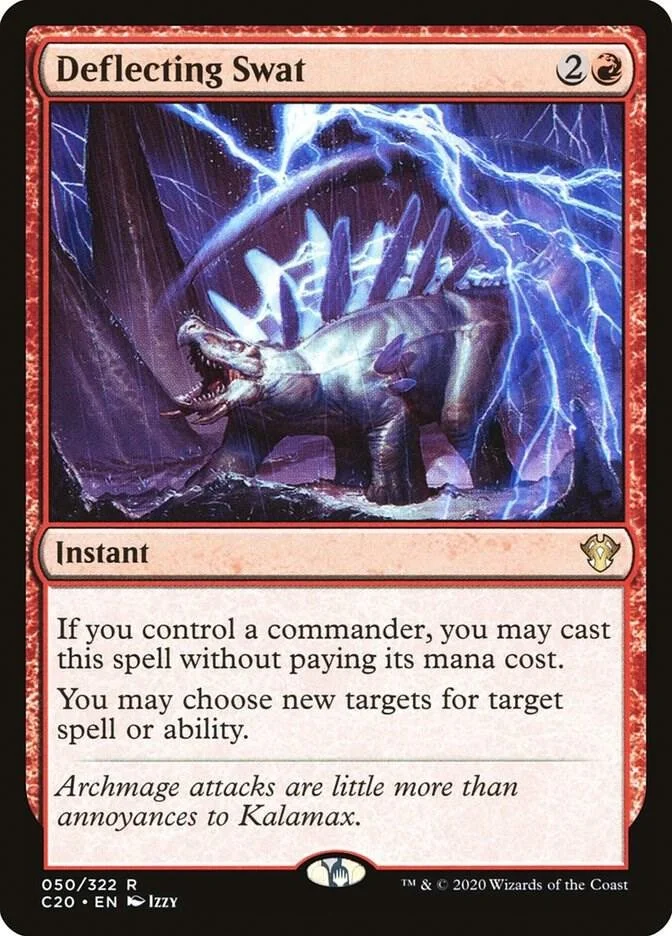
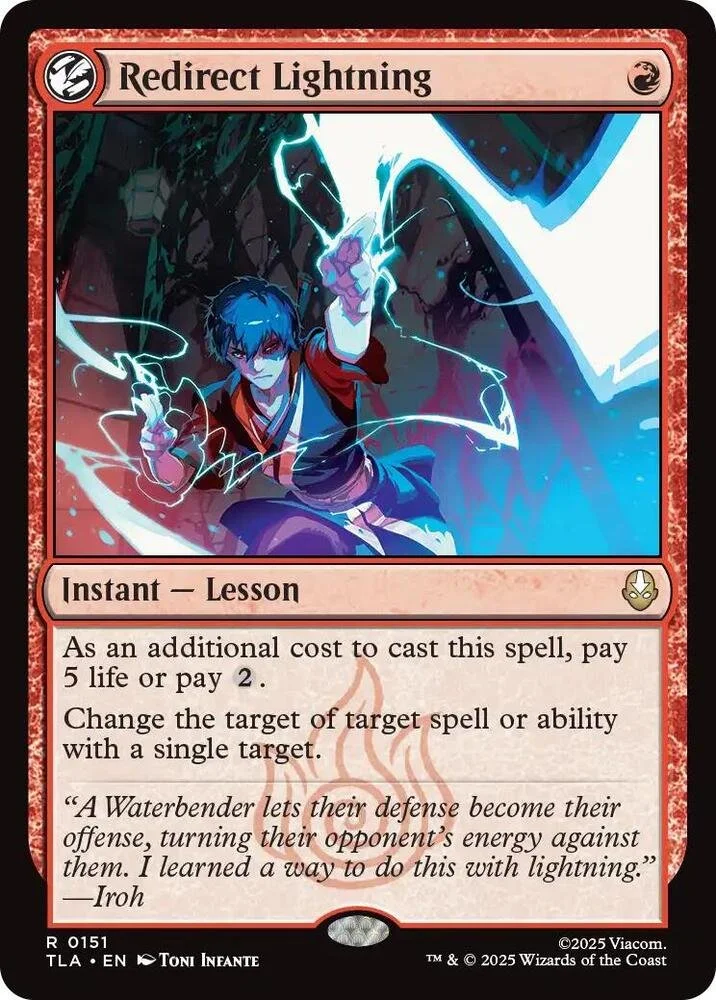
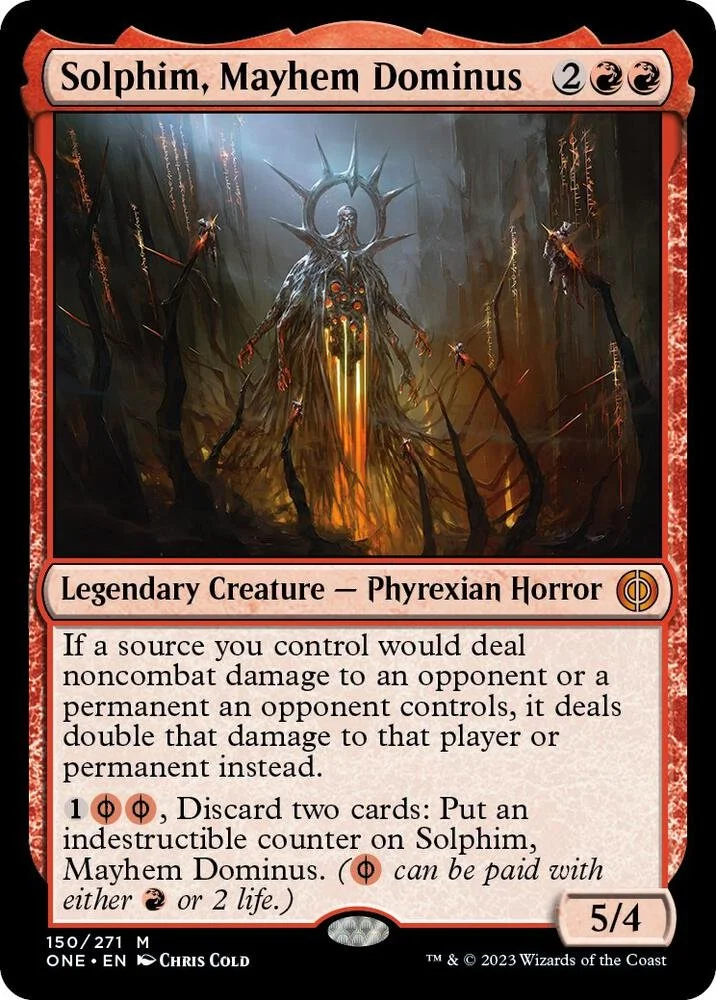
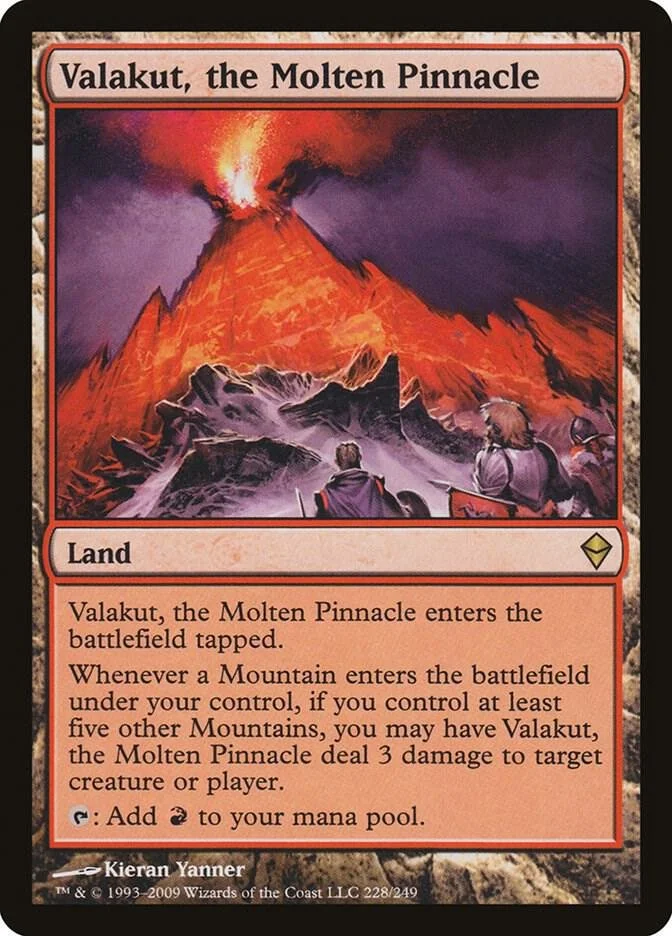
Deflecting Swat: Helps protect an important permanent or disrupt a targeted spell or ability. Having your commander out lets you cast it without paying its mana cost, which is especially useful when you have committed mana to a big turn. It changes targets; it does not answer an ordinary board wipe with no targets.
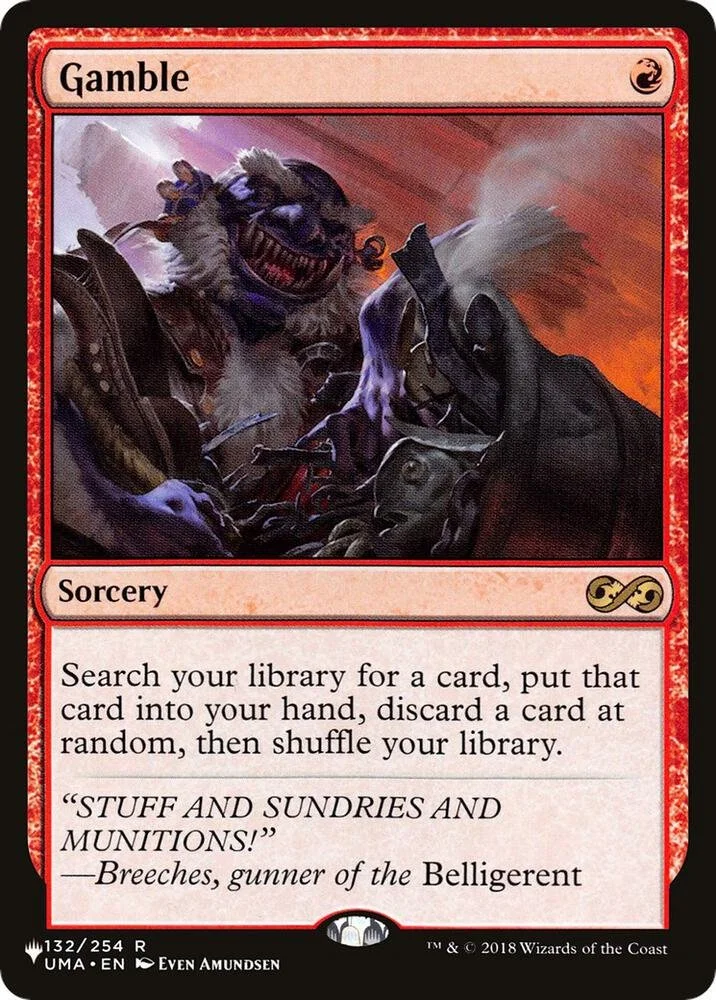
Gamble: Can find the missing engine, resource card, or finisher. The random discard is a real drawback, particularly with a small hand, so it is a flexible tutor rather than a guarantee that the card you searched for stays available.
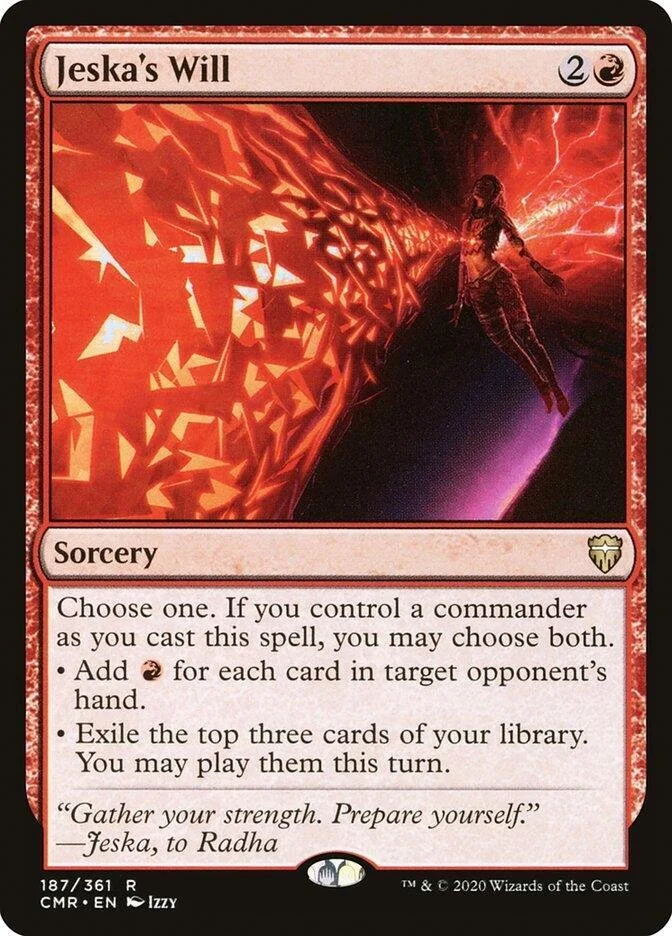
Jeska's Will: Provides a powerful burst of mana or cards, and controlling your commander lets you choose both modes. Tomik's low casting cost makes that condition easier to set up. Plan around the limited window for playing the exiled cards.
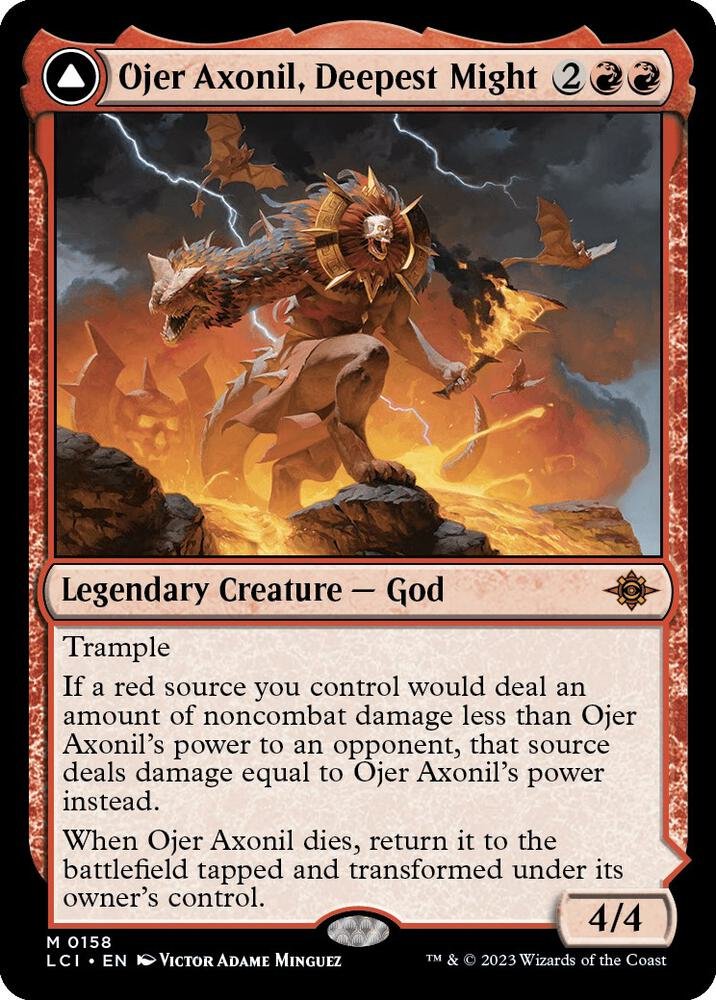
Ojer Axonil, Deepest Might: Makes small noncombat damage from your red sources to opponents hit at least as hard as his power when his replacement effect applies. He is excellent with one-damage engines, but he does not improve damage to creatures, and other replacement effects can change the final result depending on their order.
Redirect Lightning: Can redirect a spell or ability with a single target. It costs one red mana with an additional cost of either five life or two mana, giving you a flexible way to protect a key piece. It cannot redirect a spell or ability that has multiple targets.
Solphim, Mayhem Dominus: Doubles noncombat damage from your sources to opponents and their permanents. That supports both the spell-trigger engines and your direct burn. You can also give Solphim an indestructible counter through its activated ability, although discarding two cards is a substantial cost for this deck.
Valakut, the Molten Pinnacle: Once you control enough other Mountains, additional Mountains can generate damage without spending a spell from your hand. Tomik can boost that damage even though the land itself is colorless. It enters tapped and needs its Mountain condition met, so treat it as a later-game payoff.
Cards to avoid when building a Tomik, Izzet Sparkmage commander deck
Avoid filling the deck with expensive burn spells that only damage one opponent and provide no other value. A large number printed on a card is tempting, but several cheap spells can accomplish more when each one triggers your battlefield.
You also want to avoid drifting too far into combat support. Tomik has prowess, and attacking is available when it is useful, but his damage boost specifically applies to noncombat damage. Cards that only improve attackers need a strong reason to take a slot away from an engine, resource card, or spell.
The same applies to adding too many creatures that do not support the plan. This version already has a substantial creature package. Every additional creature reduces the space available for the noncreature spells that feed your engines, so make sure it contributes enough to justify that trade.
Be careful with cards that cause life loss instead of dealing damage. Ramunap Ruins is useful reach in this list, but its ability makes opponents lose life. Tomik does not increase that amount. The same distinction matters when evaluating other possible additions.
Chandra, Awakened Inferno has a related wrinkle. Her emblems are controlled by the opponents who receive them, so their damage is not coming from a source you control. They still provide persistent pressure, but your controlled-source damage boosts do not increase their damage.
Finally, remember that Blasphemous Act can destroy your own creature engines. It is a valuable reset when the board gets out of control, but it can also leave you rebuilding your damage plan. Tomik increases qualifying damage to opponents' creatures; he does not add damage to your own creatures.
How This Deck Wins
This deck wins by turning a collection of small damage effects into enough damage to finish the table. You establish your engines, improve their output, and use cheap spells to generate several damage events at a time.
The preferred finish is a turn where you already have multiple engines and a damage boost on the battlefield. You cast spells to remove blockers or dangerous creatures, gain resources, and burn opponents while those engines trigger. A final Boltwave, Grapeshot, or another burn spell can finish the players who survive the initial sequence.
Acidic Soil gives you another way to threaten a table that has developed a lot of lands. It damages each player based on how many lands they control, including you. Check your own life total carefully, especially with effects that might increase damage to you. It is a potential finisher, not a card to cast automatically because everyone has plenty of lands.
You can also win through steady pressure over several turns. Repeatable tap abilities, landfall triggers, utility lands, and Chandra's emblems keep life totals moving while you look for more spells. The deck does not need an infinite combo to close out a game, but it does need enough cards and mana to sustain its pressure.
One final Commander rule matters here: noncombat damage dealt by Tomik does not count toward the 21-damage commander rule. Your main plan is reducing opponents' regular life totals to zero.
Decklist
This is my main list, with the optional higher-budget cards listed separately in the sideboard.
Example decklist available here: Tomik Spellslinger & Noncombat Damage
Final Thoughts
Tomik, Izzet Sparkmage makes a fun argument for building around the little damage effects. You do not need every spell to be a massive fireball when your battlefield makes a one-mana spell hurt several opponents at once.
What I like about this version is that the plan stays straightforward while still rewarding good sequencing. Building your engines before spending your spells, remembering your tap activations, and saving enough resources for the next turn all make a difference. Once those pieces come together, the whole table has to respect how much damage you can produce without declaring a single attack.
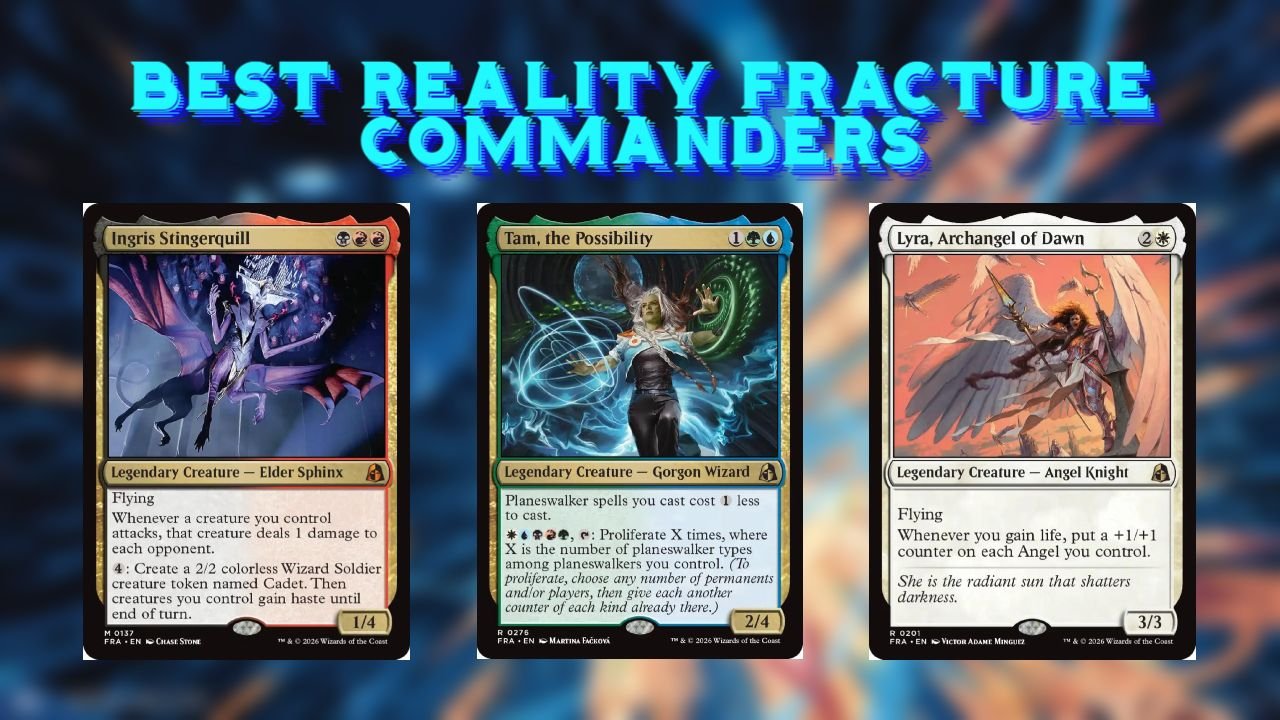
If you are looking for more commanders from this set to build around, check out my best Reality Fracture commanders guide for more ideas. And if you’re looking for a fun way to practice with your new Tomik, Izzet Sparkmage deck then checkout my Reality Fracture Horde Mode guide!