Lorwyn Eclipsed arrives with two Commander precons, marking the second consecutive release to keep things tight with a dual-deck offering. While both decks explore very different sides of the set’s identity, Blight Curse firmly plants itself in the darker corners of Lorwyn. This is the grimy, unsettling precon—packed with Goblins, Scarecrows, and a whole menagerie of creepy crawlies that thrive in decay rather than fear it.
If you’re drawn to sacrifice synergies, counter manipulation, and a playstyle that turns traditional drawbacks into advantages, Blight Curse has a lot to love. Below, we’ll break down how the deck functions out of the box and where smart upgrades can push it from “thematically cool” to genuinely threatening at a Commander table.
Table of Contents
Blight Curse precon deck overview
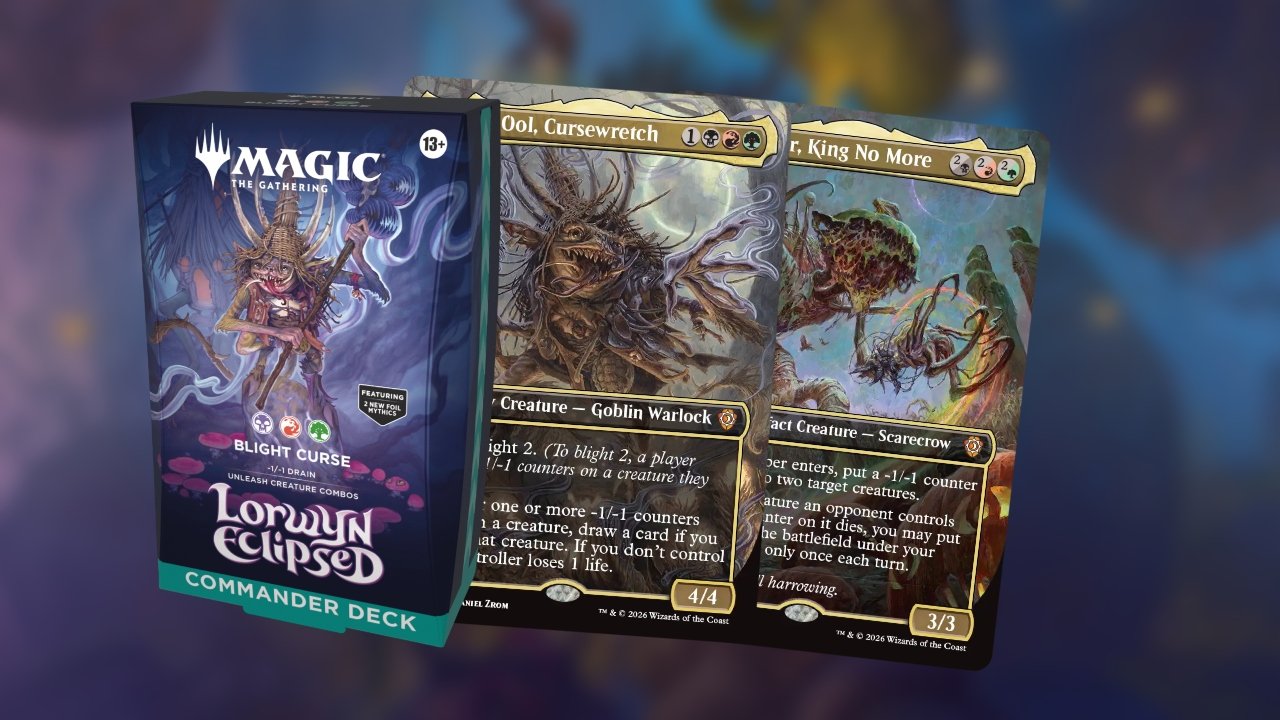
At first glance, Blight Curse looks fairly straightforward. The deck introduces a single new mechanic—Blight—alongside two familiar returning mechanics: Proliferate and Persist. While the rules text may seem punishing at face value, the deck is carefully constructed to turn self-inflicted harm into long-term value.
Blight typically appears as an additional cost, requiring you to place -1/-1 counters on your own creatures. In most Commander decks, that kind of downside would be a dealbreaker. Here, it’s simply part of the engine. Many of Blight Curse’s creatures are built with high toughness or counter-based synergies that allow them to shrug off the stat reduction, survive longer than expected, or even benefit from being “damaged” in this way.
Proliferate plays a key supporting role by letting you double down on counters already in play—whether that’s spreading Blight further, enhancing other counter-based effects, or slowly grinding down opposing boards. Persist, while less common in the list, acts as a safety valve. It gives the deck a way to recover when you push Blight too aggressively, ensuring your creatures can come back for another round rather than disappearing entirely.
Out of the box, Blight Curse does a solid job of showcasing its core themes, but it occasionally struggles with consistency and closing power. That’s where upgrades come in—tightening the synergies, improving resilience, and turning self-inflicted decay into a reliable win condition.
What cards to upgrade Blight Curse?
When upgrading Blight Curse, you’re not just looking to add raw power—you’re looking to make the deck’s core identity more consistent. A number of strong upgrade options actually come straight from Lorwyn Eclipsed itself, but the real focus should be on reinforcing how -1/-1 counters move around the board and how you’re rewarded for placing them.
There are a few key angles to prioritize. First, adding more ways to generate -1/-1 counters ensures Blight is always online. Second, increasing your access to Proliferate lets those counters snowball across creatures without repeatedly paying Blight costs. Third, you want cards that actively benefit from counters being placed, turning what would normally be a drawback into a steady source of value.
Beyond counters, Goblin token generators play a huge role in smoothing out the deck. They give you expendable bodies so Blight counters don’t leave you in an awkward position, and they synergize perfectly with sacrifice and death-trigger effects already present in the deck. Finally, adding more Persist effects gives Blight Curse a safety net—letting creatures die, return, and keep the engine running without fear of overcommitting.
10 Cards to Add to Blight Curse
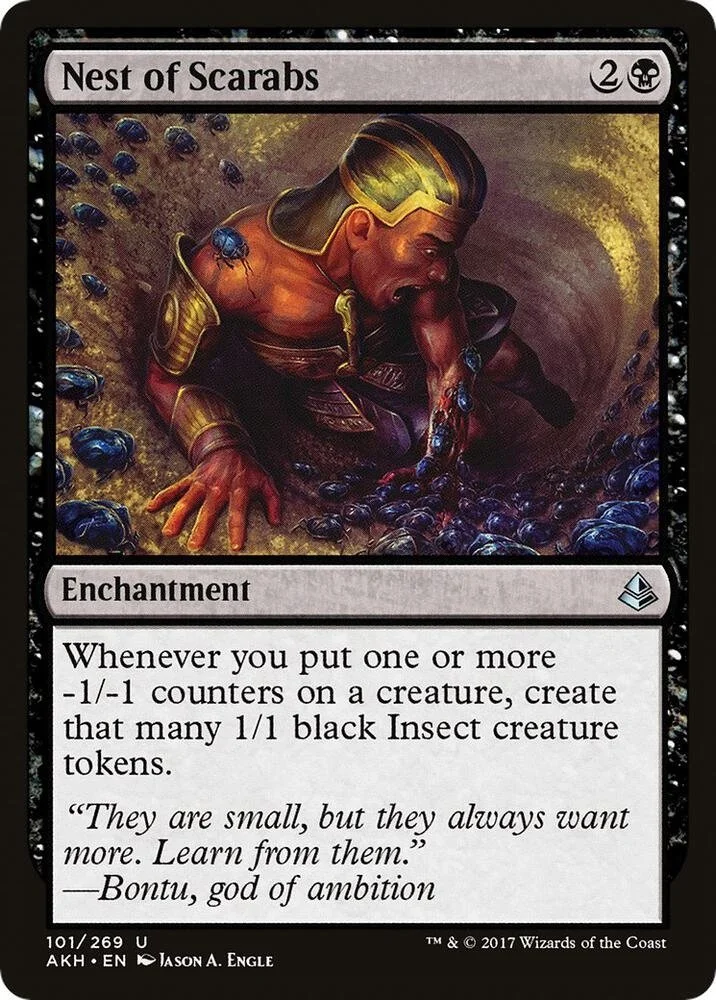
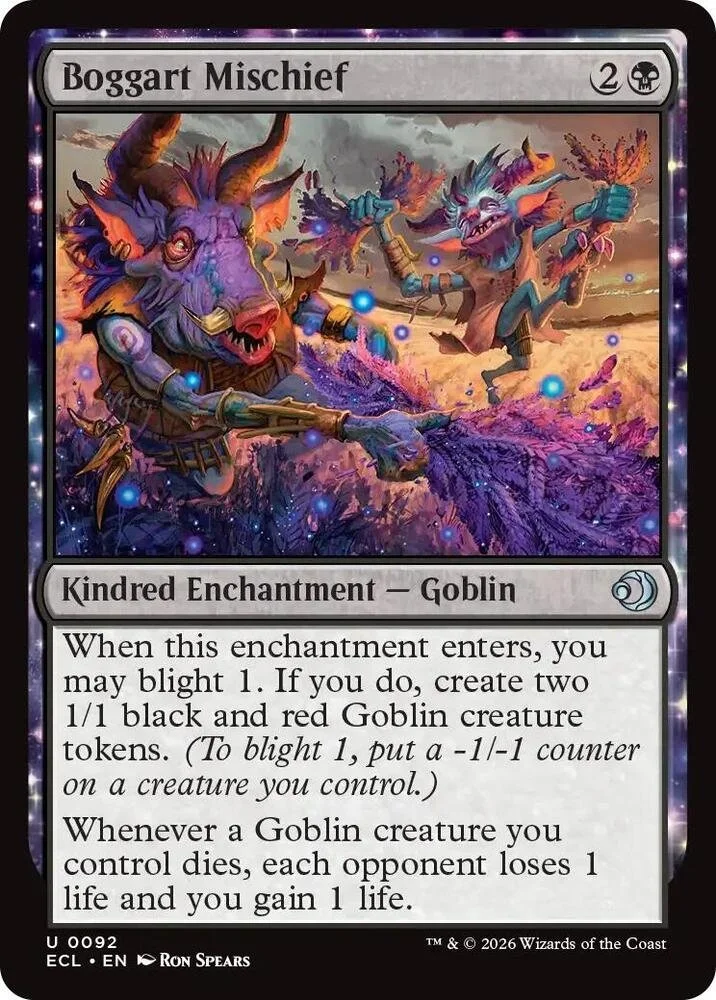
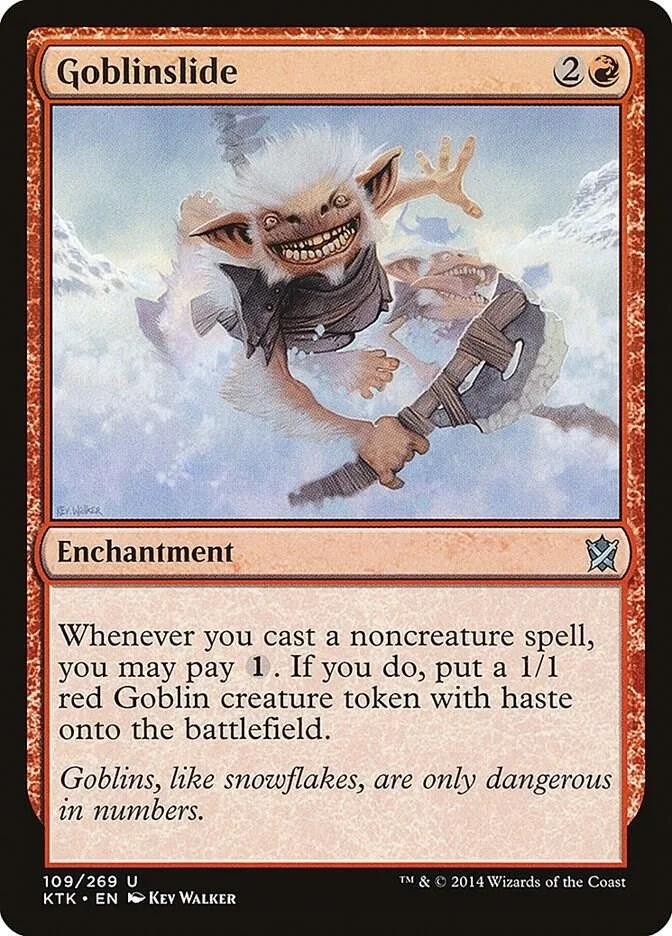
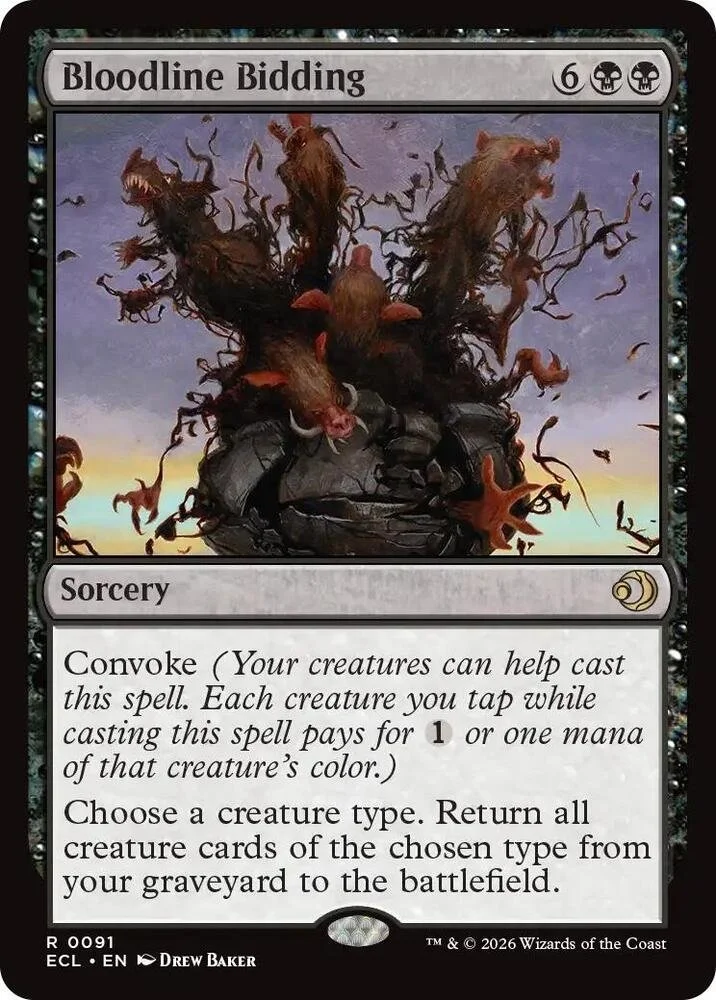
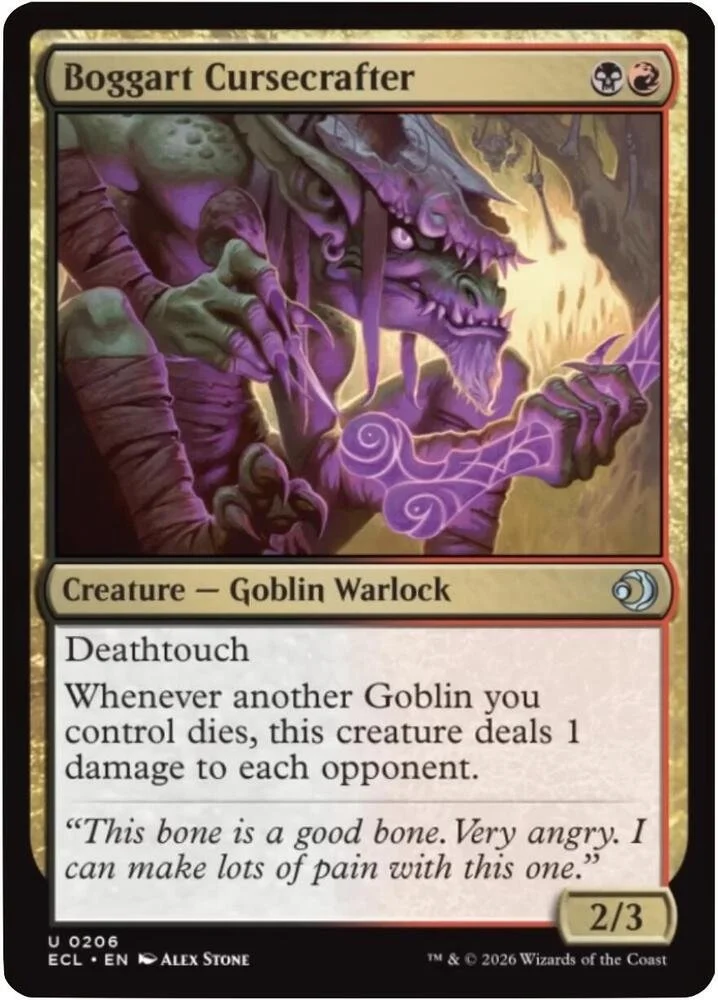
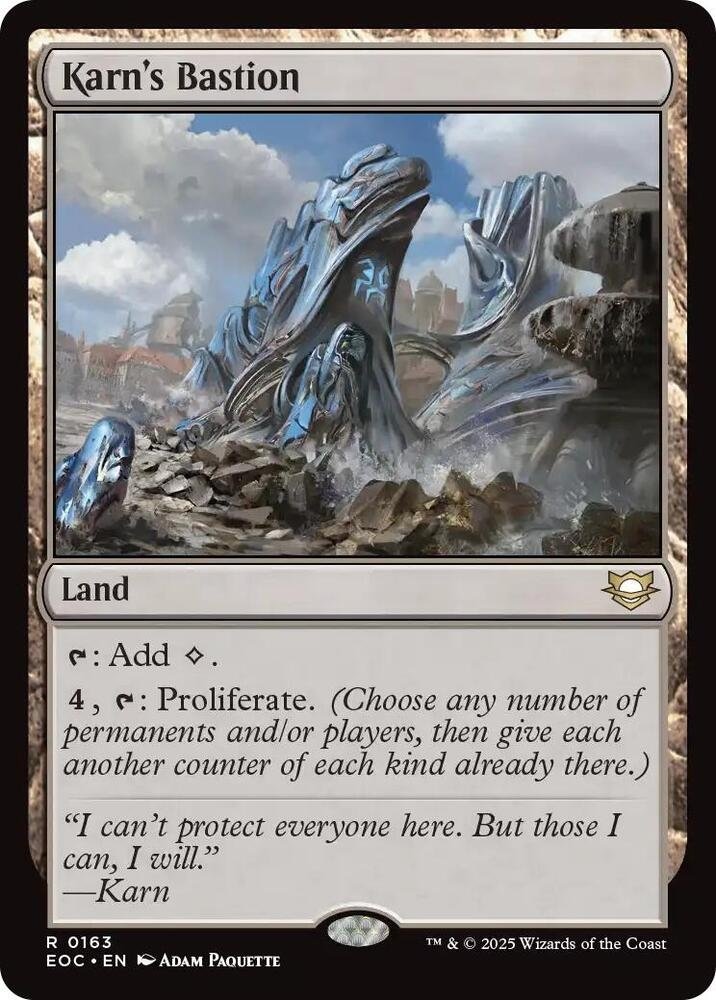
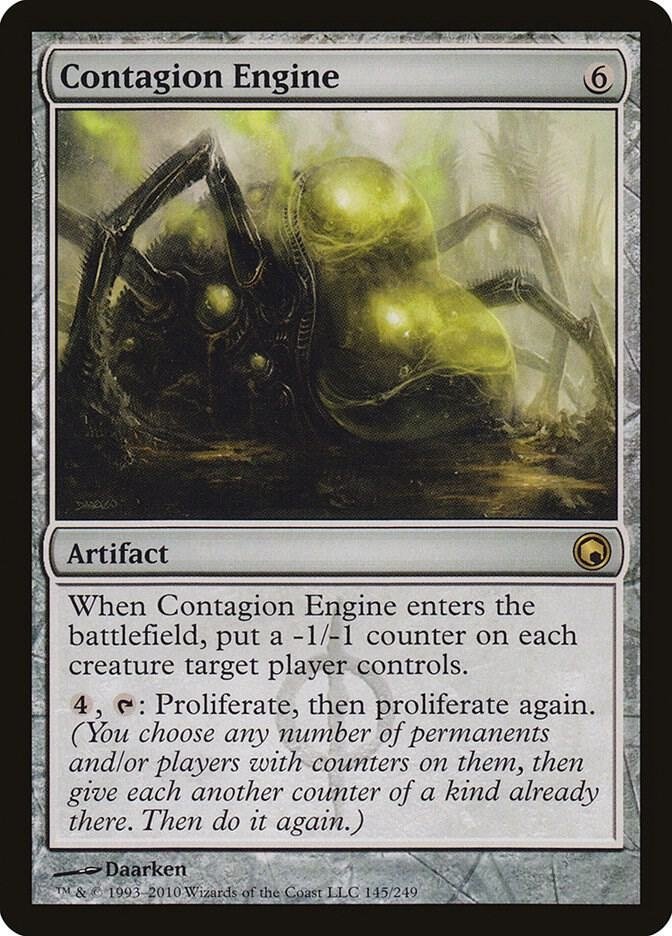
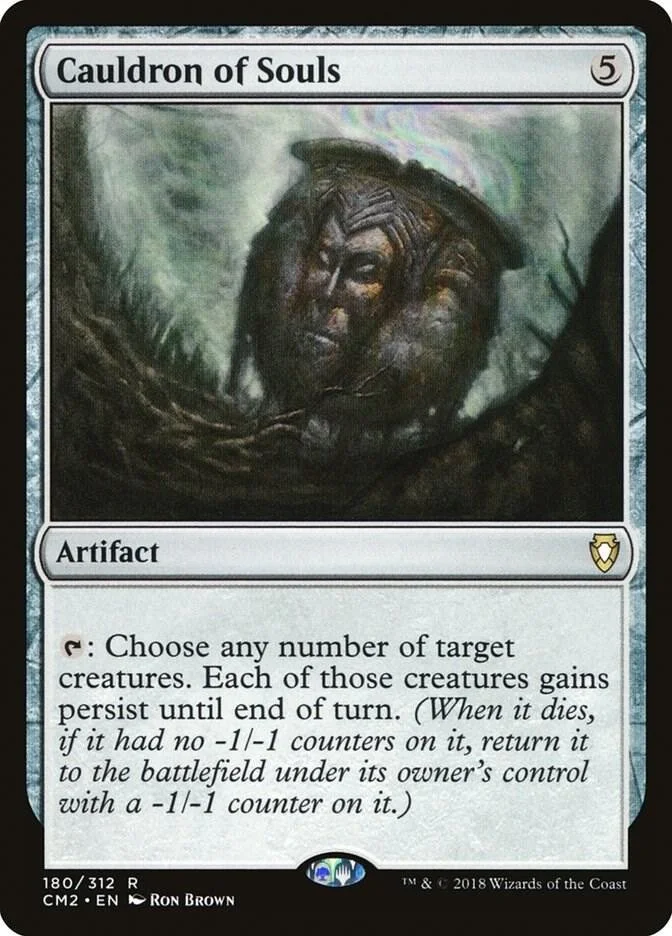
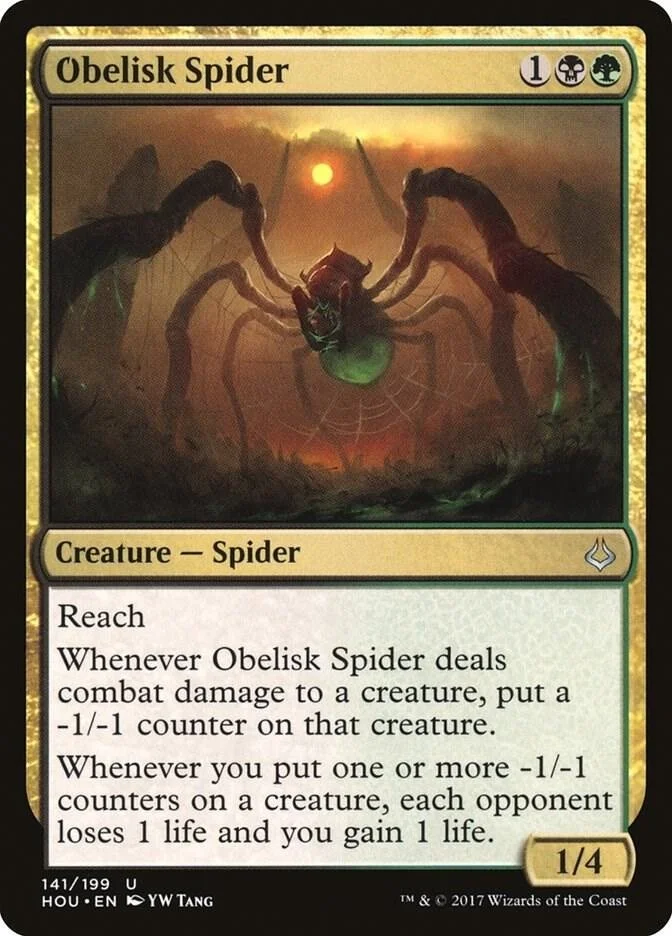
Nest of Scarabs – One of the best payoffs for -1/-1 counters, this turns every Blight trigger into free token generation and quickly floods the board.
Boggart Mischief – A Kindred enchantment that rewards your Goblin-heavy plan by dealing damage whenever your Goblins die, turning sacrifices into pressure.
Goblinslide – A reliable Goblin token engine that ensures you always have bodies to work with, even in longer games.
Bloodline Bidding – A powerful mass reanimation spell that can completely swing the game, especially in Goblin-heavy builds.
Boggart Cursecrafter – Another excellent payoff that chips away at opponents whenever Goblins hit the graveyard.
Karn’s Bastion – A land slot that adds real value, giving you repeatable Proliferate without taking up spell space.
Contagion Engine – Exactly what the name suggests: a true Proliferate engine that both weakens opposing boards and supercharges your counters.
Cauldron of Souls – Granting Persist to your entire board makes aggressive Blight lines far safer and keeps your creatures coming back for more.
Obelisk Spider – Acts as pseudo-wither while also padding your life total, helping offset the self-inflicted damage the deck naturally takes.
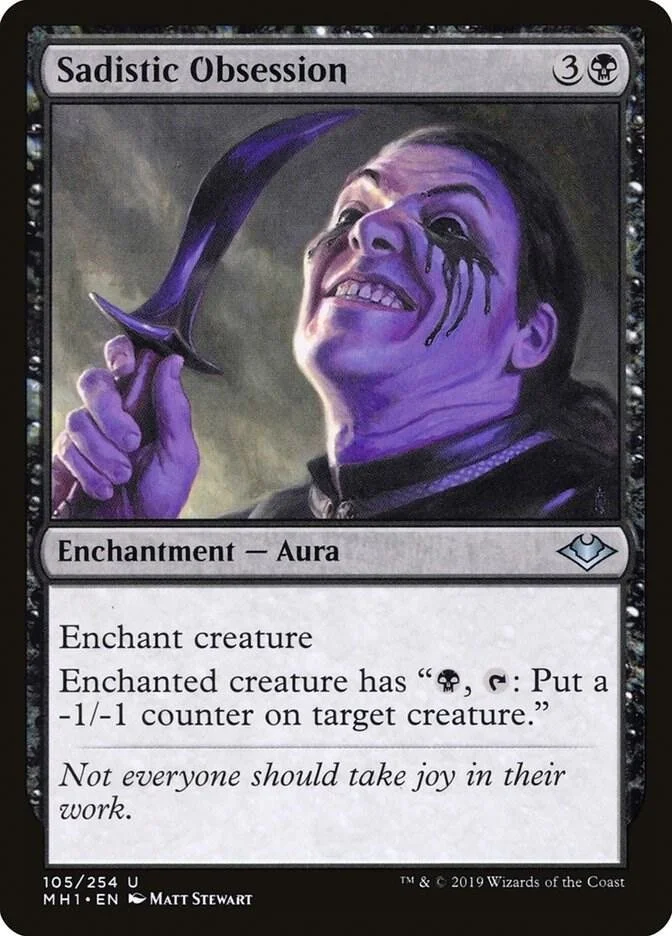
Sadistic Obsession – A consistent and repeatable way to distribute -1/-1 counters, keeping your Blight synergies firing every turn.
What cards to cut from Blight Curse?
Out of the box, Blight Curse is surprisingly efficient—honestly, it’s operating at about 98% of what it wants to do already. That said, there are still a handful of cards that don’t quite align with the deck’s core Blight-focused game plan. Some pieces feel underpowered once upgrades are introduced, others punish you without providing enough payoff, and a few lands simply aren’t necessary given how much mana fixing the deck already has access to.
Trimming these cards opens up space for stronger synergies, cleaner lines of play, and upgrades that actually push your Blight strategy forward instead of pulling it in different directions.
10 cards to cut from Blight Curse
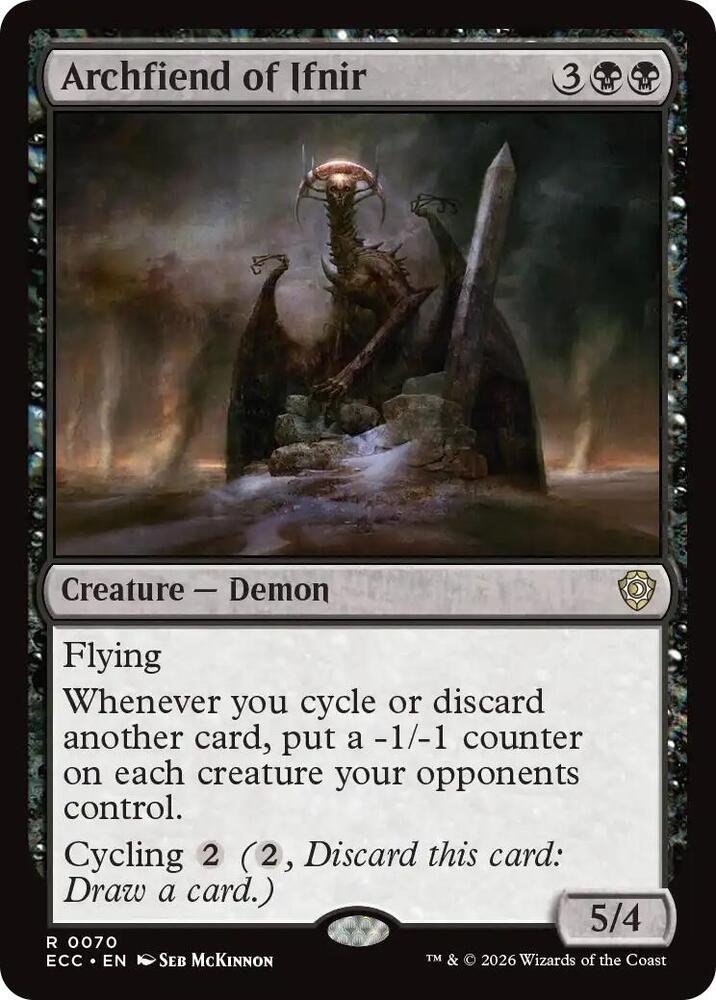

Archfiend of Ifnir – While placing -1/-1 counters on opposing creatures is appealing, this card relies heavily on discard and cycling synergies. Once upgraded, Blight Curse isn’t doing enough of either to justify the slot.
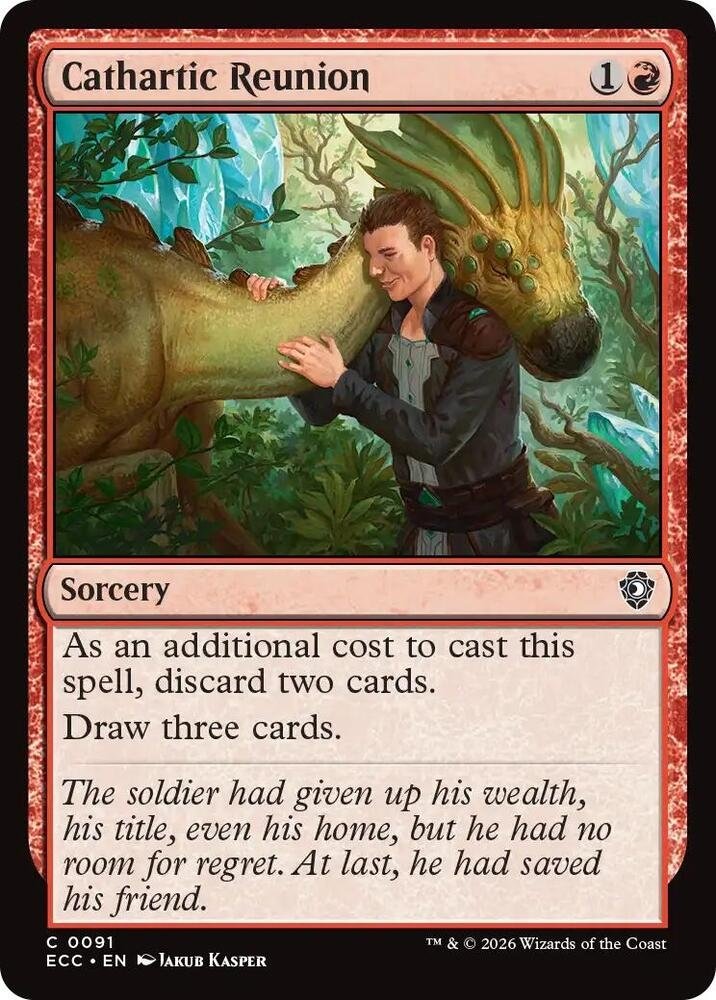
Cathartic Reunion – Discarding two cards just to draw three is a steep cost here. Blight Curse doesn’t want to reset its hand this aggressively, especially without graveyard payoffs to soften the blow.
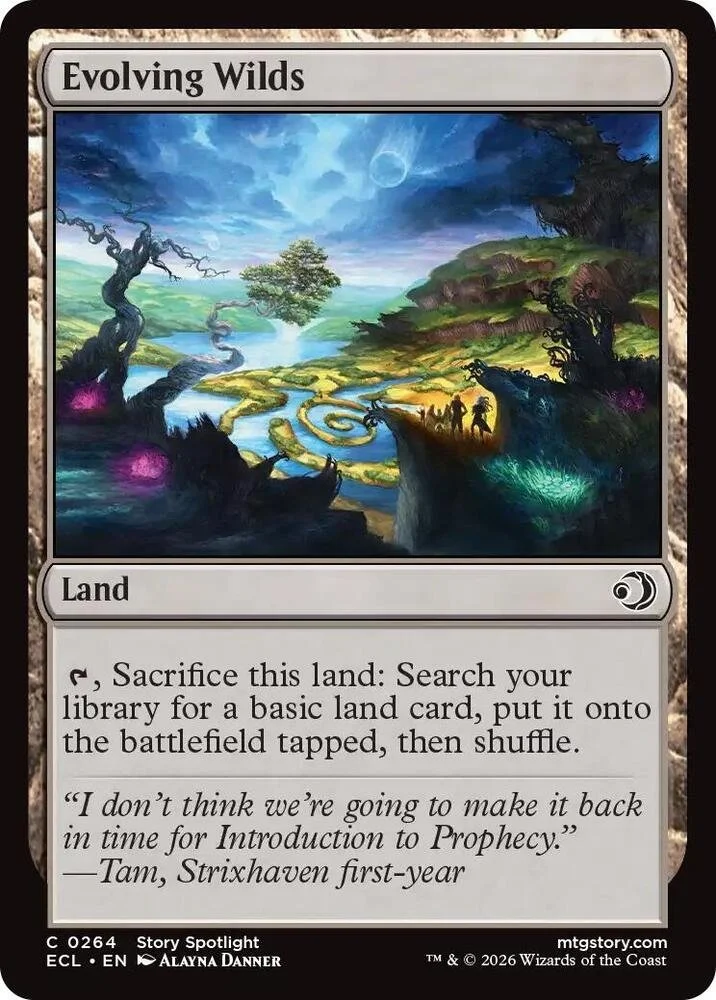
Evolving Wilds – With the amount of built-in mana fixing already available, tapped fetch lands like this become unnecessary and slow the deck down more than they help.
Exotic Orchard – While usually solid in multiplayer, this deck doesn’t need to rely on opponents for color fixing. More consistent mana sources are simply better.
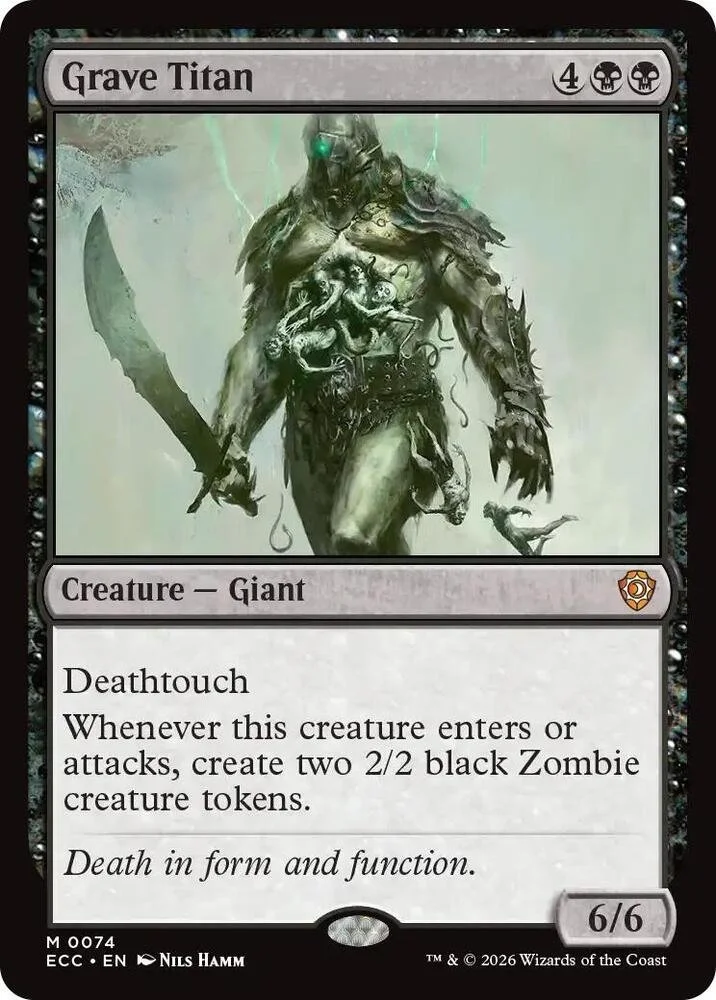
Grave Titan – Still a powerful card in a vacuum, but it doesn’t quite pull its weight here. The Zombies aren’t synergistic enough, and this slot is better used on a Goblin generator or something that directly supports Blight.
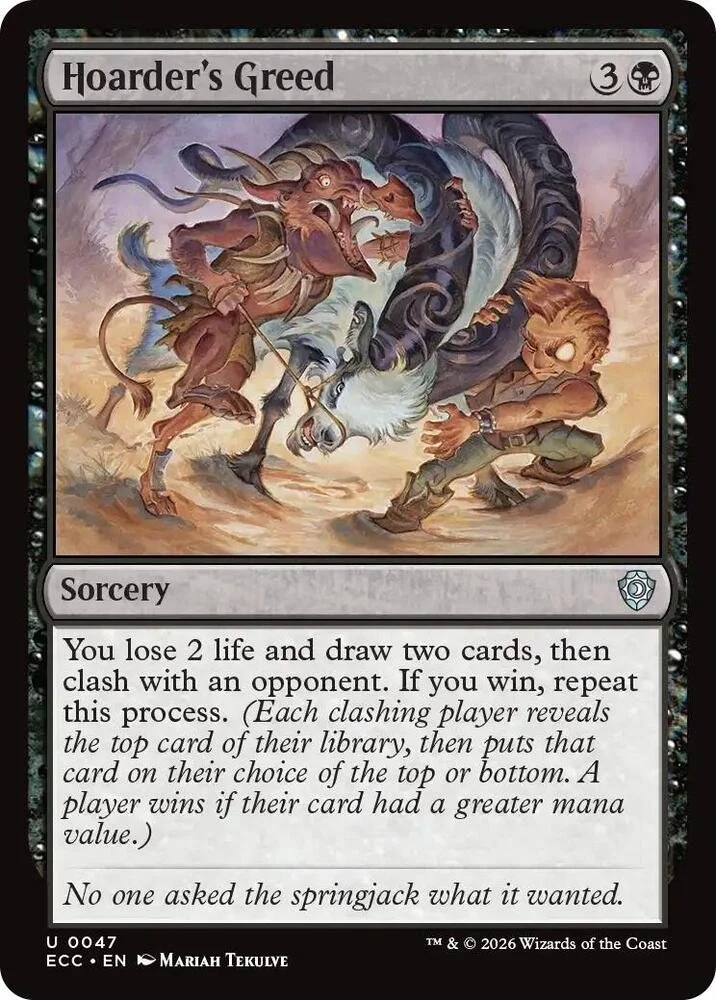
Hoarder’s Greed – Taking damage just to draw cards is rarely ideal, and Blight Curse doesn’t have enough lifegain to offset the punishment in a meaningful way.
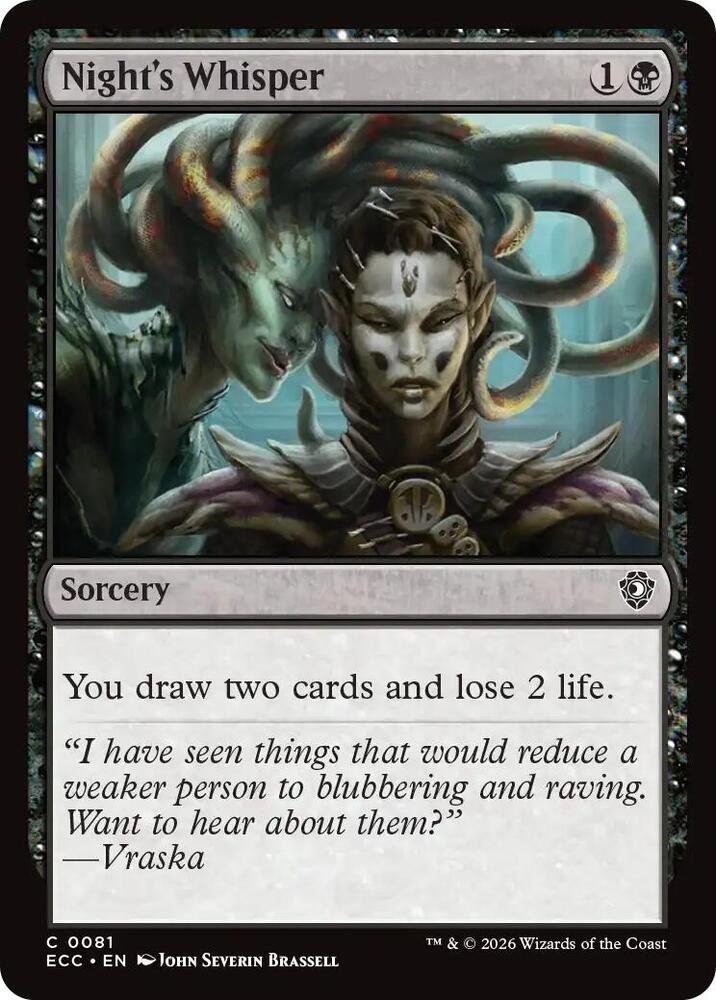
Night’s Whisper – Efficient on paper, but once again, the life loss adds up quickly with no reliable way to recover it.
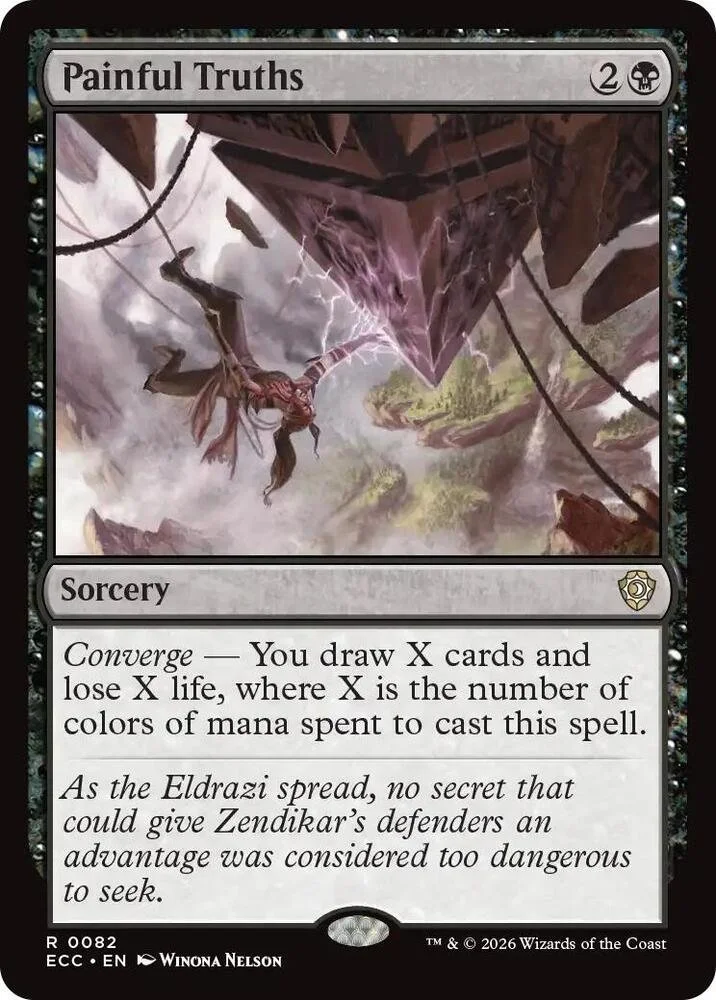
Painful Truths – This suffers from the same issue as the other draw spells: too much self-inflicted damage for too little payoff.
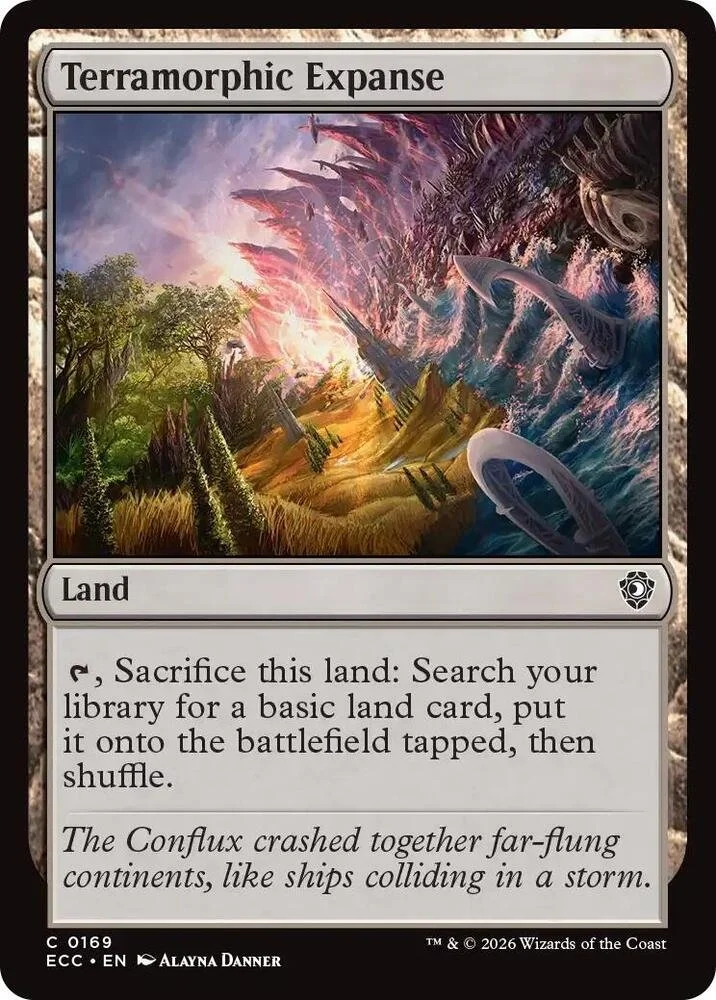
Terramorphic Expanse – Much like Evolving Wilds, this land is simply redundant in a deck that already fixes its colors well.
Tree of Perdition – It’s a fun and sometimes devastating card, especially against lifegain decks, but it’s also inconsistent and doesn’t meaningfully contribute to the deck’s overall Blight strategy.
Tips to pilot Blight Curse
Blight Curse rewards careful sequencing and a strong understanding of when to push your engine and when to hold back. While the deck can look aggressive on paper, its best games are often the ones where you set up patiently, let your synergies stack, and then turn incremental value into overwhelming pressure.
Commander Timing
If there’s one rule to keep in mind when piloting Blight Curse, it’s this: Auntie Ool should hit the battlefield as early as possible. The deck is heavily built around her presence, and without her, many of your Blight plays feel far riskier than they should.
Getting Auntie Ool down early allows you to start shaping the board in your favor while discouraging opponents from making aggressive attacks. Even if she doesn’t immediately generate value, her mere presence sets the tone for the game and signals that your Blight engine is ready to come online. Protect her when you can, and don’t be afraid to recast her if needed—she’s central enough to the strategy that the investment is almost always worth it.
When to Blight
Blight is powerful, but it’s also the easiest way to accidentally put yourself in a bad position. You never want to Blight so aggressively that you leave yourself wide open to attacks or removal.
The best time to start leaning into Blight is when you’ve already established a board presence. Having multiple creatures in play—especially expendable ones—means you’re not forced to shrink your most important pieces just to advance your game plan. Another ideal window is when you control a “lightning rod” creature: something with high toughness or built-in resilience that can comfortably absorb multiple -1/-1 counters without becoming a liability.
Blight is at its strongest when paired with token generation. If you can create a wide board of Goblins or other tokens, Blight becomes far less punishing and far more explosive. In those situations, you’re free to push the mechanic hard, knowing you have the bodies to support it.
What Creatures to Blight
Not every creature in your deck wants a -1/-1 counter, and choosing the wrong targets can undo your momentum quickly. As a general rule, avoid Blighting creatures with Persist. These creatures already have a built-in safety net, and placing -1/-1 counters on them actively works against that recursion.
Unless a creature specifically benefits from having -1/-1 counters on it, your best Blight targets are almost always tokens. Tokens are expendable by nature, and turning them into fuel for your engine keeps your key creatures healthy and your board intact. When possible, let your disposable creatures do the dirty work while your high-impact threats stay out of harm’s way.
Mastering Blight Curse isn’t about firing off Blight at every opportunity—it’s about knowing when restraint is the correct play. Once you strike that balance, the deck quickly shifts from fragile to frightening.
Final Thoughts
Blight Curse is one of the most mechanically interesting Commander precons to come out of Lorwyn Eclipsed. On the surface, it looks like a deck that actively works against itself, but once you understand how Blight, -1/-1 counters, and sacrifice synergies fit together, it becomes a surprisingly resilient and rewarding engine.
Out of the box, the deck is already close to firing on all cylinders, but a handful of smart cuts and focused upgrades go a long way. By trimming cards that punish you without enough payoff and leaning harder into counter consistency, Goblin token generation, and Persist effects, Blight Curse transforms from a cautious value deck into a relentless attrition strategy. The more the game drags on, the better your position becomes.
Piloting the deck well is all about restraint and timing. Getting Auntie Ool onto the battlefield early, choosing the right moments to Blight, and directing those counters toward expendable creatures instead of key threats makes the difference between stalling out and completely taking over the board. When everything clicks, Blight Curse turns decay into advantage and steadily suffocates opponents under layers of incremental damage and recursion.
If you enjoy Commander decks that reward careful sequencing, board awareness, and turning traditional downsides into powerful synergies, Blight Curse is absolutely worth upgrading. With a few targeted changes, it evolves from a flavorful precon into a deck that can hold its own at more competitive tables—without ever losing its grim, Goblin-filled charm.
If Blight Curse isn’t the only Lorwyn Eclipsed precon you’re upgrading, be sure to check out our Dance of the Elements precon upgrade guide to see how the Elemental deck stacks up.